




A lightweight alternative to the Xiaomi 17 Ultra and iPhone 17 Pro Max, but ... | review conclusion
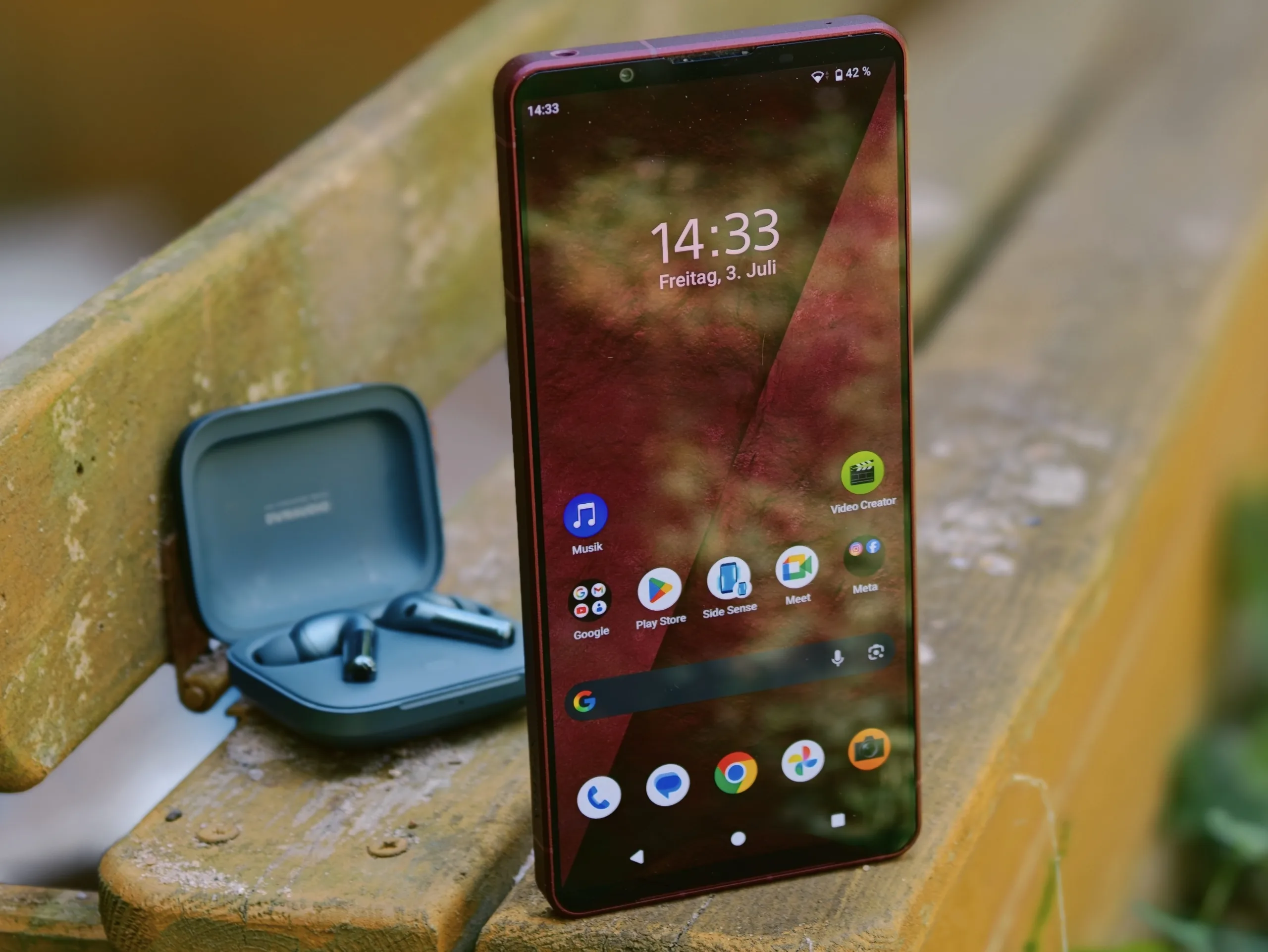
Sony's latest 200‑gram flagship smartphone earned a very good rating in our review. However, it still falls short of the absolute Android elite. The manufacturer still needs to take that final step in terms of the built-in hardware, because in comparion to the Xiaomi 17 Ultra or Oppo Find X9 Ultra, the Xperia 1 VIII cannot be considered “high-end” and does not rank among the absolute top tier phones.
However, the same cannot be said of its price. The Sony flagship starts at a MSRP of €1,499 in europe. The top-of-the-line version (1 TB, 16 GB) in Native Gold is available exclusively from the Sony online store for €1,999 (around $2,300). By the way, a Samsung Galaxy S26 Ultra now starts only around $1,000 for the 256-GB version (at amazon.com), for comparison.
In three areas, we don’t consider the current Sony flagship to be on par with the high-end competition from Oppo, Xiaomi, or Vivo. We won’t discuss the gaps in its feature set (only single-band GNSS, no ultrasonic sensor, etc.) here.
The Xperia 1 VIII's camera hardware is less powerful than that of the Vivo X300 Ultra or the Oppo Find X9 Ultra
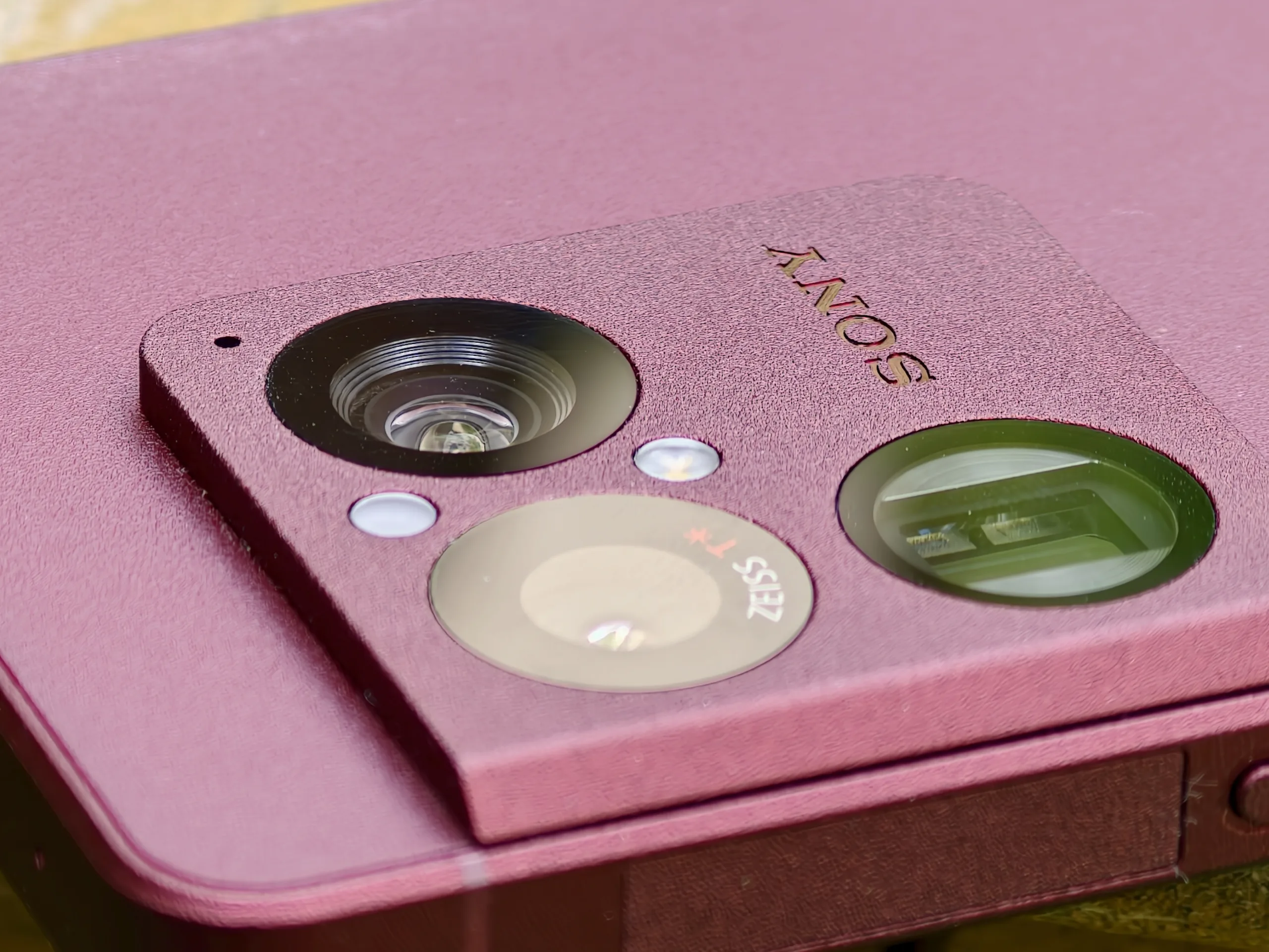
While the competing manufacturers rely on the latest sensors from Sony and offers external zoom modules, Sony sticks with smaller sensors and significantly more limited zoom capabilities for its own top-of-the-line model. The Xperia 1 VIII, like its predecessor, uses a 1/1.35-inch sensor for the main camera. The new Sony LYT-901, with 200 MPix in a 1/1.12-inch format, is available only in the ultra-smartphones from other manufacturers.
Android competitors have brighter displays with higher resolutions
With the Xperia 1 VIII, Sony continues to rely on FHD+ resolution for its OLED panel, without the option to adjust DC dimming or PWM dimming, whereas other top smartphones feature high-refresh-rate panels with 1,440p resolution. Our brightness measurements also clearly show that Sony can’t compete with the smartphone elite in this area. This is particularly disappointing, because only a few HDR standards are supported according to the DRMinfo app.
The Xperia 1 VIII's battery is smaller than the Xiaomi 17 Ultra's and charges more slowly
When it comes to batteries, Sony lags far behind the competition. In terms of both battery capacity and fast charging, competitors offer significantly more value for money. With a maximum charging power of 30 watts, Sony’s flagship needs nearly an hour and a half to refill its 5,000 mAh battery - a charging time that is no longer competitive. A Xiaomi Mi 10 Ultra from 2020 could already charge its similarly sized battery in under 30 minutes.
To find out why Sony’s current flagship phone still impresses in everyday use, read our full review.
Source(s)
Review: Sony Xperia 1 VIII
 Add as a preferred source on Google


