




The James Webb Space Telescope unveils a high-quality image of the Lion Nebula
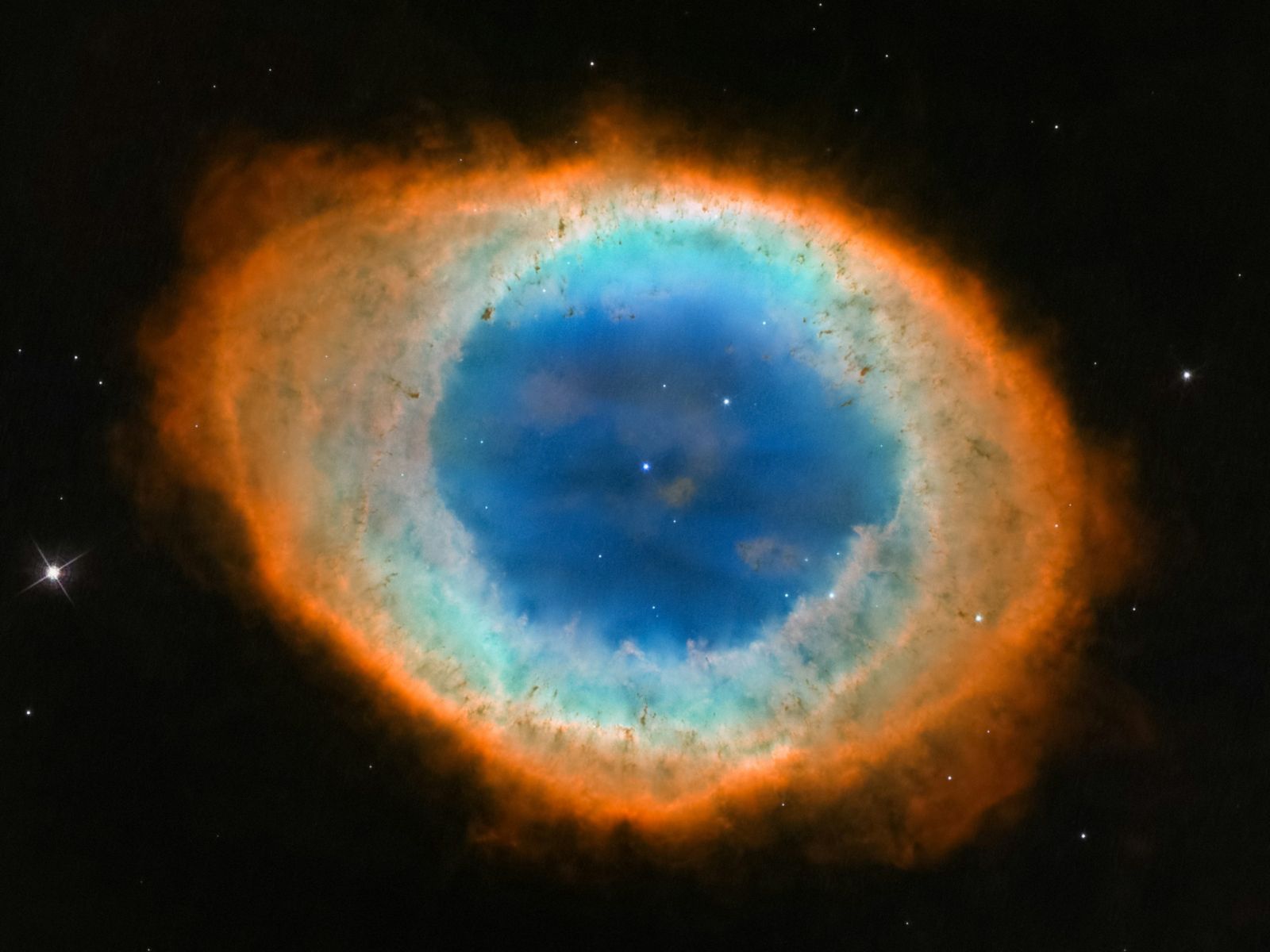
Space telescopes allow astronomers to observe celestial objects in greater detail and with less light pollution. But some telescopes are more powerful than others, such as the James Webb Space Telescope, which has recently observed the Lion Nebula.
Known as NGC 2392, this planetary nebula is located between 6,500 and 4,200 light-years from Earth. While it had already been studied by Hubble in 2000, the NIRCam (Near-Infrared Camera) and MIRI (Mid-Infrared Instrument) aboard the James Webb Space Telescope provide higher-quality images.
Thus, by looking at this image, it is possible to see the remnants of the star at its center. Thanks to infrared imaging, it is also possible to observe compact dust clusters and a haze of ionized gas. Dust filaments that have not been destroyed by the star’s radiation are also visible in various locations.
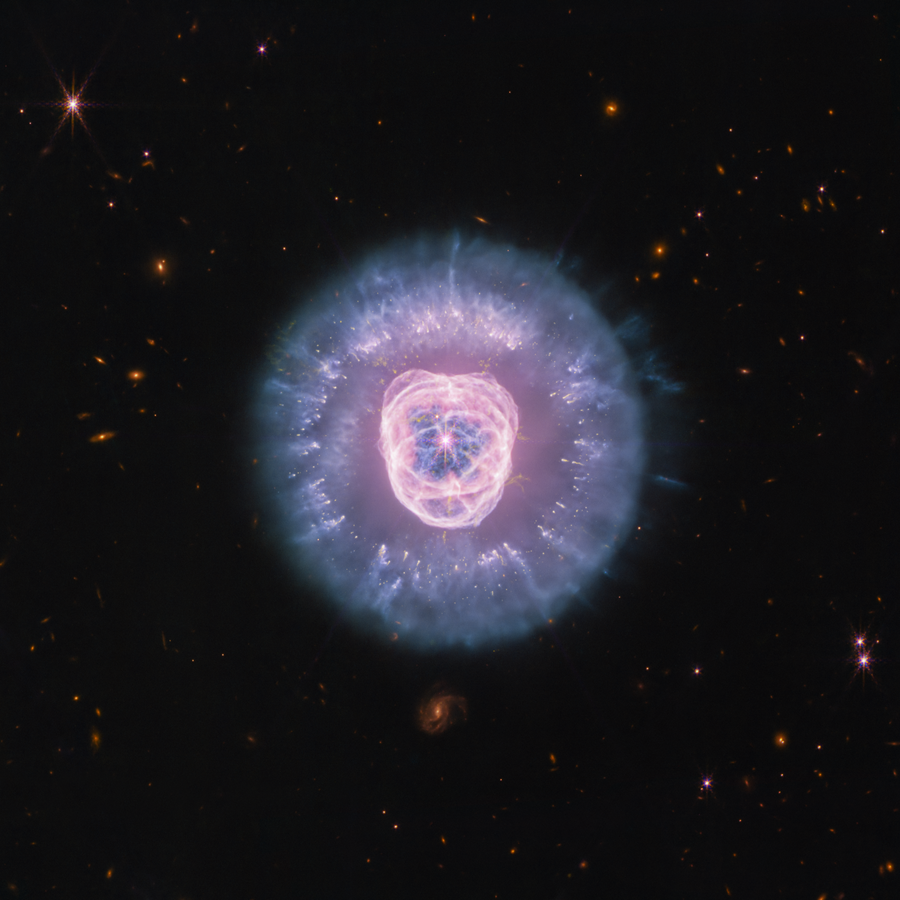
In addition, according to astronomers, this star was rich in oxygen. During its final stages, it ejected dust and became a white dwarf. The heat emitted by the star caused a bubble of ionized gas to form, giving NGC 2392 its distinctive appearance.
However, even though this structure will disappear in about 10,000 years, many mysteries surround these celestial objects, particularly regarding their shape. And to find new answers, further observations will be necessary, notably with the help of new instruments in the coming years.
Source(s)
Image source: NASA Hubble Space Telescope - Unsplash / NASA, ESA, CSA, STScI; Image Processing: Alyssa Pagan (STScI)
 Add as a preferred source on Google


