




An atmosphere has been detected for the first time around a rocky exoplanet
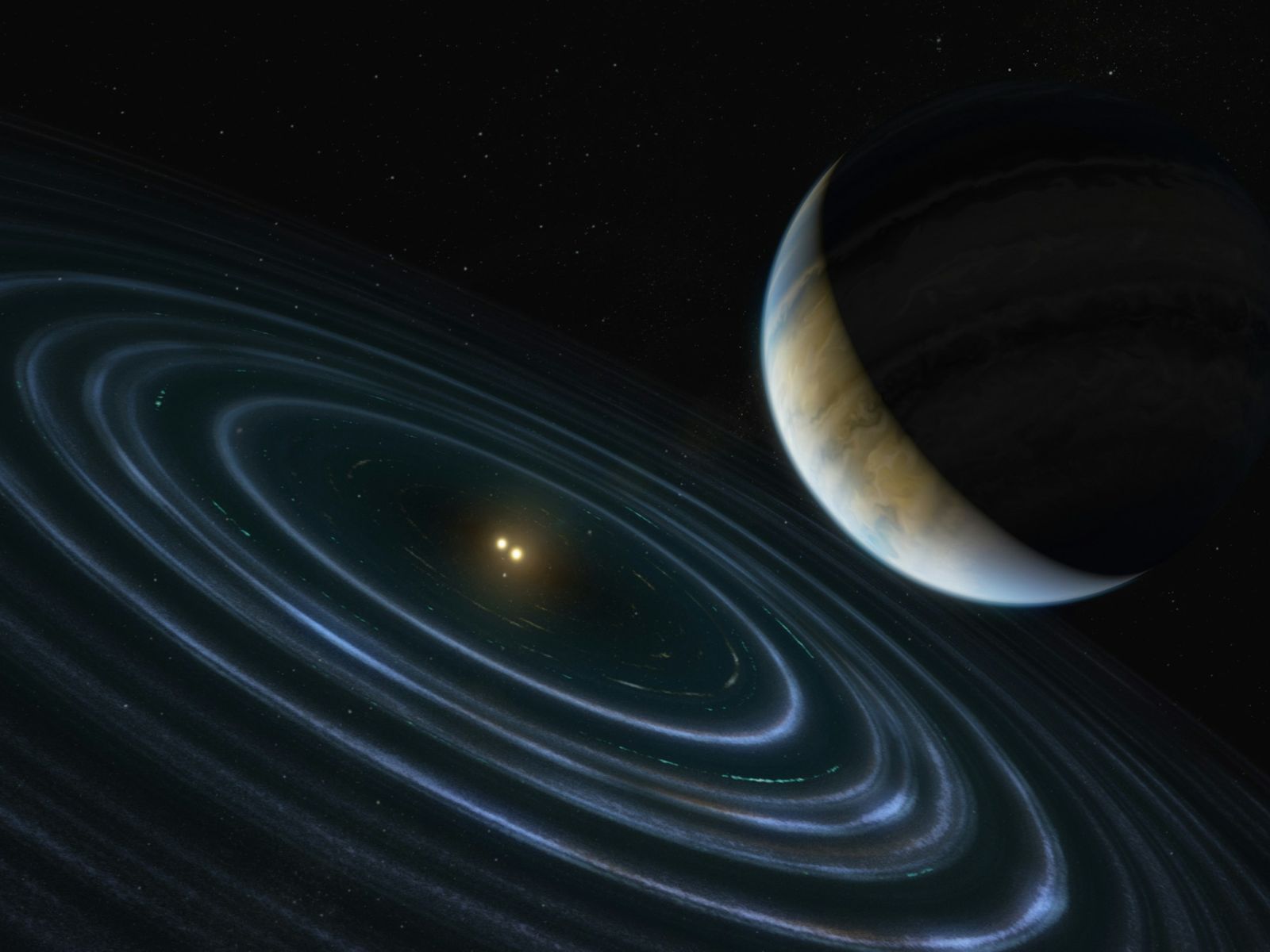
The search for life elsewhere in the universe has just reached a major milestone. Indeed, for the first time, astronomers have detected the presence of an atmosphere around an Earth-like exoplanet located in the habitable zone of its star.
In a study published in the journal Science, astronomers have studied the exoplanet LHS 1140 b, located about 48 light-years away, which is relatively close to Earth on a cosmic scale.
While astronomers thought that its atmosphere was mainly composed of nitrogen, they conducted new observations during its transit in front of its host star. They used the Warm Infrared Echelle (Winered) Spectrograph and discovered that helium was escaping into space.
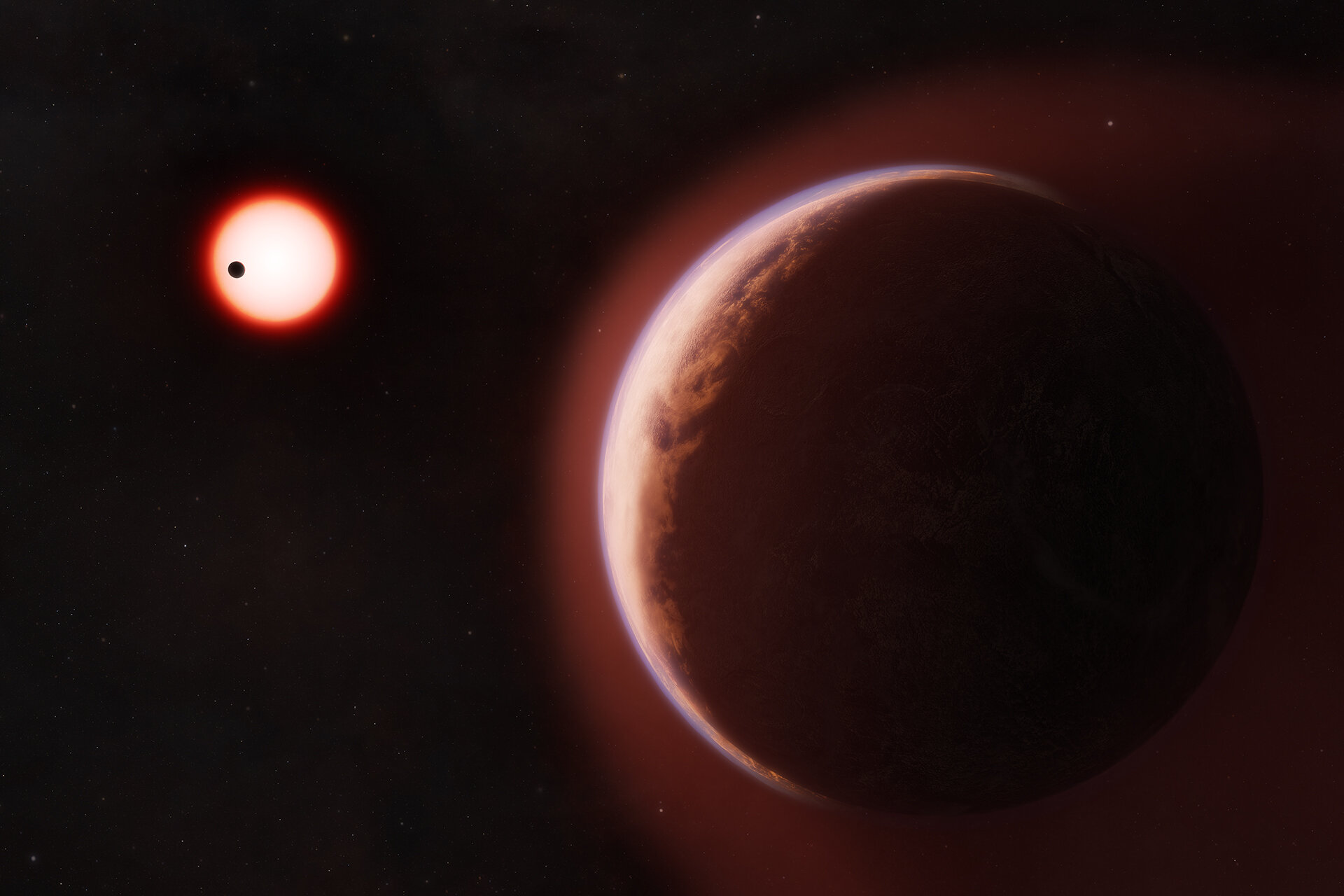
With a mass 5.6 times that of Earth and a radius about 70% larger than Earth's, this rocky exoplanet could potentially host life. However, there are still many uncertainties. Indeed, astronomers believe that vast oceans may exist on its surface, but no concrete evidence has yet been found.
In addition, the composition of its atmosphere is not fully understood, although it appears to be different from Earth’s. As a result, further observations and studies using various instruments will be necessary to obtain better results and potentially discover evidence of life elsewhere in the universe.
Source(s)
Image source: NASA Hubble Space Telescope - Unsplash
 Add as a preferred source on Google


