




Rocket Lab buys satellite operator Iridium for $8 billion to challenge Starlink
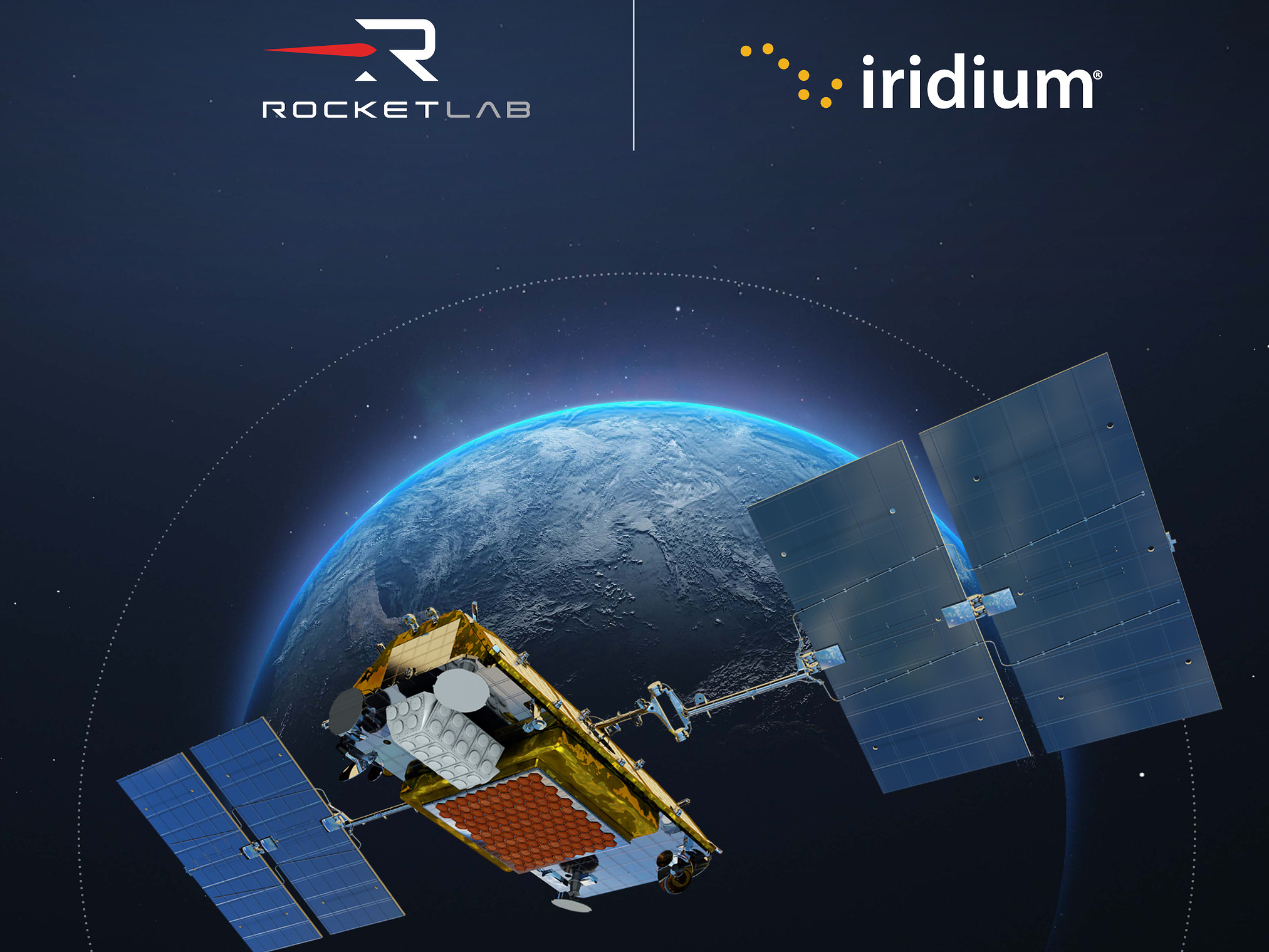
Rocket Lab, the space company best known for its Electron rocket, has agreed to acquire satellite communications provider Iridium Communications in a deal worth approximately $8 billion. Rather than building its own satellite network from scratch, Rocket Lab is acquiring an established communications business with millions of customers and access to valuable L-band spectrum.
Iridium provides voice, data, and positioning services to more than 2.55 million subscribers worldwide through its constellation of 66 operational low-Earth orbit satellites, supported by additional in-orbit spares. Its services are widely used by governments, defense organizations, airlines, shipping companies, and businesses operating in remote areas beyond the reach of terrestrial networks. Unlike SpaceX's Starlink or Amazon's Leo (formerly Project Kuiper), Iridium does not offer consumer broadband internet. Instead, its constellation specializes in low-bandwidth but highly reliable global connectivity.
In a video discussing the acquisition, Rocket Lab founder and CEO Sir Peter Beck described the deal as a "shortcut" to building a global satellite network. He cited Iridium's licensed spectrum, established customer base, government relationships, and profitability as the key reasons behind the acquisition, saying Rocket Lab is "not investing in hopes and dreams." Instead, the company is acquiring an established business that generated $871.7 million in revenue during 2025.
Rocket Lab plans to expand Iridium's network rather than simply maintain it. The company says it will help develop and deploy Iridium's next-generation satellite constellation, including direct-to-device (D2D) services designed to connect smartphones without terrestrial cellular coverage. Rocket Lab also expects the acquisition to strengthen its position in government and national security markets, where resilient satellite communications and positioning services are becoming increasingly important.
The acquisition also reflects a broader trend toward vertical integration in the commercial space industry. Space companies are increasingly seeking to control both launch vehicles and the satellite networks that generate recurring revenue. SpaceX has built the world's largest satellite internet constellation with Starlink, while Amazon is investing heavily in its Leo broadband network. Earlier this year, Amazon also deepened its relationship with Globalstar — the satellite operator that provides the infrastructure behind Apple's Emergency SOS via satellite service — to expand its satellite communications capabilities.
Under the agreement, Iridium shareholders will receive $54 per share in a combination of cash and Rocket Lab stock. The transaction has been unanimously approved by the boards of both companies and is expected to close in mid-2027, subject to approval by Iridium shareholders and regulatory authorities.
Source(s)
 Add as a preferred source on Google


