




Betelgeuse's surface reveals a shape that surprises astronomers
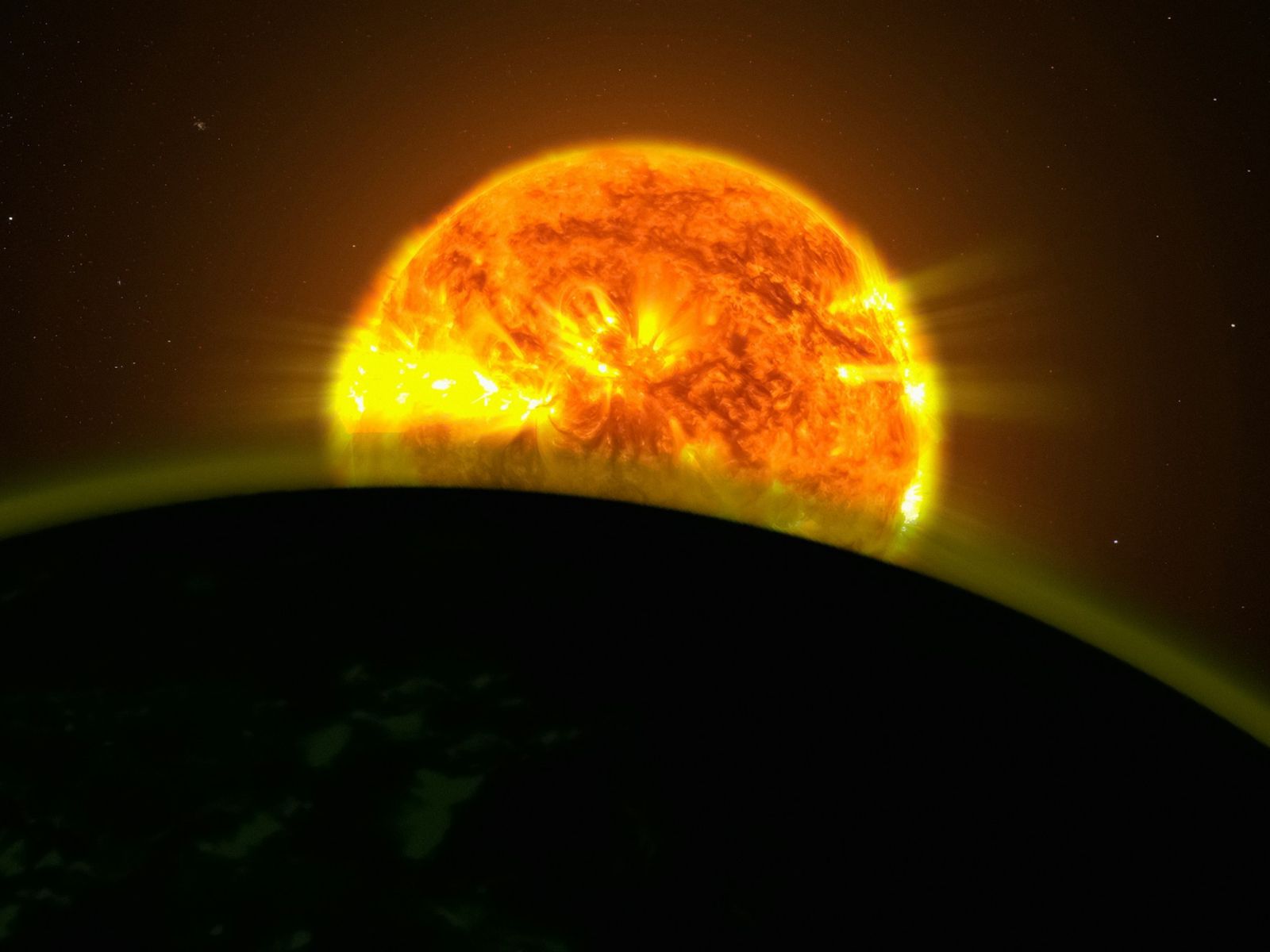
Known for centuries and frequently studied by astronomers, Betelgeuse never ceases to surprise. Indeed, while the presence of a companion star appears to be confirmed, new observations reveal an astonishing shape.
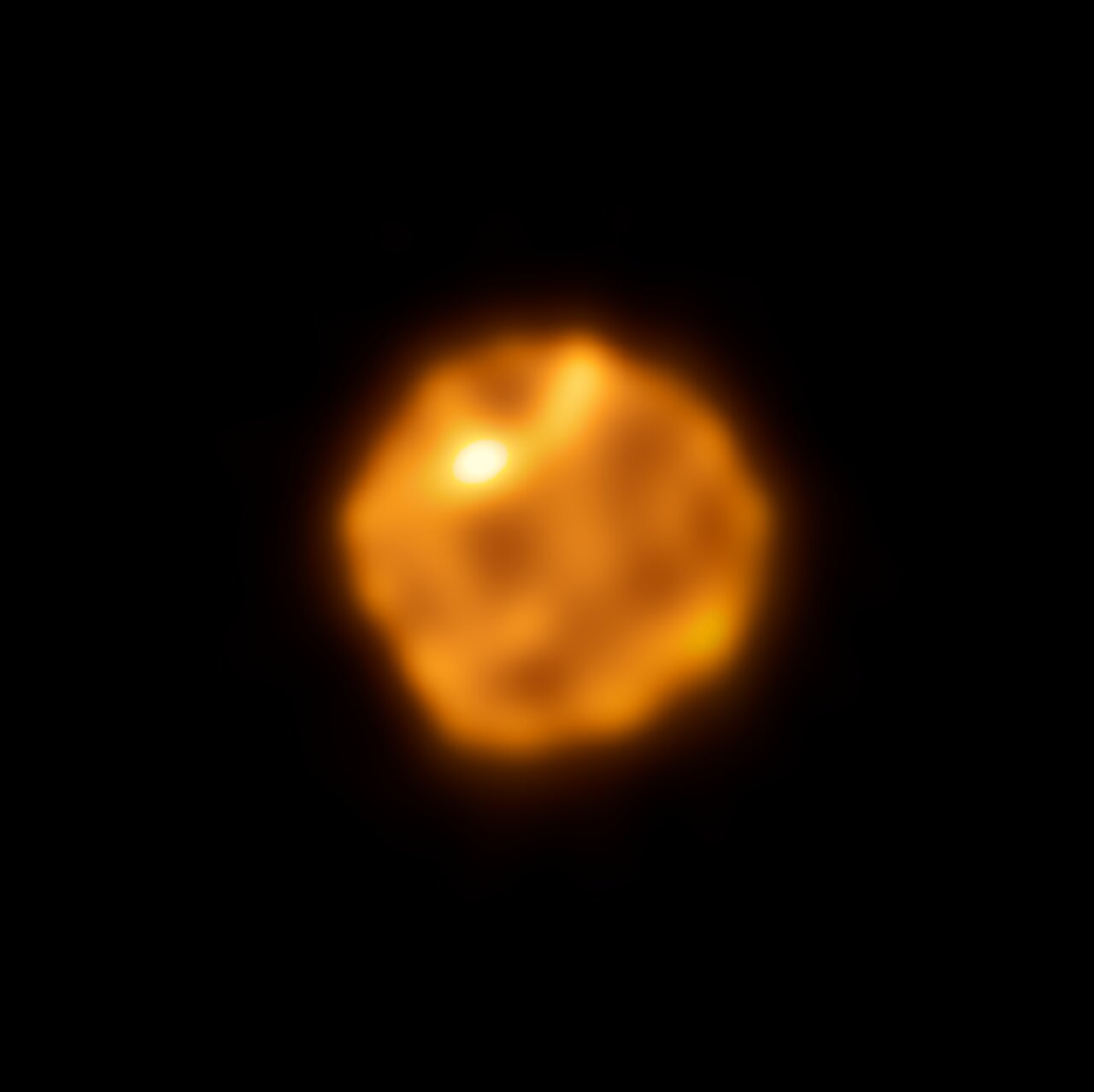
A team of astronomers studied this star using ALMA, which revealed an irregular surface and two hot regions. To explain these phenomena, the researchers believe that they may be linked to the final stages of the star's life.
Indeed, it has exhausted the hydrogen in its core, and while its mass is about 20 times that of the Sun, its radius is 800 times greater. The irregularities visible on its surface appear to be caused by movements of hot plasma within this red supergiant.
As the hot plasma moves, it generates shock waves that propagate through its atmosphere, causing this bumpy shape. And that's not all, because by comparing the 2023 image with one from 2015, astronomers noticed that one of these hot regions had existed for at least seven years.
Its atmosphere has also been studied, revealing a temperature of about 3,680 degrees Fahrenheit (2,030 degrees Celsius). However, Betelgeuse is often studied for another phenomenon. In fact, it could explode as a supernova at any moment, producing a spectacular show in the sky and a unique opportunity for astronomers to study this event, even though it could happen tomorrow or in thousands of years.
Source(s)
Image source: NASA Hubble Space Telescope - Unsplash / ALMA(ESO/NAOJ/NRAO)/W. Dent et al.
 Add as a preferred source on Google


