Australian researchers develop cyborg cockroaches for search and rescue operations
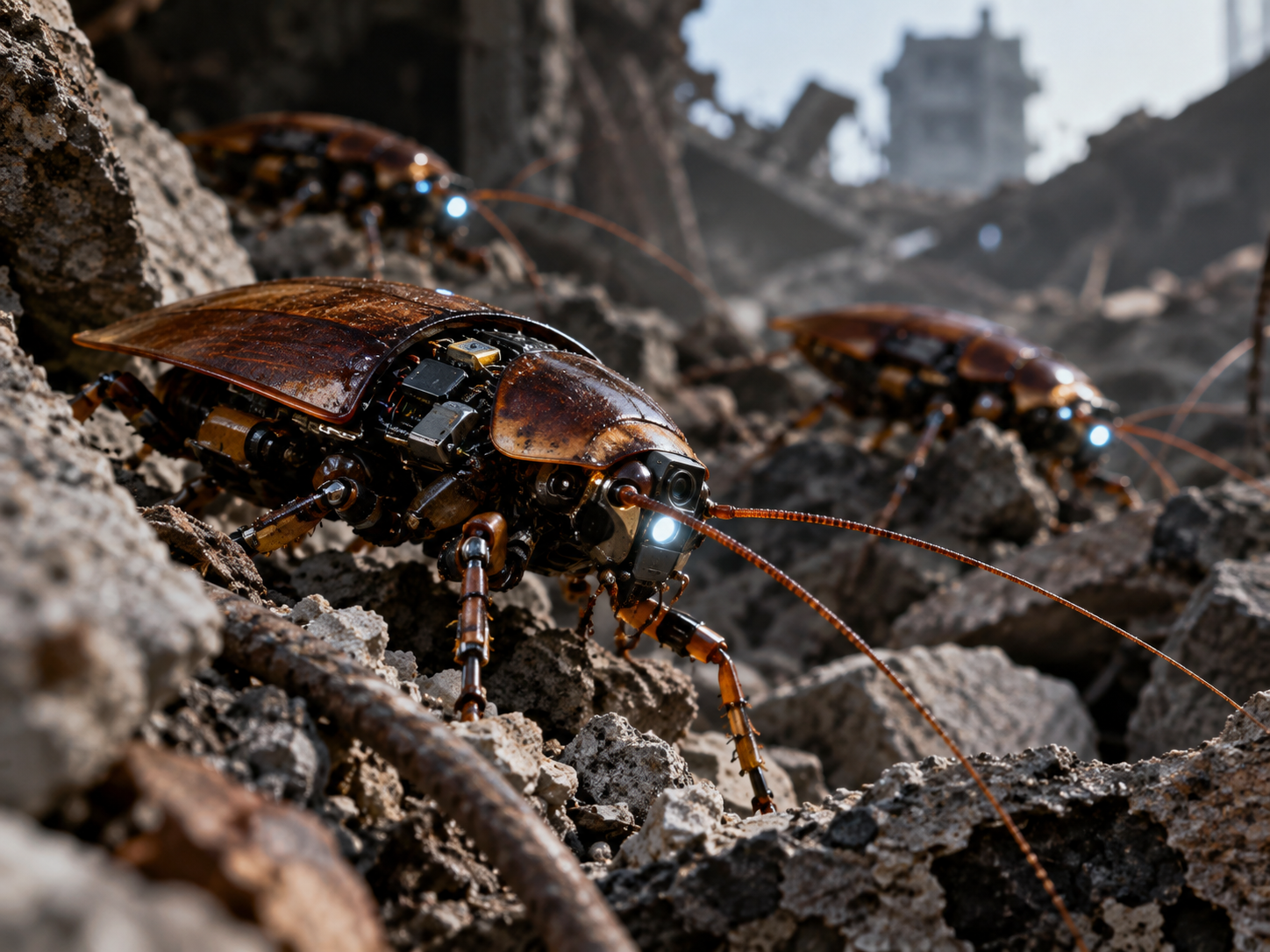
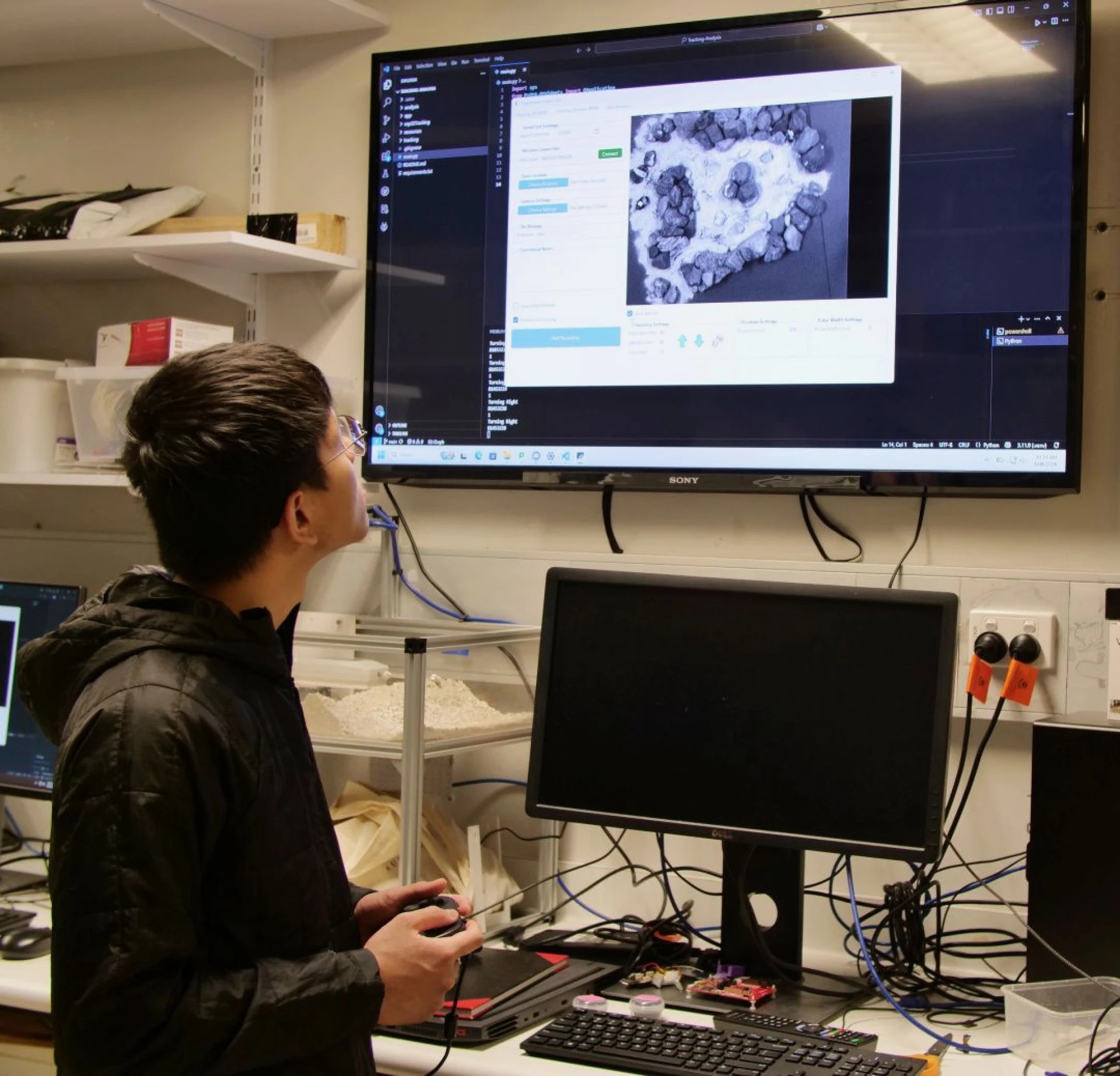
Researchers at the University of Queensland (UQ) and the University of New South Wales (UNSW) have moved cyborg insects beyond simple reconnaissance and into active rescue work. Dubbed "paraborgs," the North Queensland giant burrowing cockroaches are fitted with lightweight electronic backpacks that allow human operators to steer them through rubble via electrical stimulation near their antennae. Where earlier cyborg-insect projects focused only on locating survivors, these paraborgs can also deliver life-saving medication.
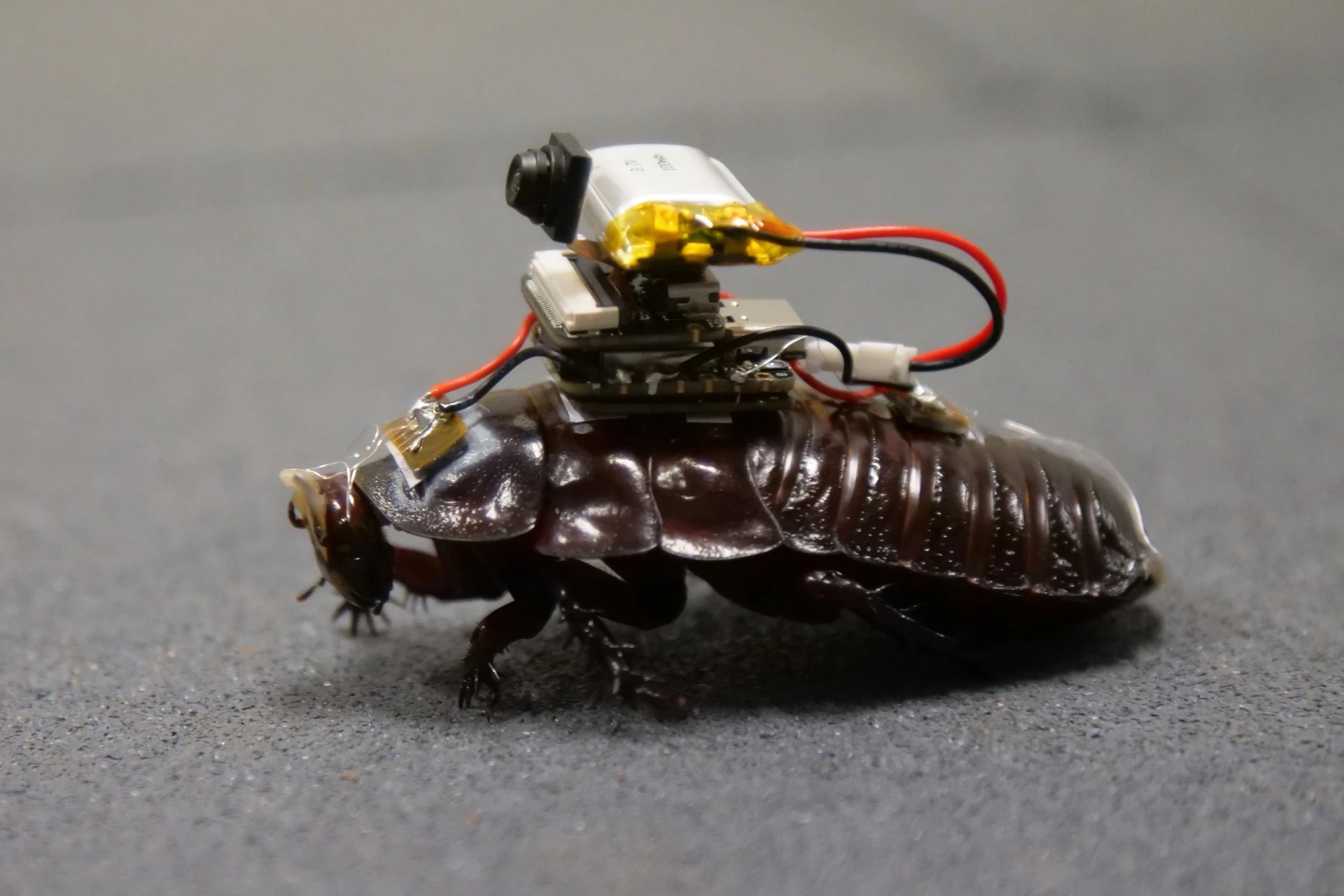
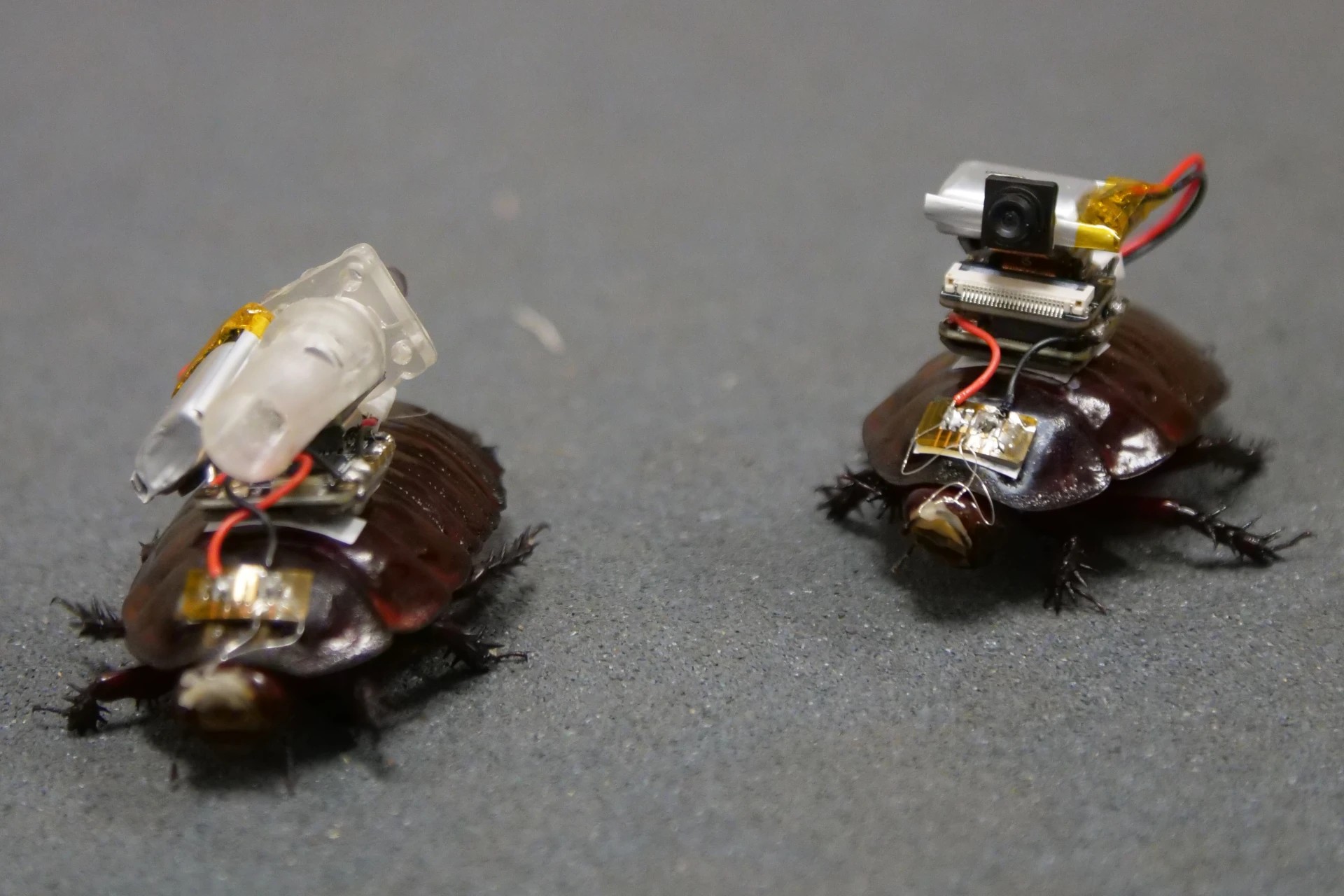
Each mission pairs two insects with distinct jobs. One carries a camera for visual feedback, acting as an observer, while the other is fitted with a spring-loaded auto-injector capable of firing a medication-filled needle, effectively becoming the "paramedic." The giant burrowing cockroach was chosen mostly for its size: weighing around 35 grams and stretching roughly 8 centimeters, it is reportedly the heaviest cockroach species known, giving it enough strength to carry the added equipment.
In proof-of-concept trials, the system achieved a 95% success rate for injections attempted within 15 centimeters of the target, though the full sequence of navigating to a target and completing an injection succeeded only 72% of the time, and the injection mechanism itself worked in about 90% of attempts. Notably, these figures come entirely from tests on silicone models and pig or pork tissue, not human subjects, so real-world reliability remains unproven.
Researchers acknowledge that years of work remain before real deployments, and its longer-term ambition is a "swarm" of specialized cyborg insects, each assigned a distinct role such as sensing, observation or medical delivery. Public reaction has been mixed: some have questioned the ethics of the approach, even as researchers highlight that the insects are anesthetized during fitting and live out normal lifespans afterward. Proponents see it as a potentially valuable addition to search-and-rescue toolkits, while critics note the unsettling image of an insect delivering medical care to a trapped person may itself be a hurdle to public acceptance.
Source(s)
 Add as a preferred source on Google