




Scientists confirm the T. rex was a warm-blooded reptile by measuring its body temperature

For decades, scientists have debated whether the Tyrannosaurus rex was a slow-moving, cold-blooded reptile or an energetic, warm-blooded predator. Now, researchers at the University of California, Los Angeles (UCLA) have resolved the mystery by determining the dinosaur’s actual body temperature. Using advanced chemical analysis on fossilized teeth, the team discovered that the ancient carnivore maintained an internal temperature of roughly 97 degrees Fahrenheit (36.3 °C) — nearly identical to that of a modern human.
To take the temperature of an extinct creature, the research team developed a unique geologic thermometer based on microscopic chemical bonds. Inside highly durable tooth enamel, rare forms of carbon and oxygen lock together. The frequency of these specific bonds directly correlates with temperature: fewer bonds indicate a warmer body, while more bonds indicate a cooler one. By drilling a tiny amount of enamel powder from teeth belonging to a T. rex specimen named "Thomas" at the Natural History Museum of Los Angeles County, the scientists dissolved the material in acid and measured the resulting gases.
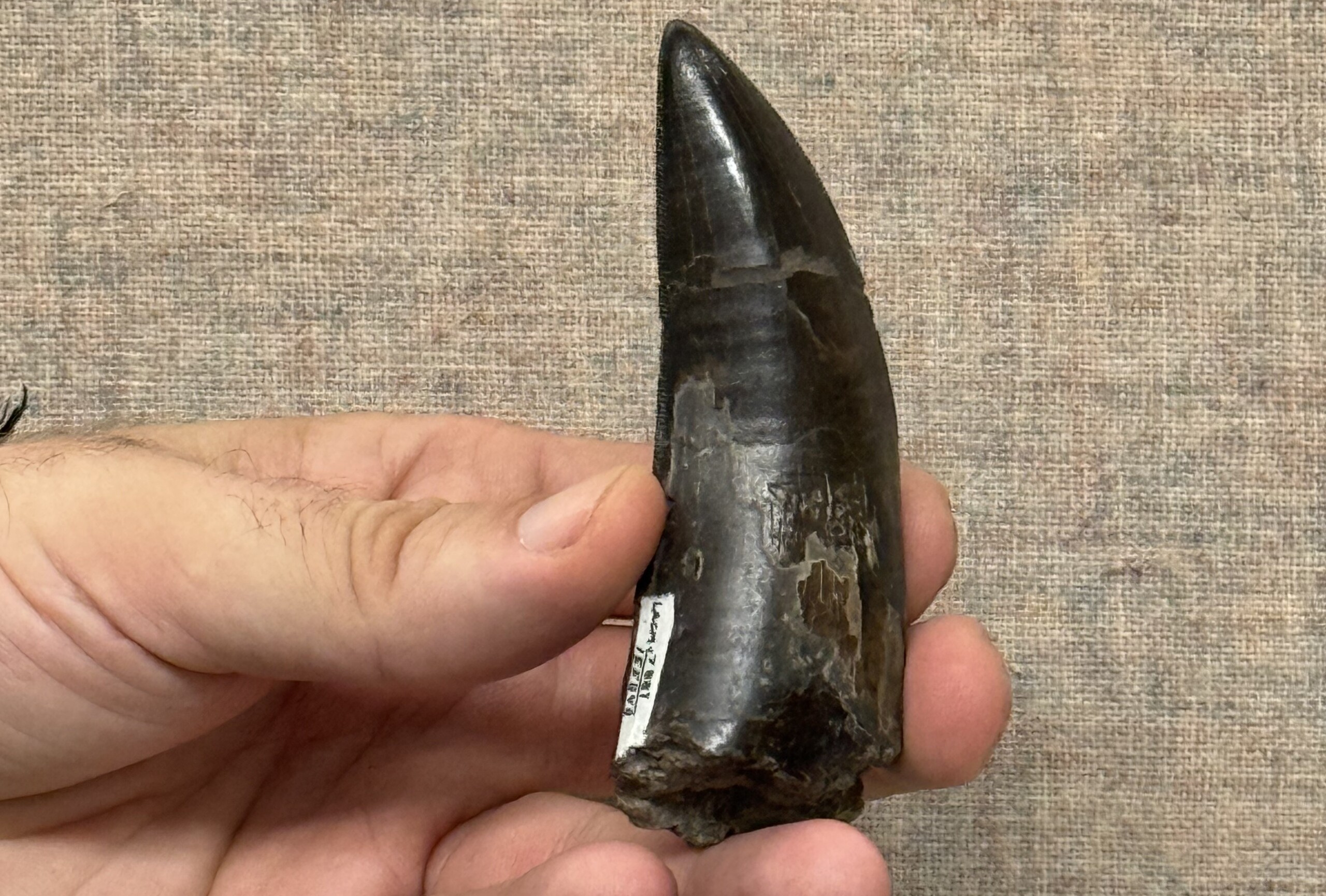
The findings confirm that the T. rex was an endotherm, or a warm-blooded animal capable of regulating its own body heat, unlike modern reptiles that rely on the sun. This biological advantage allowed the predator to sustain a fast metabolism for active hunting and scavenging. Also, generating its own heat enabled the dinosaur to thrive across a wide geographic range, including chilly northern regions like prehistoric Alaska, where cold-blooded creatures such as crocodiles and turtles could not thrive.
To verify their results, the team also tested crocodilian fossils excavated from the same geological site in Montana. The ancient crocodiles registered a significantly lower body temperature of 86 degrees Fahrenheit (30 °C), suggesting the T. rex's warmth was driven by its own internal biology rather than the surrounding environmental climate.
The researchers detailed their findings in a peer-reviewed paper published in the journal Science Advances.
Source(s)
 Add as a preferred source on Google


No comments for this article
