




Simulations provide new clues about how the Moon formed
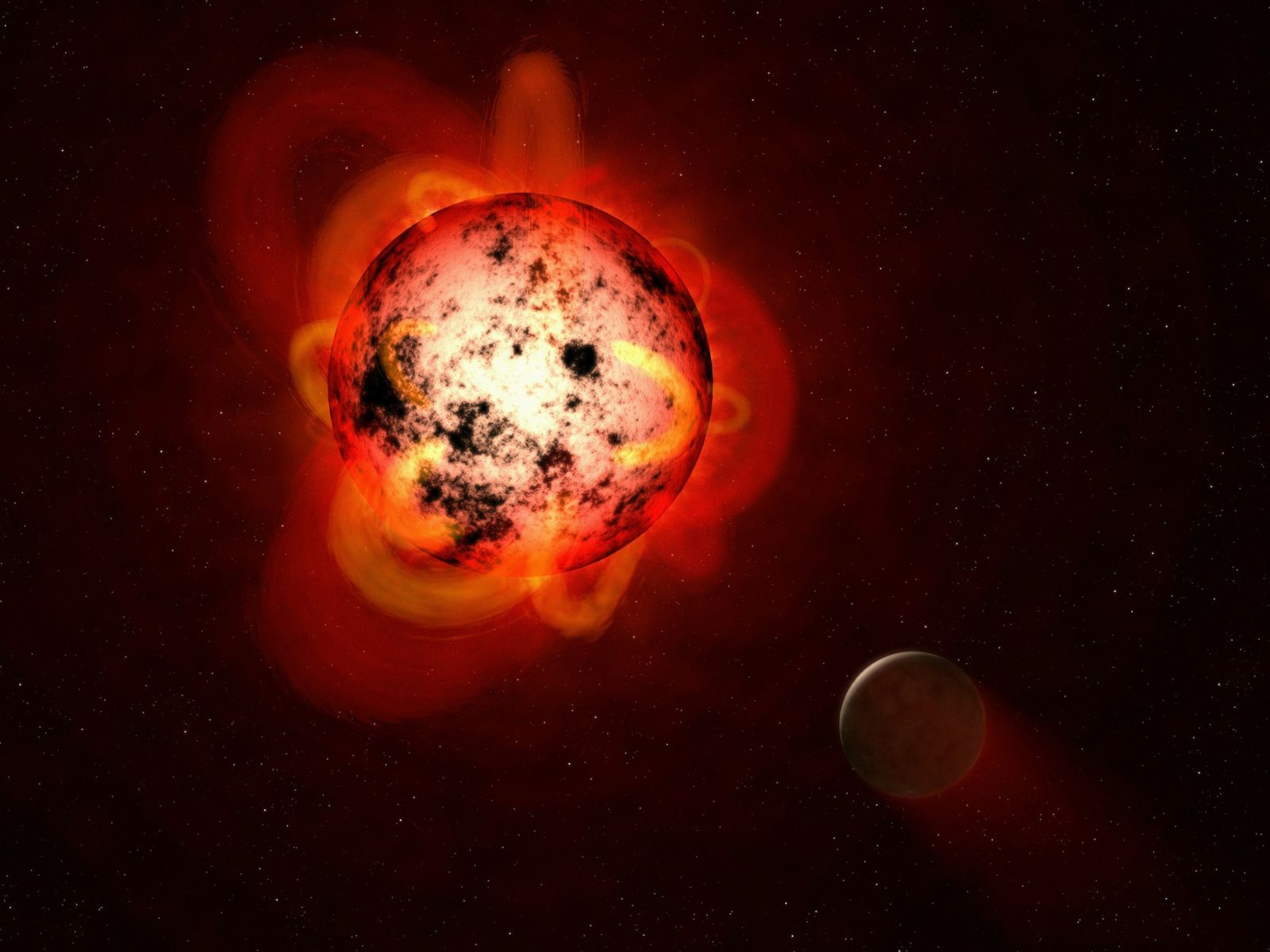
Although we see it every day, scientists still have difficulty understanding the events that led to the Moon's formation. But new simulations suggest that it may have formed quickly, in just a few hours.
As a reminder, the Moon is about 4.51 billion years old, and current theories suggest that it formed following a collision between Earth and another planet. Indeed, this protoplanet, named Theia, is believed to have collided with Earth, sending large amounts of debris into orbit and giving rise to the Moon.
However, previous simulations did not account for material strength, which plays an important role in this type of event, as explained by Dr. Adeene Denton, a postdoctoral researcher in SwRI's Solar System Science and Exploration Division:
"When you simulate the Earth and the Moon as colliding bodies with geologic properties, it changes how the Moon forms out of that impact — that’s something we considered unnecessary before."
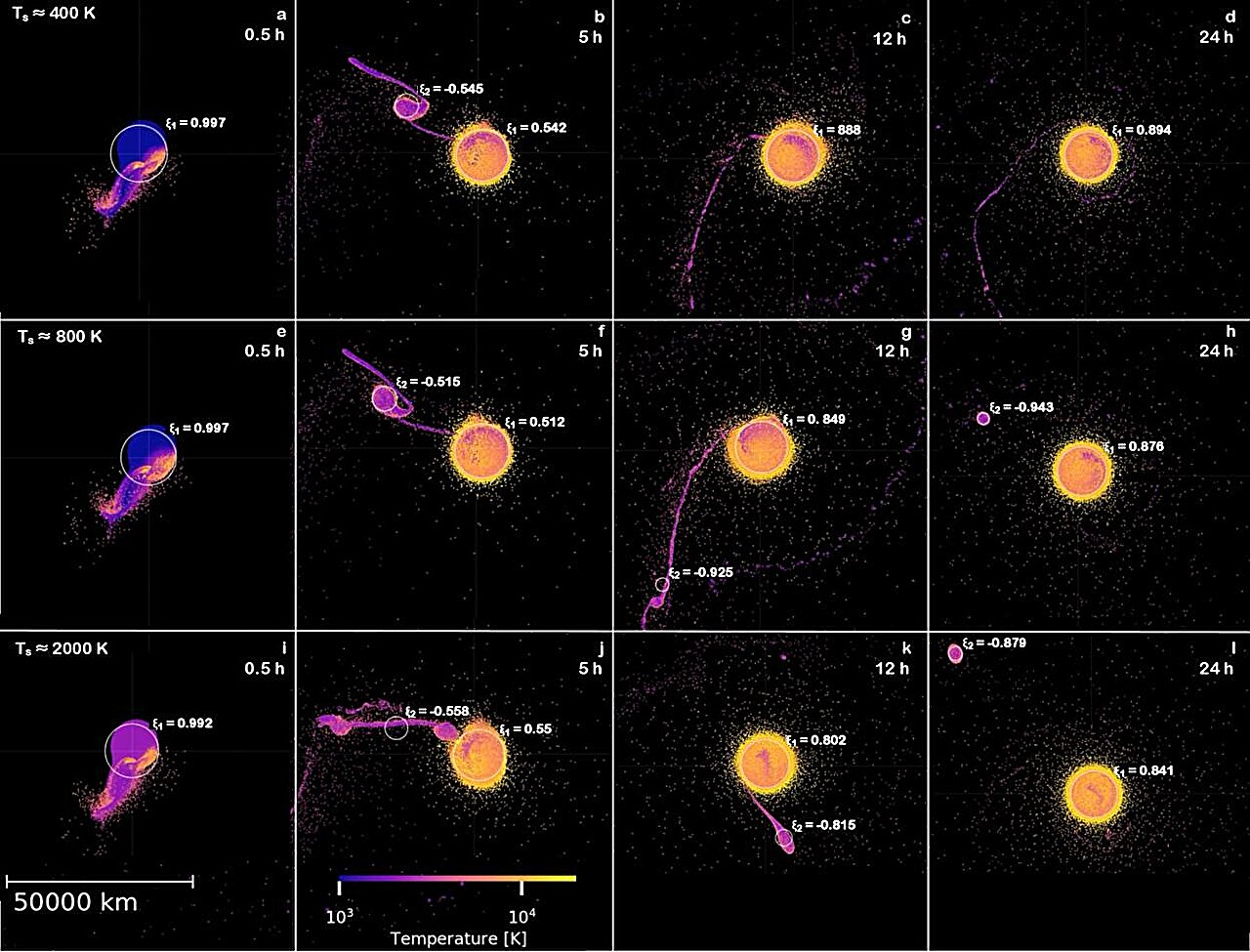
Thus, by incorporating material strength and temperature into simulations conducted by the Southwest Research Institute (SwRI), researchers discovered that the Moon’s formation was sensitive to the temperature of the materials. Consequently, some scenarios produce a protolunar disk orbiting Earth over time. In other scenarios, particularly when the temperatures are similar, a Moon can emerge within just five hours.
In addition, due to the very similar composition of Earth and its natural satellite, researchers believe that Theia and the proto-Earth may have formed in the same region of their protoplanetary disk.
Source(s)
 Add as a preferred source on Google


