




Starship to launch Starlink V3 satellites with 100x bandwidth
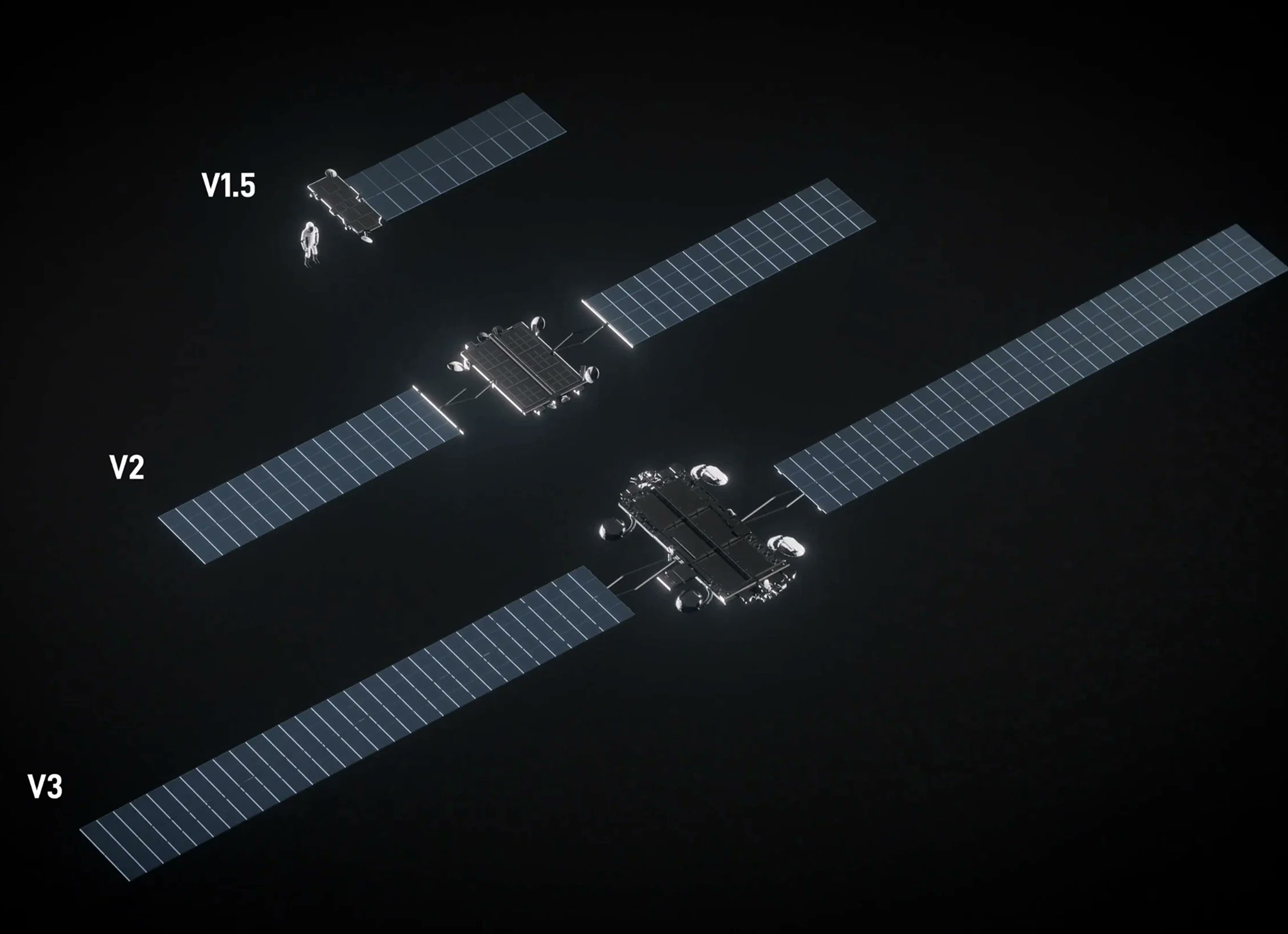
SpaceX is preparing for the 14th test flight of its massive Starship rocket, scheduled for September 22, 2026. For the first time, the company aims to place the rocket's upper stage into a stable Earth orbit, marking a significant milestone in the development of a fully reusable orbital launch system. The 75-minute launch window will open at 7:15 a.m. Central Time from the Starbase facility in South Texas, pending final regulatory approval.
During this flight, SpaceX plans to deploy its first operational batch of 26 next-generation Starlink V3 satellites into orbit. This mission represents the first time Starship will execute a payload deployment that actively supports the company's revenue-generating internet infrastructure. The new satellites represent a massive technological leap; according to Elon Musk, the Starlink V3 hardware is designed to deliver bandwidth capacity that is over 100 times greater than the current V2 satellites deployed by Falcon 9 rockets.
These capacity enhancements are made possible by the sheer size of the Starship payload bay, which allows for larger, heavier, and more powerful satellite designs. Official specifications from Starlink outline that the V3 system incorporates advanced phased array antennas and high-capacity space lasers to create a petabit laser mesh network. This allows SpaceX to more efficiently serve customers simultaneously in densely and sparsely populated regions globally while adapting beam data density in real-time.
Unlike previous tests, SpaceX will not attempt to catch the Super Heavy booster or the upper stage during this flight. Instead, the company has implemented several hardware and software modifications to address previous engine restart issues and will focus exclusively on evaluating launch, stage separation, orbital insertion, and splashdown procedures.
 Add as a preferred source on Google


