




T-Mobile says its old LTE spectrum won't fix Starlink Mobile's indoor woes
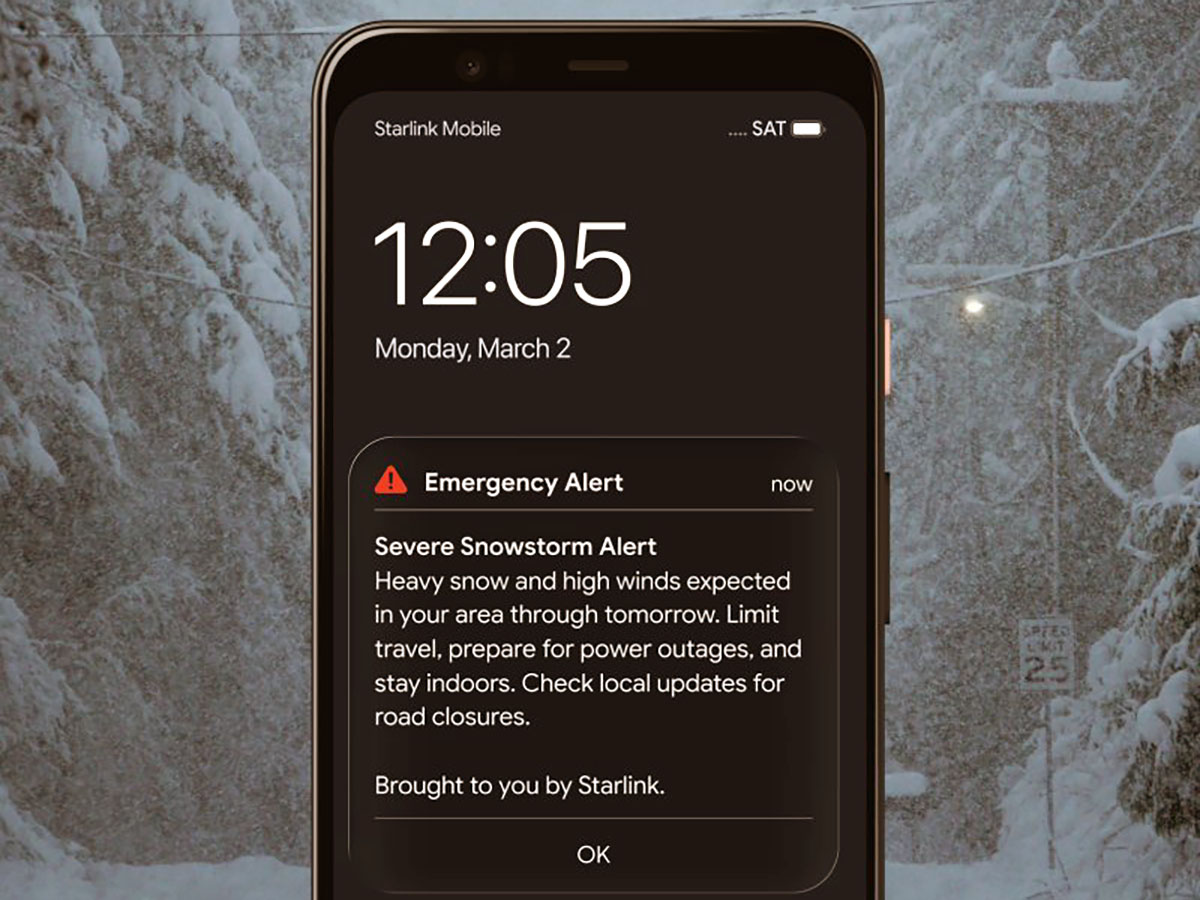
T-Mobile spent years trying to get rid of the 800 MHz spectrum that it previously used for 4G LTE coverage but has no use for in the times of blazing 5G speeds and a "spectrum layer cake" approach to building out its network.
Grain Management bought the portfolio from T-Mobile in August 2026 for $2.9 billion, and SpaceX has now agreed to buy it for an estimated $8 billion, with up to 14 megahertz of paired spectrum on the table, pending FCC approval. While the stock price of T-Mobile, Verizon, and AT&T dropped on the news, as this piece of spectrum could potentially allow Starlink Mobile to offer indoor coverage, T-Mobile's CTO isn't having it.
The argument is that owning airwaves and running a carrier are two very different things. The 14 MHz portfolio is spectrum T-Mobile once ran as a single 5 MHz channel pair for LTE but sold it because it no longer fits its strategy since today's 5G Standalone and 5G Advanced networks use much wider channels.
Even with it, Starlink Mobile would hold roughly 80 MHz, and some of that is uplink only, while T-Mobile says it sits on nearly 400 MHz of low band and mid band spectrum. Moreover, a satellite hundreds of kilometers up faces about 50 dB more path loss than a tower a kilometer away. Dropping from 2 GHz to 800 MHz claws back only a few dB of that gap.
The whole reason this spectrum matters is indoor coverage, as wall penetration is the Achilles heel of signal beamed from space directly to cell phones like the Galaxy S26 Ultra that is discounted on Amazon, even if SpaceX equips Starlink dishes with femtocell gear. Saw points out that more than 70% of mobile traffic happens indoors, at home, at work, in shops, and at venues. Starlink's existing and planned DTC (direct-to-cell) satellite constellation is great for outdoor use, but a consistent indoor experience is a much harder job. So lower frequencies will likely help Starlink penetrate walls somewhat, but signal strength at the window and a usable connection in the living room are different things.
Even outdoors, T-Mobile calls satellite a complement to dense 5G networks, not a replacement, as a satellite beam covers an area that hundreds of terrestrial sectors serve today, and it could get ugly when thousands of people stream video in the same city. Saw also reminded that the US wireless industry has poured nearly half a trillion into infrastructure and spectrum auctions to build its 5G network, and it takes time, not just money.
While T-Mobile is defending its turf here and says it welcomes competition, SpaceX evidently intends to move fast, and the company has already shown it can surprise incumbents. With the launch of its massive V3 DTC satellites, Starlink Mobile will probably become a solid rural and fallback option, but it remains to be seen if it can be a real competitor in cities if it keeps acquiring relevant spectrum.
 Add as a preferred source on Google


