




SpaceX Starship flight 14 launches first Starlink V3 satellites for gigabit downloads
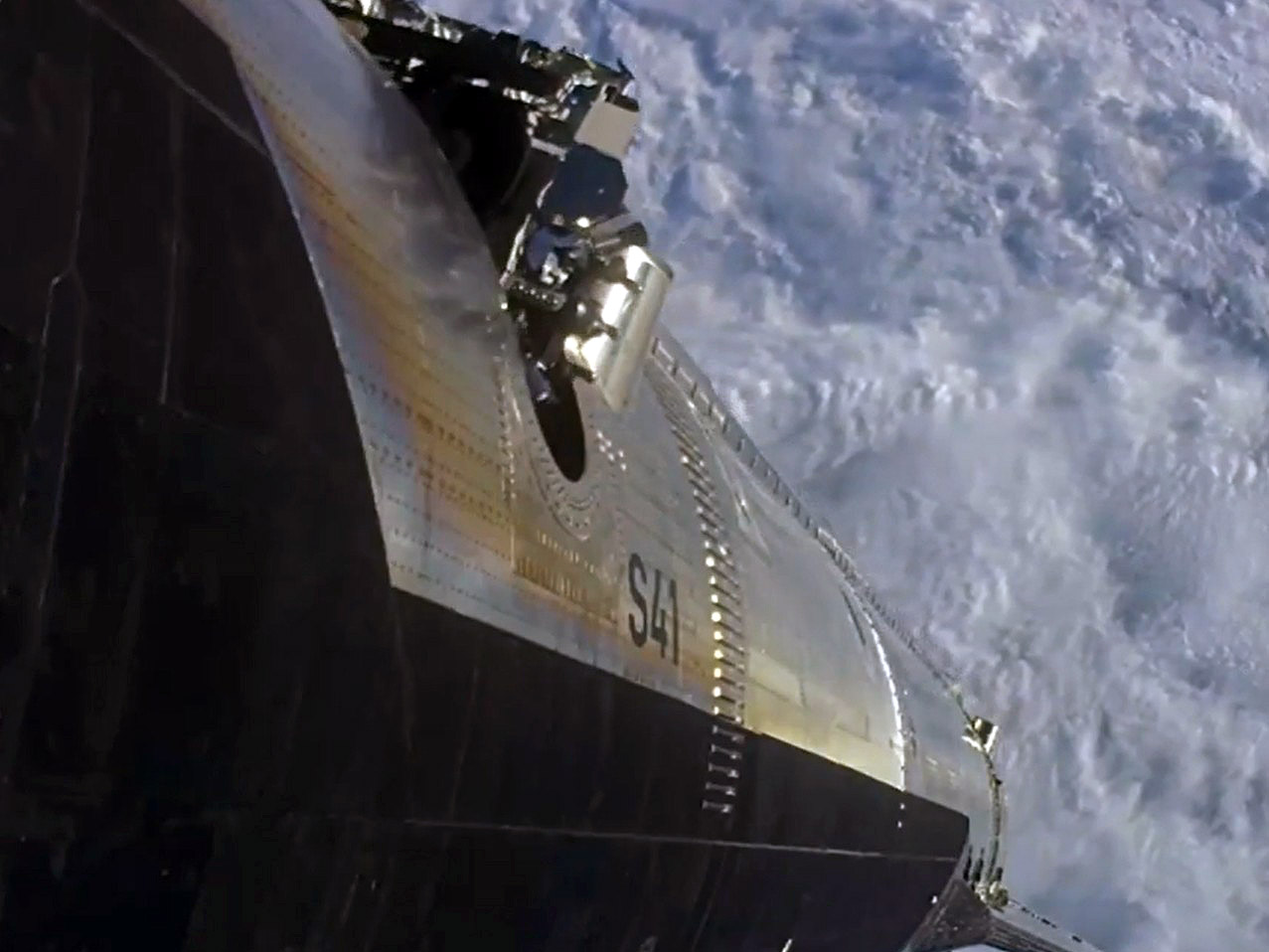
SpaceX has written space history today with the inaugural orbit reach of Starship, the world's largest rocket ever built. Starship's maiden orbital flight set out to deploy the first batch of Starlink V3 satellites, each the size of a Boeing 737 when unfurled, and start beaming down gigabit satellite Internet speeds to existing users.
The mission has been a resounding success despite some weather-induced hesitation, and Starlink has just made contact with all 26 satellites launched in the inaugural batch. Just this first trial launch alone will increase Starlink's network capacity by 3%, and SpaceX will keep loading its reusable Starship rocket with more until it reaches enough scale to offer a standalone Starlink Mobile 5G carrier service directly to cell phones on the ground.
Starship's flight 14 lifted off from Starbase, Texas, and reached orbit, while earlier Starship test flights were suborbital affairs that lasted about an hour. In July, for instance, flight 13 released 20 V3 satellites on suborbital trajectories, and they burned up in the atmosphere about 20 minutes later. This time the flight is planned to run for several hours, with multiple orbits at about 275 km before a splashdown in the Pacific, west of Chile. Ship 41 must deploy 26 V3 satellites, perform a deorbit burn with a single Raptor engine, and then attempt a controlled reentry.
Each Starlink V3 satellite adds 1 Tbps of capacity, or 10x the previous V2 generation, but it is also huge at two tons, which is why Falcon 9 was never going to launch them in useful numbers. Elon Musk claims the full V3 constellation will eventually deliver over 100x the bandwidth of the current network of around 11,000 satellites.
Moreover, three of the satellites carry cameras that will scan Starship's heatshield and beam imagery back to engineers, which is a step toward returning the ship to the launch site someday. If everything checks out, Starlink business subscribers could start using the new satellites with their Performance Gen 3 dishes within a few weeks.
For now, the key test is whether Ship 41 survives reentry and splashes down as planned, with booster 21 tasked with a boostback burn that it did at an offshore point in the Gulf. "Flight teams will deorbit Starship safely to our pre-cleared area of the Pacific Ocean after 3 hours in orbit," says SpaceX. If today's goals are met, SpaceX plans to try catching the upper stage on a future flight, marking a new era for space exploration.
 Add as a preferred source on Google


