




Tesla Roadster EV debuts with SpaceX thruster technology to fly through the air
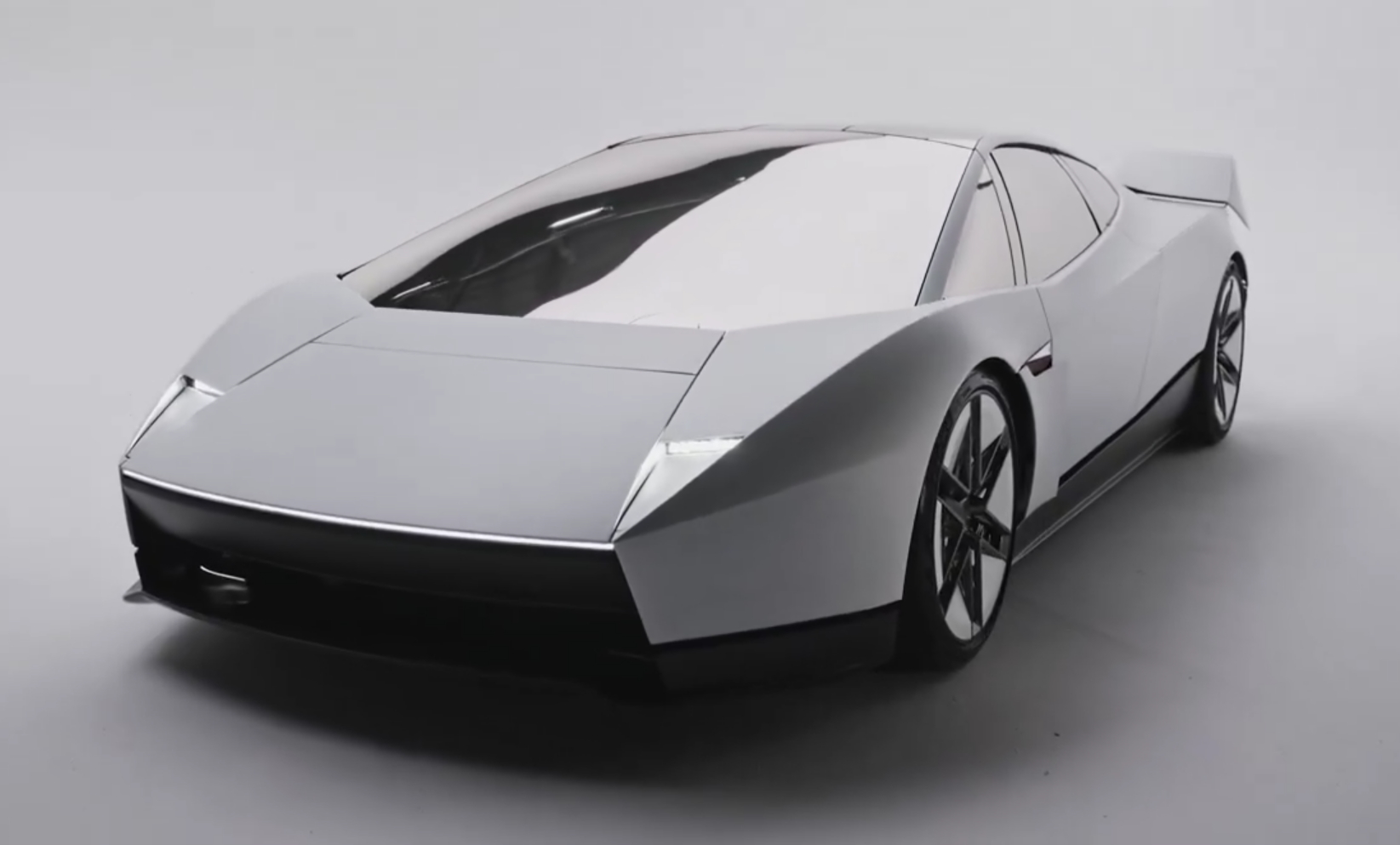
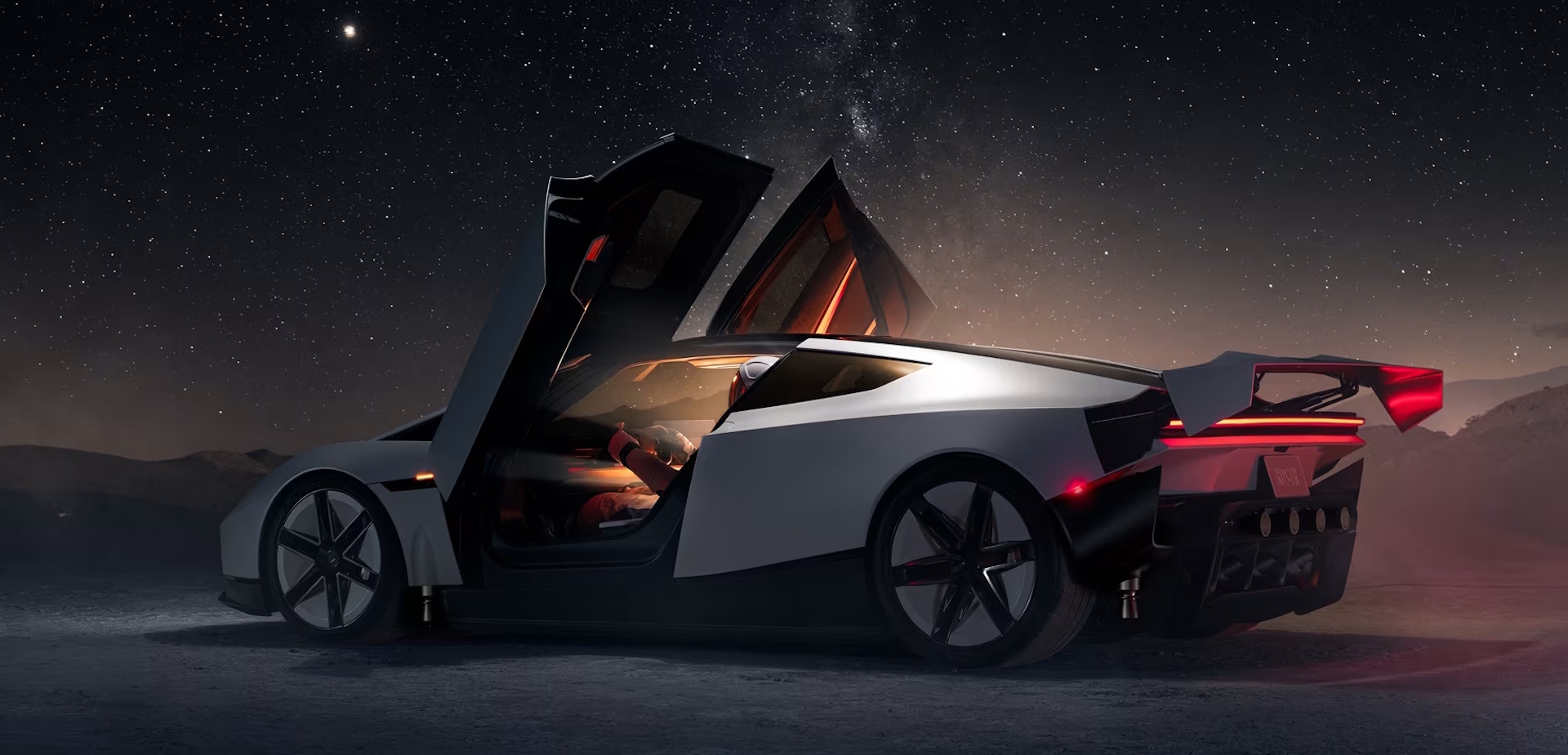
The Tesla Roadster electric vehicle debuted with SpaceX thruster technology, allowing the sub-one-second supercar to fly during a Tesla event livestreamed on X. It can also hold onto surfaces upside down thanks to its multi-mode fan and ground sealing technologies. These unique aspects cement the Tesla Roadster in the history books as one of the highest performance EVs ever developed.
In 2024, Elon Musk, CEO of Tesla and SpaceX, stated "The new Tesla Roadster can fly." Specifics as to what 'fly' meant were scant, and only recently were details about how the Roadster might fly were revealed by ex-Tesla president Jon McNeill.
Three Roadster models
The Roadster comes in three models:
- Performance - 0-60 mph in 1.6 s. Two-seater with the multi-mode fan and active aerodynamics.
- Thrust - 0-60 mph in 0.9 s. Adds rear-facing cold gas thrusters
- Rocket - 0-60 mph in 0.59 s. Single-seater with gas thrusters all around, enabling flight. (Not approved for use on public roads.)
The Performance and Thrust models can be reserved for $5,000, with an additional $45,000 or $245,000 due 10 days later, respectively. The Rocket model is by invitation only. Total prices for all models with required regulatory fees and such have not been detailed. Production is expected to begin in 2028.
Airflow technologies
The shape of vehicles greatly affects their efficiency, stability, and handling.
The air flowing above and below the car also acts to turn the car into a 'wing', usually lifting the body upward as speed increases unless aerodynamic parts, like a rear spoiler, are present to force the body down by redirecting air upward.
The Tesla Roadster uses active rear and side wings to generate downward force to help keep the vehicle on the road, a common design element seen on Porsches to Corvettes, ensuring the tires have sufficient grip for control at faster speeds. But slower speeds generate smaller downforce, which can also be interrupted with changing direction, causing a reduction in tire grip.
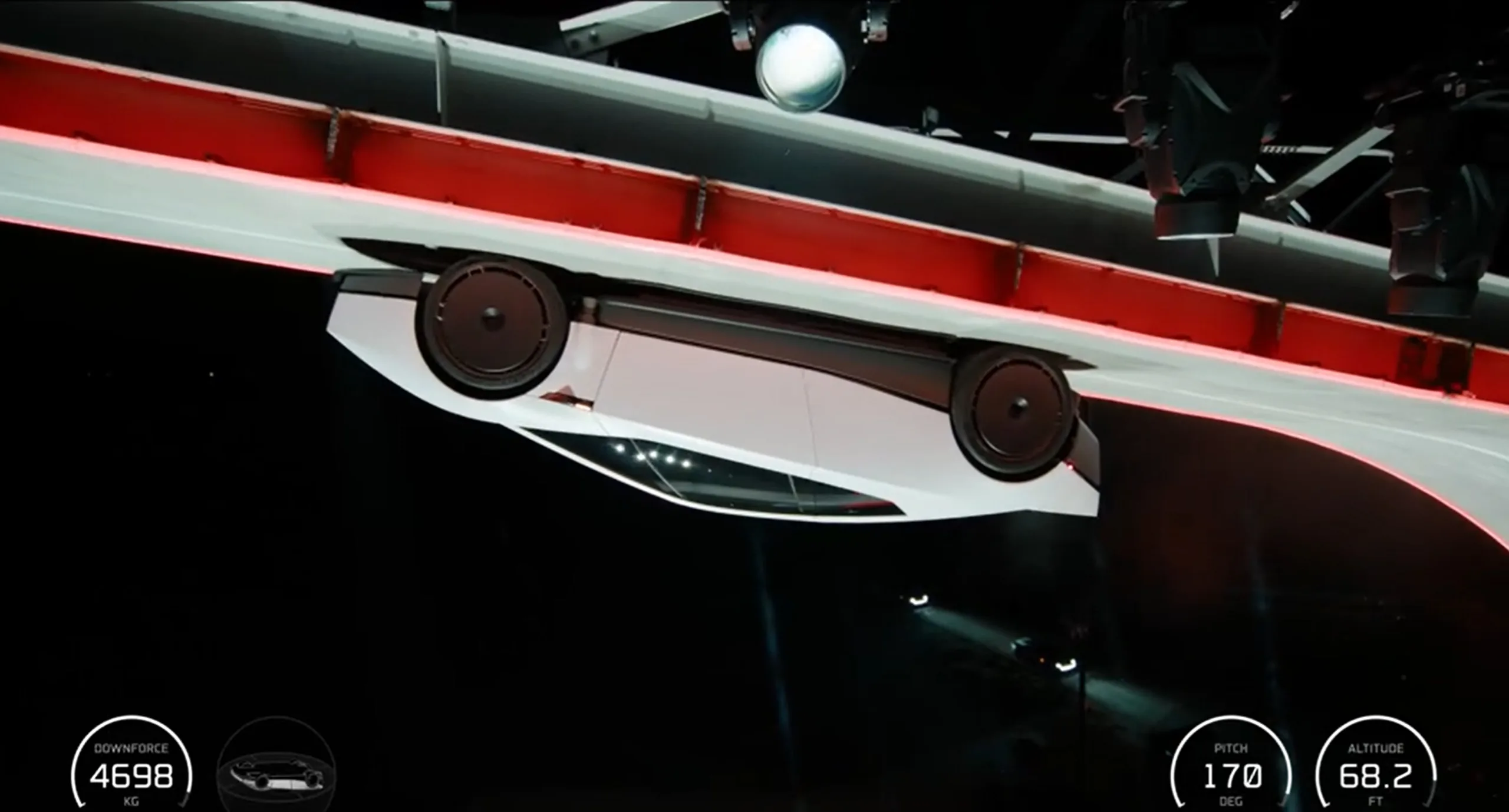
To further counteract these issues and generate more downforce on demand, the Tesla Roadster is equipped with a multi-mode fan that can suck the air out from underneath the car while lowering itself closer to the ground, creating a suction effect that allows the car to hold itself onto surfaces while upside down, according to the company.
The fan was demonstrated to generate around 4,700 kg of force, so the maximum possible weight of the Roadster is likely 10-20% less than this. This amount of force helps the car corner at over 2 g's, exceeding that of many sports cars.
Active thrust technologies
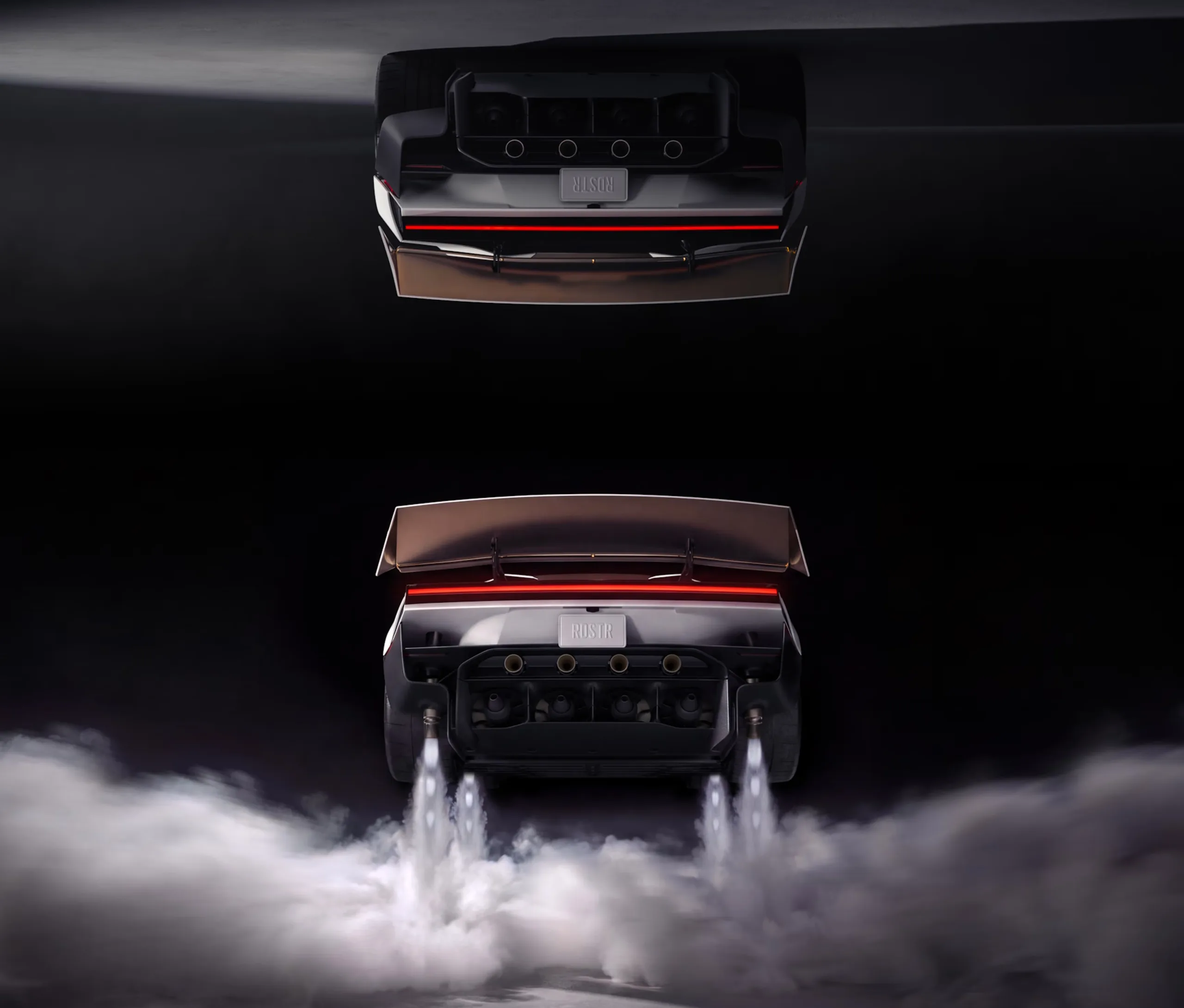
The Thrust and Rocket Roadster models utilize SpaceX cold-gas thrusters fed from two COPVs (Carbon Fiber Overwrapped Pressure Vessels) holding 600 L/159 gal (250 kg/551 lb) of compressed air. The car can refill these tanks by itself.
Four thrusters are rear-facing, producing over 80 kN (17,984 lbf) of thrust, while the other six (Rocket model only) are used for altitude and rotational control. These are likely developed from those used on Starlink satellites to maneuver in orbit.
For the Thrust model, the rear-facing rockets drop 0-60 mph acceleration from the 1.6 s of the Performance model to just 0.9 s. This is easily 0.5 s faster than the McMurtry Spéirling, and more than double that of many well-known supercars. The Rocket model widens the gap with a time of just 0.59 s, according to Tesla on X.
Naturally, this can pose problems for the human driver since the g-force on the body increases from 1.7 g's in the Performance model to 3.0 g's in the Thrust model to 4.64 g's in the Rocket model. The g-forces in the Rocket can be as high as those on the most thrilling roller coasters on the planet, with the accompanying issue of hindered mobility and reaction times, despite the fully electronic steer-by-wire control system and SpaceX flight control and landing technologies.
The Roadster was demonstrated racing towards, then flying over a row of parked Teslas, so the technology now exists for Autopilot to avoid car crashes in a novel way.
Specifications
The Roadster can go up to 230 mph / 370 kph, although Elon Musk hinted during the Roadster livestream that the actual maximum for the Rocket might be around half the speed of sound (about 370 mph / 595 kph).
Other performance specifications for the carbon fiber, magnesium, and titanium vehicle have not yet been revealed, but the company expects to hold several more upcoming events on the Roadster.
Readers waiting for their Roadster preorders can read about car aerodynamics in this book on Amazon.
Source(s)
 Add as a preferred source on Google


No comments for this article
