




Leaked emails: Tesla pressured Dutch vehicle regulator
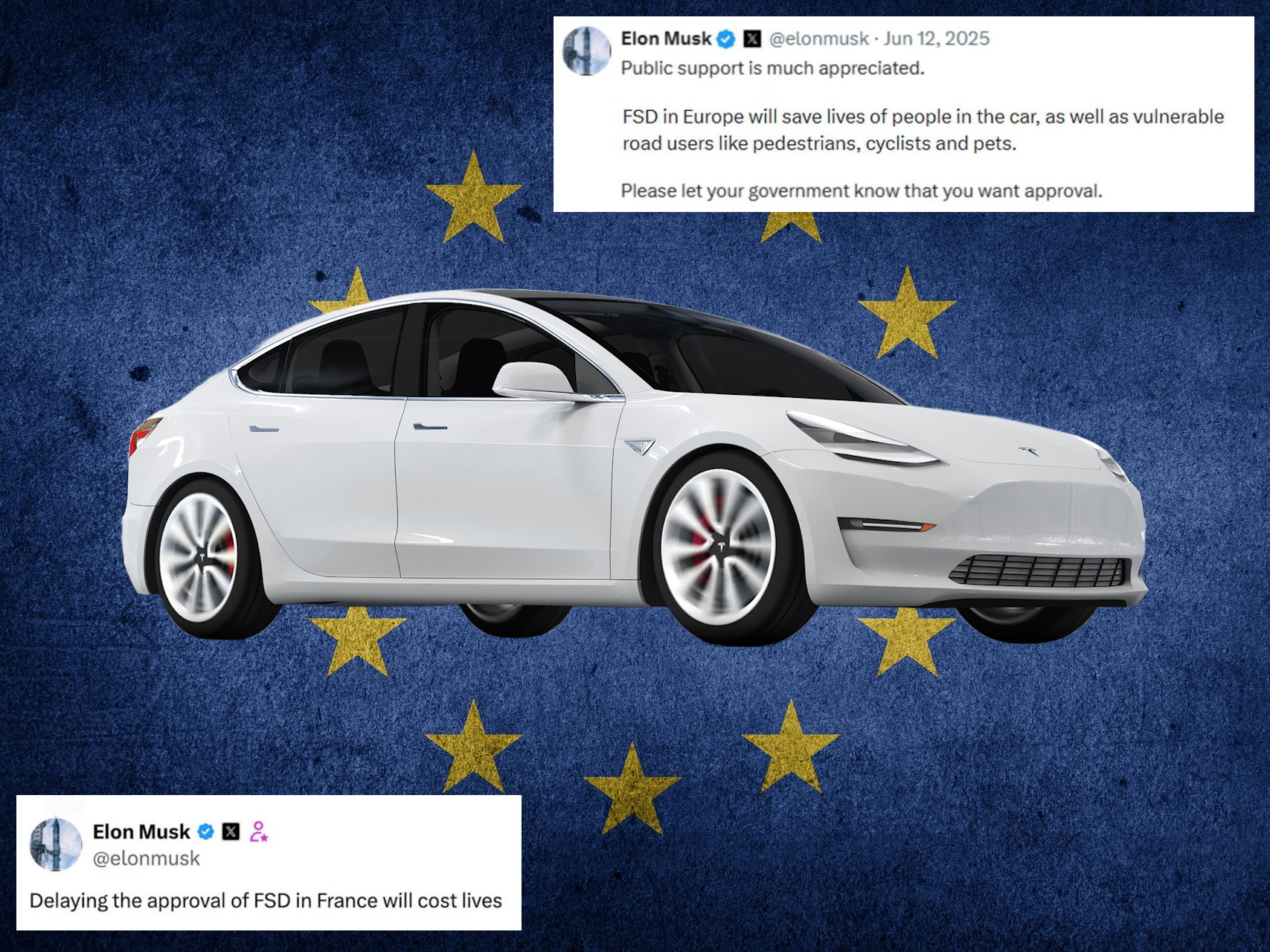
Tesla wants to roll out its Full Self-Driving (Supervised) driver assistance system across Europe as quickly as possible. An investigation published by Reuters on October 7 reveals the tactics the company has used to pursue that goal: hundreds of pages of correspondence with authorities in seven European countries document repeated attempts to influence the scope, procedures, and timeline of the approval process.
The RDW plays a key role in Tesla’s push for EU-wide approval, as its assessment serves as a basis for authorities in other European countries. Some of them rely on the Dutch agency’s evaluations. Once an EU member state has tested a system, there is no need to repeat those tests in every other country.
Investigation reveals 3 fundamental problems:
- Tesla applied political, administrative, and public pressure on the agency through emails and public statements. The company pushed for tests to be conducted earlier and to be less extensive, objecting, among other things, to an RDW inspector observing certain tests in person and arguing that the test reports prepared by the company should be sufficient. Tesla also requested the names and roles of the safety drivers and passengers involved. In addition, Elon Musk publicly portrayed delayed approval as a threat to human life and urged his fans to contact European vehicle regulators en masse by email.
- According to seven traffic safety researchers commissioned by Reuters, Tesla’s own submitted safety studies do not adequately substantiate the claim that FSD reduces crashes or fatalities.
- The Dutch authority made concessions to Tesla on certain issues and, according to Reuters, also intended to withhold key safety testing data from the public.
Corporate pressure on a regulator, combined with a lack of transparency on the agency’s part, raises legitimate questions:
- Did Tesla’s pressure lead to less rigorous investigations and safety tests?
- Did the agency’s concessions skew its decision in Tesla’s favor?
- Is FSD actually safe on the road, and can the findings of the investigation be trusted?
Verdict
If there are doubts, FSD should not be approved without further scrutiny and should instead undergo a new assessment. Otherwise, human safety and lives could be put at risk. The investigation does not necessarily prove that the RDW reached an incorrect assessment, but it does show the pressure that well-funded companies can exert to push their products through the approval process as quickly as possible, potentially at the expense of safety standards.
Source
 Add as a preferred source on Google


No comments for this article
