




A possible first second-generation planet may have been detected orbiting a white dwarf
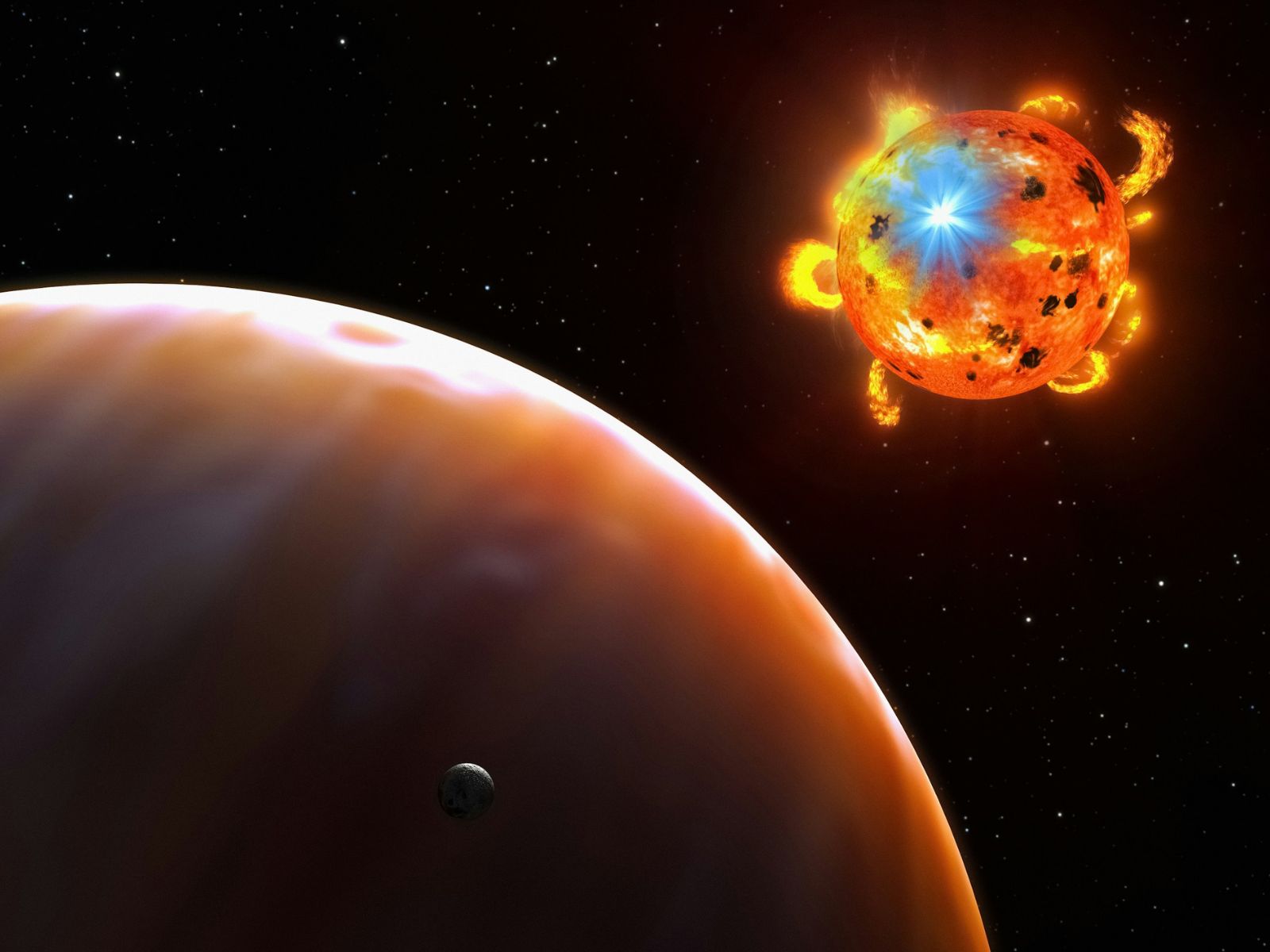
Second-generation planets are celestial objects that form from material ejected by a star during the final stages of its life. Although it has not yet been confirmed, astronomers have identified a possible second-generation planet orbiting the white dwarf HS 0209+0832.
This study was published in Nature Astronomy and was conducted by a team of astronomers led by Jamie Williams. Using data from NASA’s FUSE (Far Ultraviolet Spectroscopic Explorer) mission and other instruments, they detected niobium in the star's atmosphere for the first time. And according to Dr. Nicholas Stone, this unusual chemical signature, including niobium, suggests that the material came from a different kind of planet:
"This pattern of elements is a telltale sign of the 's-process', a nuclear reaction that builds heavy elements inside dying stars during their bloated red giant phase. It's a chemical signature no ordinary, 'first-generation' planet should carry, which told us that this new planet was something different."
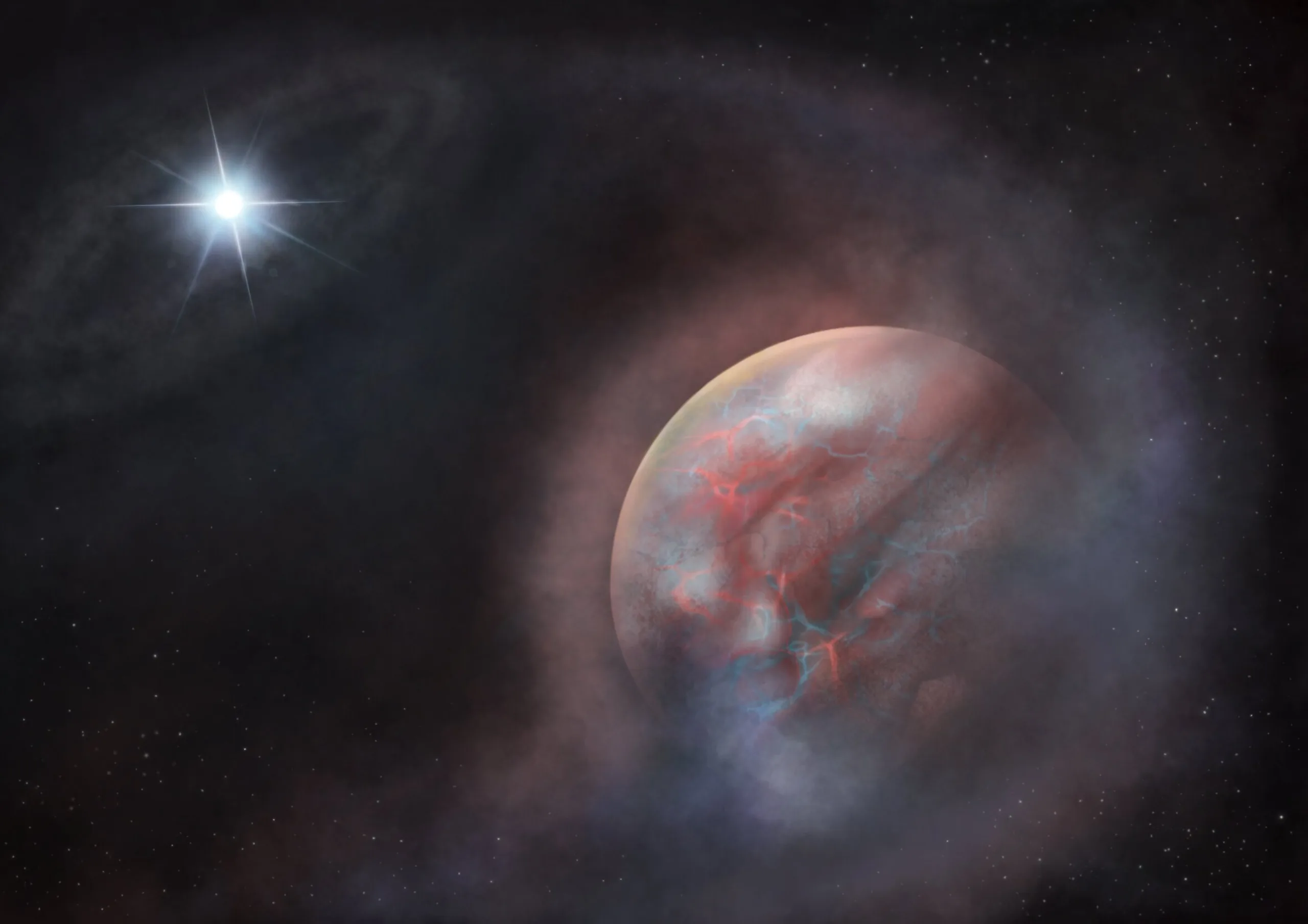
One hypothesis has been proposed to explain these findings. Thus, according to scientists, this exoplanet candidate is a gas giant about the size of Jupiter. In addition, it is located about 3.7 million miles (6 million kilometers) from its host star and is subjected to intense radiation that strips away its outer material. This could cause a disk of material to form around the white dwarf HS 0209+0832.
This material could have fallen back onto its surface, which could explain the presence of niobium. However, although it is only a candidate, this discovery could help astronomers better understand these celestial objects.
Source(s)
Image source: NASA Hubble Space Telescope - Unsplash / Dr. Snehalata Sahu / University of Warwick
 Add as a preferred source on Google


