




Google launches satellites for Project Suncatcher: Could AI data centers eventually operate in space?
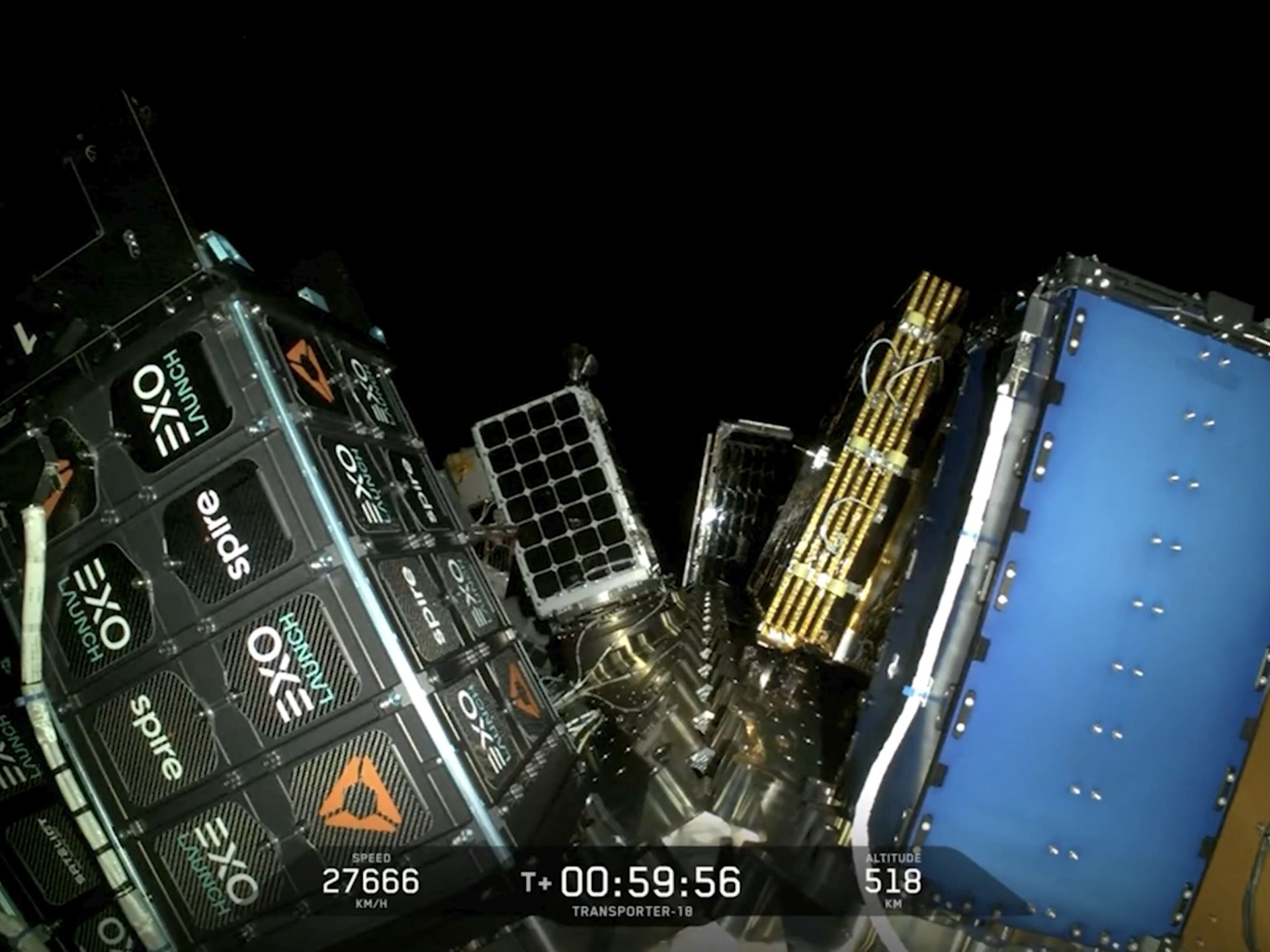
Google has sent a prototype satellite into space on a SpaceX mission. On board: Tensor Processing Units (TPUs), Google's specialized AI accelerators. Over the coming weeks, the company will test how the TPUs perform under the unique conditions of space, particularly exposure to radiation, extreme temperatures, and the mechanical stresses experienced during launch and while in orbit.
The unusual idea behind the project: Could AI data centers or TPU clusters eventually operate in space? Google itself describes the project as a long-term "moonshot" research effort. Today, building and operating such infrastructure would still be prohibitively expensive due to the extreme costs of rocket launches, hardware, maintenance, and cooling. But the project is a feasibility study for the future, because the idea could also offer advantages, particularly when it comes to power:
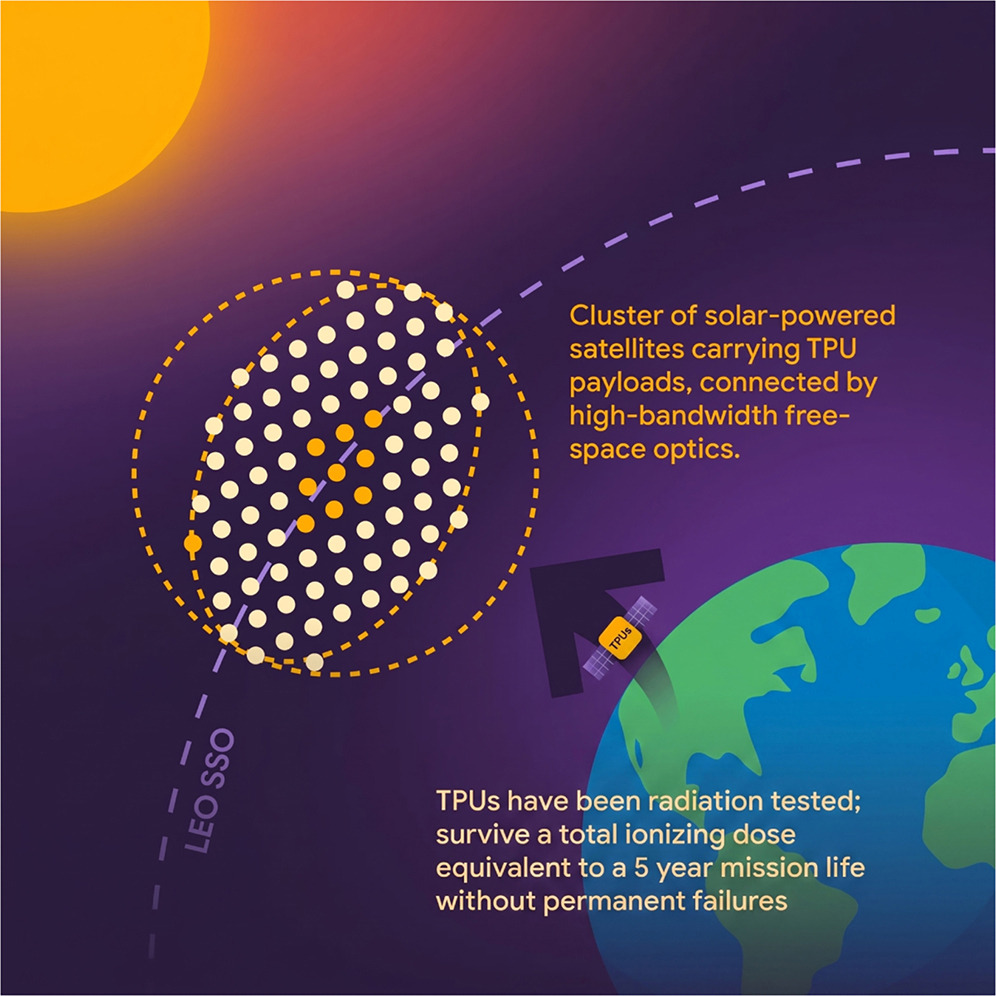
While solar power is unavailable at night on Earth, or clouds reduce output during the day, conditions are different in orbit: In suitable orbits, solar panels can receive sunlight almost continuously. Google estimates that a solar panel in orbit could be up to about eight times more productive than one on Earth. And data centers require a tremendous amount of energy.
Before that becomes possible, however, several other challenges will have to be solved in addition to the high costs, including cooling, radiation shielding, communications, maintenance, and the reliability of AI hardware in space. Anyone interested in learning more about the project can find Google's description of the scientific principles behind it in the academic journal Joule (link).
 Add as a preferred source on Google


