




Norway plans temporary ban on smart glasses
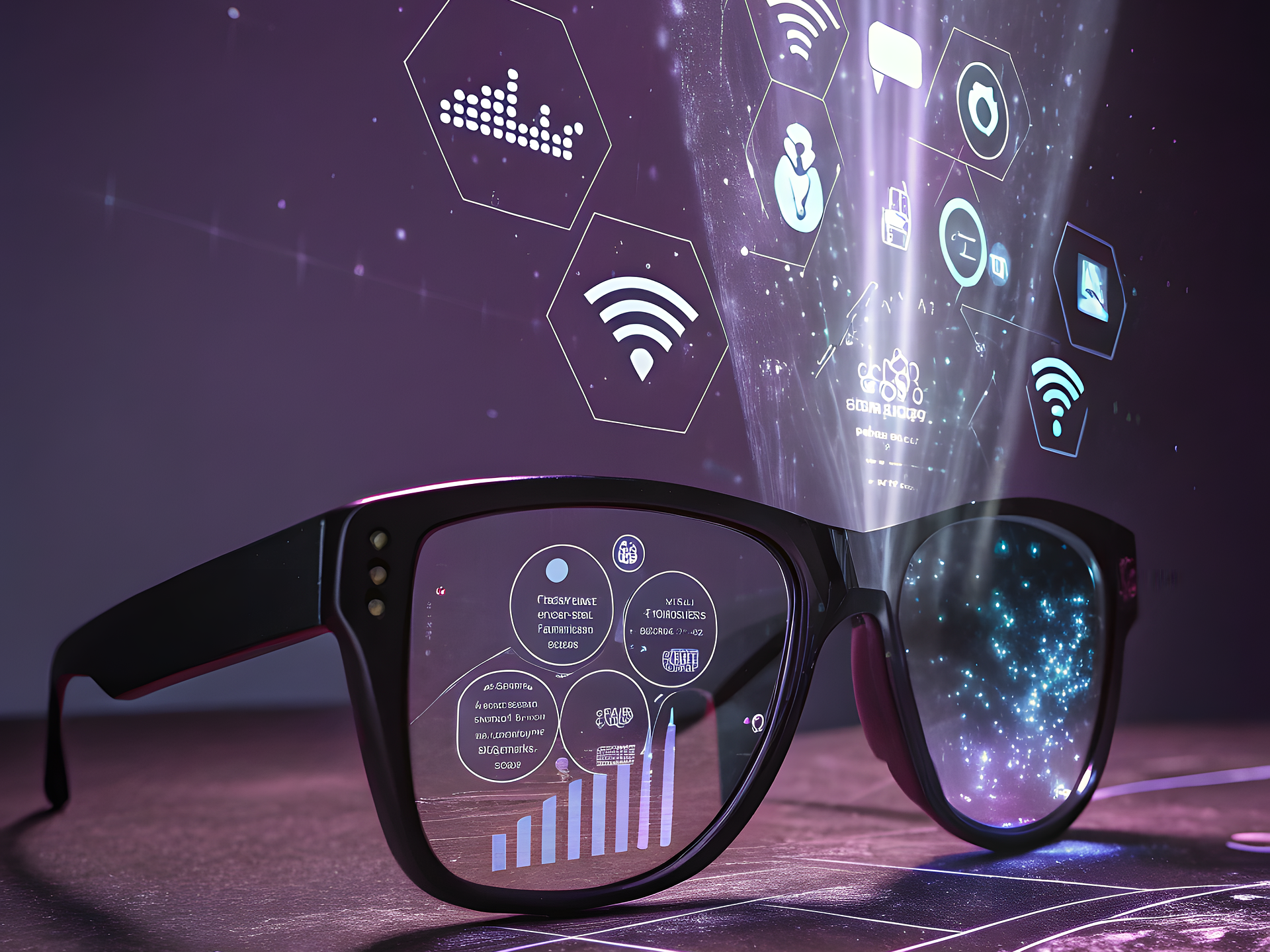
Even with smartphones, the barrier to secretly photographing or filming someone or recording conversations is already very low. At least smartphones still provide some visual cues that can give people a reasonable chance of noticing when they are being recorded without their consent.
With smart glasses equipped with built-in cameras, however, the situation is even more complicated. In many cases, it may no longer be possible to tell whether someone has started recording or is secretly filming. Some models can even automatically record and take photos in order to capture the best visual moments from everyday life and subsequently store them in a kind of photo album.
For privacy-conscious individuals, as well as for European policymakers, such glasses are currently difficult to reconcile with European data protection principles. Norway has now officially taken the first steps toward regulating smart glasses.
Where would the ban apply?
The Norwegian government is therefore proposing that Parliament introduce a temporary ban on the glasses, at least in certain public places. The restrictions would apply to locations where privacy is particularly important, such as hospitals and other healthcare facilities, gyms, changing rooms, and showers. They would also cover places where children are present, including schools, kindergartens, playgrounds, and youth clubs.
However, the list of locations where smart glasses would be banned has not yet been finalized. The restrictions could be extended to other places, including concerts, sporting events, parks, beaches, museums, and shopping centers.
The temporary ban would also give lawmakers and other responsible parties time to examine the issue in greater depth, initiate broader discussions, and work toward a final parliamentary solution.
Source
 Add as a preferred source on Google


No comments for this article
