




Heart or kidney from a 3D printer? Fraunhofer Institute develops bio-inks
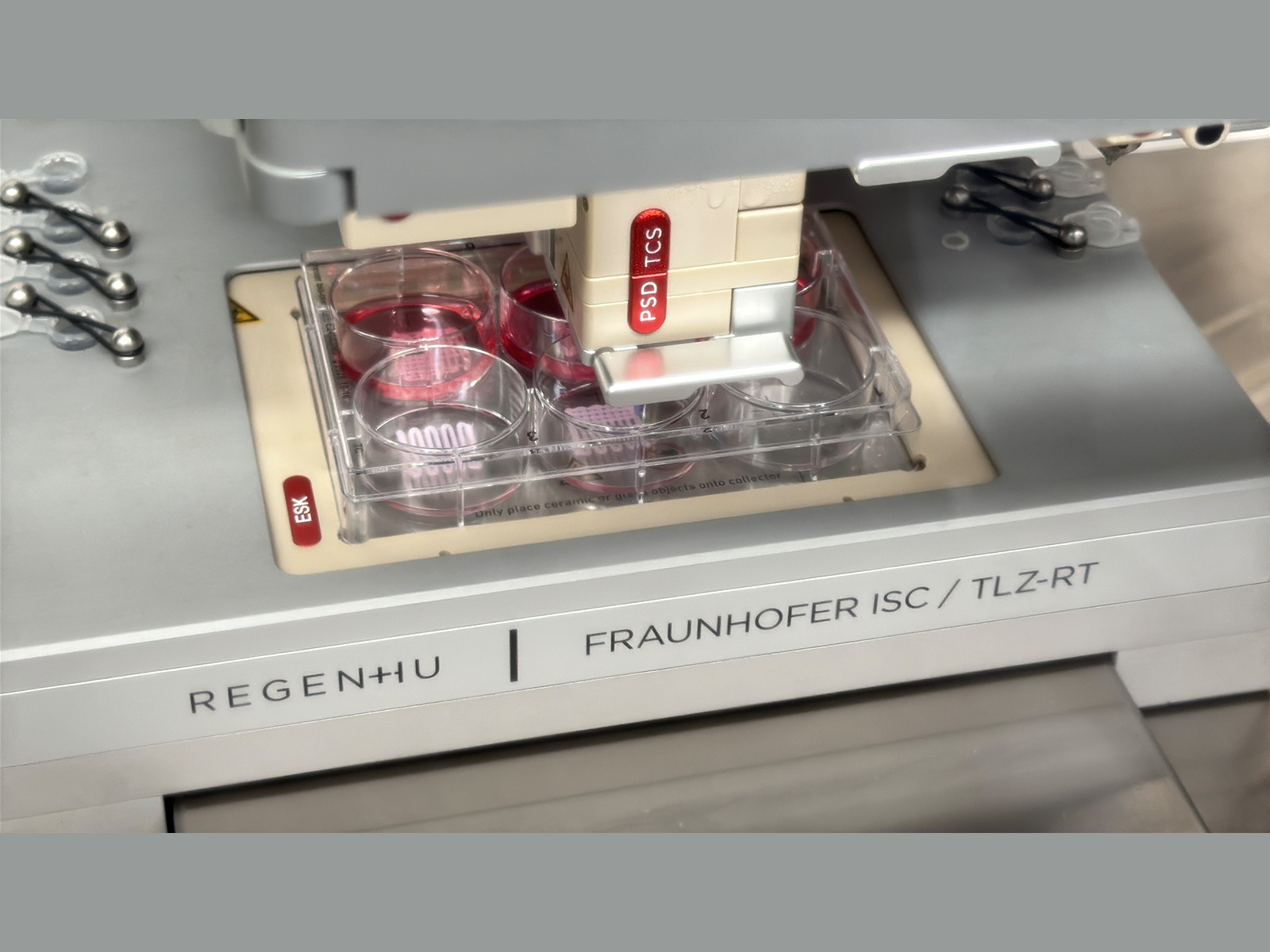
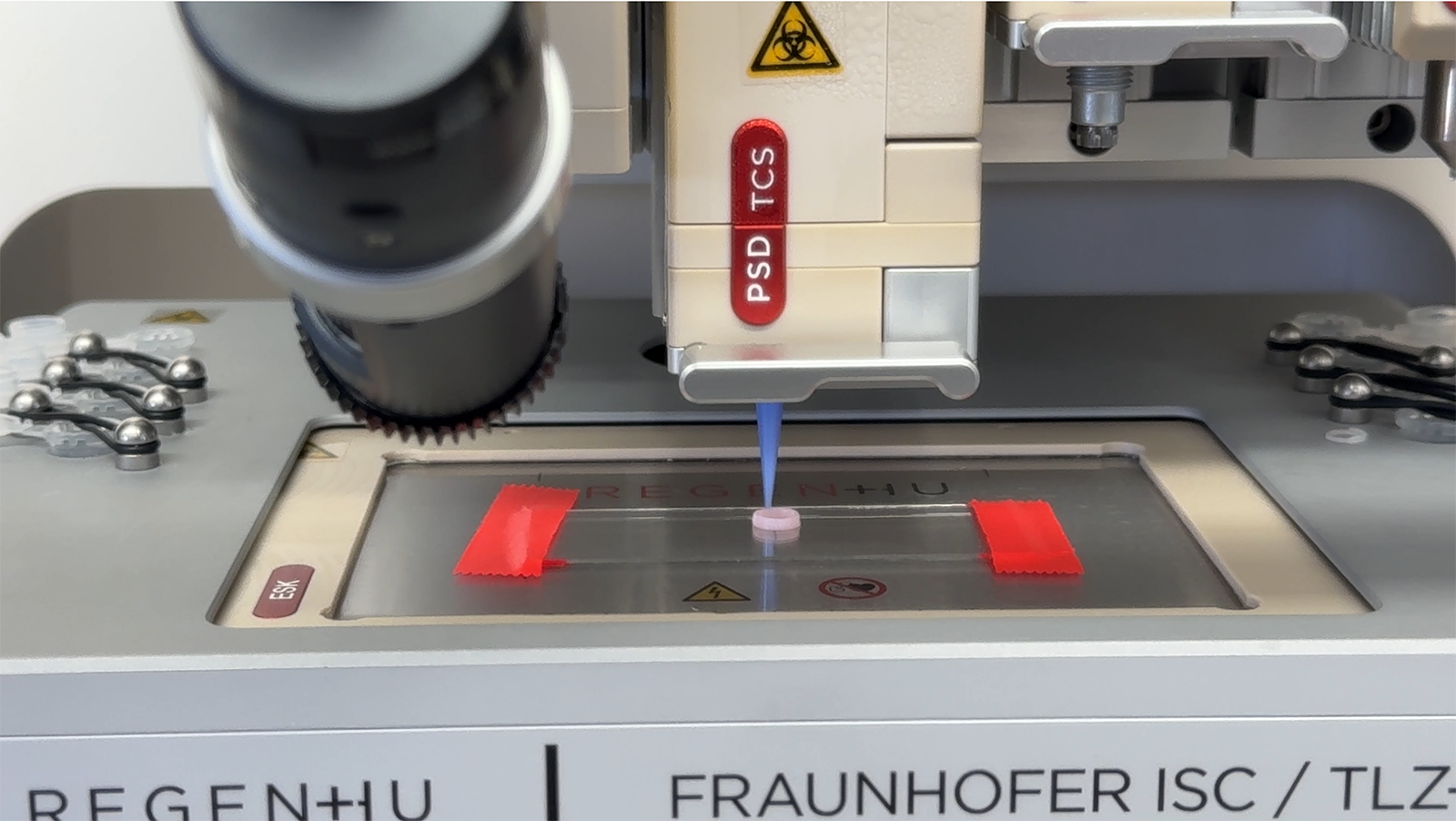
As part of the PhysioINK project, researchers at the Fraunhofer Institute are developing new “bio-inks” made from collagen and elastin — the very structural proteins that make up a large portion of human tissue. Developing these “bio-inks” involves solving several key challenges:
- The inks must be fluid enough to be printed.
- After printing, however, they must form a natural, fibrous tissue structure again.
- At the same time, the living cells incorporated into the material must survive.
To address these challenges, the scientists have developed a mechanism in which cellulose sulfate initially stabilizes the collagen molecules, making them printable in the first place. A subsequent change in temperature then triggers the collagen to naturally self-organize again.
Until now, this approach has apparently relied more heavily on synthetic or chemically modified materials. The researchers involved in the PhysioINK project, by contrast, are using physiological material made from proteins — the same type of material that makes up real organs.
Temperature, along with a somewhat higher collagen content, plays a crucial role in keeping the organic ink stable and preventing it from gelling. One early success has been the production of 3D-printed skin tissue models.
Source
 Add as a preferred source on Google


No comments for this article
