




Astronomers discover the most distant fast radio burst ever detected
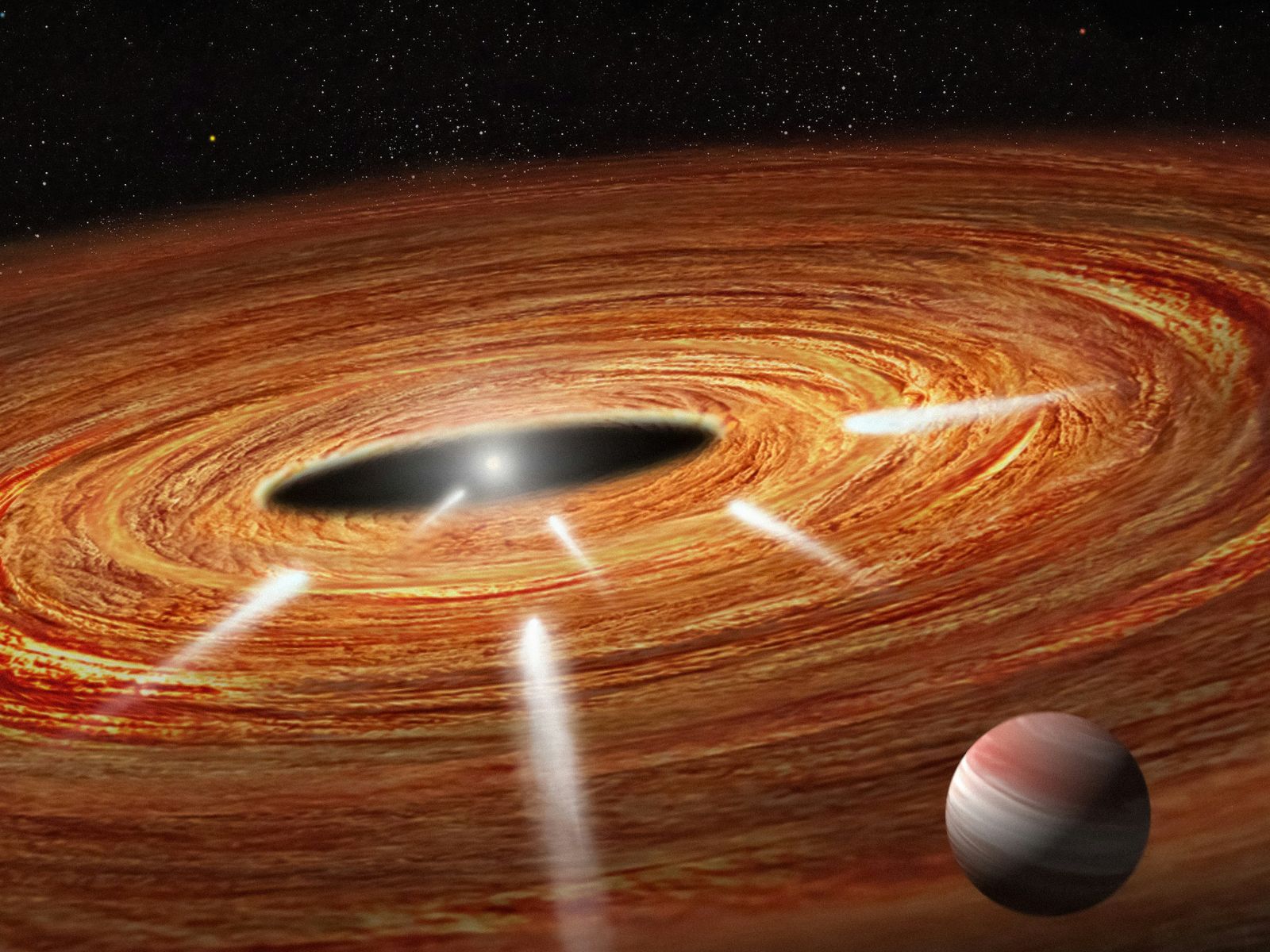
Fast radio bursts last just a few milliseconds but release huge amounts of energy. While the first FRB was reported in 2007, astronomers have recently identified the most distant fast radio burst known to date.
This discovery was made possible by the James Webb Space Telescope and the MeerKAT radio telescope. The burst was first detected in March 2024, and the findings were recently published in Science.
According to astronomers, this burst, known as FRB 20240304B, originated when the universe was only about 3 billion years old. This discovery is particularly interesting because most bursts are detected only once, and their radio signals travel through the intergalactic medium. As a result, studying these bursts allows astronomers to better understand the distribution of matter in and between galaxies, particularly those in the early universe.
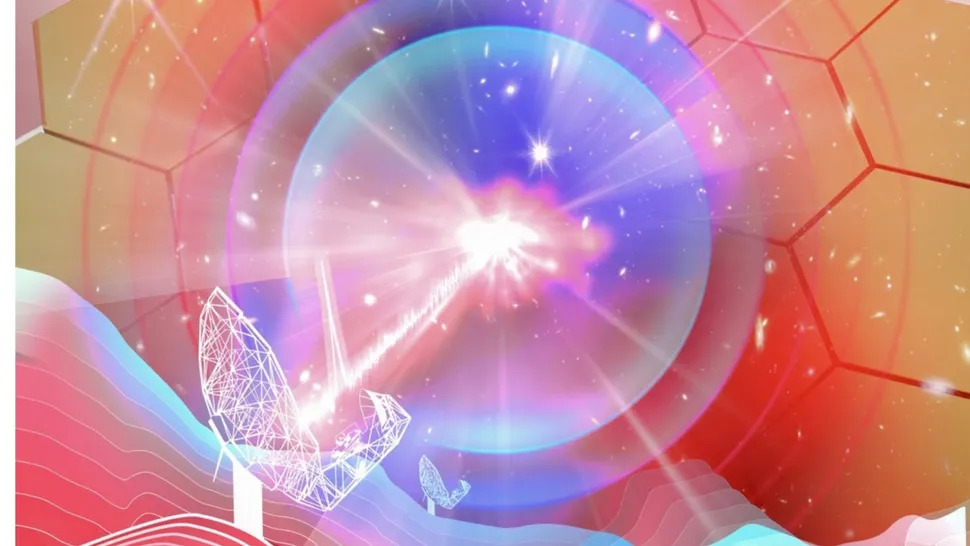
Scientists have also identified the host galaxy of FRB 20240304B. Indeed, it is small and metal-poor, and lies about 10.63 billion light-years from Earth in the direction of the constellation Virgo.
The celestial object responsible for this fast radio burst remains unknown, and astronomers do not yet know what causes this type of phenomenon. Nevertheless, magnetars, which can form when massive stars collapse, are among the possible candidates. Moreover, intense star formation in the host galaxy may be linked to magnetar formation, which could explain the origin of these bursts.
Source(s)
Image source: NASA Hubble Space Telescope - Unsplash / Carl Knox, OzGrav, Swinburne University of Technology
 Add as a preferred source on Google


