




Starlink mobile’s global roaming ambitions could soon be a reality
SpaceX has officially taken a major step toward becoming a worldwide cellular provider. The Federal Communications Commission (FCC) has granted the company the regulatory green light to offer international telecommunications services.
Currently, Starlink Mobile is offered in the US through a partnership with T-Mobile (dubbed T-Satellite). The initial goal of this collaboration is to eliminate cellular dead zones by allowing standard smartphones to connect directly to satellites in emergencies or remote areas, albeit with constrained bandwidth.
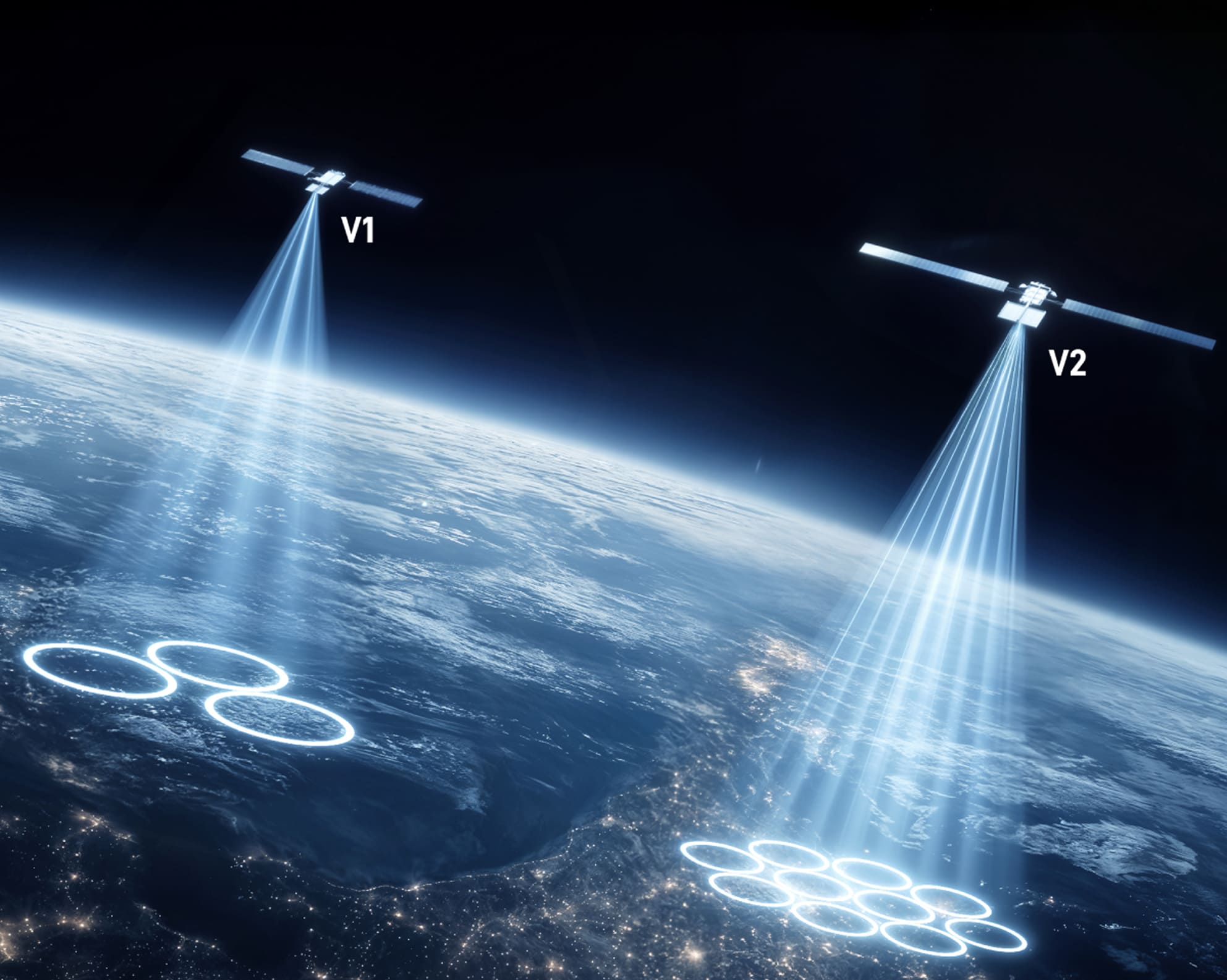
However, SpaceX's ambitions extend far beyond basic coverage. The company plans to deploy next-generation satellites designed to function like cell towers in space, beaming 5G-level service directly to user devices. According to the company, this upcoming upgrade aims to deliver download speeds of up to 150 Mbps, completely transforming what consumers can expect from a satellite connection.
While SpaceX is partnering with T-Mobile domestically, executives have made it clear that Starlink Mobile could soon act as a formidable standalone rival to traditional US carriers like AT&T and Verizon.
Starlink Mobile's true differentiator will be global roaming. Thanks to its vast orbiting constellation, a single mobile plan could theoretically provide seamless, high-speed coverage anywhere on Earth. In a recent statement, SpaceX CFO Bret Johnsen emphasized that eliminating dead zones and offering native global roaming are the pillars that will make Starlink Mobile stand out in a crowded telecom market. CEO Elon Musk has previously echoed this sentiment, hinting at Starlink's potential to become a true global carrier.
Despite these grand plans, legacy carriers aren't hitting the panic button just yet. Both T-Mobile and AT&T have downplayed the immediate threat, arguing that satellites will struggle to match the dense, robust capacity of traditional ground-based cell towers. To address this, SpaceX is reportedly developing cost-effective ground networks using small radio equipment known as "femtocells," though industry experts remain skeptical of this hybrid approach.
With the FCC's "global facilities-based and resale authority" in hand, SpaceX is rapidly moving to establish footholds in Latin America, Europe, Asia, and Africa.
The company is already securing international alliances. Recently, SpaceX announced a partnership with Japanese telecommunications giant KDDI to introduce "Starlink Mobile V2." SpaceX claims this international rollout will offer 100 times the data density of earlier iterations, enabling native phone calls, high-speed app usage, and video streaming straight from orbit.
 Add as a preferred source on Google


No comments for this article
