




Retroid unveils Pocket Nova handheld with a 4:3 OLED display
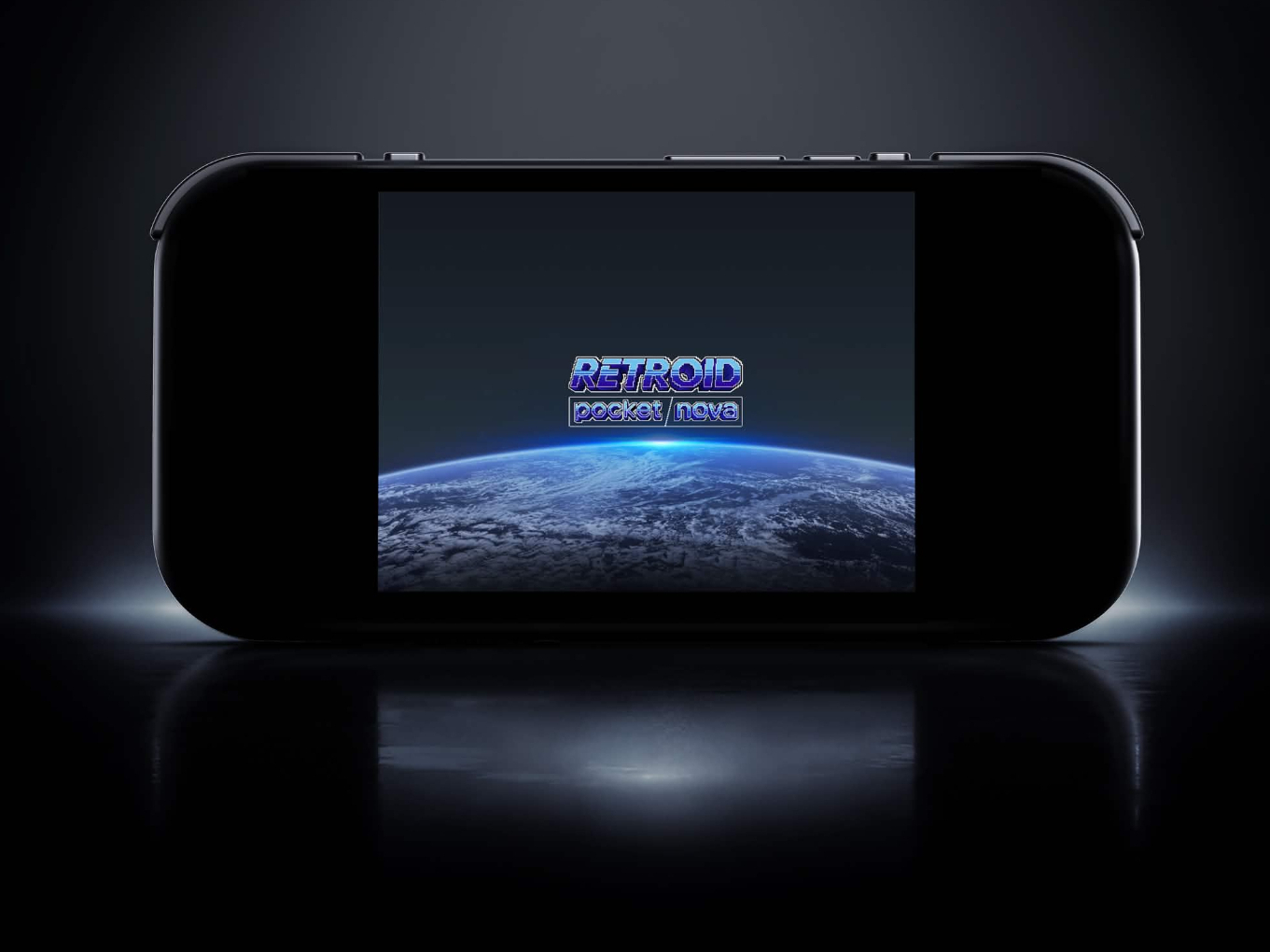
Barely a week after Anbernic teased a new Switch Lite-like handheld, Retroid has followed with its own announcement of a new handheld in development. However, rather than a rival to Anbernic's upcoming RG 55G1, Retroid's new horizontal handheld seems to be going after the Anbernic RG 477M (available on Amazon for $305.99).
According to a post on its social media accounts, the new handheld will launch as the Retroid Pocket Nova. It will have a 4:3 aspect ratio, and despite keeping the screen size a secret, the display panel has been revealed to be an OLED one.
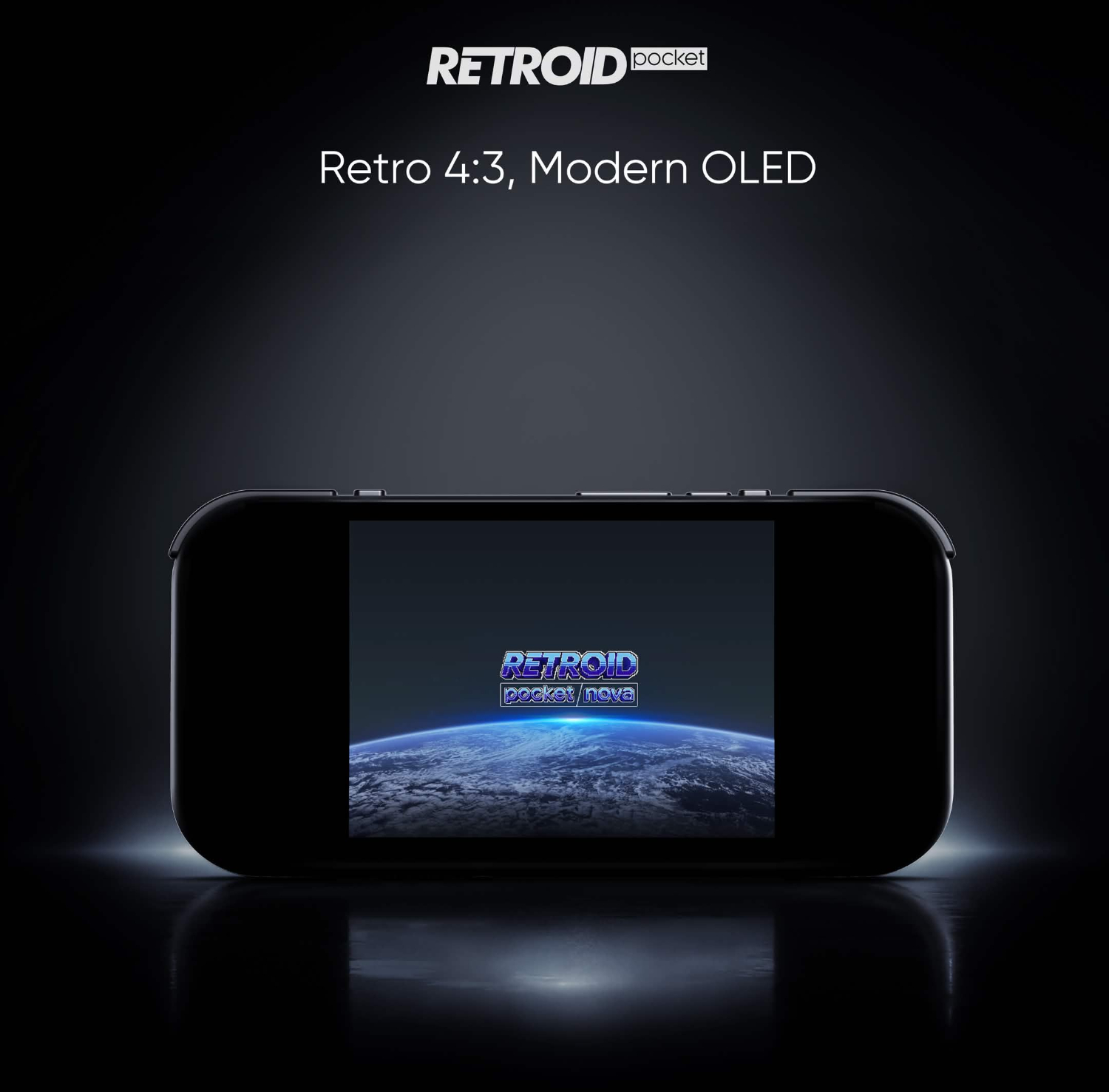
Retroid's announcement comes with a teaser image that shows the handheld will have shoulder buttons that extend down the corners just like those of the Retroid Pocket 6. The image also shows the volume rocker and power button are on the right side of the handheld.
In addition to the shoulder buttons, there are two smaller buttons next to the R1 and L1 buttons. It is not clear if these are additional customizable shoulder buttons like those on controllers such as the 8BitDo Ultimate 2 Wireless, or if they are the R2 and L2 buttons, since the back of the handheld is not visible in the image.
Unfortunately, the teaser image intentionally hides the control layout, so we don't know if it has its D-pad on top or below. However, since this is a retro handheld designed for emulation, it most likely has its D-pad on top like the Pocket Mini/Pocket Mini V2.
The Pocket Nova is an important device for Retroid as it is a chance for it to right the wrong(s) it did with the Pocket Mini, which was its last 4:3 horizontal retro handheld. While it did get a second chance when it announced the Pocket Mini V2, that device has been unavailable for months now and seems to have been discontinued.
Thinking about it now, Retroid seems to be distancing itself from that mishap as this device is launching as the Pocket Nova and not the Pocket Mini V3 or Pocket Mini 3. Nevertheless, we hope the Pocket Nova has a true 4:3 display and not a panel that has been modified using hardware and software tricks to report a different apect ratio and resolution.
Source(s)
 Add as a preferred source on Google


