




RTX 5070 out, RTX 5070 Ti in – and suddenly the Gigabyte A16 becomes the A16 Pro
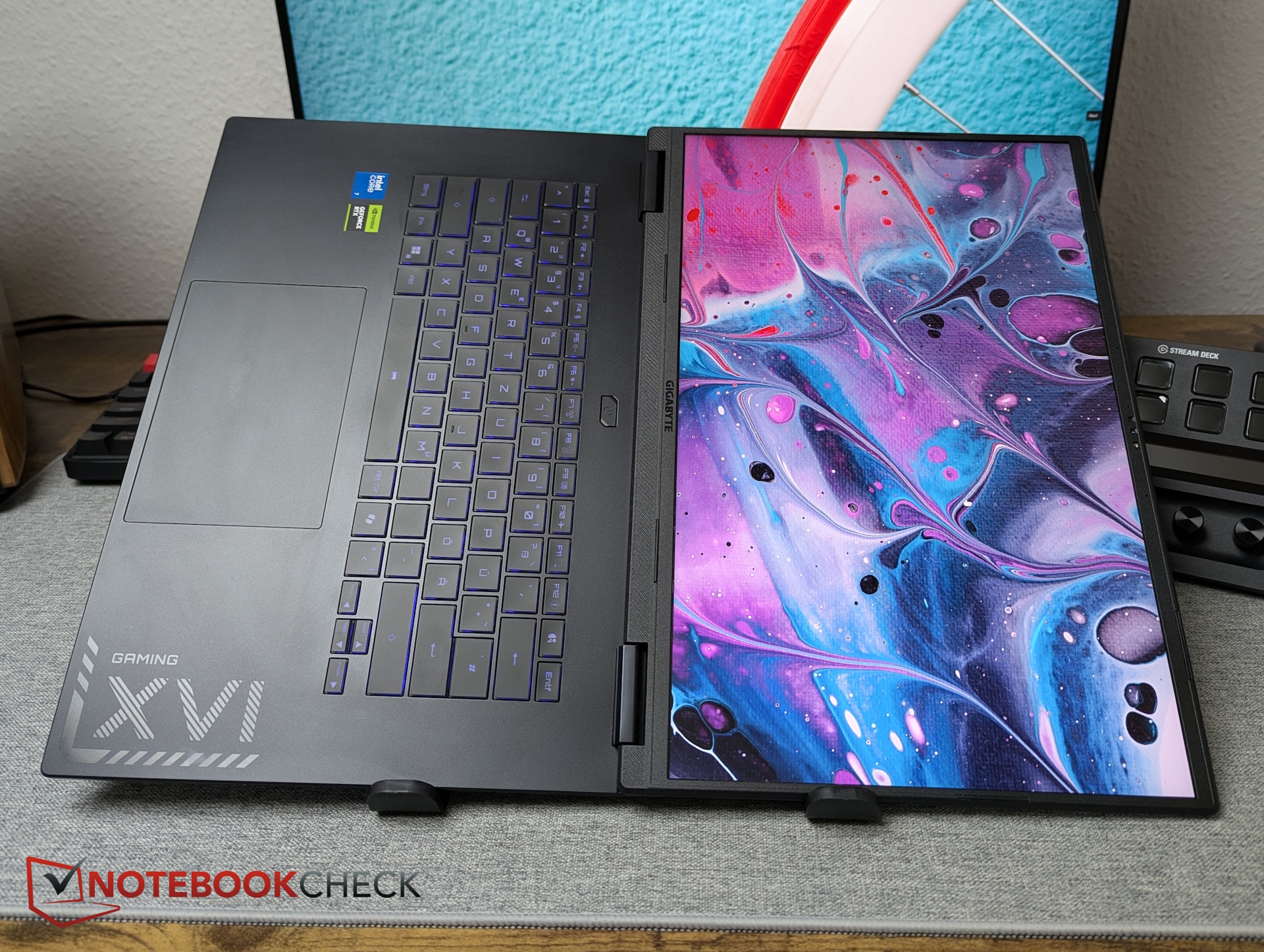
Gigabyte A16 Pro: Barely any differences from the A16
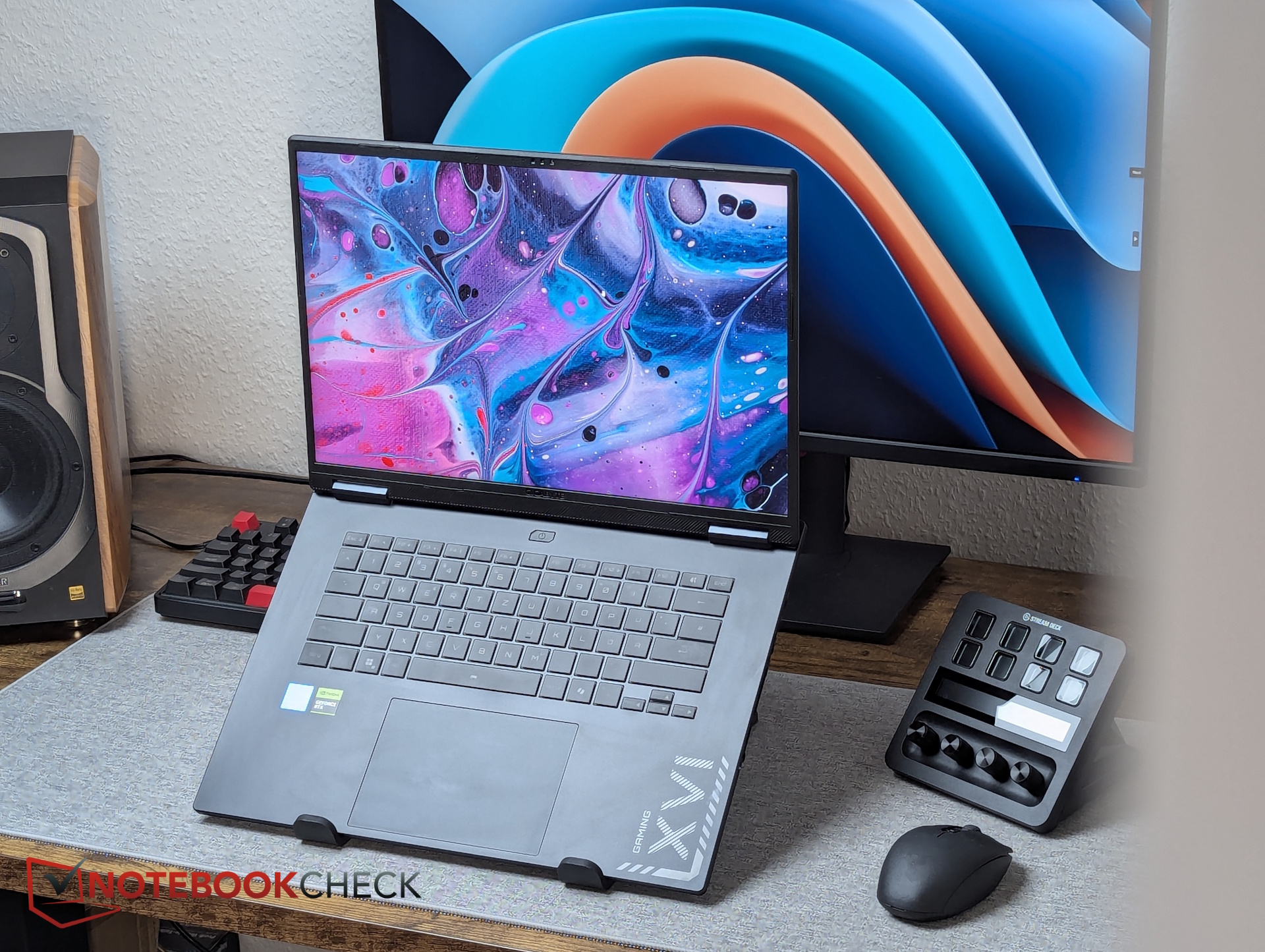
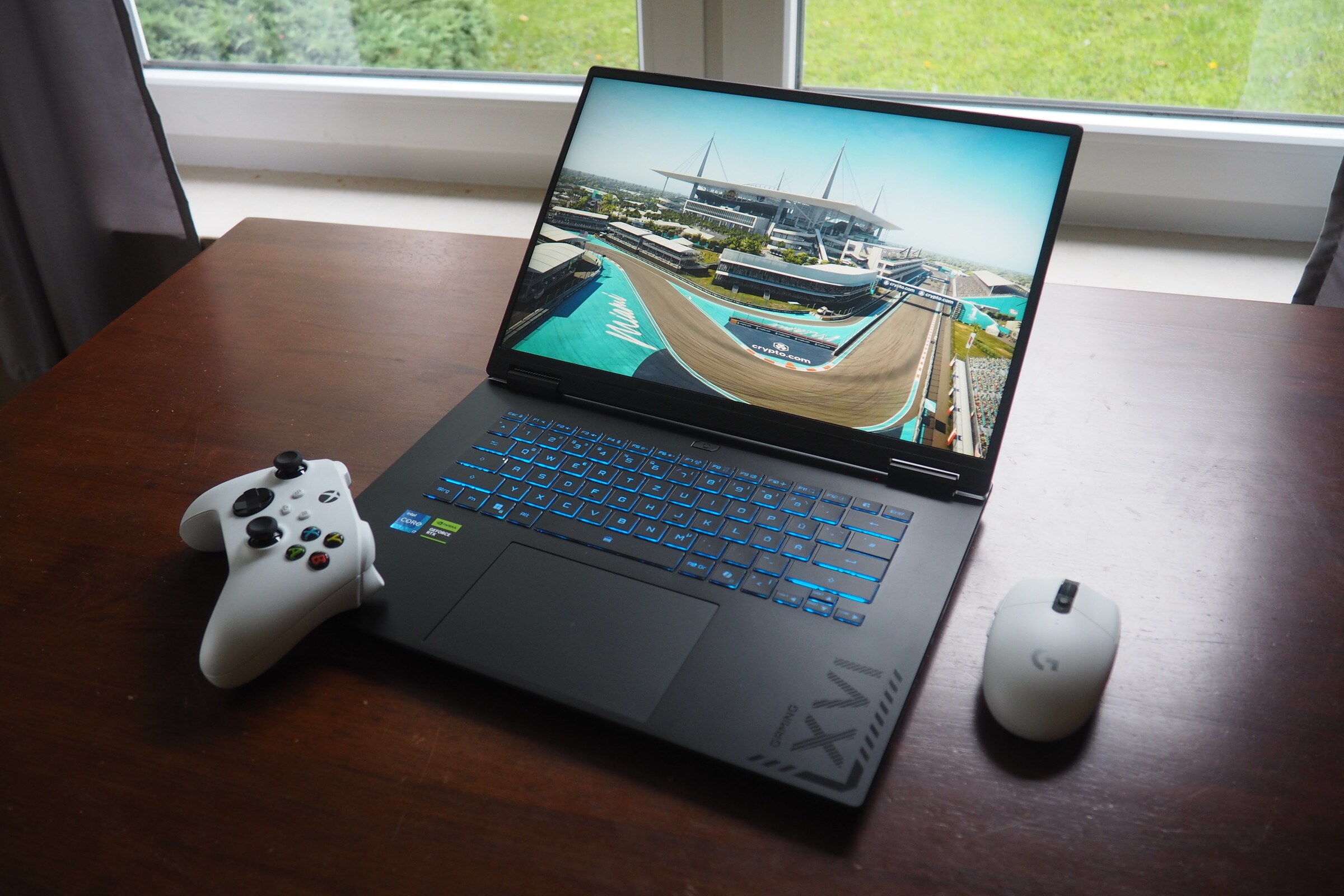
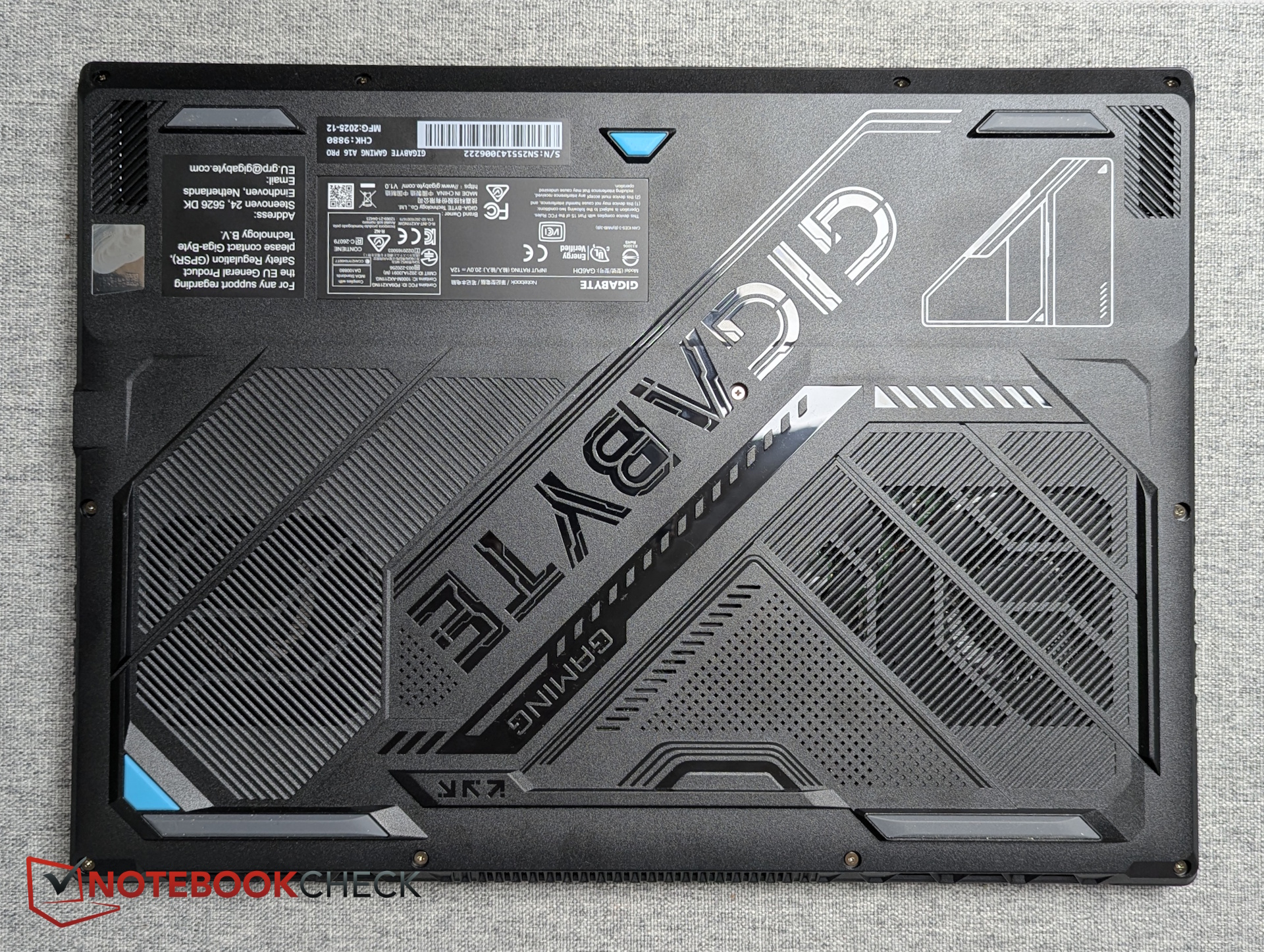
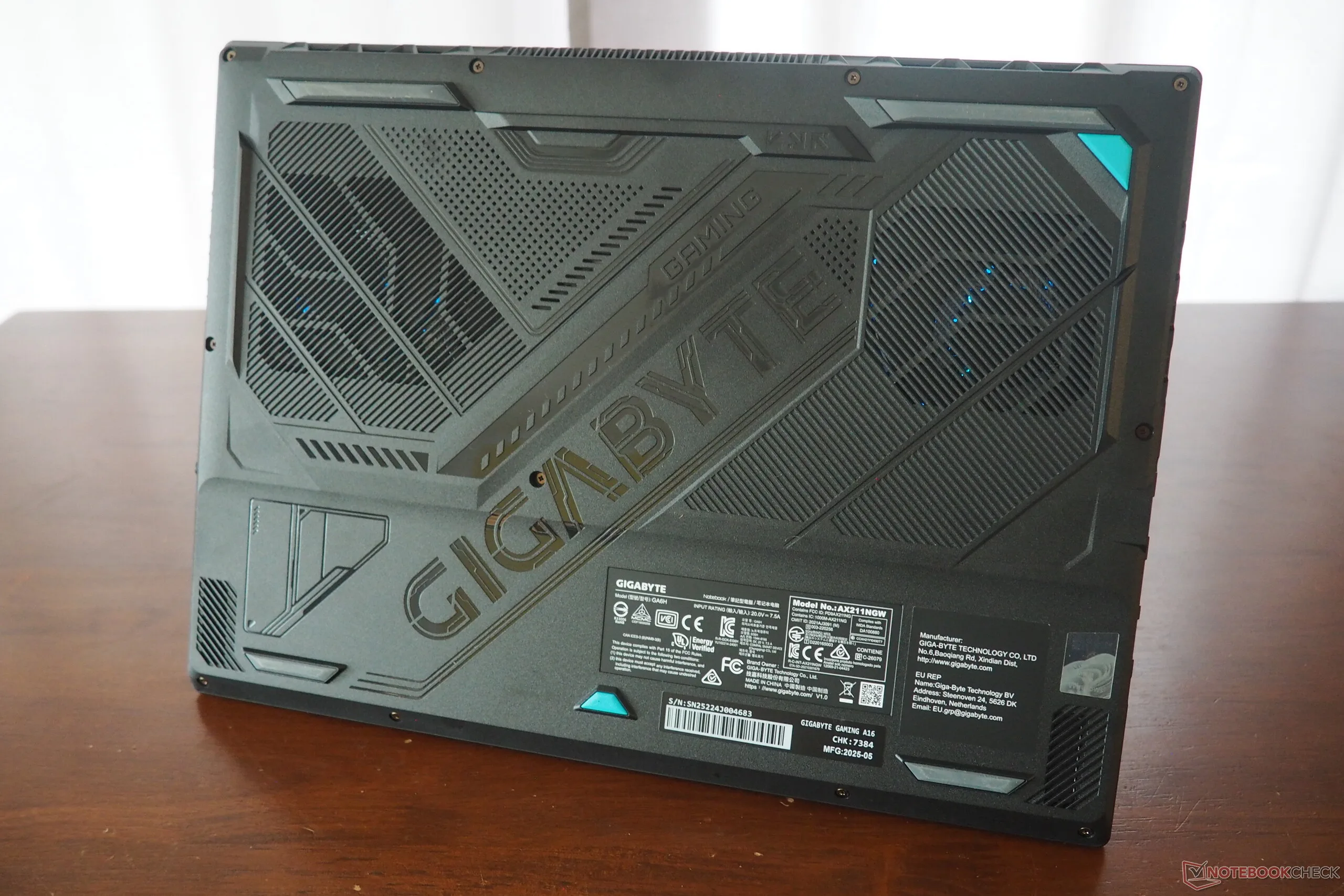
Same chassis, same (aging) ports: visually, the Gigabyte A16 Pro ($1,850 on Amazon) looks almost identical to the Gigabyte A16. The real, albeit minor, differences are on the inside. The A16 Pro features a different CPU and GPU than the standard A16, but beyond that, virtually everything is the same. But does a different CPU and a Ti vs. non-Ti GPU really justify rebranding it as “Pro”?
New CPU, same performance in benchmarks
Let’s take a closer look at the differences, starting with the CPU. The Gigabyte A16 comes with an Intel Core i7-13620H, while the recently tested Gigabyte A16 Pro uses an Intel Core 7 240H. In a Cinebench R15 loop, both CPUs perform at nearly the same level. Across all CPU tests, the older chip is actually slightly faster—by about 3 percent. That’s not surprising, since the 240H is essentially a refresh of the i7-13620 with slightly higher clock speeds and support for DDR5-5600 RAM (instead of DDR5-5200). In the A16 Pro, the new CPU delivers no real performance advantage.
RTX 5070 Ti: How big is the gaming advantage really?
That leaves the GPU as the only real argument for the “Pro” label. And yes, the new Ti model is somewhat faster than the non-Ti version. In Full HD, however, the lead across all our gaming tests is a modest 7 percent. Beyond raw performance, editing, AI, and modeling workloads naturally benefit from the additional video memory.
“Pro” in the name: Marketing or real value?
Of course, naming is entirely up to manufacturers—they can call their laptops whatever they want. A good example is the Dell Pro Max 16 Plus—an absolute mouthful. Still, companies should be careful, as overly bold superlatives can quickly turn customers off.
In the case of the Gigabyte A16 Pro, rebranding a gaming laptop with 5 Gbps USB ports as “Pro” solely because of a Ti GPU is a bold move. At the end of the day, it’s the same gaming laptop with a slightly faster GPU. Many other manufacturers offer configurable GPU options, and a higher-tier GPU usually doesn’t change the product name. Combined with the dated port selection, the A16 Pro’s transformation into a “Pro” model feels somewhat questionable. Read additional information and our final verdict in our review.
Source
 Add as a preferred source on Google


