




This “pro” laptop has a problem: Gigabyte A16 Pro in a reality check
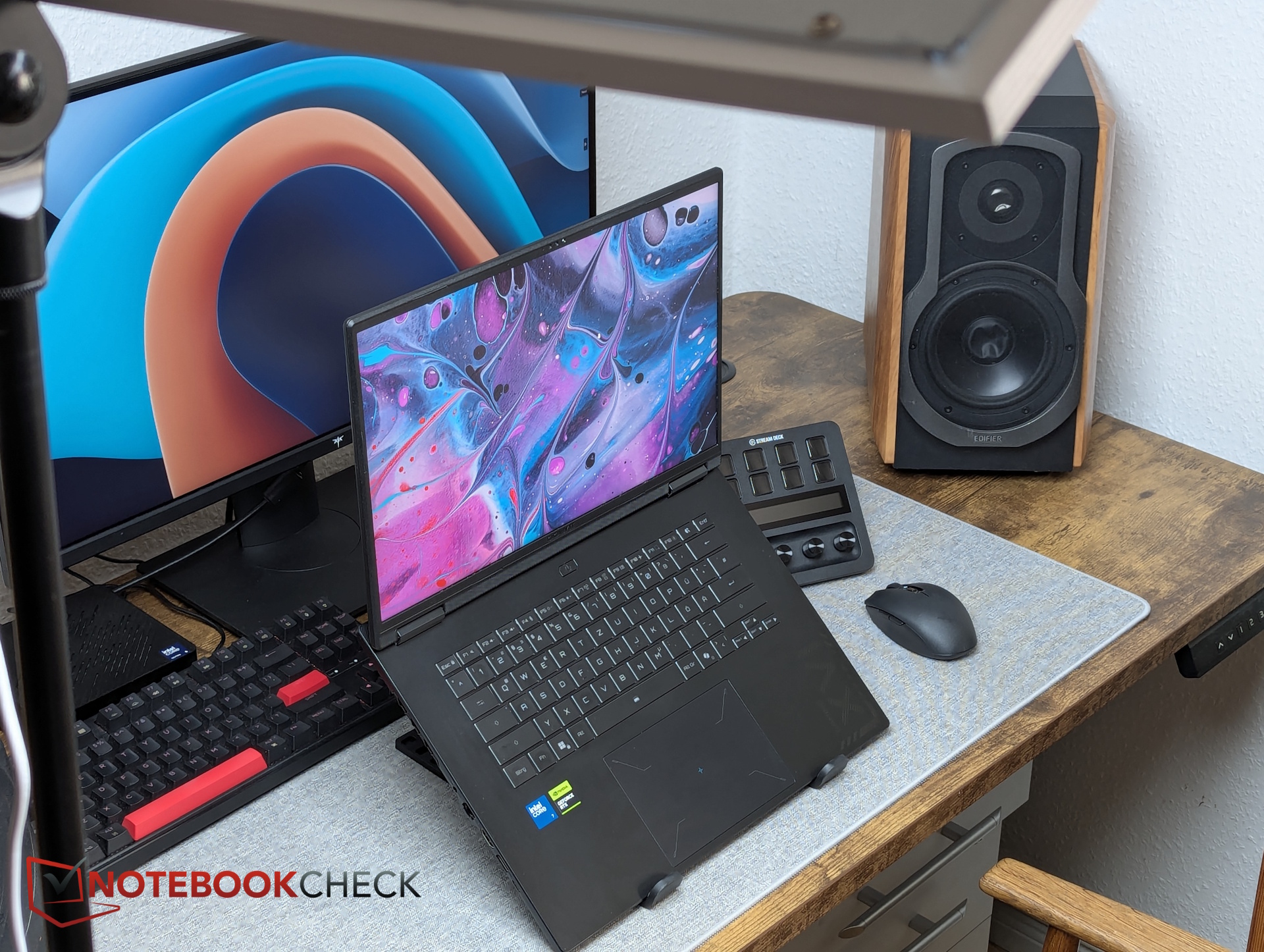
When we think of a “Pro” notebook, we usually expect a thin, portable, efficient, well-equipped, and powerful work machine—typically at a premium price. A more affordable laptop with a few compromises, but still meeting most of these requirements, would be a welcome niche option for entry-level video editing, AI workloads, and similar tasks.
Gigabyte A16 Pro at a glance: lots of hardware for the price
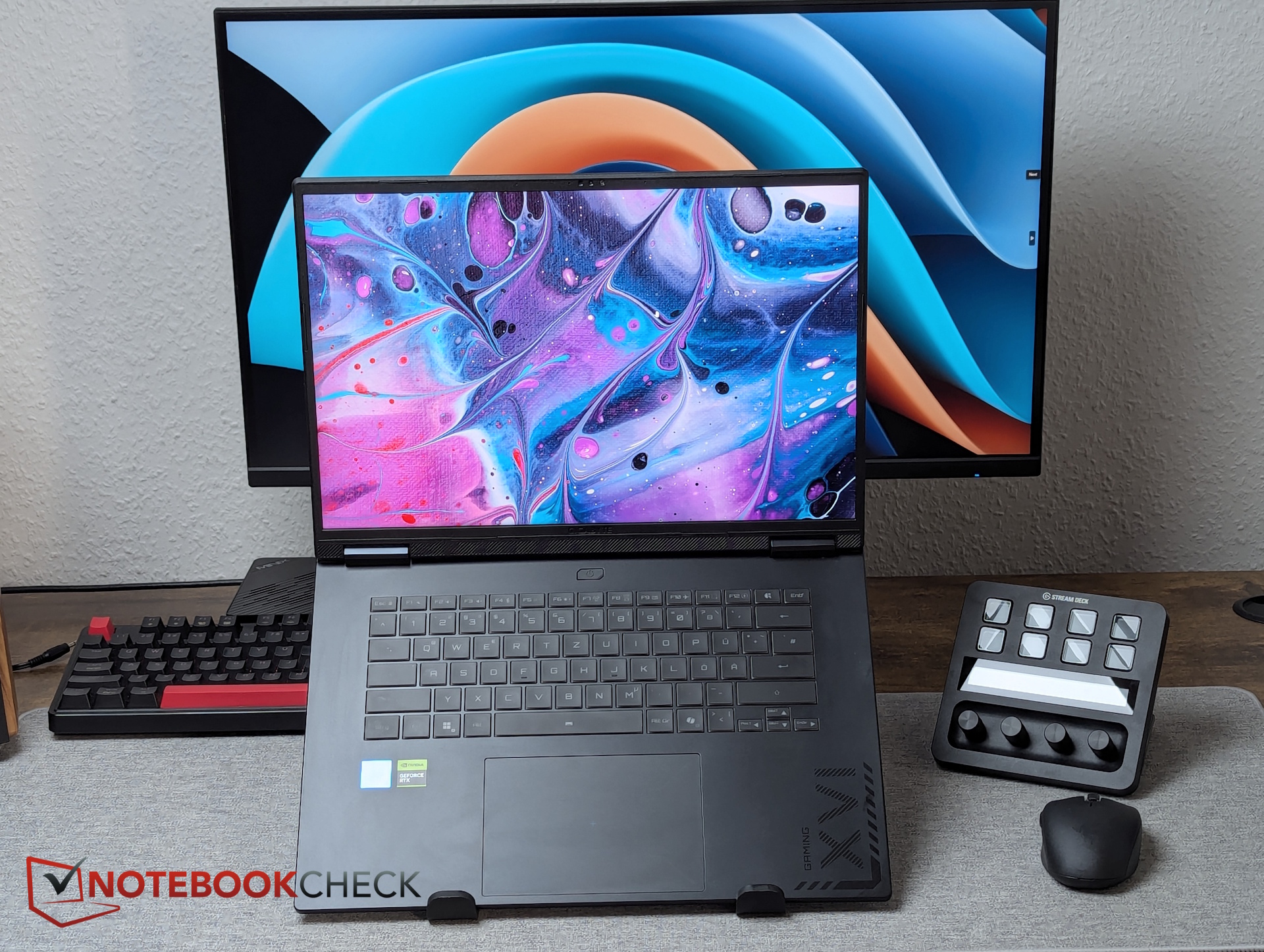
This is where the Gigabyte A16 Pro comes in ($1,849 on Amazon). For its price, this officially marketed gaming laptop is relatively slim, features a high-end RTX 5070 Ti with 12 GB of VRAM, and includes a bright 500-nit display. Battery life is also respectable. So is it the ideal entry-level creator laptop described above?
Not quite—because beyond the expected compromises, Gigabyte stumbles in several unnecessary areas. The A16 Pro could have filled this gap, but in its current form, it doesn’t. And that’s not solely due to cost-cutting.
Ports: Why the A16 Pro isn’t “pro” enough
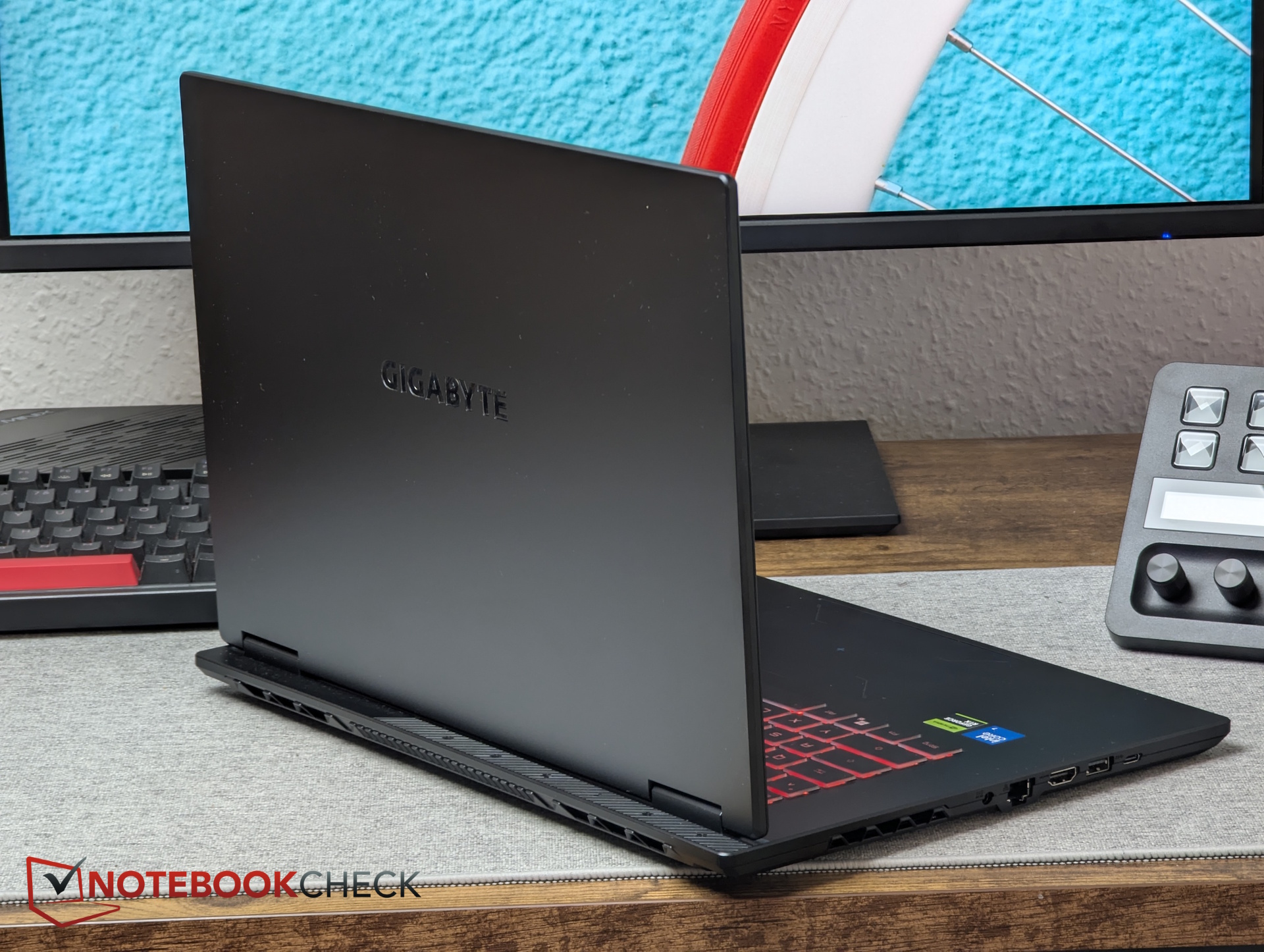
Most of the limitations show up in connectivity. On a “Pro” device, you’d expect reasonably modern ports for fast data transfers between devices. The lack of Thunderbolt or USB4 might be forgivable—but it even omits USB 3.2 Gen 2 (10 Gb/s). The fastest USB port on the A16 Pro tops out at just 5 Gb/s. Instead, it still includes an outdated USB 2.0 port. That’s hardly “Pro”-level.

Drivers and power consumption: Major everyday weaknesses
More serious issues stem from weak driver optimization. Under gaming load, the laptop is relatively power-efficient—but that’s partly due to its below-average performance. At idle, however, power consumption is far too high and doesn’t settle down even after extended periods. Power profiles are also inconsistent, with “Silent” and “Balanced” sometimes consuming more power at idle than “Performance.”
Thermals and SSD: Familiar issues remain
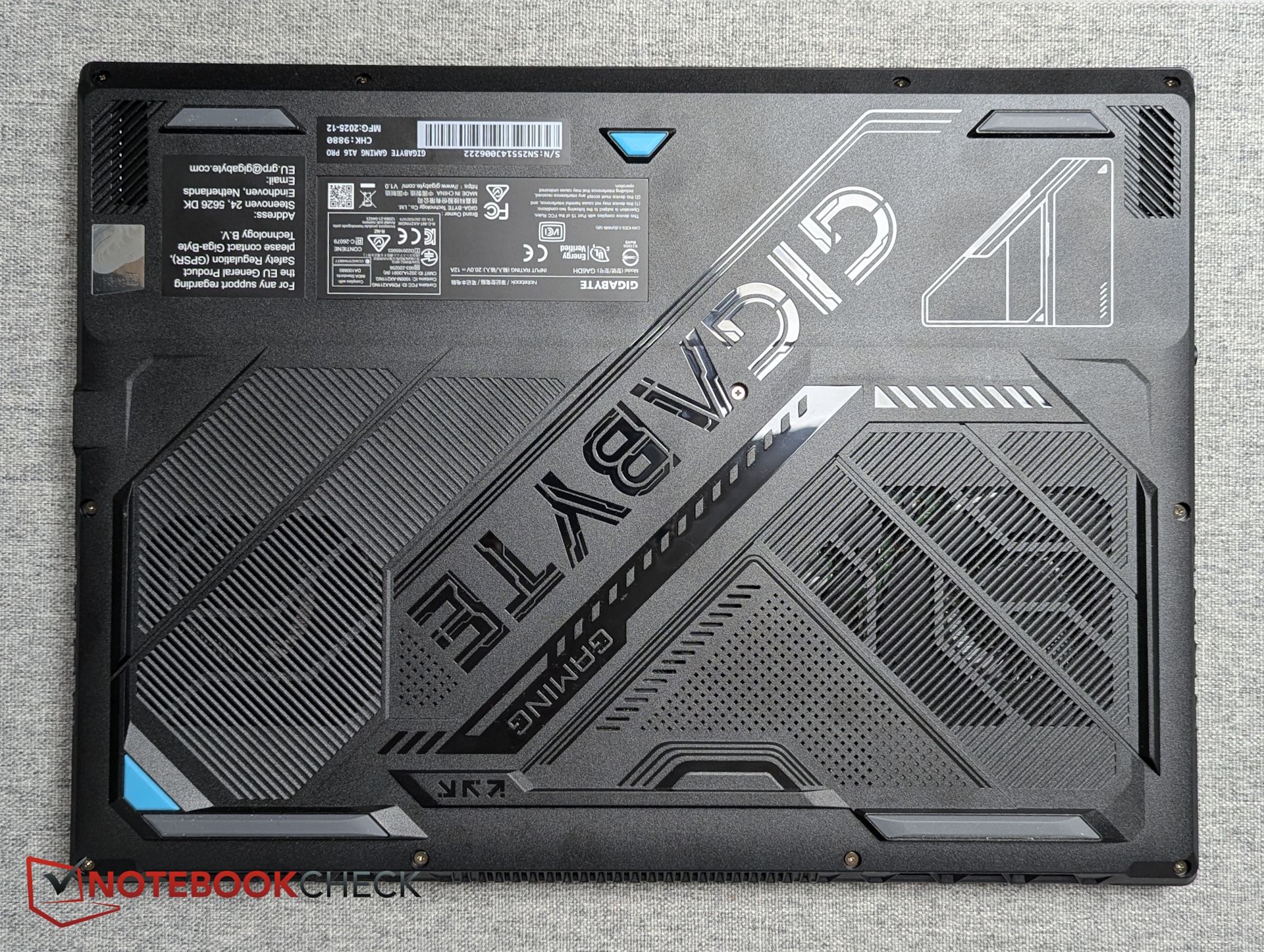
The A16 Pro inherits the same thermal SSD throttling problems as the A16, as both share the same chassis. Despite potentially higher heat output from the upgraded GPU, Gigabyte failed to improve SSD cooling. New issues also appear, including latency problems and dropped frames during 4K video playback—problems not present on the standard A16.
Conclusion: An RTX 5070 Ti doesn’t make it “Pro”
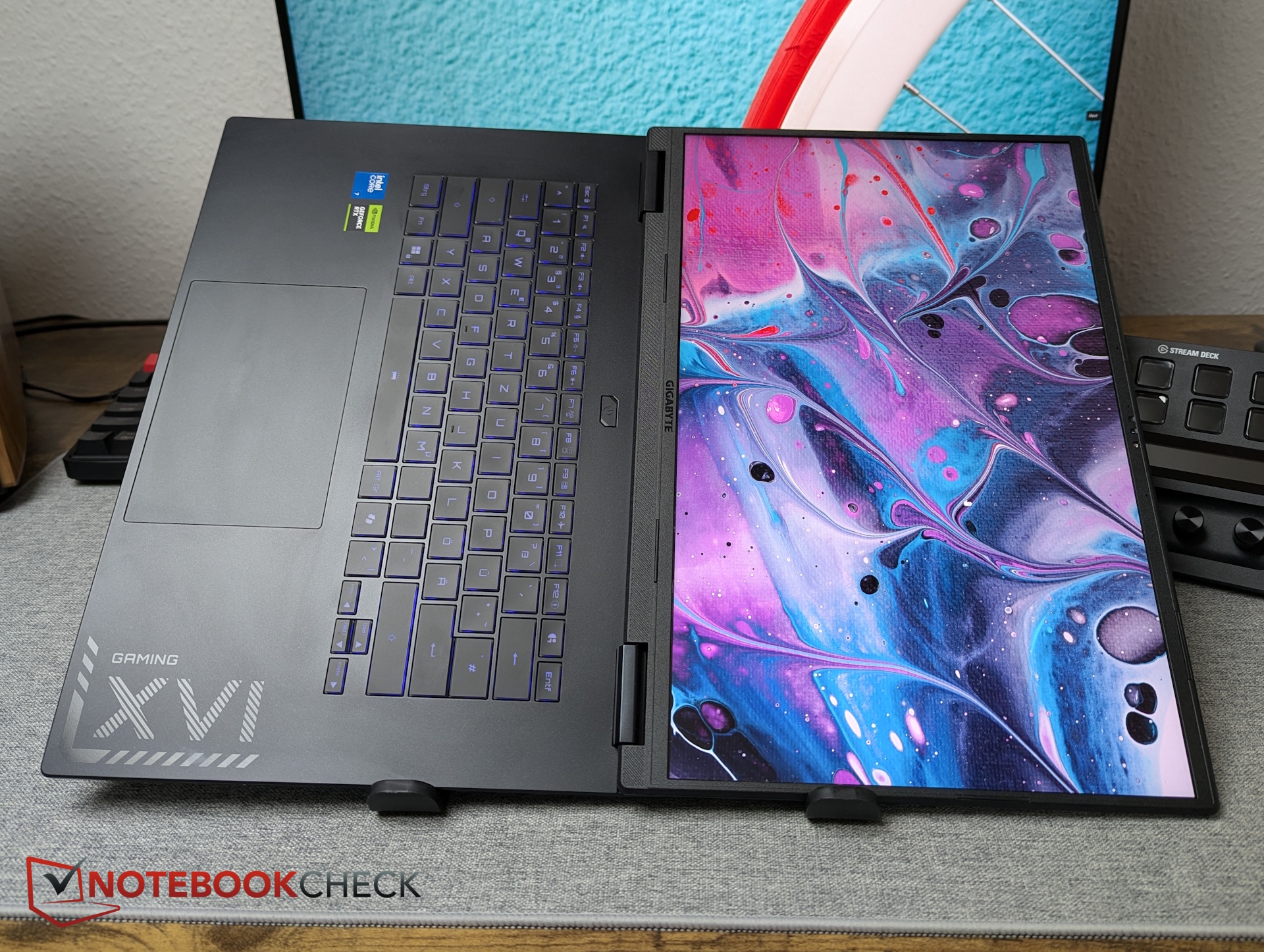
This feels like taking a standard gaming laptop with outdated ports, adding a newer CPU and a more powerful GPU, leaving everything else unchanged, and simply renaming it from A16 to A16 Pro. That creates expectations the device can’t meet. With a bit more refinement and optimization, the A16 Pro could have been a highly recommended option for both gamers and creators.
Source
 Add as a preferred source on Google


