Older Apple Watch models miss out on Apple's biggest new health feature
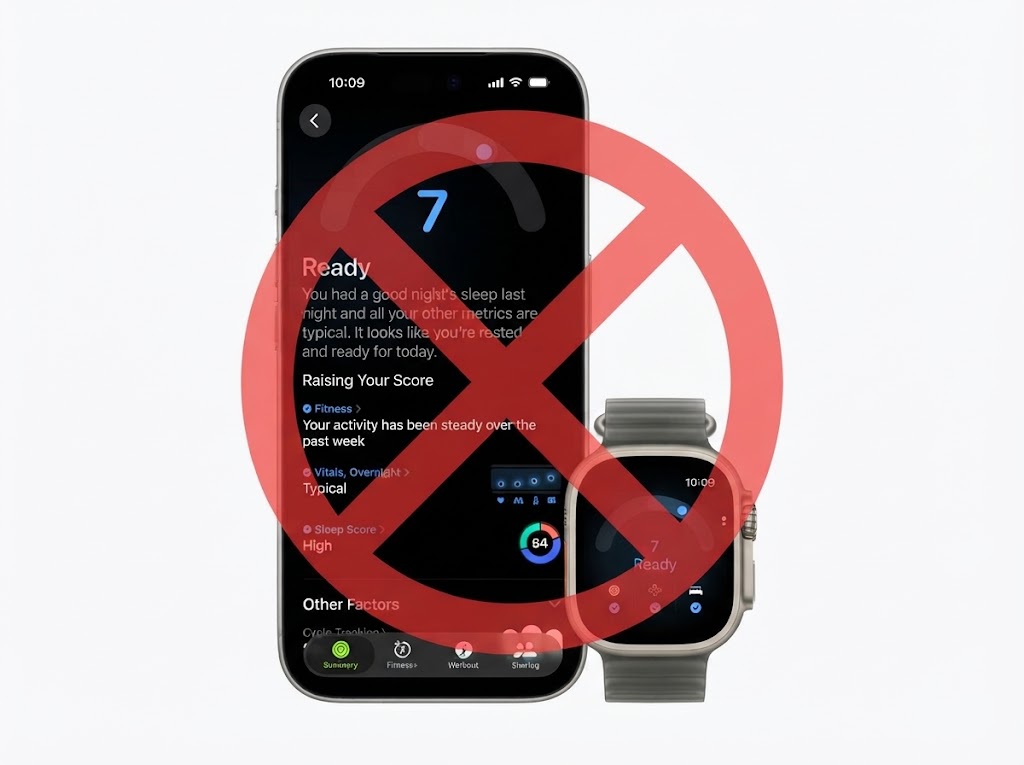
Apple’s new "Readiness" feature has driven an awkward wedge between its latest Apple Watch models and devices that remain fully supported by watchOS 27. Introduced with the Apple Watch Series 12 and Ultra 4, Readiness generates a daily score from 0 to 10 based on factors including recent activity, training load, vital signs and sleep. It also provides guidance ranging from recovery to increased activity, positioning the feature as Apple’s answer to the increasingly popular topic of recovery-focused fitness tracking.
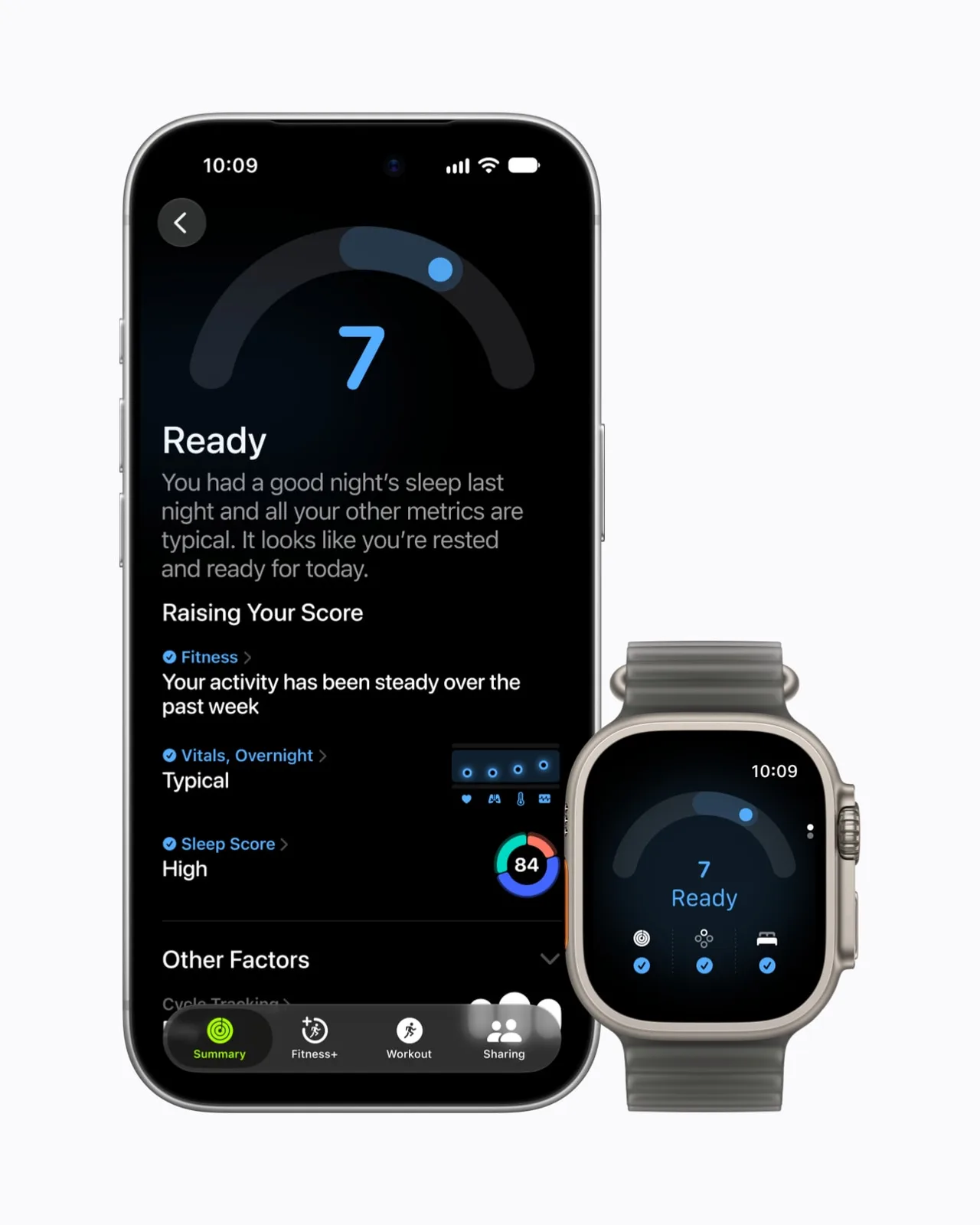
However, the feature is unavailable on the Series 11, Series 10, Series 9, Ultra 3 and Ultra 2, despite these watches supporting the same operating system. Apple attributes the limitation to the redesigned optical and electrical heart sensors in the Series 12 and Ultra 4. Their larger green LEDs are said to provide heart-rate measurements every five seconds, while heart-rate variability is reportedly measured every five minutes, which is 24 times more frequent than before. Readiness also utilizes overnight HRV readings against a personal baseline, allowing for the score to be revised as new data arrives.
The decision is likely to sting Series 11 and Ultra 3 owners most, since the models already track heart rate, HRV, sleep, training load and overnight vital signs. Furthermore, Apple has not explicitly stated that older hardware is technically incapable of calculating a readiness score; it has merely tied the feature to the newer sensors. This leaves Series 11 and Ultra 3 owners without one of Apple’s headline health features just one year after launch, despite continued software support.
Source(s)
 Add as a preferred source on Google