




Apple A20 Pro debuts with 7-core GPU, 32-core Neural Engine and 50% more memory bandwidth
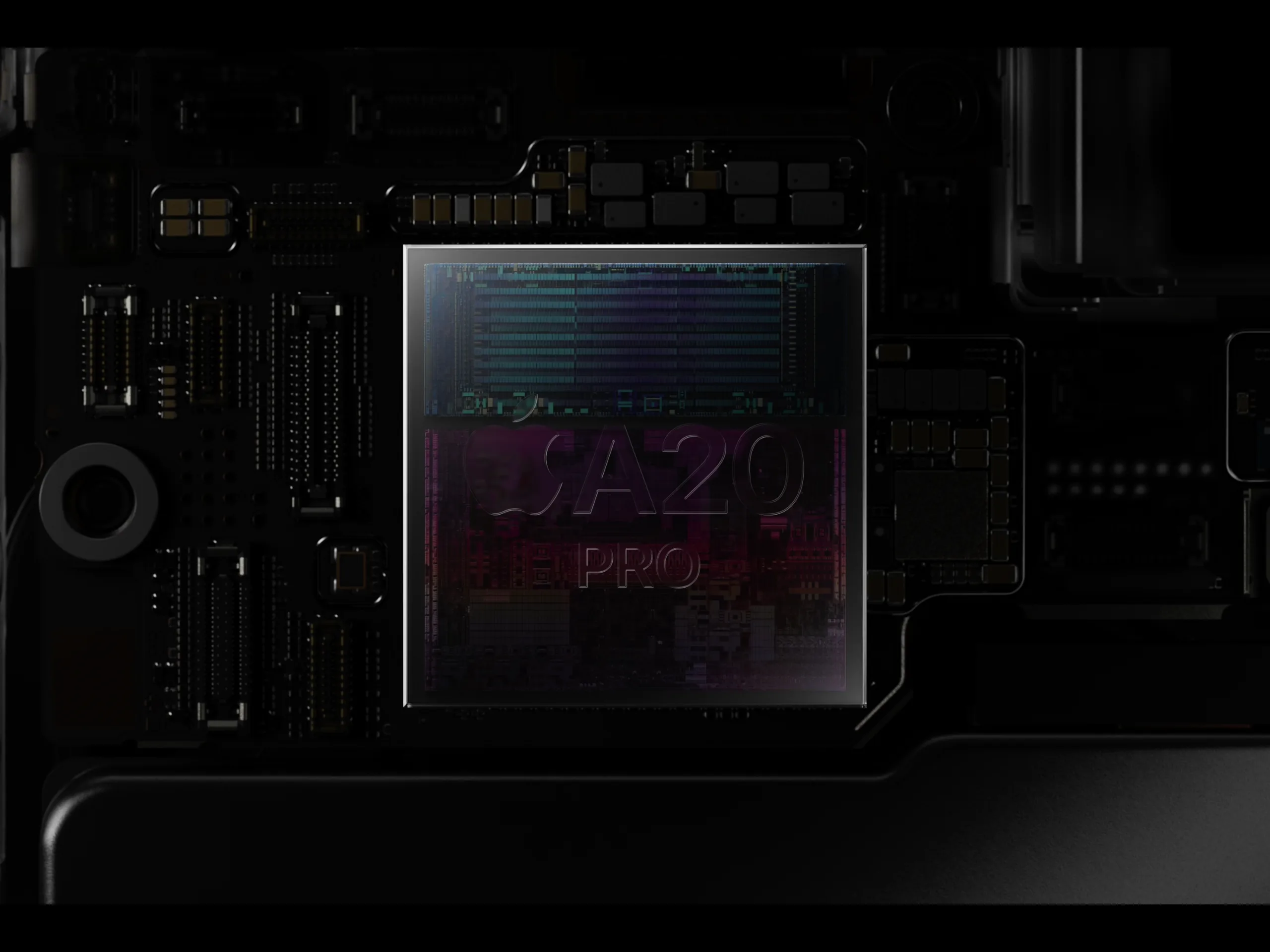
Apple has unveiled the A20 Pro, the new flagship SoC powering the iPhone 18 Pro and iPhone 18 Pro Max. This year's chip brings substantial changes across essentially every major compute block, including a new CPU architecture, a larger GPU, a doubled Neural Engine and considerably more memory bandwidth. Apple also confirmed that the A20 Pro is manufactured using a 2 nm process, although it did not identify the exact node during its presentation. The chip has long been rumoured to use TSMC's base N2 node. Meanwhile, its competitors, the Snapdragon 8 Elite Extreme Gen 6 and MediaTek Dimensity 9600 Pro, are slated to use a slightly more potent N2P node. Whether or not the node advantage will translate to real-world performance gains remains to be seen.
Apple has stuck to its time-tested six-core CPU design. Two are what the company now calls "Super" cores, paired with four efficiency cores. Apple describes the former as desktop-class CPU cores, following the introduction of the same Super core branding with its recently announced M6. The A20 Pro features a seven-core GPU, one more than the six-core GPU in last year's A19 Pro, and Apple claims up to 40% faster graphics performance.
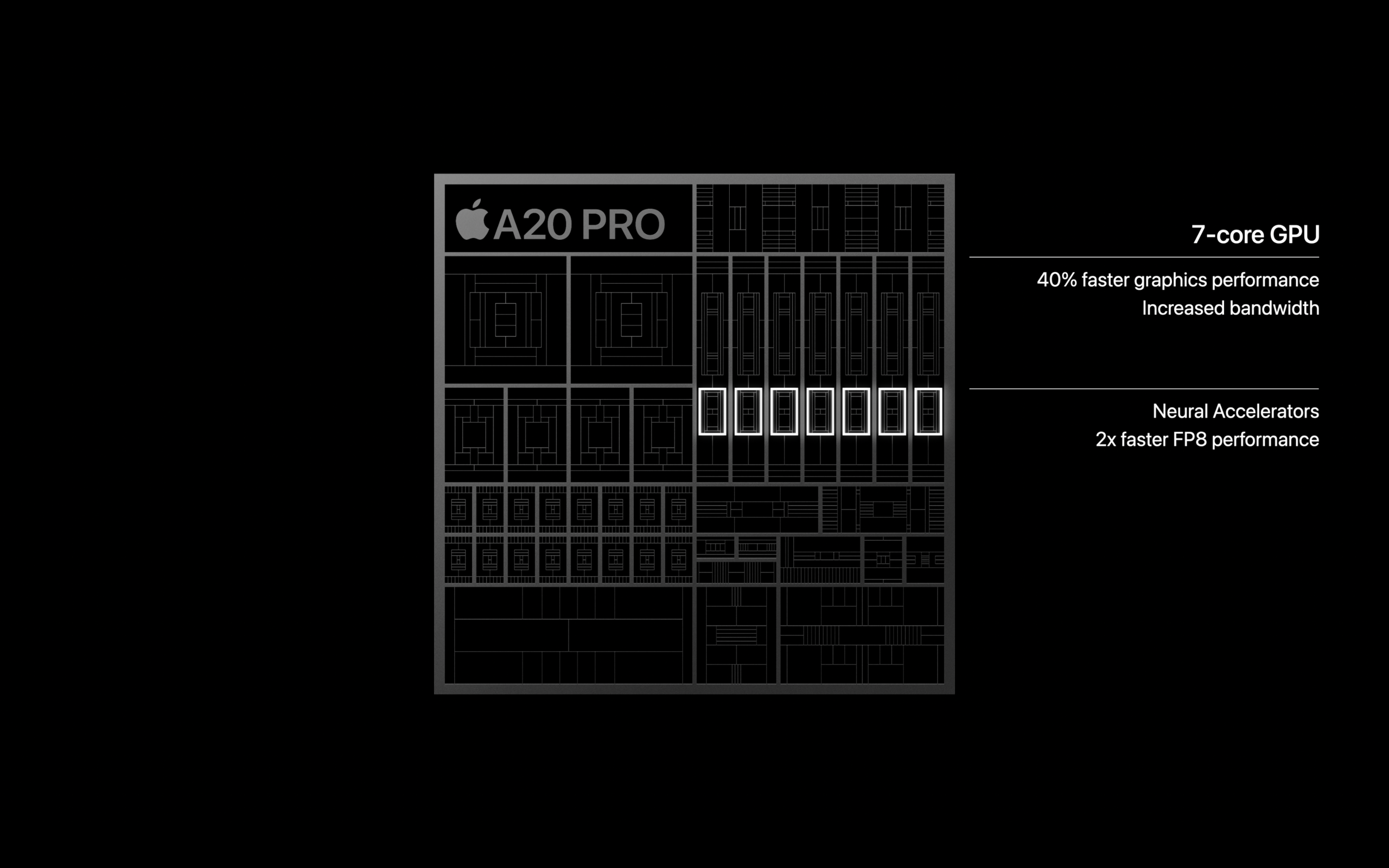
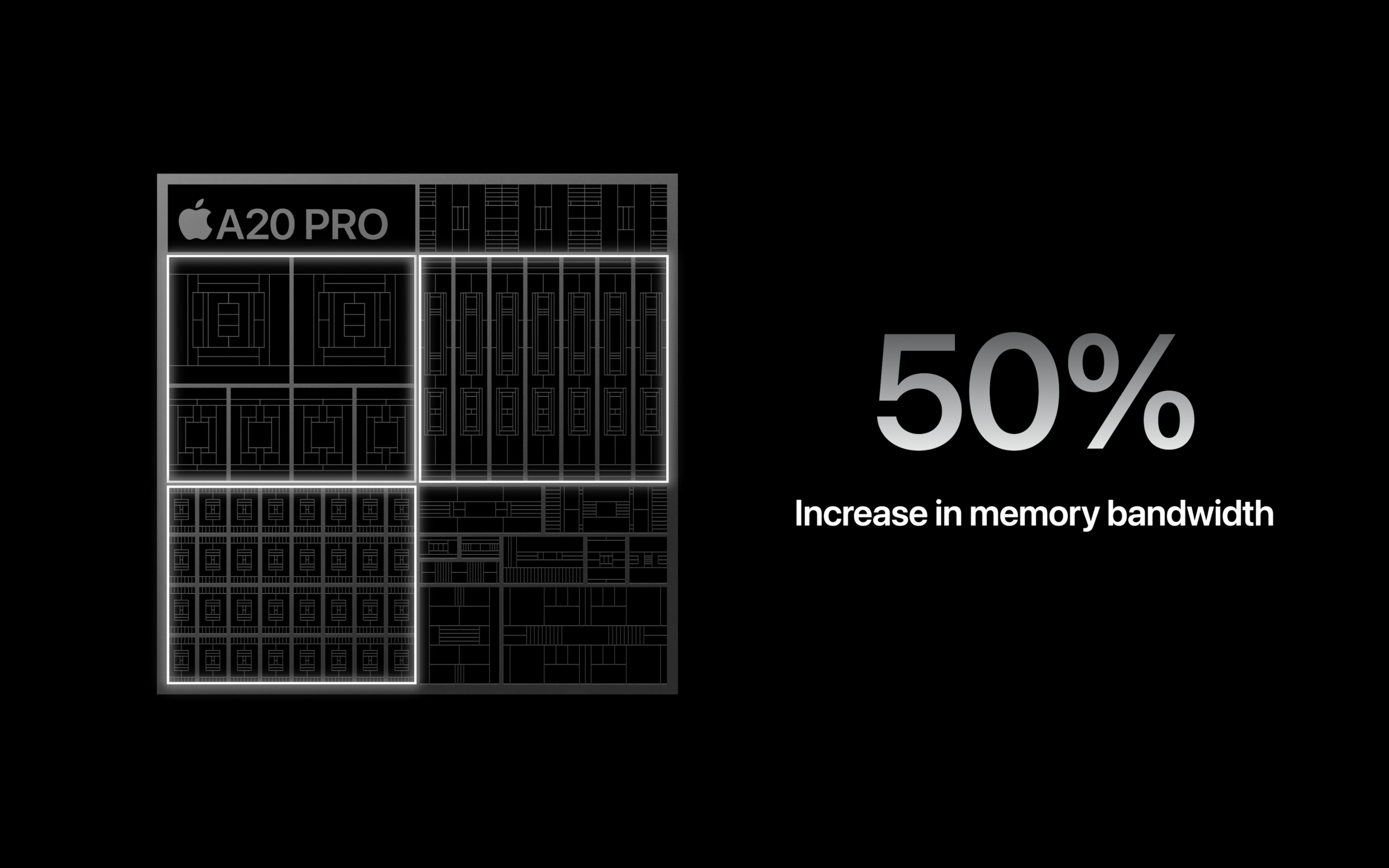
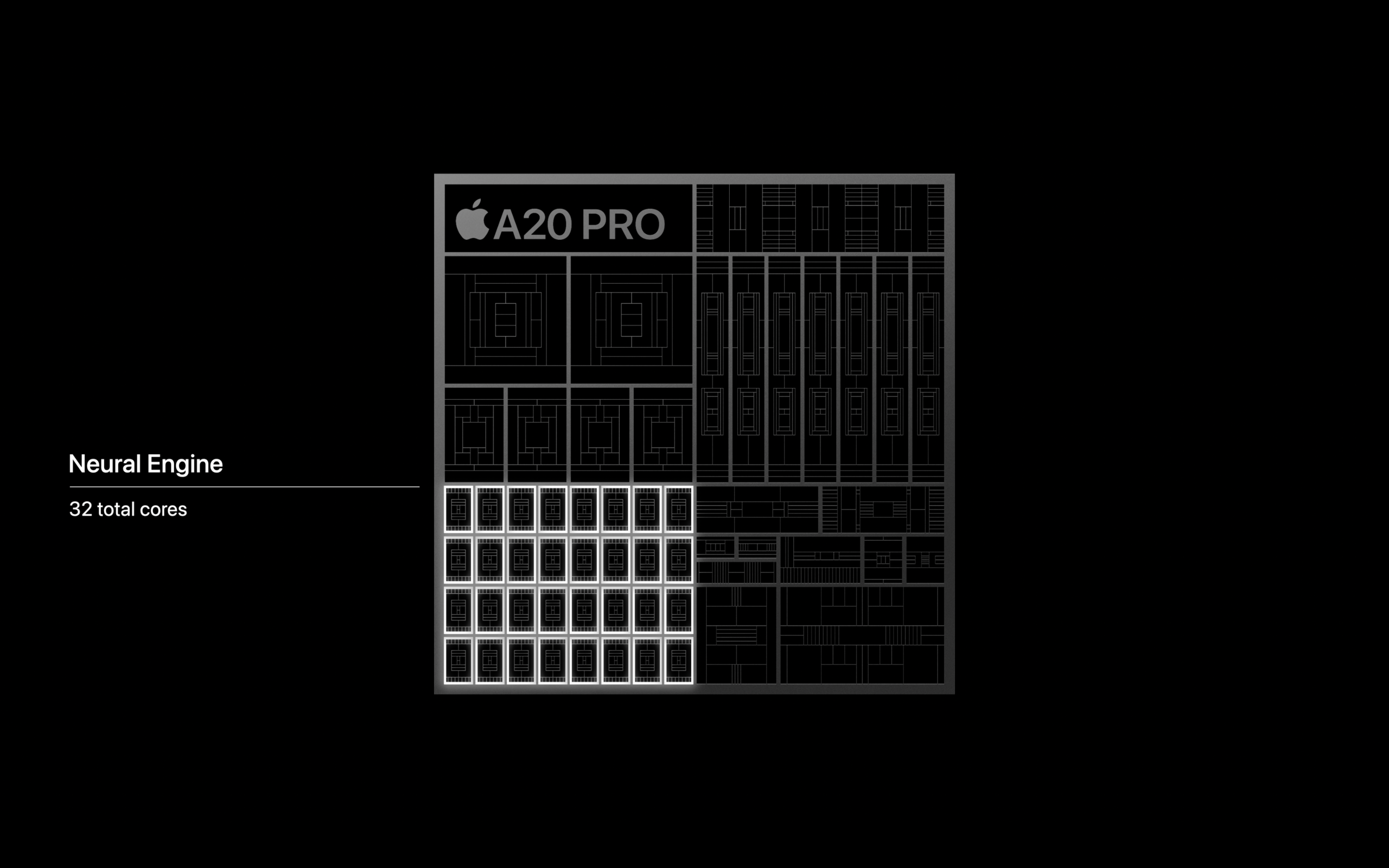
All of this is enabled by substantially more memory bandwidth. Apple claims a 50% increase compared with the previous generation. That lines up neatly with pre-launch leaks pointing to a 96-bit LPDDR5X memory interface, up from 64-bit on A19 Pro, although Apple has not disclosed the bus width. A20 Pro also doubles the size of Apple's dedicated Neural Engine. Instead of the 16-core design used by A19 Pro, the new chip packs 32 Neural Engine cores. Combined with the Neural Accelerators inside the GPU, Apple is effectively spreading machine-learning compute across more parts of the SoC for AI-heavy workloads.
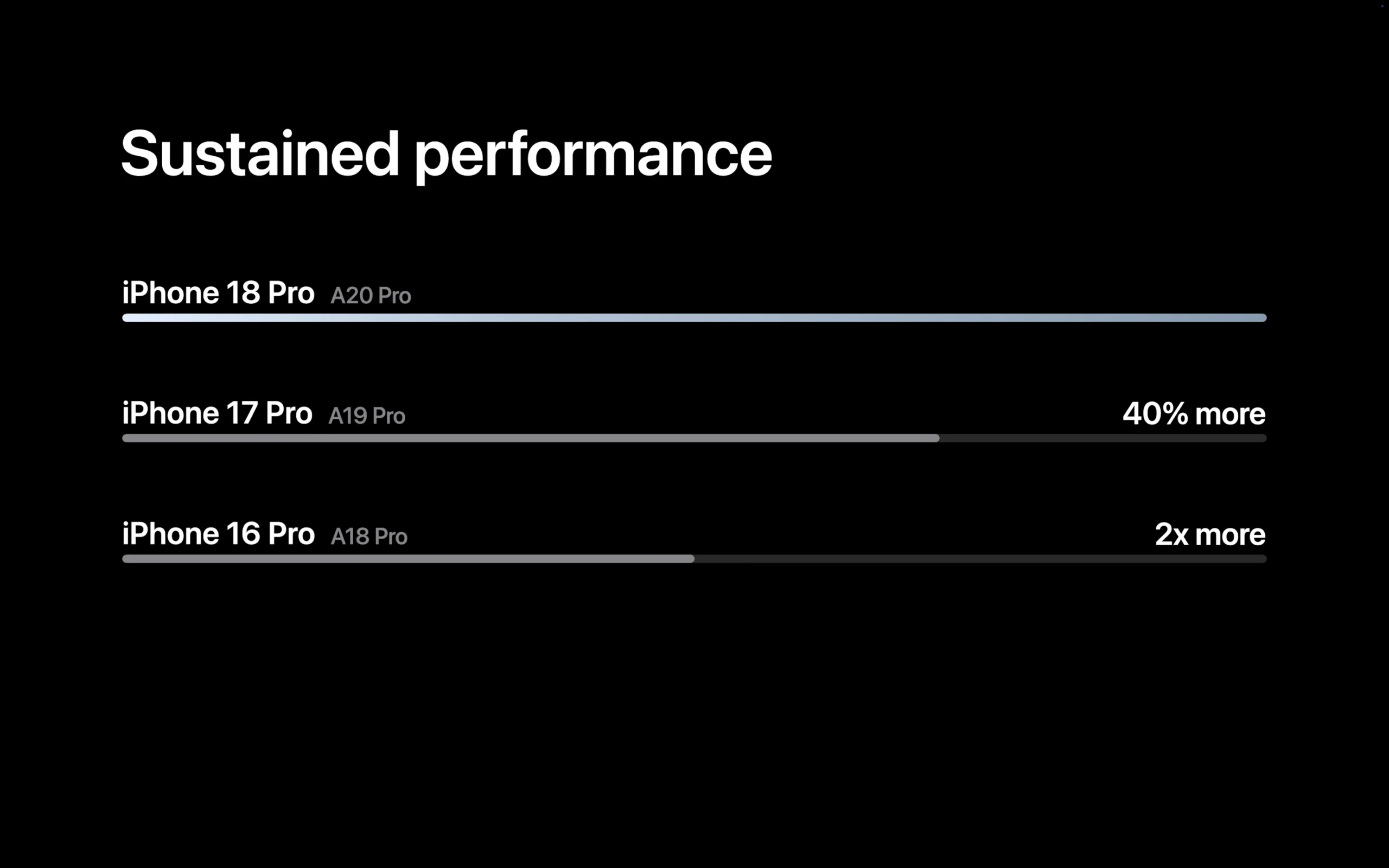
Apple is making ambitious claims about sustained performance. An iPhone 18 Pro with A20 Pro can apparently deliver 40% more sustained performance than the iPhone 17 Pro with A19 Pro, and twice as much as the iPhone 16 Pro with A18 Pro. Of course, these are first-party claims, and it’s best to wait for independent data to emerge before jumping to conclusions.
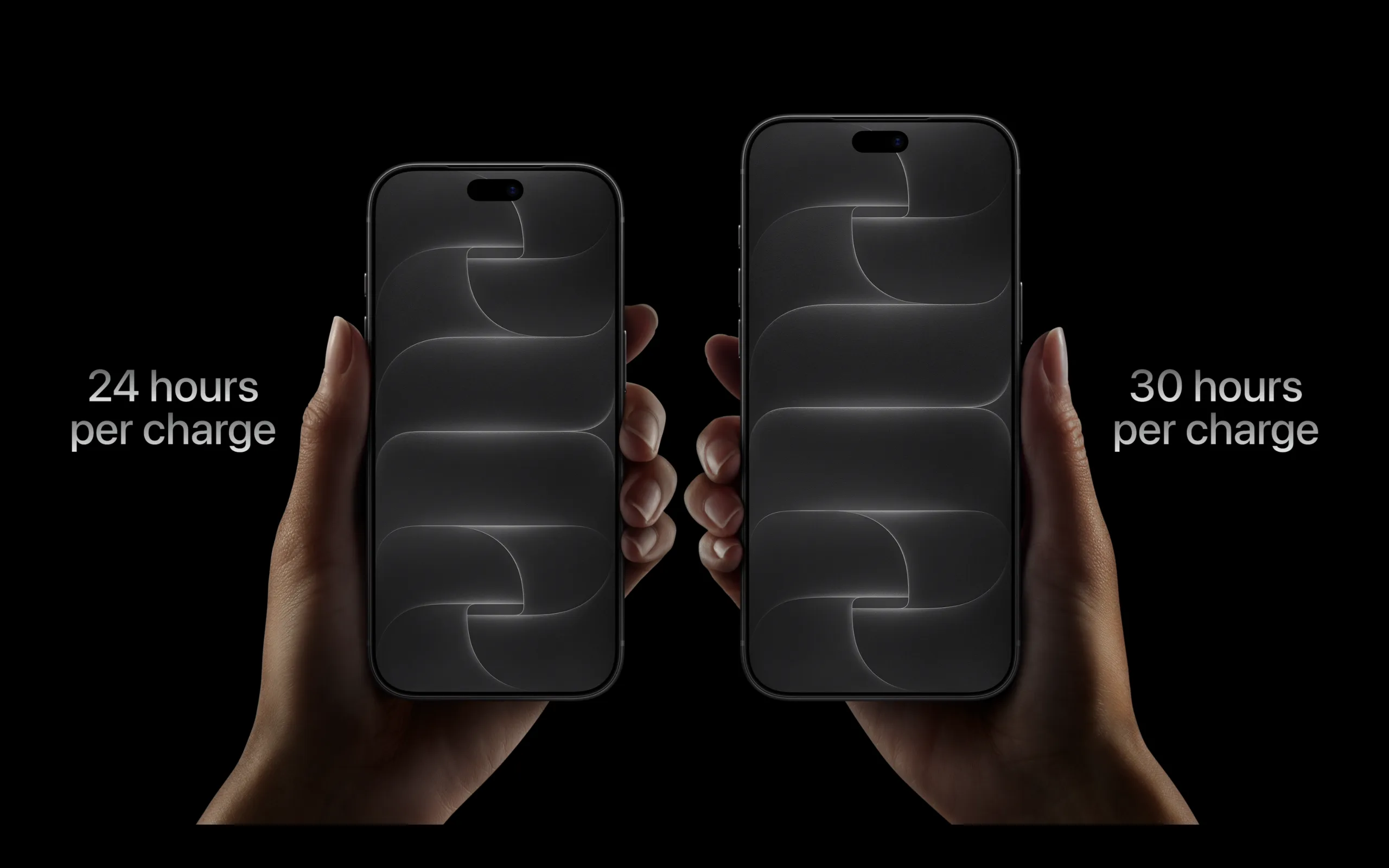
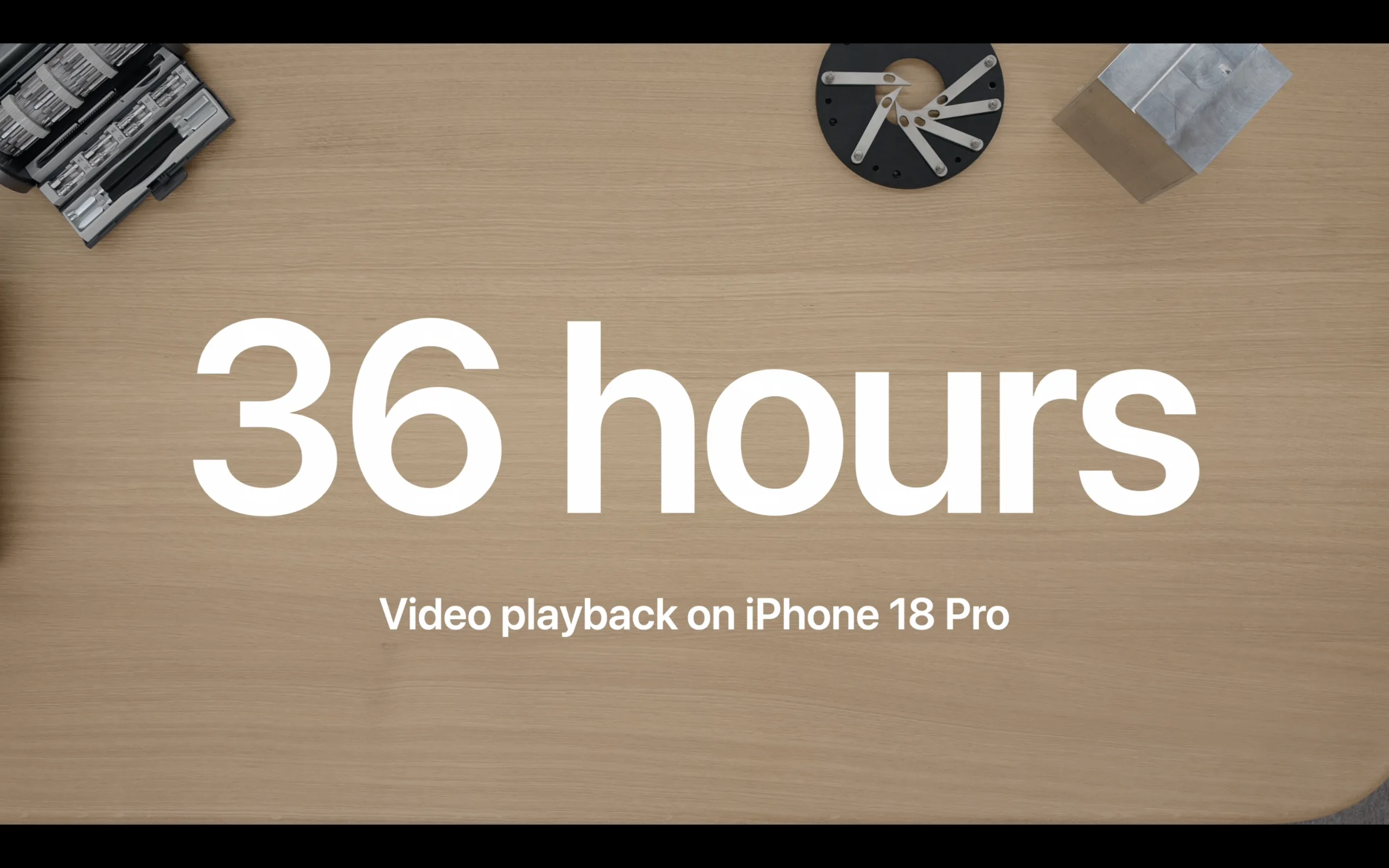
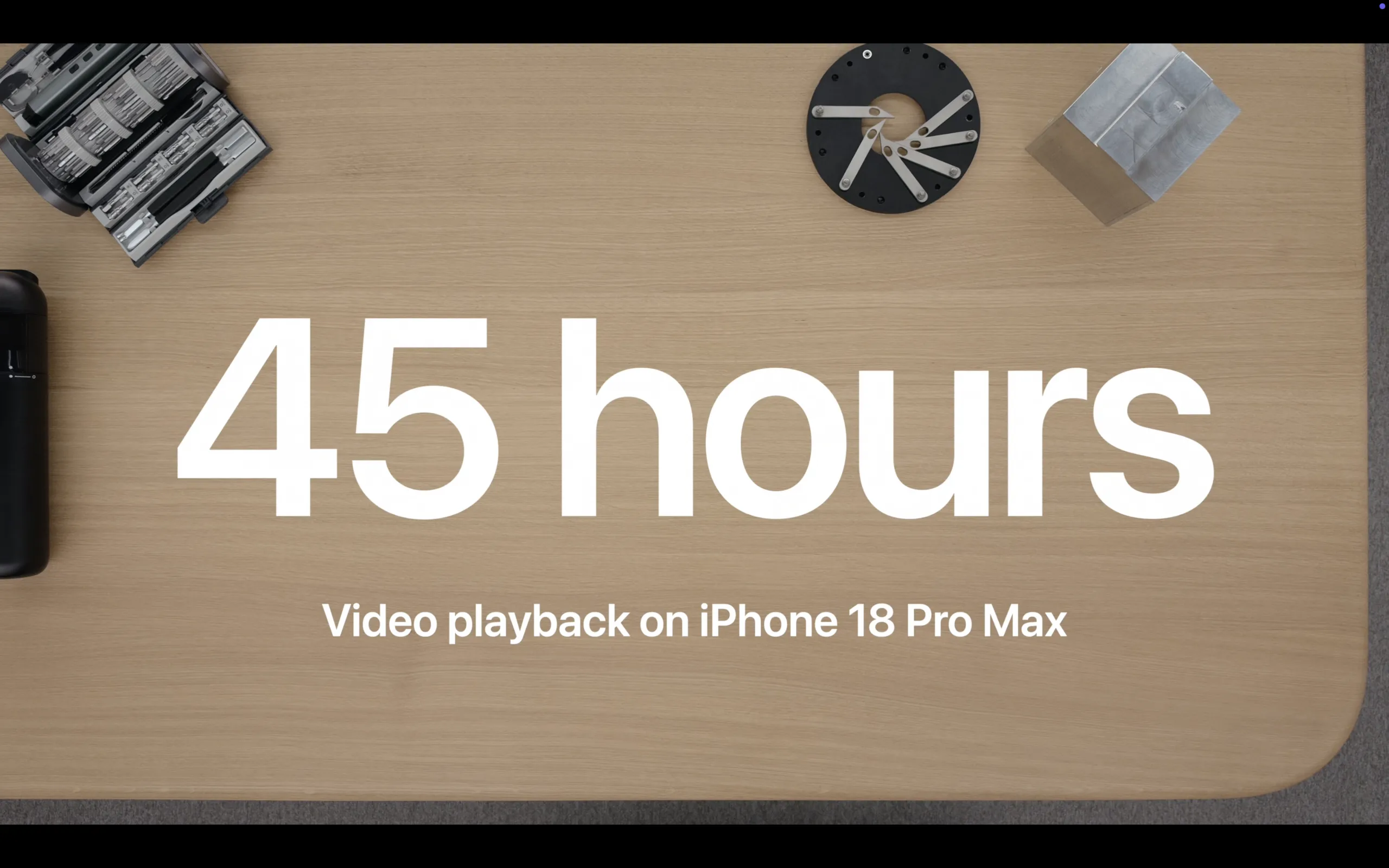
Lastly, Apple advertises up to 36 hours of video playback for the iPhone 18 Pro and as much as 45 hours for the iPhone 18 Pro Max. Battery capacity and other platform-level changes will contribute to those figures, so they cannot be attributed to the A20 Pro alone.
Source(s)
Apple
 Add as a preferred source on Google


