




The Best Large Display Smartphones
Smartphones with a display larger than 6.5-inches are no longer the exception. If you are looking for the largest displays available this list may be very helpful as it contains the best smartphones with displays that measure at least 6.8-inches diagonally.
The following rankings might be interesting for you smartphone purchase decision as well:
The Best Smartphones with Large Display
Position | Total Rating | Date | Image | Model | Thickness | Weight | Screen-Body Ratio | Refresh-Rate | Size | Resolution |
|---|---|---|---|---|---|---|---|---|---|---|
| 1 | 90.4 % v7 (old) | 02 / 2021 | 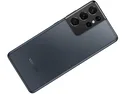 | Samsung Galaxy S21 Ultra Samsung Exynos 2100 5G ⎘ ARM Mali-G78 MP14 ⎘ 12 GB Memory, 128 GB UFS 3.1 | 8.9 mm | 227 g | 89 % | 120 Hz | 6.80" | 3200x1440 |
| 2 | 89.2 % v7 (old) | 06 / 2021 | 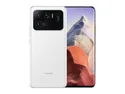 | Xiaomi Mi 11 Ultra Qualcomm Snapdragon 888 5G ⎘ Qualcomm Adreno 660 ⎘ 12 GB Memory, 256 GB UFS 3.1 | 8.38 mm | 234 g | 91 % | 120 Hz | 6.81" | 3200x1440 |
| 3 | 88.9 % v7 (old) | 09 / 2021 | 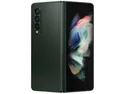 | Samsung Galaxy Z Fold3 5G Qualcomm Snapdragon 888 5G ⎘ Qualcomm Adreno 660 ⎘ 12 GB Memory, 256 GB UFS 3.1 | 6.4 mm | 271 g | 90 % | 120 Hz | 7.60" | 2208x1768 |
| 4 | 87.7 % v7 (old) | 04 / 2021 | 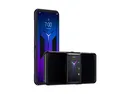 | Lenovo Legion Phone Duel 2 Qualcomm Snapdragon 888 5G ⎘ Qualcomm Adreno 660 ⎘ 16 GB Memory, 512 GB UFS 3.1 | 9.9 mm | 259 g | 82 % | 144 Hz | 6.92" | 2460x1080 |
| 5 | 87.3 % v7 (old) | 02 / 2021 |  | Xiaomi Mi 11 Qualcomm Snapdragon 888 5G ⎘ Qualcomm Adreno 660 ⎘ 8 GB Memory, 128 GB UFS 3.1 | 8.06 mm | 196 g | 91.4 % | 120 Hz | 6.81" | 3200x1440 |
| 6 | 86.6 % v7 (old) | 09 / 2021 |  | ZTE Axon 30 5G Qualcomm Snapdragon 870 5G ⎘ Qualcomm Adreno 650 ⎘ 8 GB Memory, 128 GB UFS 3.1 | 7.8 mm | 189 g | 86 % | 120 Hz | 6.92" | 2460x1080 |
| 7 | 83.6 % v7 (old) | 10 / 2021 |  | Nubia RedMagic 6S Pro Qualcomm Snapdragon 888 Plus 5G ⎘ Qualcomm Adreno 660 ⎘ 12 GB Memory, 128 GB UFS 3.1 | 9.8 mm | 220 g | 85 % | 165 Hz | 6.80" | 2400x1080 |
| 8 | 82.6 % v7 (old) | 01 / 2021 |  | LG Wing Qualcomm Snapdragon 765G ⎘ Qualcomm Adreno 620 ⎘ 8 GB Memory, 128 GB UFS 2.1 | 10.9 mm | 260 g | 87 % | 060 Hz | 6.80" | 2460x1080 |
| 9 | 80.9 % v7 (old) | 09 / 2021 new |  | Motorola Moto G60s Mediatek Helio G95 ⎘ ARM Mali-G76 MP4 ⎘ 4 GB Memory, 128 GB UFS 2.1 | 9.6 mm | 212 g | 85.3 % | 120 Hz | 6.80" | 2480x1080 |
| 10 | 77.4 % v7 (old) | 03 / 2021 new |  | Motorola Moto G9 Power Qualcomm Snapdragon 662 ⎘ Qualcomm Adreno 610 ⎘ 4 GB Memory, 128 GB eMMC | 9.7 mm | 221 g | 83 % | 060 Hz | 6.80" | 1640x720 |
The table above contains an overview over the best phablets reviewed by Notebookcheck over the course of the past 12 months as well as still relevant and available older products. In cases of identical score the more recent device is listed first. All prices in above table and price comparisons are updated daily and can thus differ.
Link: all devices in this class reviewed
Editors' Comments
This month, the only new entry is the Nokia G50, which in turn pushed out the Motorola Moto G9 Power. The Apple iPhone 13 Pro Max is worth a shoutout but didn’t make this list since it was ever so slightly too small.
1st – Samsung Galaxy S21 Ultra
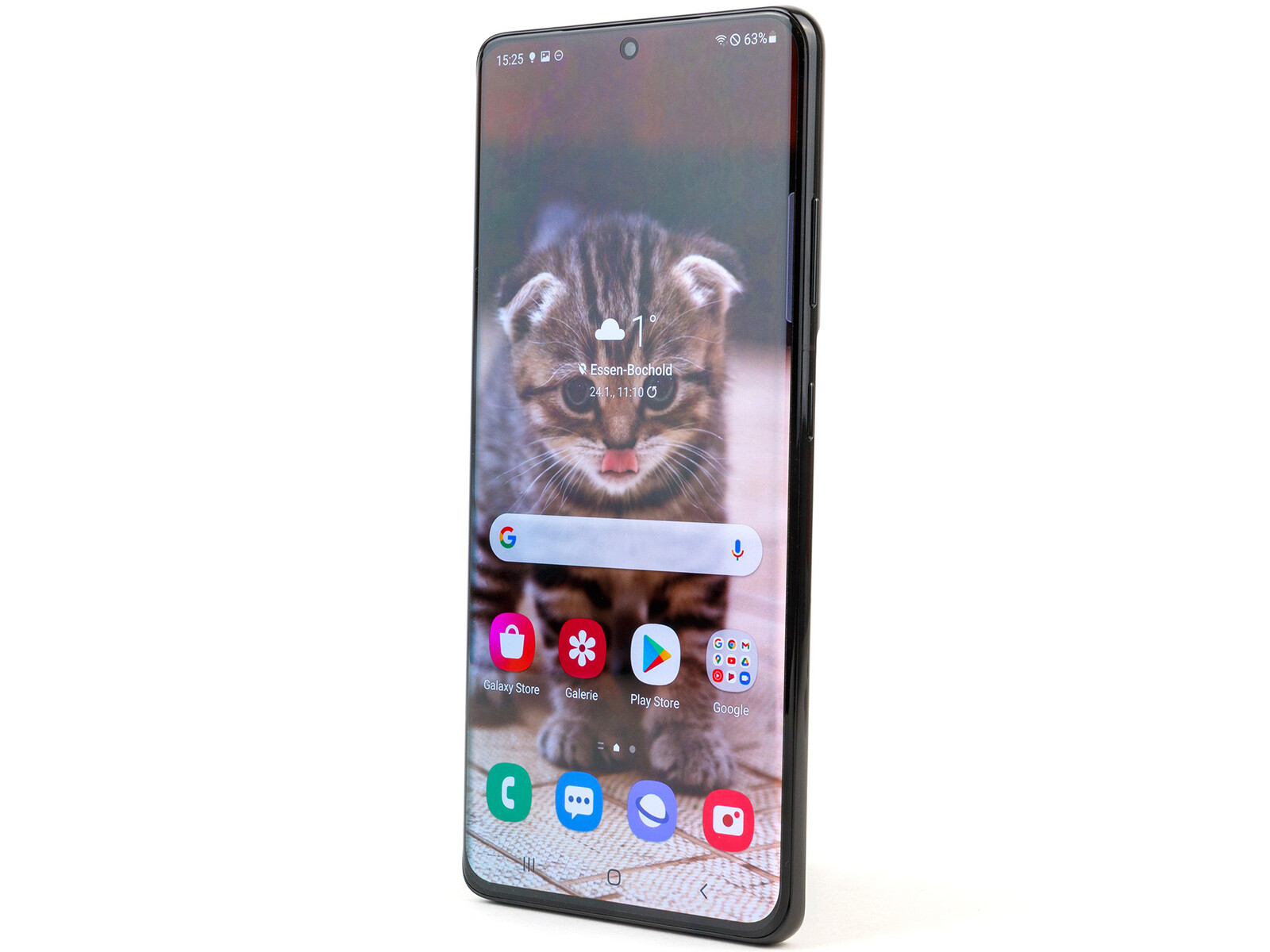
The Samsung Galaxy S21 Ultra features a 6.8-inch extremely bright Super AMOLED display running in WQHD+ resolution with support for an adaptive 120 Hz refresh rate. It is powered by an Exynos 2100 with at least 12 GB of LPDDR5 RAM and 128 GB of internal storage and 16 GB of RAM and 512 GB of storage in the high-end SKU. MicroSD expension is no longer supported.
Its quad-camera features a 108 MP sensor, an ultra-wide angle lens, and two zoom lenses with 3x and 10x optical zoom, respectively, and support for up to 100x digital zoom. Supported communication standards include 5G, Wi-Fi 6E, Bluetooth 5.2, and NFC. Battery life was decent overall. The device also supports Samsung’s S-Pen although it is not included by default and needs to be purchased separately.
In our review, the S21 Ultra managed to prove its value. However, VHT160 Wi-Fi turned out to be rather poor, and the lack of Bluetooth audio codecs can be frustrating at times.
Price comparison
2nd – Xiaomi Mi 11 Ultra
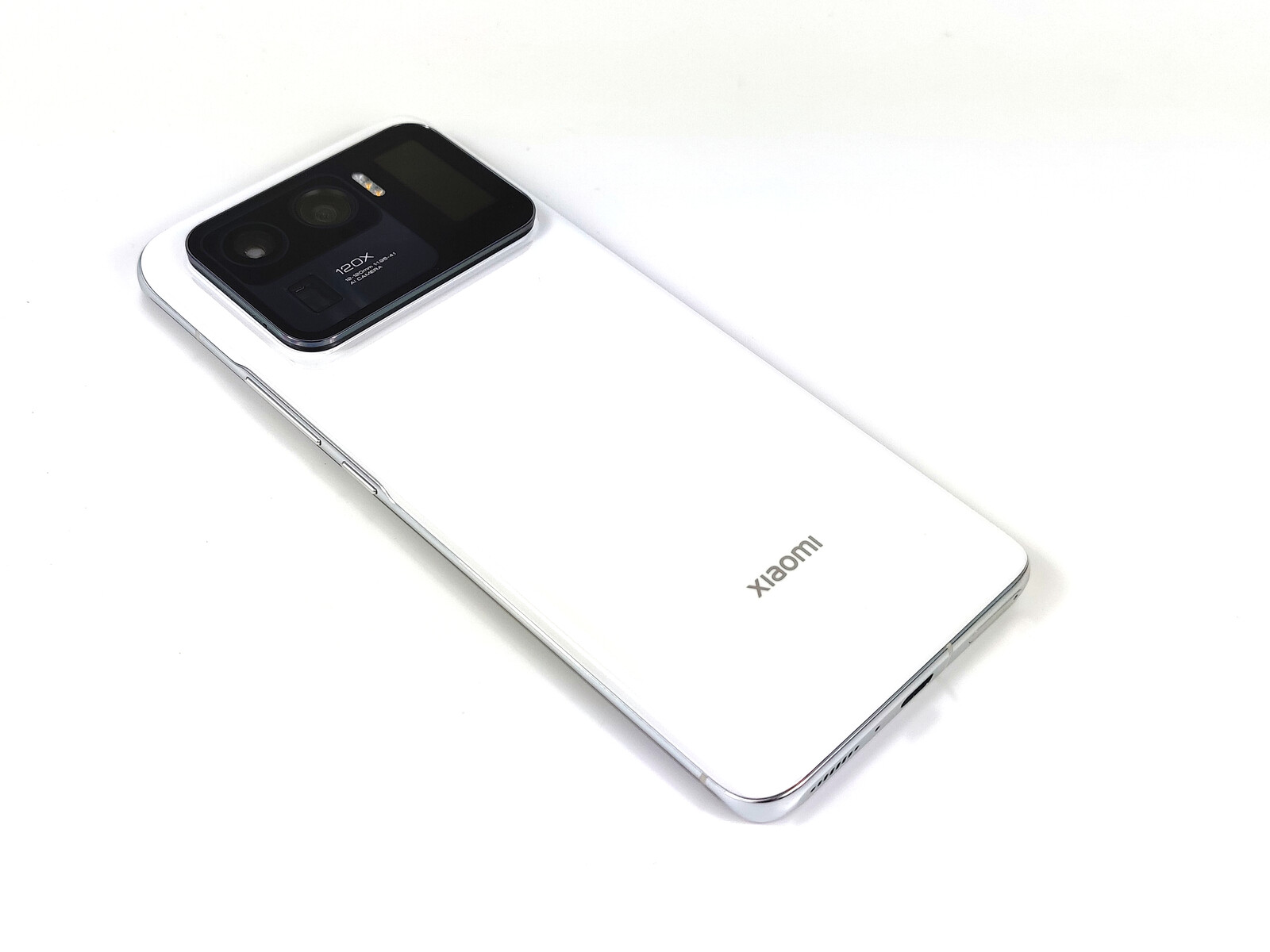
The Mi 11 Ultra is a powerful high-end smartphone by Xiaomi. It represents the pinnacle of Xiaomi’s current flagship lineup and feels very premium indeed. Its camera performs very well, particularly regarding colors. The 5x optical zoom does a great job enlarging objects without loss in quality, and thanks to its good optical image stabilization photos remain crisp and in focus. The large camera sensor is also excellent in capturing what little light there is when it gets dark to produce well-made low-light photos.
The Mi 11 Ultra is an excellent smartphone with a bright and colorful display.
One of the highlights is the small display at the rear. Among other things it enables you to take selfies using the main camera. A total of 256 GB of internal storage should suffice for almost everybody, and the powerful high-end Qualcomm SoC paired with 12 GB of RAM make for an excellent experience when running any application whatsoever. The colorful 120 Hz OLED display did a fantastic job overall.
Xiaomi devices are not officially sold in North America.
Price comparison
3rd – Samsung Galaxy Z Fold 3 5G
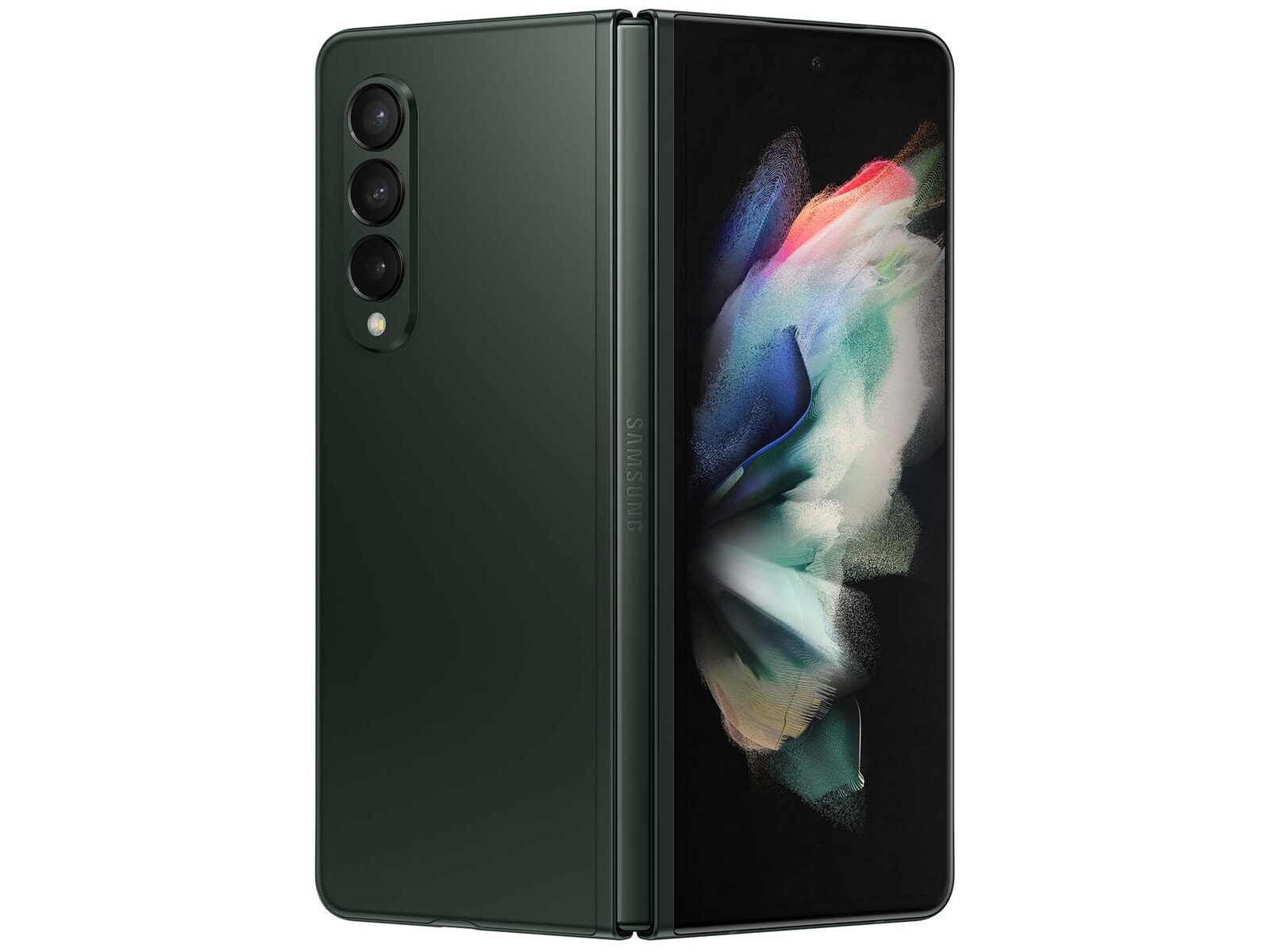
The Galaxy Z Fold3 5G is a powerful piece of technology no longer aimed exclusively at enthusiasts and early adopters. This third generation foldable smartphone offers the sophisticated benefits of a high-end smartphone paired with the capabilities of a foldable display. It also supports Samsung’s S-Pen, which makes sense given its size.
The Galaxy Z Fold 3 5G is a powerful piece of technology capable of giving even future competitors a run for their money.
There aren’t really that many flaws with the Fold 3 other than maybe the fact that when folded it half it is quite bulky, particularly around the cameras. Its main camera is great and, even though it lacks a super high-resolution sensor, very capable of keeping up with its competitors. Its ultra-wide-angle lens on the other hand is low in detail, and should have performed better considering the price range the device occupies.
The Galaxy Z Fold 3 5G is available on Amazon with prices starting at $1,600.
Price comparison
4th – Lenovo Legion Phone Duel 2
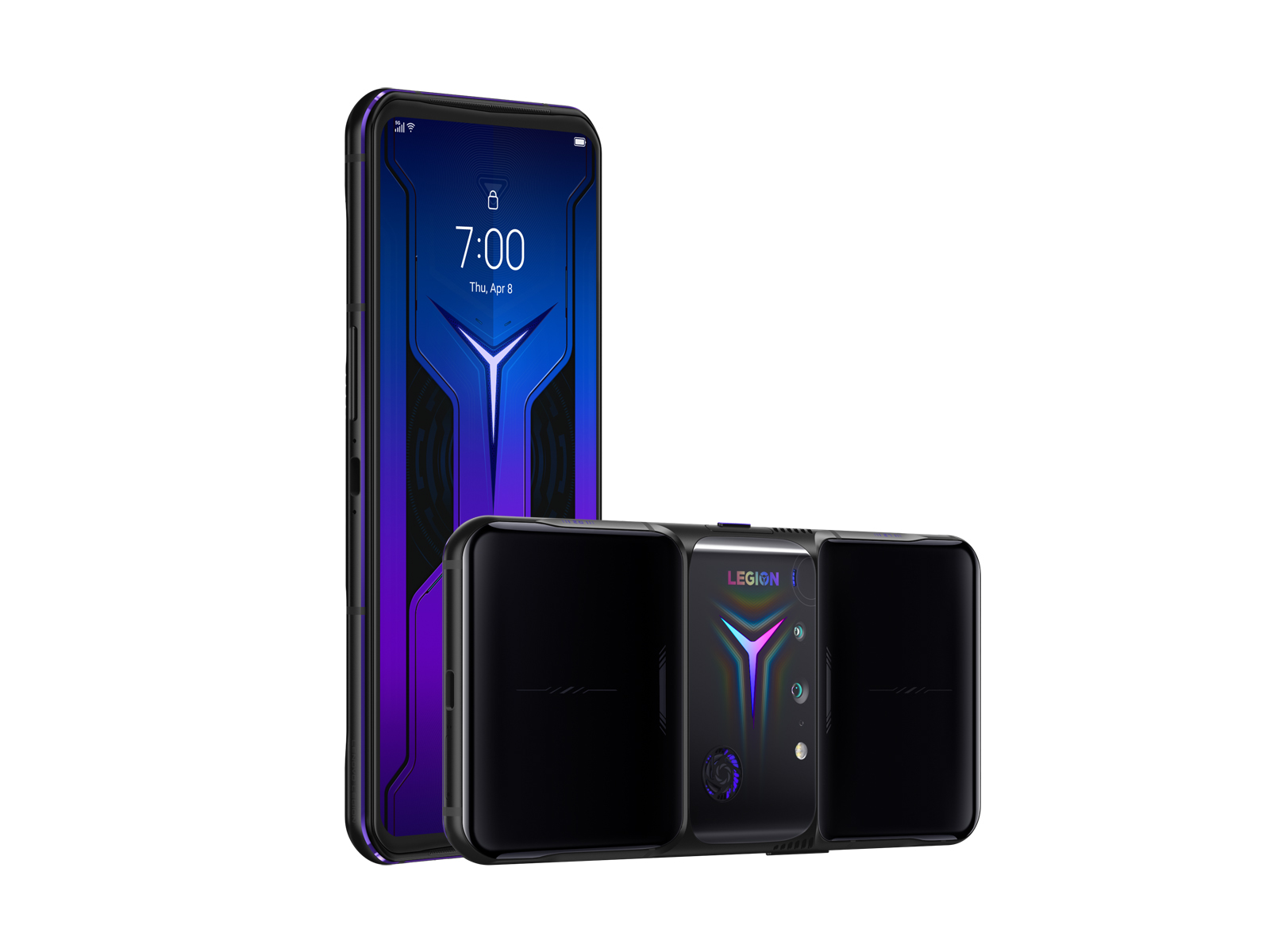
The Legion Phone Duel 2 by Lenovo is an all-around improved version of its own predecessor. Its performance is higher, and its handling options are more extensive than before. Other areas of improvement include software and battery life, which combined with everything else means the phone was improved significantly overall.
However, not all is well, and there are a few downsides. For example, the 6.92-inch display is dimmer than before, and its color accuracy has suffered as well. In return, PWM frequency was increased, and sensitive users can enable DC dimming instead. In addition to very noticeable heat emissions its active cooler also made itself very obvious.
Every now and then gamers use their smartphone for purposes other than gaming, such as for example taking photos, and the Legion Phone Duel 2 performed very well in this regard as well. However, gaming smartphones come at a high price, quite literally. However, US customers wouldn’t know anything about that since the device is not yet officially sold by Lenovo in North America.
Price comparison
5th – Xiaomi Mi 11
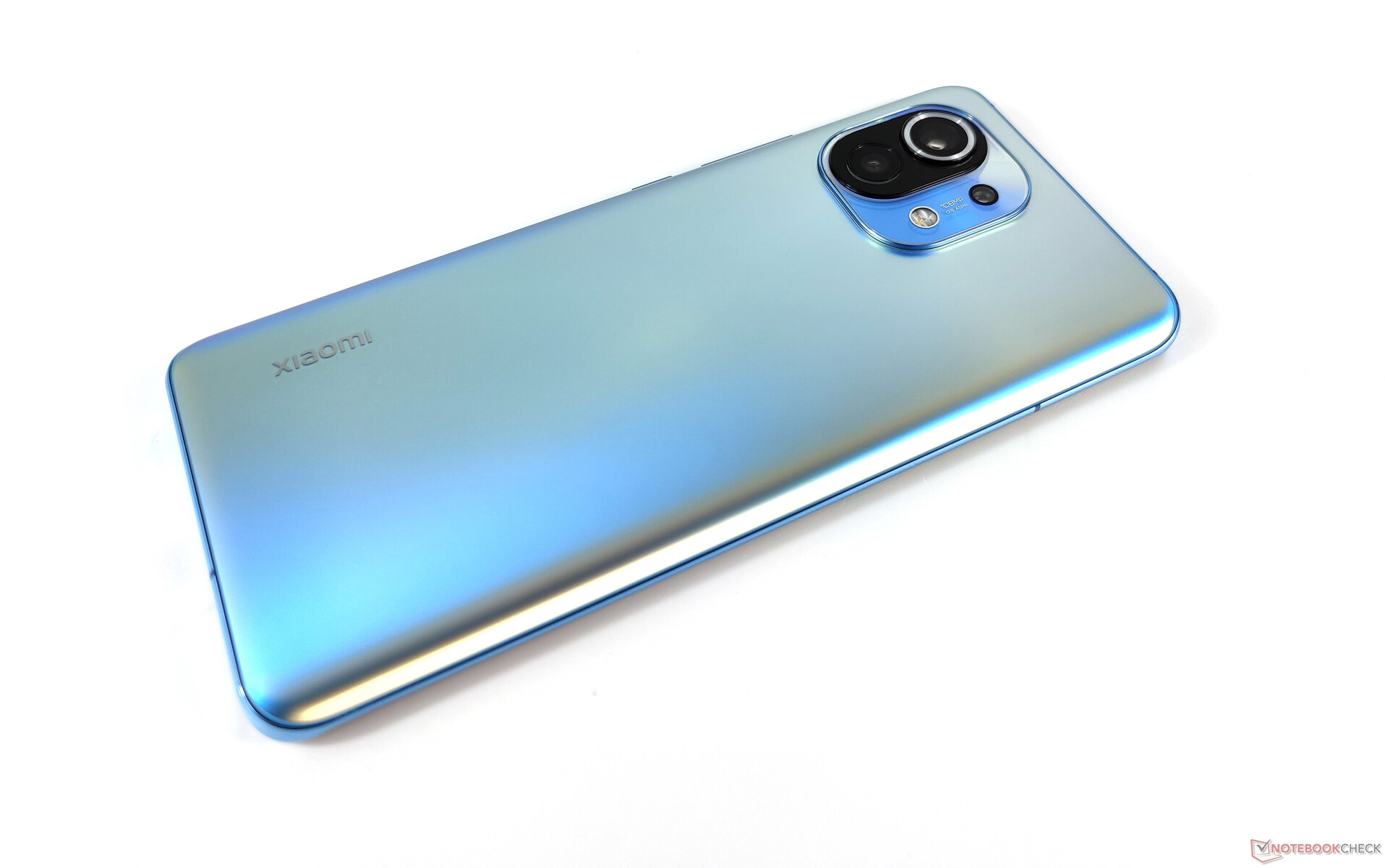
The Xiaomi Mi 11 features a large 6.81-inch 120 Hz AMOLED display running at a high 1440p resolution. Its Snapdragon 888 should ensure a very high level of system performance but is unable to keep it up for a long time due to the device’s mediocre cooling. Nevertheless, it remains a fast chip with access to 8 GB of RAM and either 128 or 256 GB of non-expandable internal storage.
Its triple camera worked decent overall, but its battery life was only average in return. We liked its speakers and its lightning fast 55 W quick charging feature.
The Xiaomi Mi 11 is not officially available in the US yet but can be imported directly from China, for example through TradingShenzhen.
Price comparison
6th – ZTE Zxon 30 5G
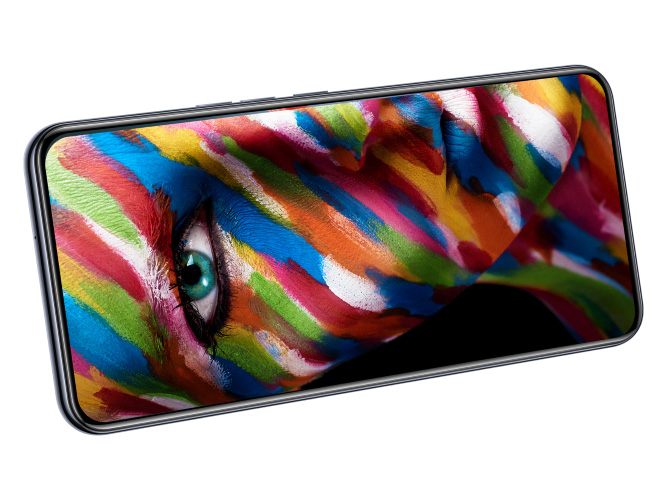
The ZTE Axon 30 5G was improved over its Axon 20 predecessor in many regards and offers an overall modern and attractive package. Its fast Qualcomm SoC makes for fast system and gaming performance, its accurate 120 Hz display makes for smooth animations and images, and its under-display camera is so well hidden that it is barely visible anymore.
The ZTE Axon 30 5G offers so much more than just a well-hidden under-display camera.
However, not all that glitters is gold, and the under-display camera’s performance while improved is still lacking. In return, its rear-facing main camera performed very well overall. If you are looking for a large display without interruptions and fast system performance the Axon 30 5G may be worth a closer look.
Axon smartphones are not sold in North America.
Price comparison
7th – Nubia RedMagic 6S Pro
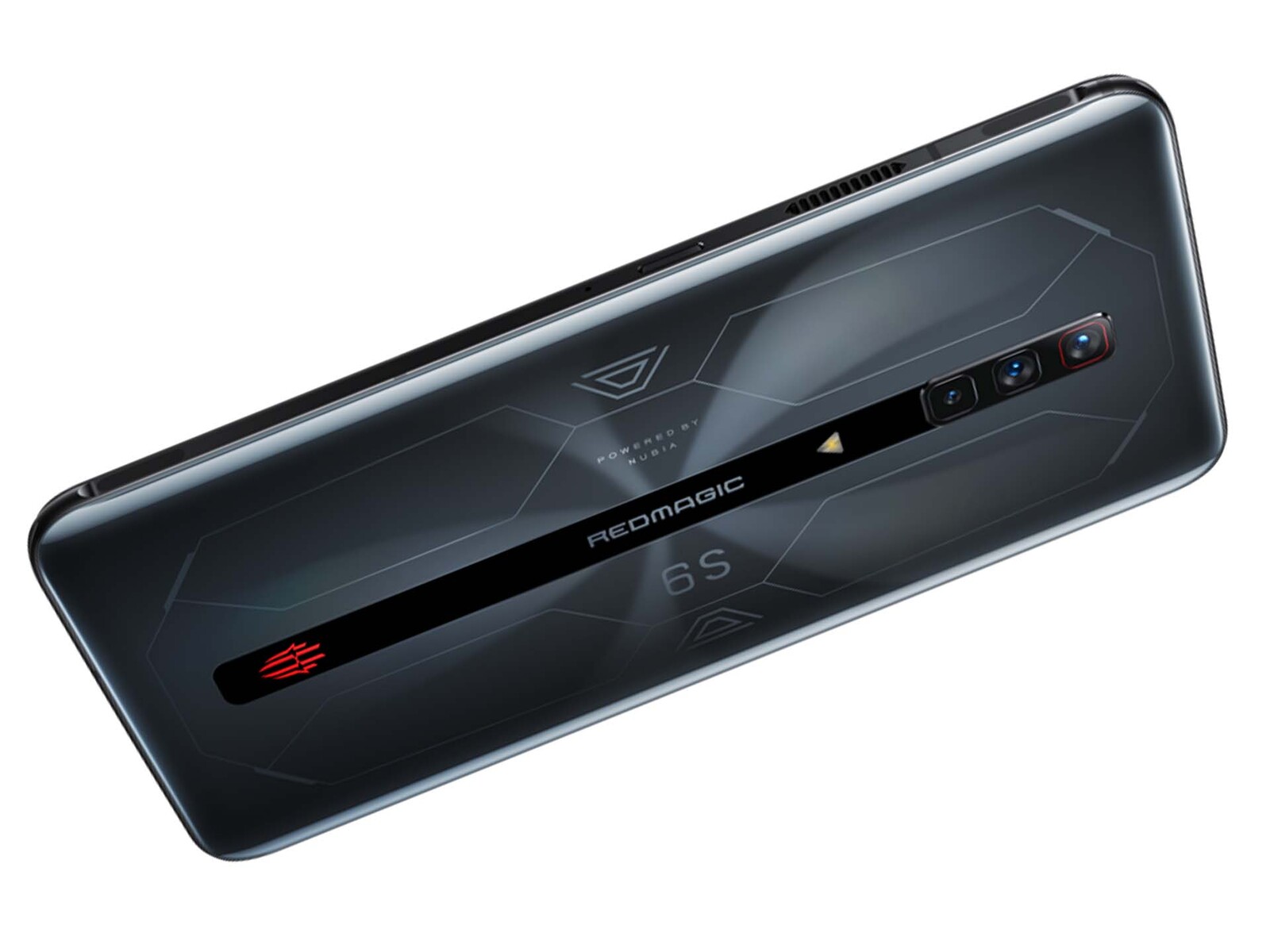
The RedMagic 6S Pro is a gaming smartphone made by Nubia. Its spec sheet promises a very high level of performance, and it is the first smartphone with a 165 Hz display. Two additional trigger buttons and a powerful battery add extra functionality for gaming.
The RedMagic 6S Pro is an overall improvement over the 6R but is uncapable of keeping its Snapdragon 888+ cool despite active cooling.
Its largest benefit when compared to the 6R is the built-in fan that can get fairly loud. It offers additional cooling for the Snapdragon 888+ SoC when things get toasty. Its cameras are average overall, and at its price of around 600 Euros the device is a very decent gaming smartphone.
The Nubia RedMagic 6S Pro is not available in North America. An unlocked international GSM-only model is listed on Amazon for $830.
Price comparison
8th – LG Wing
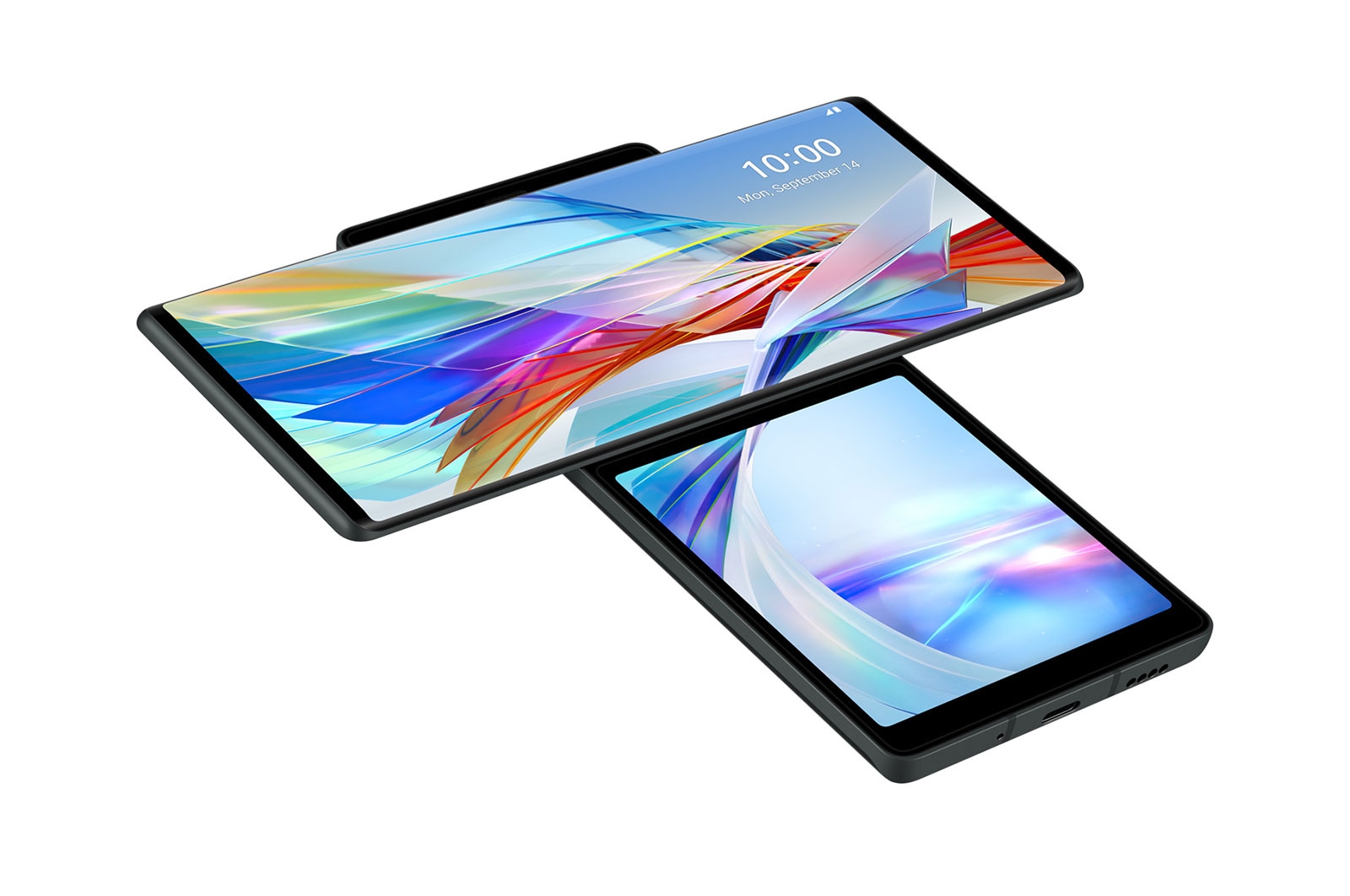
The LG Wing is the first in a completely new line of smartphone formats. Underneath its 6.8-inch main display sits a secondary 3.9-inch display that slides out and rotates to form a T-shaped dual-display smartphone. Both displays are based on OLED technology and thus offer a high contrast ratio. The smaller of the two displays was slightly dimmer than the larger one though.
From a hardware perspective the smartphone could be considered upper mid-range as it includes features such as wireless charging, IP54 certification, and 5G. During our review we failed to notice any major downsides apart from the high battery drain caused by the secondary display and the Wing’s high price.
Price comparison
9th – Motorola Moto G60s
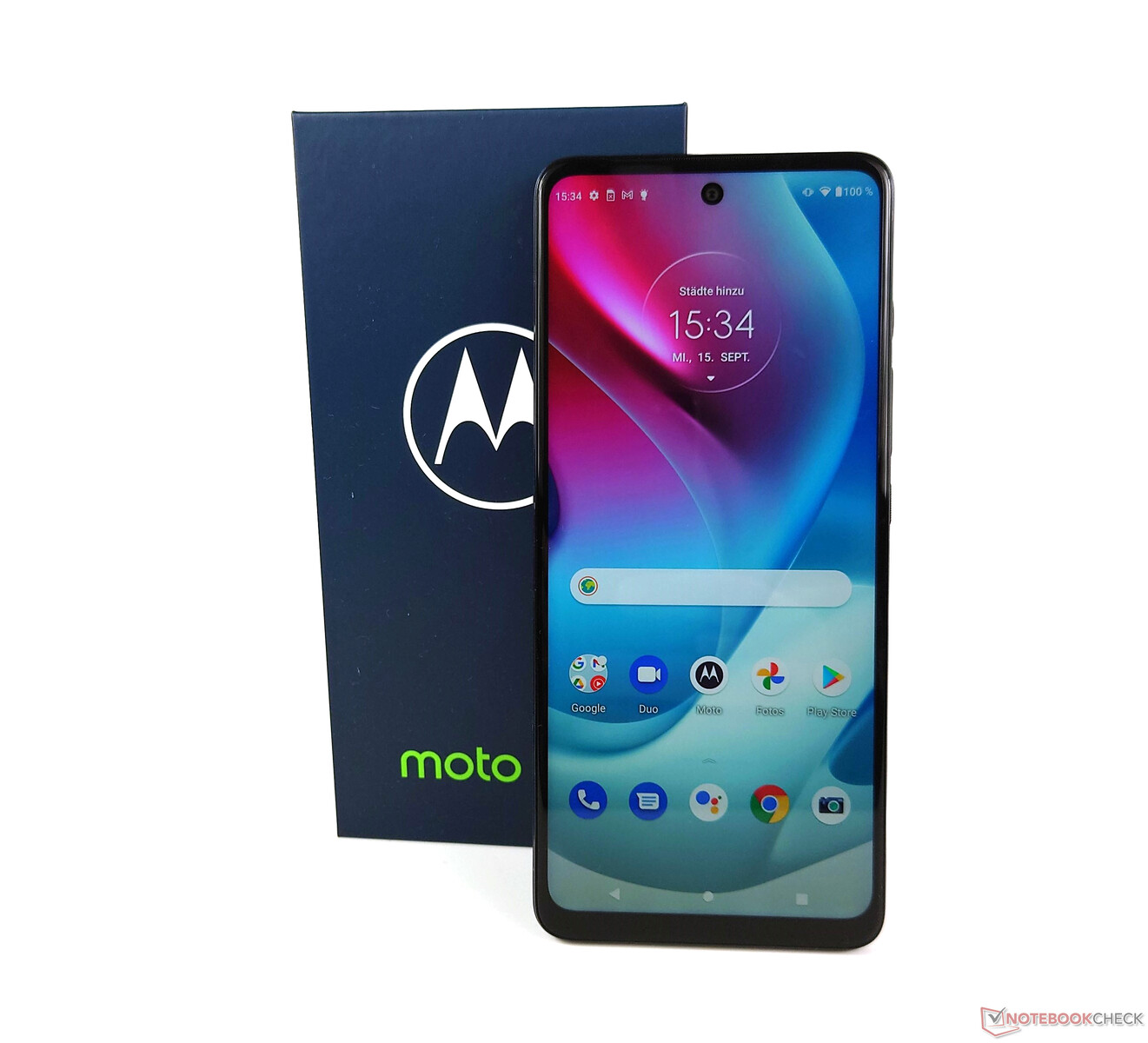
Thanks to its TurboPower50 charging technology the Motorola Moto G60s's 5,000 mAh battery can be charged from 0 % to 100 % in less than an hour. Luckily, the devices comes with a compatible power supply, and its remaining hardware is worth mentioning as well. At a low price you get sleek and pure Android system without any extra bloat.
The Motorola Moto G60s offers a fast 120 Hz display and fast 30 W charging at a low price.
The large 120 Hz display allows for smooth scrolling and comfortable use, and a 3.5-mm headphone jack and microSD card slot are the icing on the cake. If you’re looking for a good and affordable smartphone with a large display look no further.
The Motorola Moto G60s is not available in the US. Imported international unlocked GSM-only models can be purchased among others on Amazon with prices starting at around $300.
Price comparison
10th – Nokia G50
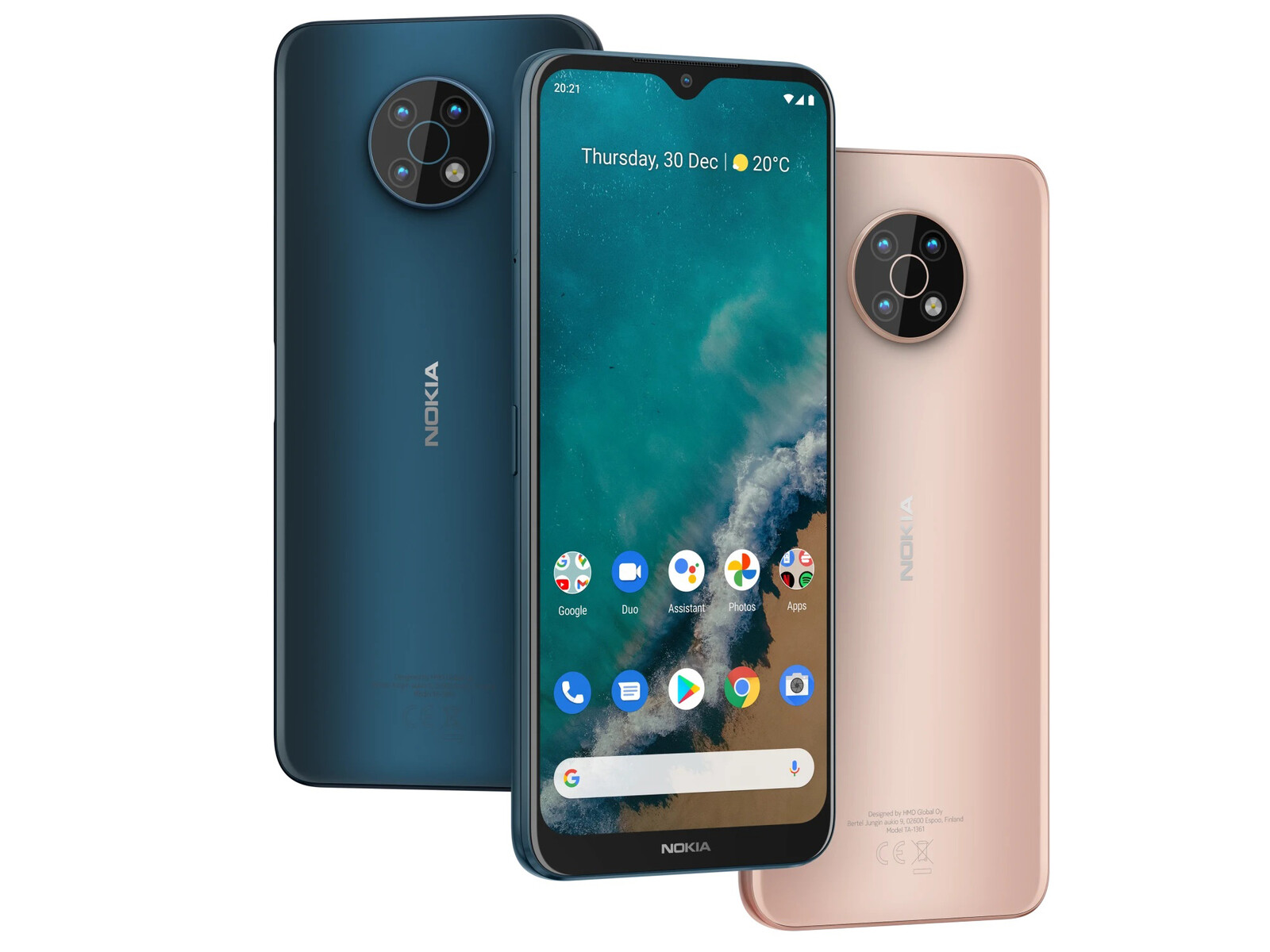
The Nokia G50’s well-made case looks very nice, and we liked its fast Wi-Fi, its 5G capabilities, its microSD reader, and its dual SIM capability. Keep in mind that the secondary SIM slot shares its physical space with the card reader.
The Nokia G50 is a solid mid-range smartphone with a promise of long-term update availability.
One of Nokia’s unique features is their pure flavor or Android that comes with a promise of long-term update availability with system and security updates provided for at least three years. Its camera is good enough for occasional snapshots, and it offers adequate performance for smooth everyday use.
The Nokia G50 5G is available among others through Amazon with prices starting at $285.
 Add as a preferred source on Google


