




MX Linux 25.2 now available with plenty of fixes and package updates
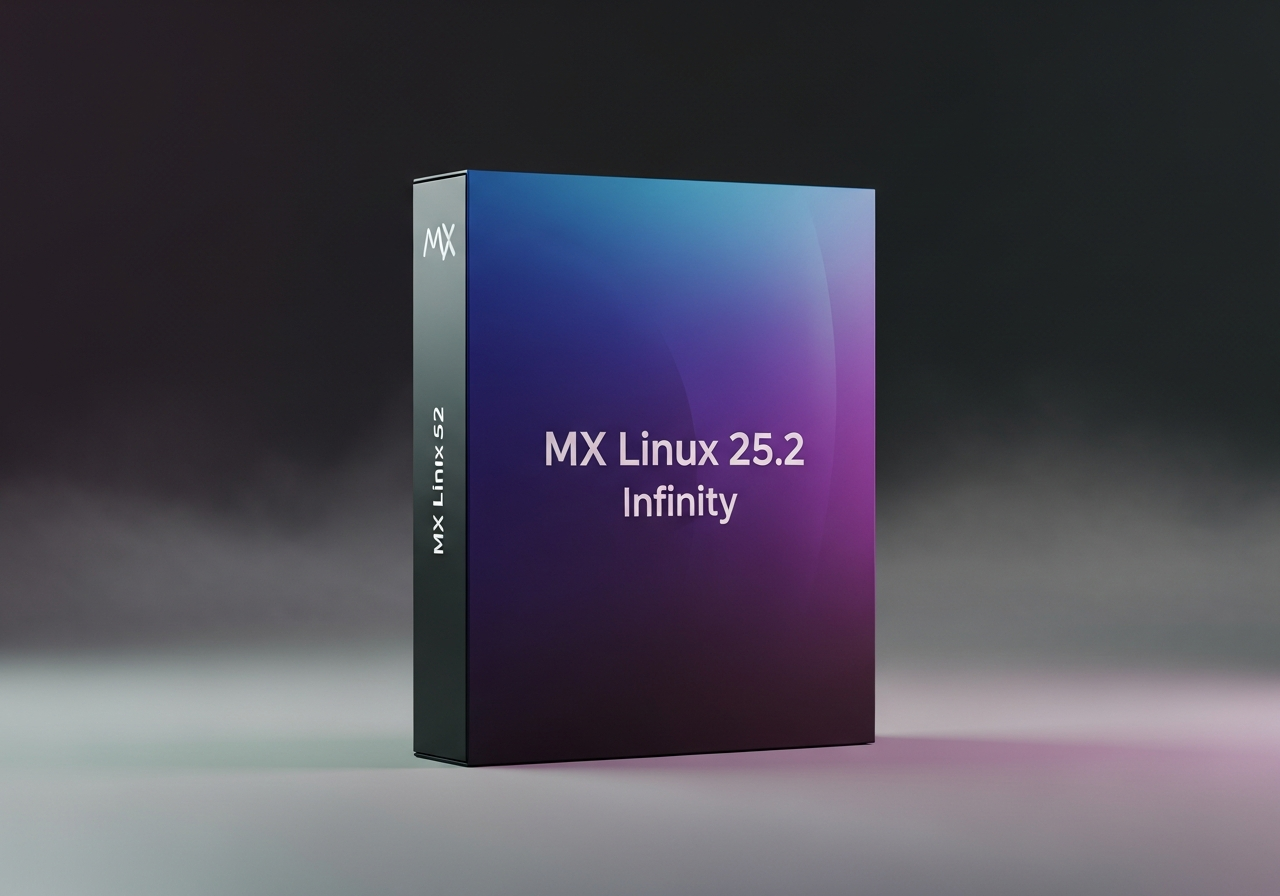
Available since March 2012, MX Linux is one of the many Debian-based distros currently active. It focuses on desktop users and uses core antiX components alongside additional software from the MX community, such as the roughly 40 user-oriented pieces of code known as MX Tools. The latest update is labeled 25.2 and comes with Mesa 26.0.1 for the Xfce and KDE Advanced Hardware Support (AHS) versions. A Fluxbox flavor is also available.
According to the official release notes, the Xfce-AHS version is the only one that received the low-latency Liquorix 7.0.9 kernel, even though both AHS versions mentioned above include Mesa 26.0.1. What unites all versions is the inclusion of Debian 13.5 "Trixie" updates alongside the latest MX repository refresh, which includes patches for all the recent "meme bugs" found in the kernel. However, some components received special attention this time:
- The list of antiX live systems updates includes the return of semi-automatic persistence saving to sysVinit live boots, as well as several minor tweaks and changes.
- In addition to translation updates, the MX Installer got several bug fixes, a new text-based mode, and native systemd units for oobe/oem mode (useful for the Raspberry Pi spin, which is making its comeback with this update as well).
- Updates to mx-ease-themes and a few new wallpapers.
- Multiple mx-tool updates.
As usual, existing users don't need to reinstall the system unless they really want to do that for some reason. The updates come through the regular update channel, and the new options uc-tool-mx package utilized by live-kernel-updater can be found in the standard repository.
The Xfce version comes in a regular and an AHS version, and the Fluxbox and KDE/Plasma versions only get one ISO each. Raspberry Pi users can grab the ZIP containing the image file, the signature, and the checksum files from the same page (see the Source link below the video).
Obviously, those who don't own a Raspberry Pi yet and would like to enter this world on a rather low budget can grab the CanaKit Raspberry Pi 4 Starter Kit with 2/32 GB on Amazon for $134.99.
Source(s)
 Add as a preferred source on Google


