




Huawei's 5G chip connectivity exile to end with new Mate 90 phones
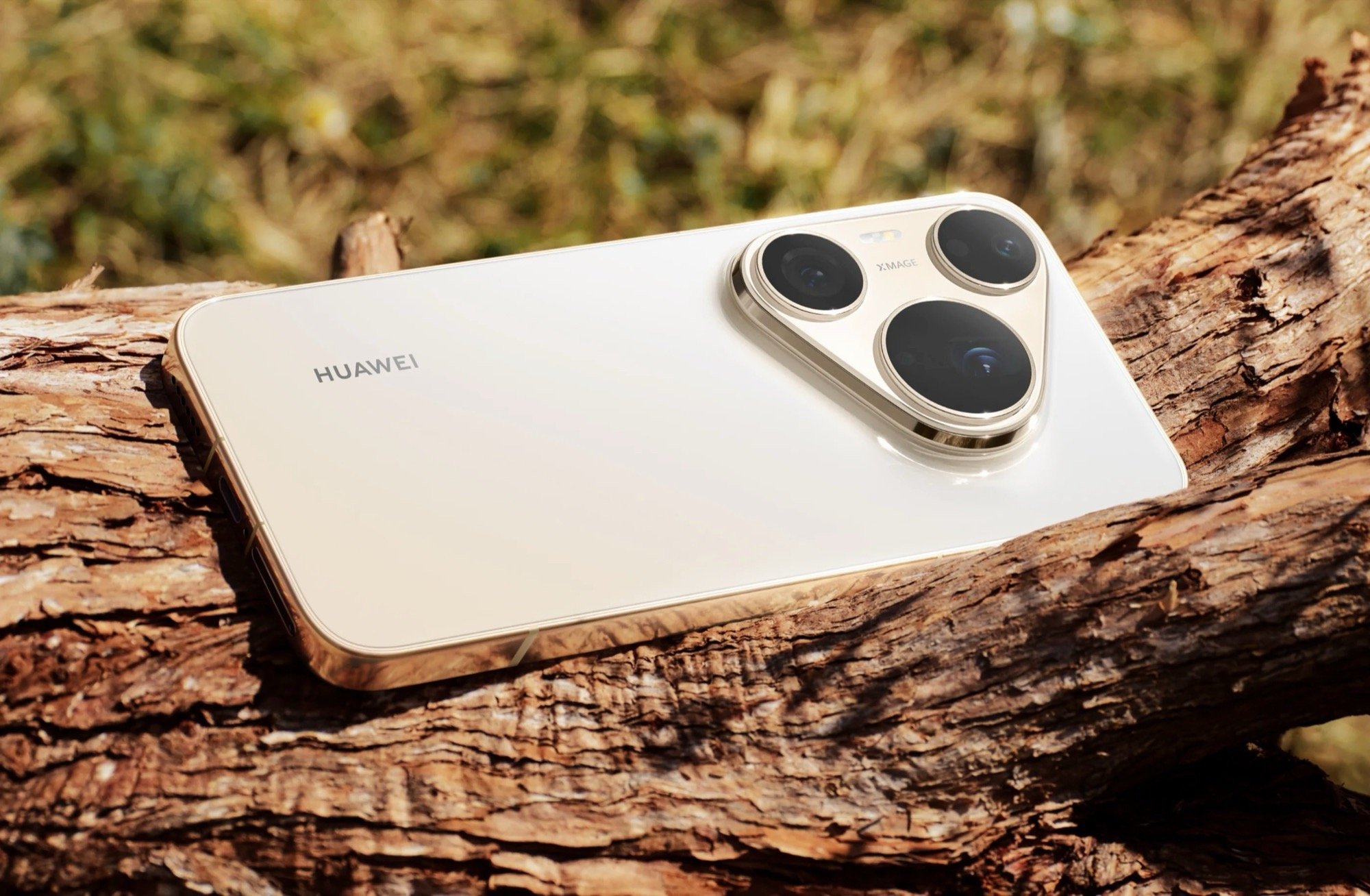
Two new Huawei phones with model numbers CMM-AL10 and CMM-AL00 have shown up in China's regulatory database, and this time they're officially tagged as "5G digital mobile phones" for the first time in a while. These are said to be the 2026 Mate series flagships, likely landing as Mate 90 Pro given the six rear cameras and the hefty 6,615 mAh battery listed in the specs sheet.
Since U.S. sanctions in 2019 locked Huawei out of 5G chip production for years, the Mate 40 was the last Huawei flagship with full-fledged 5G support. Everything after that, including the Mate 50 and P60, shipped without it. In 2023, Huawei tried to wiggle around the 5G chip ban by dropping the Mate 60 series with homebrew Kirin silicon that was said to be 5G-capable in all but a name. A HarmonyOS update earlier in the year confirmed this suspicion as it rolled out "5A" connectivity. That is Huawei's own branding for what is described as faster access, higher throughput, lower latency, and steadier connections.
Huawei has already been shipping 5G phones outside China this year, though, such as the Pura 90s Pro in July and the Nova 16s series that just landed with declarative 5G connectivity. Back in May, Huawei’s semiconductor chief He Tingbo resurfaced after being publicly missing since Huawei’s chip and software ban and announced something called the "Tao Law," styled after Moore’s Law of semiconductor development. This marked the first time a Chinese company has proposed its own scaling principle for the global chipmaking industry, and the Mate 90's new Kirin silicon is expected to be the first SoC built around it.
The numbers attached to the Tao Law announcement roadmap are specific enough, indicating that the 2026 Kirin chipset targets a 3.1 GHz peak P-core clock, which is a steady jump over the Kirin 9030 Pro's 2.75 GHz. If Huawei's own projections hold, by 2031 the roadmap calls for transistor density north of 400 million transistors per square millimeter and clock speeds hitting 5.0 GHz.
Paired with the grand return of official 5G connectivity in the Mate 90, the new Kirin chipset could complete Huawei’s comeback as a mobile chipset powerhouse with its own mobile OS across all markets. These can be paired with an already advanced camera, battery, and foldable phone specs portfolio.
Source(s)
DCS (Weibo)
 Add as a preferred source on Google


