




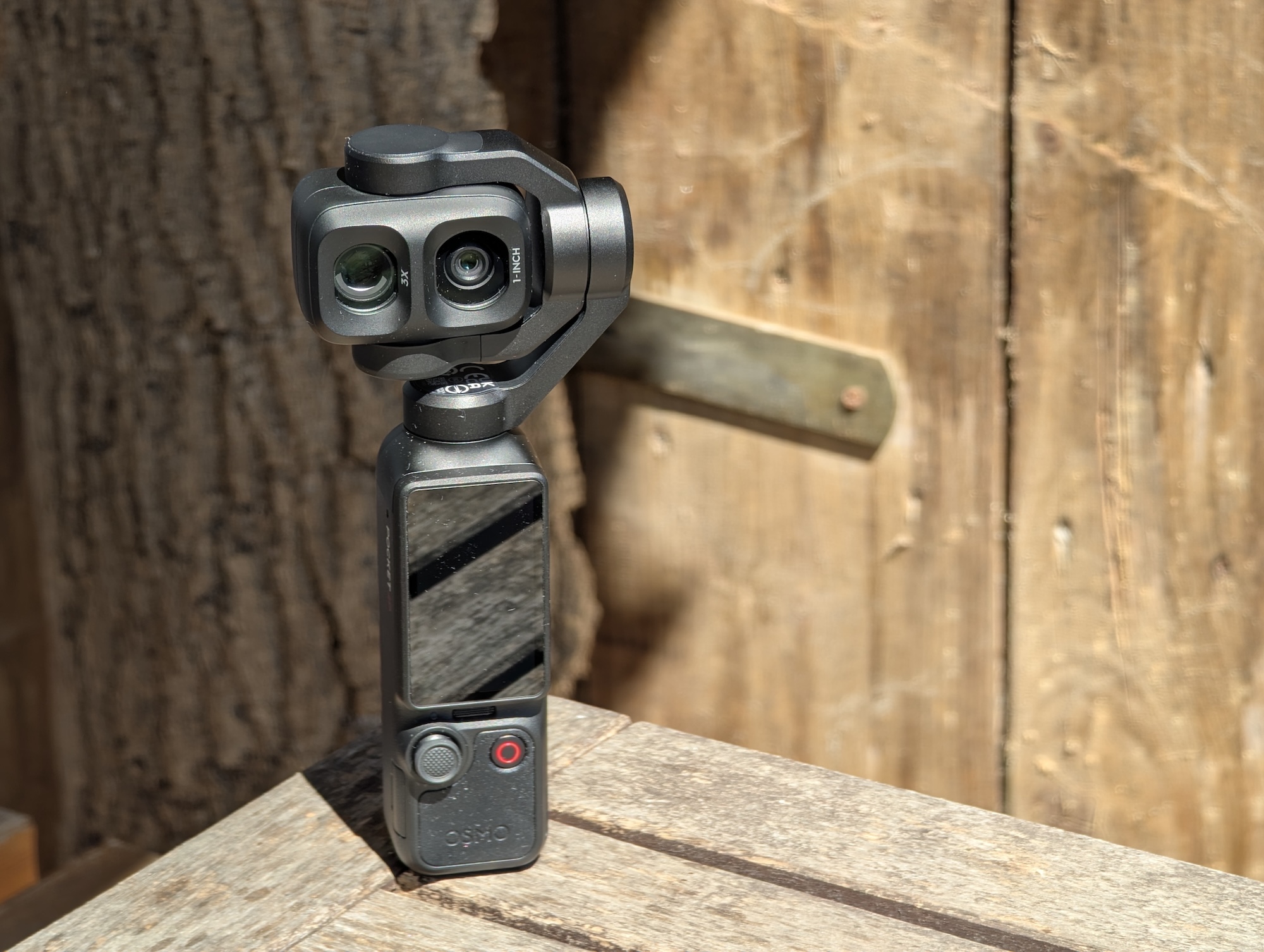
DJI Osmo Pocket 4P review: Dual lenses and impressive 4K quality at a highly competitive price
Tiny camera, big image quality.
DJI expands its popular Pocket lineup with a telephoto lens for the first time, positioning the Osmo Pocket 4P directly against the Insta360 Luna Ultra. Our review shows that outstanding 4K footage, a refined user experience, and 103 GB of internal storage can matter more than 8K resolution.Christian Hintze (translated by Christian Hintze) Published 🇩🇪 🇳🇱 ...
Verdict - Best Vlog camera below 600 Euro?
No, the Pocket 4P doesn't support 8K or even 6K recording, but its 4K footage looks exceptionally polished. The new telephoto lens is a genuine upgrade that opens up new creative possibilities for content creators. Operation is refreshingly simple, image quality is outstanding for such a compact camera, and the 103 GB of internal storage is a huge advantage.
Overall, the Pocket 4P is an excellent, highly refined vlogging camera. While it falls slightly behind the Luna Ultra in terms of features such as 8K recording and a remote control, it delivers superior 4K image quality and a much simpler user experience. DJI also has another major advantage on its side: the significantly lower price.
Pros
Cons
Price and availability
The DJI Pocket 4P is available in the Standard Combo for €599.
DJI struck gold with its Osmo Pocket series, creating a compact gimbal camera that became one of the most popular options for self-recording—and now it has inspired a prominent competitor in the form of the Insta360 Luna.
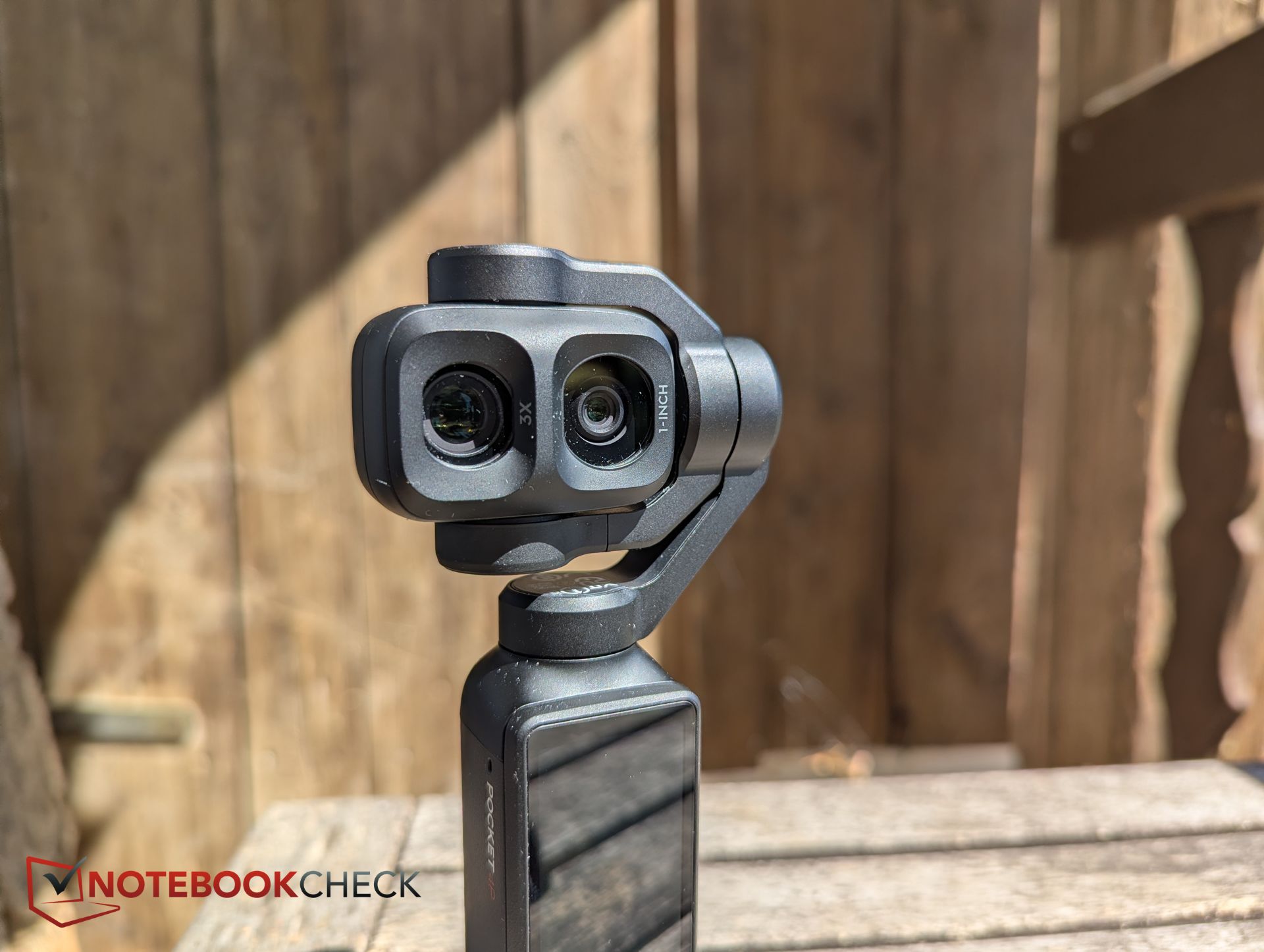
In response to the dual-camera Luna Ultra (see our review), DJI has expanded its successful concept with the Pocket 4P. Like its rival, it features two lenses, combining a wide-angle primary camera with a dedicated telephoto lens. But is the more expensive model worth it, and does the original Pocket concept still come out ahead of the Luna Ultra?
Design & handling – Larger gimbal, refined interface
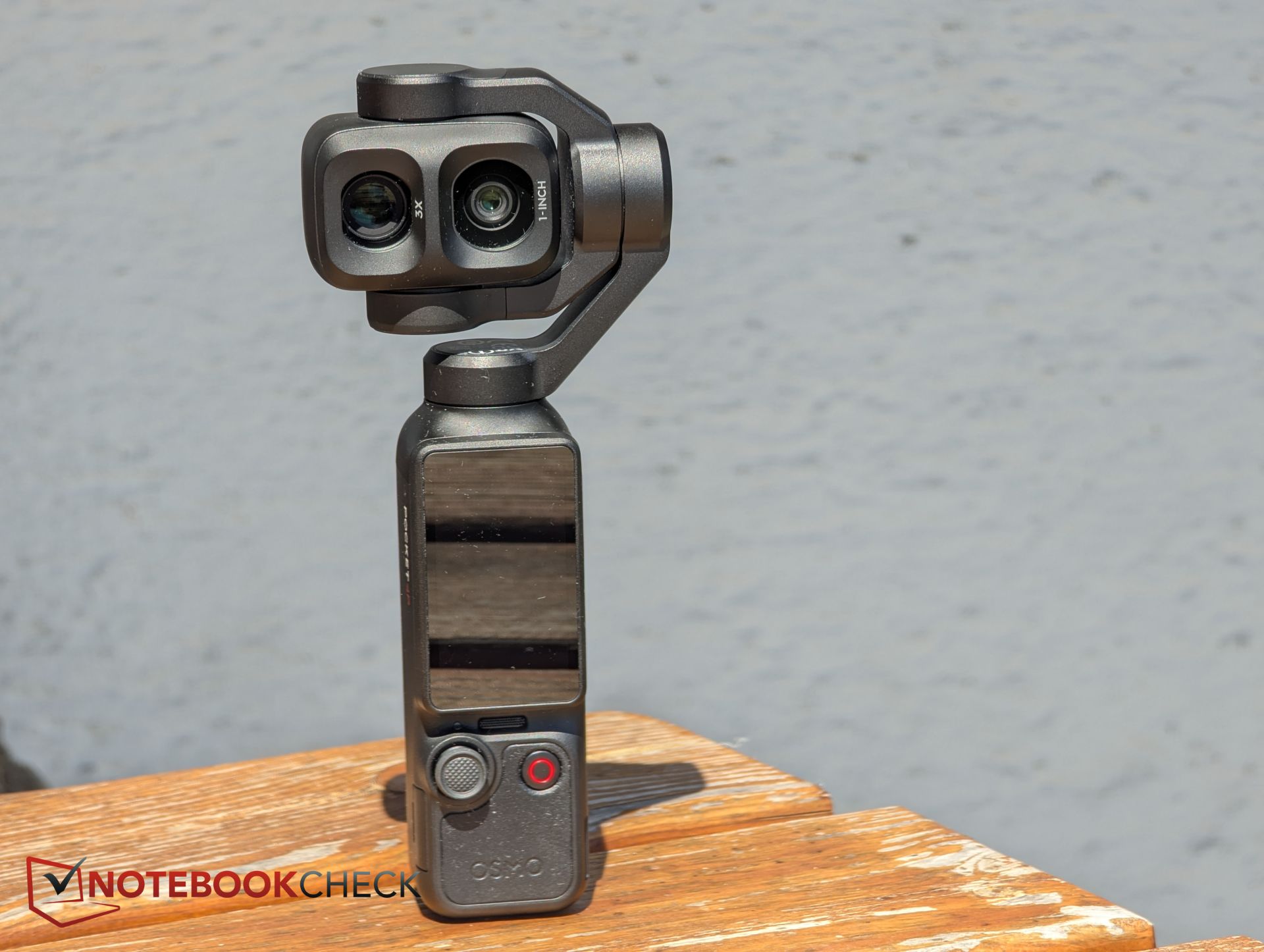
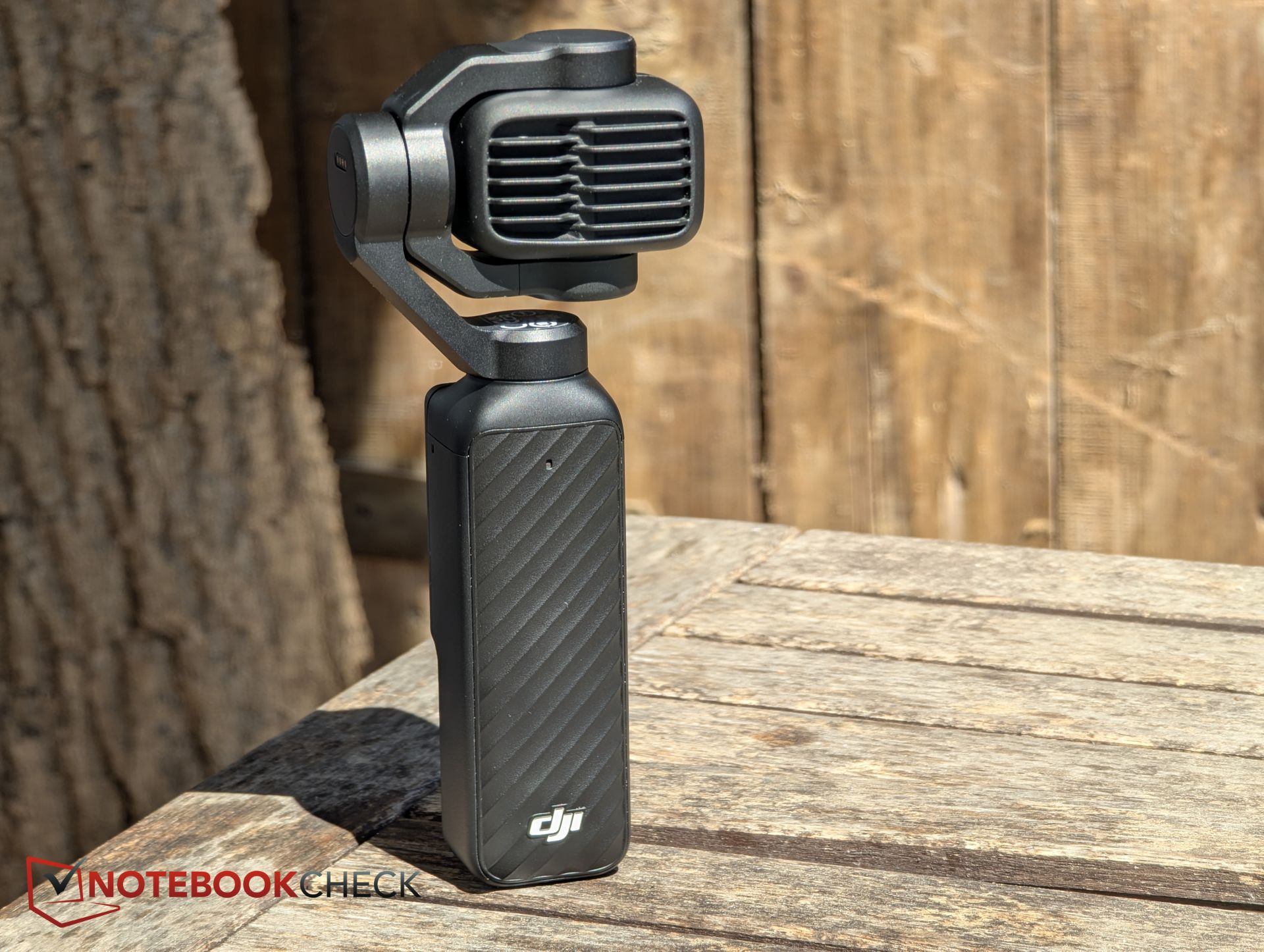
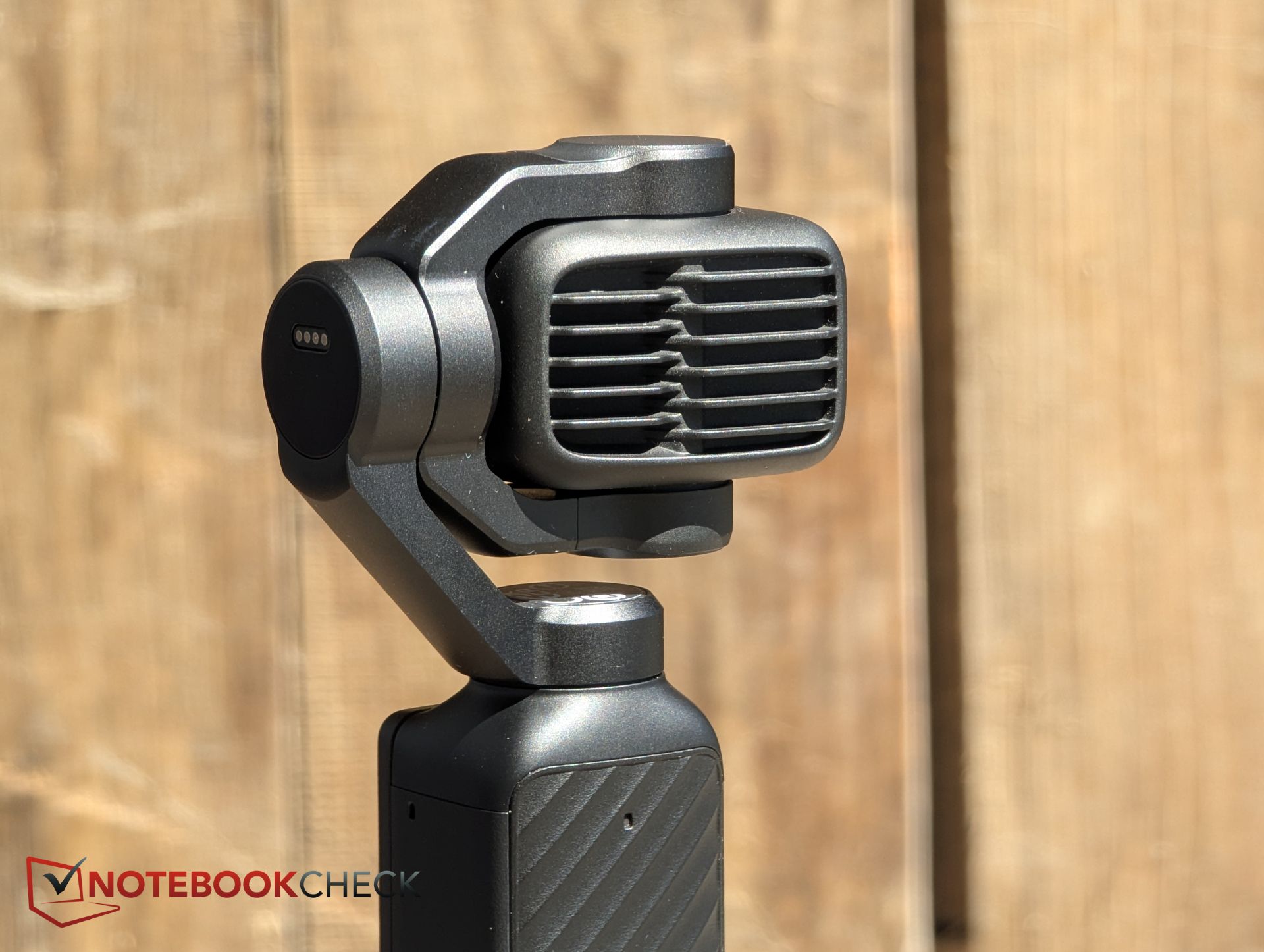
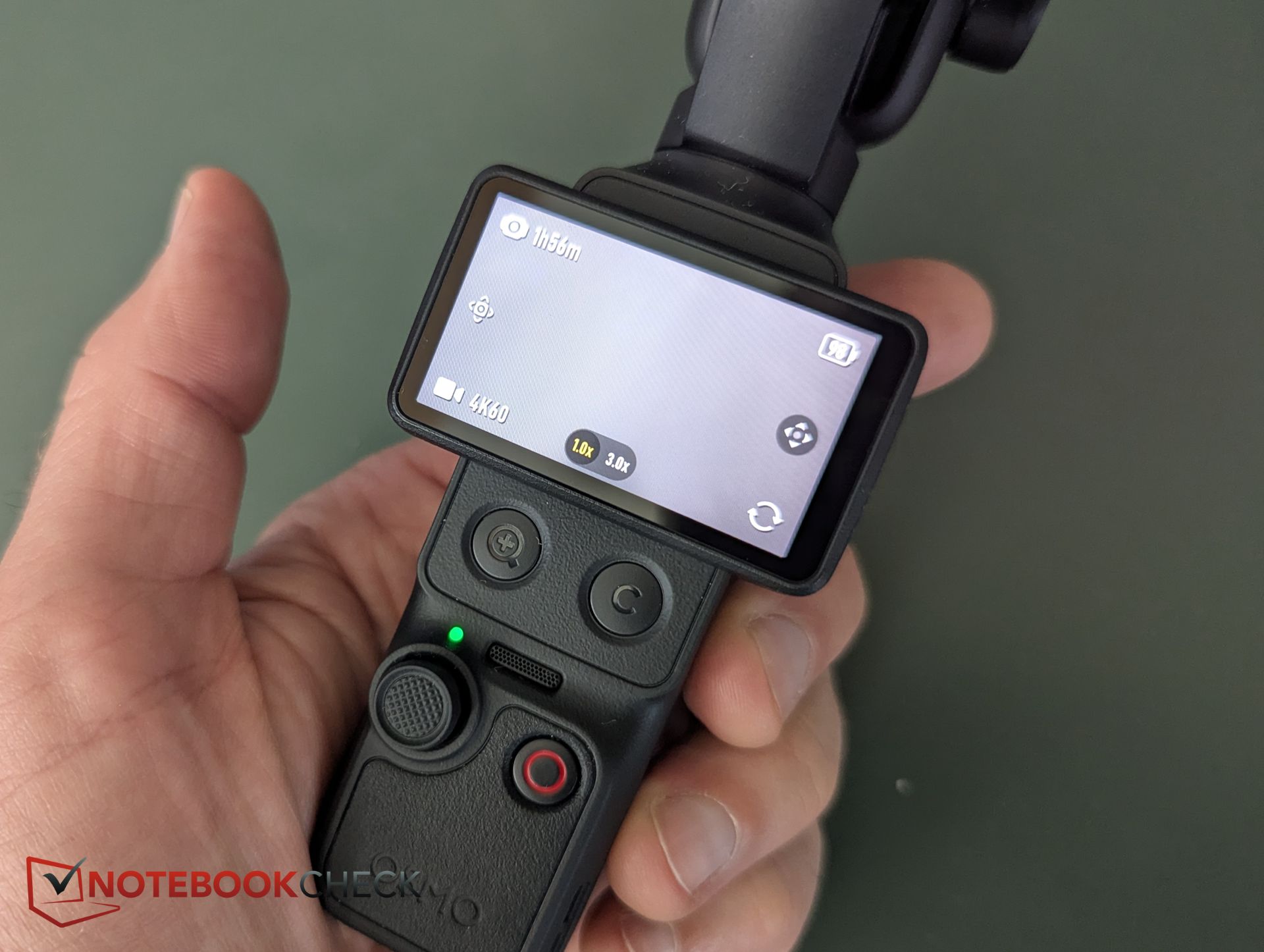
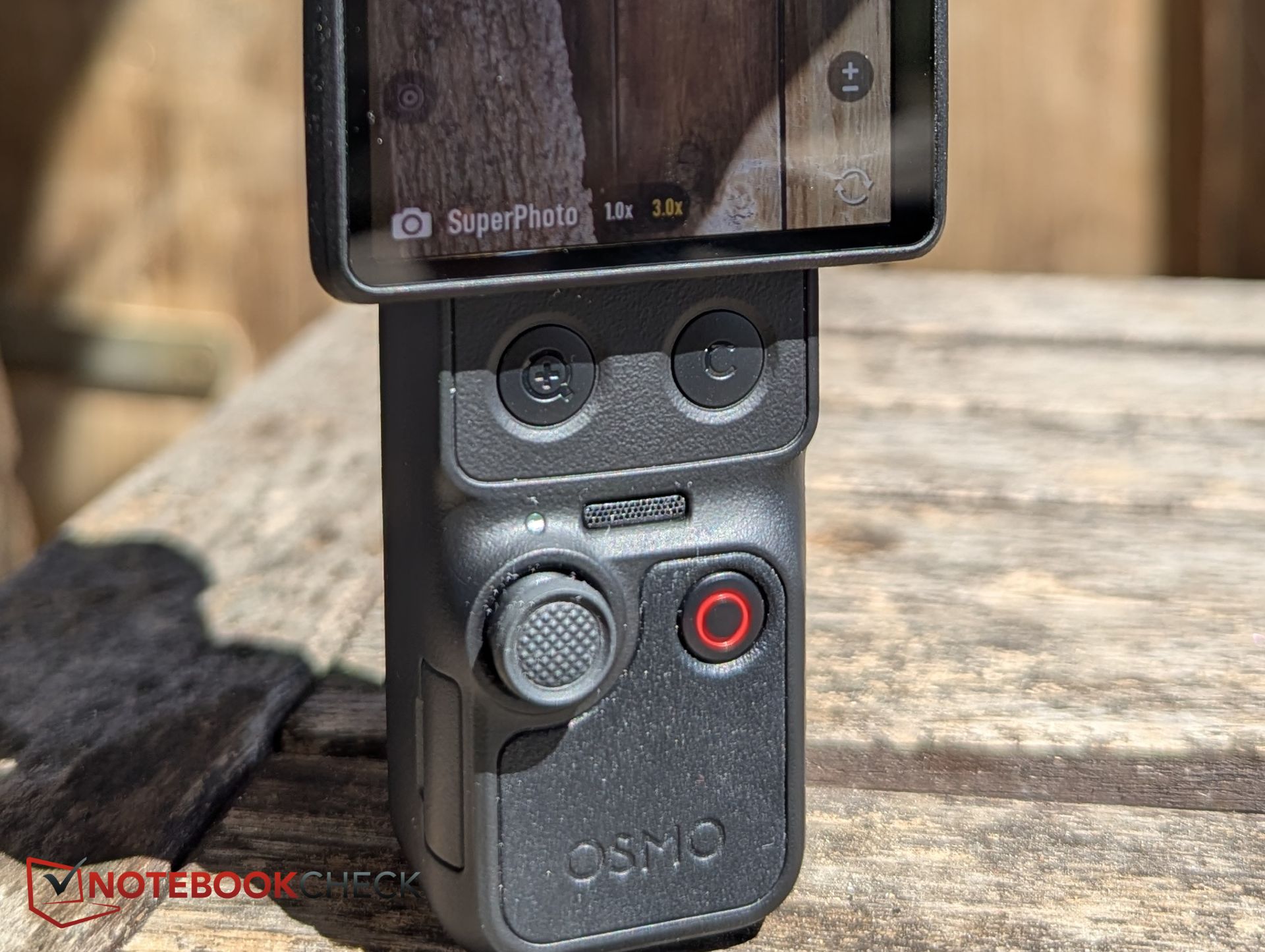
The Pocket 4P feels slightly more top-heavy than the Luna Ultra, but it remains comfortable to hold and operate. One feature we particularly liked is the ability to switch instantly between the two lenses using either the touchscreen or a dedicated button.
When powered off, the gimbal rattles slightly, and the lenses face toward the user instead of being protected by the gimbal arm as they are on the Luna Ultra. Accessories such as a battery handle can be connected via the USB-C port on the bottom.
Aside from that, the user experience is excellent and feels highly polished. Everything is designed to be as intuitive as possible, and after a bit of experimenting, it's easy to become familiar with all available settings without ever opening the manual.
Specifications – D-Log 2, telephoto lens, and 103 GB of storage
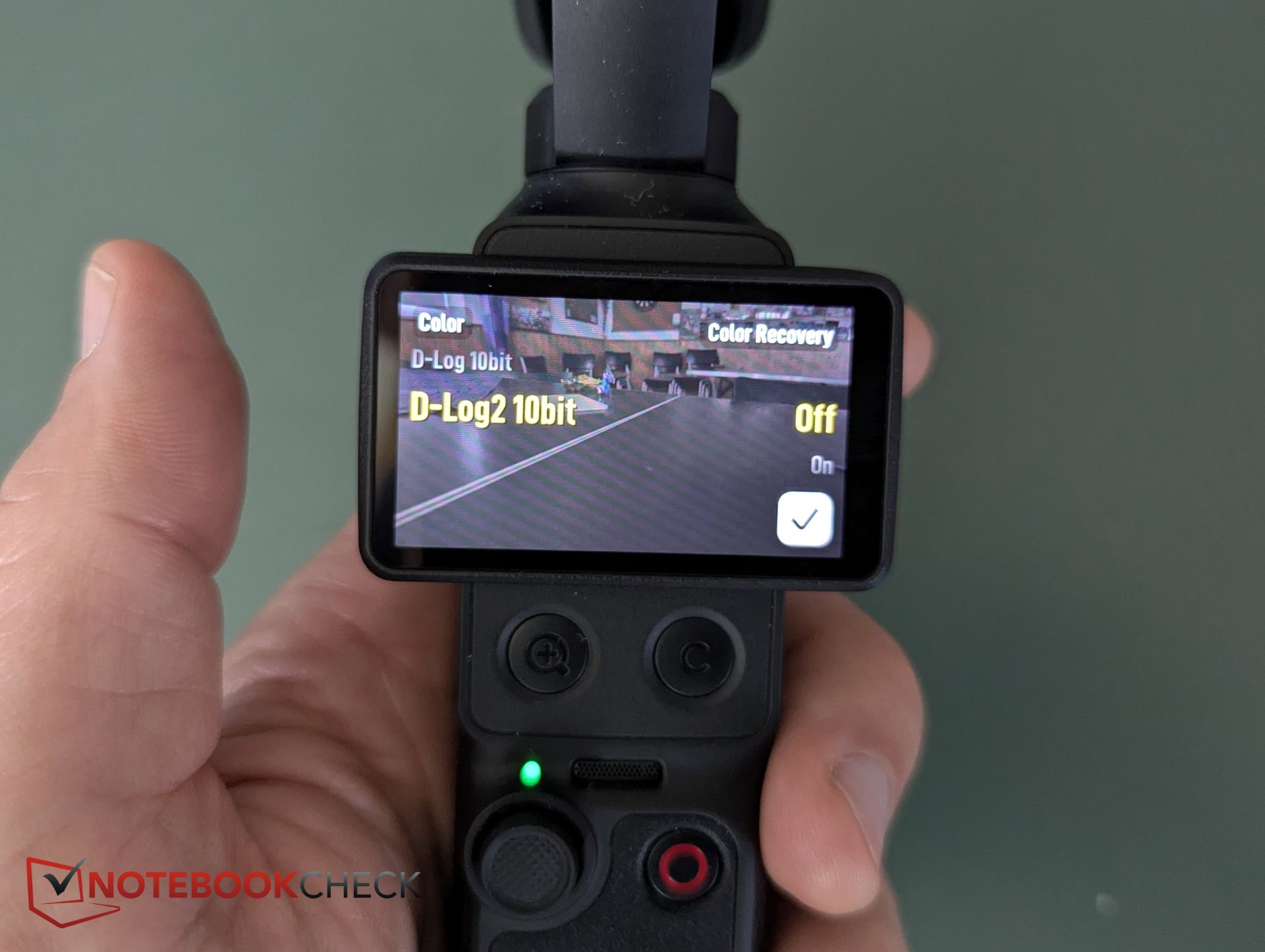
Instead of offering 8K like the Luna Ultra—or at least 6K like the Pocket 4—the Pocket 4P is "limited" to 4K. DJI has clearly focused on delivering the highest possible image quality at that resolution. One highlight is the new 10-bit D-Log 2 profile, which provides the main camera with an impressive 17 stops of dynamic range (compared to the Luna Ultra's 14 stops). This should allow the Pocket 4P to handle scenes with extreme brightness differences even more effectively. The telephoto camera uses the standard D-Log profile. Maximum video bitrate has also been increased to 180 Mbps instead of the Luna Ultra's 120 Mbps.
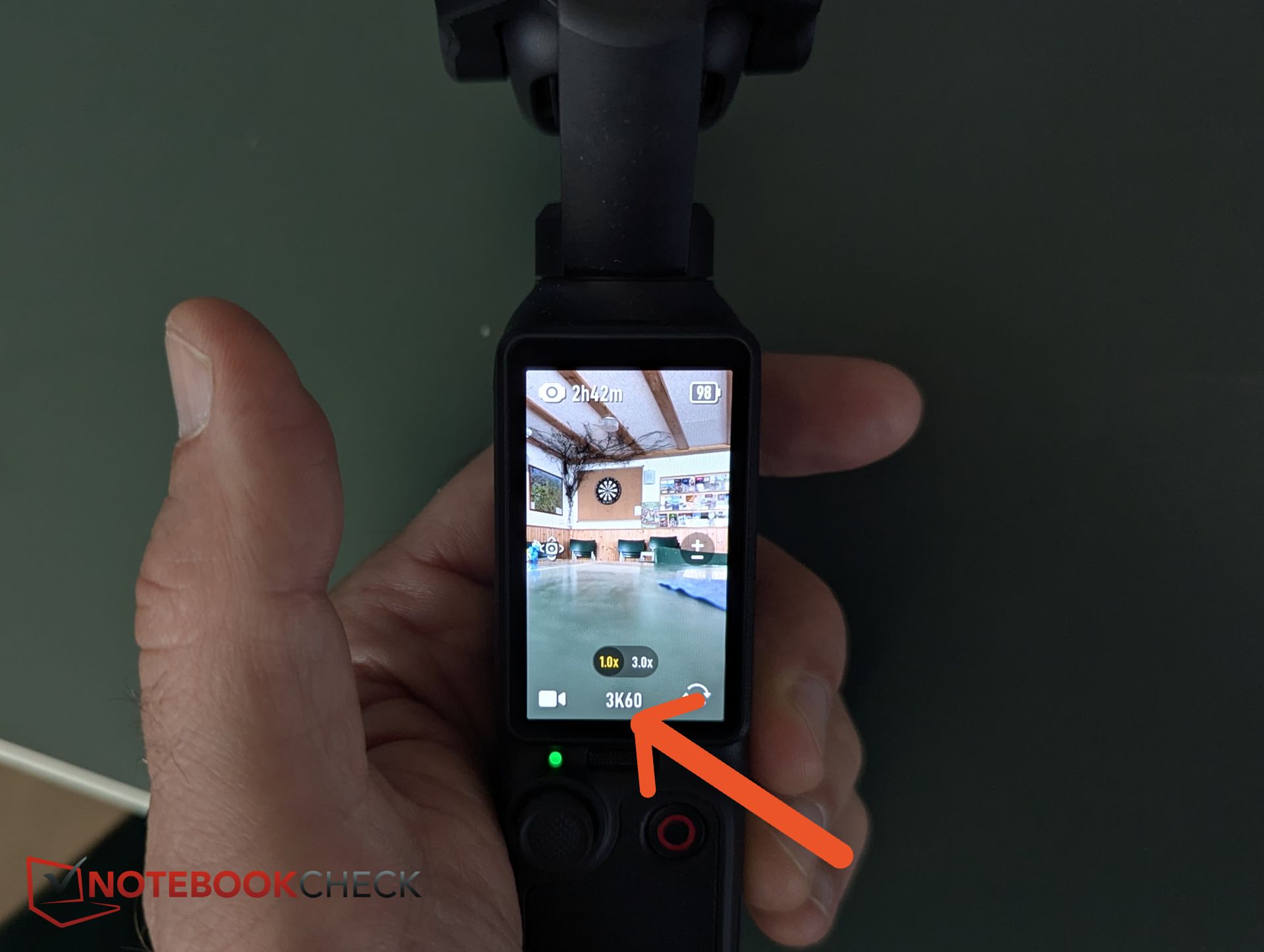
Unfortunately, vertical recording is limited to 3K resolution. On the plus side, the camera supports Full HD live streaming.
On the audio side, the original DJI Mic is no longer supported, while DJI Mic 2 and Mic 3 work without issues. The Pocket 4P records 16-bit audio, whereas the Luna Ultra advertises 32-bit recording.
| Feature | DJI Osmo Pocket 4P | Insta360 Luna Ultra |
| Sensor / Lens | 1-inch CMOS (20 mm, f/2.0) + 1/1.28-inch telephoto (60 mm, f/1.8) | 1-inch CMOS (20 mm, f/1.8) + 1/1.3-inch telephoto (60 mm, f/1.8) |
| Minimum focus distance | 20 cm (main), 30 cm (tele) | 9 cm (main), 15 cm (tele) |
| Resolution | Up to 4K at 240 fps (slow motion, otherwise 60 fps) | Up to 8K at 30 fps, 4K at 120 fps (slow motion, otherwise 60 fps) |
| Maximum video bitrate | 180 Mbps | 120 Mbps |
| Color modes | Standard, D-Log, 10-bit D-Log 2 | Standard, Dolby Vision, 10-bit I-Log |
| Dynamic range | 17 stops DR (LOFIC) | 14 stops |
| Photos | 37 MP | 37 MP or up to 200 MP panorama |
| Internal storage | 103 GB | 47 GB |
| Audio format | 48 kHz, 16-bit, AAC | 48 kHz, 32-bit, AAC |
| Gimbal | 3-axis stabilization | 3-axis stabilization |
| Battery | 1,545 mAh | 1,550 mAh + 210 mAh (touchscreen) |
| Weight | 230 g | 235 g |
| Price | €599 (Standard Combo) | €729 (Standard Combo) |
Hands-on testing – Impressive 4K footage
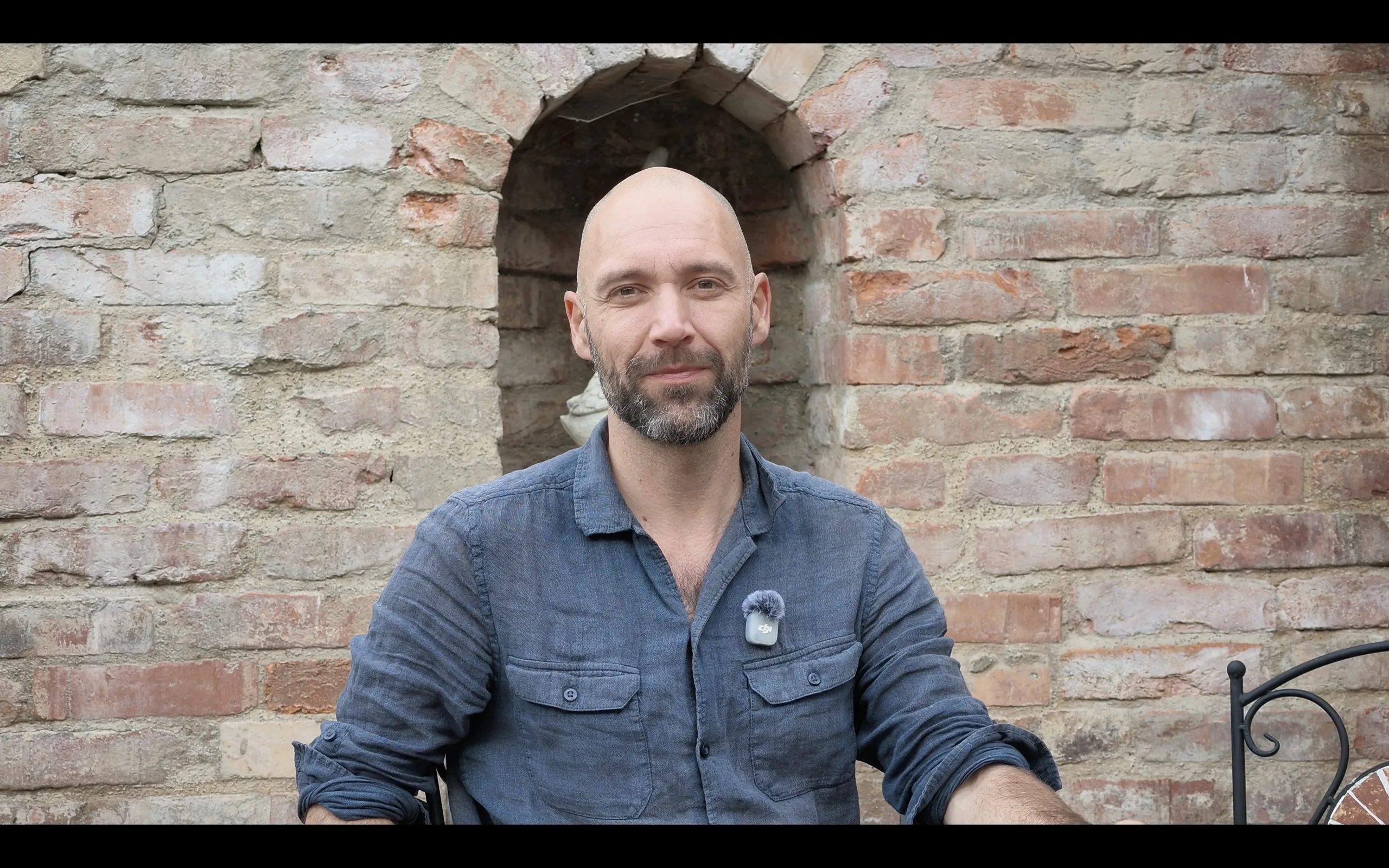
In our test video, we evaluated the Osmo Pocket 4P across several real-world scenarios, including static selfie shots, walking up stairs, and scenes with extreme lighting contrasts.
Static shots and overall image quality
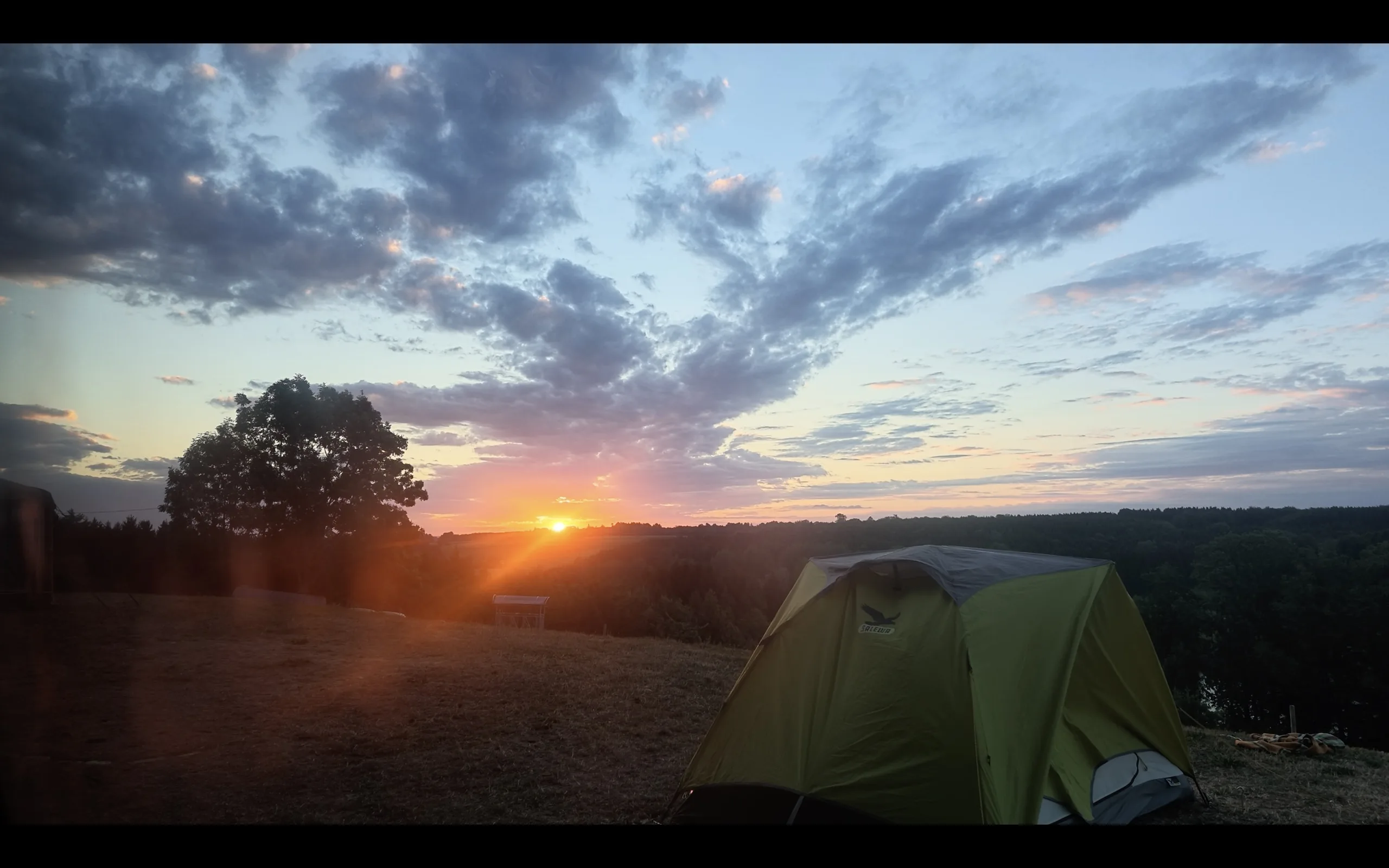
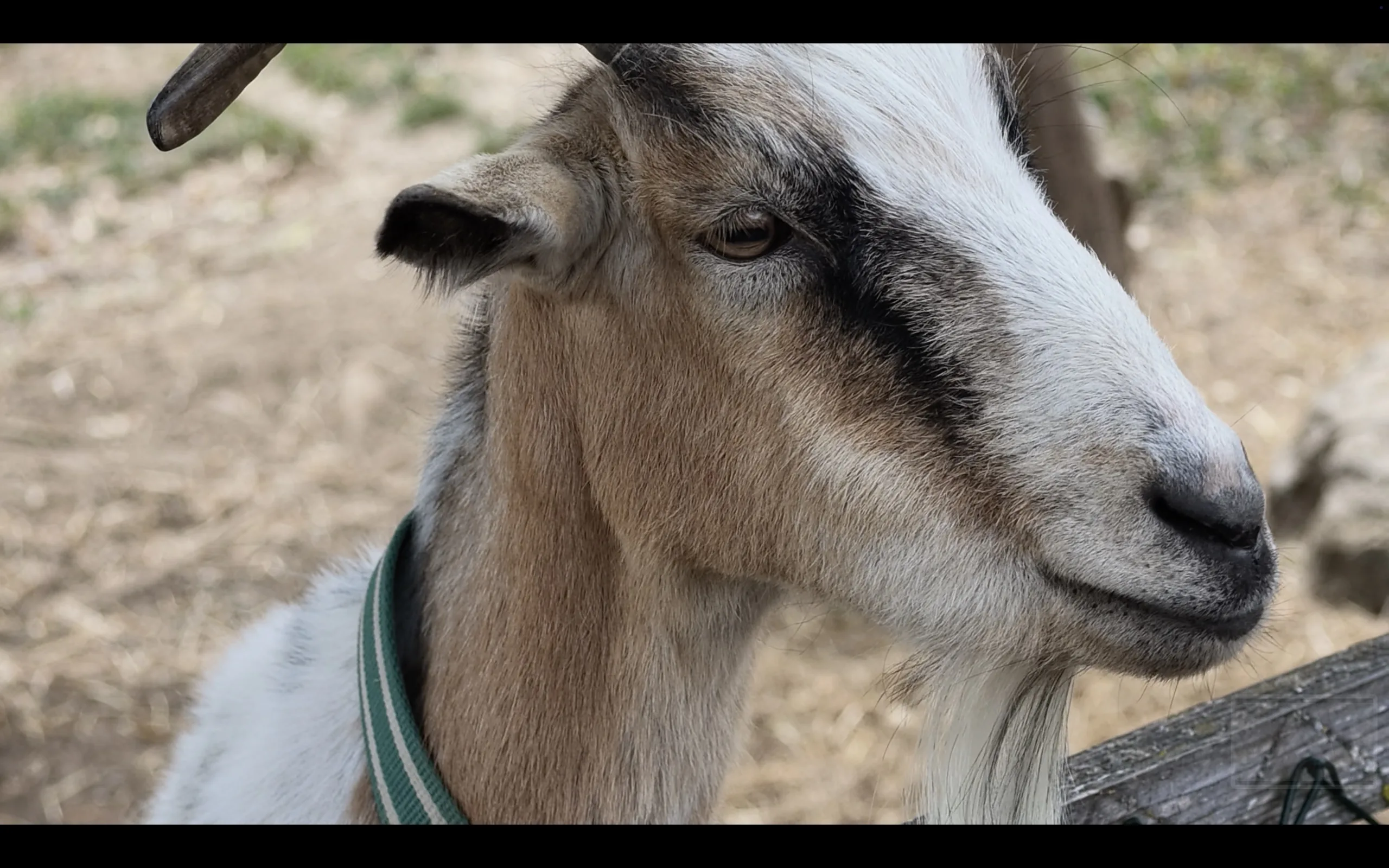
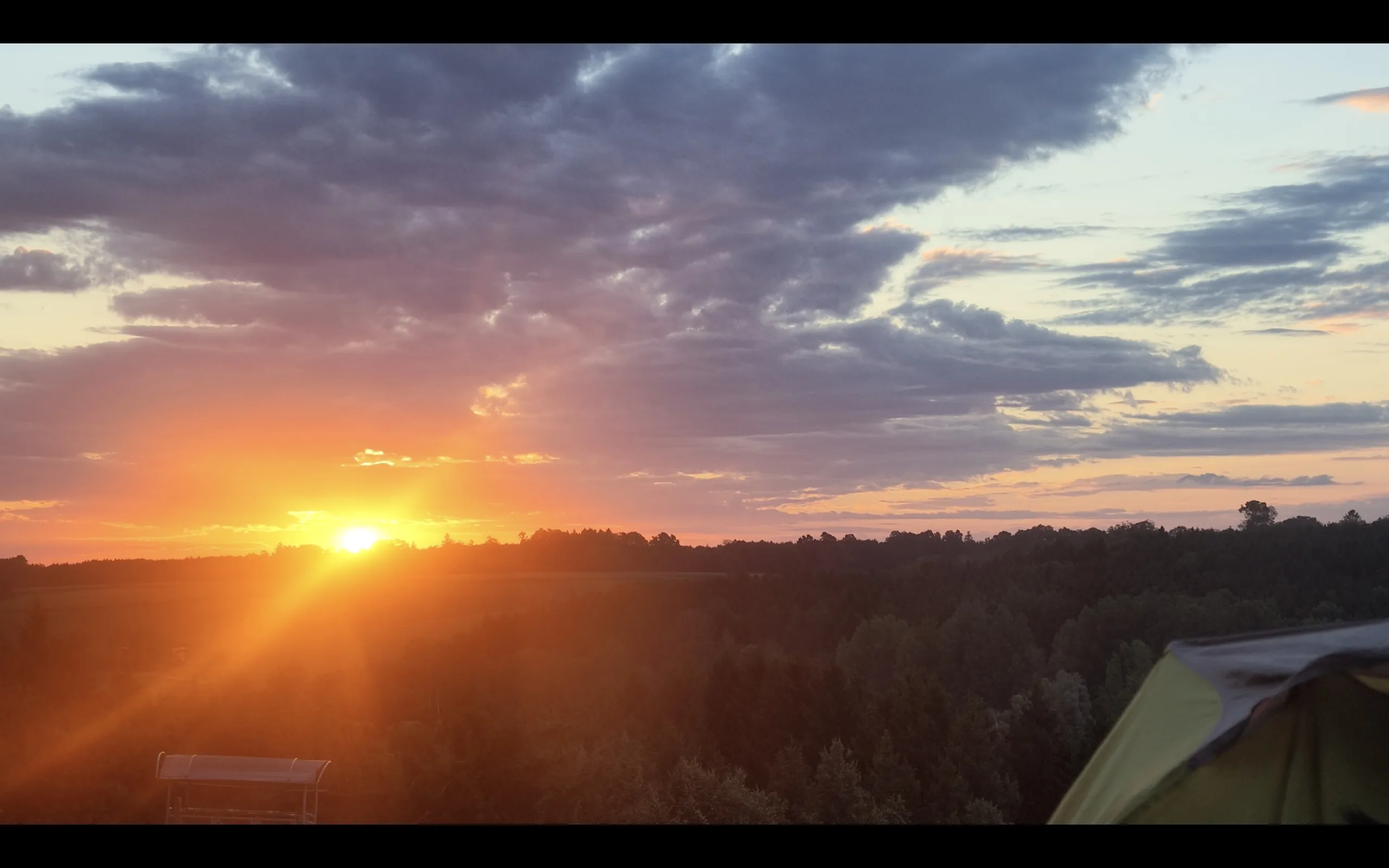
Overall image quality is excellent. Colors look vibrant, footage is detailed and sharp, and the compact camera handles backlighting and high-contrast scenes surprisingly well.
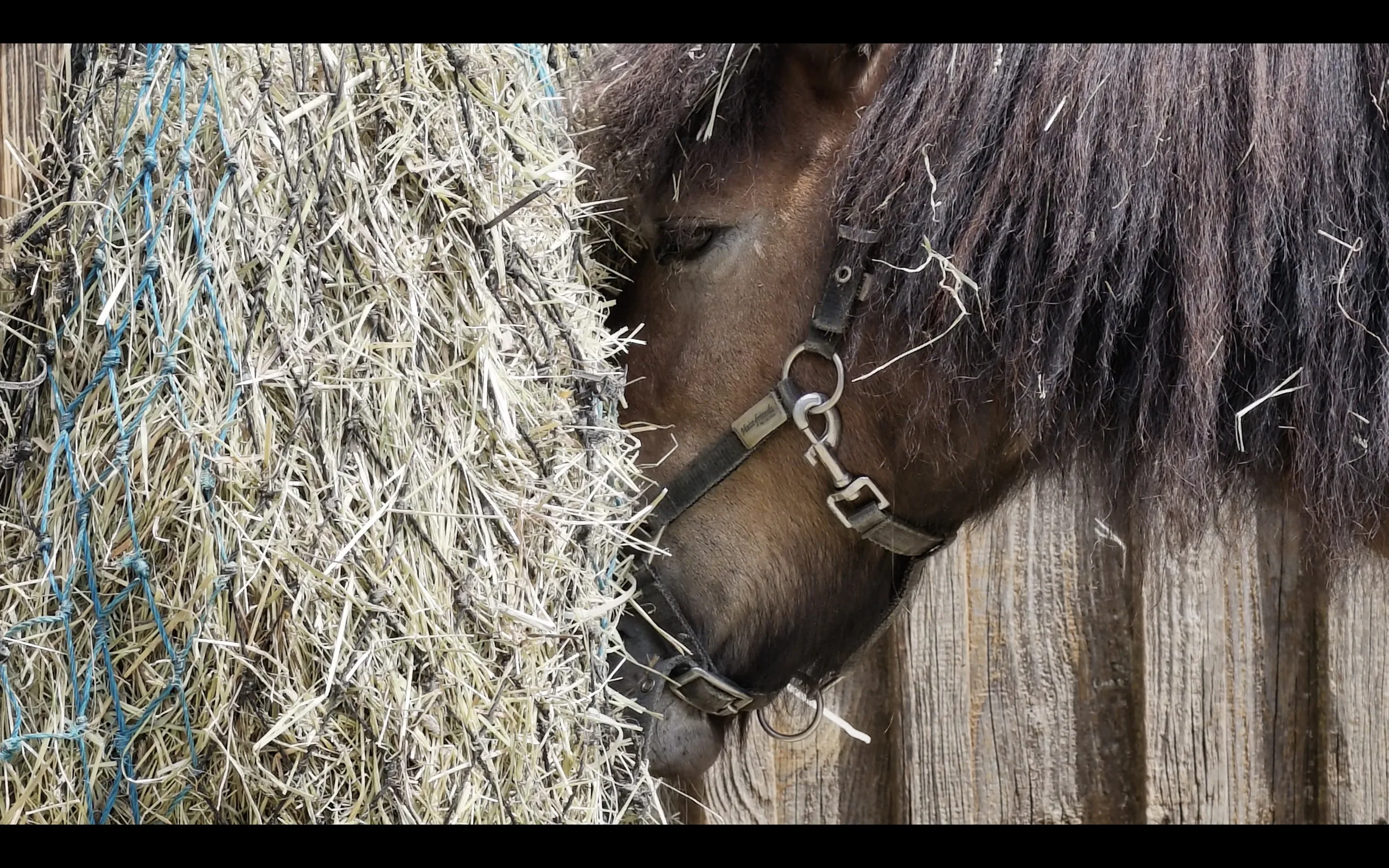
The telephoto lens quickly became one of our favorite features. In fact, it's our preferred lens thanks to its lower distortion, more compressed background perspective, and overall more pleasing composition.
Zoom
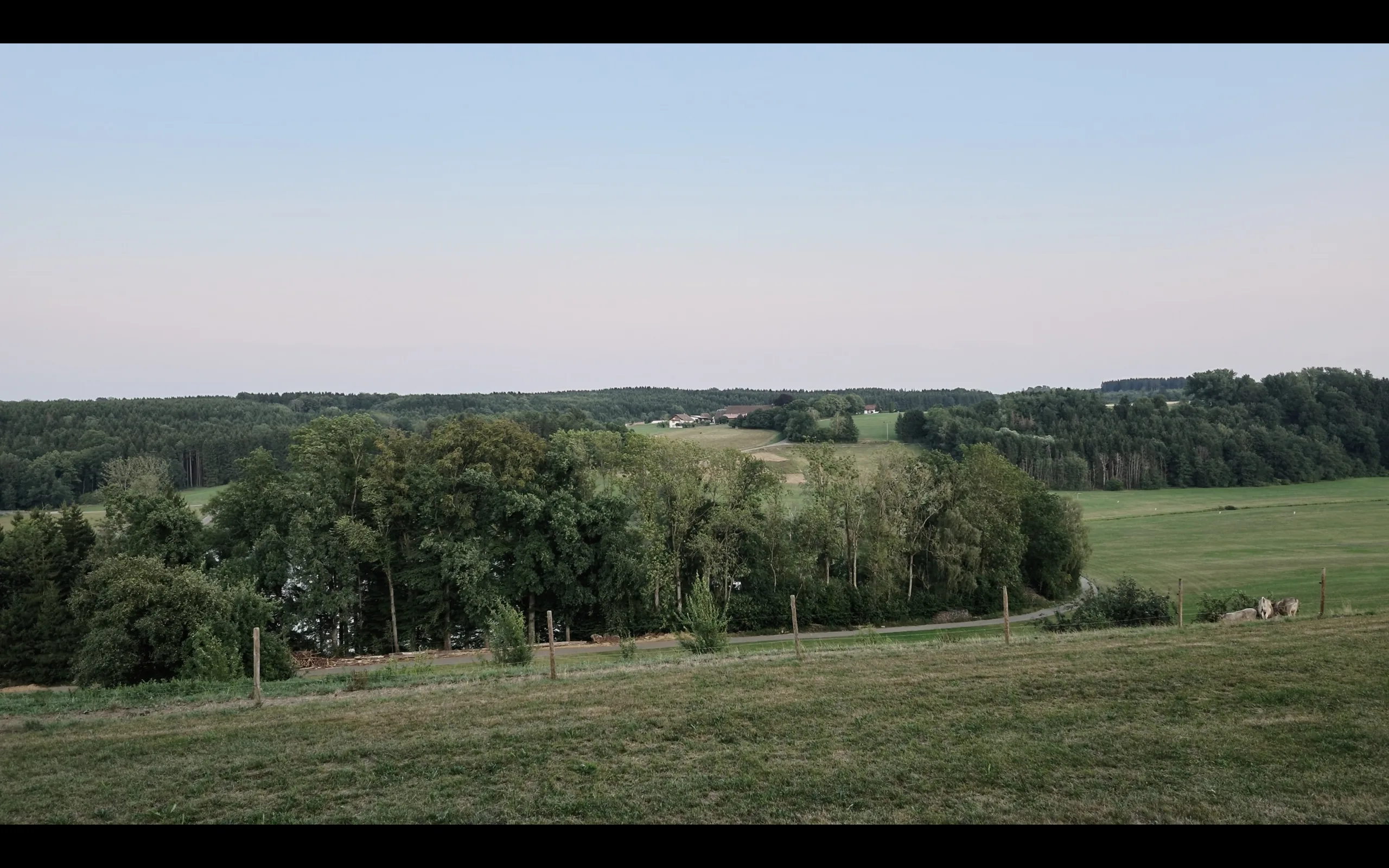
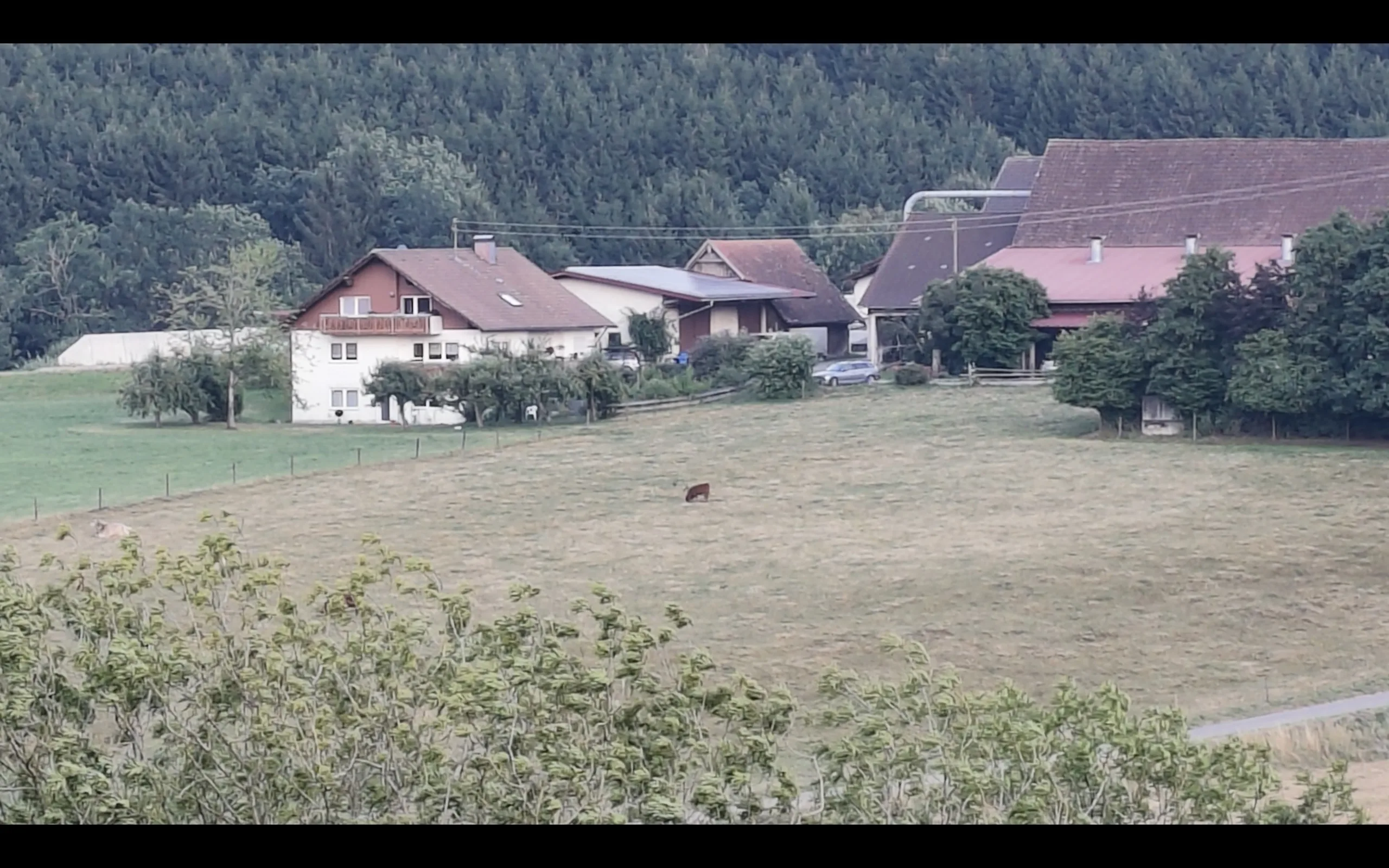
The zoom capabilities are also impressive. Both 1x and 3x are true optical focal lengths thanks to the dual-lens design, while DJI claims lossless zoom up to 6x. In practice, image quality remains very good even at that setting.
Beyond 6x, however, we'd recommend avoiding digital zoom whenever possible. While the 12x option is convenient, image quality drops noticeably, with increased noise and a flatter overall appearance.

Low Light
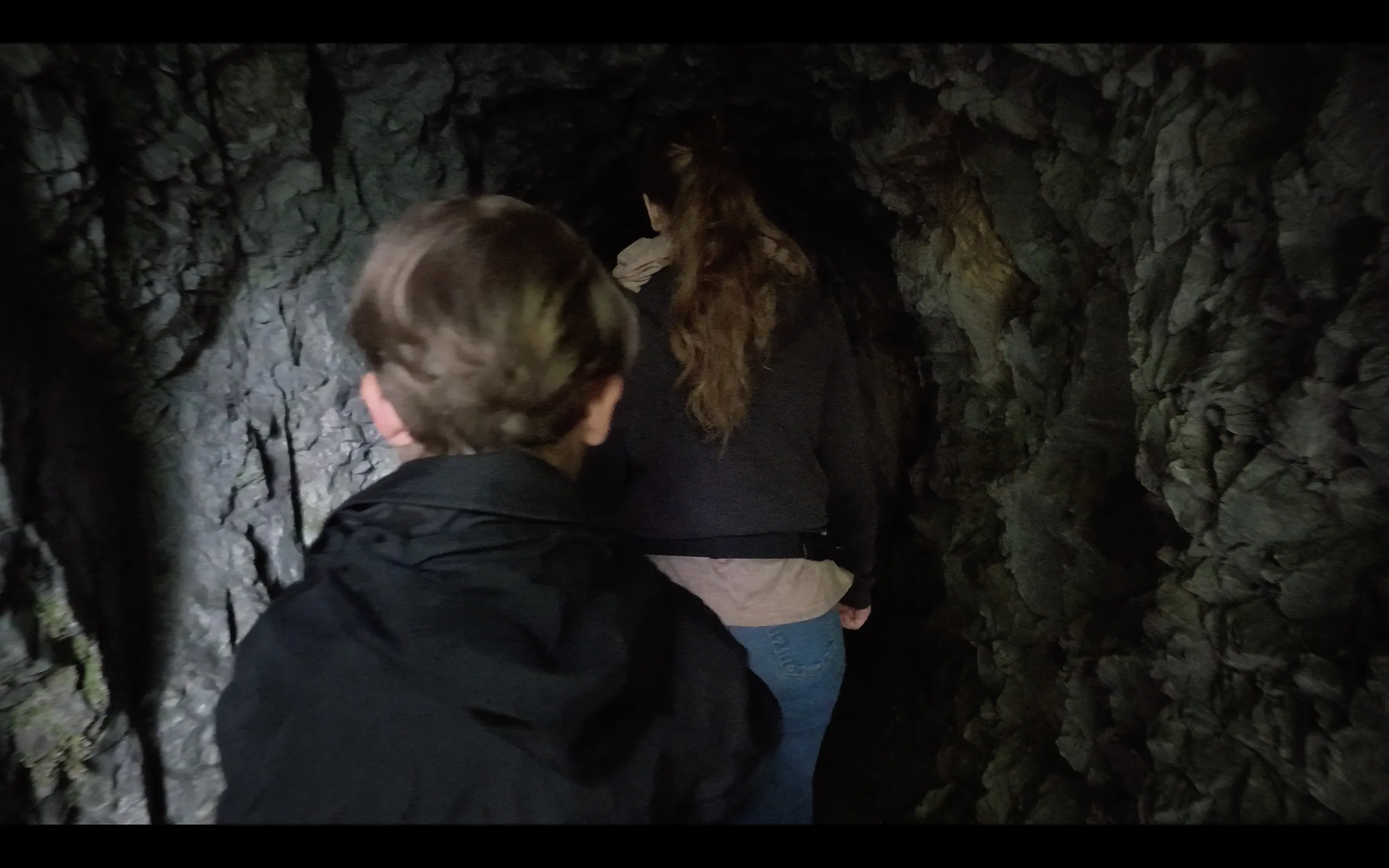
We tested the low-light mode inside Sophie's Cave in South Germany. The mode noticeably boosts brightness while still delivering surprisingly good image quality. With a steady hand, noise is barely visible even inside the dark cave. Faces and camera movement reveal the sensor's limitations more clearly, introducing some softness and visible noise, but overall we were genuinely impressed.
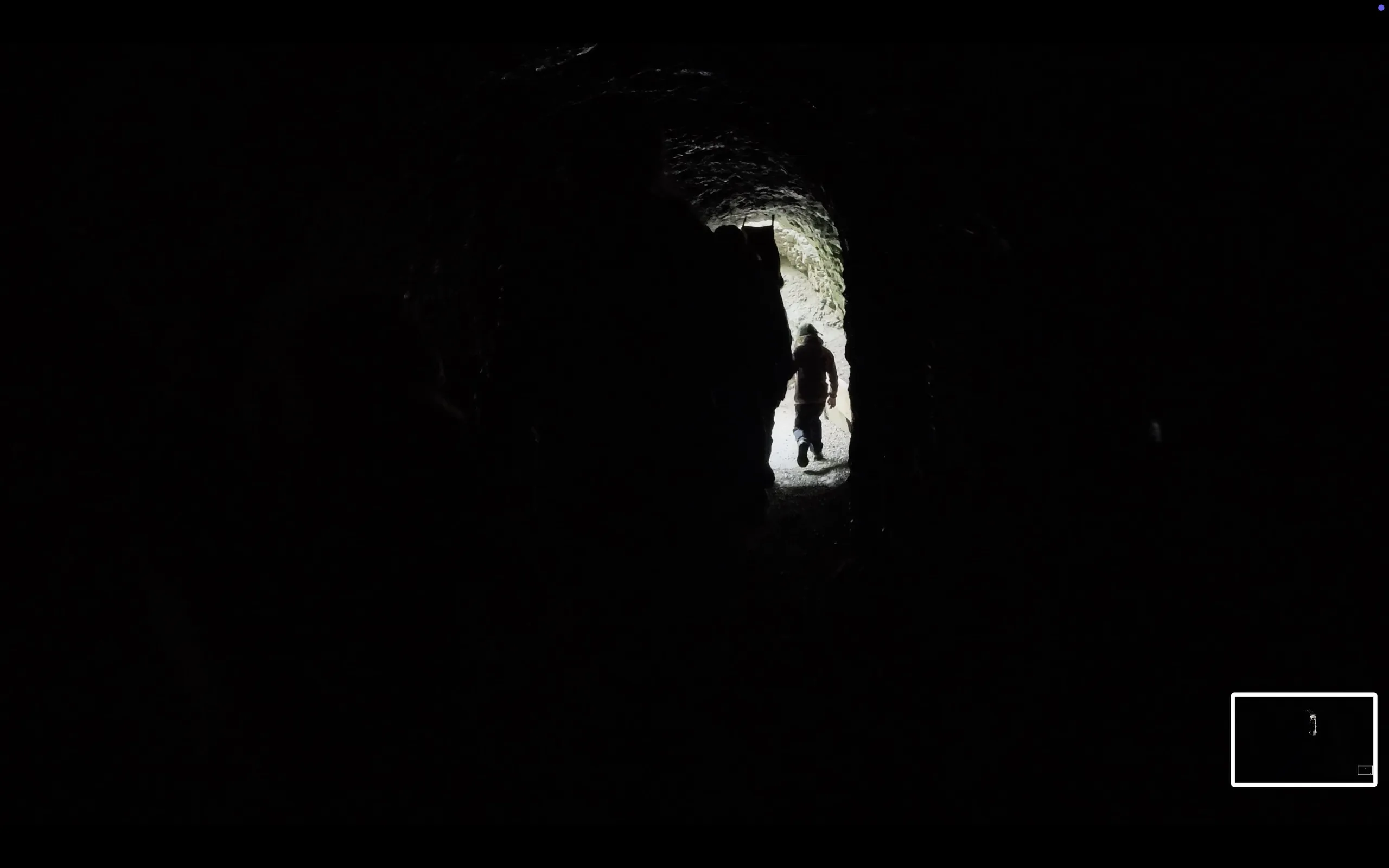
The automatic exposure system also deserves praise. Instead of immediately brightening the scene while walking through a dark tunnel—and producing a noisy image—it prioritized the small bright light at the tunnel exit, leaving the rest of the frame dark but remarkably clean.
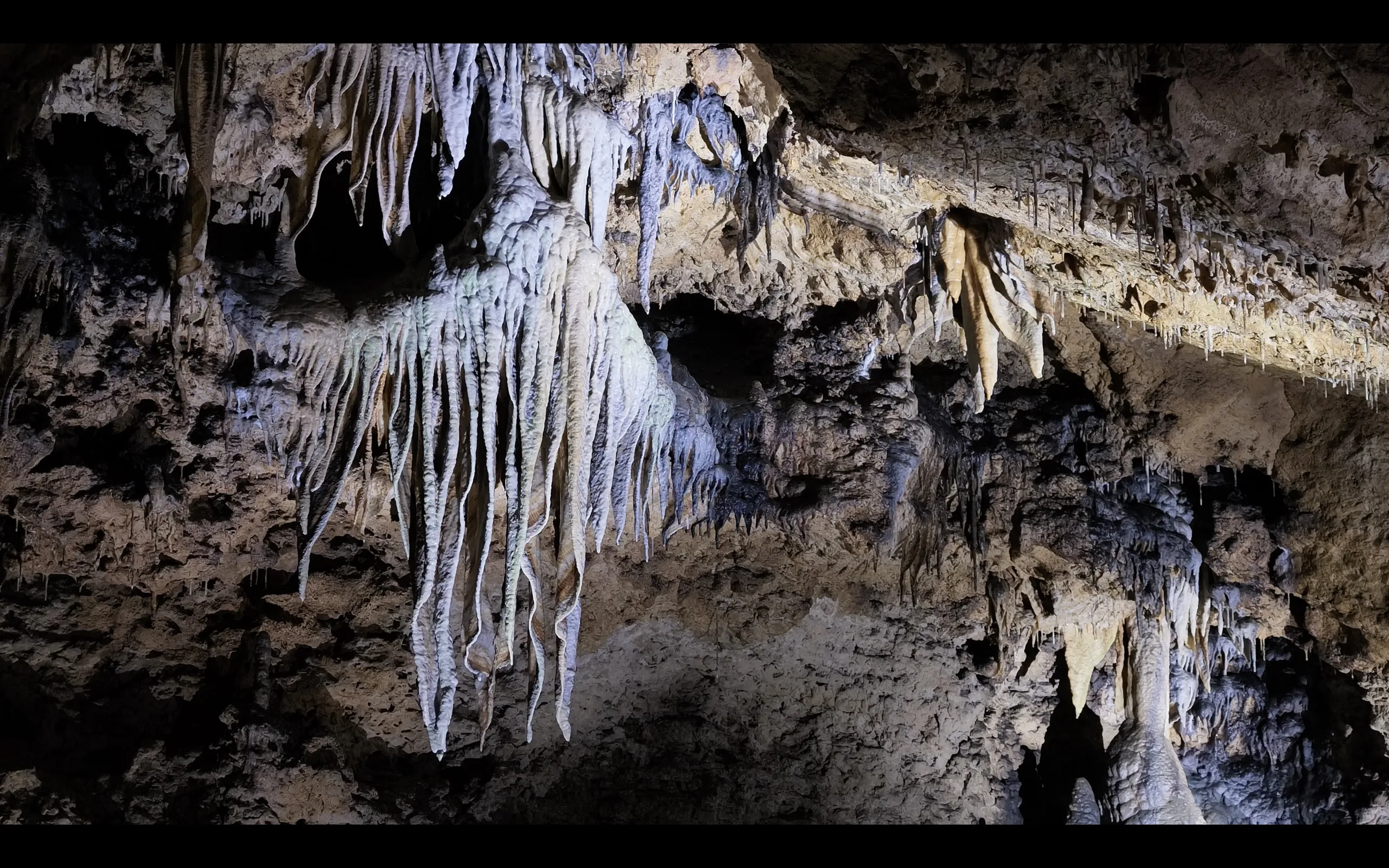
D-Log vs D-Log2
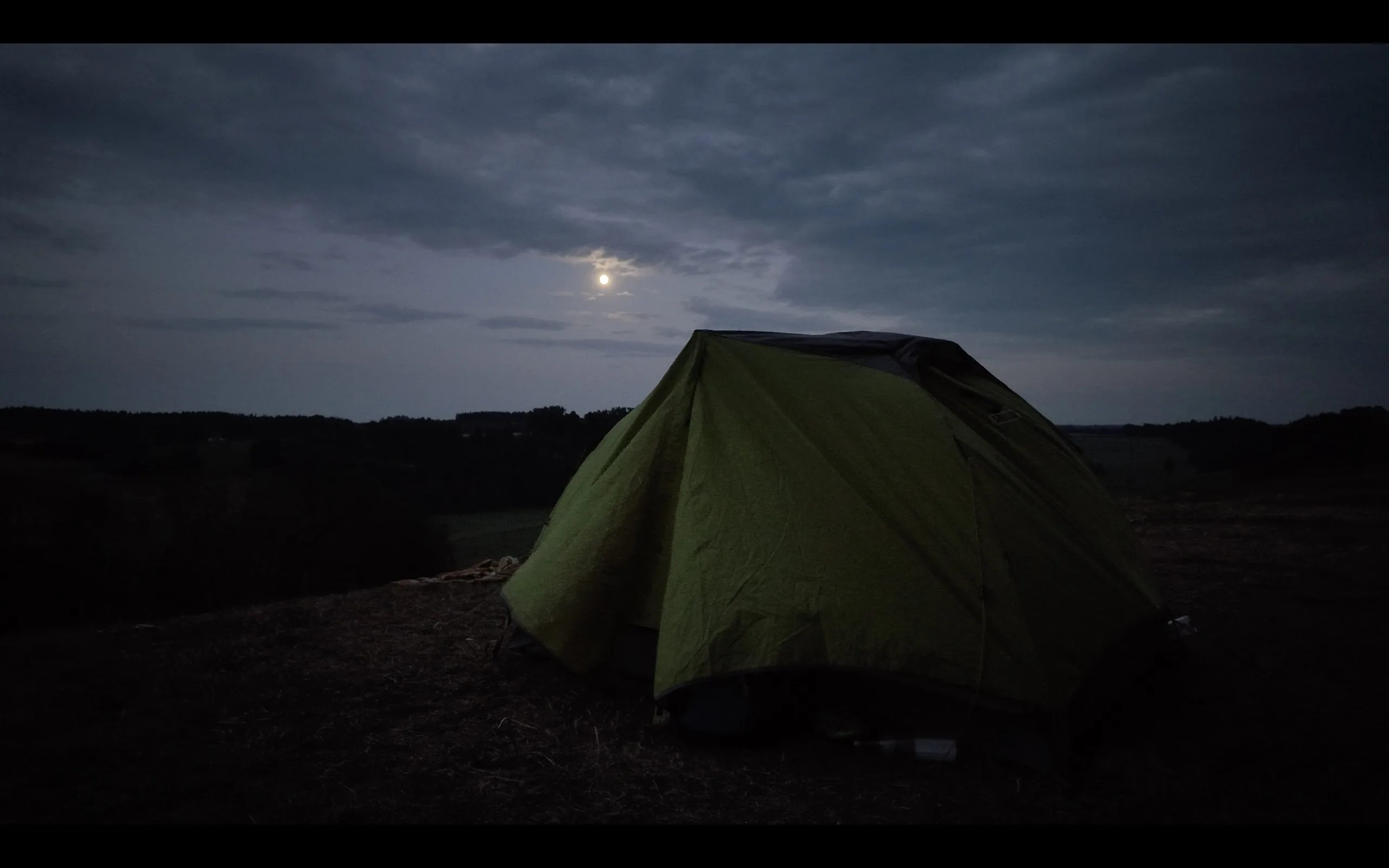
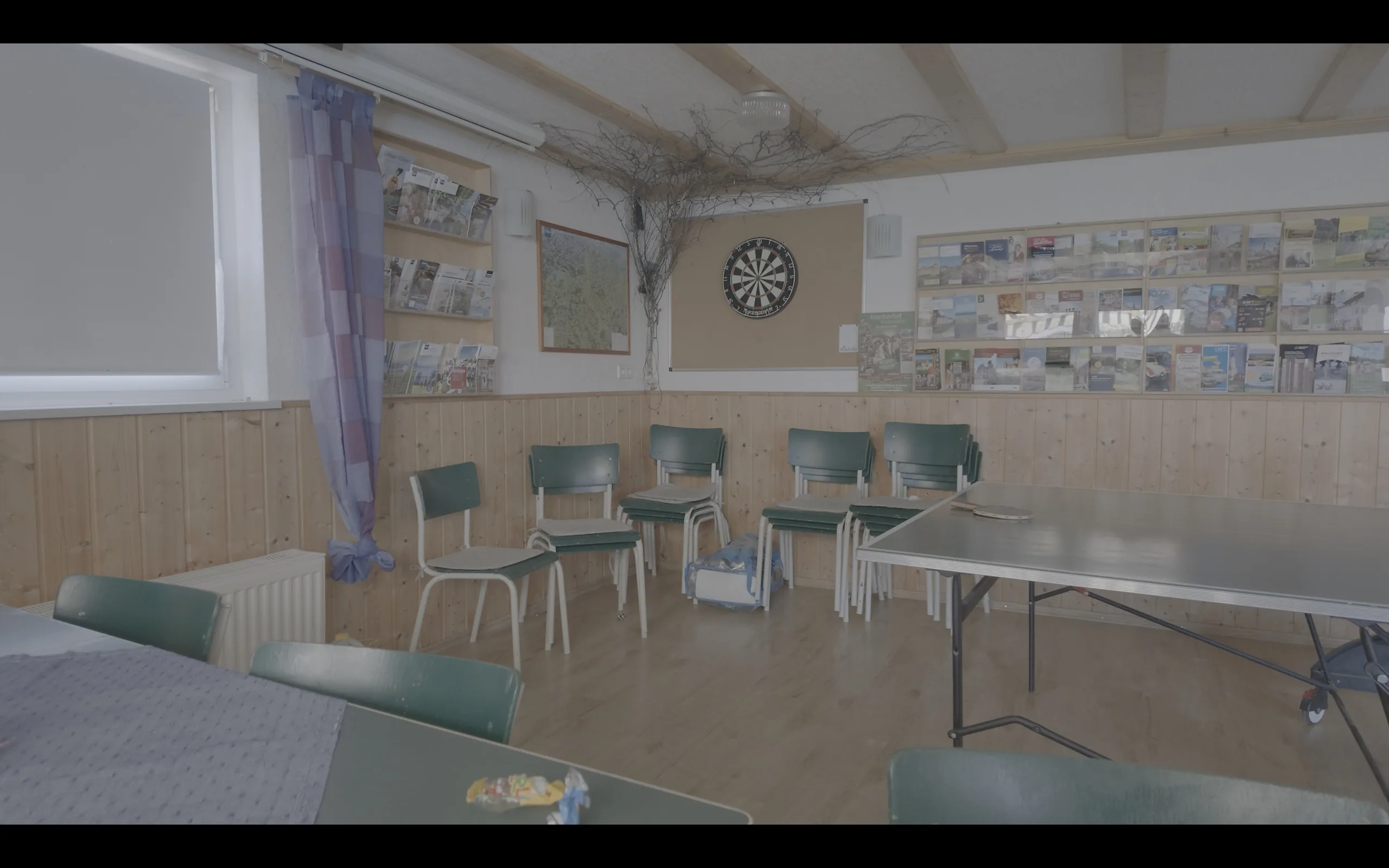
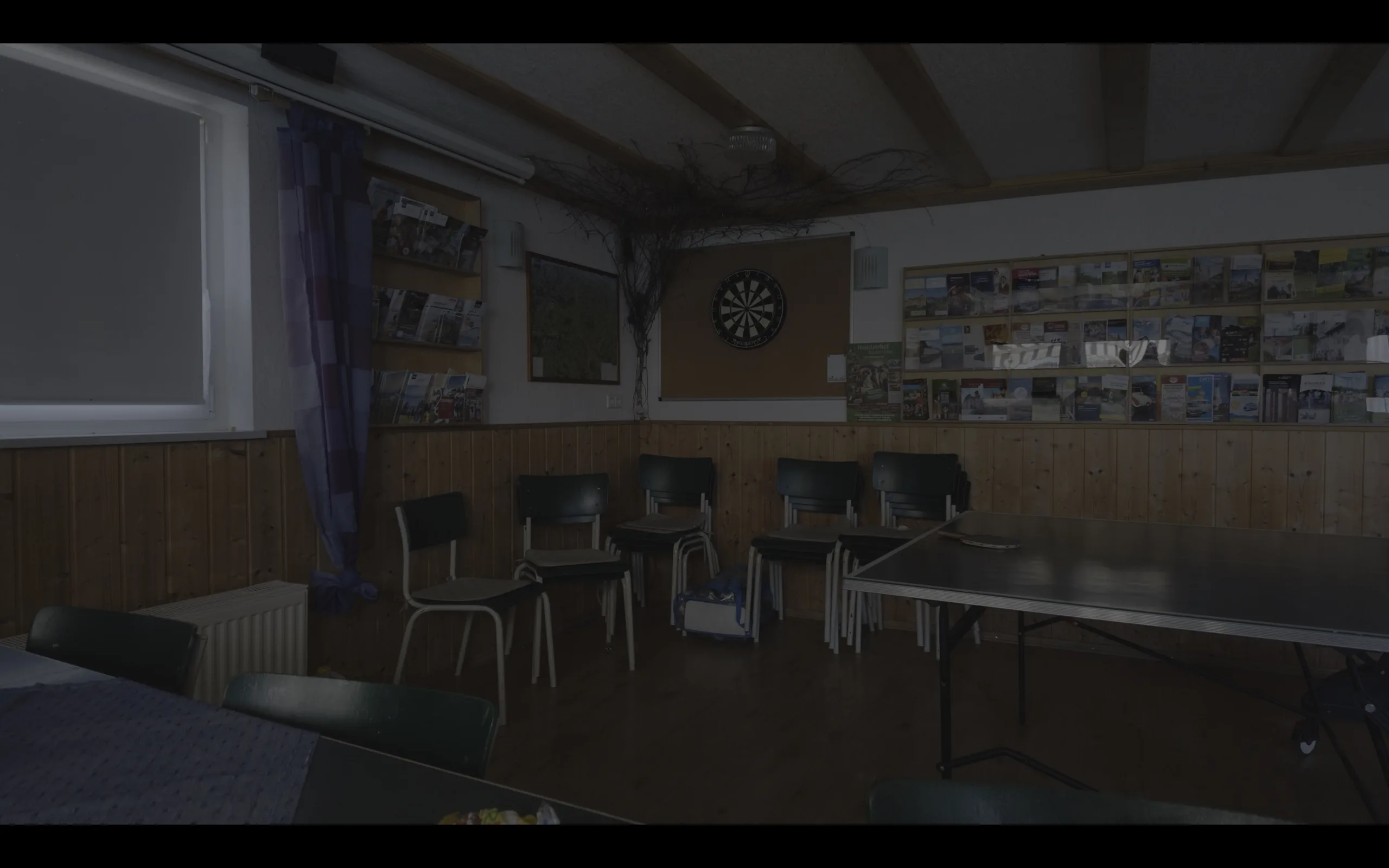
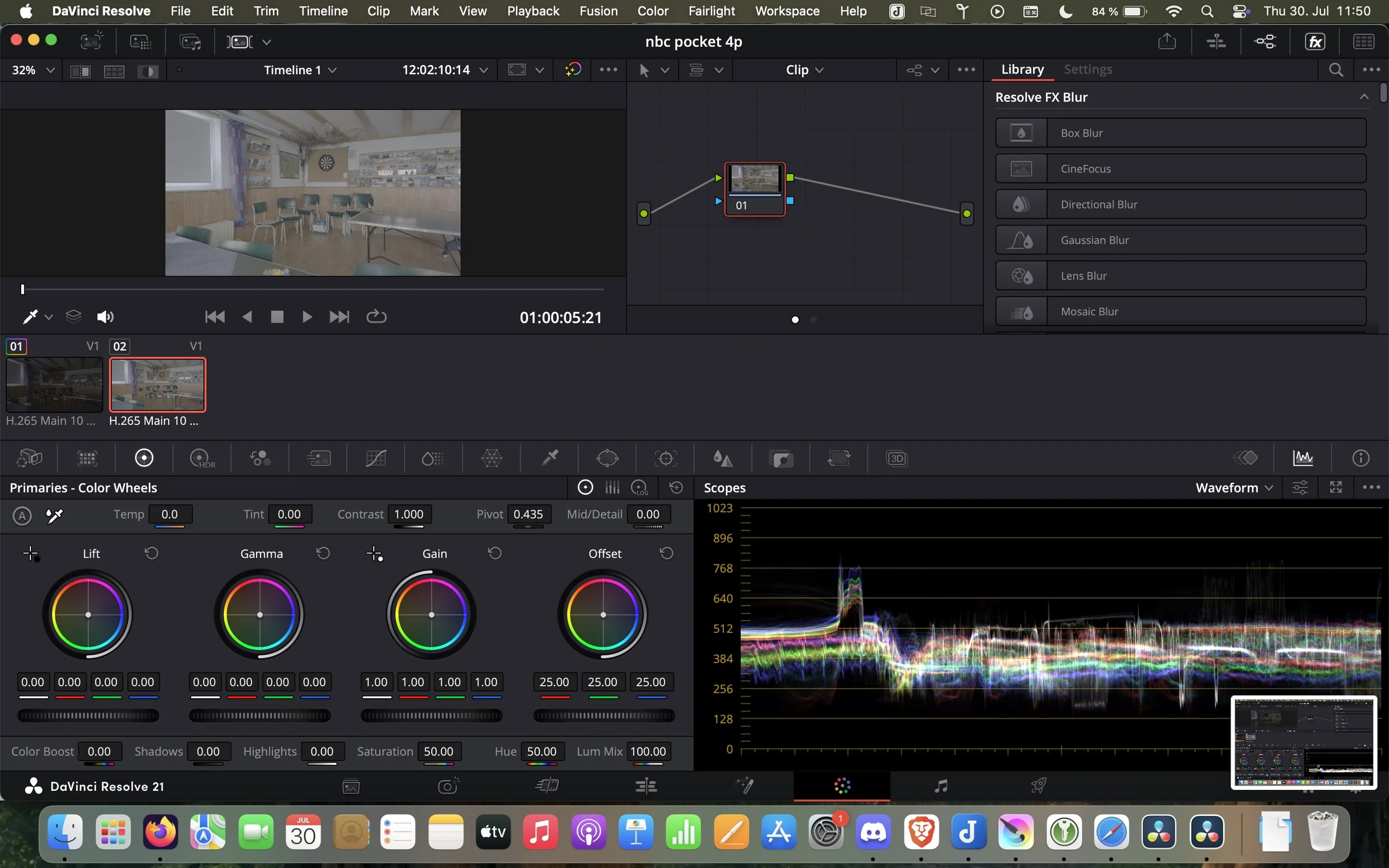
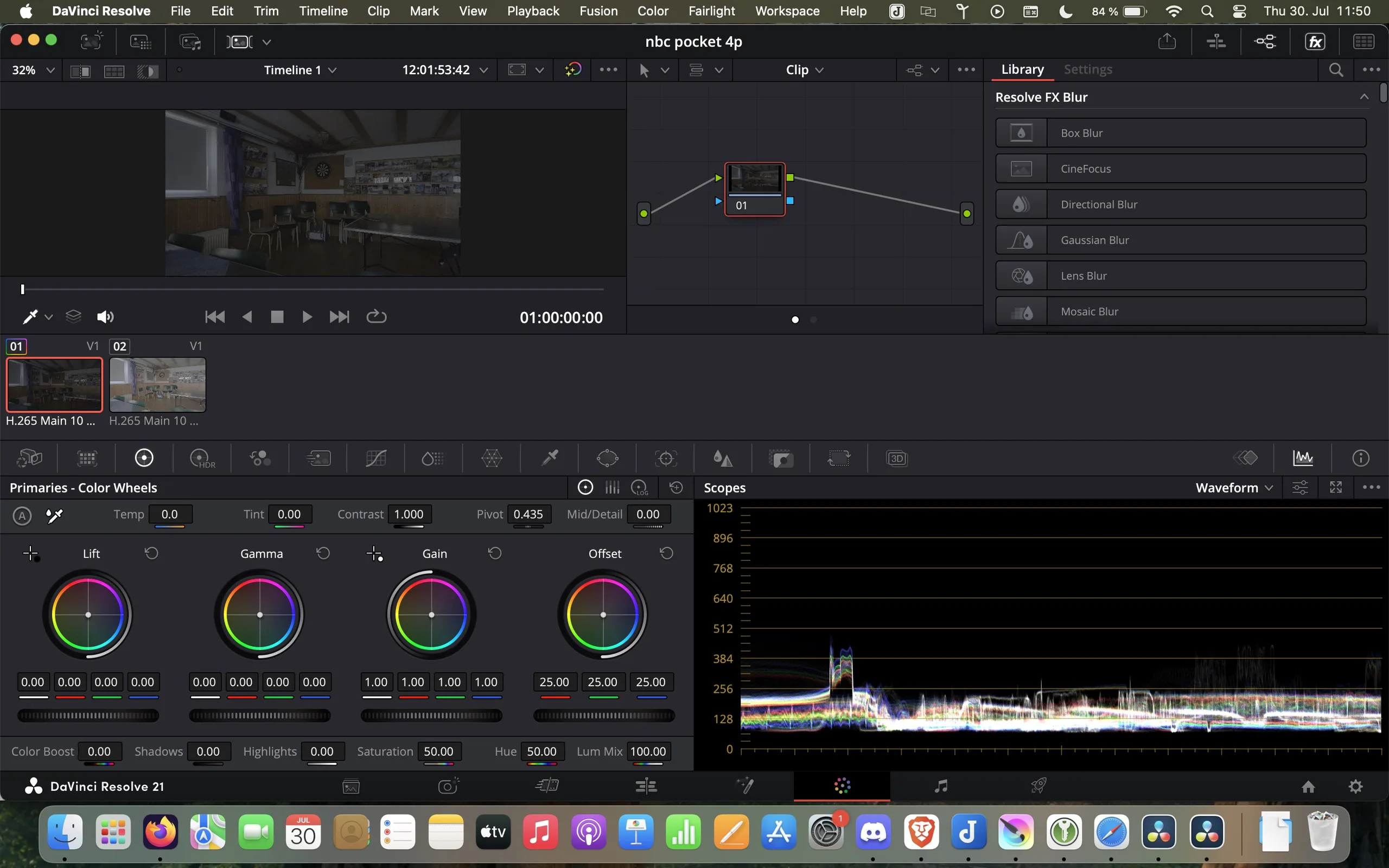
The improved D-Log 2 profile is designed to deliver up to 17 stops of dynamic range. Straight out of the camera, D-Log 2 footage appears noticeably darker than expected. This suggests that bright areas such as skies should benefit from improved highlight retention and be less prone to clipping. At the same time, it raises the question of whether the tonal curve has simply shifted, potentially causing darker areas to clip more easily.
Shortly before release, DJI provided me with a D-Log 2 LUT. However, since I'm not an experienced colorist, I found it difficult to grade the darker D-Log 2 footage properly. Because of that, I can't yet say exactly what advantages the new profile offers, and I'd rather avoid making an unfair image comparison.
Stabilization
When walking up stairs, the gimbal demonstrates just how effective DJI's stabilization has become. Even at the 3x focal length, footage remains smooth and largely free of noticeable jolts. Once higher zoom levels are used, however, camera movement becomes much more apparent.
Transparency
The selection of devices to be reviewed is made by our editorial team. The test sample was given to the author by the manufacturer free of charge for the purposes of review. There was no third-party influence on this review, nor did the manufacturer receive a copy of this review before publication. There was no obligation to publish this review. As an independent media company, Notebookcheck is not subjected to the authority of manufacturers, retailers or publishers.
 Add as a preferred source on Google


