




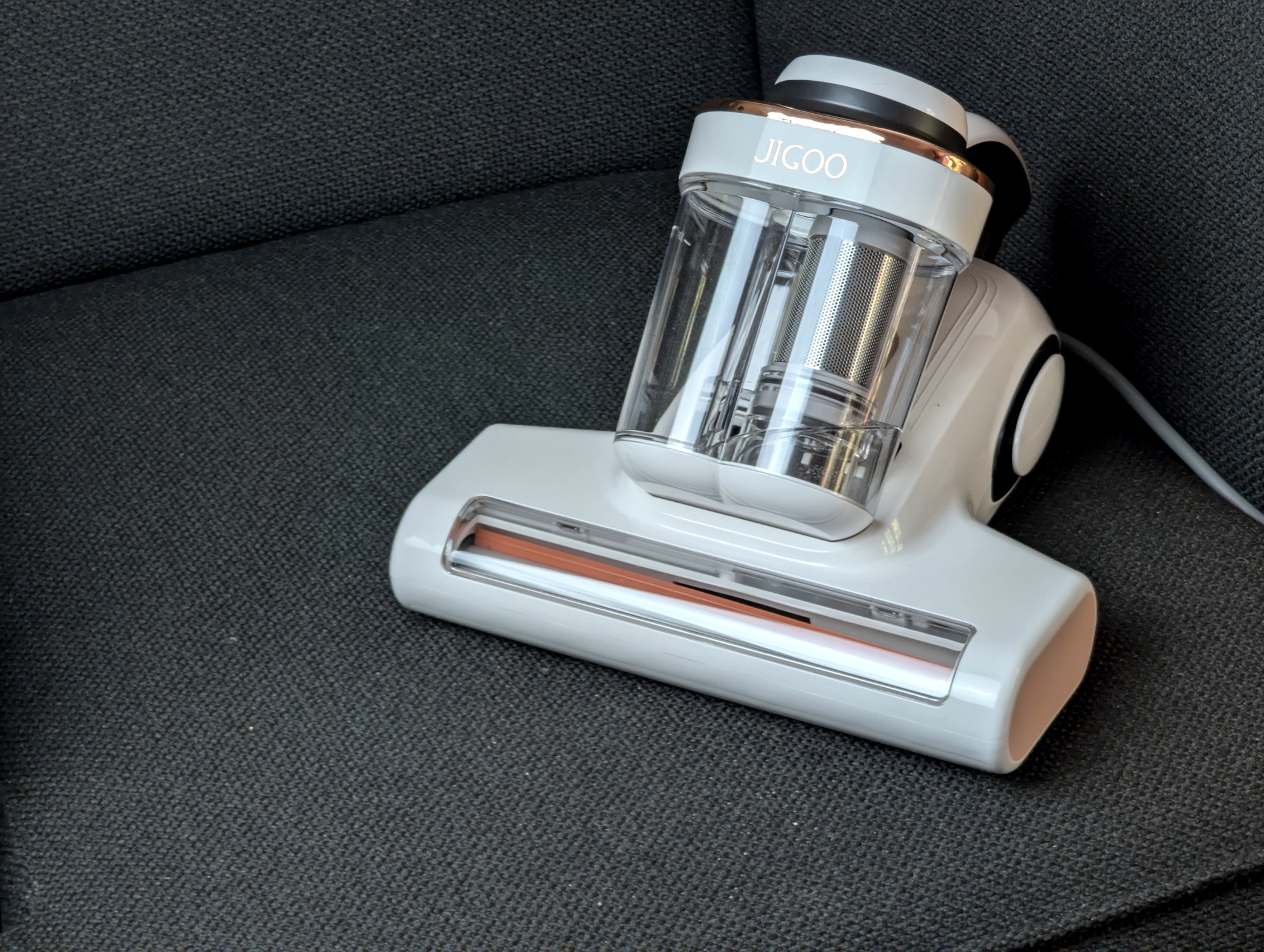
JIGOO J300 dust mite vacuum with dust mite sensor in practical test: Beating roller, UV light and heating function tackle dust mites
Mites out, some relief in?
The JIGOO J300 dust mite vacuum uses a beating roller, UV light, heating up to 55 °C and a mite sensor to remove allergens from mattresses, carpets and more. We put it to the test and show how it works. A person with a dust mite allergy takes part.Christian Hintze (translated by Christian Hintze) Published 🇩🇪 🇳🇱 ...
Test verdict - 3 techniques against dust mites
The JIGOO J300 uses UV light, a beating roller and a heating function to tackle dust mites and their waste. We cannot medically verify the promises. At least our one — and only — test participant with a dust mite allergy was very satisfied with the vacuum's results in our specific application, although the experience may be different for other people affected by dust mite allergies.
Beyond that, the J300 is very easy to use, and the long power cord makes it easy to reach virtually anywhere.
Treating large surfaces such as mattresses or even carpets can be quite time-consuming, however, especially if several surfaces are supposed to be treated two to three times a week. An intensive treatment naturally takes longer than regular vacuuming. The manual could be more detailed, particularly when it comes to exactly how the dust mite vacuum should be used.
Pros
Cons

Sneezing attacks, watery eyes, an itchy nose, eyes or throat, and in the worst cases even breathing difficulties: people with a dust mite allergy are exposed to the causes of these quality-of-life-reducing symptoms every single day. The most effective approach is to constantly clean all potential dust mite hotspots and wash them at high temperatures.
Washing mattresses is generally not an option, which is where mattress encasements — and potentially dust mite vacuums — can help. We have one such device in today's test, the JIGOO J300. Can it treat mattresses effectively enough to make them free of allergens? We're putting it to the test, with the help of a test subject who suffers from a dust mite allergy.
Disclaimer: This is not a medical study. We cannot establish proven medical efficacy with the means available to us. The statements made by one person with a dust mite allergy should be considered an individual account and cannot be applied to all dust mite allergy sufferers; everyone reacts differently.
Specifications - How does the dust mite vacuum work?
Ultimately, the J300 is a handheld vacuum cleaner, albeit one with a few special features. Most notably, there is a metal roller inside. It strikes the mattress at 12,000 revolutions per minute, stirring up allergy-triggering mite feces from inside the mattress so they can be immediately vacuumed up. The idea is to clean mattresses not only on the surface but also deeper inside.
The device also uses UV light and a heating technology. The latter can heat parts of the mattress to 55 °C, which is intended to kill mites and disinfect the mattress. However, 60 °C is normally recommended. The UV light also kills mites. You should avoid looking directly at the light, although it automatically switches off when the vacuum is lifted too far.
| Performance | 500 W (corded) |
| Features | 1. roller brush with 12,000 beats/min 2. UV light: kills 99.9% of dust mites 3. Heating system: heats up to 55°C in 5 seconds. |
| Noise level | 80 dB |
| Display | LED touchscreen: shows mite activity and cleaning status, 4 operating modes |
| Price | $80 |
The JIGOO J300 in use
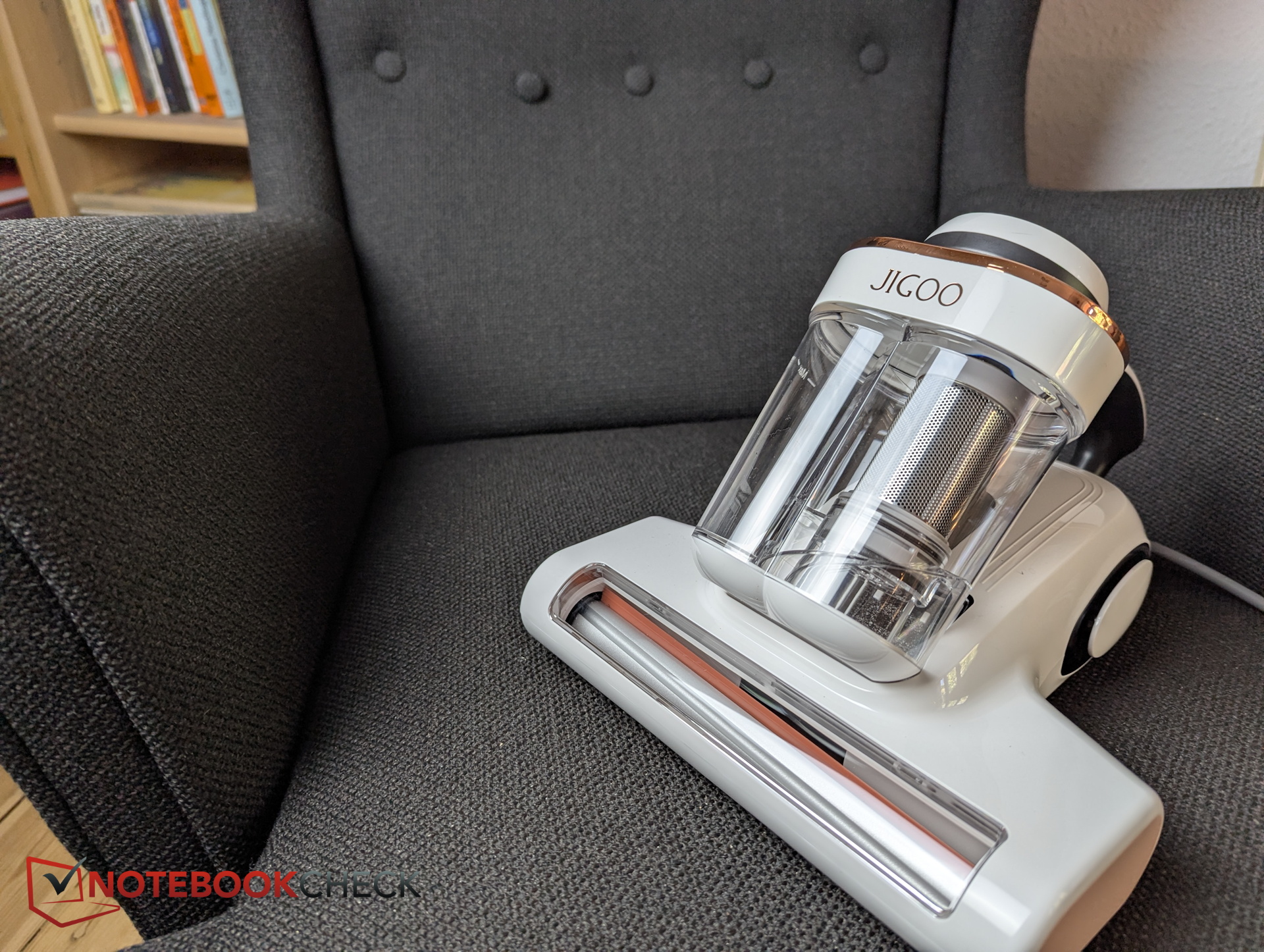
We tested the J300 on the seat of an older, dark-colored armchair. Mattresses and carpets are other potential applications.
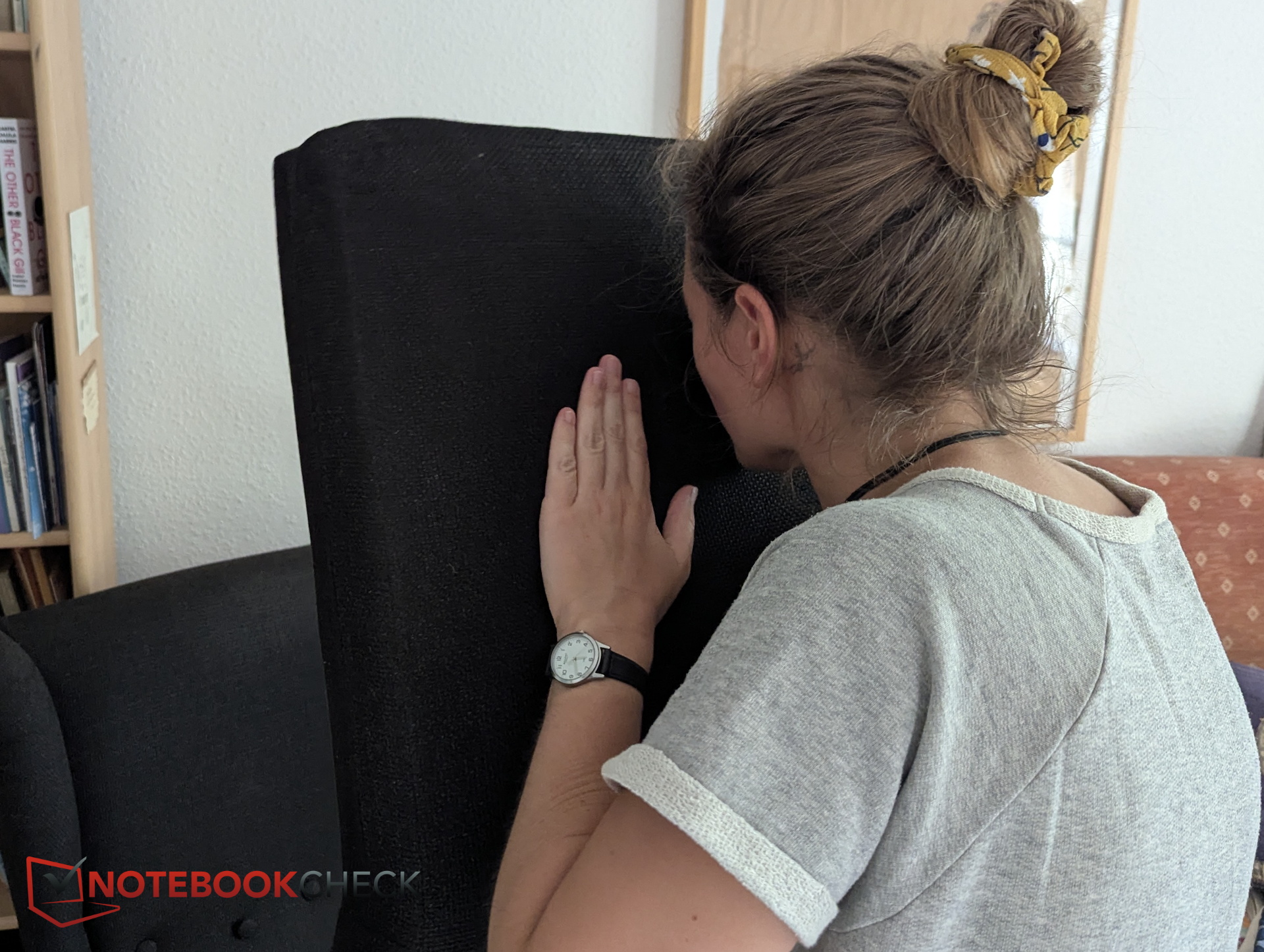
Beforehand, our volunteer test participant with a dust mite allergy took the seat cushion, held it in front of her nose, tapped on it and sniffed it. In less than 5 minutes, she was already hit by a severe sneezing fit that lasted for several minutes. The old armchair obviously contains a lot of allergens.
1. Application: Vacuuming dust mites takes longer than regular vacuuming
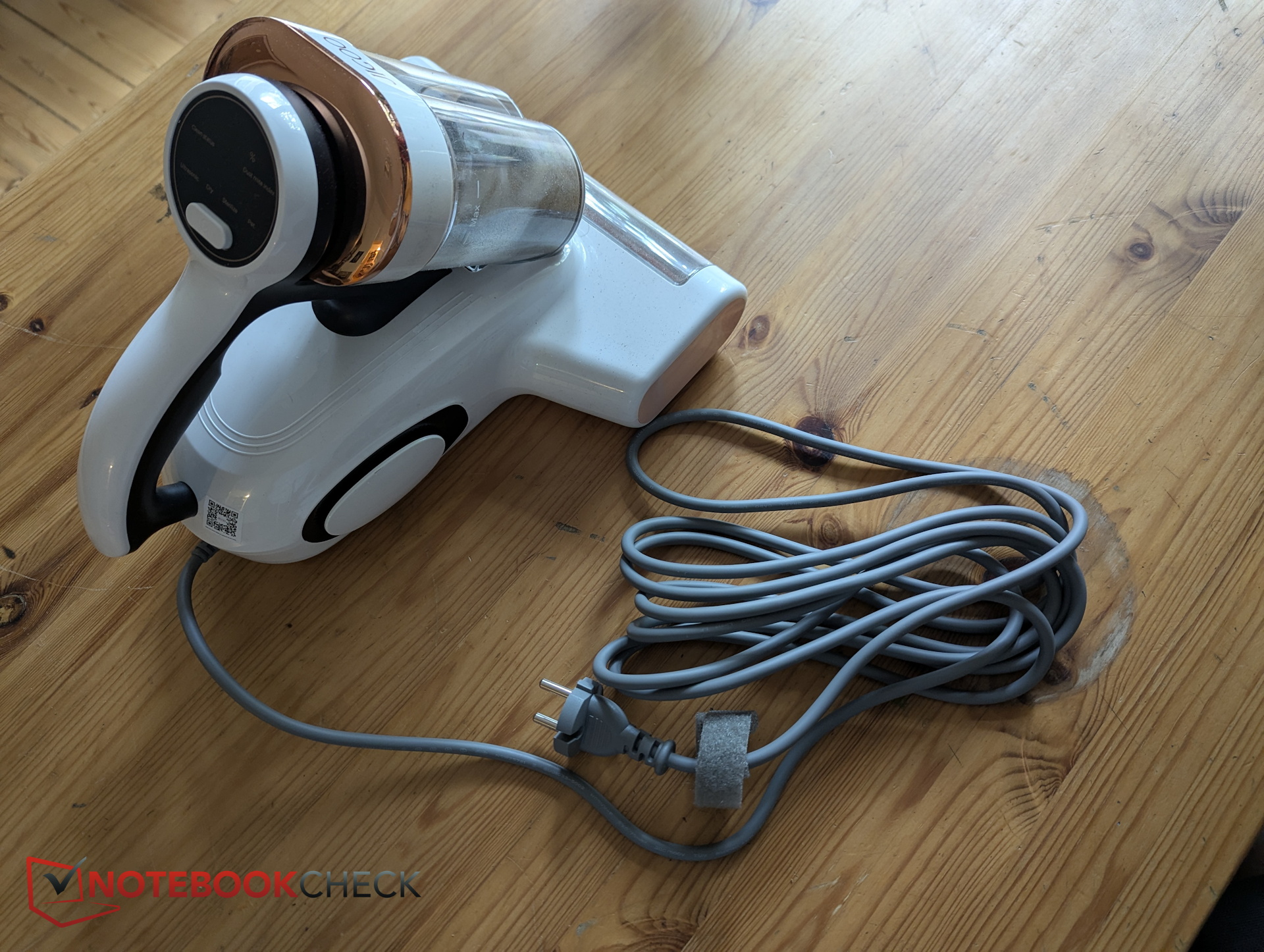
We now begin treating the armchair with the J300. We plug in the very long power cord, press the power switch and start vacuuming.
The operating noise is fairly loud, particularly because holding the device directly in your hands — without a vacuum wand or anything similar — puts your ears relatively close to the source of the noise. The suction performance itself seems rather mediocre to us; the vacuum failed to pick up some small hairs lying on a mattress encasement. But our primary concern is the mites and their waste.
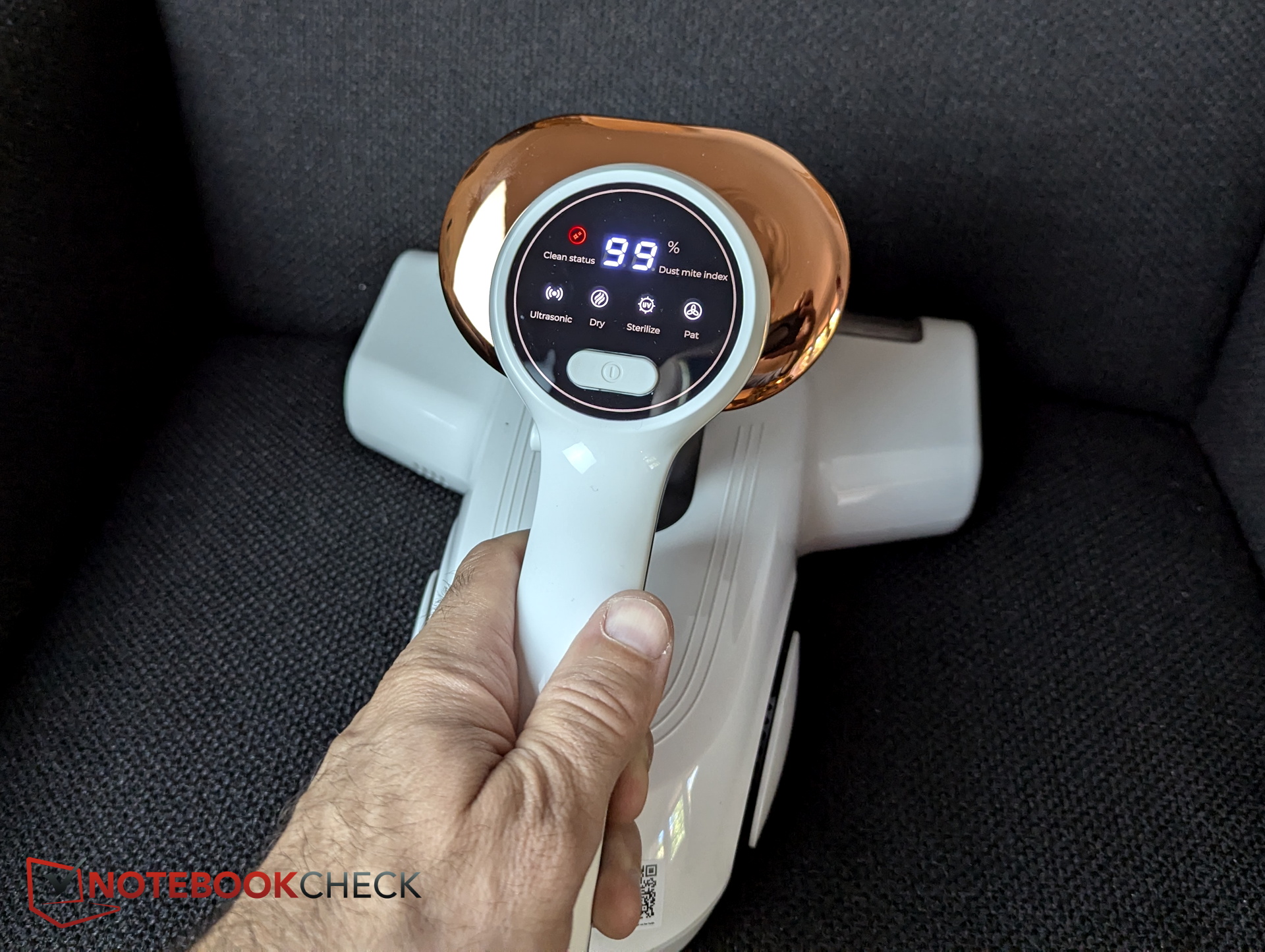
The display shows the supposed mite contamination level as a percentage. According to the manufacturer, the sensor measures the number of mite particles sucked in. How the sensor distinguishes mites from ordinary dust is unknown. At the start, the number is 99 percent, meaning the cushion is highly contaminated. If we leave the vacuum on one spot or move it over the area for a long time, the value drops; the roller beats almost imperceptibly, the vacuum sucks, and the UV light and heat disinfect the area. Of course, we cannot scientifically verify whether this actually reduces allergens.
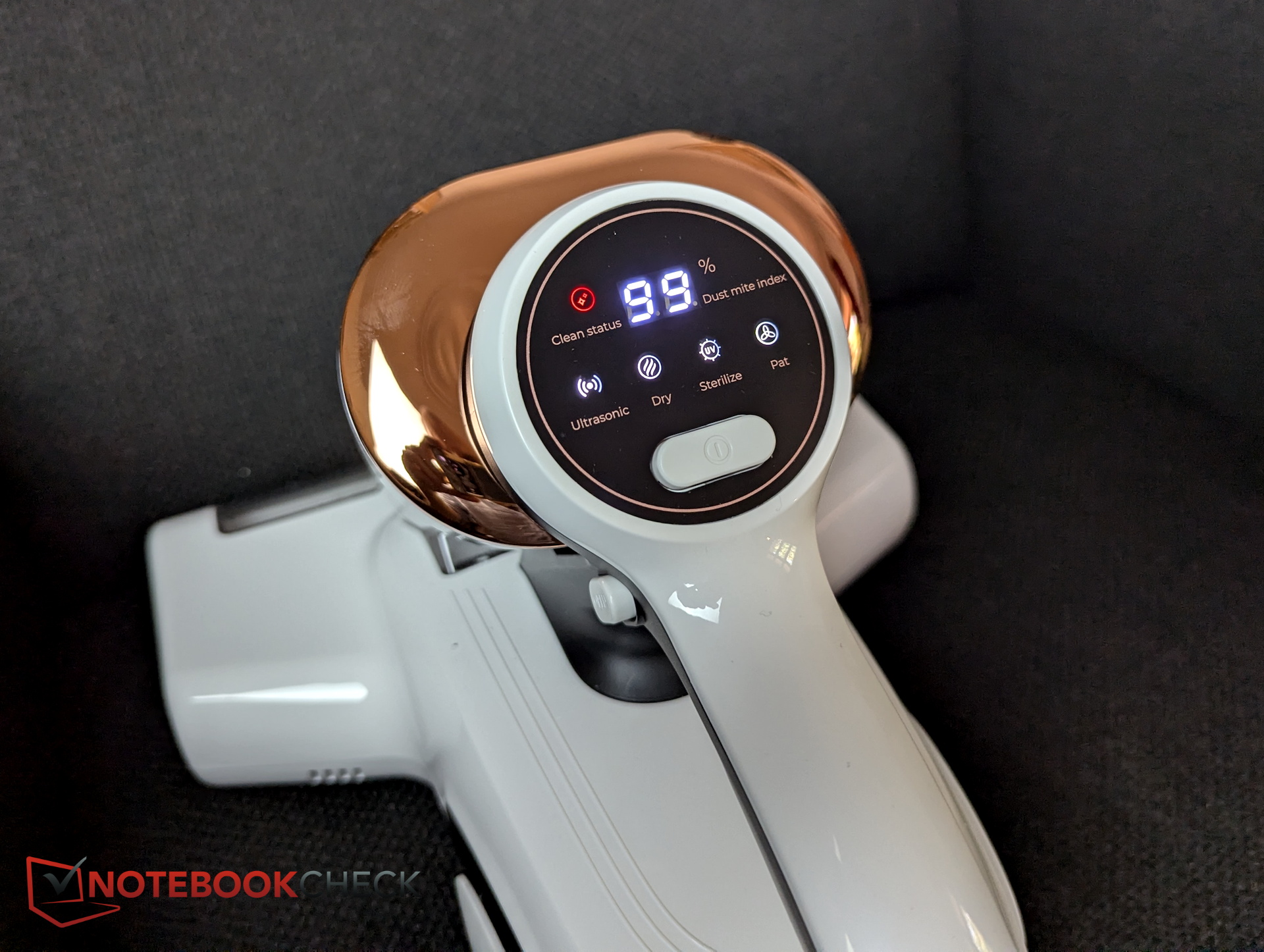
The manual does not make clear whether we should move the J300 back and forth like a normal vacuum cleaner (yes, according to the manufacturer when asked) or leave it in one spot until disinfection is complete before moving on to the next spot just beside it. Either way, the process is very time-consuming because during normal use, the value drops only very slowly as the device moves across the surface. After all, the area first has to be heated.
We also noticed that after treating other spots in the meantime, the display later sometimes returned to 99 percent at areas we had already disinfected. This creates uncertainty and raises doubts about the reliability of the system.
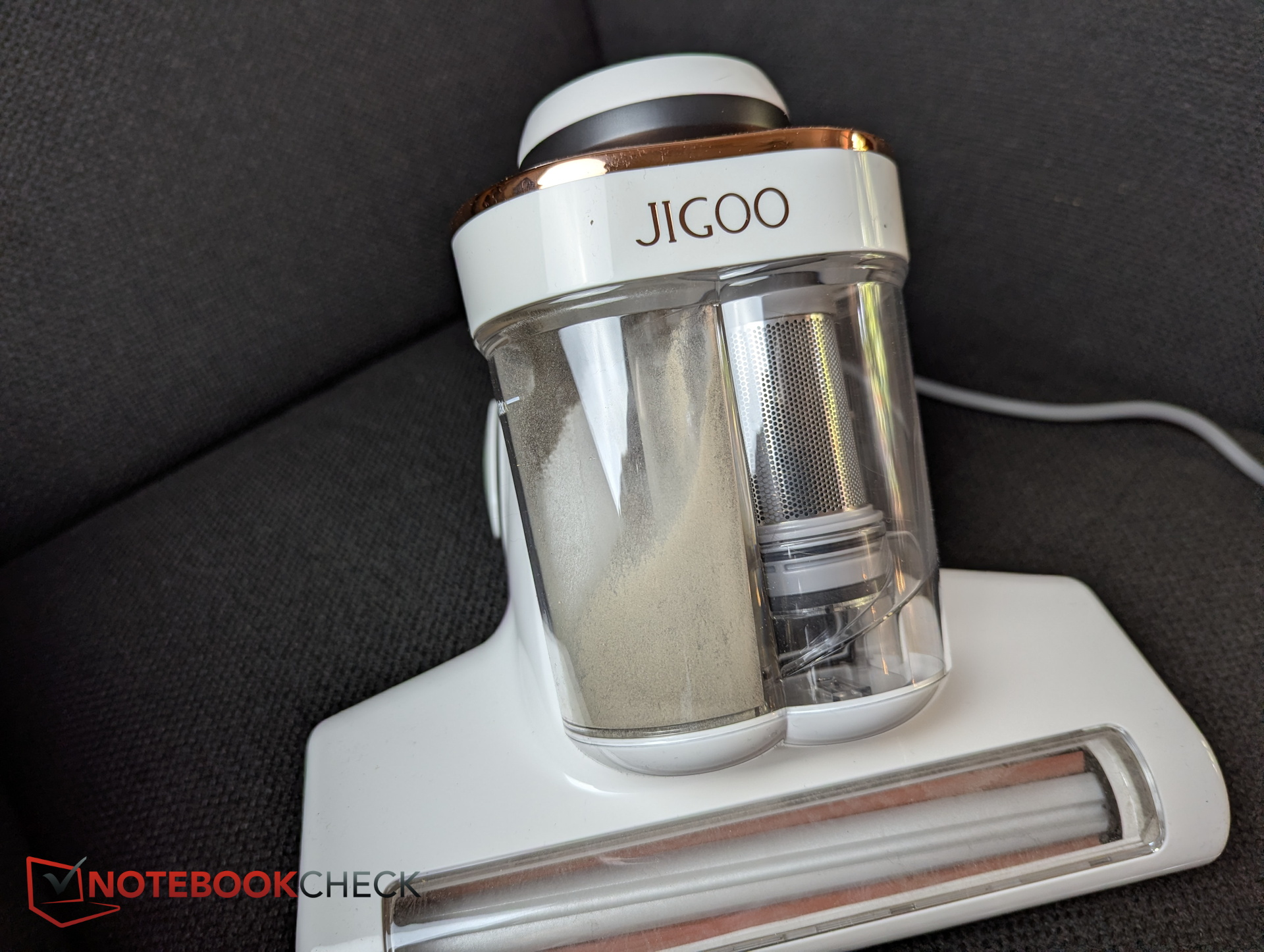
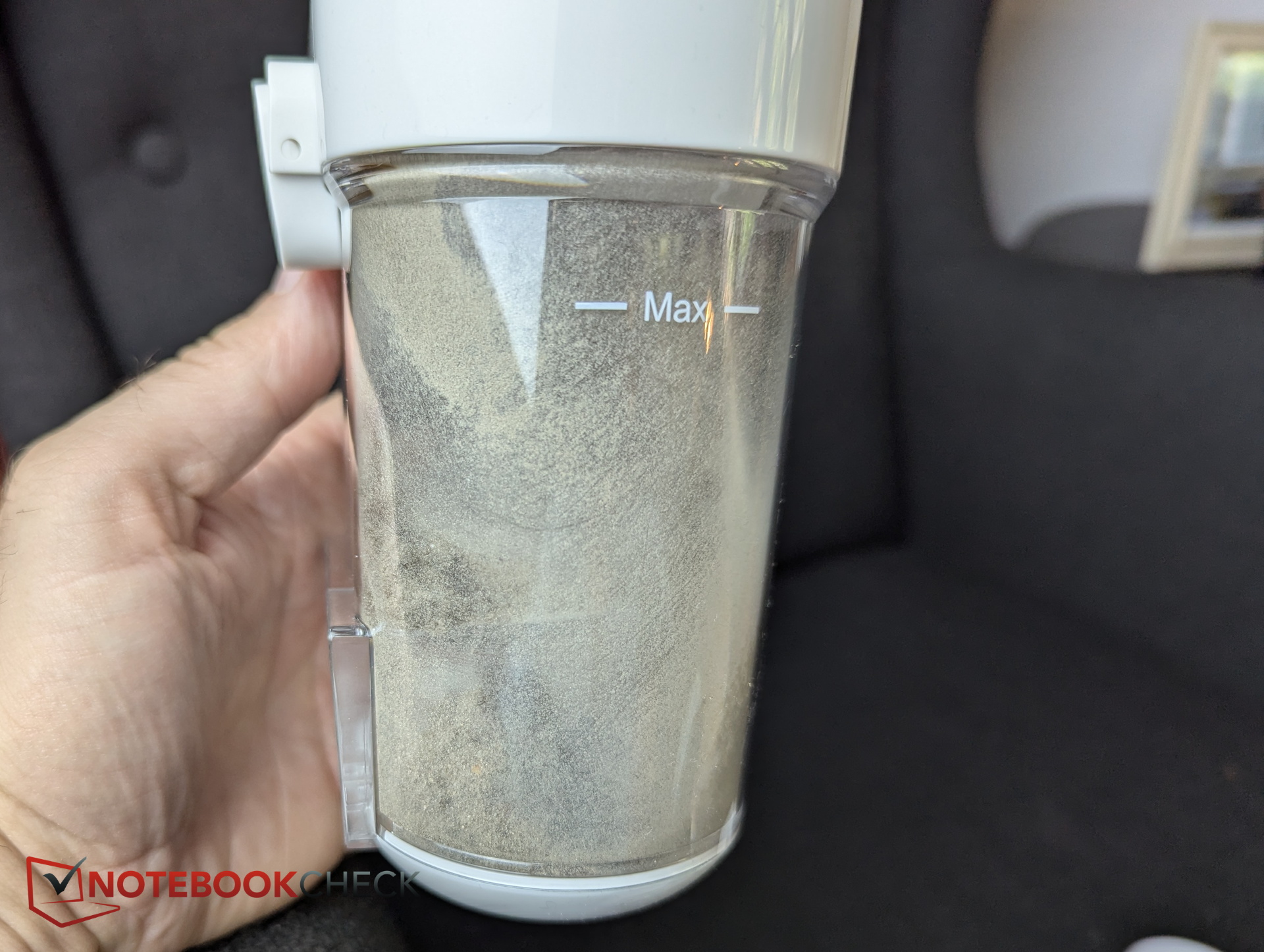
After around 12 to 15 minutes of intensive treatment of the relatively small sofa cushion, we switch off the vacuum. Treating an entire bed mattress will certainly take at least twice as long the first time. Only a small amount of tiny particles has accumulated in the dust container.
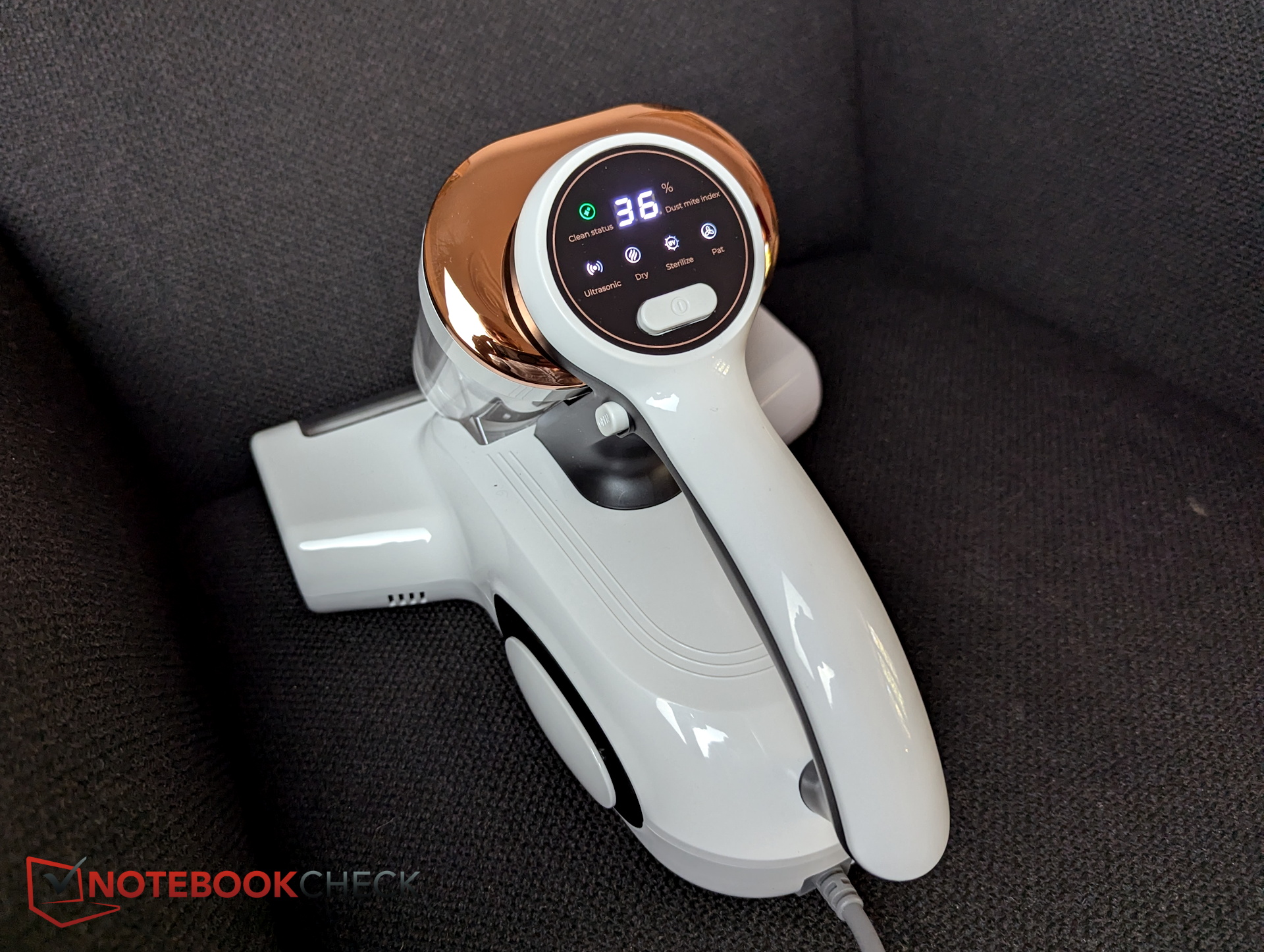
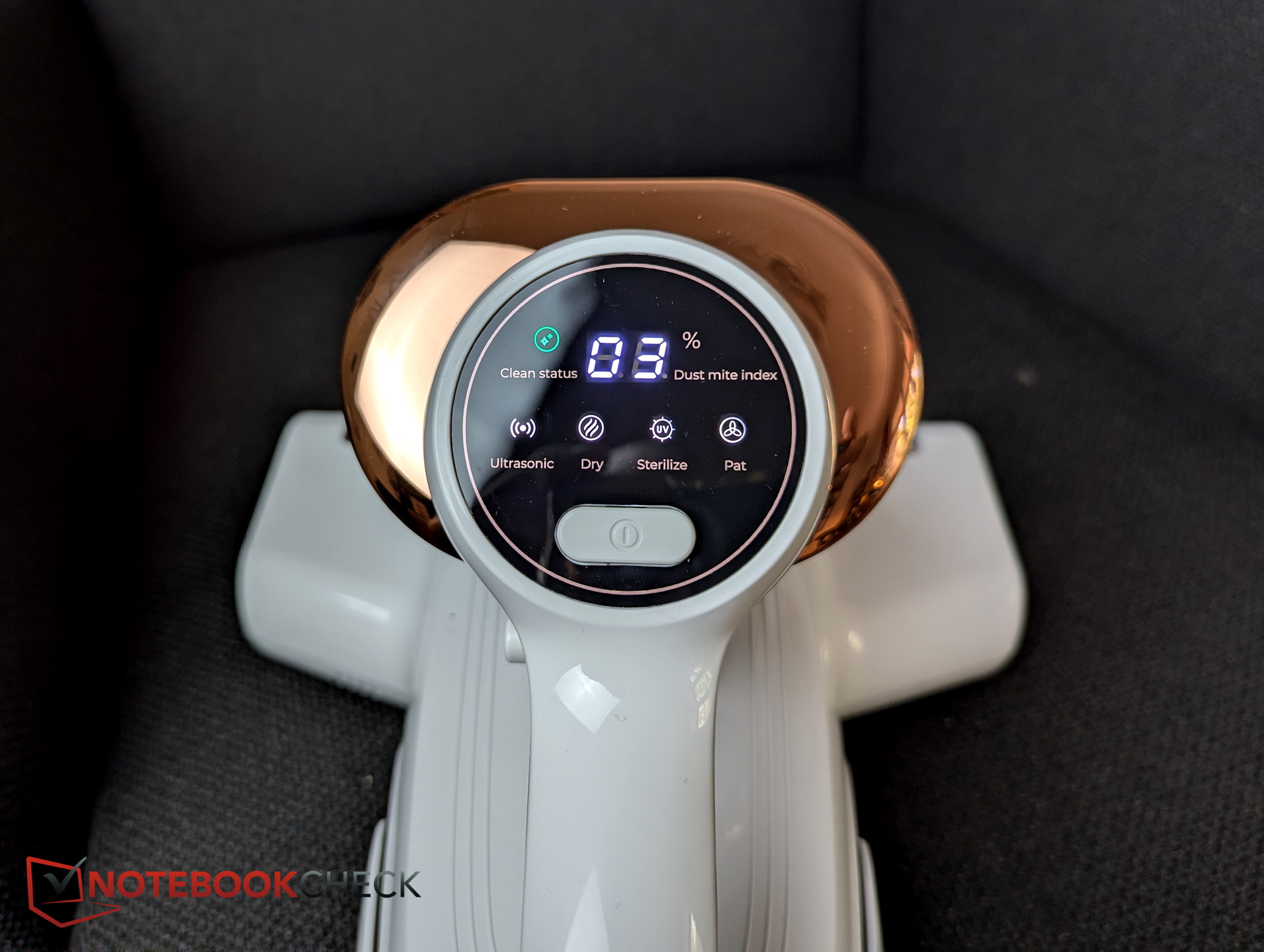
Our test participant performs the sniff test again. After about 5 minutes, she has to sneeze once and feels a tingling sensation in her nose, but there is no sneezing fit — a real improvement for her personally.
Initially, materials are supposed to be vacuumed with the J300 two to three times per week; later, once-weekly treatment should be sufficient.
2. Application two days later: Treatment time decreases
Two days later, we run the J300 over the same seat cushion again. It immediately becomes apparent that the display does not always jump back to 99 percent but instead already rates most of the surface as being in good condition.
We vacuum again, this time for only about 8 to 10 minutes, precisely because the surface is already recognized as cleaner. It simply takes less time to bring the display back into a favorable range.
Then comes the personal, non-generalizable sniff test: This time, our test participant does not react at all. There is no sneezing — very good.
Cleaning the J300: Dust container and filter are washable
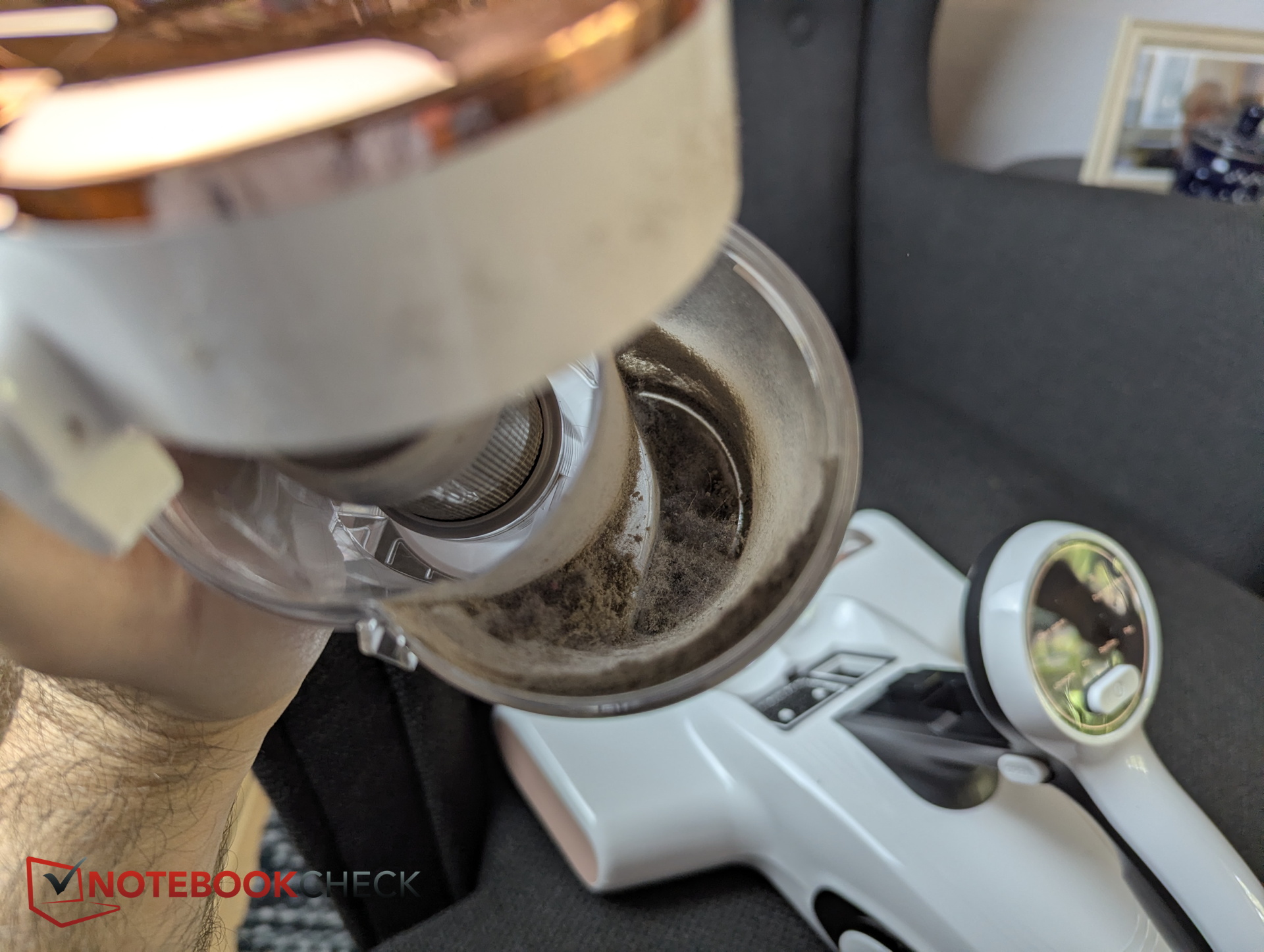
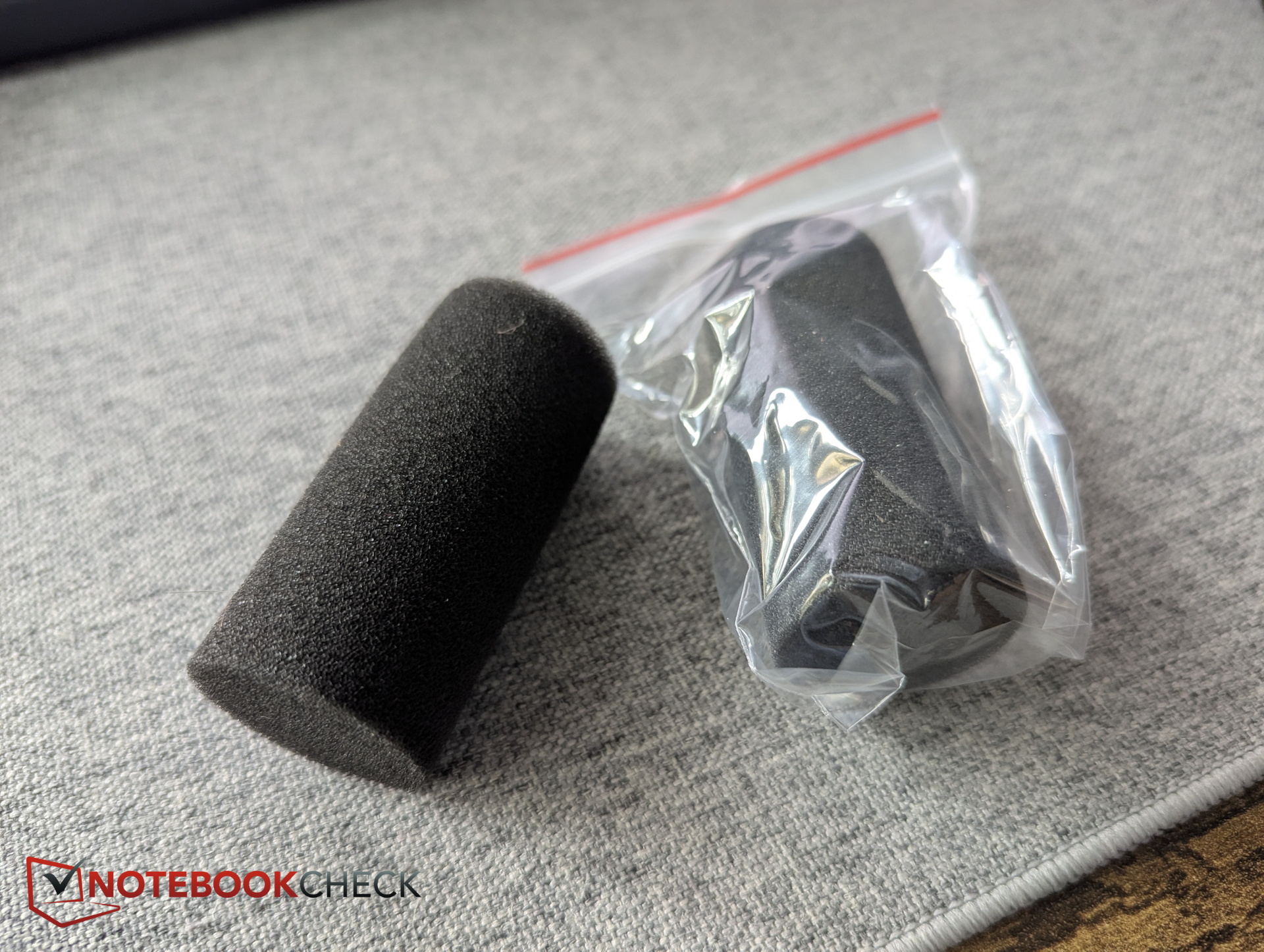
The particles sucked up by the vacuum collect in the dust container. It can be removed from the J300, emptied, and washed. The sponge-like filter should also be washed regularly. JIGOO includes two additional cylindrical black filter sponges as replacements.
Looking for even more power?
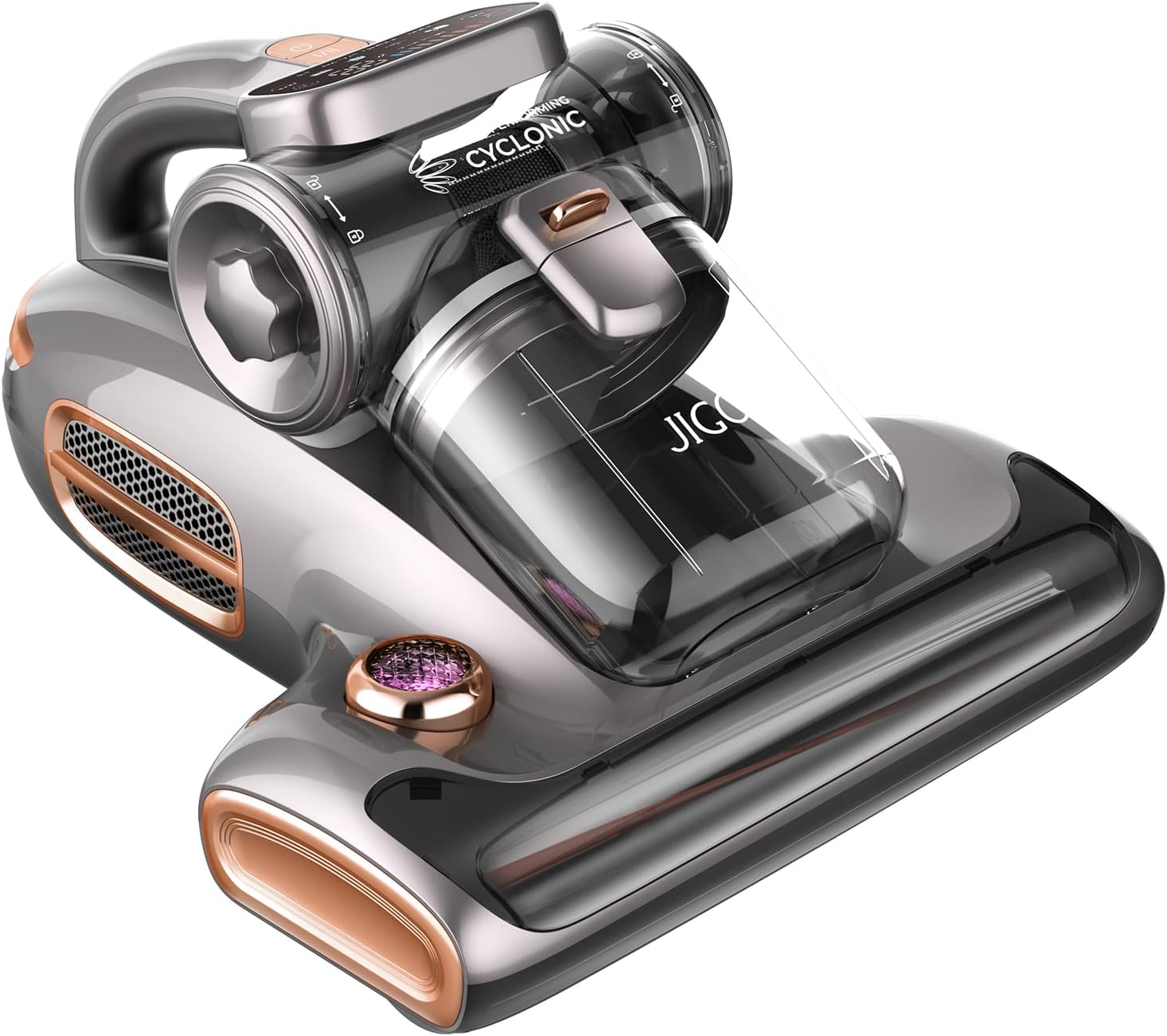
With the T600, JIGOO offers another dust mite vacuum cleaner that delivers even more power. Featuring 700 W and 15 kPa - combined with UV light and 60°C hot-air disinfection - the JIGOO T600 eliminates 99.9% of dust mites, even from deep within mattresses up to 15 cm thick.
The JIGOO T600 is also ideal for use on carpets, sofas, upholstered furniture, bedding, stuffed animals, and more. Additionally, its built-in aroma diffuser releases soothing lavender or eucalyptus scents and emits negative ions that neutralize airborne pollutants and odors. Discover it now on Amazon!
Transparency
The selection of devices to be reviewed is made by our editorial team. The test sample was given to the author by the manufacturer free of charge for the purposes of review. There was no third-party influence on this review, nor did the manufacturer receive a copy of this review before publication. There was no obligation to publish this review. As an independent media company, Notebookcheck is not subjected to the authority of manufacturers, retailers or publishers.
 Add as a preferred source on Google


