




Insta360 Luna Ultra review: Stellar pocket camera with a few caveats
A solid alternative to DJI’s Osmo Pocket 4/4P.
The Luna Ultra is Insta360’s first gimbal camera that features a dual-lens design and a detachable screen. The gimbal camera offers versatile shooting modes with Leica and film effects. We tested it to see how well it works.Abhinav Fating Published 🇳🇱 🇫🇷 ...
Insta360 Luna Ultra: A versatile pocket camera for creators
The Insta360 Luna Ultra is a powerful, feature-rich, and versatile dual-lens pocket camera that stands out as a compelling alternative to DJI's long-dominated Osmo Pocket series. The handheld camera has a lot to offer, from the dual Leica lens setup, a detachable OLED remote control screen, 47 GB of built-in storage, and up to 12x zoom to reliable battery life, the ability to capture 8K/30 fps footage, Dolby Vision, and Insta360 I-Log color profile support.
It’s hard to believe the Luna Ultra is Insta360’s first attempt. The camera feels like a polished product that does its intended job reliably. The video quality is great, video stabilization is fantastic, battery life is good, the low-light performance is surprisingly impressive, there's built-in support for a wireless mic system, and the addition of built-in storage removes the hassle of relying on a microSD card.
The handheld camera isn’t perfect; there are a few quibbles, such as autofocus issues, relatively short battery life of the detachable remote, and lack of motion lapse capability. Even so, those shortcomings are overshadowed by the Luna Ultra’s fantastic features and excellent video quality.
Price and Availability
Available in cosmic black and stellar white, the Insta360 Luna Ultra standard bundle is priced at $769.99. Interested buyers can now purchase the pocket camera directly from Insta360’s official store and Amazon.
Indeed, the price of the handheld camera is on the higher side compared to the latest single-lens models, such as the DJI Osmo Pocket 4, but you are truly getting two cameras in one device. Insta360 sent me the Luna Ultra Creator Combo to review, which includes multiple accessories such as a protective cover, a thread handle, a USB-C cable, an Insta360 Mic Pro transmitter, a windshield, a battery handle, a wide-angle lens, and a carry bag. As for price, it costs around $969.99.
Pros
Cons
Specifications
| Insta360 Luna Ultra specs | |
|---|---|
| Sensors | 1-inch main and 1/1.3-inch telephoto |
| Sensor Resolution | 37 MP |
| Sensor Type | CMOS |
| Lenses | 20 mm f/1.8 and 60 mm f/2.0 |
| Video | 8K/30 fps, 4K/120 fps, 1080p/240 fps |
| Photo | 9 MP JPEG and RAW / 37 MP UltraPhoto mode |
| Display | 2-inch detachable OLED screen |
| Battery | 1,550 mAh non-removable |
| Memory | 47 GB built-in storage, expandable up to 1 TB |
| Stabilization | Gimbal |
| Connectivity | Wi-Fi, Bluetooth, USB-C |
| Dimensions | 2.1 x 6.7 x 1.5 inches (52.4 x 169.9 x 38.5 mm) |
| Weight | 8.3 oz (235 grams) |
| Color | Cosmic Black and Steallar White |
| Price | $799 |
Design and build quality
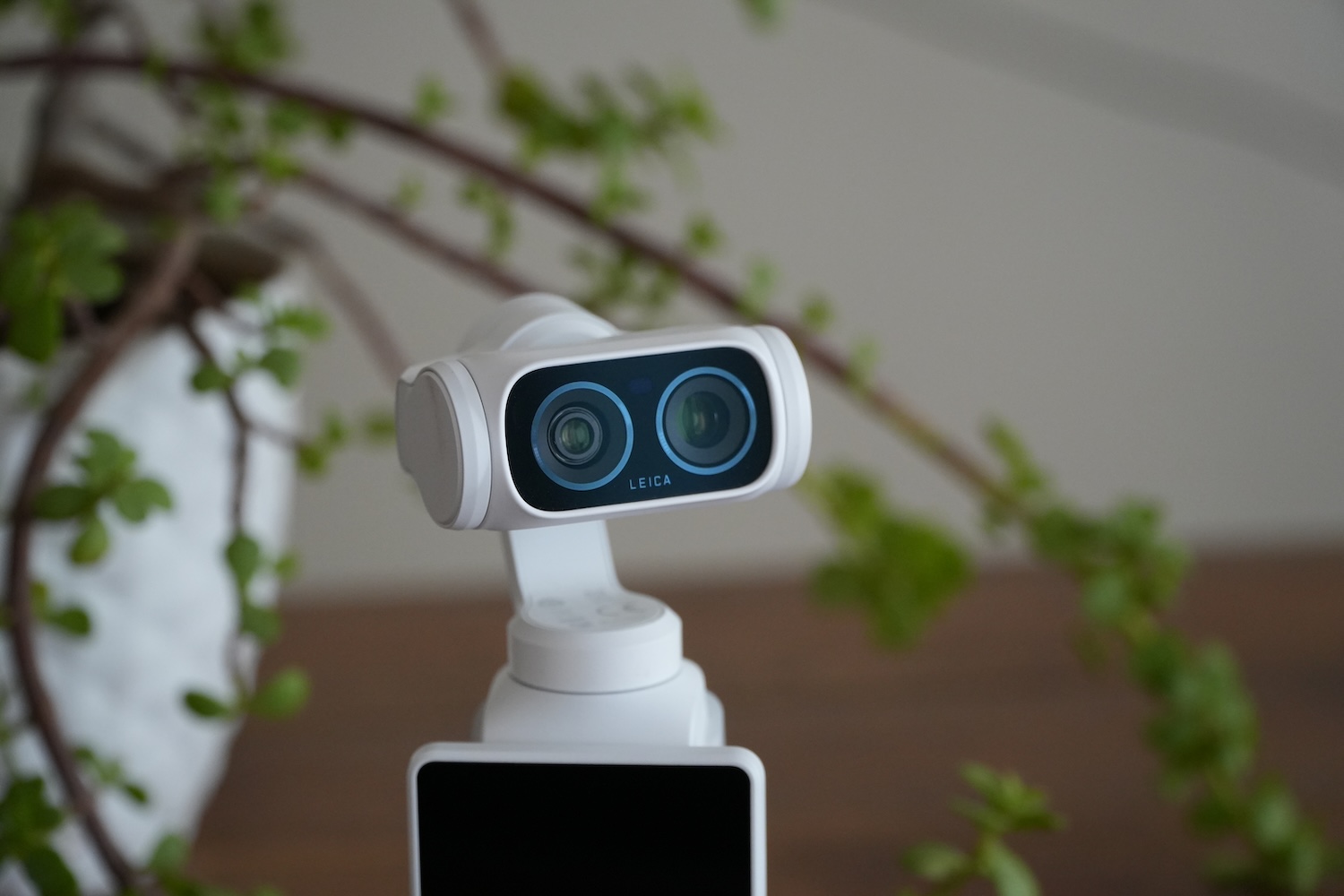
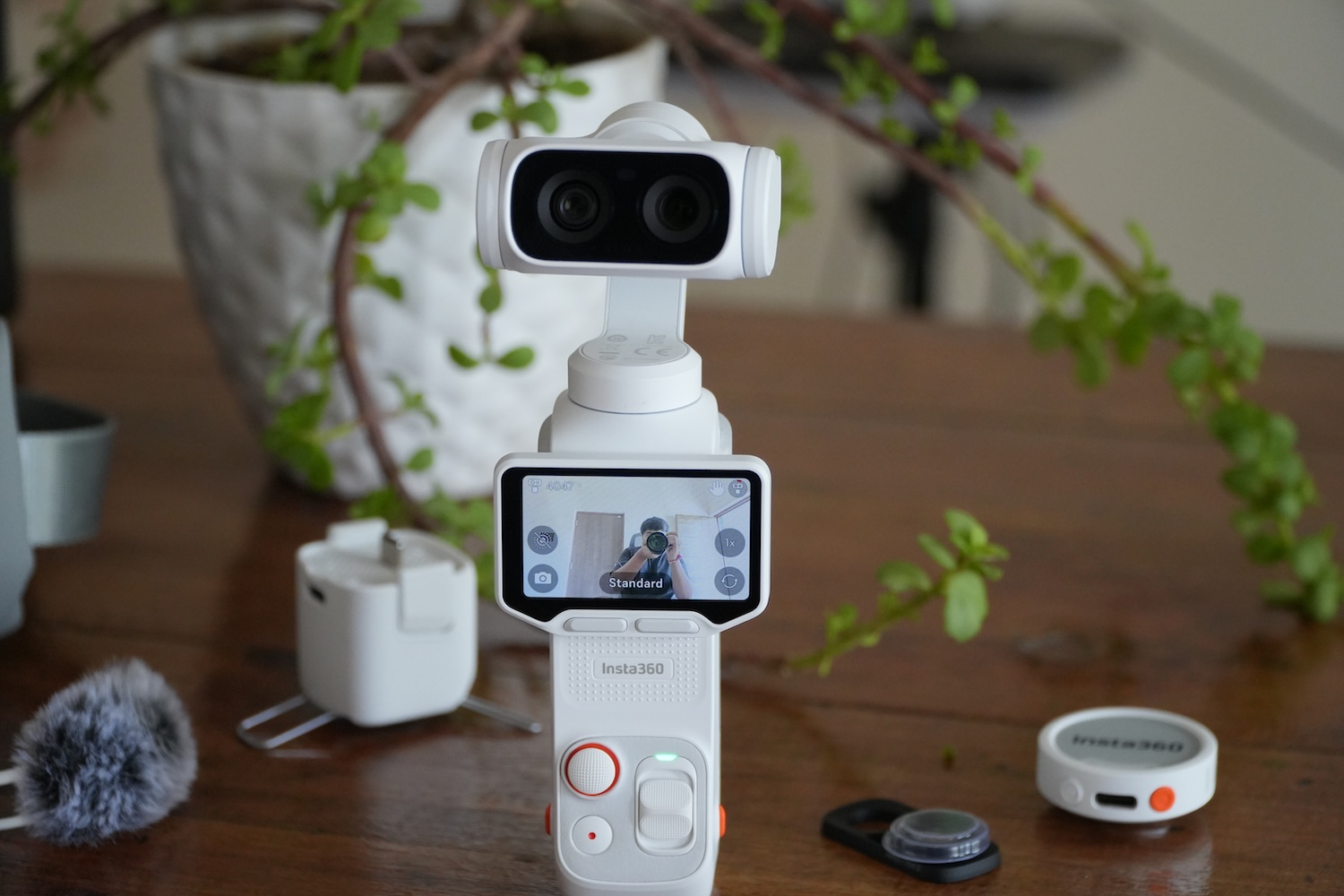
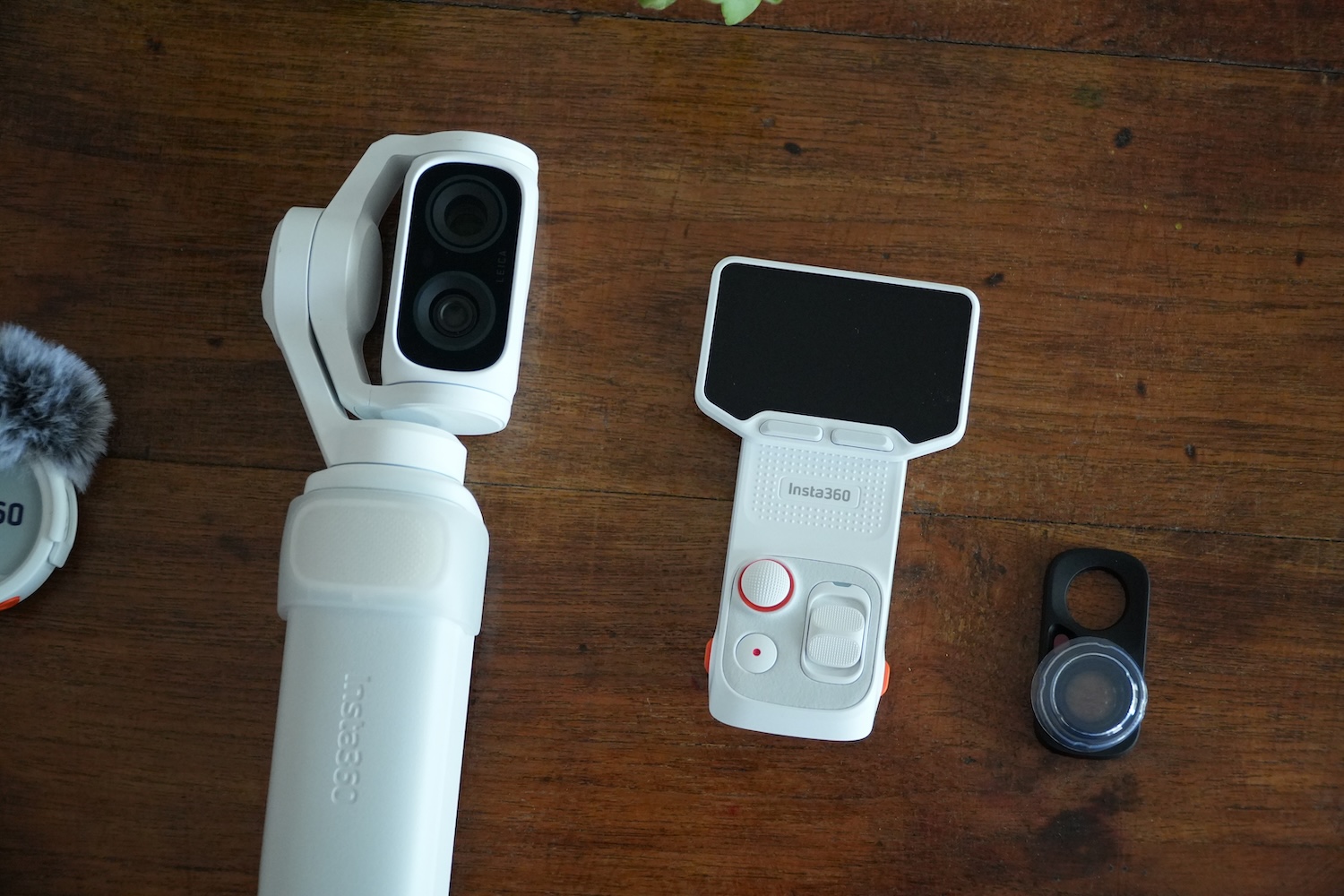
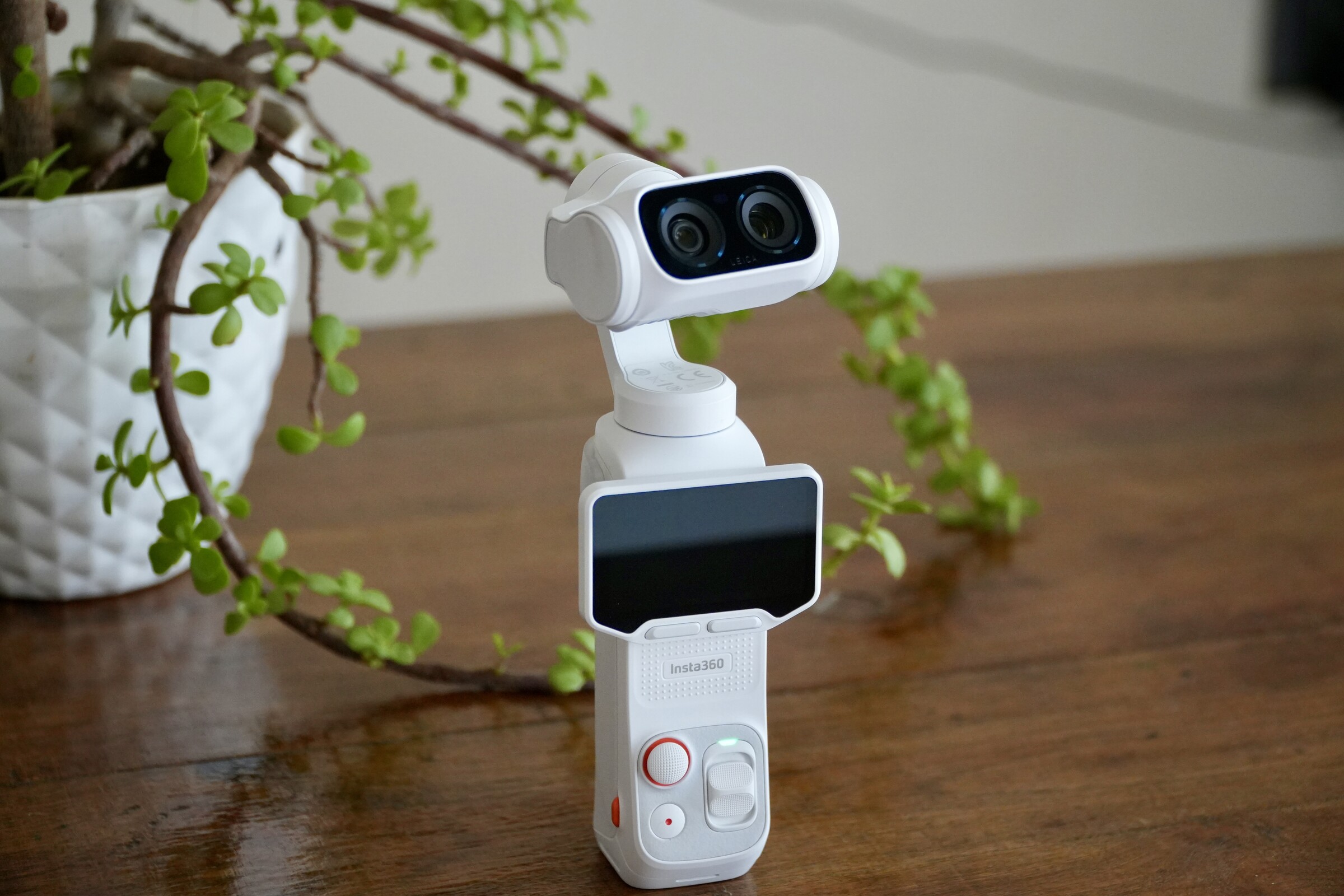
The Insta360 Luna Ultra looks quite fresh and bold in a stellar white colorway. Despite boasting a dual-lens design, the pocket camera doesn’t feel bulky or heavy in hand. At just 233 grams (0.51 lbs), it almost equals the iPhone 17 Pro Max, but it’s more than 20% heavier than DJI’s Osmo Pocket 4. However, it doesn’t make any sense to compare it with the single-lens pocket camera, since its main rival is the DJI Osmo Pocket 4P and the Xtra Muse 2 Pro, which are yet to be released in the market. Insta360 keeps the design of the Luna Ultra quite simple. The baton-style body is paired with a three-axis gimbal head, which helps keep the camera steady and stable while shooting on the go. Its dual Leica Summicron camera setup instantly reminds me of WALL-E.
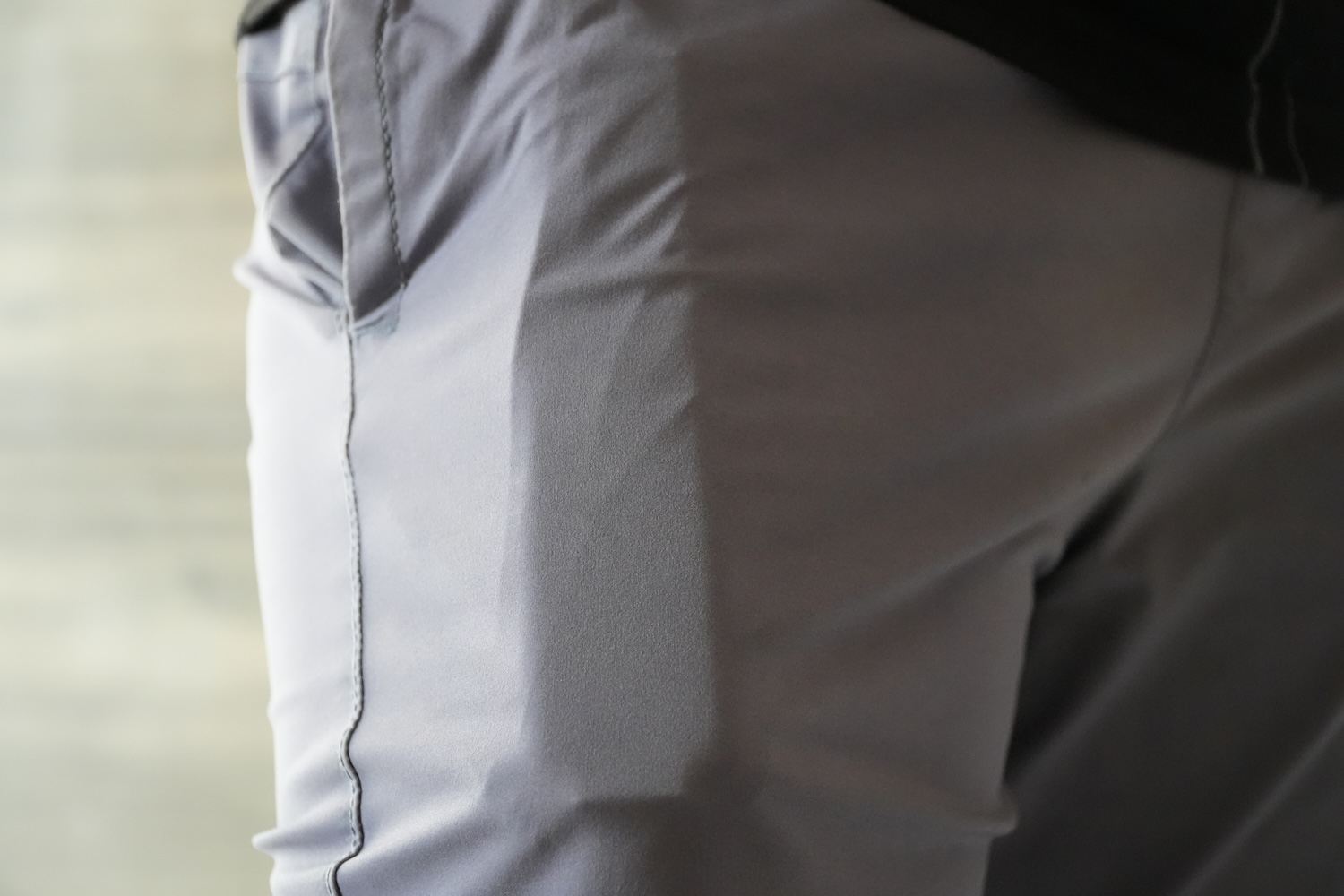
Speaking of dimensions, it measures 6.7 x 2 x 1.5 inches (170.18 x 50.8 x 38.1 mm). Considering its dimensions, the camera remains relatively compact. Plus, it easily fits in my shorts’ pocket even when I put on the supplied clip-on case. Though it's unlikely to fit in the jeans pocket since it’s more on the compact side.
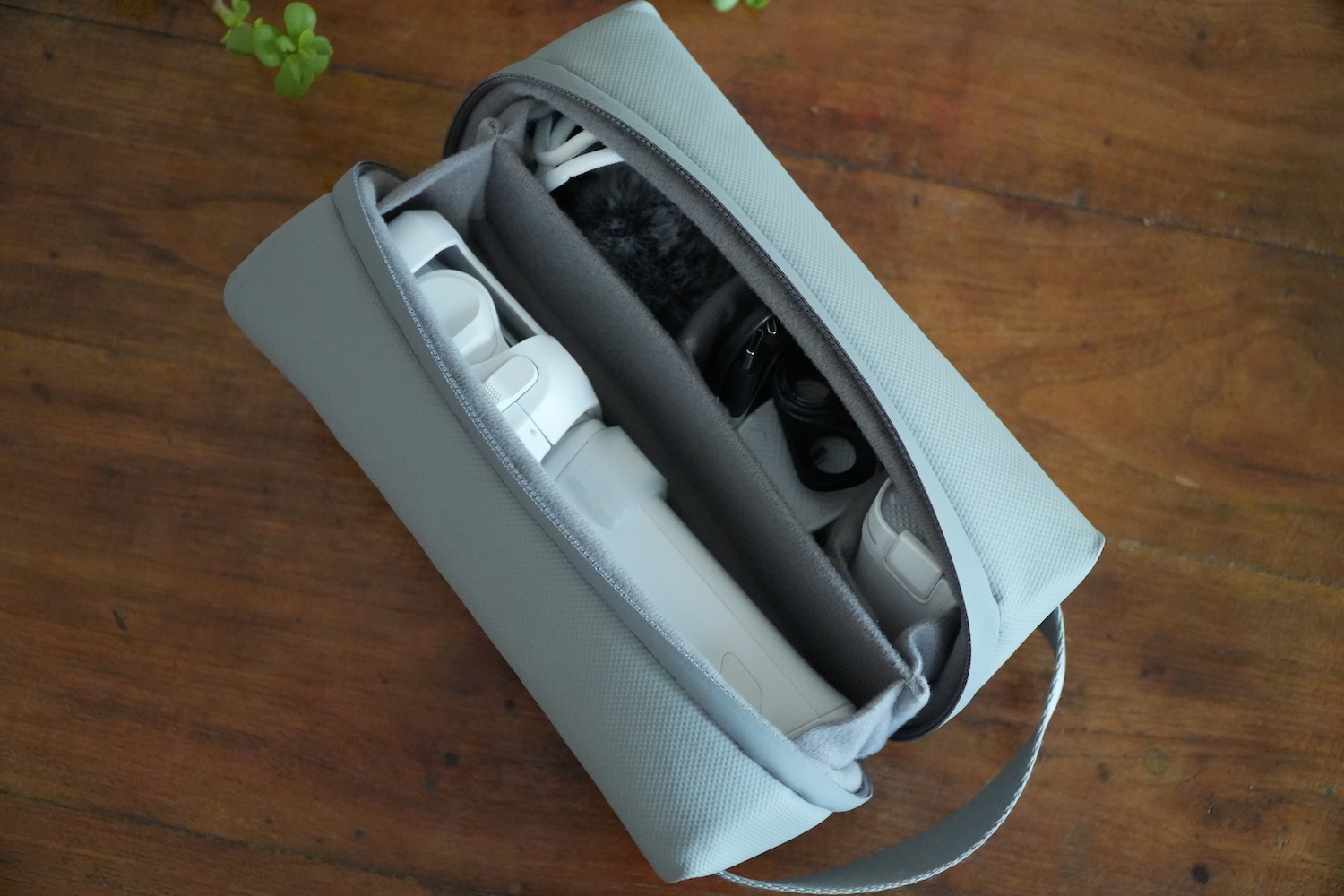
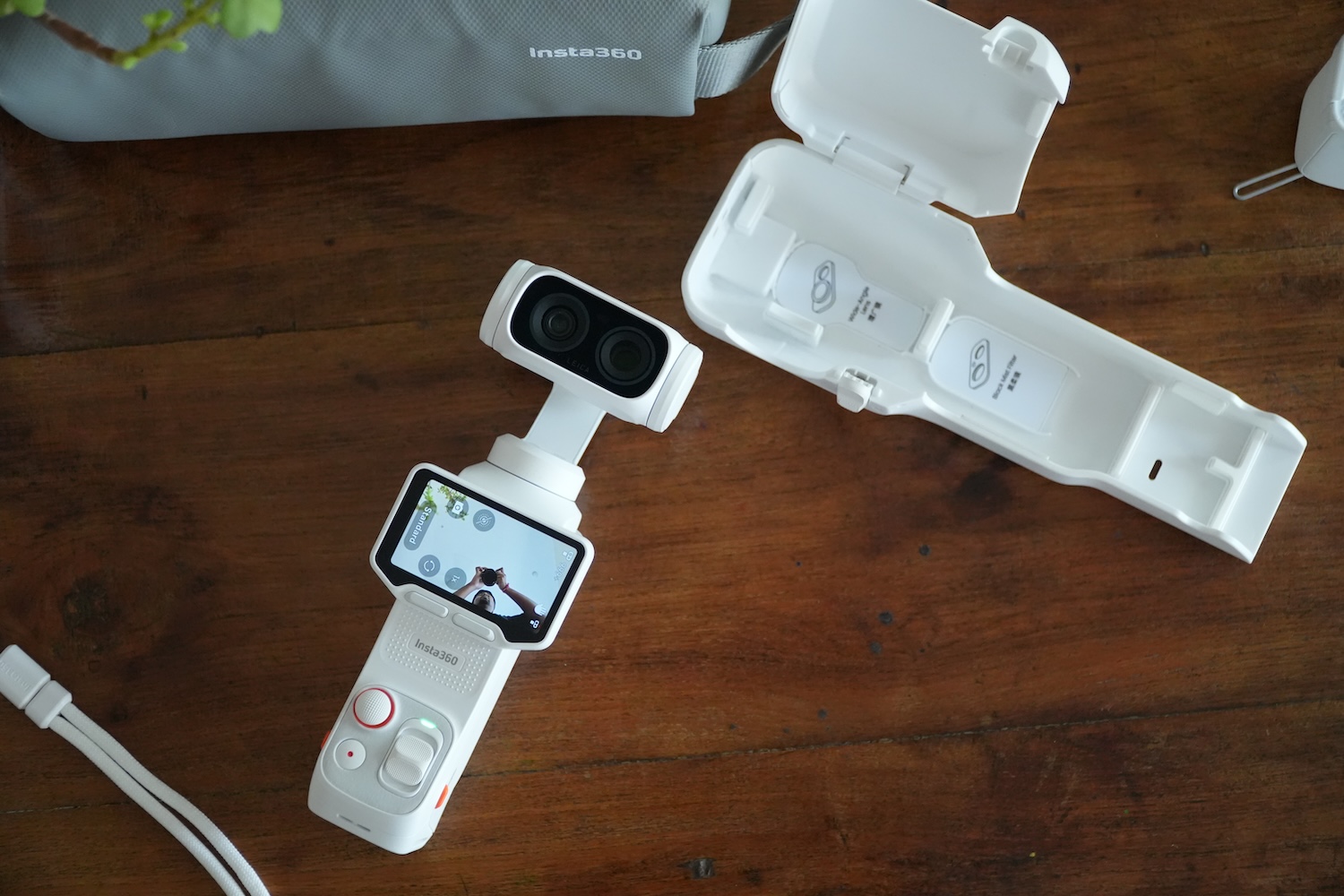
I really liked the case’s smart design, which not only holds the camera perfectly but also secures with a simple plastic latch and the open bottom design allows you to attach an extra battery handle without any issues whatsoever. Insta360 has also included two slots inside the case to hold a black mist filter and a wide-angle conversion lens.
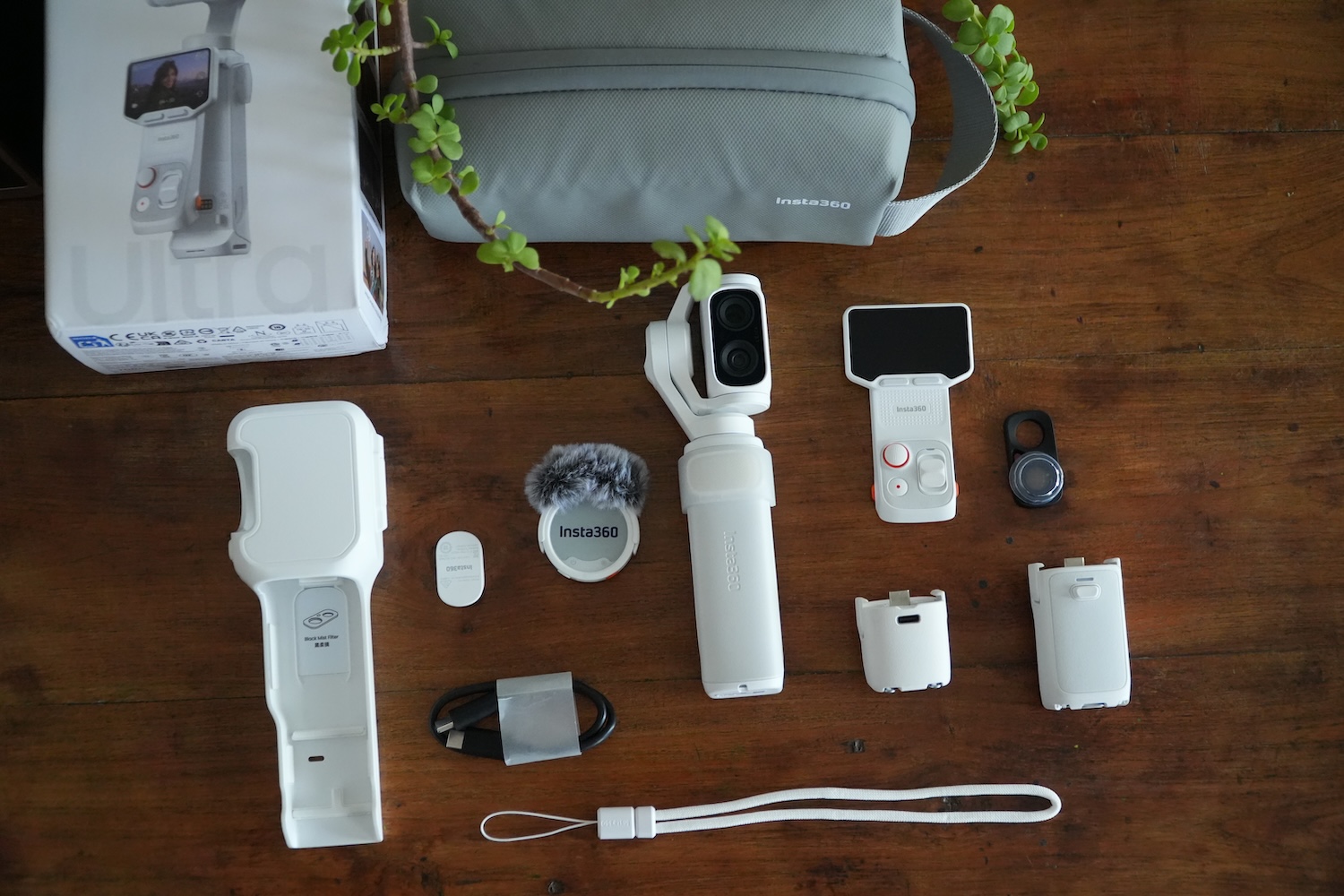
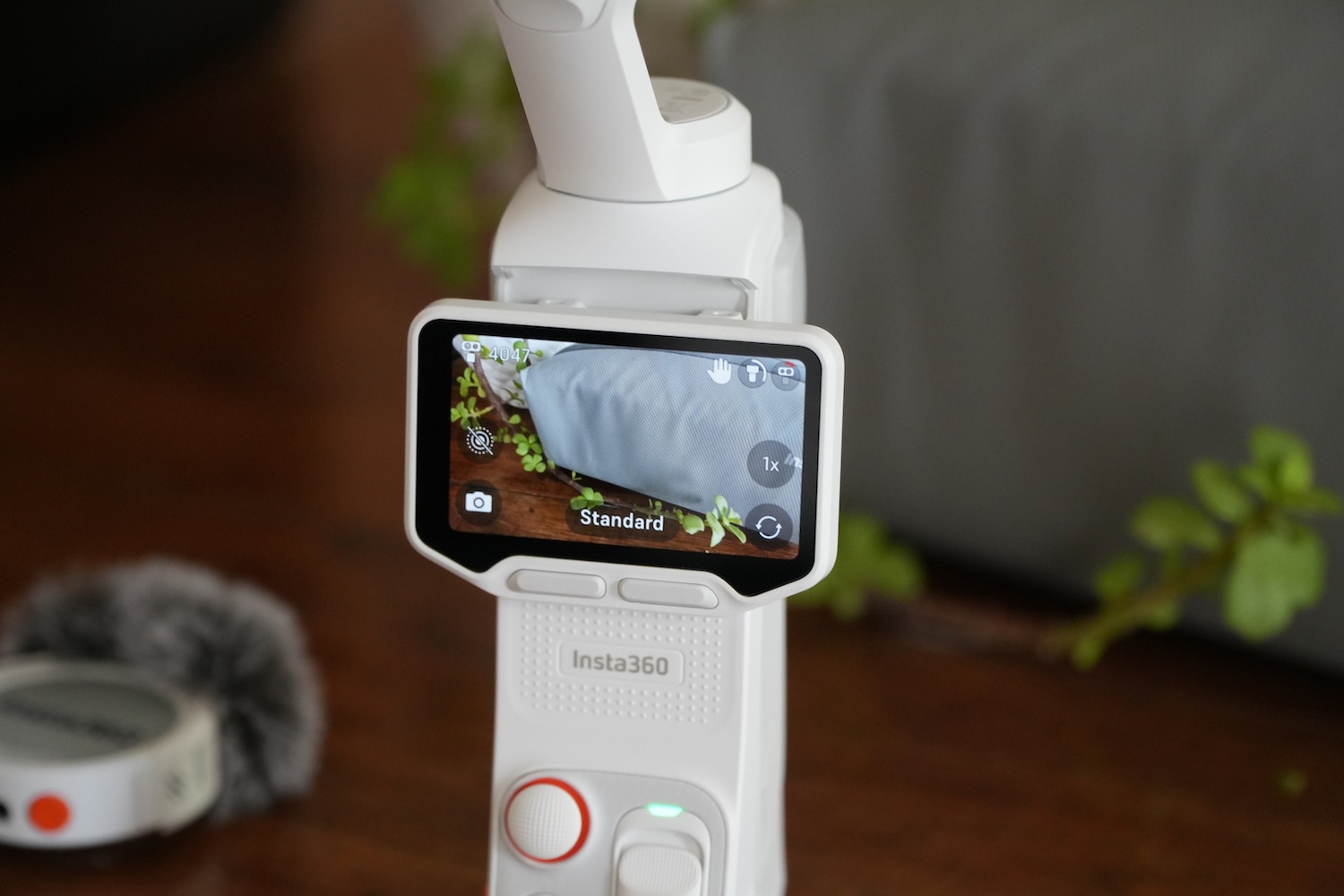
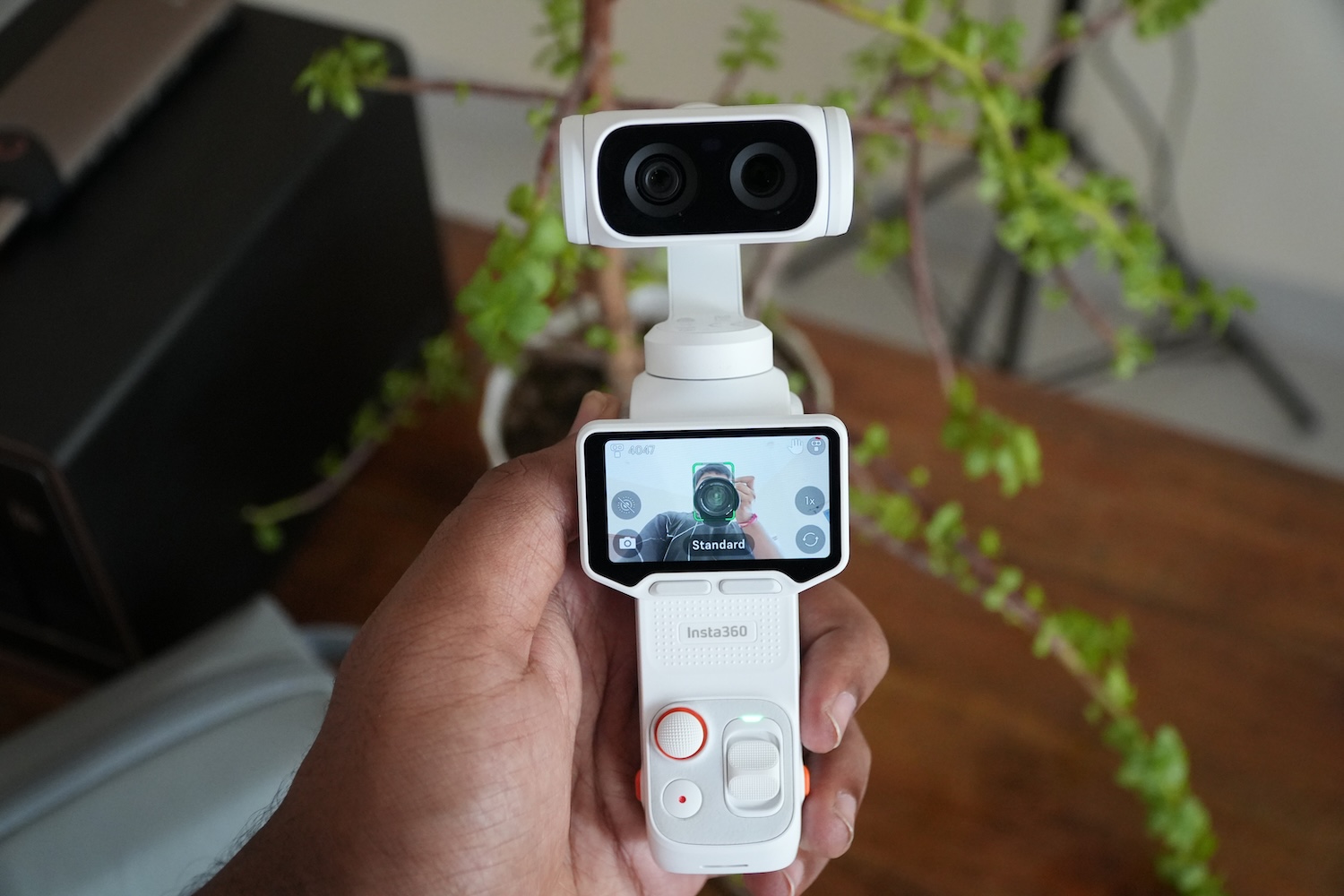
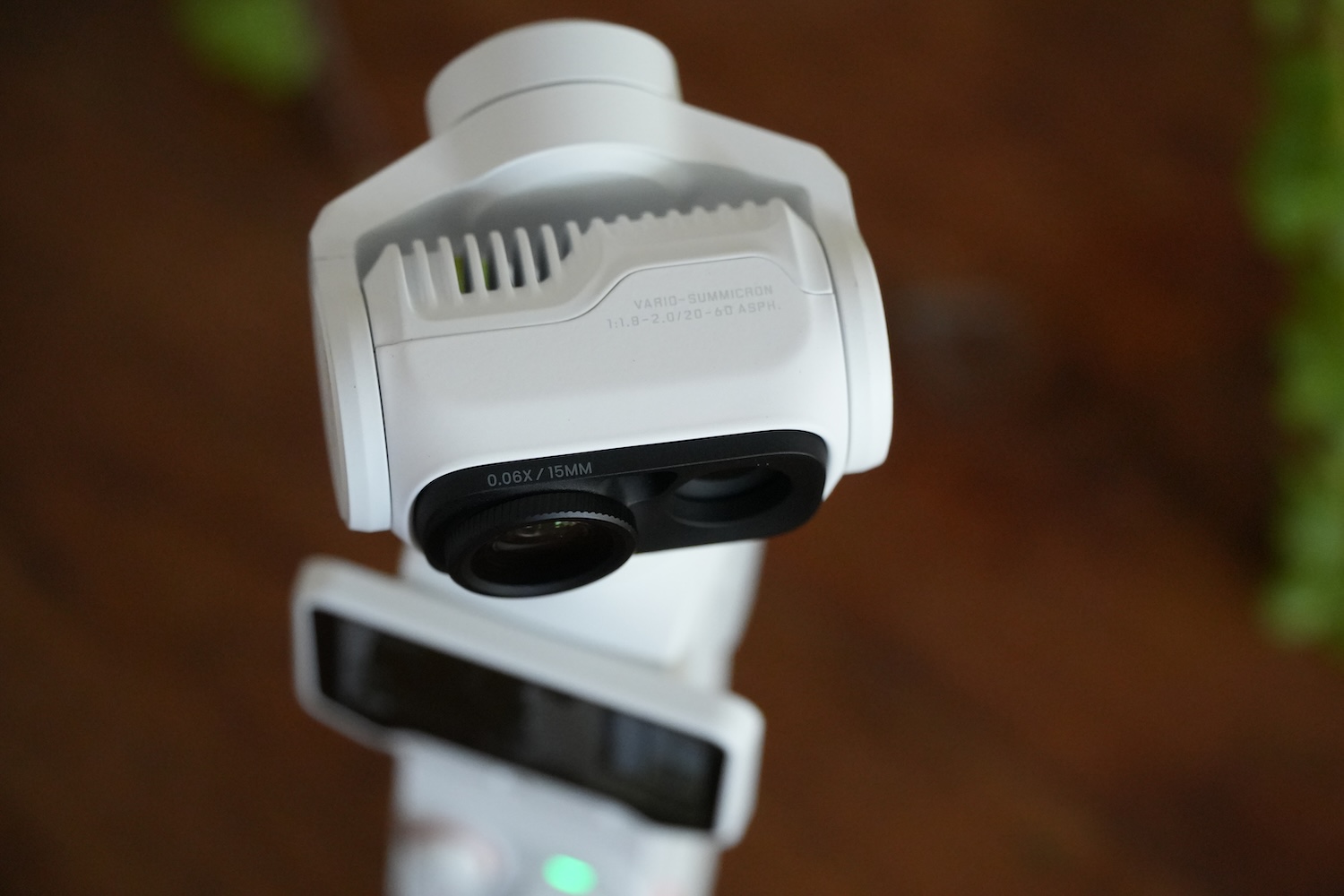
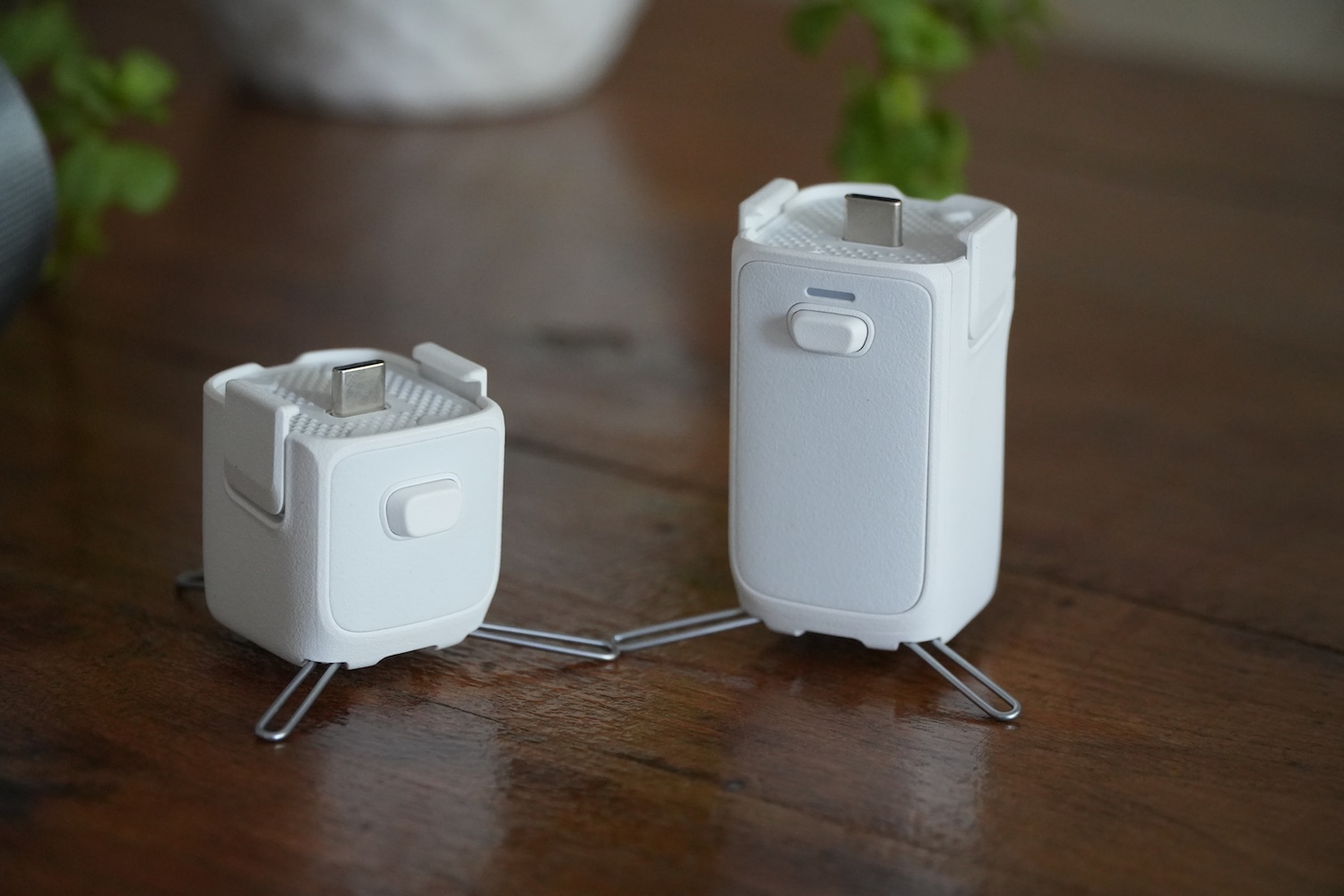
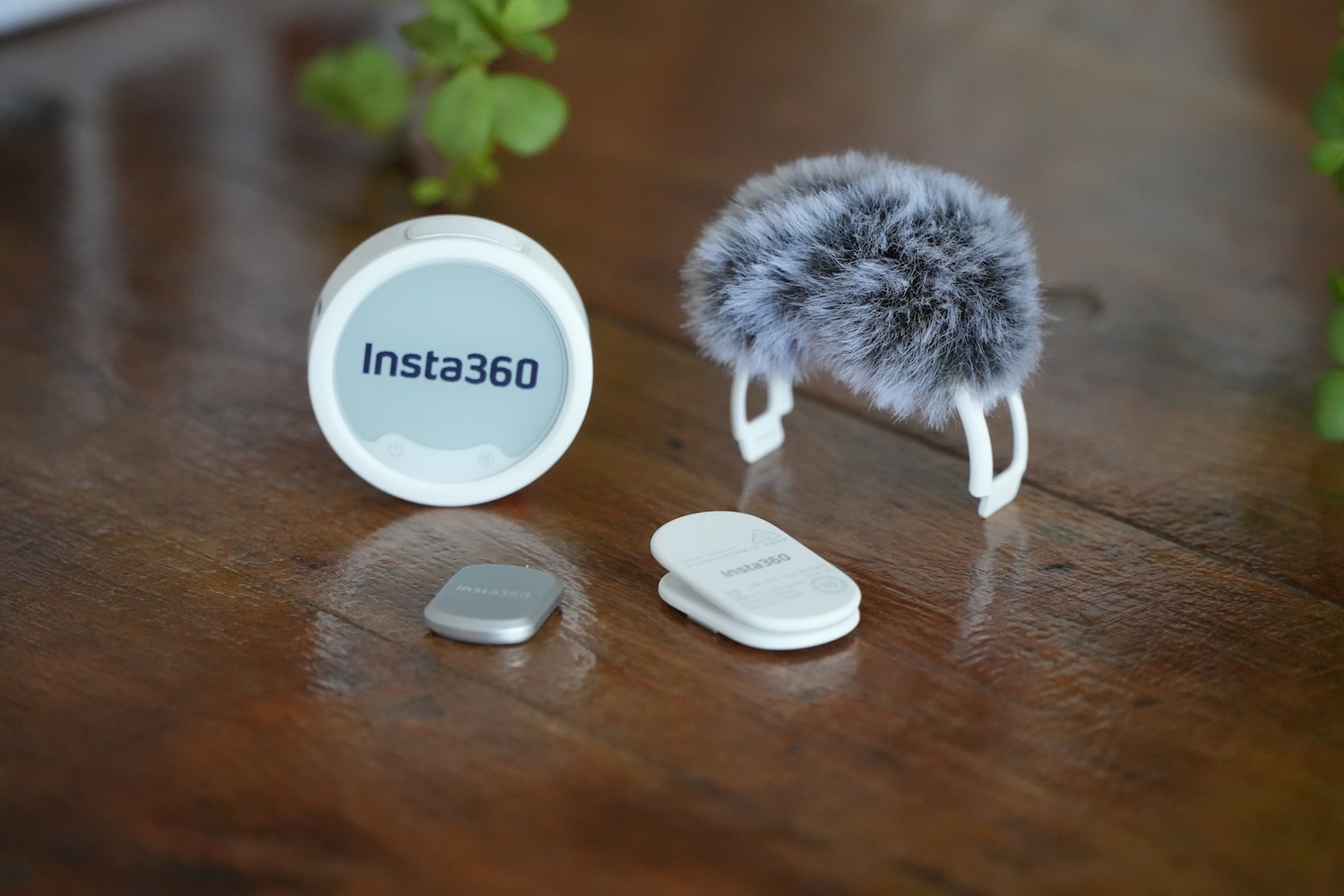
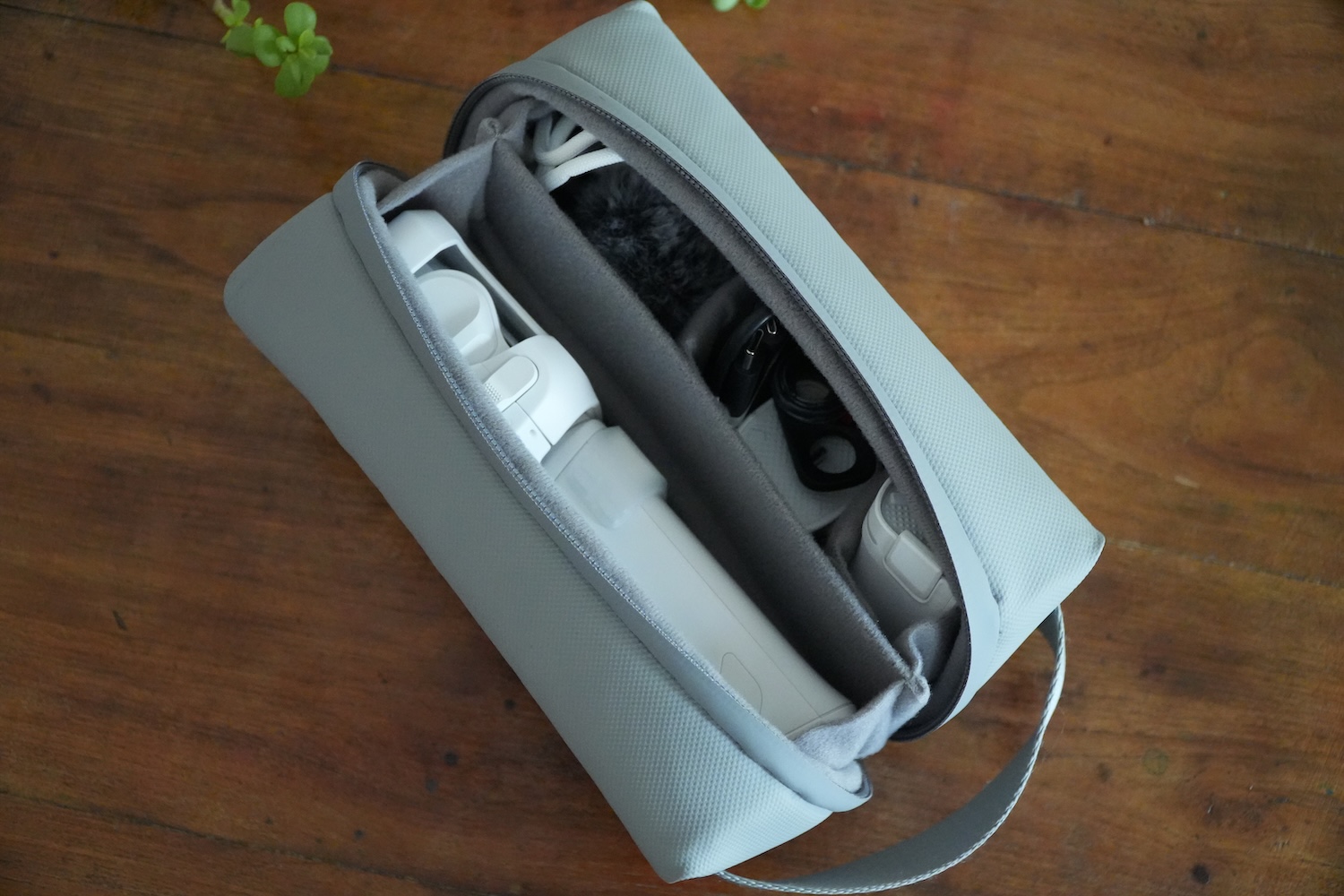
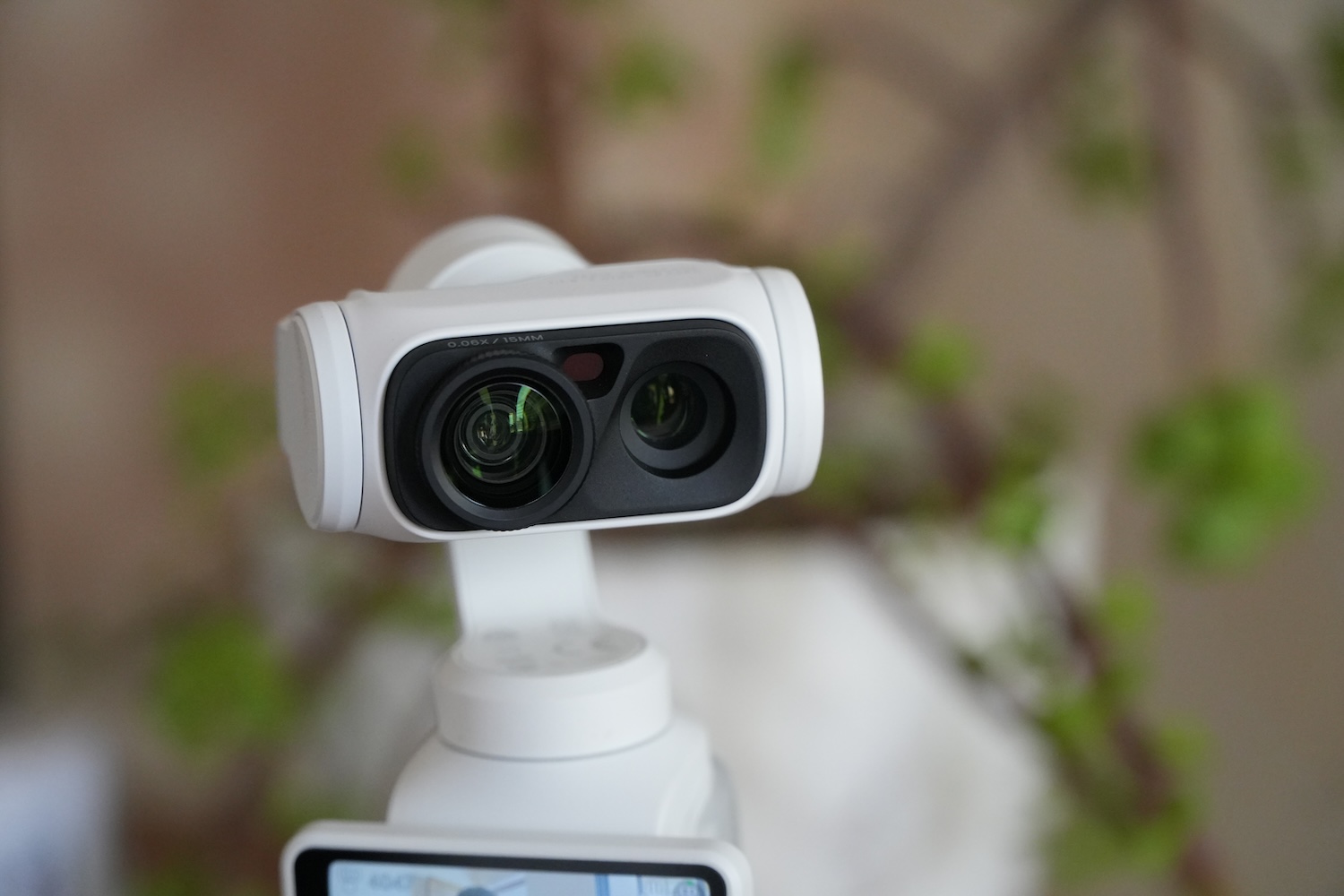
I didn’t really feel that the Luna Ultra’s size and weight were bothering me while shooting the videos. The Luna Ultra’s hard plastic build feels quite sturdy in-hand. The major drawback of this gimbal camera is that it isn't as durable and rugged as Insta360’s action cameras, such as the Insta360 X5 and the Ace 2 Pro. Plus, it lacks a water and dust rating, which is very disappointing. This means you have to be very careful while handling the camera, especially in the wet conditions. I would suggest using it in good weather only.
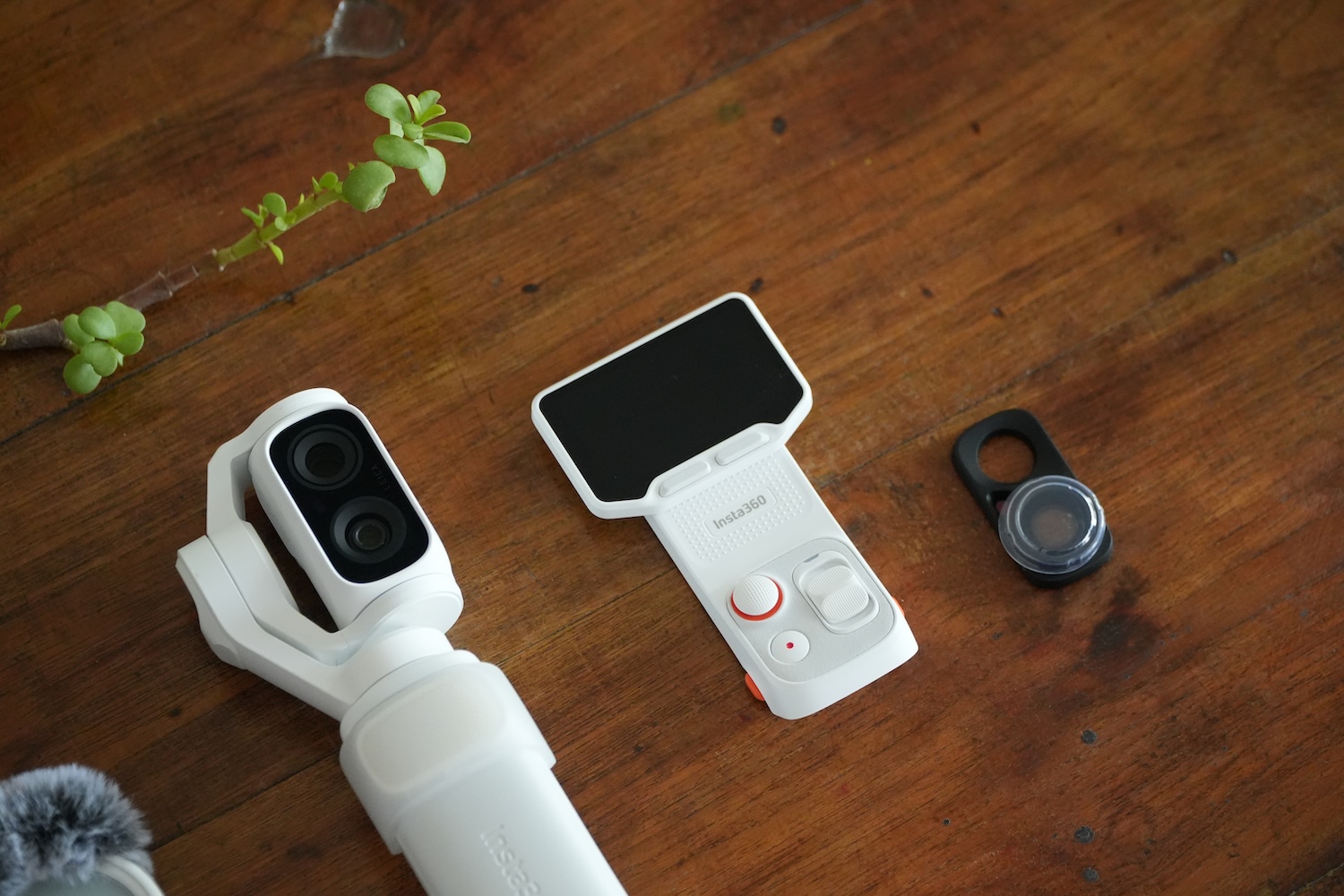
In the creator bundle of the handheld camera, you will find a battery extension handle that can be attached from the bottom and features a standard ¼-inch-20 tripod thread and paperclip-like legs. However, I felt the legs of the handle were a little flimsy. Though they are strong enough to bear the weight of the Luna Ultra. Plus, there’s a wide-angle lens included in the bundle that clips magnetically on top of the camera sensor and further expands the field of view to 108 degrees.
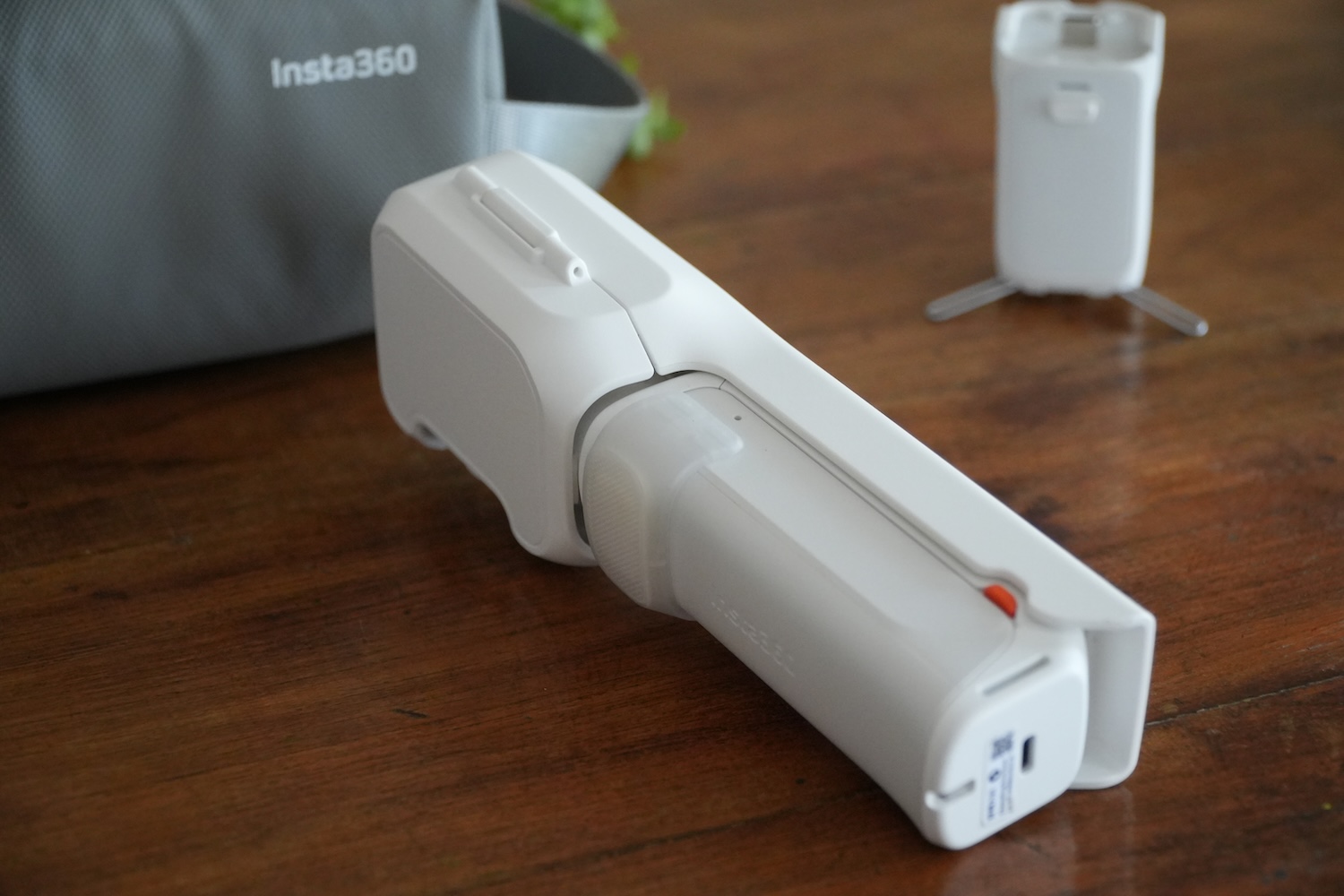
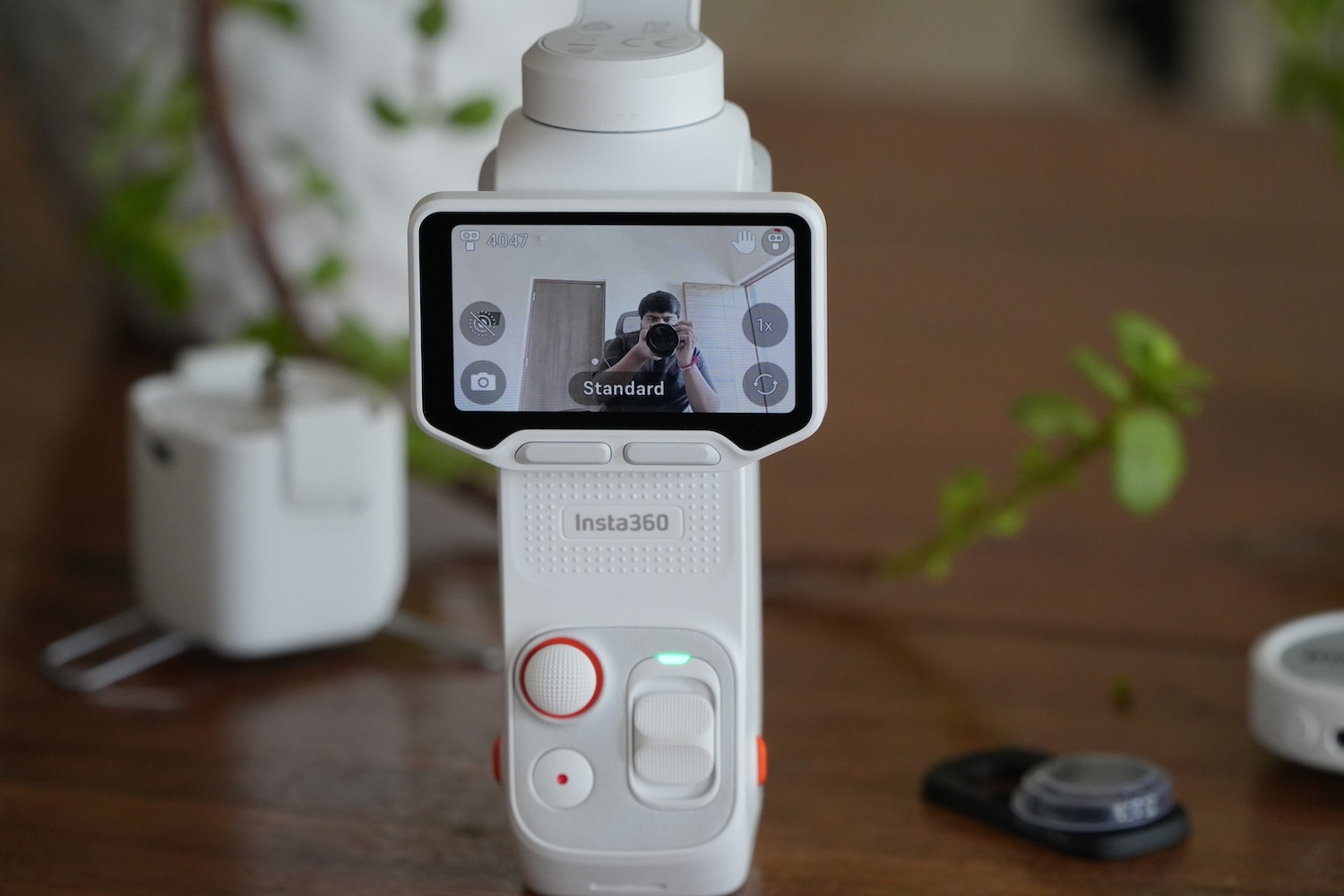
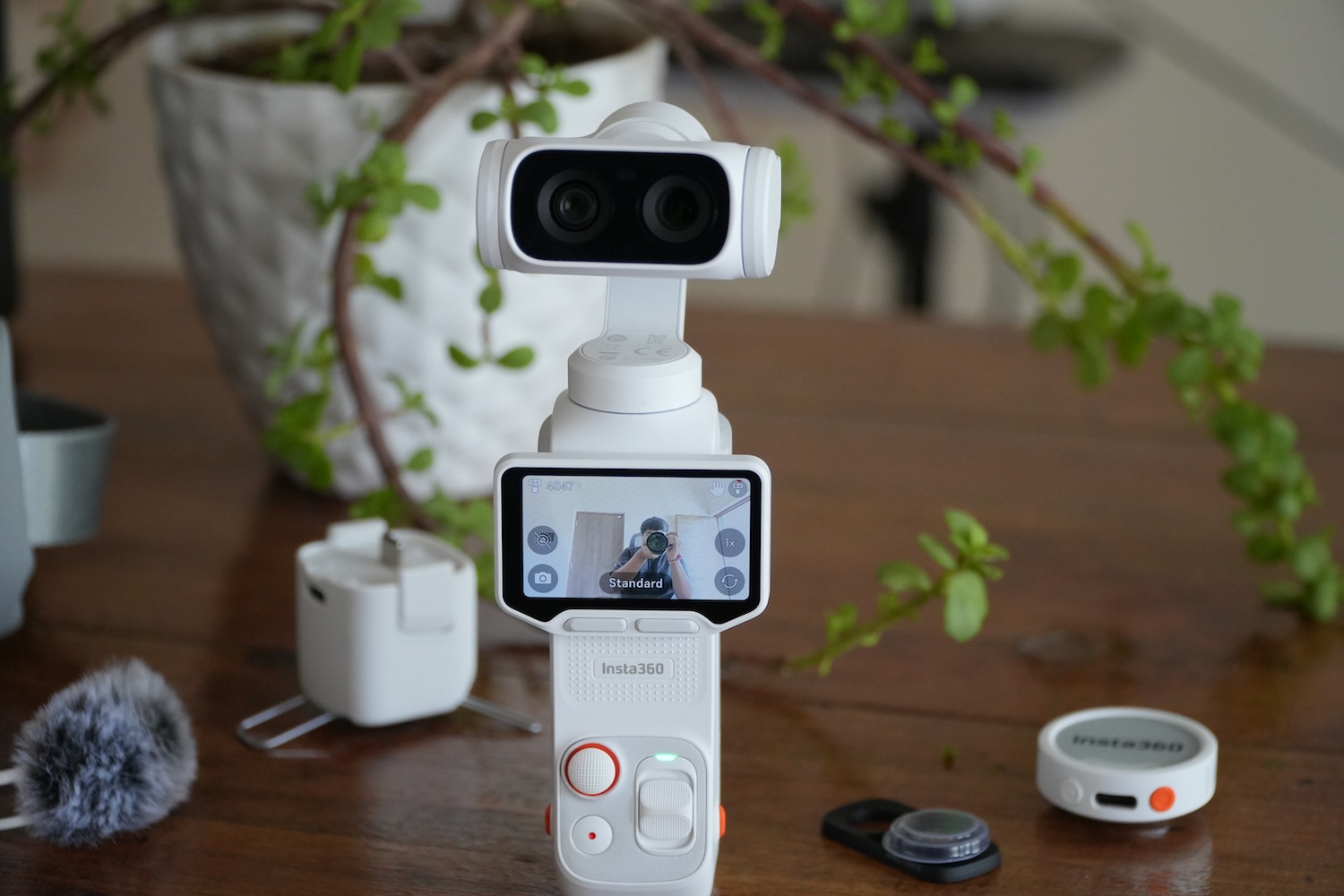
Easily, the Luna Ultra is the first one-of-a-kind gimbal camera that features a detachable touchscreen, allowing you to use the screen for remote control and framing. Like the DJI Osmo Pocket 4, the 2-inch OLED display is rotatable, allowing an effortless switch between portrait and shooting modes. At the base of the camera, you’ll see two orange buttons; just squeeze them and pull the remote from the main body.
Besides the screen, there are two customizable buttons, the gimbal joystick, a record button, and a zoom slider to adjust digital zoom. The interesting part about the detachable screen is that it lets you zoom, pan, tilt, and tweak camera settings over 20 meters away from the camera. Plus, there’s also a mic situated above the screen so you can record audio from a distance. More about its audio quality in the performance section. Lastly, you get a USB-C port at the bottom and a micro-SD card slot on the right-hand side.
Performance
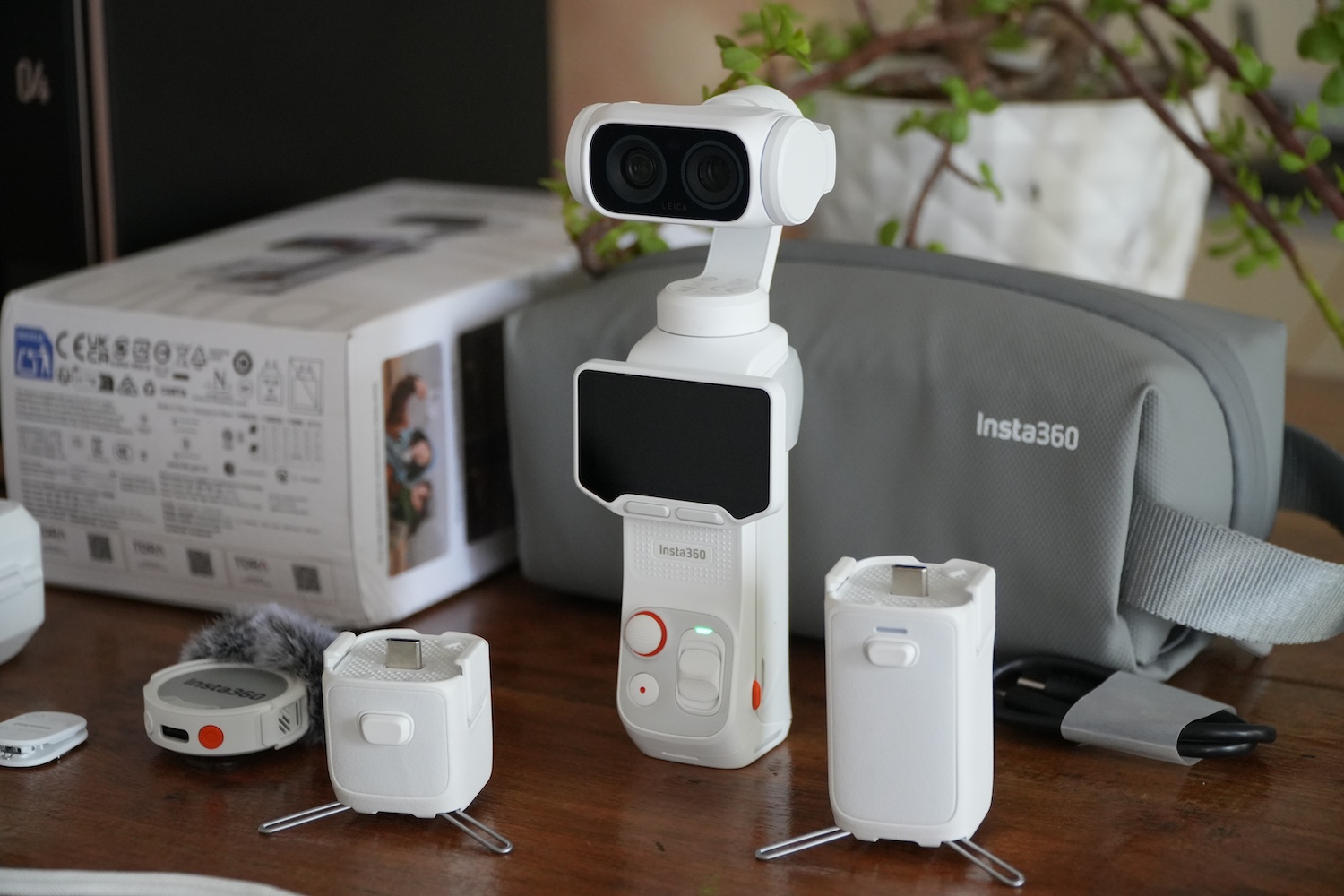
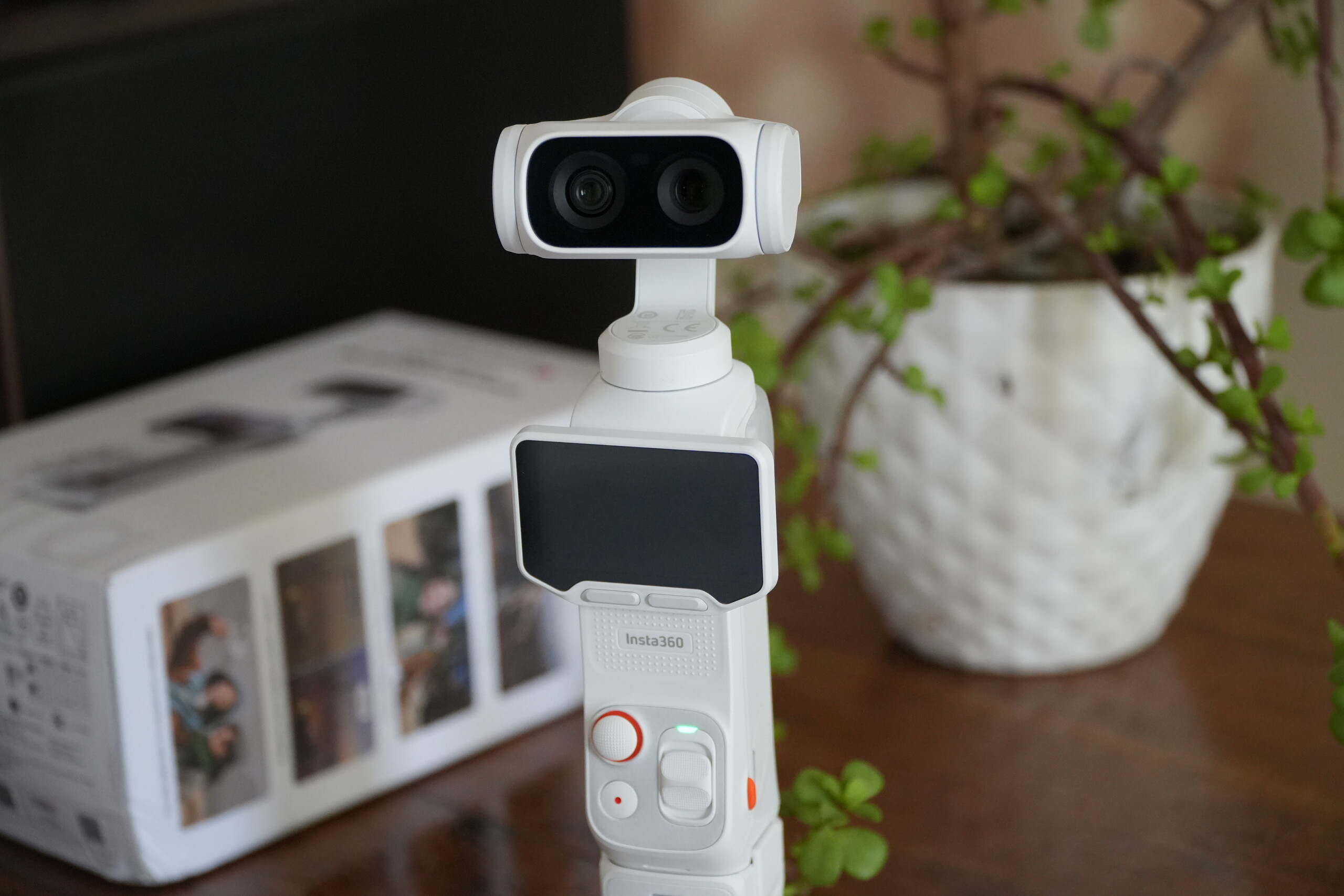
The Insta360 Luna Ultra is powered by a triple chipset, comprising a 4 nm AI chip and dual imaging processors. The Luna Ultra has a 1-inch main sensor with an f/1.8 aperture and a 20 mm lens, which is the same setup found on DJI’s Osmo Pocket 4. The main sensor is complemented by a telephoto lens, featuring a 1/1.3-inch sensor with an f/2.0 aperture, a 60 mm lens and up to 12x digital zoom. The handheld camera shoots up to 8K at a maximum 30 fps or 120 fps in 4K. For context, it shoots double the resolution of the Osmo Pocket, which tops at 4K. Plus, it supports Dolby Vision and 10-bit I-Log video formats, which gives more freedom in post-production.
I spent almost three weeks with the Luna Ultra, shooting day and night, while focusing on video as well as photo content. One thing I noticed is that shooting with Luna Ultra is pretty straightforward even if you haven't used a gimbal camera before. Choose the mode that you want to shoot in, and hit the record button; that’s it.
During my testing, I noticed the video quality delivered by the Insta360 Luna Ultra is certainly impressive. The gimbal camera’s 8K, 1-inch sensor main camera captures 8K videos with a really great level of detail while retaining the bright colors and nice contrast. I’m a big fan of Leica’s color science. Since the camera is co-engineered with Leica, you obviously get a variety of Leica-exclusive color profiles, which you can use in both photo and video modes. It’s worth noting that most of the videos I shot were using the standard mode topped with the Leica Vivid color profile; I simply loved the quality of video, which is punchy, contrast-rich, and slightly saturated with warm tones.
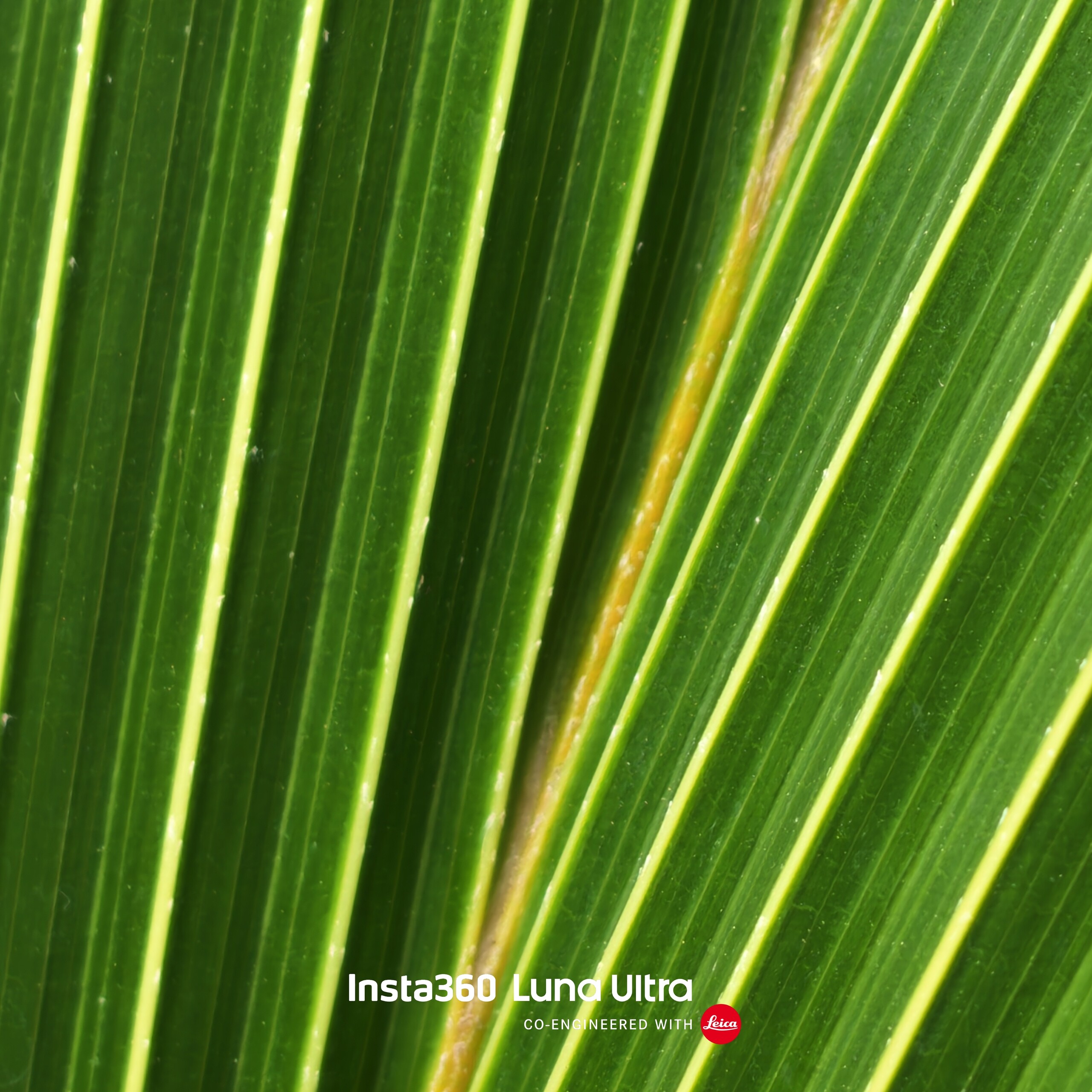
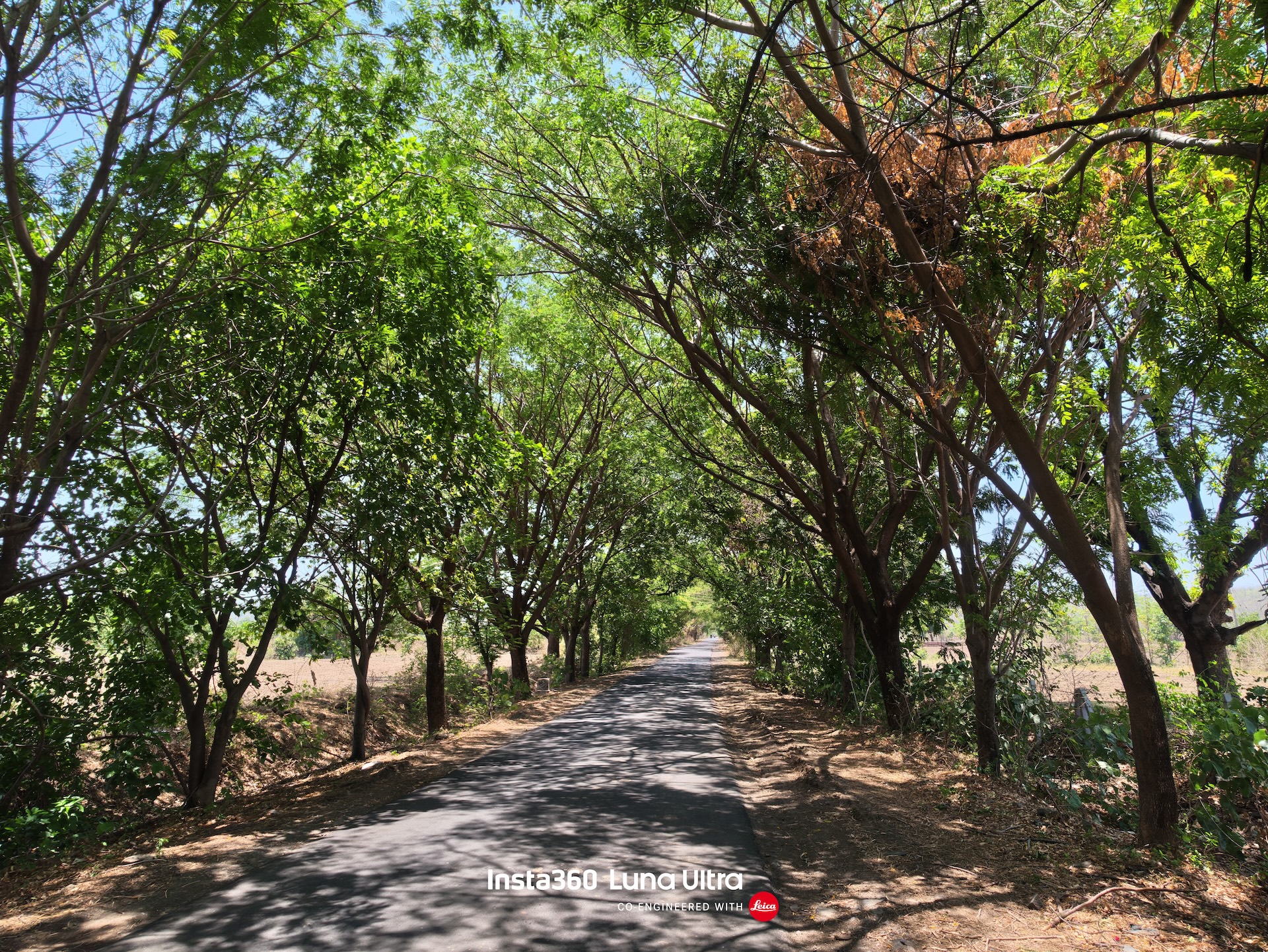
Not just the main camera but also the secondary telephoto camera is worthy of praise. The optical zoom feature sets the Luna Ultra apart from its direct competitor, the Osmo Pocket 4, which has only 2x in-sensor zoom. I was quite amazed by the 3x (60 mm) optical and 6x lossless (120 mm) zoom results. The telephoto camera certainly lives up to its promises, offering sharp results in daylight conditions. The 12x zoom can be achievable in both photo and video modes. Once you hit 12x digital zoom, you’ll start noticing degradation in image quality. However, you can still achieve usable footage with a significant amount of details but in good lighting only. Have a look at the below picture. I took this photo at 12x digital zoom.
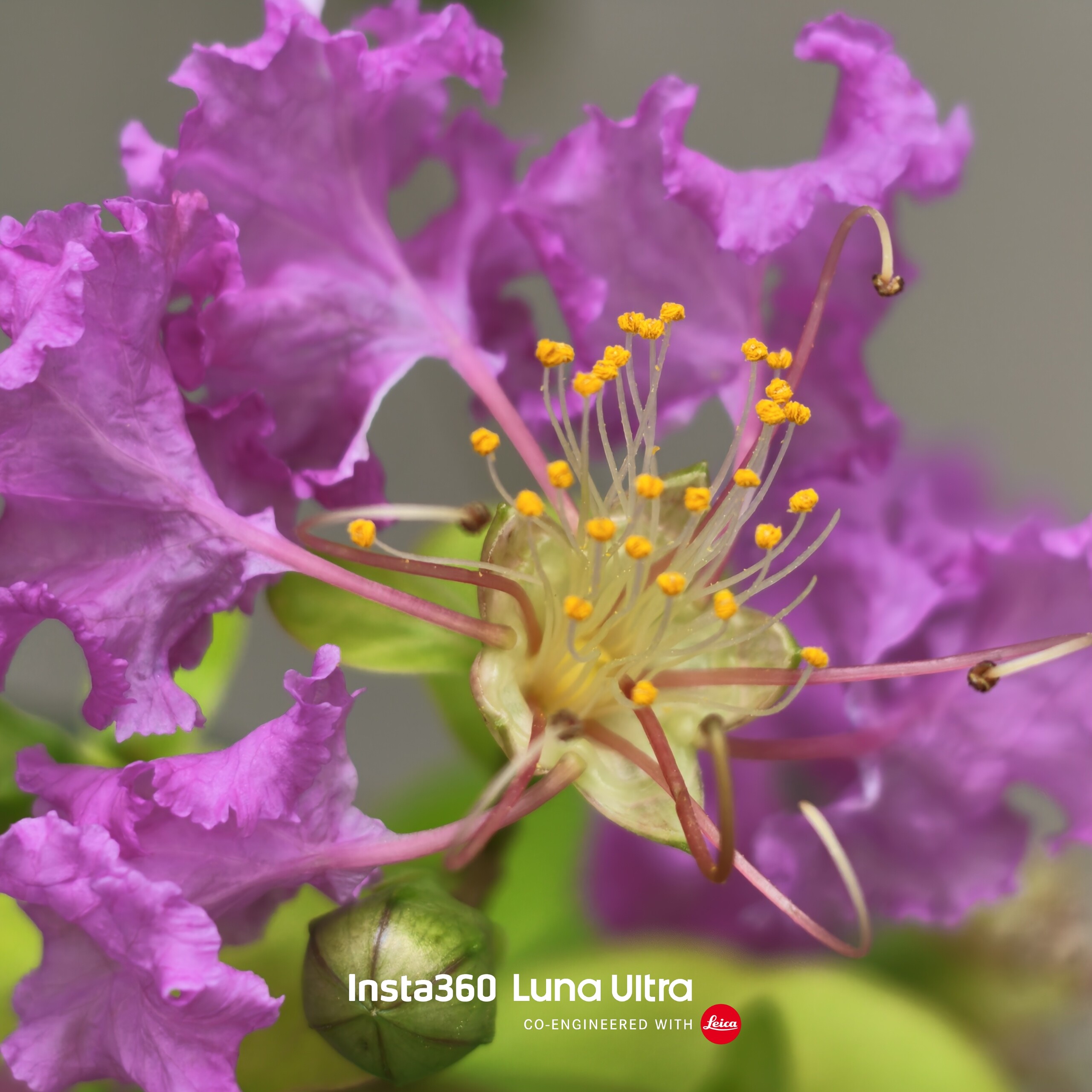

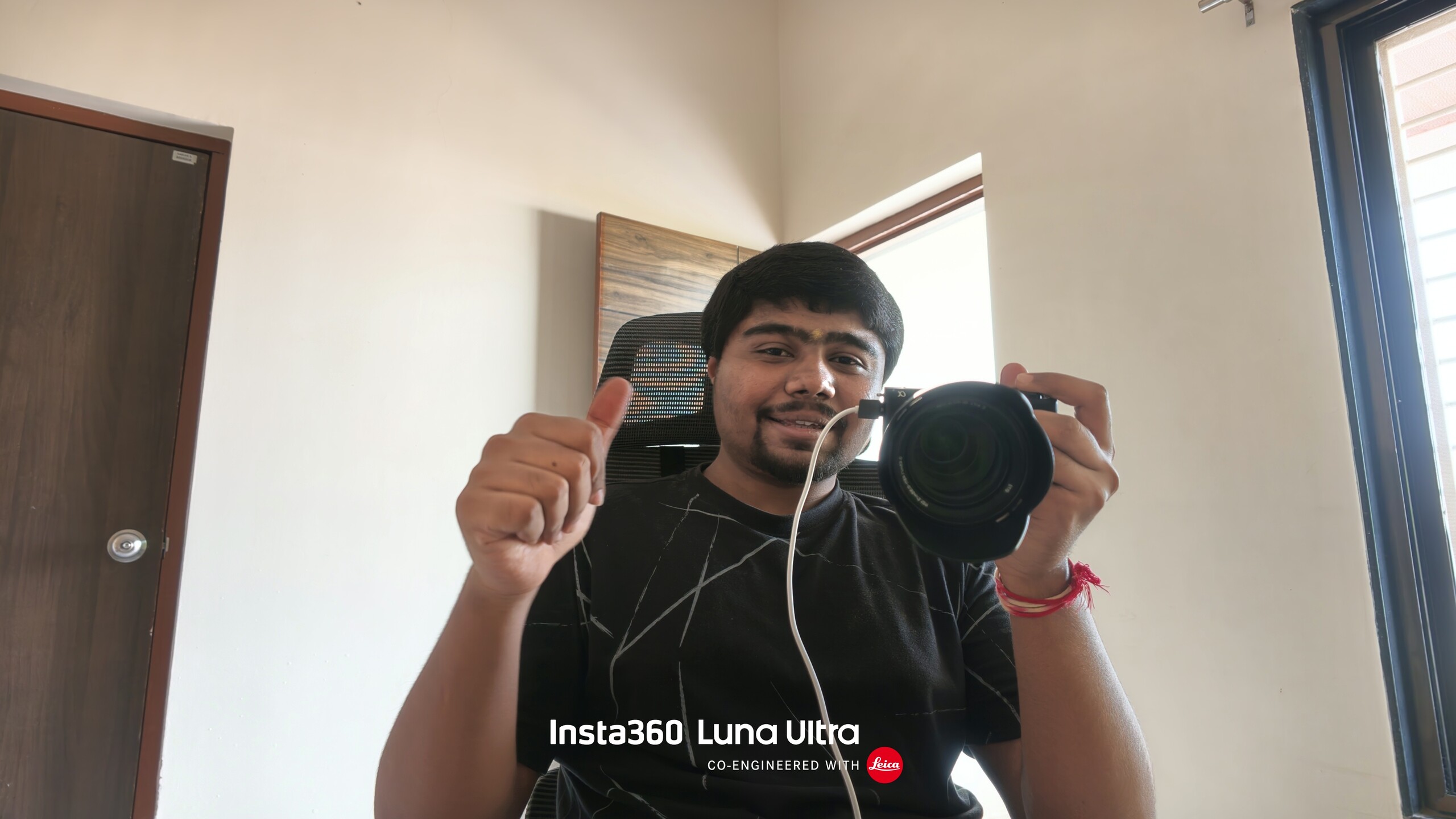
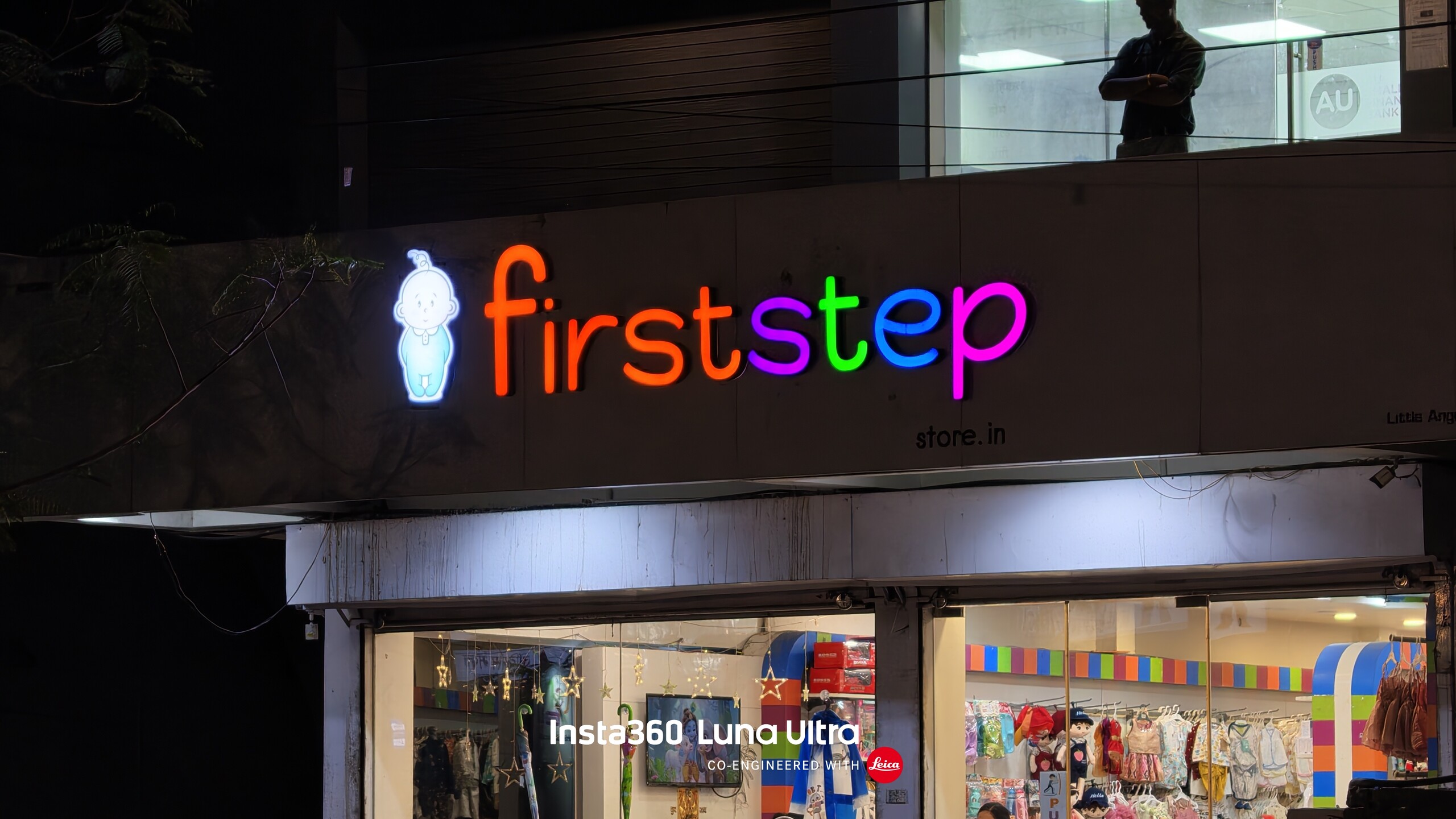
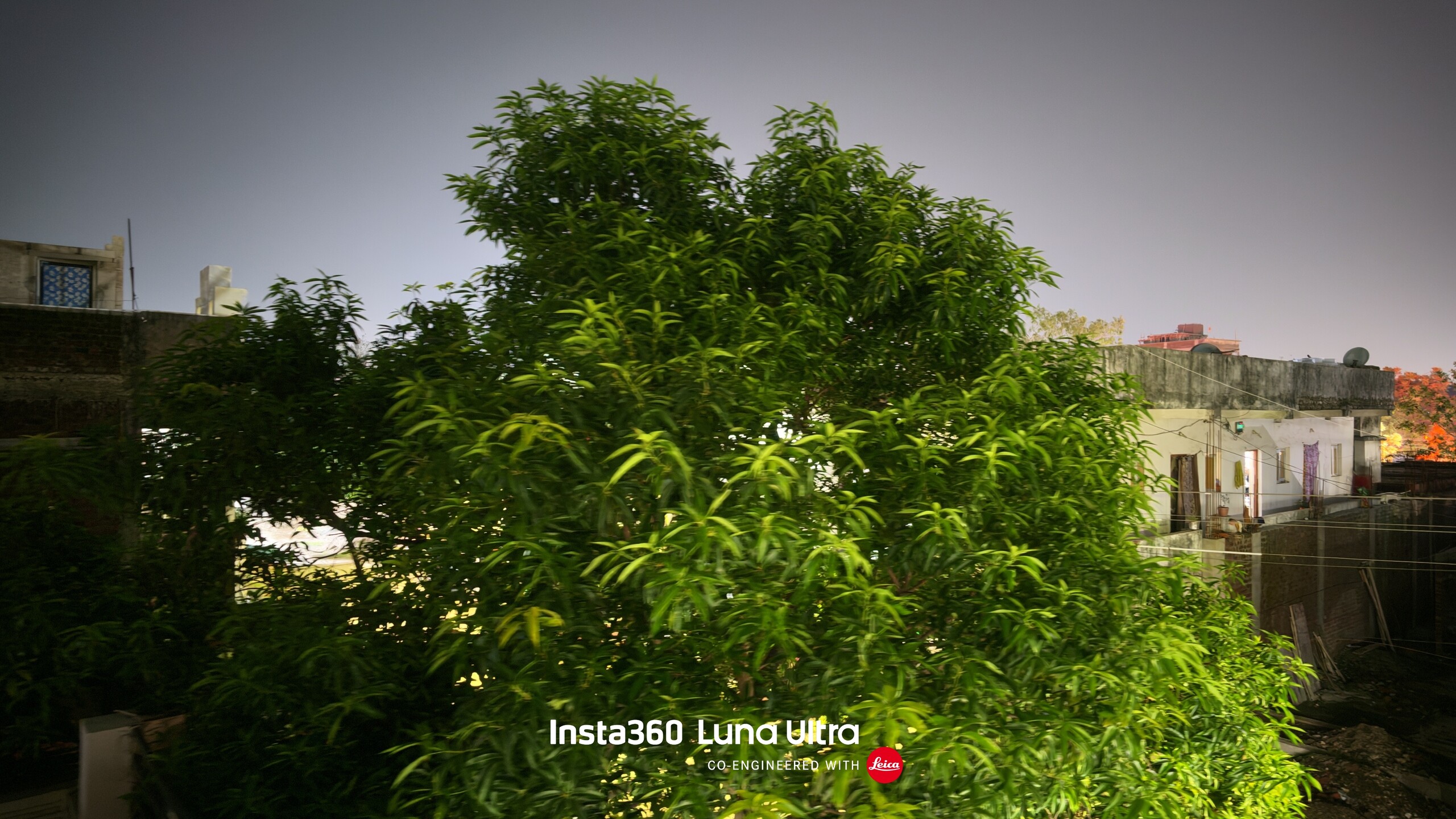
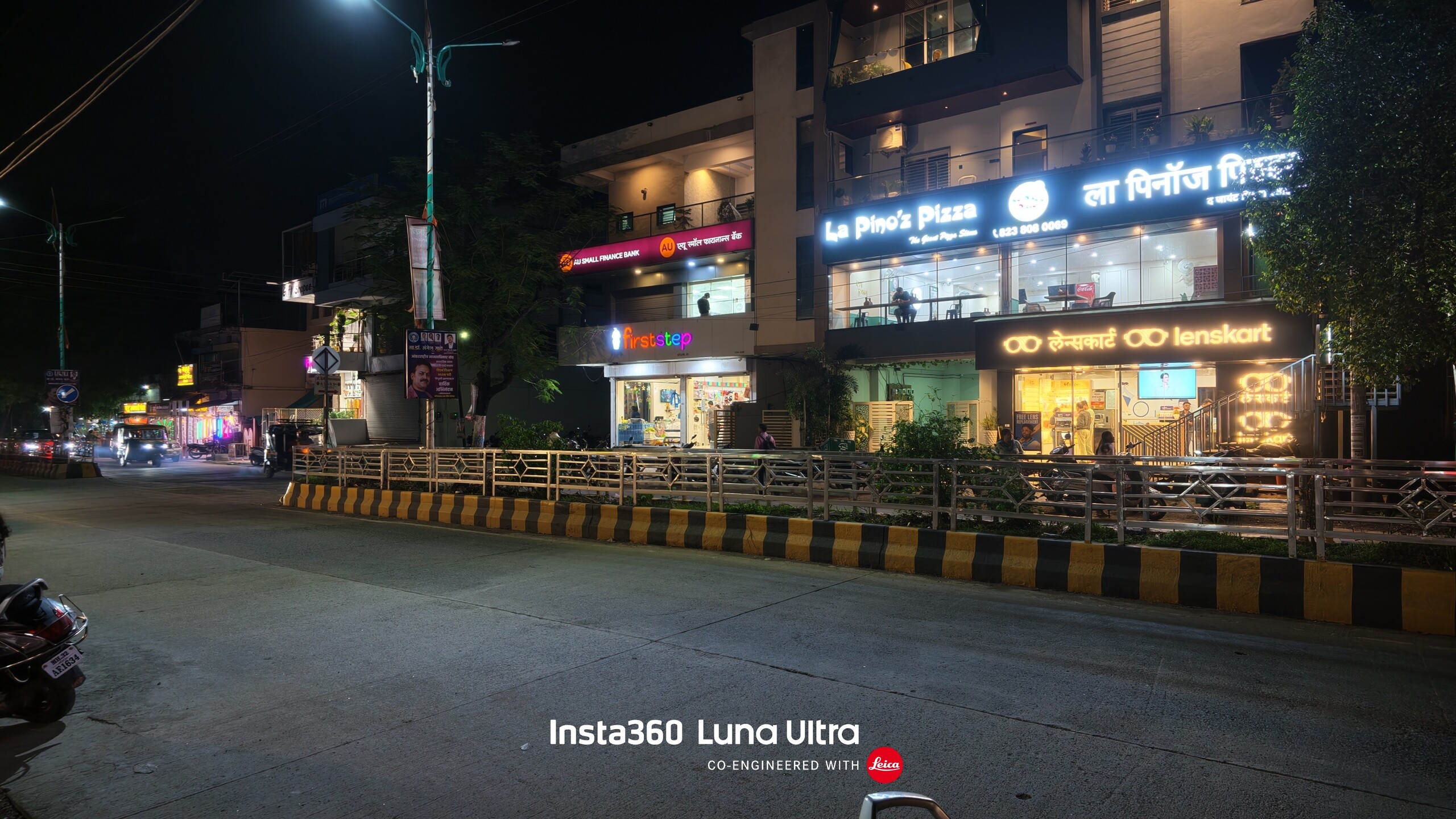
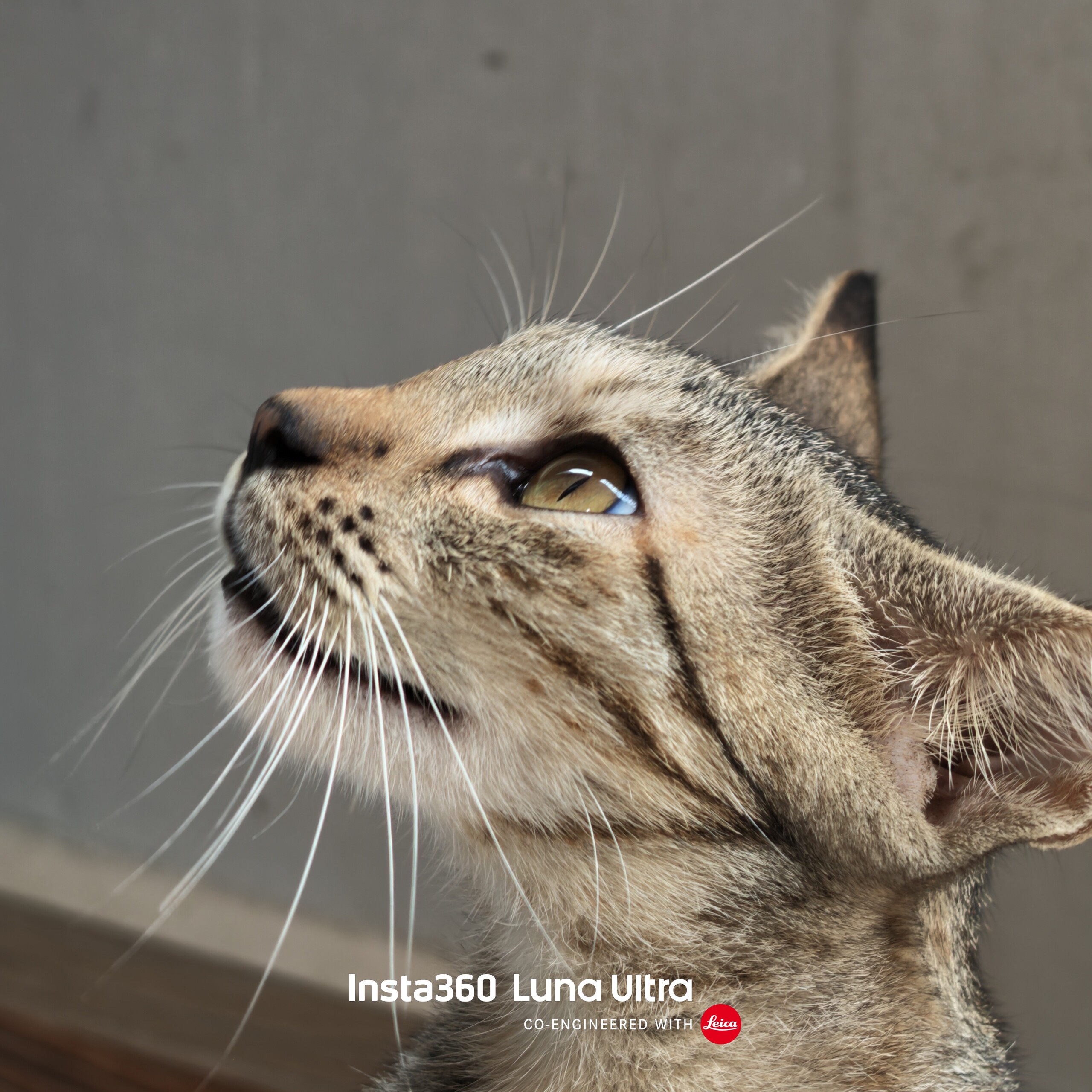
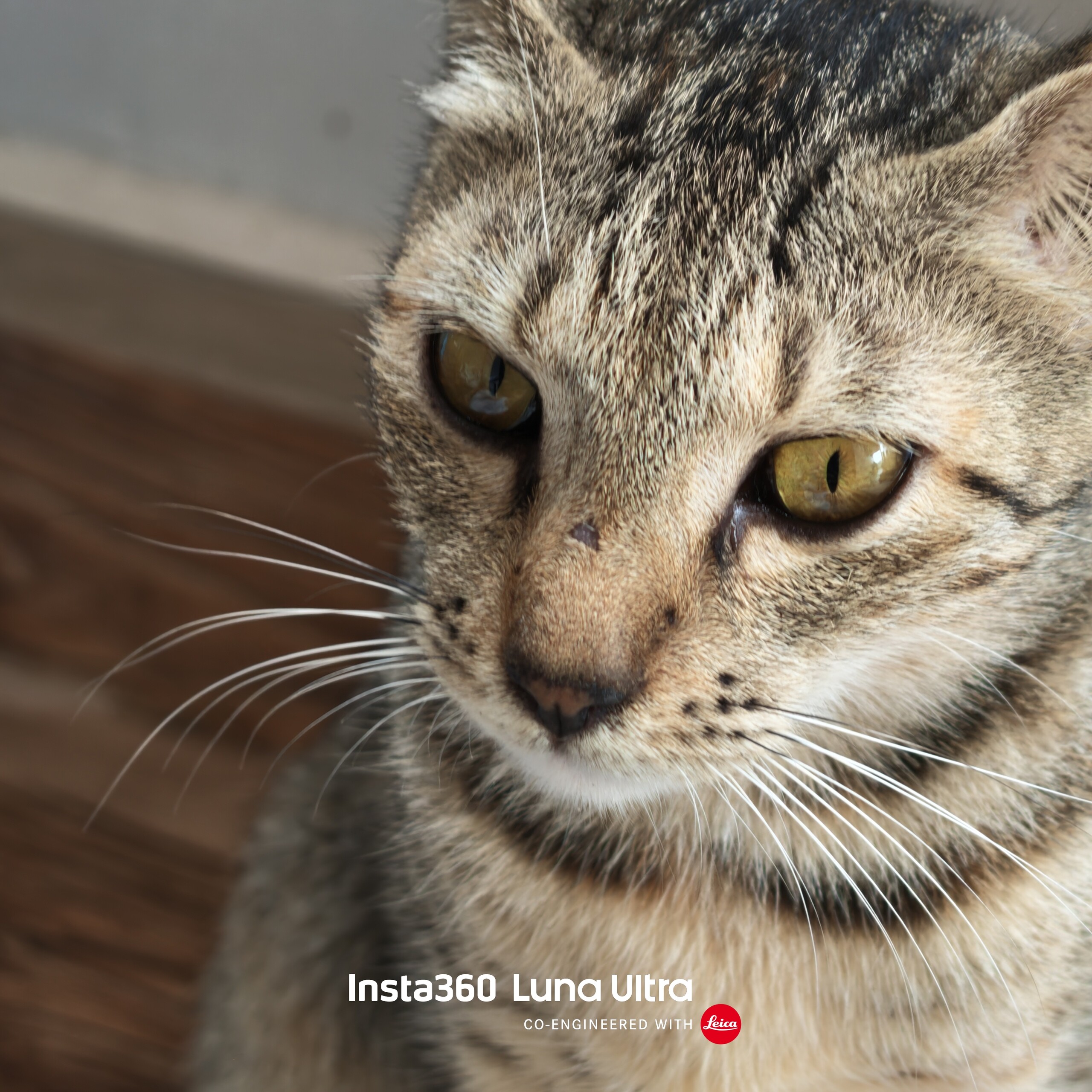
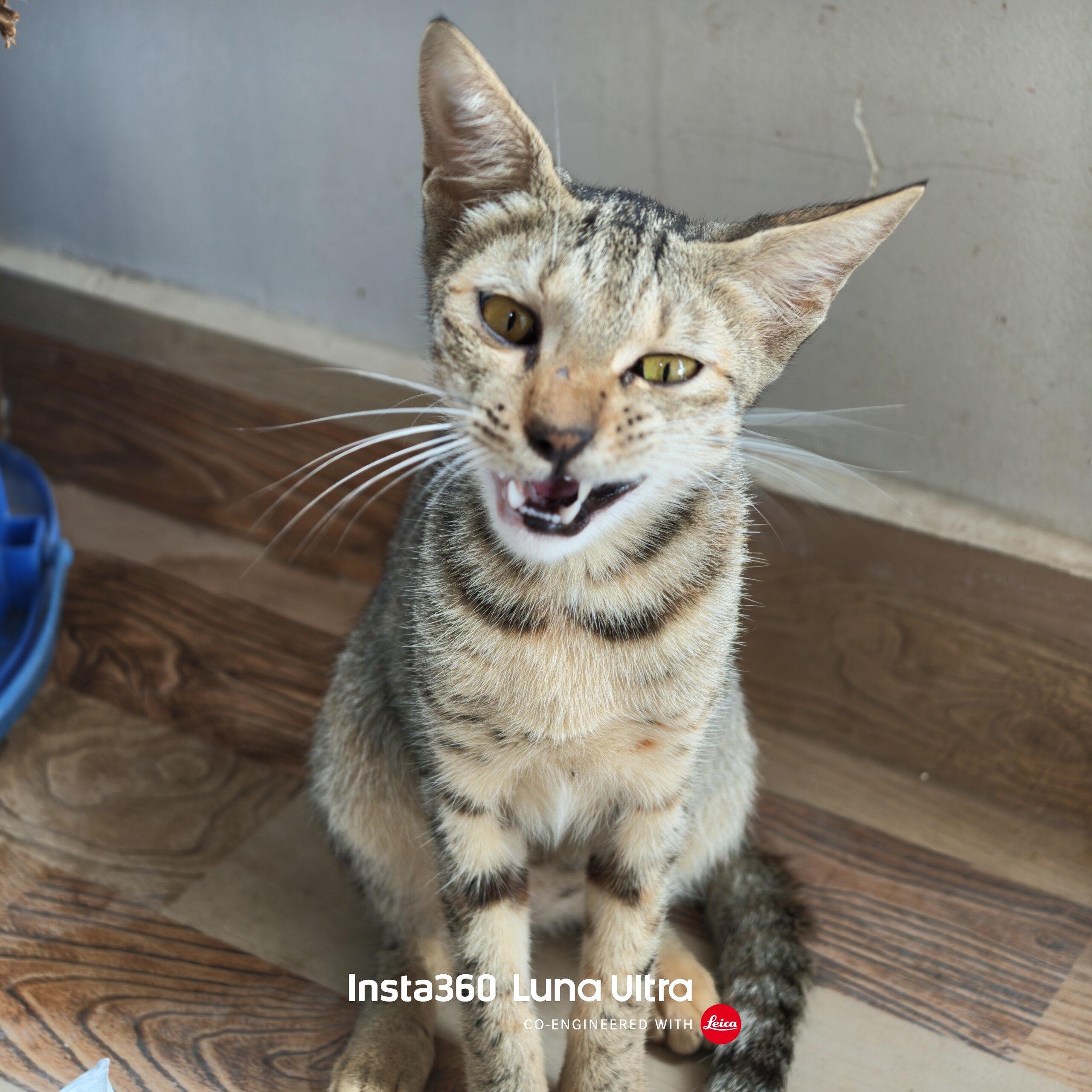


I did try the Luna Ultra in low-light conditions, and surprisingly, the video quality was really good, offering well-detailed, clean-looking, and sharp output with very little visible noise. The camera automatically shifts to a dedicated low-light mode (which Insta360 calls "Pure Video") when the light level drops. The pure mode has its limitations, though. You can’t shoot above 4K 60 fps and no longer supports Dolby Vision and I-log.
The pocket camera also has Dolby Vision support, and I found that it performs quite well at night. I did shoot some samples and they looked pleasing. If you are a professional videographer or expert, then Insta360’s I-Log flat color profile is surely for you. The I-Log captures up to 14 stops of dynamic range and further adds post-production flexibility. It offers editors with more color control when it comes to editing.
The built-in 3-axis gimbal is equipped with both electronic and mechanical stabilization and does its job precisely, keeping footage smooth and jitter-free. I didn’t find any problem here. One area where Luna Ultra excels is subject tracking. You can capture some cool shots with Insta360’s smart tracking, which supports single and multiple people tracking. It has a total of four microphones (three on the body and one on top of the detachable screen). Speaking of performance, the audio quality of the Luna Ultra is acceptable, just not exceptional.
During testing, I found the mic array doesn’t block out wind entirely despite having a wind guard. You can always opt for Insta360’s Mic Pro wireless mic for top-quality audio, though. It features a customizable e-ink display and 32-bit float internal recording, which captures cleaner audio than the camera’s built-in mic. Strangely, the camera is only compatible with only Insta360’s Mic Pro and Mic Air wireless microphones. When I tried connecting DJI’s Mic mini to Luna Ultra via Bluetooth, it didn’t display the microphone's name, indicating third-party mics aren't supported. That means you are limited to using Insta360’s wireless microphones.
Not only videos but also photos taken from the camera are good, with sharp, well-detailed, colorful image quality. I was quite amazed with the Luna Ultra’s photographic performance. You can either shoot in standard photo or UltraPhoto mode. The former can snap 9 MP decent images, while the latter can shoot in RAW, with maximum resolution in the UltraPhoto mode being 37 MP.
Interestingly, the Luna Ultra has 47 GB of internal storage, which is further expandable up to 1 TB via a microSD card. For context, the internal storage is less than the DJI Osmo Pocket 4/4P, which has more than double the capacity. The camera’s internal storage is good enough to keep you shooting 4K/60 fps for 65 minutes. I shot plenty of videos (most at 4K/60 fps) and photos directly onto internal storage and still had plenty of space left over. Though keep in mind 8K footage consumes a significant amount of storage, so consider carrying a microSD card.
The Luna Ultra certainly isn't without its flaws. During my three weeks of testing period, I did notice the pocket camera does get warm, especially when shooting videos at 8K/30 fps resolution. The autofocus system of the Luna Ultra disappoints me a lot and Insta360 clearly needs improvement here. It works decently at wide angles, but it struggles with small subjects and also loses focus, especially when zooming. I hope Insta360 will sort out autofocus issues via a future OTA update. Another quibble is there is no option to create customized motion time-lapse video with the Luna Ultra. In contrast, DJI’s Osmo Pocket series cameras offer this feature.
Battery Life
The Insta360 Luna Ultra boasts a 1,550 mAh battery, with the company claiming up to four hours of runtime. I mostly shot the content in 4K 60 fps and sometimes in 8K 30 fps and slow motion, and I was able to get around 2 hours and 30 minutes of shooting time. Though you can extend the battery life of the camera through a battery extender that can be attached to the base of the handle.
However, it is worth noting that the detachable remote only lasts around 35 minutes on its own and once its battery runs out, the entire camera system stops recording and shuts down. So, if you are planning to shoot for one or two hours, make sure you keep the remote attached to the camera. It does support 45 W USB-C PD fast charging. It took over 40 minutes to fully charge the gadget and it took just 24 minutes to hit the 80% mark.
Transparency
The selection of devices to be reviewed is made by our editorial team. The test sample was provided to the author as a loan by the manufacturer or retailer for the purpose of this review. The lender had no influence on this review, nor did the manufacturer receive a copy of this review before publication. There was no obligation to publish this review. As an independent media company, Notebookcheck is not subjected to the authority of manufacturers, retailers or publishers.
 Add as a preferred source on Google


