




DJI Osmo Pocket 4P (Pro) review shows 70mm, 1/1.5-inch, 3-6x zoom camera samples with cinematic bokeh
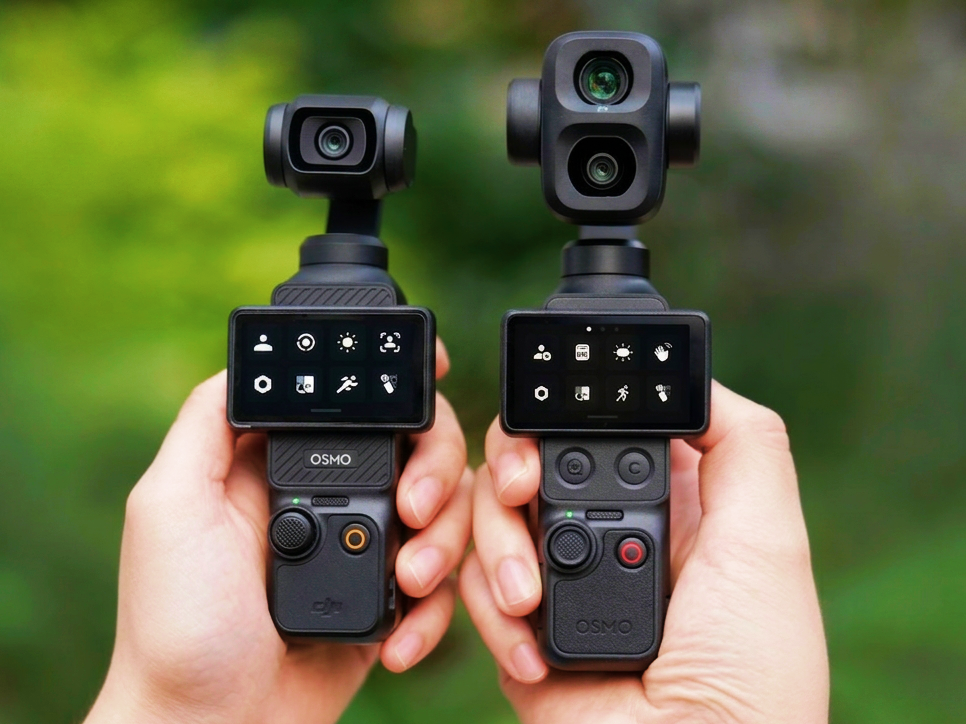
The highly anticipated DJI Osmo Pocket 4 Pro (4P) has finally been detailed in an extensive review.
While the standard Osmo Pocket 4 focuses on refining the 1-inch sensor formula from the Pocket 3, the "P" or "Pro" variant introduces a second, 3x optical zoom lens, effectively transforming the Pocket 4P from a vlogging camera into a flexible pro-grade content creation tool.
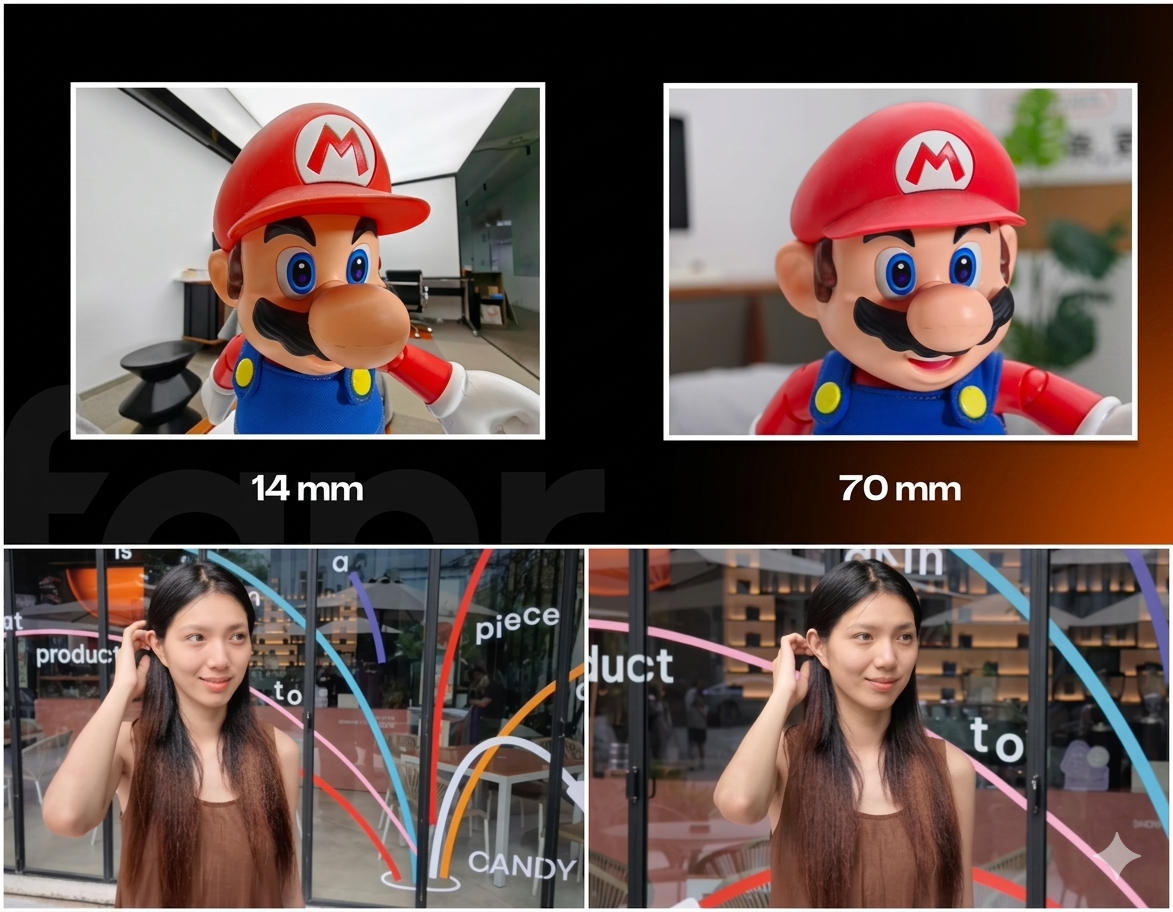
Dual-cam DJI Osmo Pocket 4P (Pro) has a 1/1.5-inch 3x zoom sensor with 6x lossless, 12x max zoom; the bokeh looks impressive
For the first time in the series' history, DJI is moving beyond the single-lens setup. The Pocket 4P pairs its traditional wide-angle main camera with a dedicated 60mm-equivalent 3x zoom lens. The zoom versatility results in 3x optical, 6x lossless (In-sensor crop), and up to 12x digital zoom, bringing the Pocket 4P closer to a the camera system of an iPhone 17 Pro.
According to the review footage, this secondary sensor is likely a 1/1.5-inch CMOS, likely mirroring the telephoto hardware found in the Mavic 4 Pro drone. This addition solves the distortion typical of wide-angle videography, allowing to capture faces with natural proportions and bokeh. In fact, the background blur looks quite impressive.
A side effect of improving a video camera is that it also becomes a better camera for photos. The Osmo Pocket 4 is already light years ahead of the Pocket 3 in that regard, thanks to its 37MP sensor. Now, the 3x zoom camera on the Pocket 4P makes it even more flexible if you want to take photos.
The Pocket 4P also has a tracking advantage. It can use ActiveTrack 7.0 at 3x and even at 6x zoom, which might just make it one of the most reliable "zoom cameras" out there - since it is extremely unlikely to lose focus. The vanilla Pocket 4 can track you at 2x and 4x zoom.

Dual-cam DJI Osmo Pocket 4P (Pro) is heavier and less efficient than the Osmo Pocket 4
The review also highlights that the leap in capability comes with some trade-offs. The dual-camera module is noticeably larger and a bit heavier than its predecessors. This increased "top-heavy" feel makes the included extension handle and mini-tripod almost essential for a balanced grip, says the reviewer.
Furthermore, the gimbal motors must now output higher torque to stabilize the heavier head, especially when shooting at 3x or 6x zoom where micro-vibrations are more apparent. Consequently, users can expect a slight reduction in battery life compared to the standard Pocket 4, though this is unlikely to be a dealbreaker.
Stay tuned for more DJI Osmo Pocket 4P info. DJI hasn’t announced an official launch date for the dual-cam Pocket, but it seems like we’re not too far from the official release.
In related news, Insta360 is also preparing to launch the dual-cam Insta360 Luna Ultra very soon.
Source(s)
 Add as a preferred source on Google


