




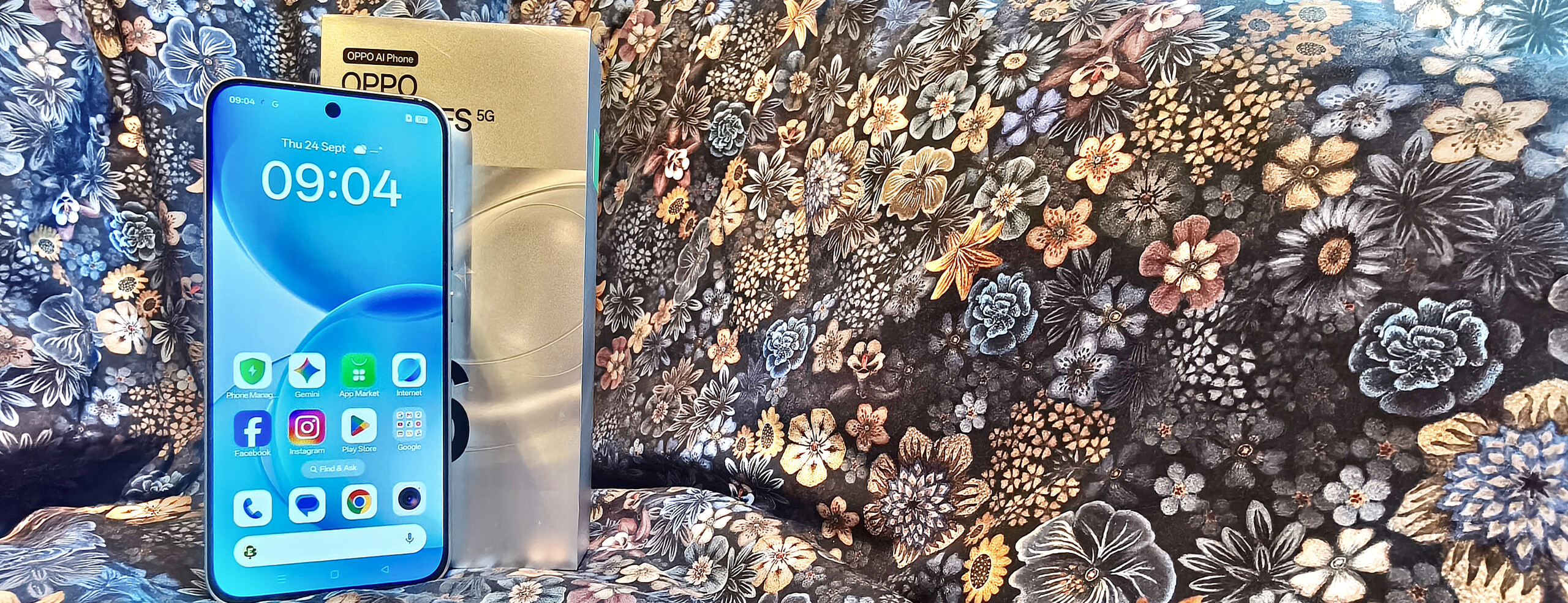
Verdict on the Oppo Reno 16 FS
US$ 700 is a lot of money for a mid-range phone, so the Oppo Reno 16 FS had better offer quite a bit.
When it comes to the camera, it features good sensors and also includes a decent selfie camera. In addition, the main camera’s zoom capabilities are quite usable thanks to a separate telephoto lens.
You get a decent amount of storage, and a microSD card slot—a feature found on fewer and fewer devices. However, the SoC is clearly too slow for this price range.
The battery delivers solid runtime, but it doesn’t set any new records. The screen is bright enough, but you’ll have to put up with PWM flickering at low brightness levels.
For anyone wondering whether to go with the Oppo Reno 16 F or the Reno 16 FS, the only difference between the two is the storage configuration. The findings of this review therefore largely apply to the Oppo Reno 16 F as well.
Pros
Cons
Price and availability
The Oppo Reno 16 FS is available on amazon.com for over US$ 1,000.
At this point, you should think about opting for the Oppo Reno 16 F with less memory, but also a much lower price tag.

Table of Contents
- Verdict on the Oppo Reno 16 FS
- Specifications
- Housing and features – Space design
- Communication and operation – Slow Wi-Fi & many mobile frequencies
- Software and sustainability – Long lasting update promise
- Cameras – Good image quality, except in the dark
- Display – Bright enough for everyday use
- Performance, emissions, and battery life – Weak SoC
- Notebookcheck overall rating
- Comparison of possible alternatives
Specifications
Housing and features – Space design
For the design of the Reno 16 FS, Oppo has adopted a space theme, featuring a planet print with a glitter effect on the back of the white model that moves when tilted. The purple-black color option features glittering stars in the camera module.
The phone itself is solidly built and features a metal frame. However, it makes an audible creaking sound when twisted.
The only storage option is 8 GB of RAM and 512 GB of internal storage. If you don’t need that much storage, you can opt for the Oppo Reno 16 F, which is otherwise identical in design.
Storage can be expanded via a microSD card slot, which performed fairly quickly in our tests.


| SD Card Reader - average JPG Copy Test (av. of 3 runs) | |
| Oppo Reno16 FS (Angelbird V60) | |
| Average of class Smartphone (5.72 - 58.9, n=56, last 2 years) | |
Cross-Platform Disk Test (CPDT)
Communication and operation – Slow Wi-Fi & many mobile frequencies
Wi-Fi 6 is the latest Wi-Fi standard that Oppo has implemented in this smartphone. This means that access to the less crowded 6-GHz band is not possible, and speeds—at a maximum of 421 Mbit/s—are quite low, especially compared to similarly priced competitors.
It supports a wide range of 4G and 5G frequencies, allowing the Oppo Reno 16 FS to be used in many countries.
The touchscreen is very reliable in everyday use. A fingerprint sensor is hidden behind the screen; it’s positioned quite low and, after a single setup, unlocks the phone very quickly and reliably.
Face recognition via the front camera is also available. It works reliably as well, but isn’t quite as secure since it matches facial data using only 2D recognition.
| Networking | |
| Oppo Reno16 FS | |
| iperf3 transmit Wi-Fi6/7 RT-BE96U | |
| iperf3 receive Wi-Fi6/7 RT-BE96U | |
| Honor 600 | |
| iperf3 transmit AXE11000 | |
| iperf3 receive AXE11000 | |
| OnePlus 15T | |
| iperf3 receive RT-BE96U WiFi7 | |
| iperf3 transmit RT-BE96U WiFi7 | |
| Apple iPhone 17e | |
| iperf3 transmit AXE11000 | |
| iperf3 receive AXE11000 | |
| Average 802.11 a/b/g/n/ac/ax | |
| iperf3 transmit AXE11000 | |
| iperf3 receive AXE11000 | |
| iperf3 transmit Wi-Fi6/7 RT-BE96U | |
| iperf3 receive Wi-Fi6/7 RT-BE96U | |
| iperf3 receive RT-BE96U WiFi7 | |
| iperf3 transmit RT-BE96U WiFi7 | |
| Average of class Smartphone | |
| iperf3 transmit AXE11000 | |
| iperf3 receive AXE11000 | |
| iperf3 transmit Wi-Fi6/7 RT-BE96U | |
| iperf3 receive Wi-Fi6/7 RT-BE96U | |
| iperf3 receive RT-BE96U WiFi7 | |
| iperf3 transmit RT-BE96U WiFi7 | |
Software and sustainability – Long lasting update promise
Oppo preinstalls Android 16 and layers its proprietary ColorOS 16 on top. The interface is clear, uncluttered, and offers many features.
Fortunately, Oppo is committed to a long support period: the phone is set to receive updates until 2032—a full 6 years from its market launch.
The packaging is plastic-free; otherwise, no information on the product’s sustainability is available.
Cameras – Good image quality, except in the dark

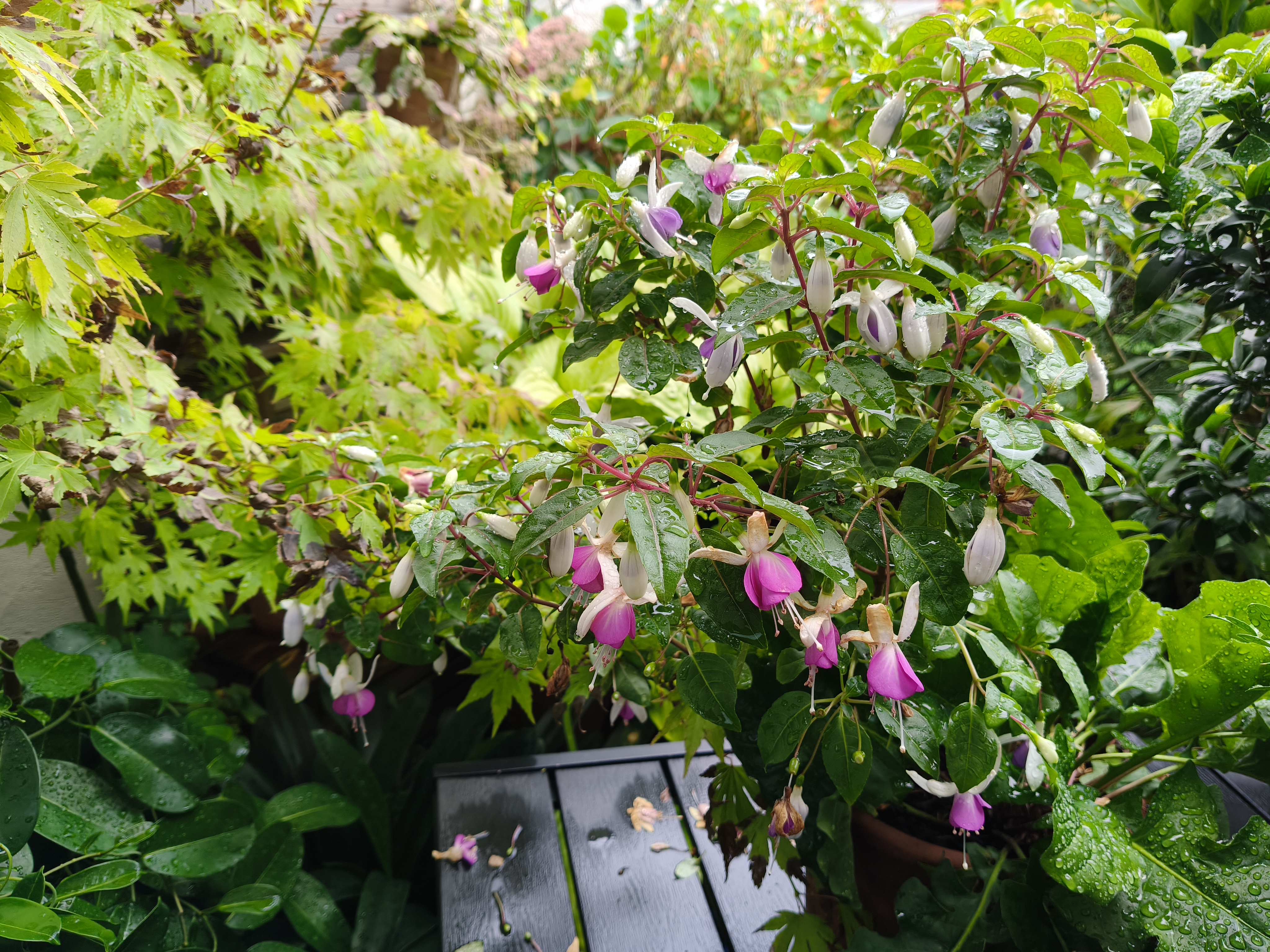
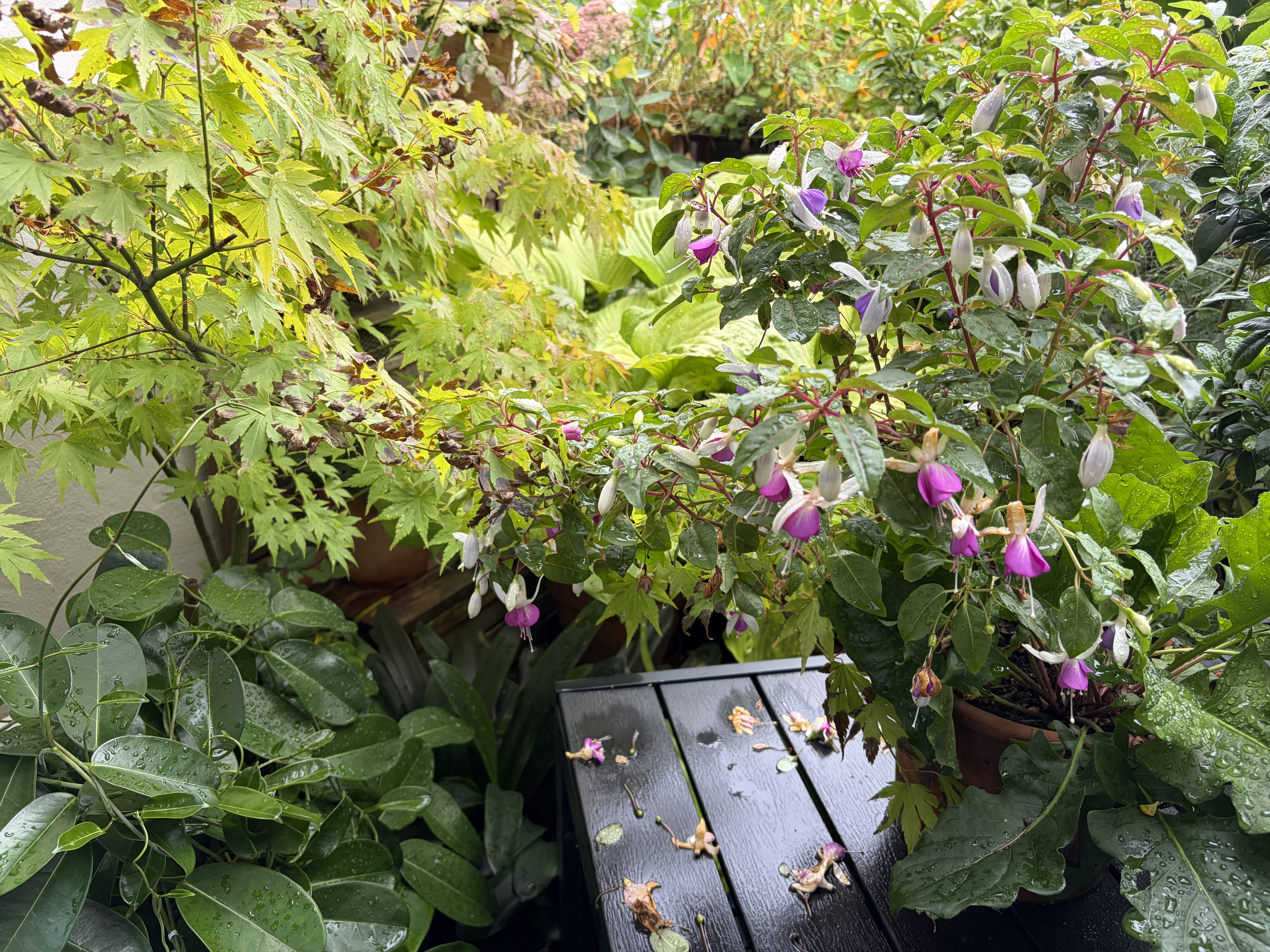
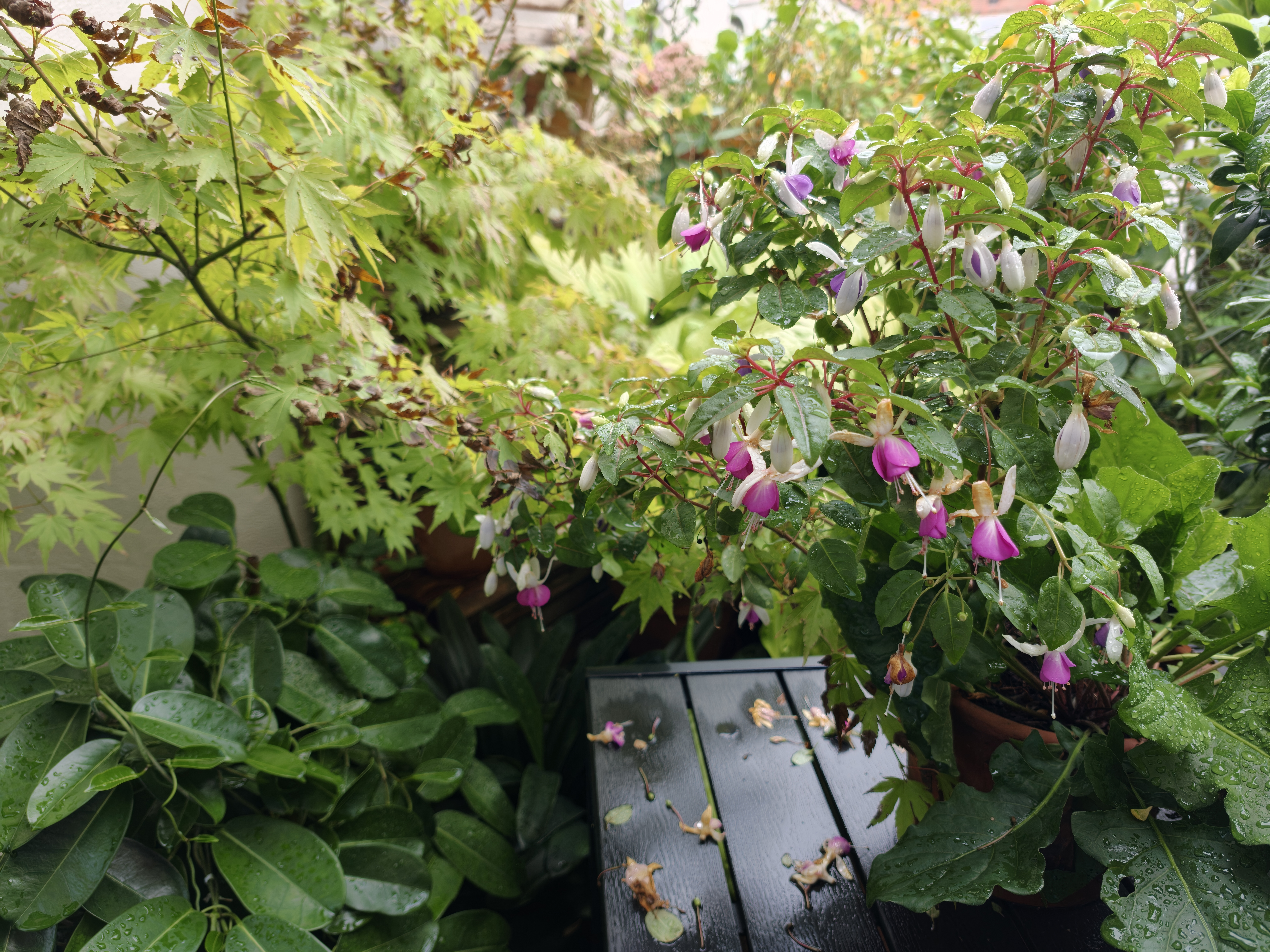
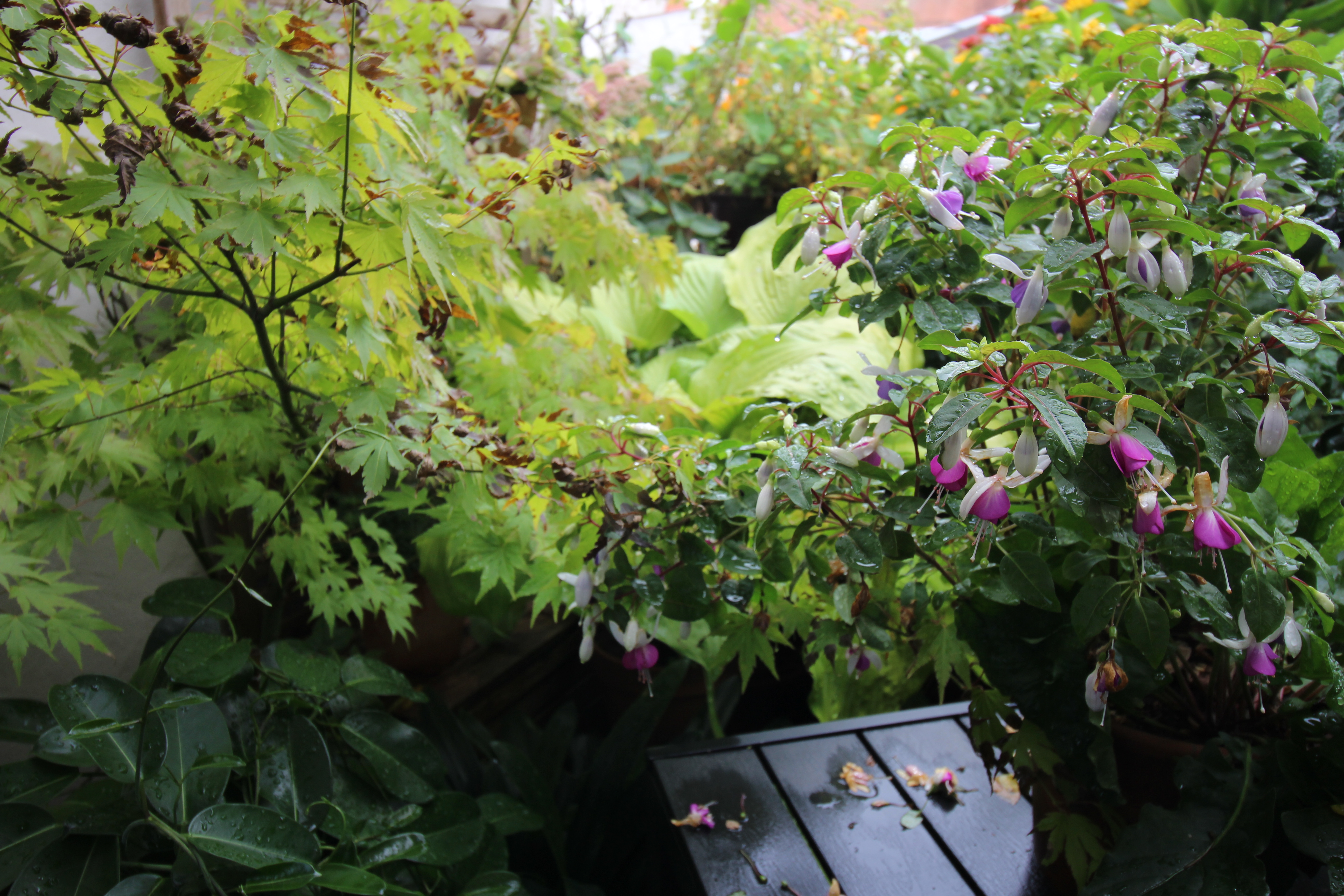
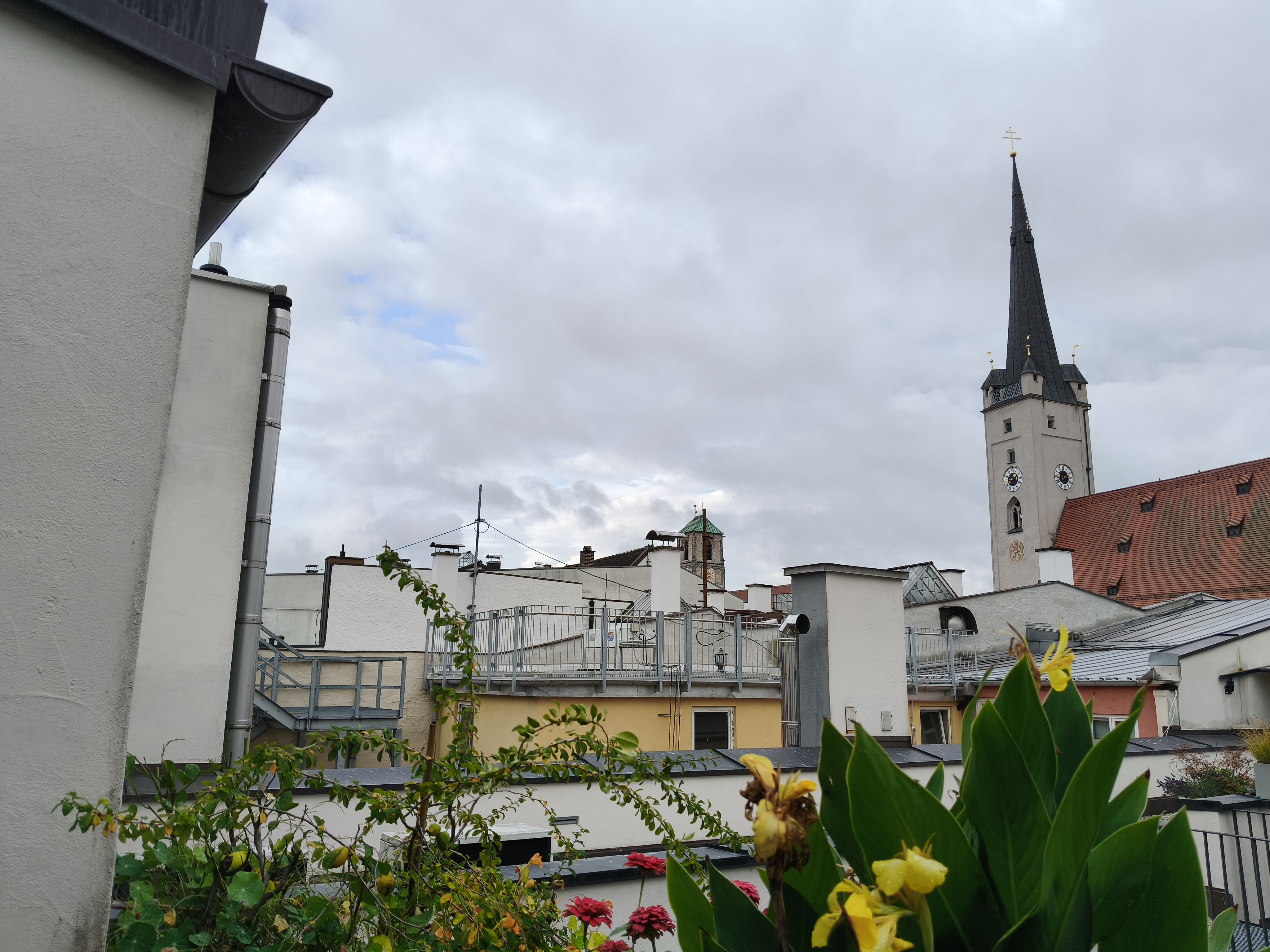
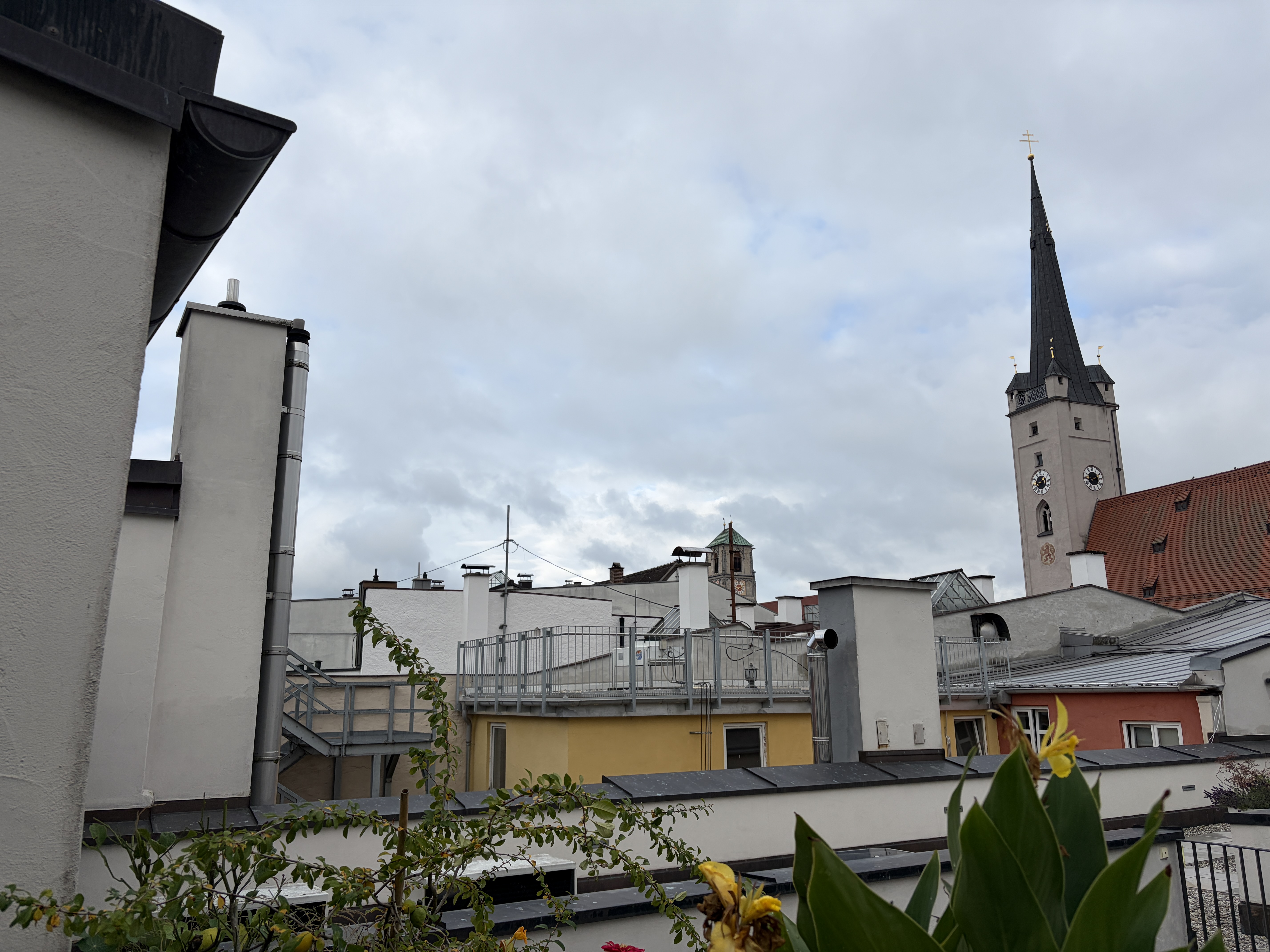
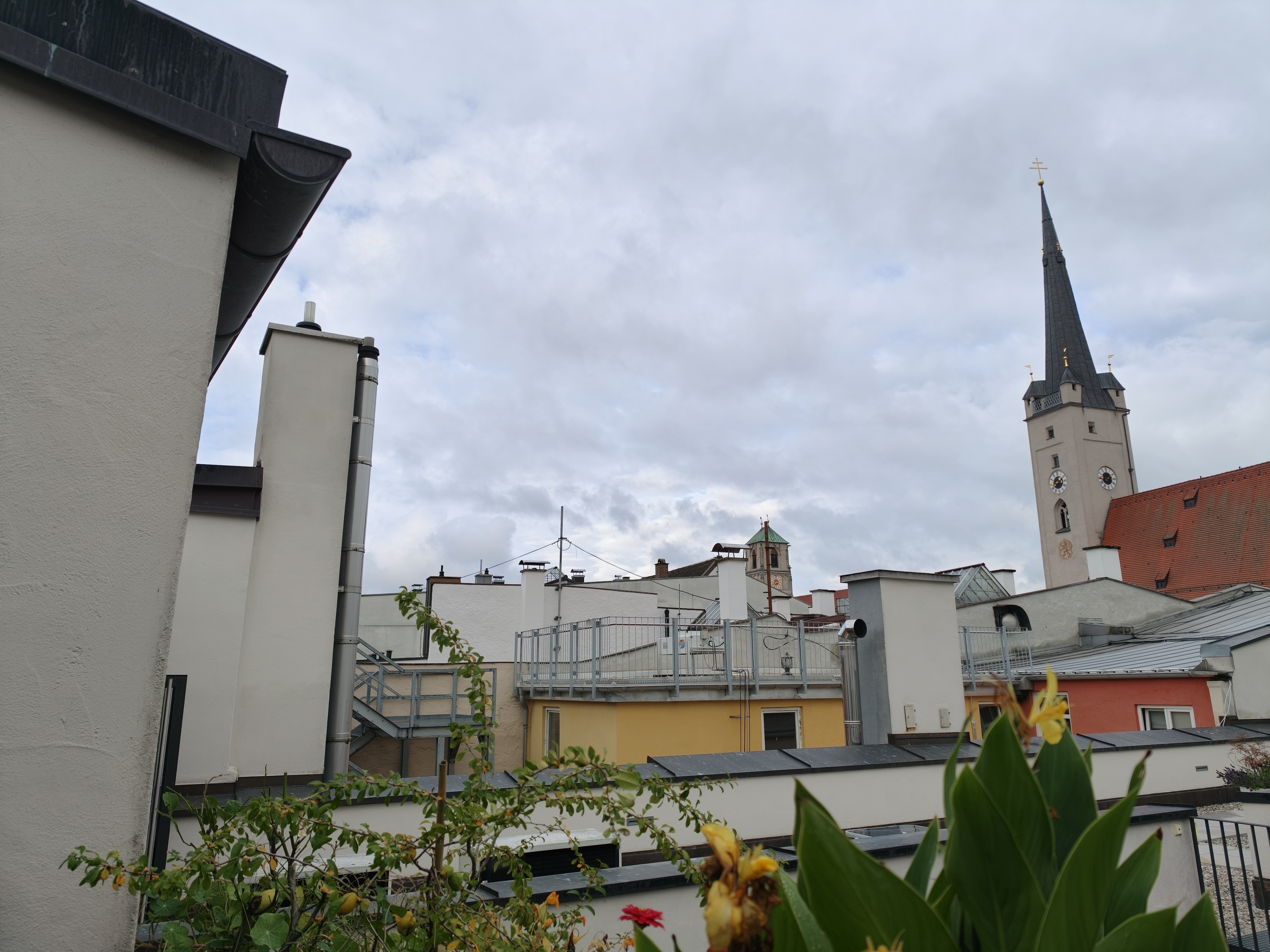
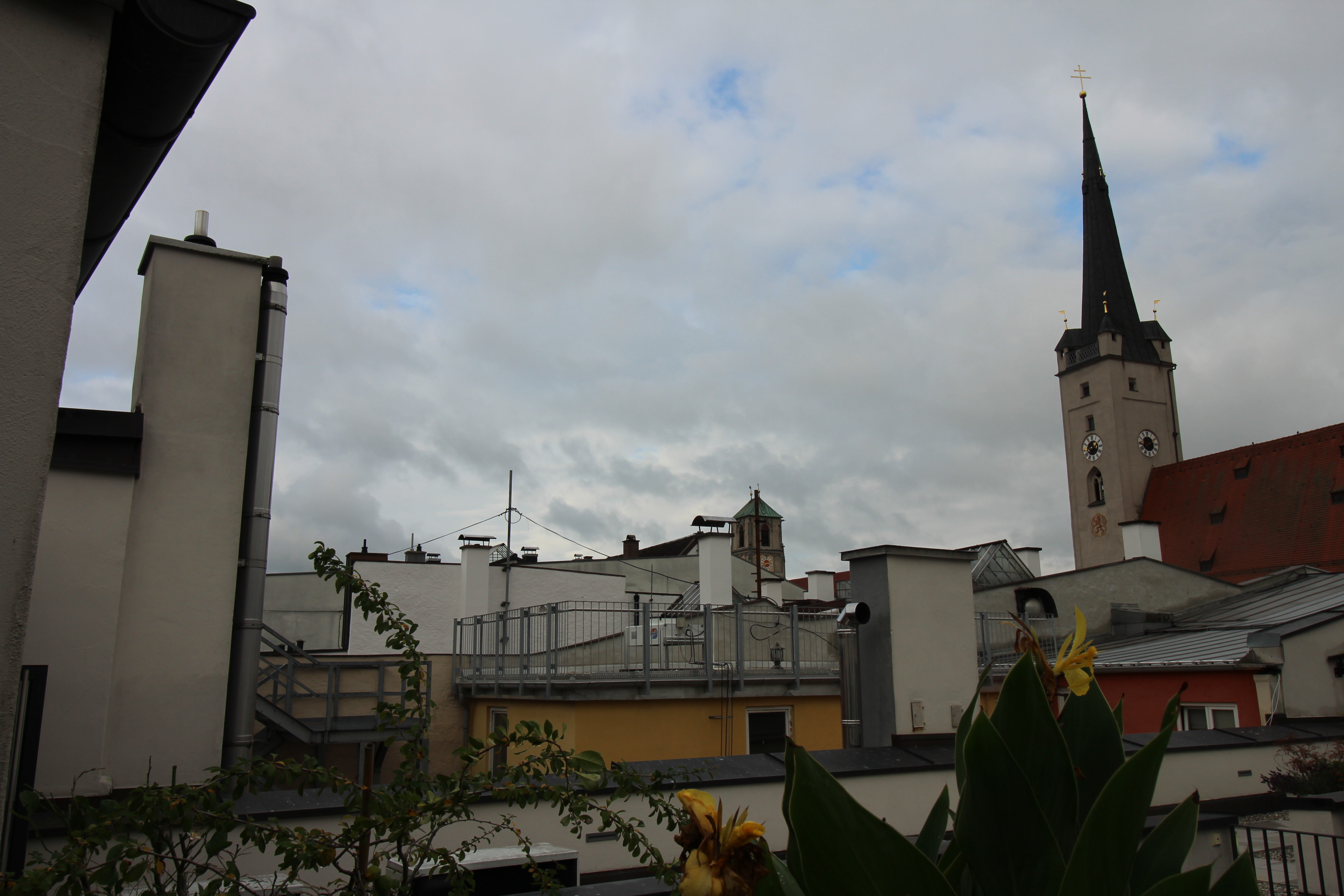
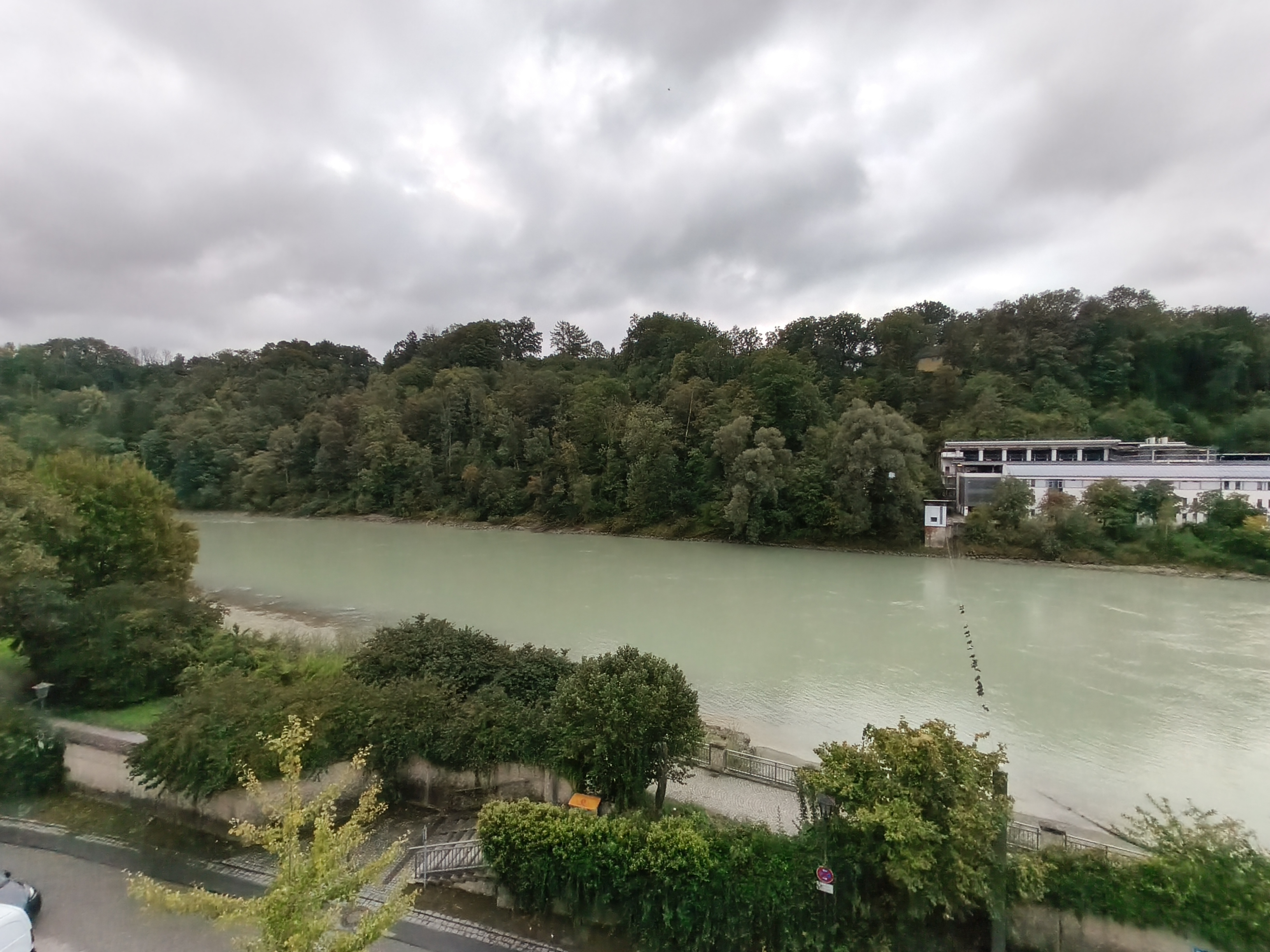
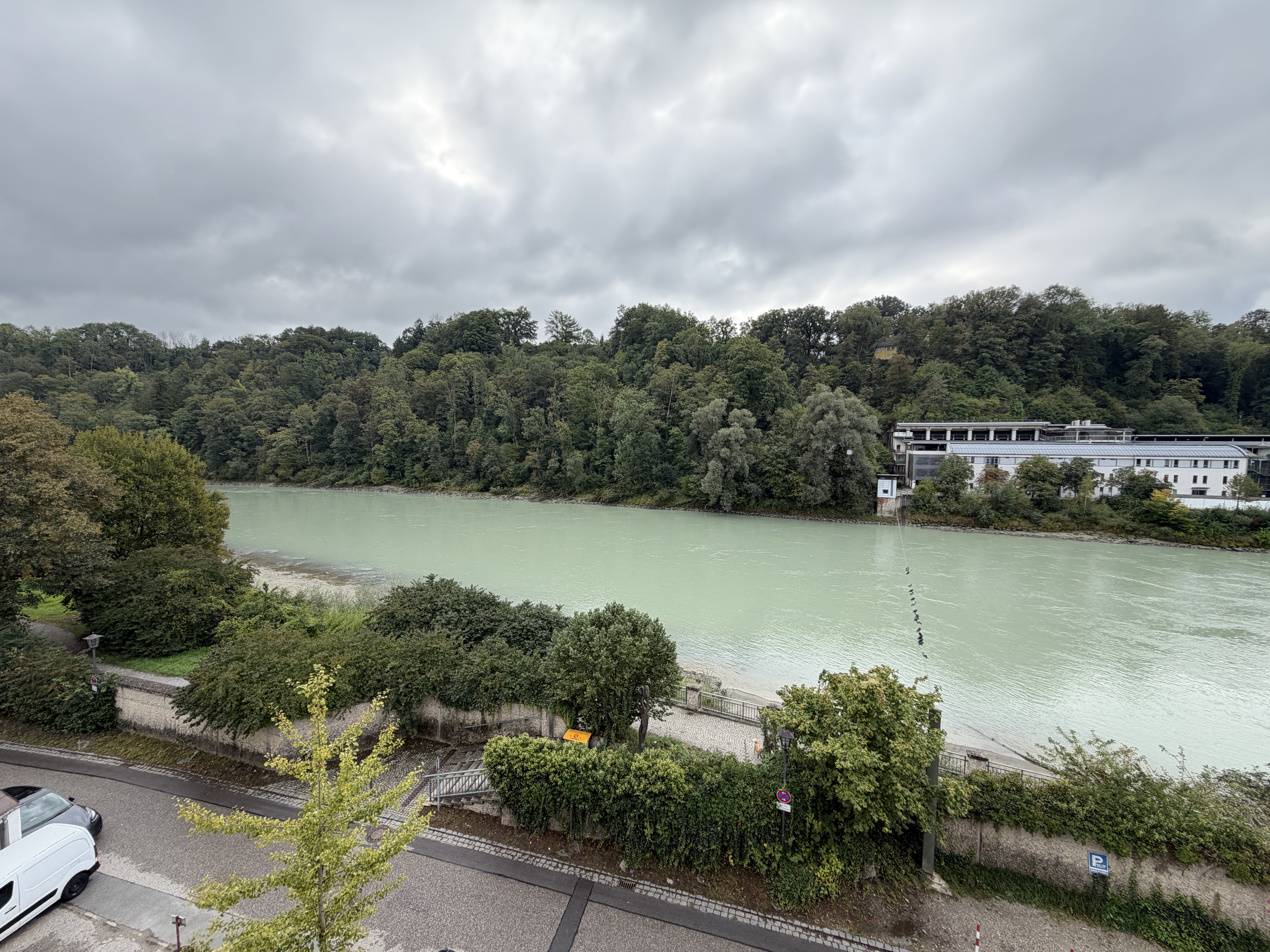
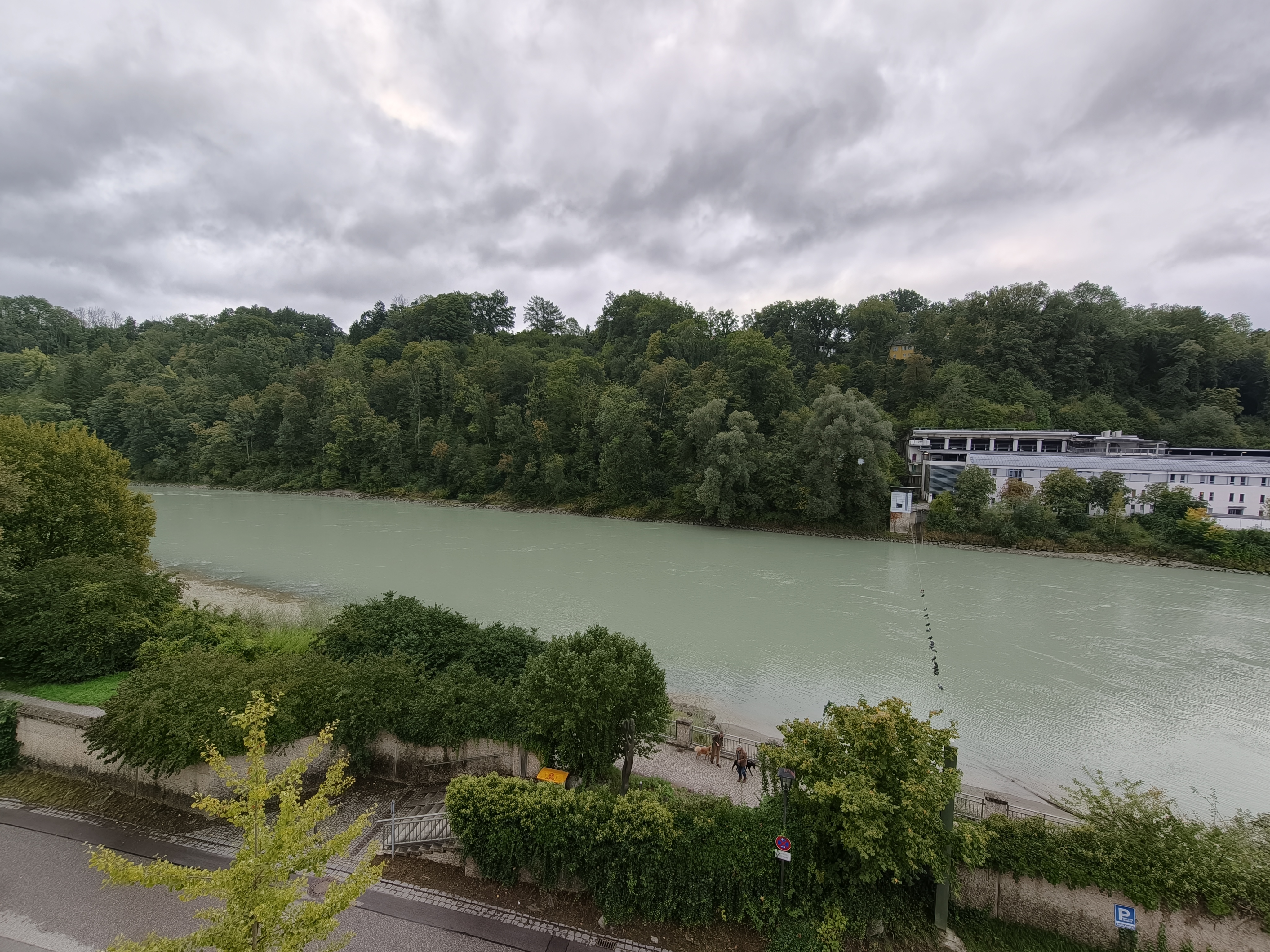
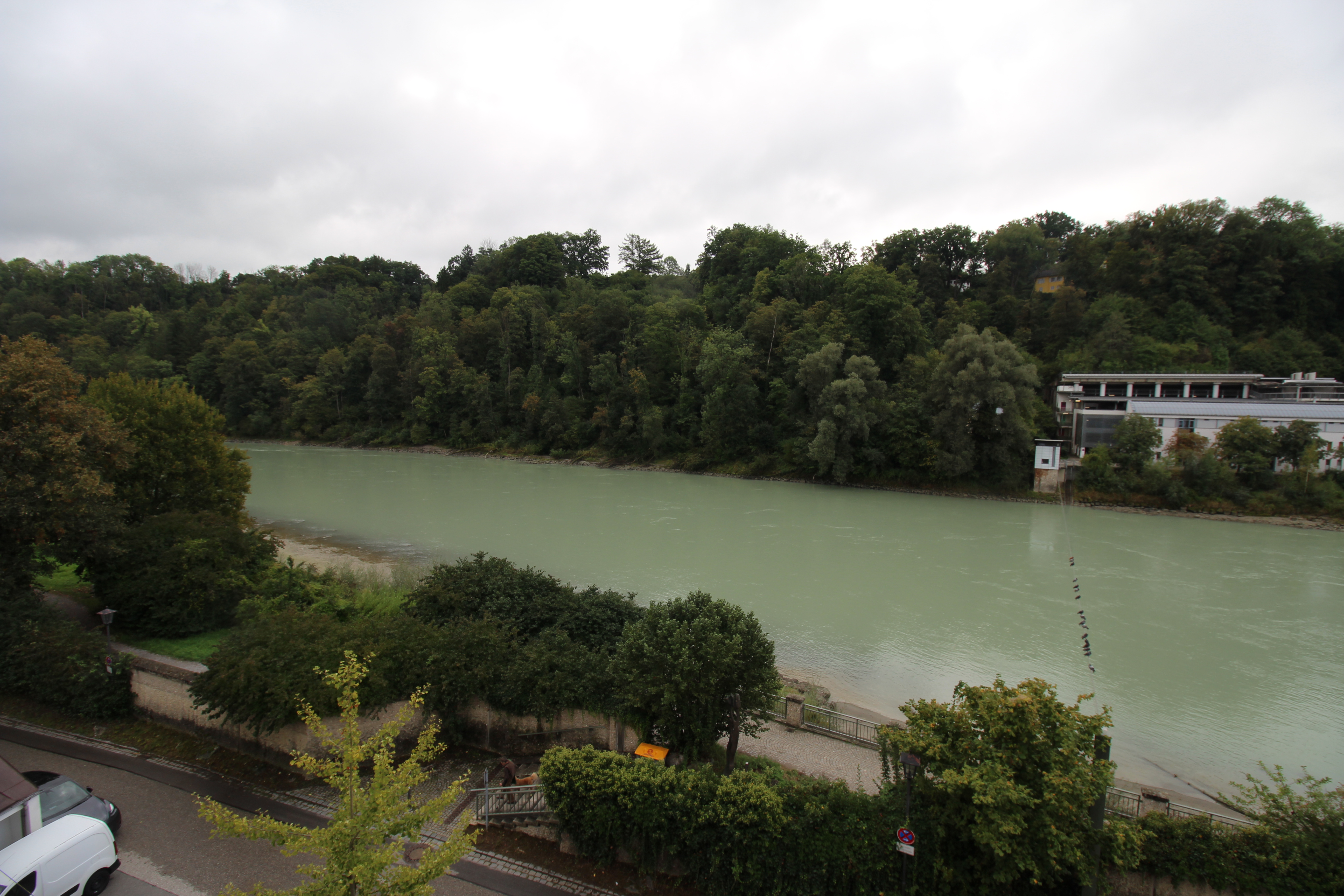
The Oppo Reno 16 FS’s camera system is quite versatile, as the manufacturer has equipped it with a decent main camera, a telephoto lens for zoom capabilities, and a wide-angle camera—albeit with a slightly lower resolution.
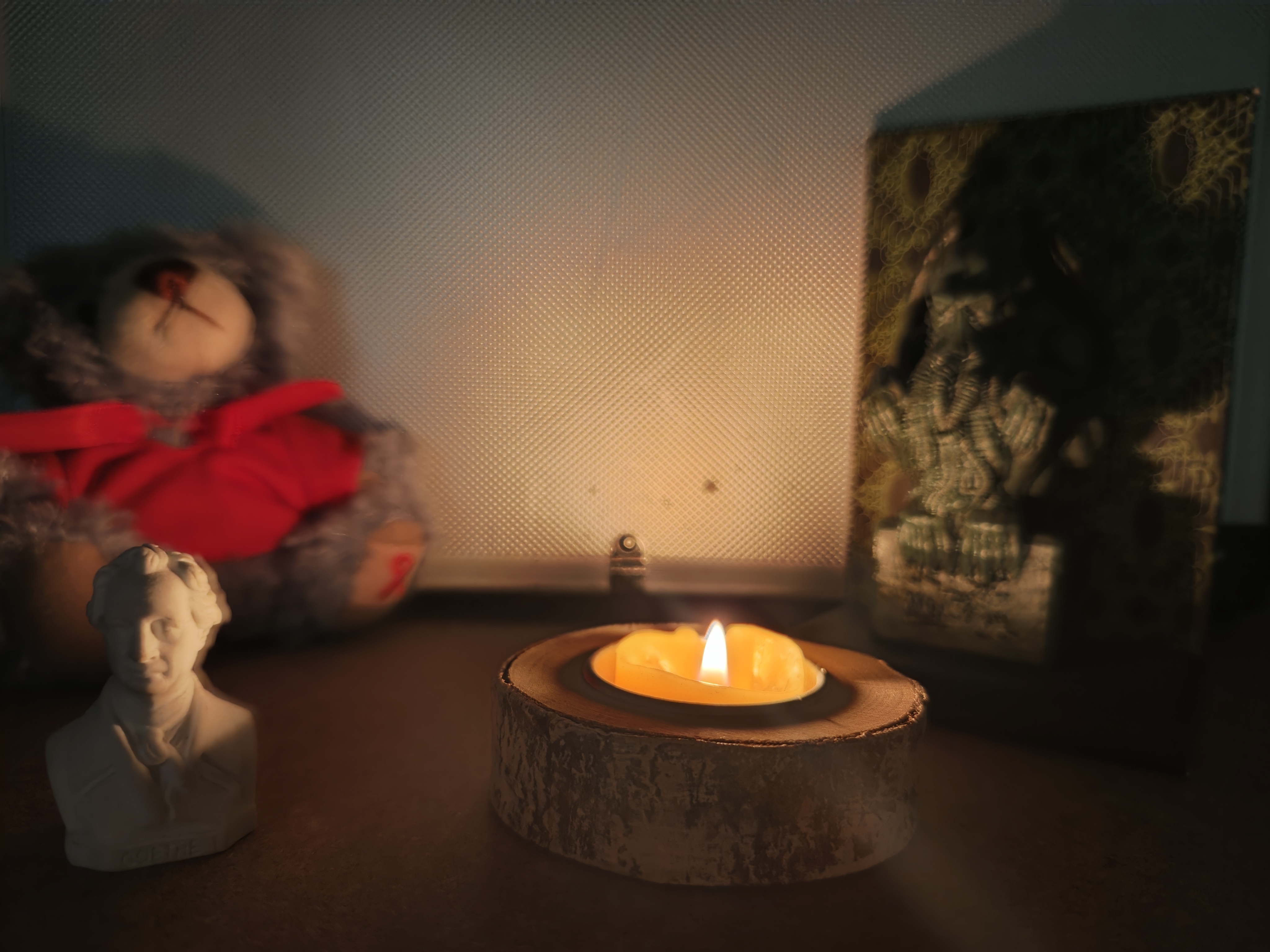
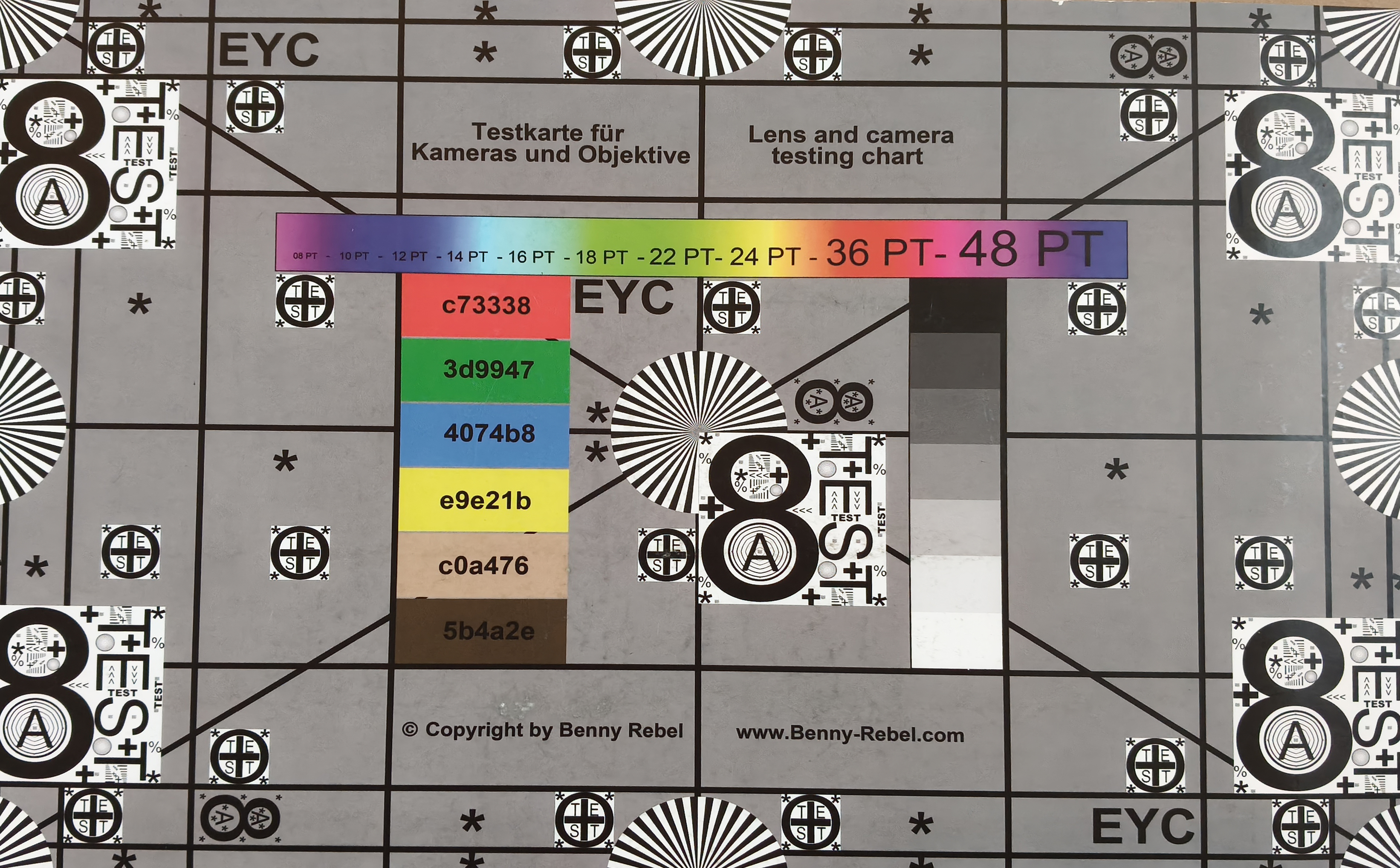
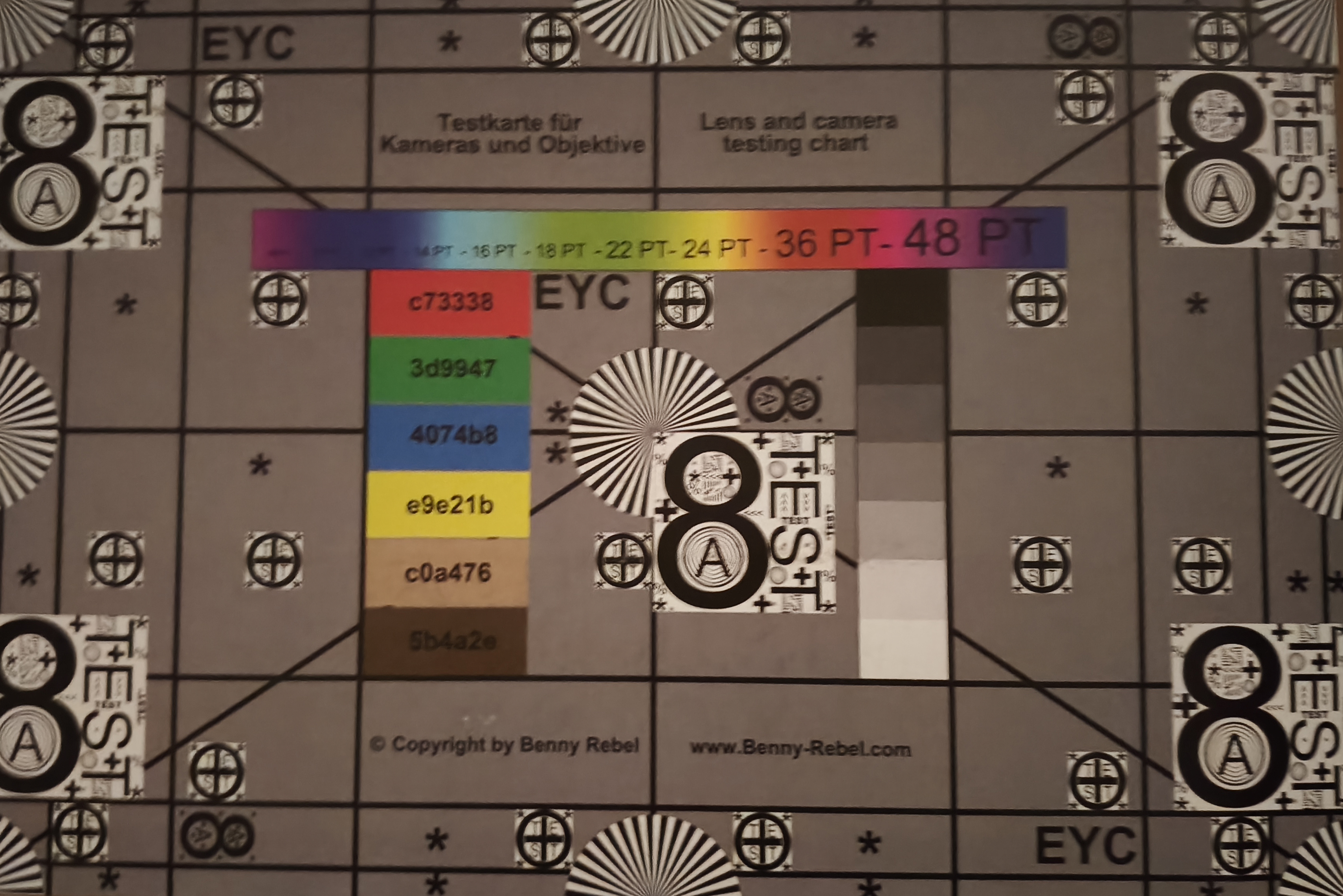
Photos taken with the main camera are sharp and exhibit a high dynamic range. Photos taken at 10x zoom are still usable, but you should ensure good lighting conditions. Overall, the camera system’s low-light performance is its only real weakness.
The front camera takes sharp selfies and also impresses with good color reproduction.
Image comparison
Choose a scene and navigate within the first image. One click changes the position on touchscreens. One click on the zoomed-in image opens the original in a new window. The first image shows the scaled photograph of the test device.
PflanzeUmgebungLow LightWeitwinkel







Display – Bright enough for everyday use
The Oppo Reno 16 FS’s display achieves a brightness of well over 1,000 cd/m². That should be sufficient for most everyday situations, even in bright rooms or outdoors.
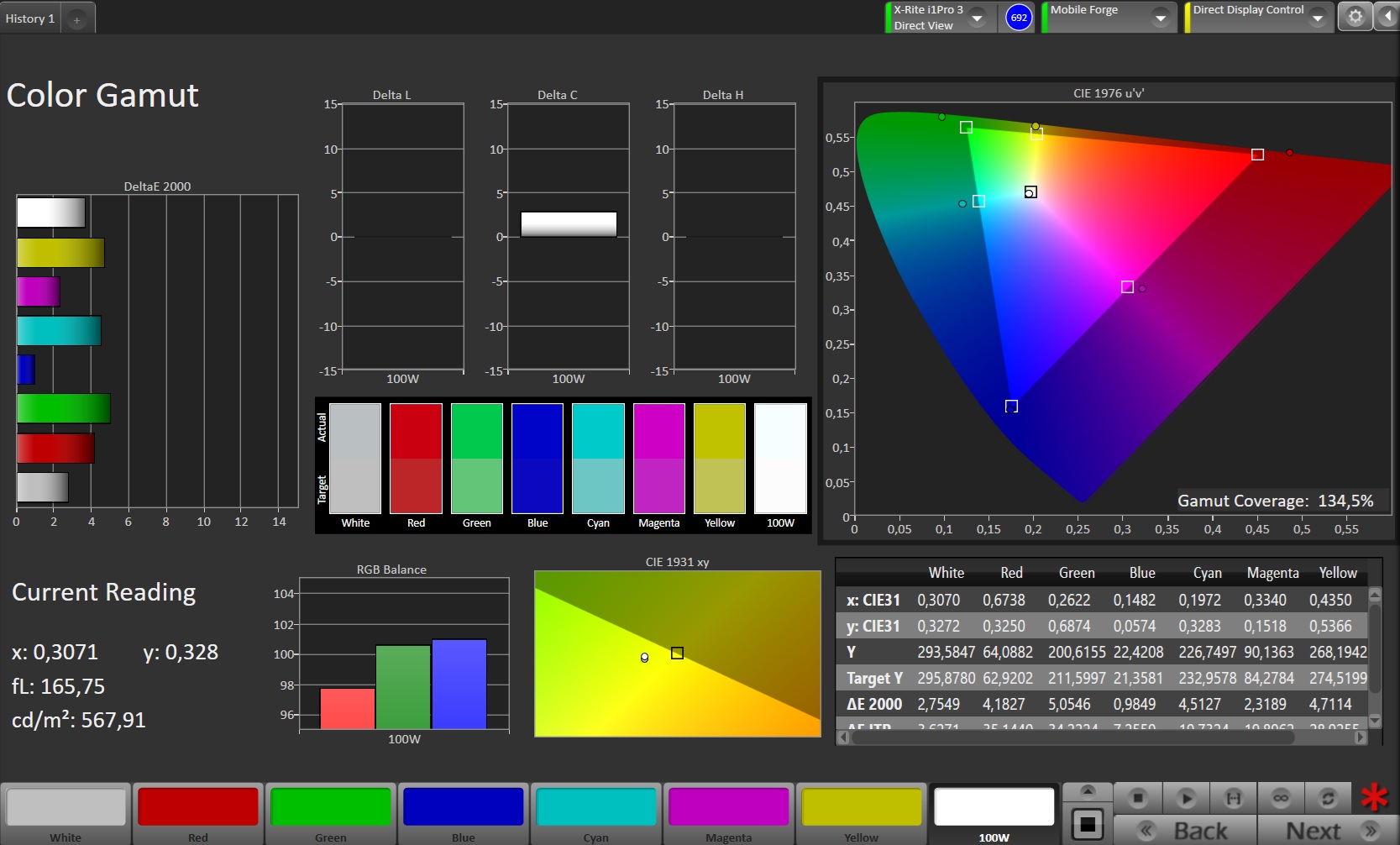
Color reproduction is good and adequate for everyday use, though professionals may want a bit more precision.
The manufacturer uses an AMOLED display that relies on PWM to reduce brightness: At minimum brightness, we measured a flicker rate of around 92 Hz. People who are sensitive to this should therefore test the phone’s screen before purchasing.
| |||||||||||||||||||||||||
Contrast: ∞:1 (Black: 0 cd/m²)
ΔE ColorChecker Calman: 3.27 | ∀{0.5-29.43 Ø4.69}
ΔE Greyscale Calman: 2.5 | ∀{0.09-98 Ø4.94}
134.5% sRGB (Calman 2D)
Gamma: 2.274
CCT: 6850 K
| Oppo Reno16 FS AMOLED, 2372x1080, 6.6" | Honor 600 AMOLED, 2728x1264, 6.6" | OnePlus 15T OLED, 2640x1216, 6.3" | Apple iPhone 17e OLED, 2532x1170, 6.1" | |
|---|---|---|---|---|
| Display | 321% | 82% | -12% | |
| APL18 Peak Brightness (cd/m²) | 1306 | 3102 138% | 1745 34% | 1154 -12% |
| HDR Peak Brightness (cd/m²) | 1359 | 8192 503% | 3125 130% | 1203 -11% |
| Response Times | 25% | -212% | -96% | |
| Response Time Grey 50% / Grey 80% * (ms) | 1.7 ? | 1.06 ? 38% | 12.4 ? -629% | 4.3 ? -153% |
| Response Time Black / White * (ms) | 1.4 ? | 1 ? 29% | 1.2 ? 14% | 3.4 ? -143% |
| PWM Frequency (Hz) | 92 | 60 | 120.7 | 60 |
| PWM Amplitude * (%) | 15 | 13.86 8% | 18 -20% | 14 7% |
| Screen | 20% | 6% | 29% | |
| Brightness middle (cd/m²) | 1143 | 1787 56% | 1119 -2% | 837 -27% |
| Black Level * (cd/m²) | ||||
| Colorchecker dE 2000 * | 3.27 | 1.9 42% | 2.22 32% | 1.23 62% |
| Colorchecker dE 2000 max. * | 6.49 | 5.3 18% | 5.18 20% | 2.67 59% |
| Greyscale dE 2000 * | 2.5 | 3.4 -36% | 3.2 -28% | 2 20% |
| Gamma | 2.274 97% | 2.25 98% | 2.243 98% | 2.246 98% |
| CCT | 6850 95% | 6874 95% | 7147 91% | 6486 100% |
| Brightness (cd/m²) | 1101 | 835 | ||
| Brightness Distribution (%) | 96 | 99 | ||
| Total Average (Program / Settings) | 122% /
88% | -41% /
-50% | -26% /
-22% |
* ... smaller is better
Screen Flickering / PWM (Pulse-Width Modulation)
| Screen flickering / PWM detected | 92 Hz Amplitude: 15 % | 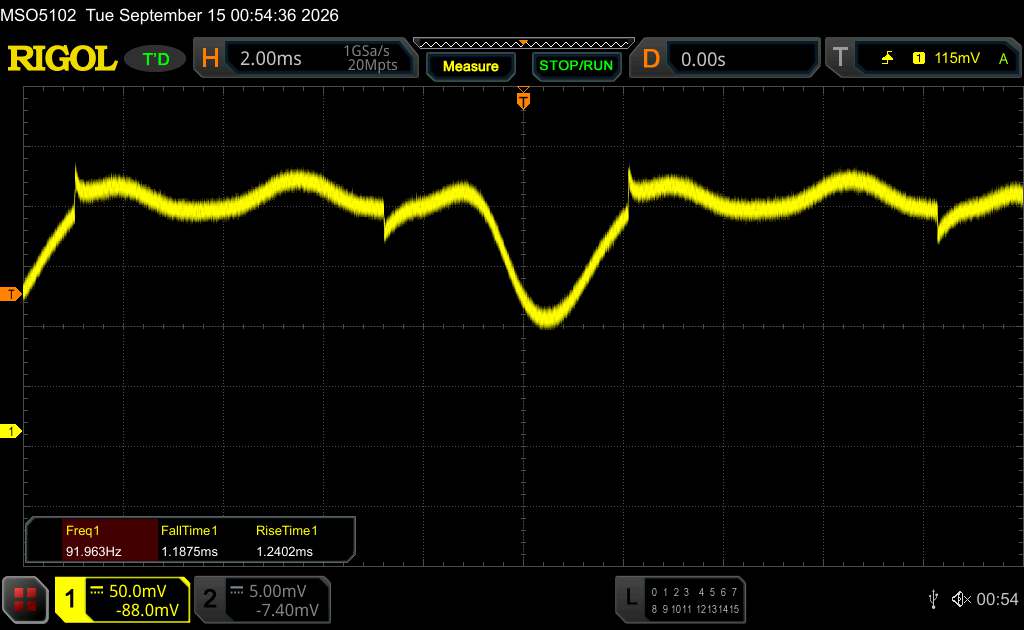 | |
The display backlight flickers at 92 Hz (worst case, e.g., utilizing PWM) . The frequency of 92 Hz is very low, so the flickering may cause eyestrain and headaches after extended use. In comparison: 52 % of all tested devices do not use PWM to dim the display. If PWM was detected, an average of 7625 (minimum: 5 - maximum: 343500) Hz was measured. | |||
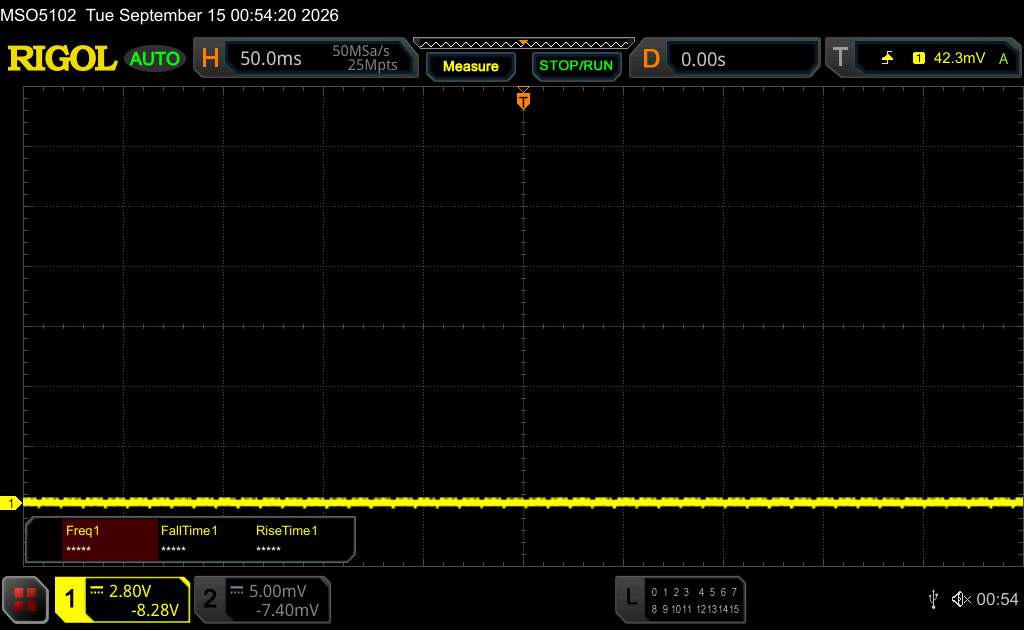
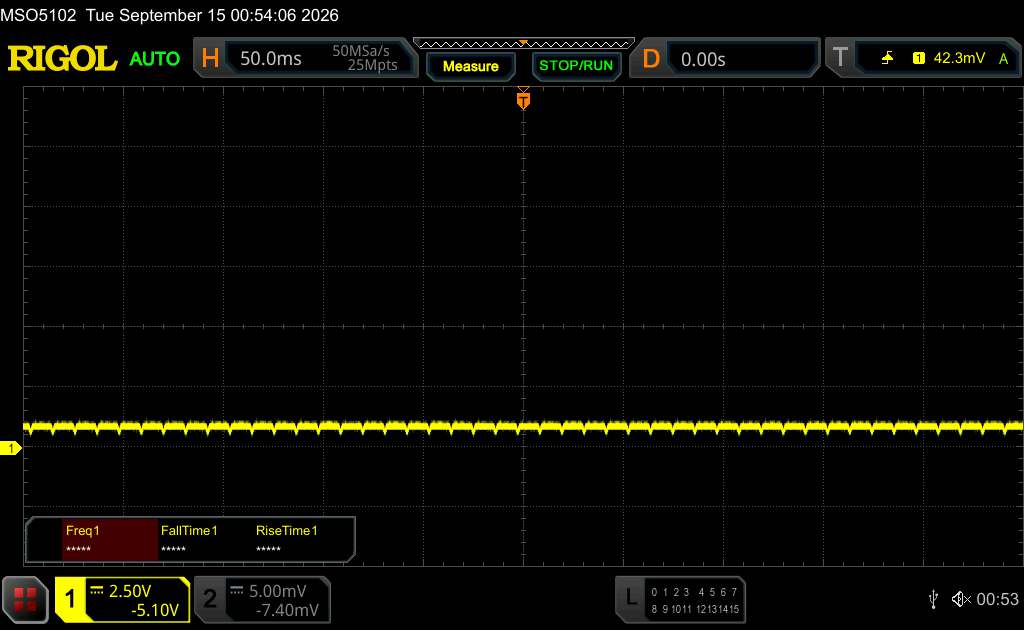
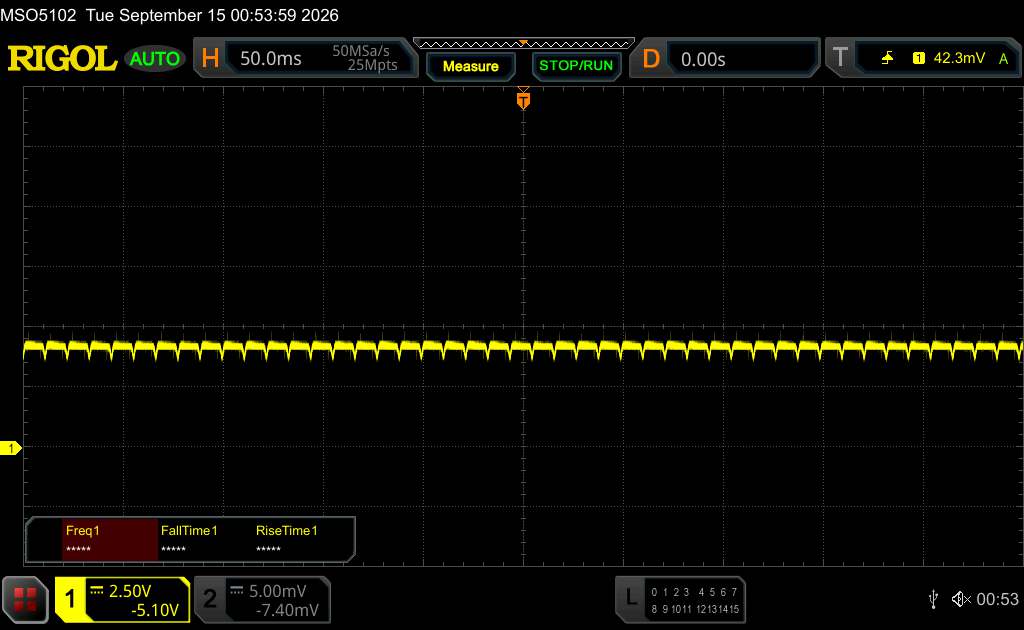
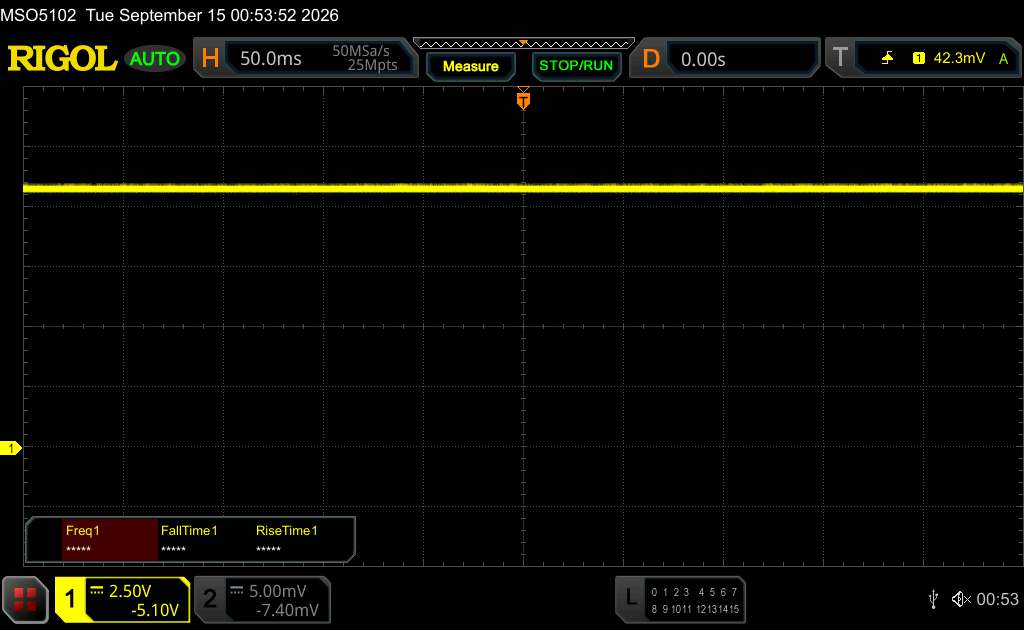
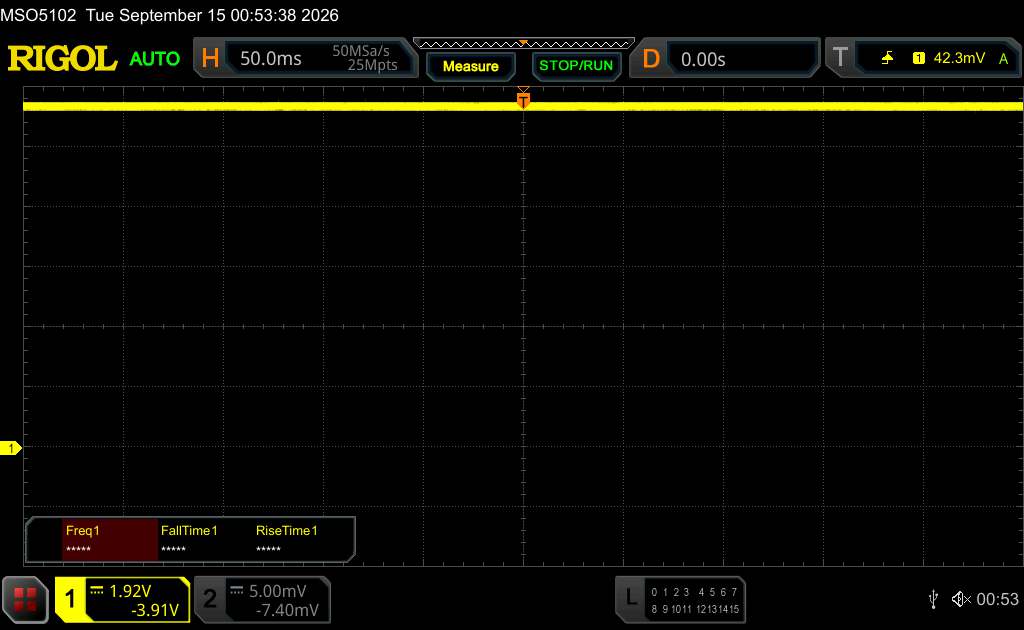
Measurement series with a fixed zoom level and different brightness settings (Although the amplitude curve at minimum brightness appears flat, this is due to the scaling. The info box shows a magnified version of the amplitude at minimum brightness.)
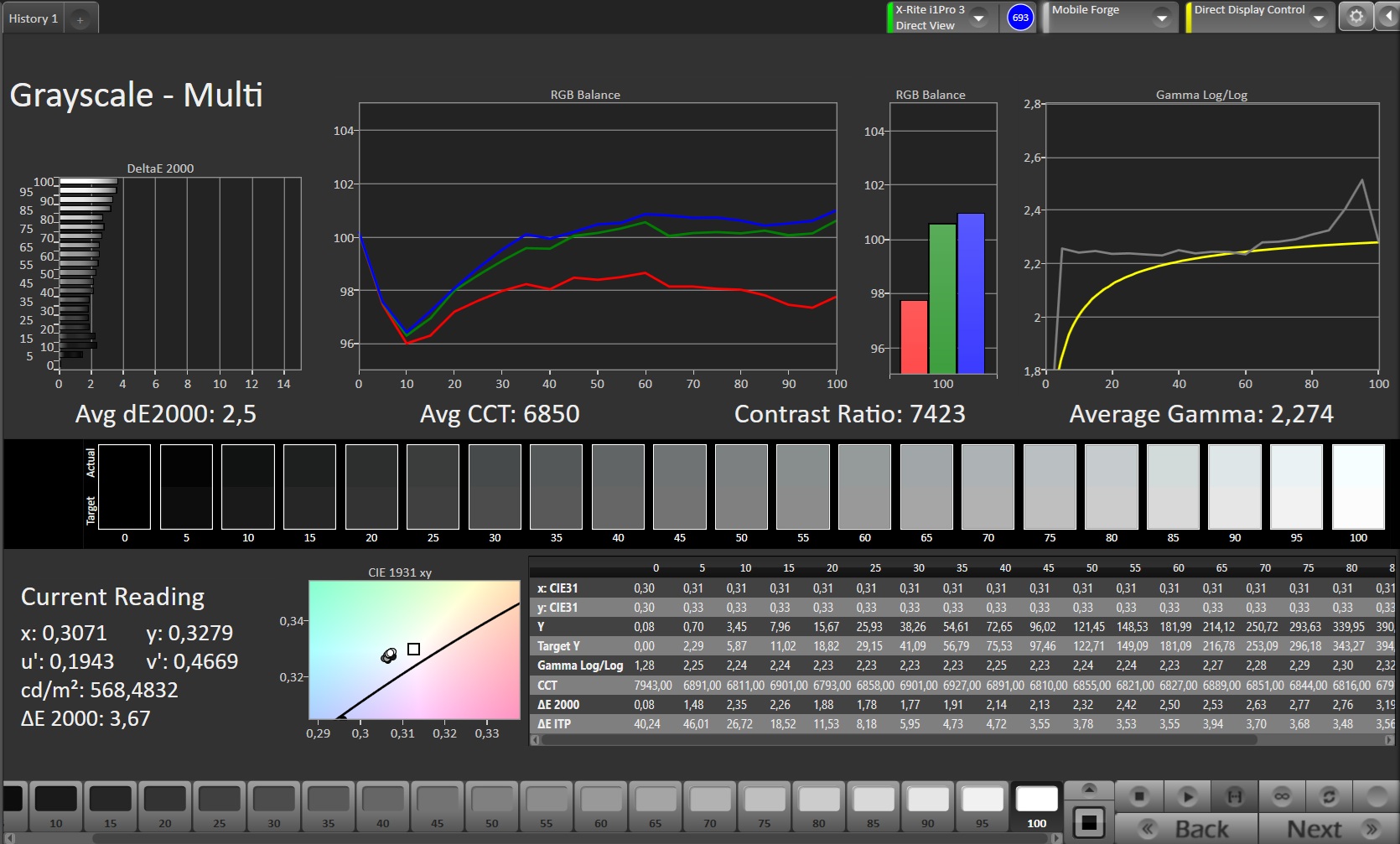
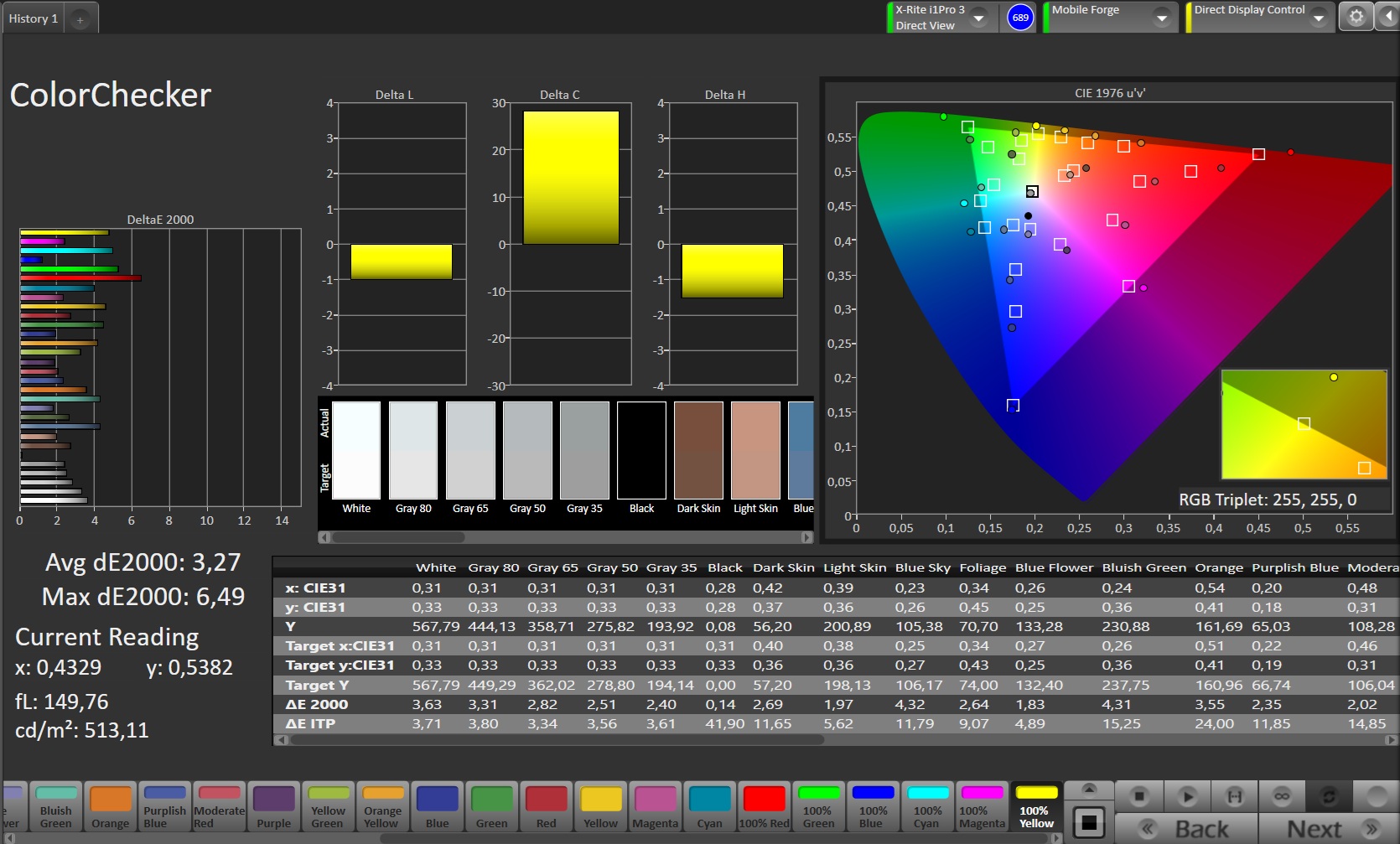
Display Response Times
| ↔ Response Time Black to White | ||
|---|---|---|
| 1.4 ms ... rise ↗ and fall ↘ combined | ↗ 0.7 ms rise | 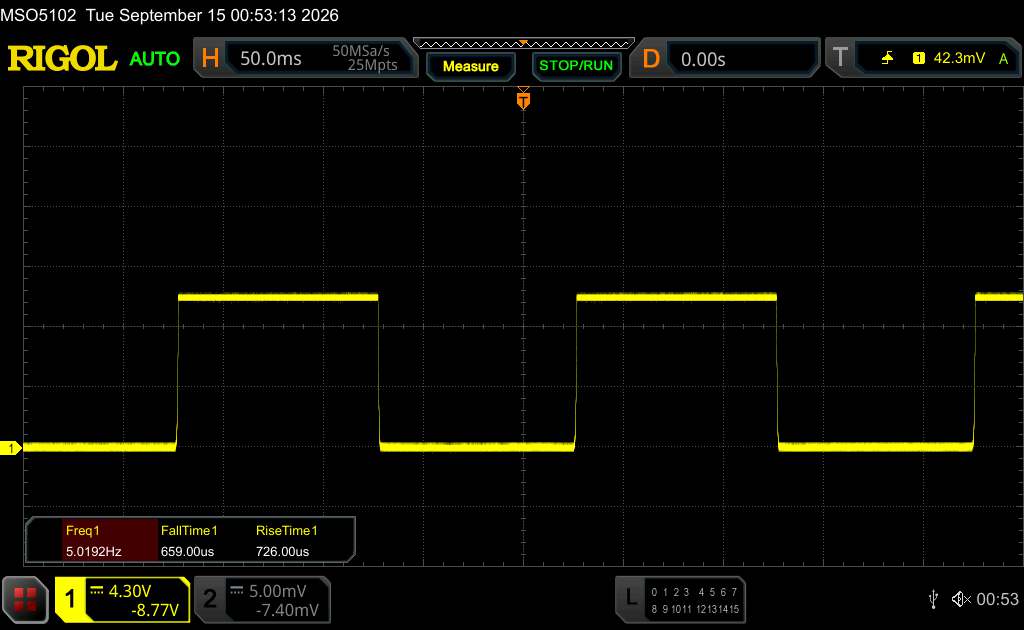 |
| ↘ 0.7 ms fall | ||
| The screen shows very fast response rates in our tests and should be very well suited for fast-paced gaming. In comparison, all tested devices range from 0.1 (minimum) to 240 (maximum) ms. » 9 % of all devices are better. This means that the measured response time is better than the average of all tested devices (19.7 ms). | ||
| ↔ Response Time 50% Grey to 80% Grey | ||
| 1.7 ms ... rise ↗ and fall ↘ combined | ↗ 0.9 ms rise | 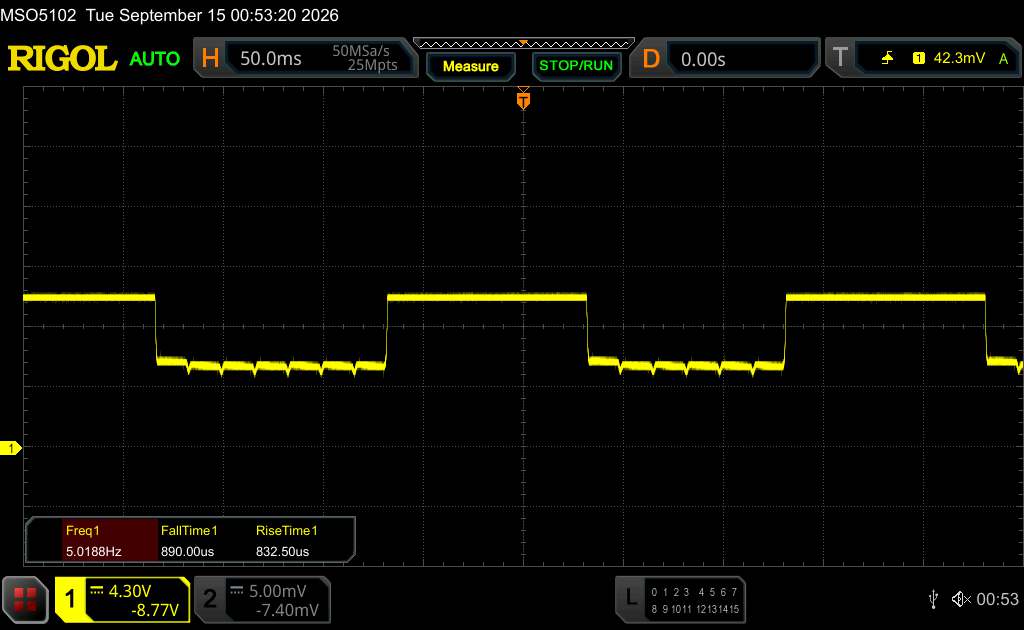 |
| ↘ 0.8 ms fall | ||
| The screen shows very fast response rates in our tests and should be very well suited for fast-paced gaming. In comparison, all tested devices range from 0.13 (minimum) to 636 (maximum) ms. » 9 % of all devices are better. This means that the measured response time is better than the average of all tested devices (30.7 ms). | ||
Performance, emissions, and battery life – Weak SoC
The MediaTek Dimensity 7300 is an unusual choice for a smartphone in this price range; it’s actually more commonly found in phones priced around US$ 400 . Consequently, the Reno 16 FS often can’t keep up with similarly priced competitors in terms of performance.
In everyday use, navigating through menus is usually smooth, but slightly more demanding apps push the phone to its limits.
The SoC gets noticeably warm under prolonged load, though 3DMark stress tests show that performance isn’t affected.
The speaker system consists of a dedicated speaker on the bottom edge and the earpiece as a secondary output. As a result, the Oppo Reno 16 FS isn’t a bass powerhouse, but it manages to produce a pleasant sound that doesn’t distort. The most common codecs are available for Bluetooth audio transmission.
A 6,500 mAh battery is no longer uncommon in the mid-range segment. With this battery, the Oppo Reno 16 FS achieved a runtime of 23 hours and 21 minutes in our Wi-Fi test. That’s easily enough for one to two workdays. The phone can be charged at up to 45 watts, with a full charge taking less than 2 hours.
| GFXBench | |
| on screen Aztec Ruins Normal Tier Onscreen | |
| Average of class Smartphone (6.2 - 185, n=186, last 2 years) | |
| OnePlus 15T | |
| Honor 600 | |
| Oppo Reno16 FS | |
| Average MediaTek Dimensity 7300 (18 - 38, n=18) | |
| 1920x1080 Aztec Ruins Normal Tier Offscreen | |
| OnePlus 15T | |
| Average of class Smartphone (3.4 - 378, n=185, last 2 years) | |
| Honor 600 | |
| Average MediaTek Dimensity 7300 (36 - 42, n=18) | |
| Oppo Reno16 FS | |
| on screen Aztec Ruins High Tier Onscreen | |
| OnePlus 15T | |
| Average of class Smartphone (3.7 - 154, n=187, last 2 years) | |
| Honor 600 | |
| Average MediaTek Dimensity 7300 (6.2 - 24, n=18) | |
| Oppo Reno16 FS | |
| 2560x1440 Aztec Ruins High Tier Offscreen | |
| OnePlus 15T | |
| Average of class Smartphone (1.2 - 151, n=185, last 2 years) | |
| Honor 600 | |
| Average MediaTek Dimensity 7300 (14 - 17, n=18) | |
| Oppo Reno16 FS | |
| 3840x2160 4K Aztec Ruins High Tier Offscreen | |
| OnePlus 15T | |
| Average of class Smartphone (0.54 - 72, n=185, last 2 years) | |
| Honor 600 | |
| Average MediaTek Dimensity 7300 (5 - 7.4, n=18) | |
| Oppo Reno16 FS | |
| Oppo Reno16 FS | Honor 600 | OnePlus 15T | Average 512 GB UFS 3.1 Flash | Average of class Smartphone | |
|---|---|---|---|---|---|
| AndroBench 3-5 | 8% | 103% | -11% | 6% | |
| Sequential Read 256KB (MB/s) | 1902.3 | 1986.99 4% | 4115.87 116% | 1878 ? -1% | 2280 ? 20% |
| Sequential Write 256KB (MB/s) | 1795.4 | 1807.77 1% | 4076.12 127% | 1406 ? -22% | 1970 ? 10% |
| Random Read 4KB (MB/s) | 306 | 353.95 16% | 578.74 89% | 291 ? -5% | 316 ? 3% |
| Random Write 4KB (MB/s) | 402.6 | 451 12% | 721.05 79% | 345 ? -14% | 360 ? -11% |
(±) The maximum temperature on the upper side is 44.6 °C / 112 F, compared to the average of 35.3 °C / 96 F, ranging from 21.9 to 247 °C for the class Smartphone.
(±) The bottom heats up to a maximum of 43.9 °C / 111 F, compared to the average of 34.1 °C / 93 F
3DMark Stress Tests
| 3DMark | |
| Wild Life Stress Test Stability | |
| Oppo Reno16 FS | |
| Honor 600 | |
| Apple iPhone 17e | |
| OnePlus 15T | |
| Wild Life Extreme Stress Test | |
| Oppo Reno16 FS | |
| Honor 600 | |
| Apple iPhone 17e | |
| OnePlus 15T | |
| Solar Bay Stress Test Stability | |
| Apple iPhone 17e | |
| Solar Bay Extreme Stress Test Stability | |
| Apple iPhone 17e | |
| Steel Nomad Light Stress Test Stability | |
| Honor 600 | |
| Oppo Reno16 FS | |
| Apple iPhone 17e | |
Oppo Reno16 FS audio analysis
(+) | speakers can play relatively loud (89.5 dB)
Bass 100 - 315 Hz
(-) | nearly no bass - on average 26.7% lower than median
(±) | linearity of bass is average (12.6% delta to prev. frequency)
Mids 400 - 2000 Hz
(±) | higher mids - on average 7% higher than median
(+) | mids are linear (5.4% delta to prev. frequency)
Highs 2 - 16 kHz
(±) | higher highs - on average 5.3% higher than median
(±) | linearity of highs is average (9.1% delta to prev. frequency)
Overall 100 - 16.000 Hz
(±) | linearity of overall sound is average (20.9% difference to median)
Compared to same class
» 39% of all tested devices in this class were better, 8% similar, 53% worse
» The best had a delta of 11%, average was 34%, worst was 136%
Compared to all devices tested
» 57% of all tested devices were better, 8% similar, 35% worse
» The best had a delta of 4%, average was 23%, worst was 136%
Honor 600 audio analysis
(+) | speakers can play relatively loud (87.8 dB)
Bass 100 - 315 Hz
(-) | nearly no bass - on average 20% lower than median
(±) | linearity of bass is average (13% delta to prev. frequency)
Mids 400 - 2000 Hz
(±) | reduced mids - on average 6.3% lower than median
(+) | mids are linear (5.8% delta to prev. frequency)
Highs 2 - 16 kHz
(+) | balanced highs - only 3.2% away from median
(+) | highs are linear (4.5% delta to prev. frequency)
Overall 100 - 16.000 Hz
(+) | overall sound is linear (14.7% difference to median)
Compared to same class
» 2% of all tested devices in this class were better, 2% similar, 96% worse
» The best had a delta of 11%, average was 34%, worst was 136%
Compared to all devices tested
» 20% of all tested devices were better, 4% similar, 76% worse
» The best had a delta of 4%, average was 23%, worst was 136%
| Off / Standby |   0.1 / 0.2 Watt 0.1 / 0.2 Watt |
| Idle |  0.9 / 1.2 / 1.6 Watt 0.9 / 1.2 / 1.6 Watt |
    
| |
Key:
min: ,
med: ,
max: Metrahit Energy | |
| Oppo Reno16 FS 6500 mAh | Honor 600 6400 mAh | Apple iPhone 17e 4005 mAh | Average MediaTek Dimensity 7300 | Average of class Smartphone | |
|---|---|---|---|---|---|
| Power Consumption | -57% | 0% | -20% | -9% | |
| Idle Minimum * (Watt) | 0.9 | 1.24 -38% | 0.9 -0% | 1.061 ? -18% | 0.894 ? 1% |
| Idle Average * (Watt) | 1.2 | 2.28 -90% | 1.2 -0% | 1.531 ? -28% | 1.488 ? -24% |
| Idle Maximum * (Watt) | 1.6 | 2.3 -44% | 1.6 -0% | 1.812 ? -13% | 1.683 ? -5% |
| Load Average * (Watt) | 6.9 | 4.4 ? | 6.85 ? | ||
| Load Maximum * (Watt) | 12.2 | 7.95 ? | 10.7 ? |
* ... smaller is better
| Oppo Reno16 FS 6500 mAh | Honor 600 6400 mAh | OnePlus 15T 7500 mAh | Apple iPhone 17e 4005 mAh | |
|---|---|---|---|---|
| Battery runtime | ||||
| WiFi v1.3 (h) | 23.4 | 22.6 -3% | 34.3 47% | 19.4 -17% |
Notebookcheck overall rating
The manufacturer’s price is on the high side.
However, if you can find the Oppo Reno 16 FS for less, it offers a great camera system and good battery life.

Oppo Reno16 FS
- 09/24/2026 v8
Florian Schmitt
 Total Sustainability Score:
 Comparison of possible alternatives
Image | Model / Review | Price | Weight | Drive | Display |
|---|---|---|---|---|---|
1. 76%  | Oppo Reno16 FS MediaTek Dimensity 7300 ⎘ ARM Mali-G615 MP2 ⎘ 8 GB Memory, 512 GB UFS 3.1 | List Price: 649€ | 196 g | 512 GB UFS 3.1 Flash | 6.57" 2372x1080 397 PPI AMOLED |
2. 82.8%  | Honor 600 Qualcomm Snapdragon 7 Gen 4 SM7750-AB ⎘ Qualcomm Adreno 722 ⎘ 8 GB Memory, 512 GB UFS 3.1 | Amazon: $729.00 List Price: 650€ | 185 g | 512 GB UFS 3.1 Flash | 6.57" 2728x1264 458 PPI AMOLED |
3. 86%  | OnePlus 15T Qualcomm Snapdragon 8 Elite Gen 5 ⎘ Qualcomm Adreno 840 ⎘ 16 GB Memory, 512 GB UFS 4.x | Amazon: 1. $859.00 OnePlus 15R, 12GB RAM + 512G... 2. $1,819.00 OnePlus 15 Dual-SIM 512GB RO... 3. $402.80 Google Pixel 10a - 30+ Hours... List Price: 600€ | 194 g | 512 GB UFS 4.1 Flash | 6.32" 2640x1216 460 PPI OLED |
4. 84%  | Apple iPhone 17e Apple A19 ⎘ Apple A19 4-Core GPU ⎘ 8 GB Memory, 256 GB NVMe | List Price: 699 Euro | 170 g | 256 GB NVMe | 6.10" 2532x1170 460 PPI OLED |
Transparency
The selection of devices to be reviewed is made by our editorial team. The test sample was freely purchased by the author at his/her own expense. The lender had no influence on this review, nor did the manufacturer receive a copy of this review before publication. There was no obligation to publish this review. As an independent media company, Notebookcheck is not subjected to the authority of manufacturers, retailers or publishers.
This is how Notebookcheck is testing
Every year, Notebookcheck independently reviews hundreds of laptops and smartphones using standardized procedures to ensure that all results are comparable. We have continuously developed our test methods for around 20 years and set industry standards in the process. In our test labs, high-quality measuring equipment is utilized by experienced technicians and editors. These tests involve a multi-stage validation process. Our complex rating system is based on hundreds of well-founded measurements and benchmarks, which maintains objectivity. Further information on our test methods can be found here.
 Add as a preferred source on Google


