




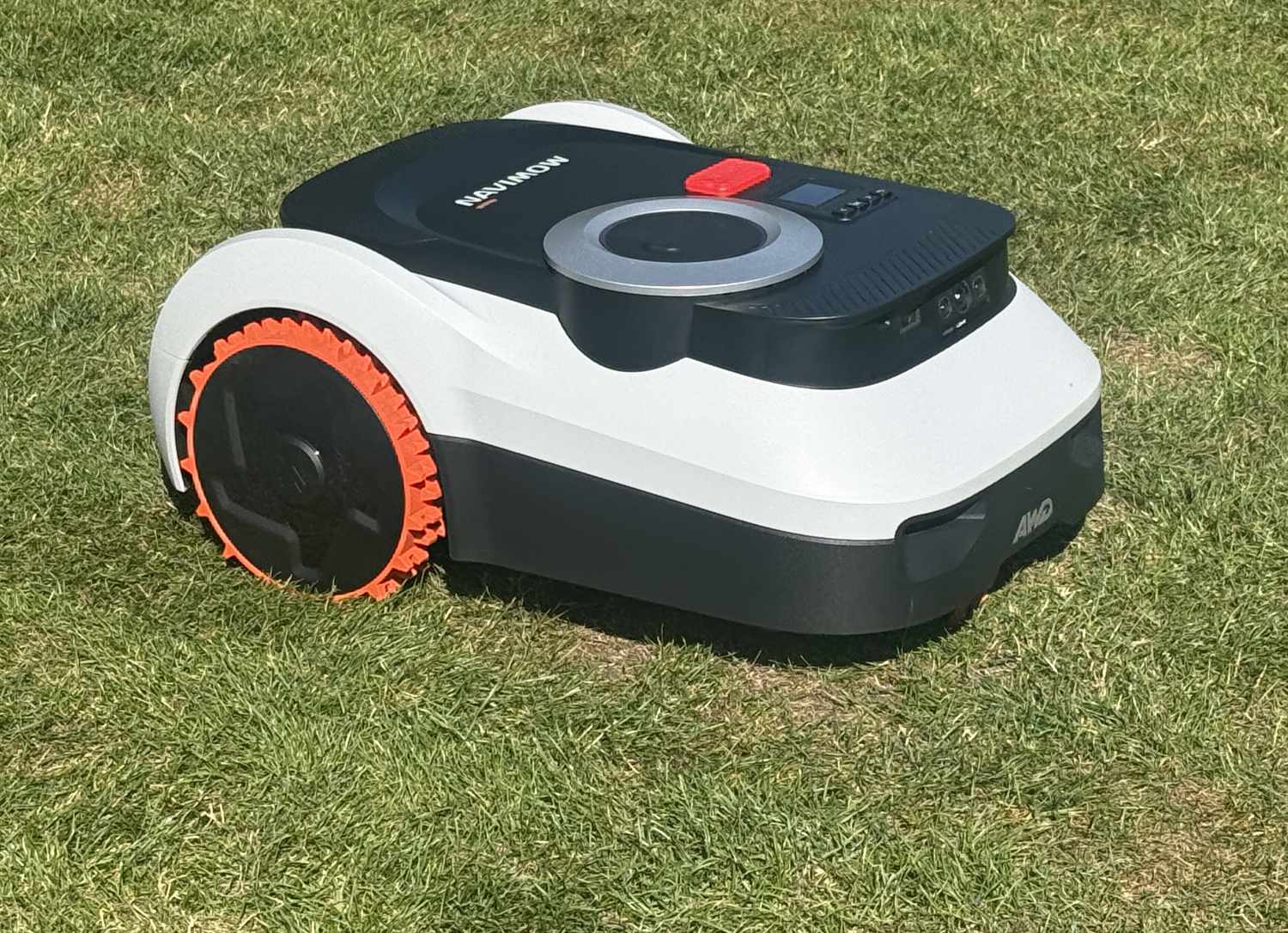
Agile all-wheel-drive robotic mower without RTK: Navimow i2 LiDAR Pro review
Sequel to a bestseller
All-wheel drive and a steerable front wheel combined with LiDAR navigation—the Navimow i2 LiDAR Pro sounds like an exciting wire-free robotic mower for challenging gardens up to 2,000 square meters. Our Navimow i210 LiDAR Pro review shows whether it also delivers in practice.Marcus Schwarten (translated by Marcus Schwarten (translation supported by DeepL)) Published 🇩🇪 🇳🇱 ...

Navimow i2 LiDAR Pro test comclusion: More strengths than weaknesses
The Navimow i2 LiDAR Pro performed well overall in our test. It is easy to set up, navigates without an RTK antenna, reliably detected most obstacles, and mowed areas cleanly.
The robotic mower’s main weakness in our test was edge mowing. It lacks a suitable solution for this, which some competitors—including less expensive ones—already offer. In addition, its high standby power consumption stood out negatively.
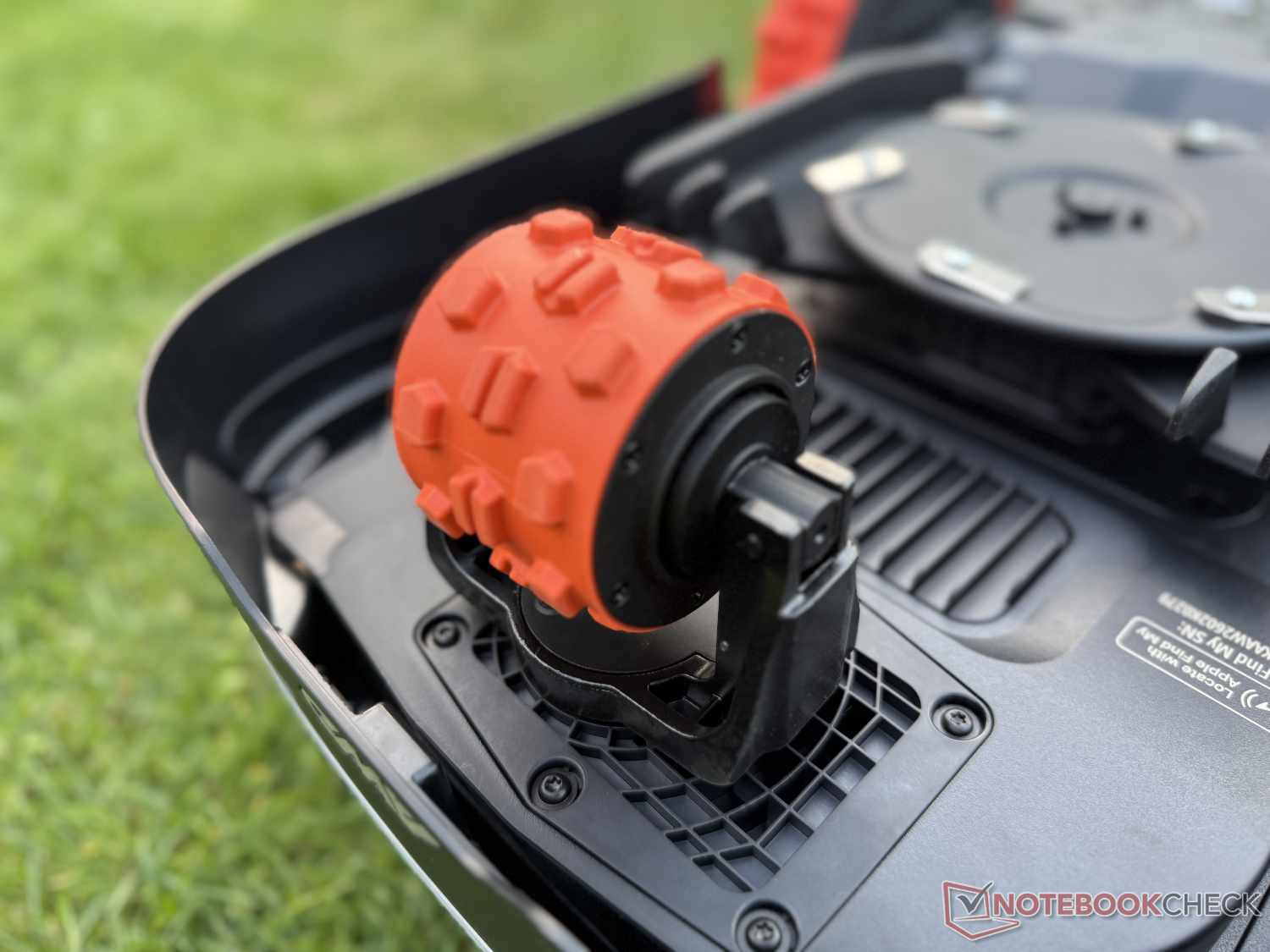
In our view, the Navimow i2 LiDAR Pro is particularly well suited to garden owners with lawns that aren’t entirely level. Here, the robotic mower benefits from its all-wheel drive and active steering, which give it a certain degree of off-road capability and high maneuverability. The Mova LiDAX Ultra AWD, for example, offers even more power on inclines and a movable cutting deck for trimming edges.
Pros
Cons
Price and availability
The manufacturer’s suggested retail price in Europe for the Navimow i210 LiDAR Pro we tested is 1,599 euros. The Navimow i220 LiDAR Pro, which covers up to 2,000 square meters, is priced at 1,999 euros. They are available from the manufacturer and on Amazon, among other places.

Table of Contents
- Navimow i2 LiDAR Pro test comclusion: More strengths than weaknesses
- Features & package contents: All-wheel-drive model from the i2 series
- Setup & maintenance: With AI mapping
- App & usability: As good as ever
- Navigation & obstacle avoidance: Almost perfect
- Area & edge mowing: (Too) large a gap at the edge
- Runtime & noise level: Quiet, but high standby power consumption
With the start of the 2026 gardening season, Navimow has moved somewhat away from established RTK technology. Several models are equipped with modern LiDAR technology, including the Navimow H2, which we have already tested, and the Navimow i2 LiDAR Pro. We have now tested this model as well.
Specifications and Comparison: Navimow i210 / i220 LiDAR Pro
| Feature/Model | Navimow i210 / i220 LiDAR Pro |
|---|---|
| Area | 1,000 / 2,000 square meters |
| Navigation and Obstacle Detection | EFLS Tri-fusion (LiDAR + NRTK + Vision) |
| Mowing Unit | Mowing Disc |
| Number of Blades | 6 |
| Cutting Width | 22 cm |
| Cutting Height | 2 - 7 cm |
| Cutting height adjustment | electric |
| Gradient | 55% / 29° |
| Display | yes |
| Battery capacity | 5.1 Ah |
| Weight | 17.35 / 17.9 kg |
| Dimensions | 65.6 x 44.5 x 29 cm |
| Water resistance | IP66 |
| Storage case included | No |
| Replacement blades included | 6 pieces |
| Color | Gray |
| MSRP | 1,599 / 1,999 euros |
Features & package contents: All-wheel-drive model from the i2 series
Before we get to the features of the Navimow i2 LiDAR Pro, here are a few points for context. With the Navimow i-Series, the manufacturer launched a compact robotic lawn mower just over two years ago that has since become a bestseller. The i2 series followed in 2026, although it consists of three different models.
The Navimow i2 AWD resembles its predecessor in design but now features three-wheel all-wheel drive. The Navimow i2 LiDAR Pro tested here has the same drive system and is positioned above the Navimow i2 LiDAR. Both models rely on the eponymous LiDAR instead of an RTK antenna.
The Navimow i2 LiDAR Pro series comes in two versions: the Navimow i210 LiDAR Pro tested here for gardens up to 1,000 square meters and the i220 LiDAR Pro for lawns up to 2,000 square meters. The manufacturer is therefore targeting medium-sized, more challenging gardens, while the i2 AWD, like the i1, is aimed at smaller areas.
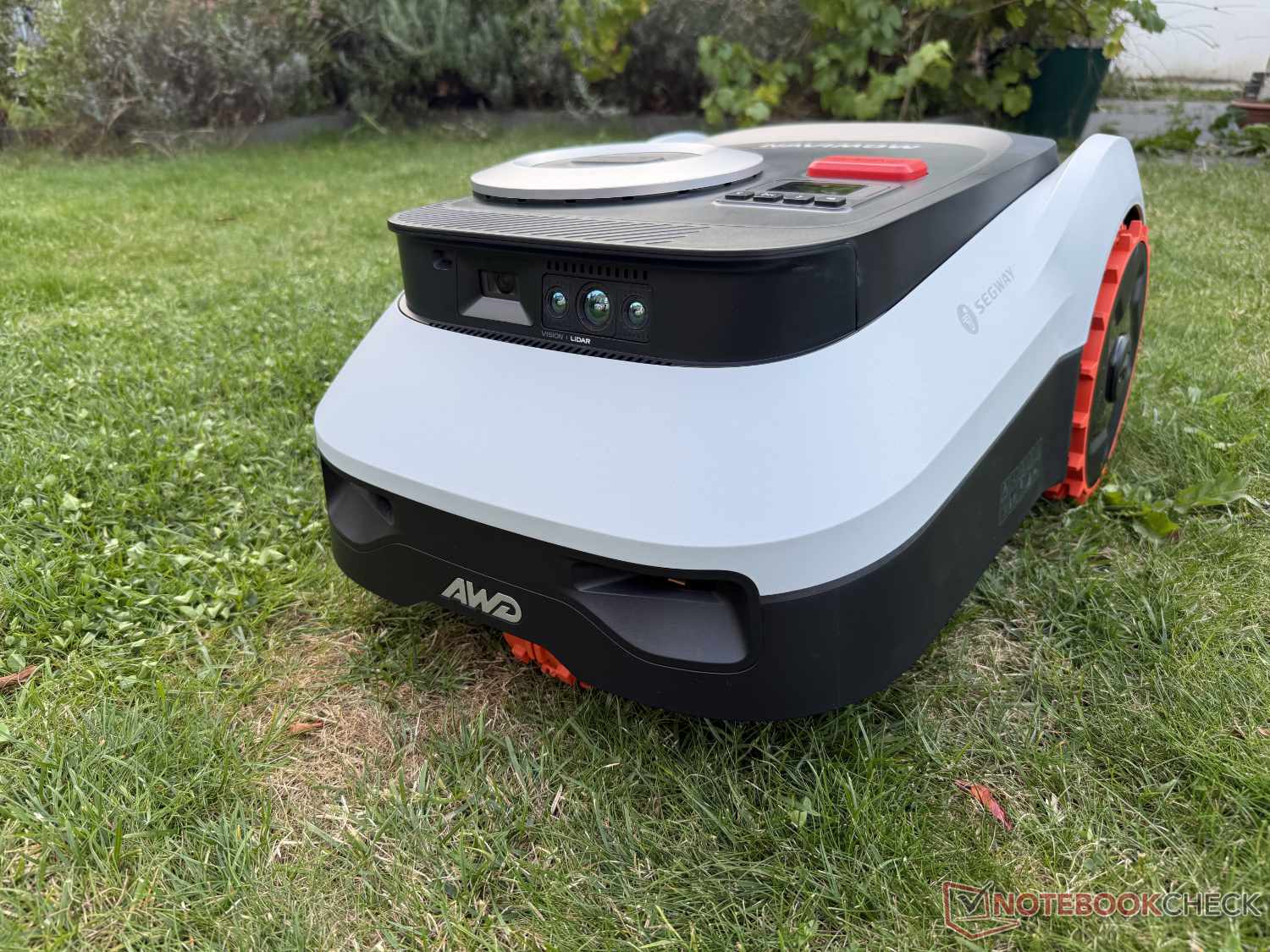
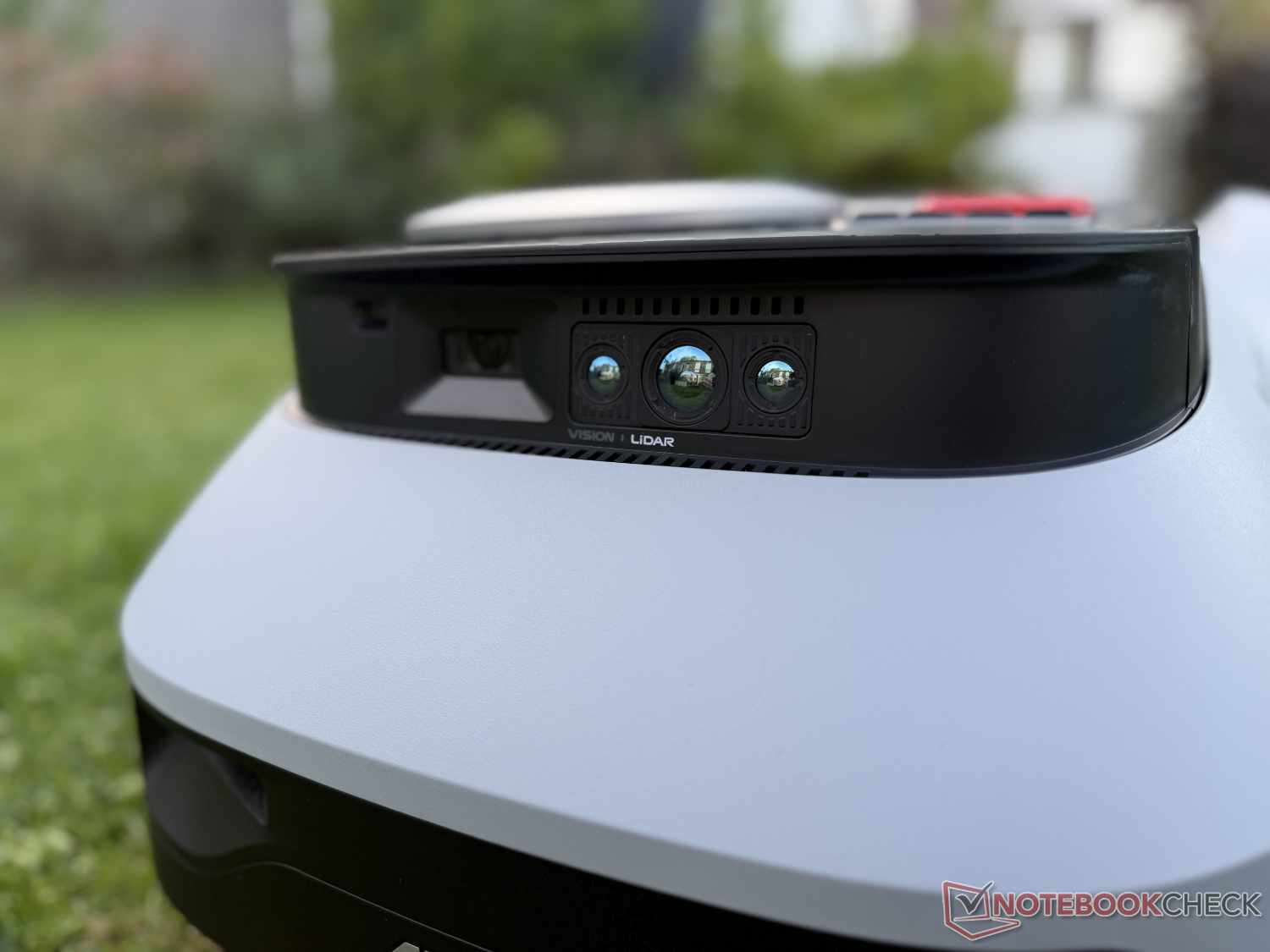
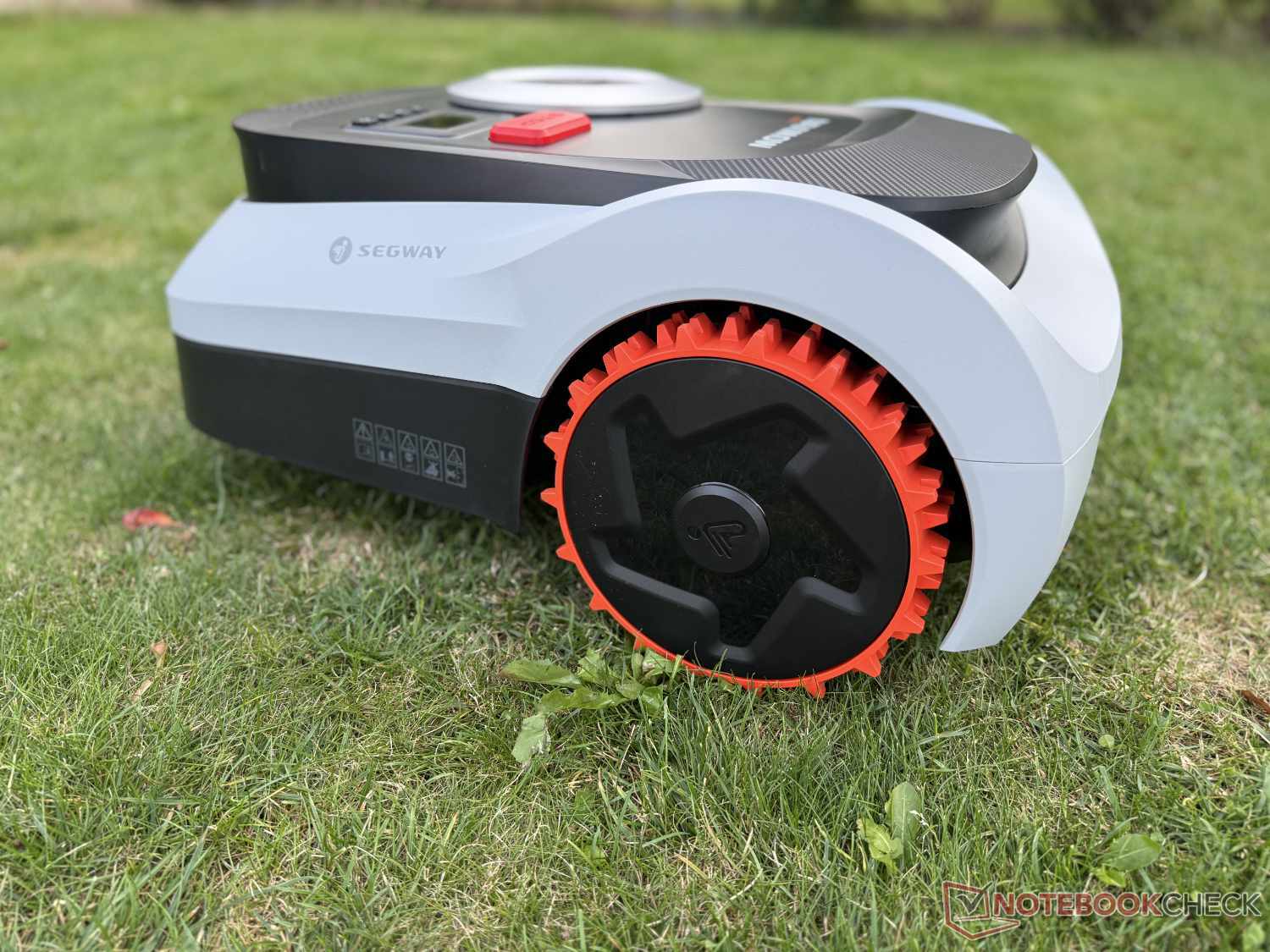
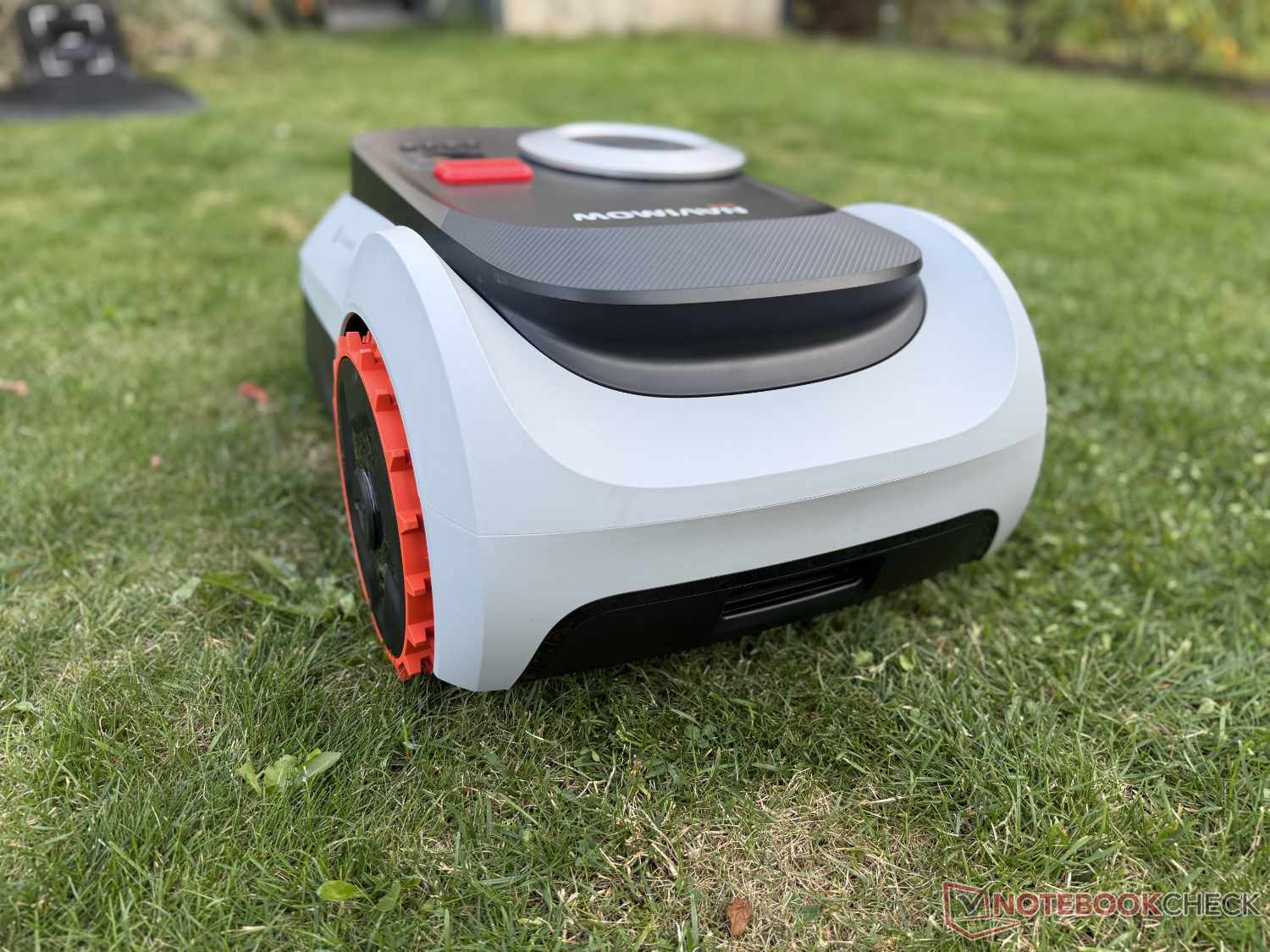
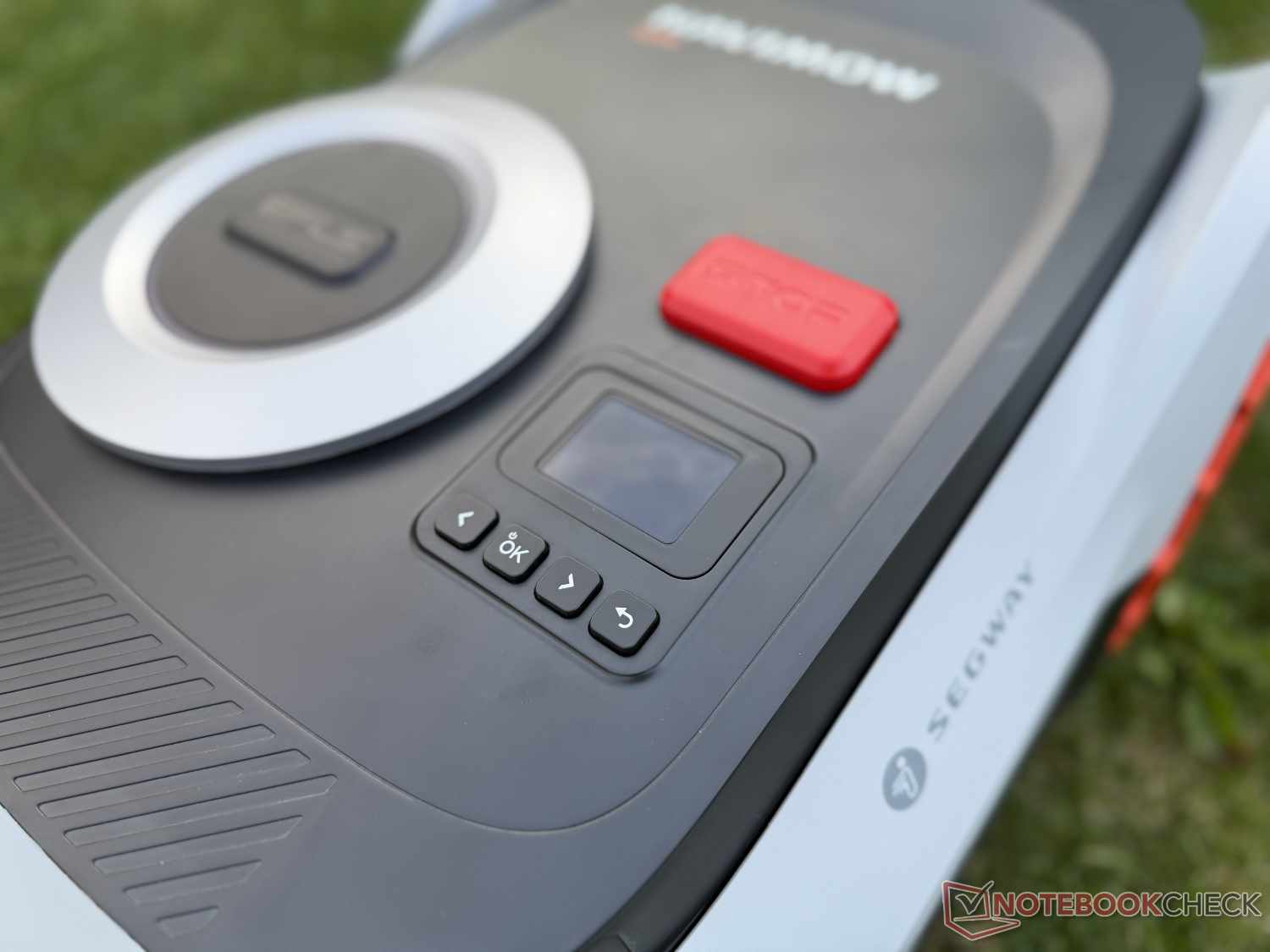
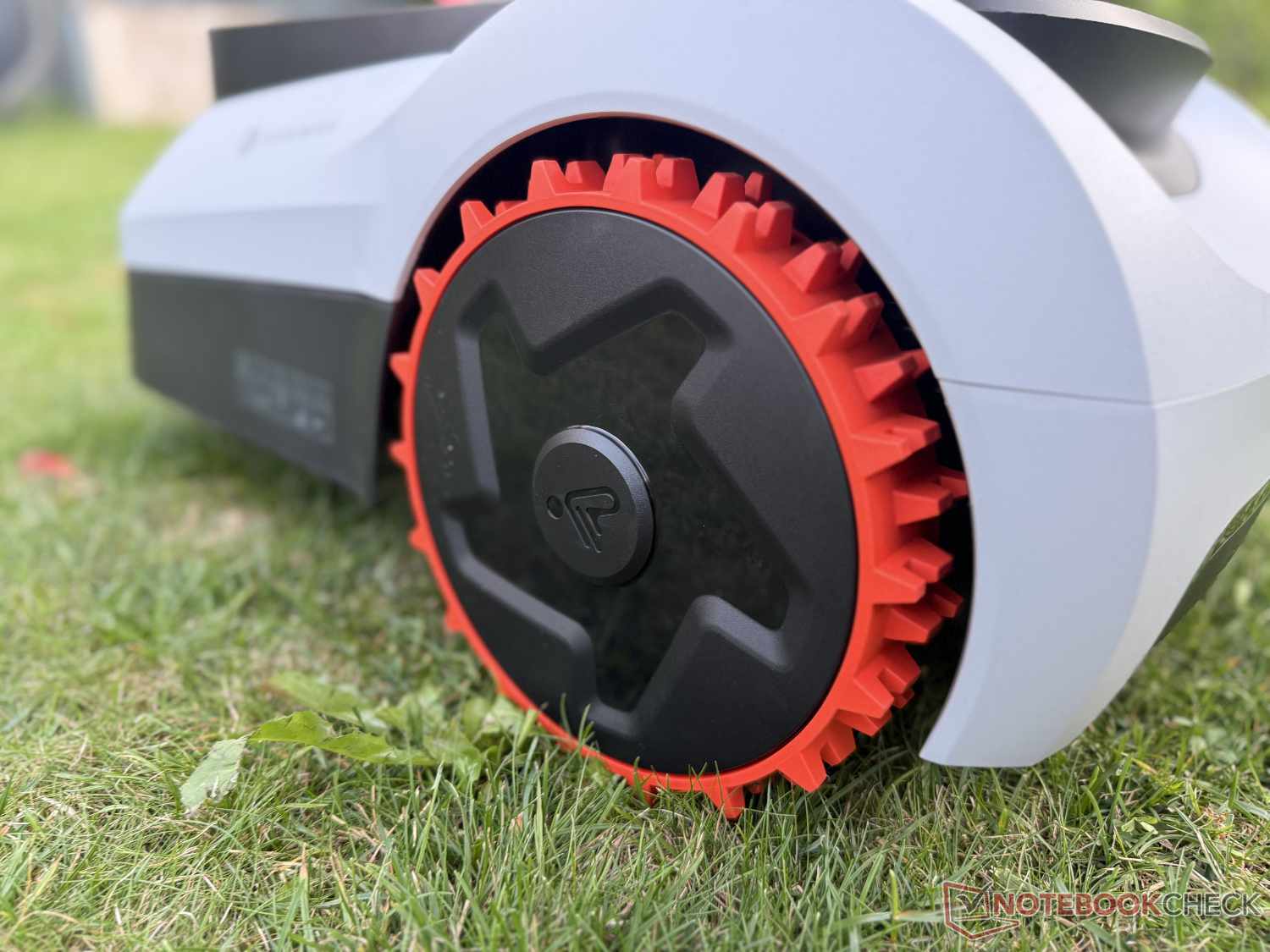
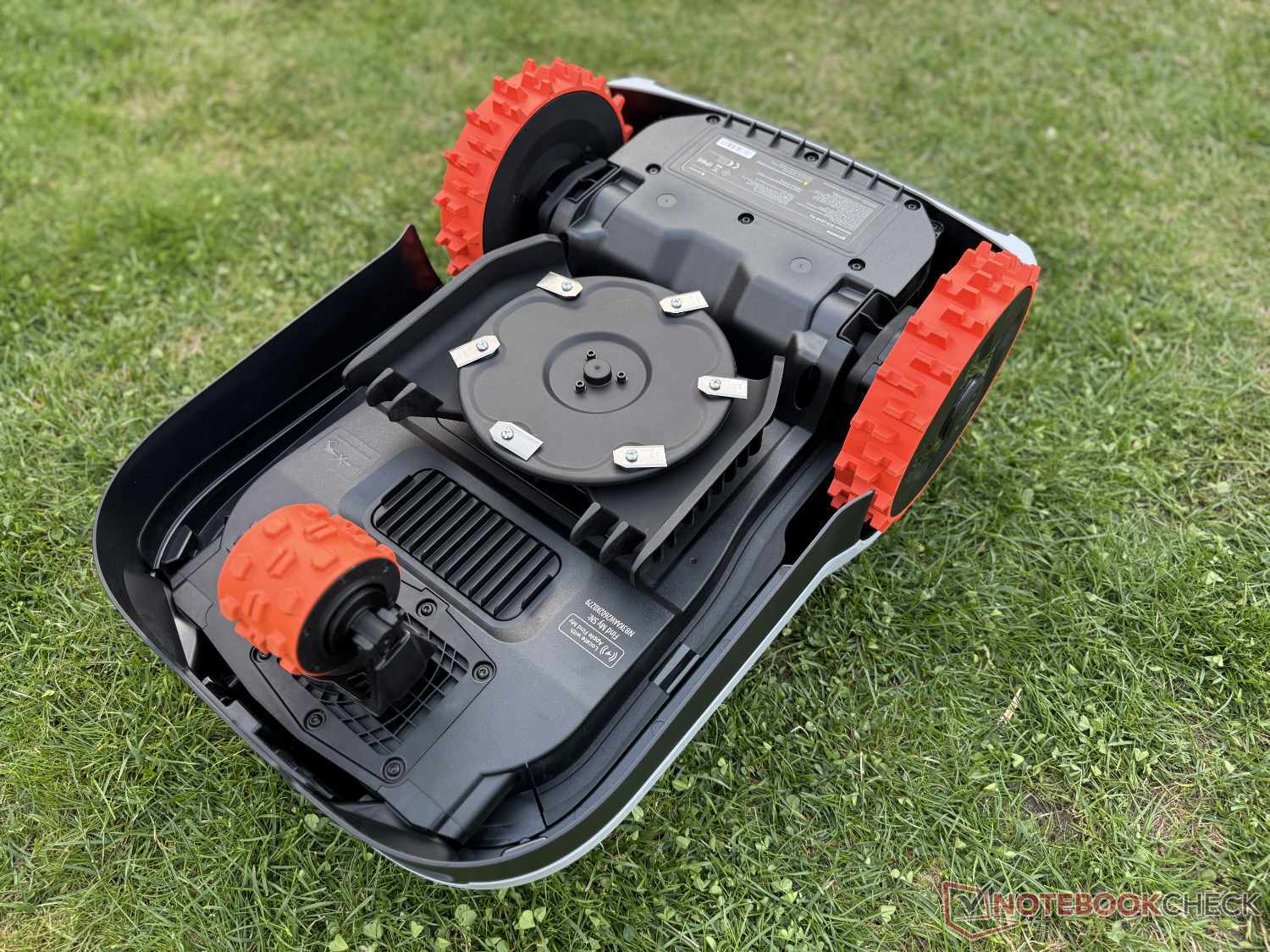
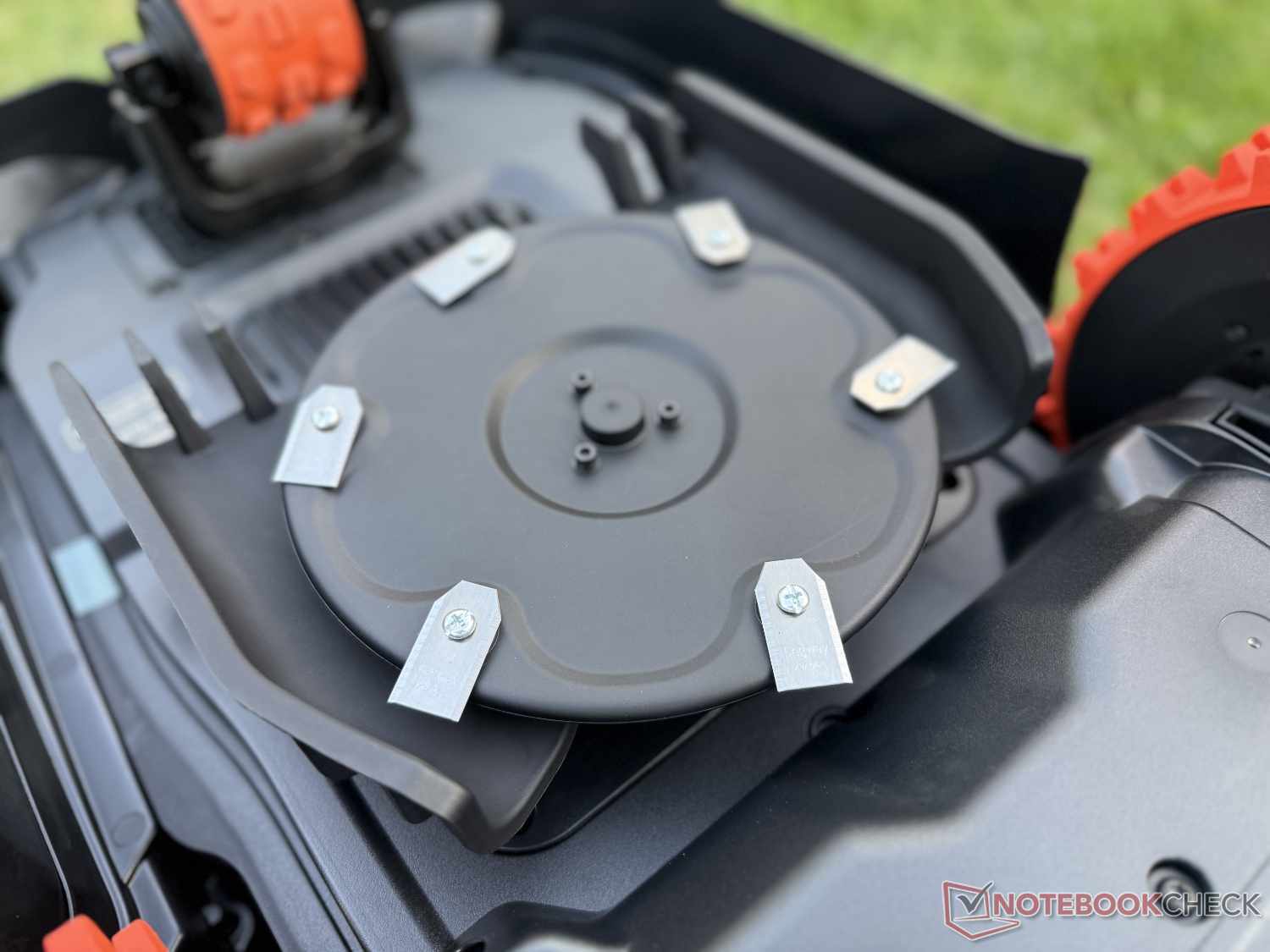
Now let’s turn to the features of the Navimow i2 LiDAR Pro. The model navigates using the EFLS triple-fusion system, which combines LiDAR, NRTK, and vision. Mowing is handled by a 22-cm cutting deck equipped with six blades, and the cutting height can be adjusted electrically from 2 to 7 cm.
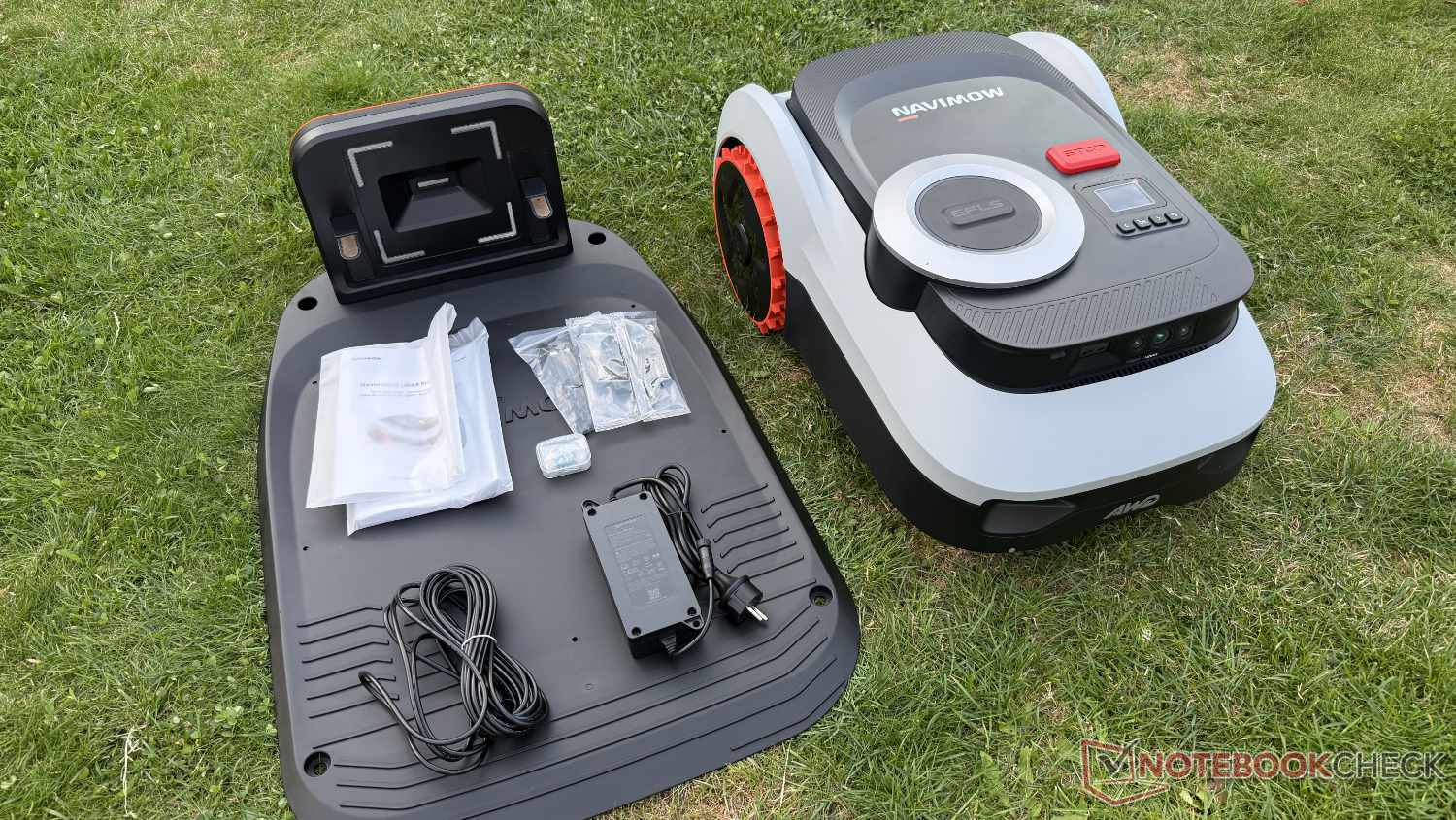
The Navimow i2 LiDAR Pro comes with the standard charging station and mounting kit, a power adapter with an extension cable, and six replacement blades.
Setup & maintenance: With AI mapping
The setup process is familiar: After establishing a connection between the robot, the app, and Wi-Fi—which worked without a hitch during testing—it’s time for the i2 LiDAR Pro to map its new working area. It can do this either with AI assistance or under manual control.
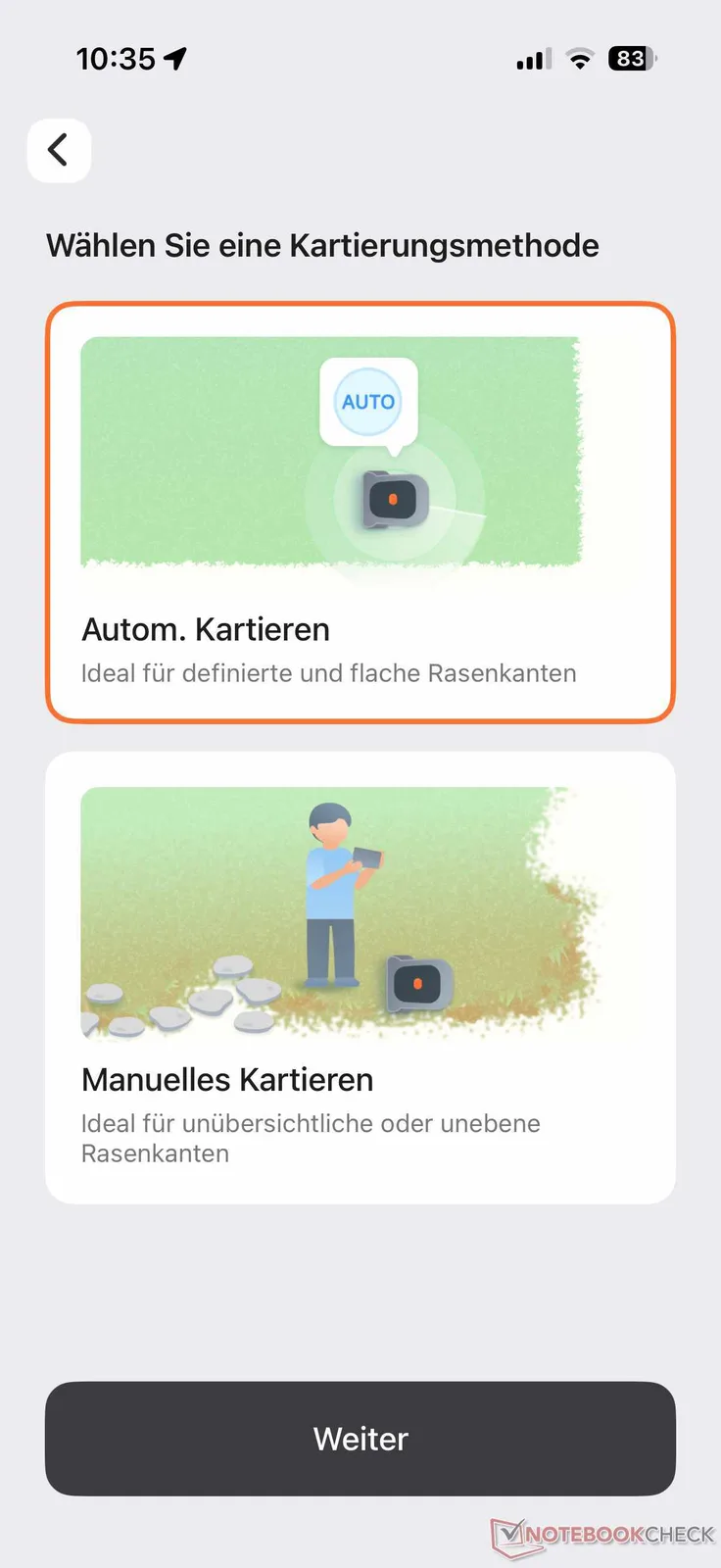
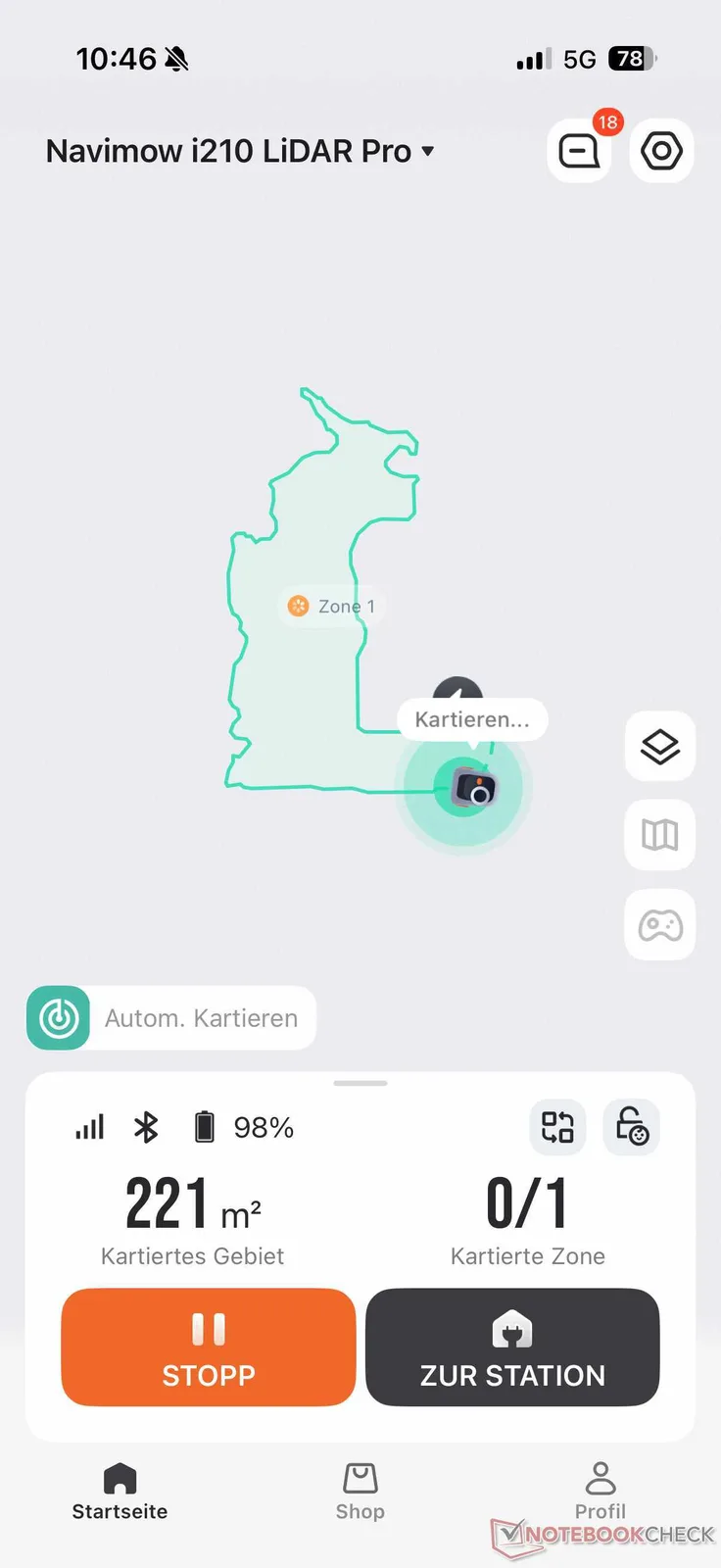
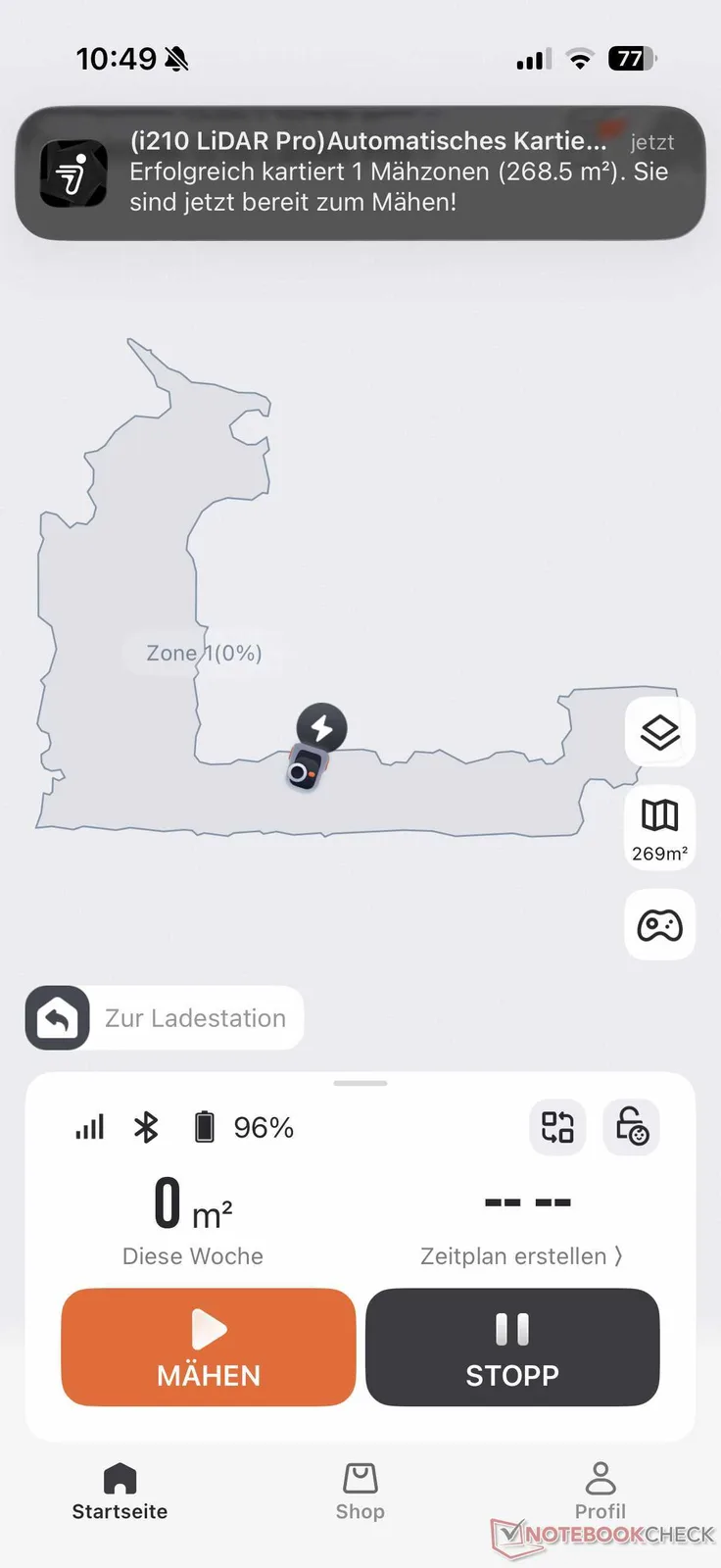
While we encountered issues with AI mapping when testing the Navimow H2, it worked flawlessly during our test of the Navimow i2 LiDAR Pro. At the push of a button, the robot is simply driven out of the charging station and a short distance onto the lawn until the front-facing camera detects the grass. Automatic mapping then begins, with the robotic mower independently following the edge of the lawn. During this process, it maintains a distance of about 20 to 30 cm, although it ultimately mows closer to the edge.
Alternatively, the mower can be maneuvered along the edge of the lawn using the app’s remote control. This is done via two joysticks on the display, which allow for precise control. If you take a wrong turn, mistakes can be undone using the eraser function. Regardless of how the mapping is performed, additional mowing areas, restricted zones, and more can subsequently be created in the map editor.
App & usability: As good as ever
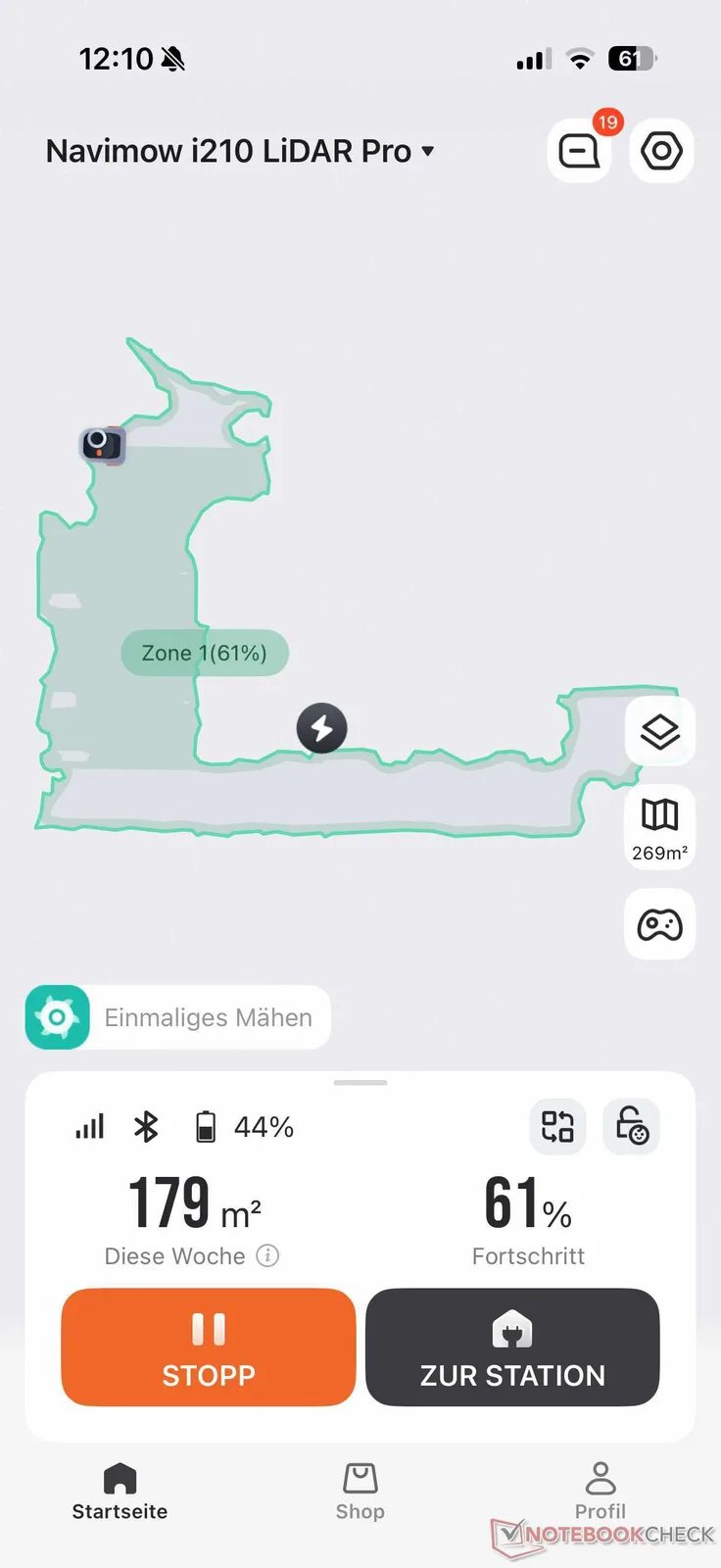
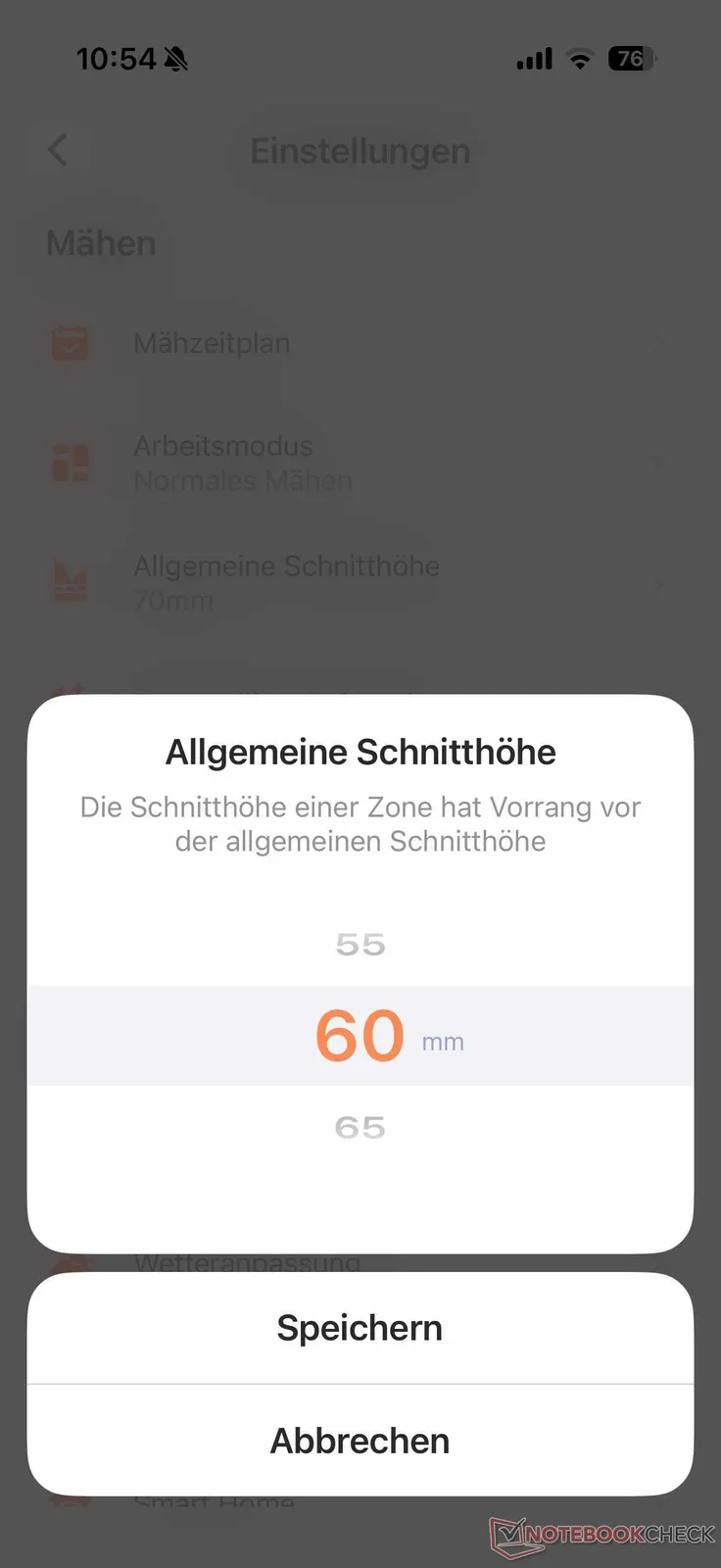
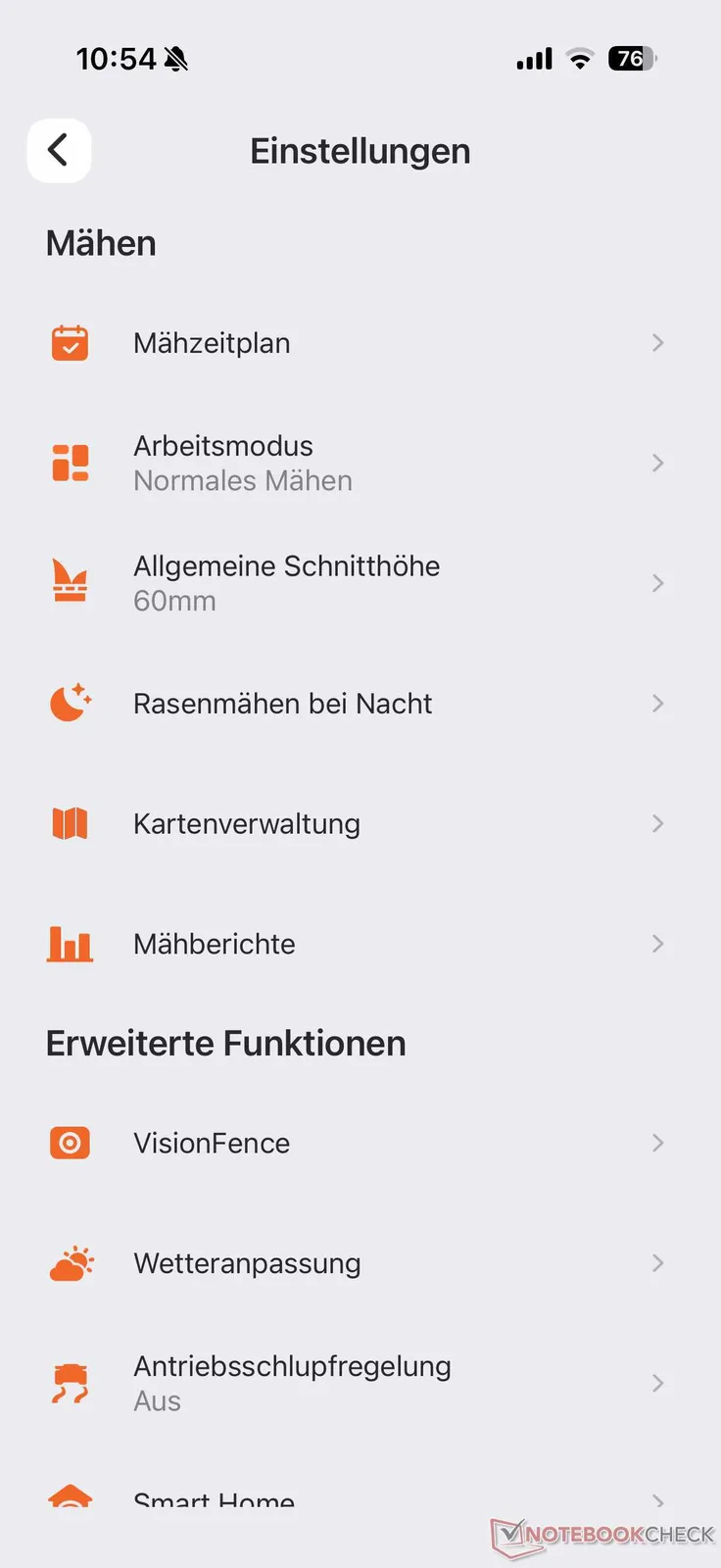
In our view, the Navimow app is one of the best on the market—as it once again demonstrates in our review of the i2 LiDAR Pro. It is clearly laid out and offers many features, with the exception of live video. Since we recently reviewed the Navimow H2, we refer you to that review, where we covered the app in more detail. The i2 LiDAR Pro offers a comparable range of features.
Navigation & obstacle avoidance: Almost perfect
As mentioned earlier, the Navimow i2 LiDAR Pro uses laser technology instead of RTK for navigation. This worked flawlessly in testing and is particularly advantageous on properties with many trees and other obstacles that can interfere with RTK/GPS reception. The robotic mower followed straight paths across the lawn and reliably covered the entire area.
In addition to its all-wheel drive—which enabled it to handle the manufacturer-specified incline of 55 percent / 29 degrees on our artificial-turf test ramp—it also benefits from its steerable front wheel. This wheel can turn up to 90 degrees in either direction, ensuring both lawn-friendly turns and excellent maneuverability.
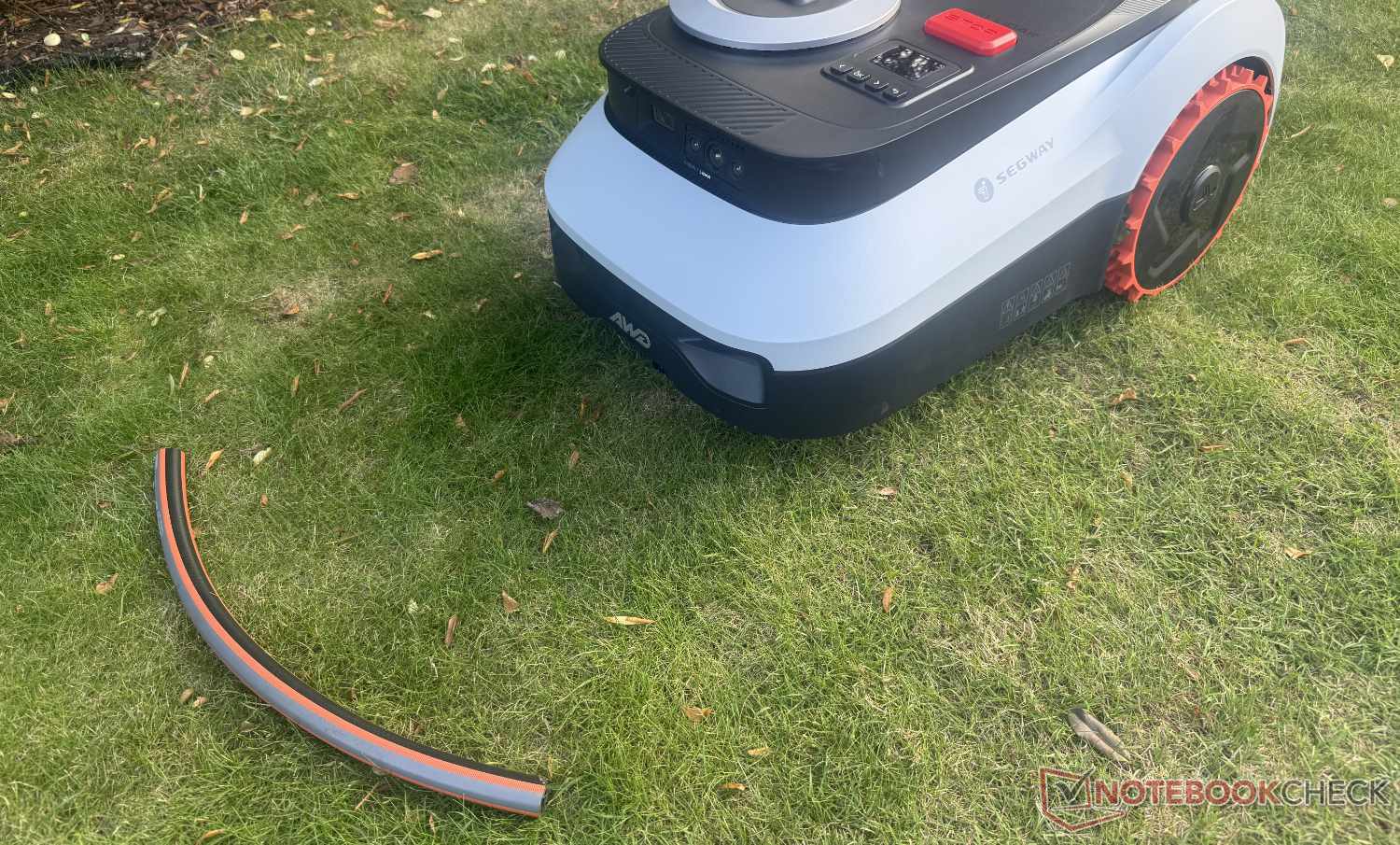
The results aren’t quite as perfect when it comes to obstacle detection. In the test area, it easily detected all large objects such as bushes, a swing set, and the like—but anything less would have been a major disappointment. It also consistently stopped at a safe distance from our imitation hedgehog and a piece of garden hose before turning away. Only a neon-yellow tennis ball on green grass was usually run over or at least touched. However, many other robotic mowers have struggled with this as well, including more expensive models such as the Roborock RockMow Z1 LiDAR.
Area & edge mowing: (Too) large a gap at the edge
During testing, the Navimow i2 LiDAR Pro first mowed around the edge of the lawn in several passes when this feature was enabled in the app. In doing so, it often left a gap of about 10 cm from the edge of the lawn. That is relatively wide, although it is not uncommon among other robotic mowers either.
The second issue is that it has no edge-cutting feature, such as a movable or additional cutting deck, of the kind offered by the Mova LiDAX Ultra (starting at about 700 euros on Amazon) or, optionally, the Roborock RockNeo Q1. Consequently, the distance between the blades and the edge of the machine creates an additional unmowed strip of over 10 cm. This can leave an unmowed border of around 20 cm where there are no ground-level transitions that the robotic mower can be configured to drive over.
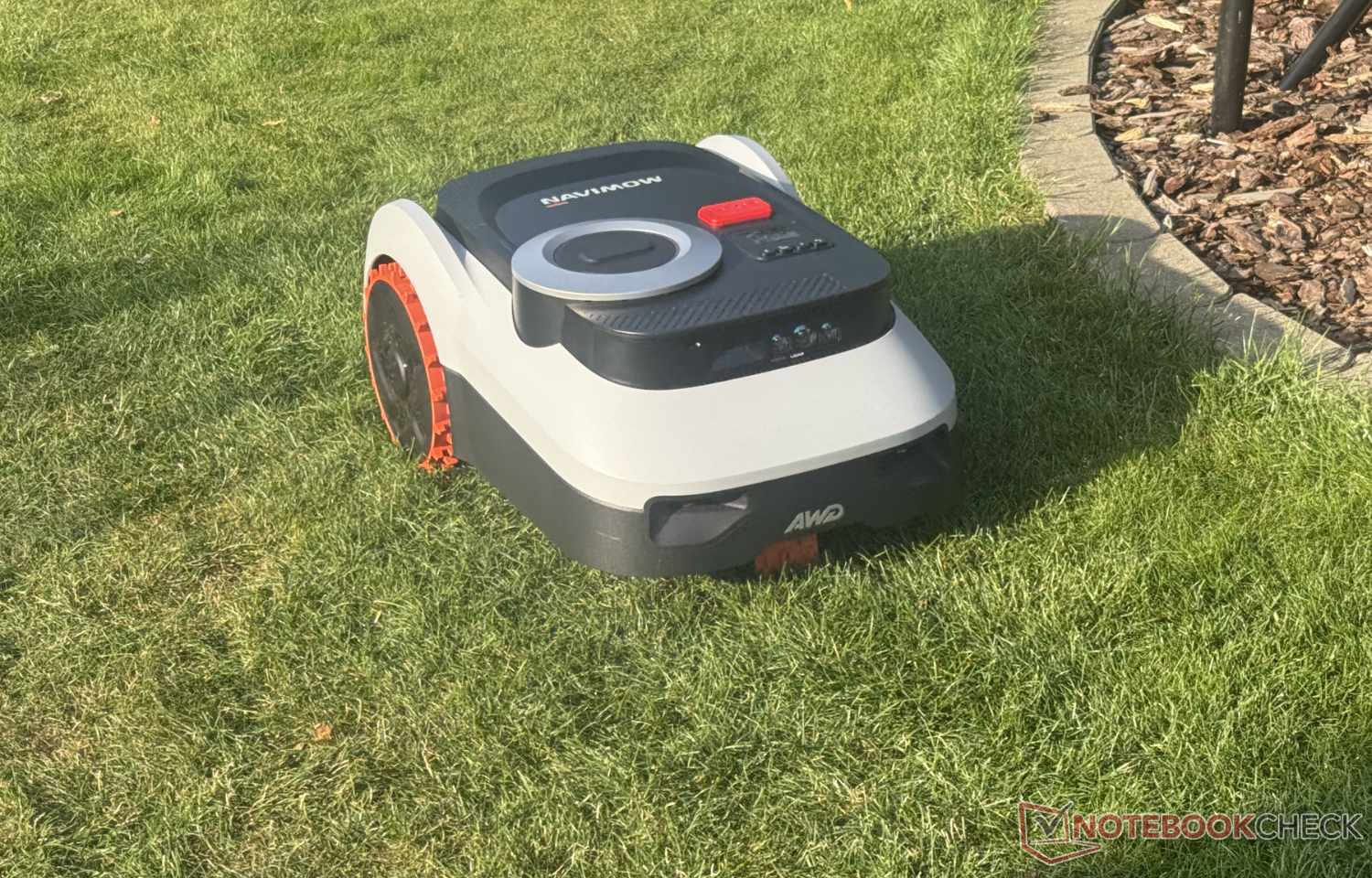
After that, the i2 LiDAR Pro sets about mowing the lawn. The cutting deck did its job and produced an even cut. As with many other robotic mowers in this price range, there is not much to criticize about its performance on open lawn areas.
Runtime & noise level: Quiet, but high standby power consumption
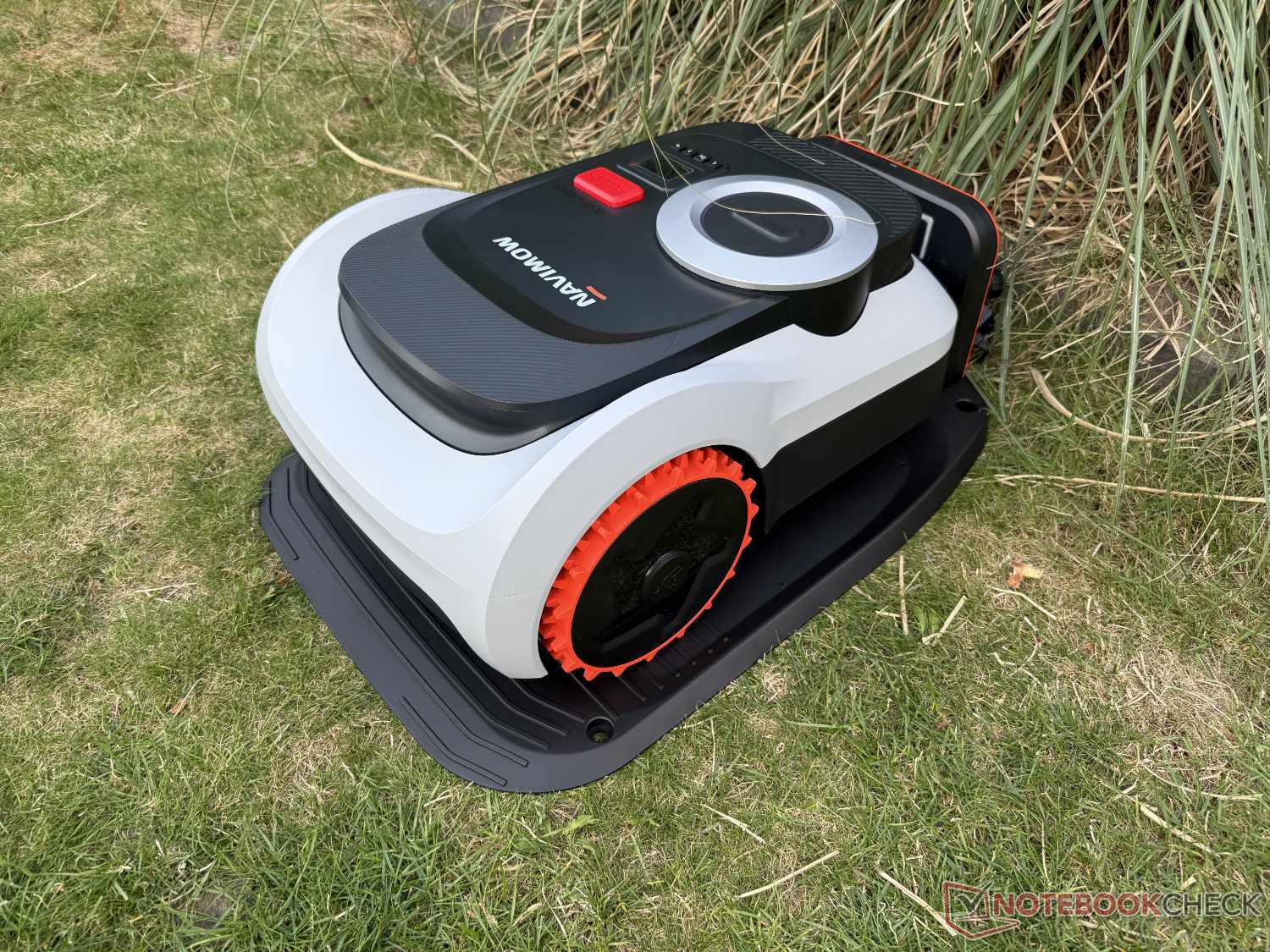
On our test area of just under 300 square meters, the Navimow i210 LiDAR Pro mowed approximately 200 square meters in just under two hours. It then headed for the charging station with 15 percent battery capacity remaining and spent just under two hours charging there. During this time, the test unit’s 5.1 Ah battery drew just under 130 Wh at up to 95 W.
While its energy consumption during mowing is reasonable for an all-wheel-drive LiDAR model, the high standby power consumption of around 13 W prevents it from receiving a better energy-efficiency rating. Based on our standard comparison calculation for a 500-square-meter lawn mowed three times a week, the Navimow i2 LiDAR Pro consumes nearly 12 kWh per month—significantly more energy than many other models.
On the other hand, the robotic mower operates pleasantly quietly. With moderate mowing activity—which, of course, depends on lawn growth and mowing frequency—it stays below 55 dB (measured from a distance of about 1 m), making it a fairly quiet member of the all-wheel-drive category.

Based on our test, is the Navimow i210 LiDAR Pro not the right wire-free robotic lawn mower for your garden?
Then discover many more models in our 2026 robotic lawn mower rankings!
Transparency
The selection of devices to be reviewed is made by our editorial team. The test sample was provided to the author as a loan by the manufacturer or retailer for the purpose of this review. The lender had no influence on this review, nor did the manufacturer receive a copy of this review before publication. There was no obligation to publish this review. As an independent media company, Notebookcheck is not subjected to the authority of manufacturers, retailers or publishers.
 Add as a preferred source on Google


