




8K monitors might not be a waste after all: humans display higher-than-expected pixel density sensitivity in new study
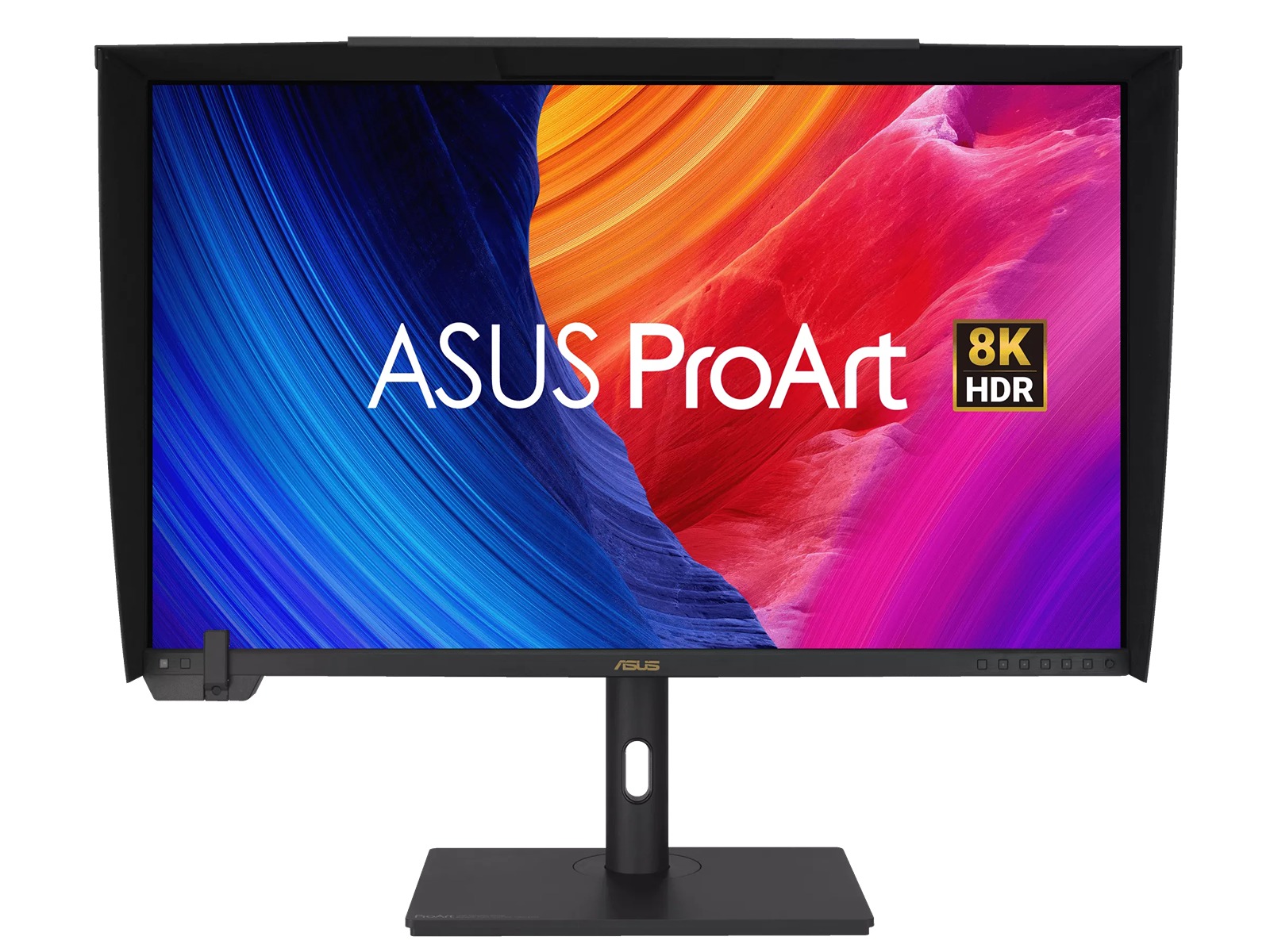
A new research indicates that ultra-dense 8K monitors might not just be a case of “bigger number is better,” even at smaller panel sizes.
Researchers at Cambridge (via PCGamer) looked into the limits at which monitors of different pixel densities might appear indistinguishable to the naked eye. They observed that subjects could perceive up to 89 pixels per degree (a measurement that also factors in the subject’s distance from the screen). This is significantly up from earlier studies indicating that 60 pixels per degree is the upper limit for human perception.
This, however, is where the Cambridge research results come into play (via Tom's Hardware): at a 60-centimetre viewing distance, a 32-inch 1080p display provides a relatively paltry 28 pixels per degree. Bump this up to 4K at the same viewing distance, and this figure rises to 57 pixels per degree. This is still notably lower than the maximum 89 per degree figure the researchers identified. At 8K on a 32-inch display, pixels per degree goes up to 113, which is well beyond the point an average individual could tell the difference.
What does this mean for prospective display buyers? There’s obviously a noticeable jump in detail between a 1080p/1440p panel and a 4K panel. But, even at small display sizes, most users will still notice an improvement to image detail when going from 4K to 8K. Anything beyond is unlikely to provide any visible improvement unless you’re hovering inches away from the display.
This also has further implications for TVs and VR on opposite sides of the display-size spectrum. At sufficiently large display sizes and up close enough, there’s room for improvement even with 8KTVs.
Meanwhile, with VR, there’s a genuine case to be made for 16K displays that could completely eliminate the screen door effect.
 Add as a preferred source on Google


