




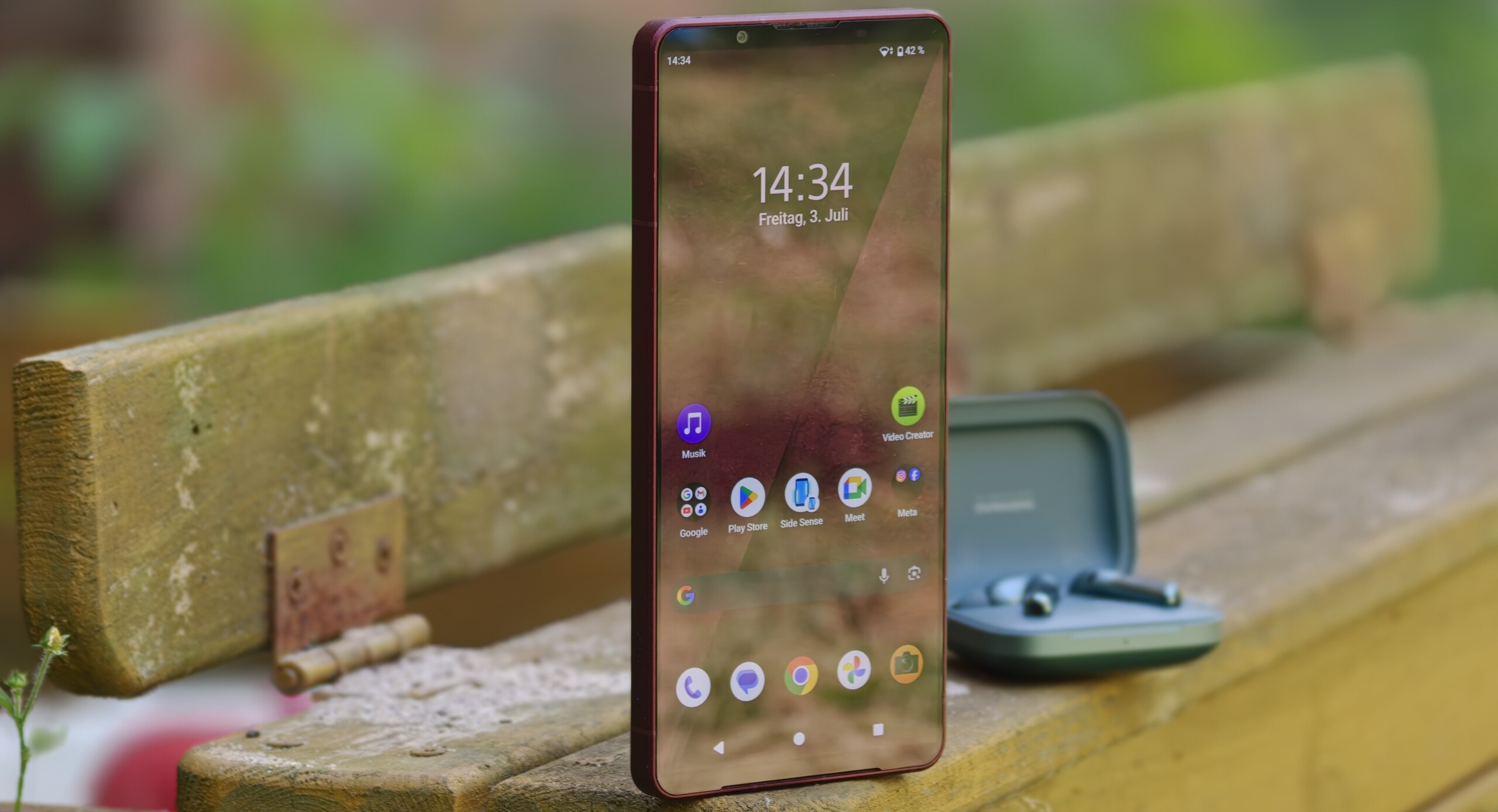
Conclusion on the Sony Xperia 1 VIII
The Xperia 1 VIII leaves a mixed impression in our review because Sony isn't consistently sticking to its own path. The new generation of Xperia phones, lacking Sony’s true DNA with its narrow 21:9 design and high 4K resolution, feels somewhat arbitrary and offers less of a unique selling point compared to the very strong ultra-premium competition from Samsung, Oppo, or Xiaomi. What remains are virtues from the past, such as an SD card slot, a notch-free design, and a 3.5-mm headphone jack—features that are likely becoming increasingly niche in the smartphone segment.
In addition to the Full HD+ display, Sony also falls short of its ambitions to join the absolute smartphone elite due to the camera’s rather small sensors. In everyday use, however, the Xperia 1 VIII still delivers really good photos—setting aside the telephoto lens for a moment—and the OLED display should be sharp enough for most users.
All in all, the Xperia 1 VIII offers a very good overall package that should appeal especially to Sony enthusiasts and fans of slightly more compact smartphones.
Pros
Cons
Price and Availability of the Sony Xperia 1 VIII
The Xperia 1 VIII is available with 256 GB of storage and 12 GB of RAM for 1,499 Euros (~$1711), including on Amazon.de. The top-of-the-line model (1 TB, 16 GB) in Native Gold is available for 1,999 Euros (~$2282) exclusively at Sony Online Store.

Table of Contents
- Conclusion on the Sony Xperia 1 VIII
- Specifications of the Sony Xperia 1 VIII
- Case - Waterproof Android Phone with IP68 Rating
- Features - Premium smartphone with a 3.5 mm headphone jack and SD card support
- Software - Sony Commits to Long-Term Updates for Its Flagship Phone
- Communications and GNSS - Android Phone with Wi-Fi 7 and 5G
- Phone Features and Call Quality - Sony Xperia 1 VIII with eSIM
- Cameras - Flagship Phone with a Small Sensor Compared to the Xiaomi 17 Ultra
- Accessories and Warranty - Sony Cell Phone Without Power Adapter
- Input Devices and Operation - Android Phone Without an Ultrasonic Sensor & Face Unlock
- Display - Premium smartphone from Sony with fewer pixels than Samsung or Oppo
- Performance - Sony Xperia 1 VIII with Qualcomm's Best Chipset
- Emissions - Android Phone with Throttling and High Heat Dissipation
- Battery Life - The Sony Xperia 1 VIII Doesn't Charge Quickly, but It Does Support Wireless Charging
- Notebookcheck Overall Rating
- A Comparison of Possible Alternatives
Specifications of the Sony Xperia 1 VIII
Case - Waterproof Android Phone with IP68 Rating
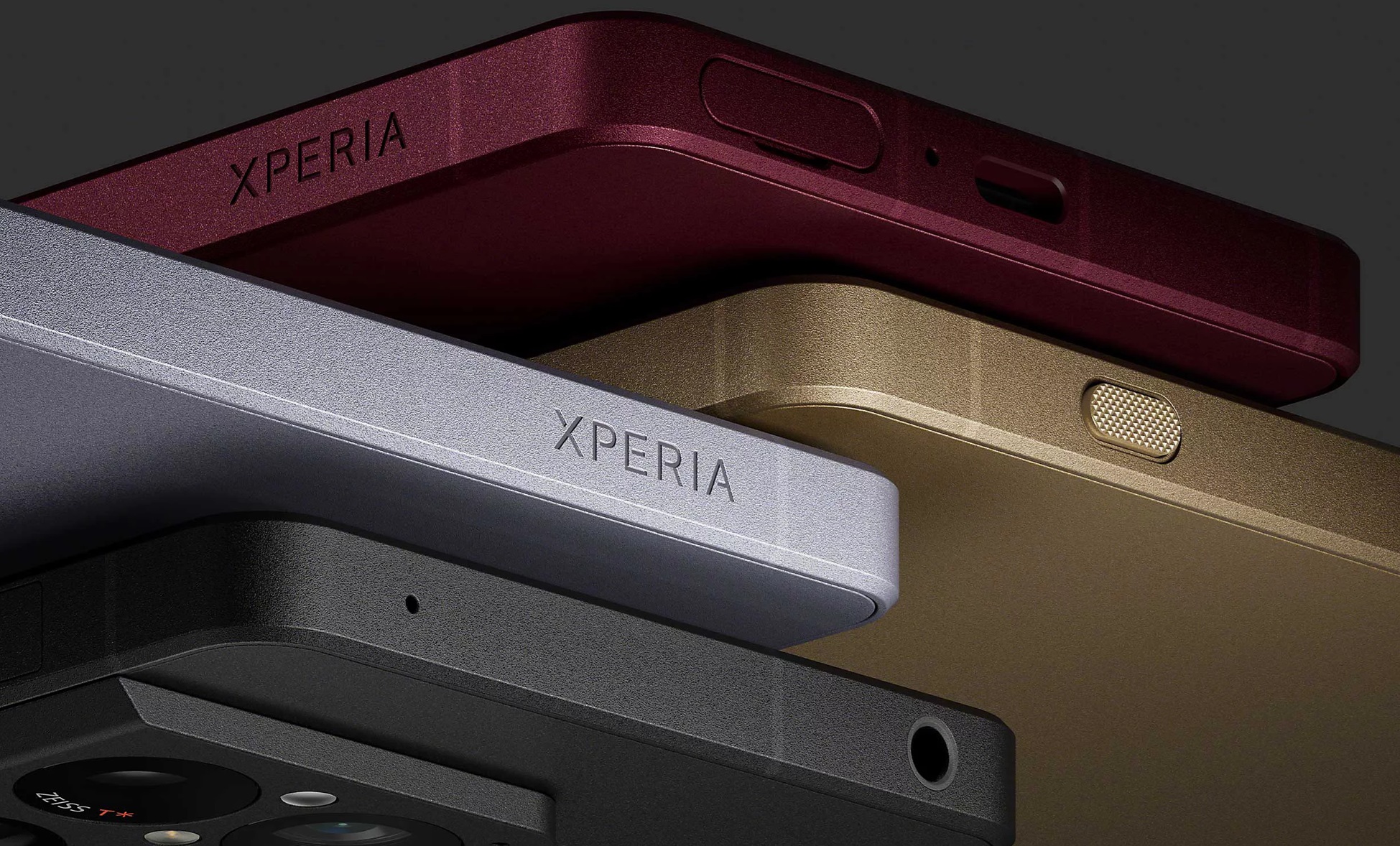
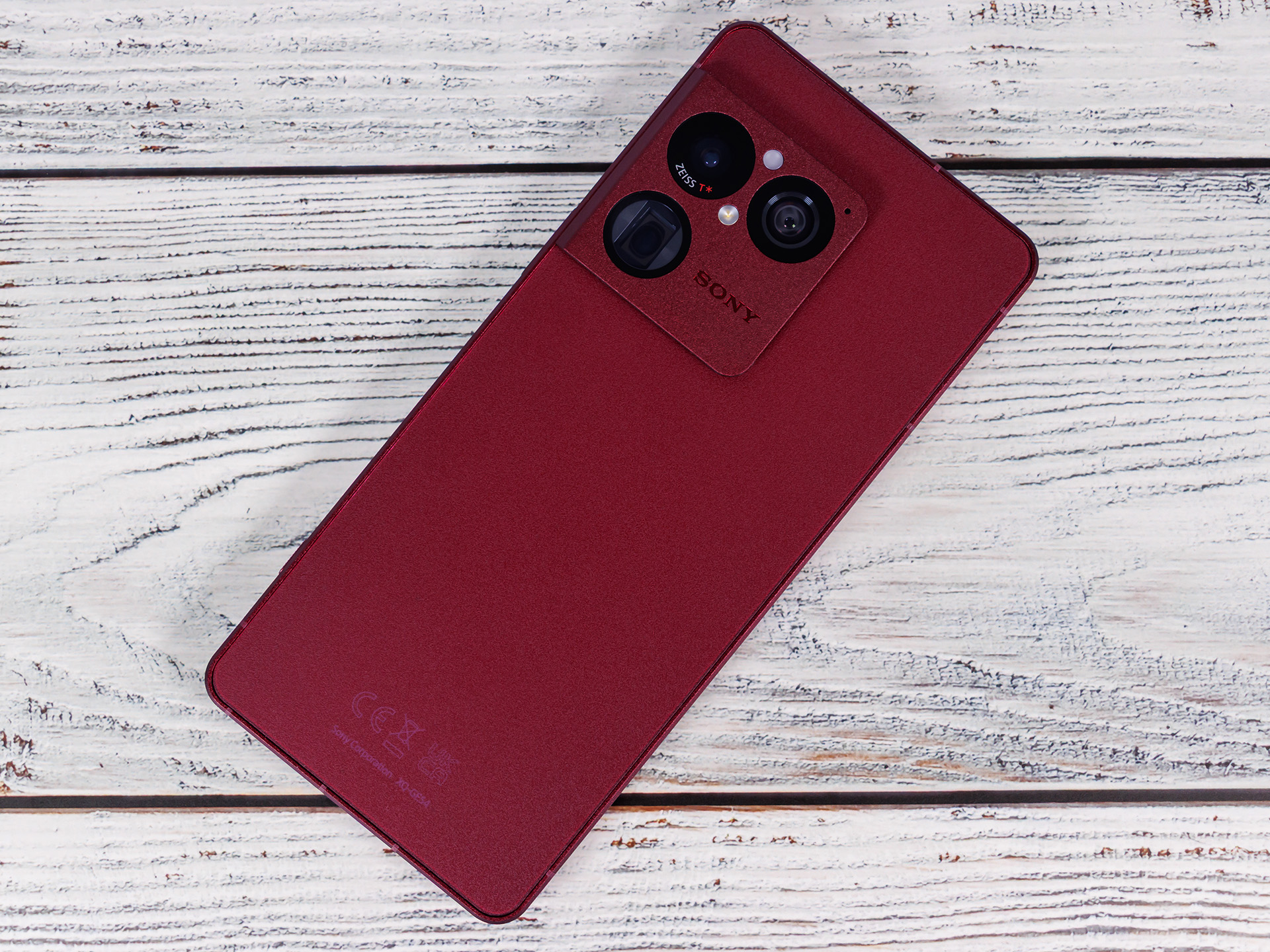
Visually, the first thing that stands out is the wide display bezels, which seem outdated in this price range. With a screen-to-body ratio of just 86.5 percent, the Xperia 1 VIII clearly lags behind competitors such as the Vivo X300 Ultra , which boasts over 90 percent.
The front features Corning Gorilla Glass Victus 2, while the back is made of Gorilla Glass Victus. Combined with IP68 certification and the metal frame, this results in a very durable overall package.
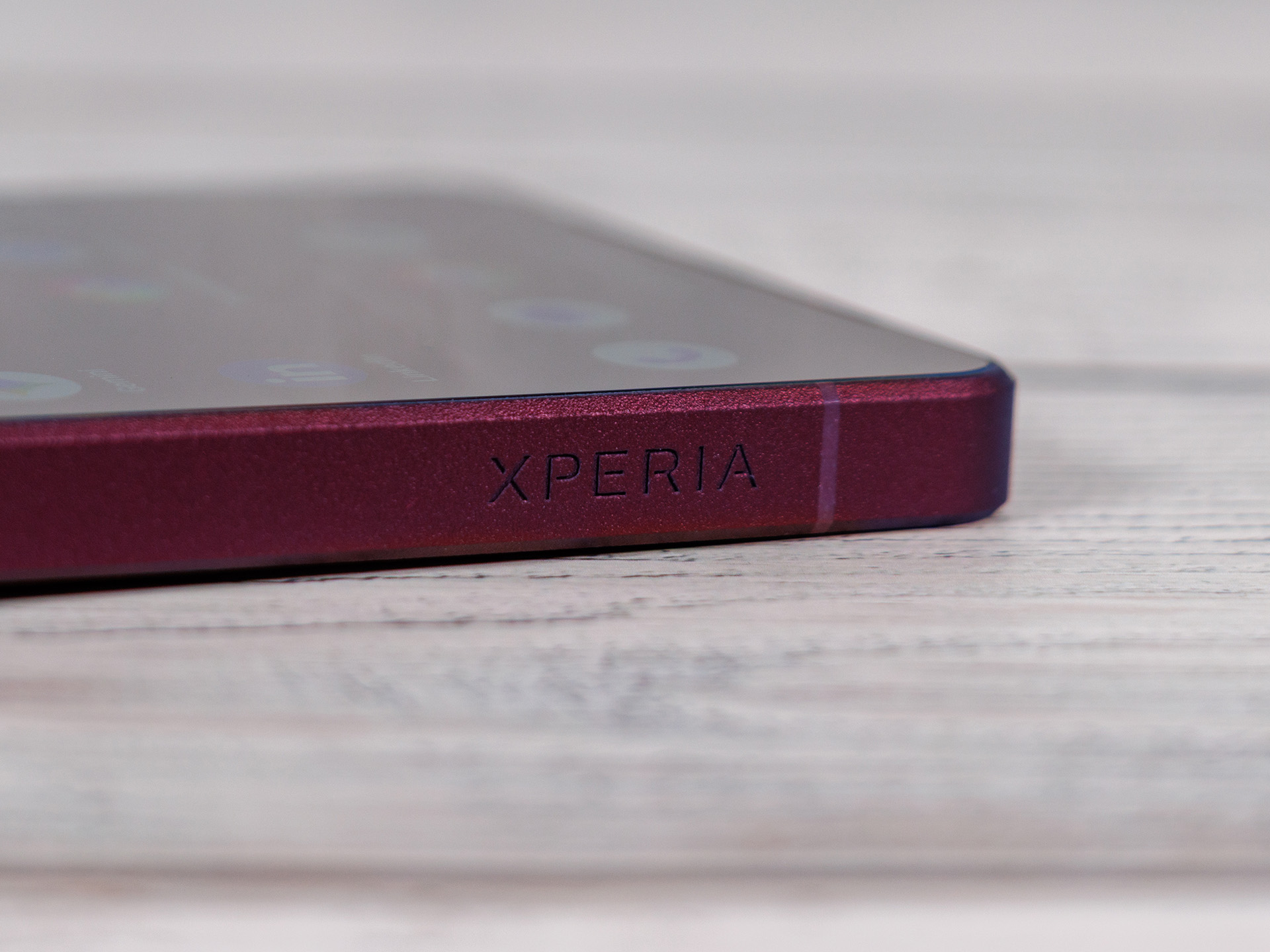
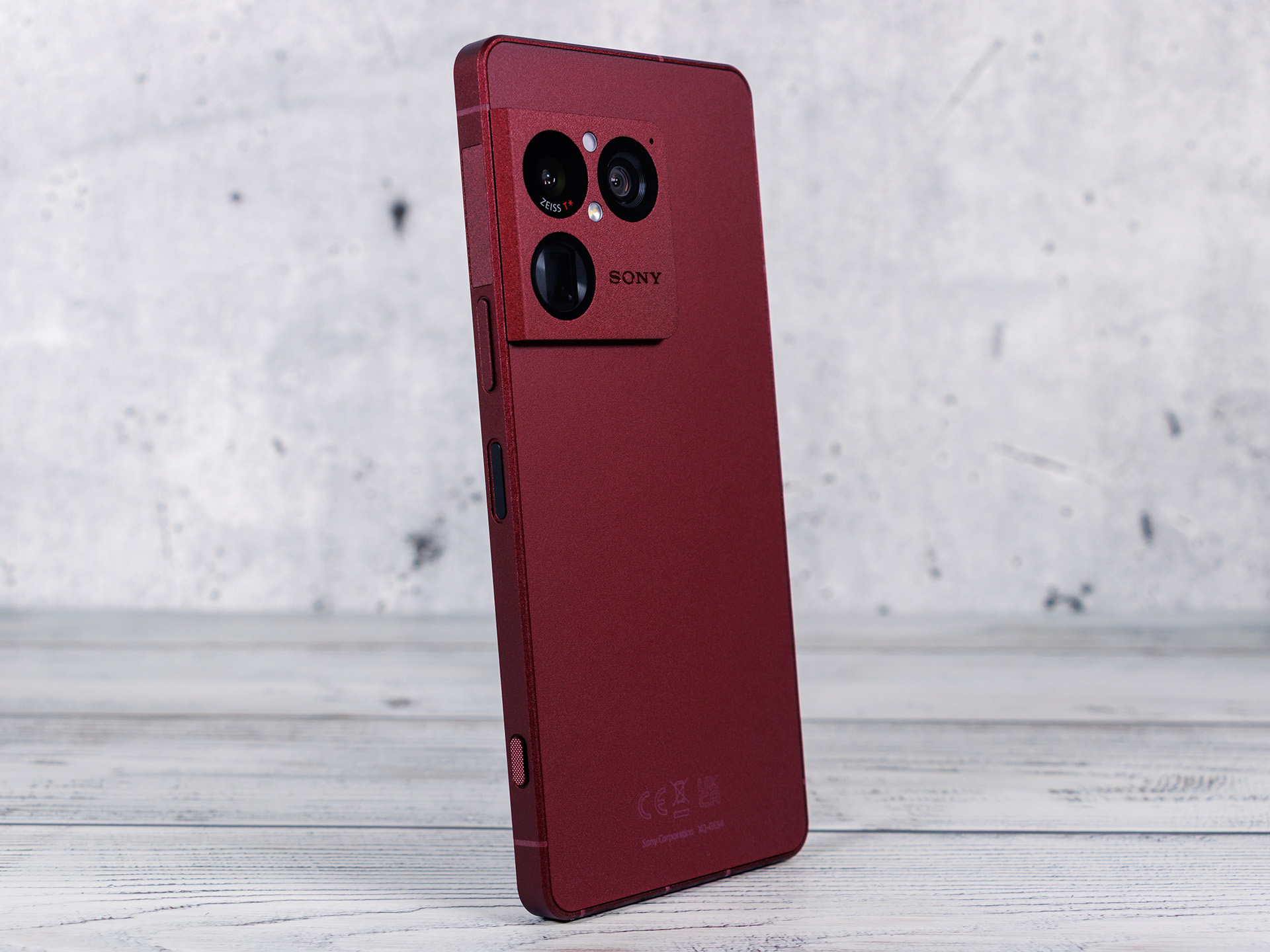
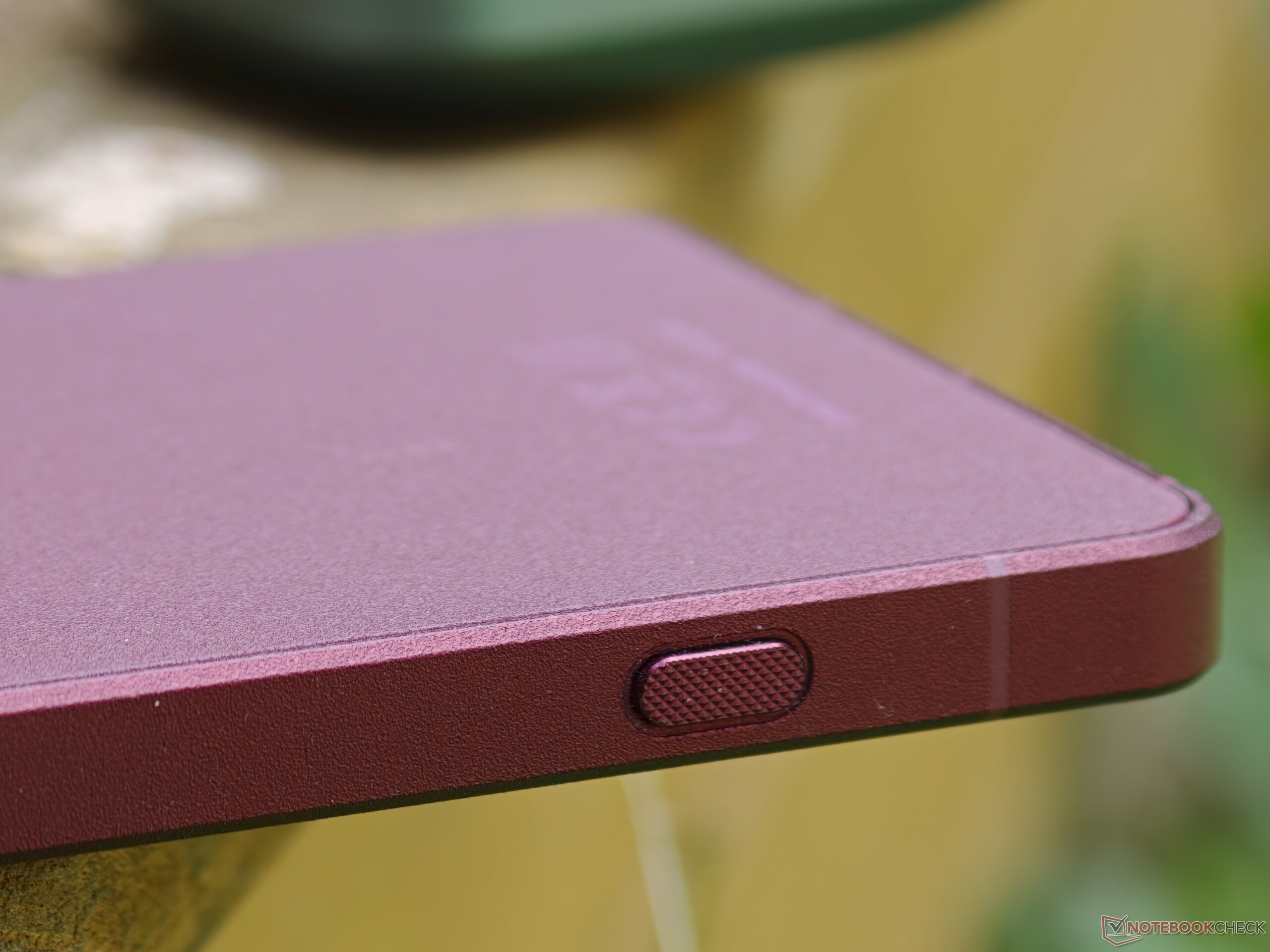
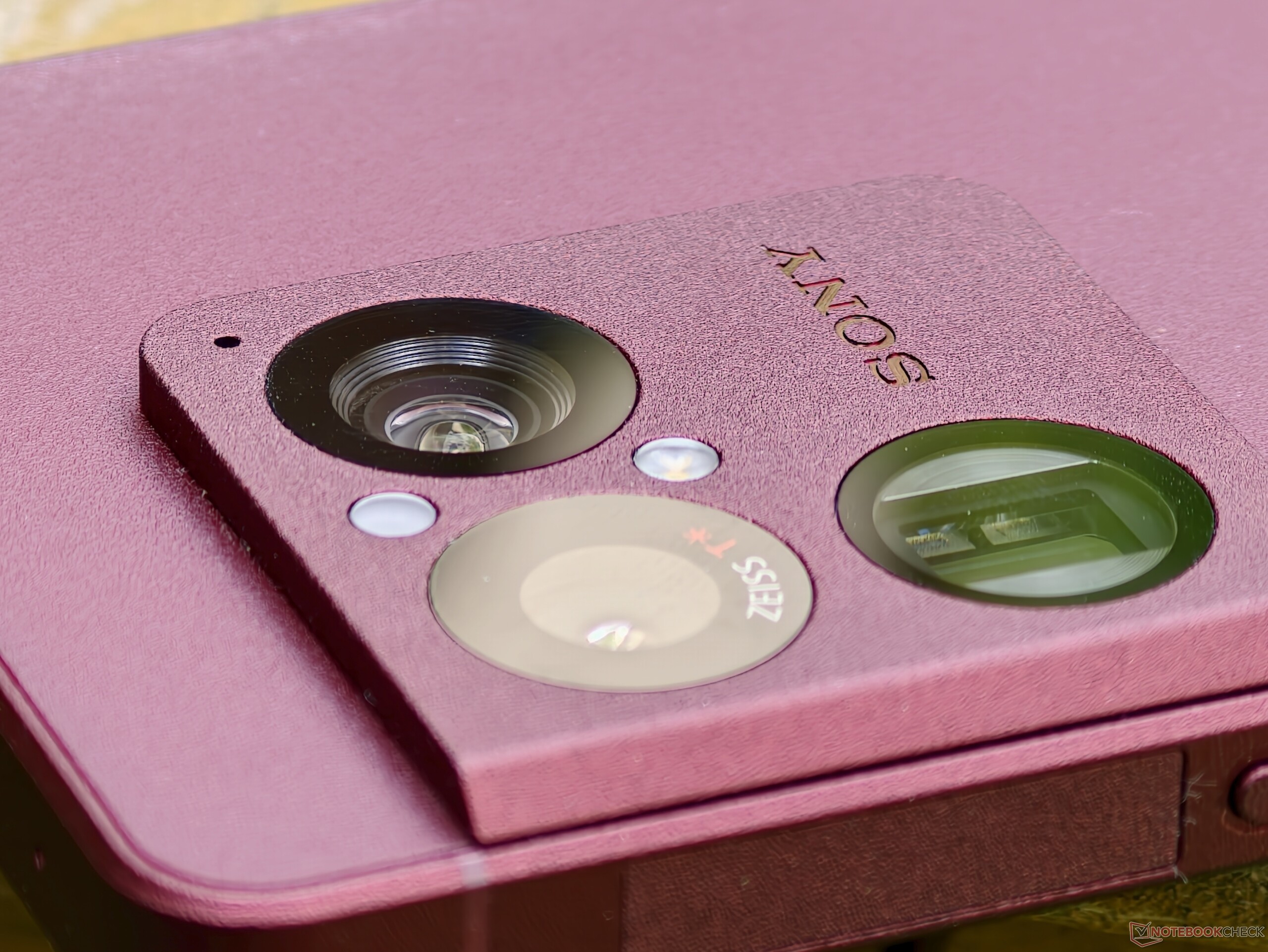
The design of the Sony phone, featuring a texture inspired by gemstones, gives the back a textured finish that offers a good grip while being virtually immune to fingerprints. The feel is clearly better than on previous Xperia generations, though it remains somewhat a matter of personal taste when it comes to perceived quality.
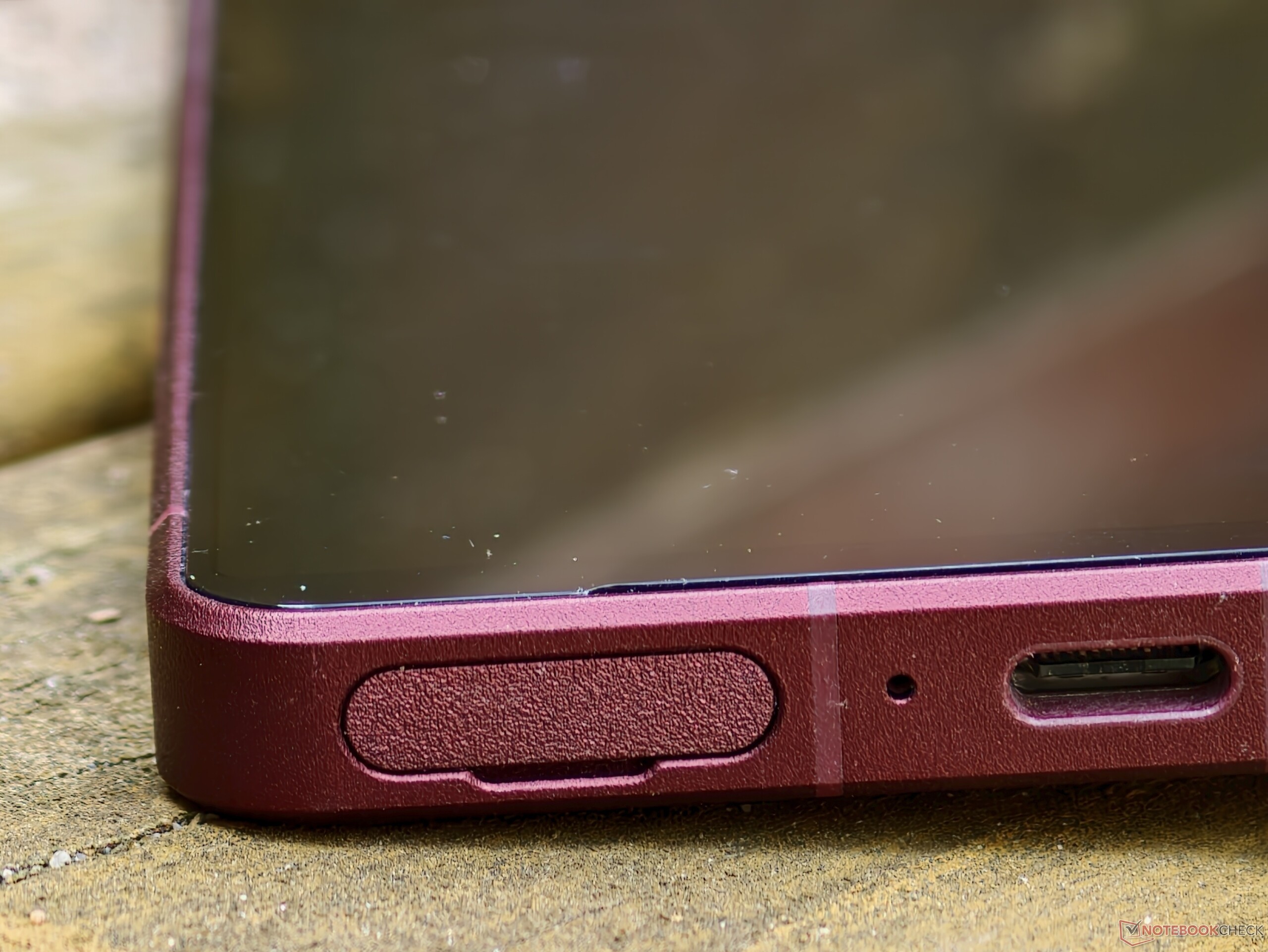
Weighing 200 grams (~7 oz), this top-of-the-line smartphone—compared to its ultra-premium competitors—feels pleasantly light in the hand and seems well-balanced. One classic Sony feature remains on the 2026 model: the dedicated camera button.
Features - Premium smartphone with a 3.5 mm headphone jack and SD card support
Sony stays true to itself and continues to equip its flagship phone with a 3.5-mm headphone jack and microSD support, allowing the internal UFS storage to be expanded quite affordably by up to 2 TB. However, the card slot doesn’t perform particularly well with our reference card, the Angelbird AV Pro V60.
The USB 3.2 port, which supports wired video output to HDMI or DisplayPort interfaces, performs significantly better. We measured 344 MB/s in our copy test using an M.2 SSD (Samsung SSD 7T). Connected storage devices can be formatted not only with FAT32 but also with exFAT. However, the NTFS file system cannot be used.
| SD Card Reader | |
| average JPG Copy Test (av. of 3 runs) | |
| Average of class Smartphone (5.72 - 58.9, n=53, last 2 years) | |
| Sony Xperia 1 VIII (Angelbird AV Pro V60) | |
| maximum AS SSD Seq Read Test (1GB) | |
| Average of class Smartphone (n=1last 2 years) | |
| Sony Xperia 1 VII (Angelbird AV Pro V60) | |
Cross-Platform Disk Test (CPDT)
Software - Sony Commits to Long-Term Updates for Its Flagship Phone
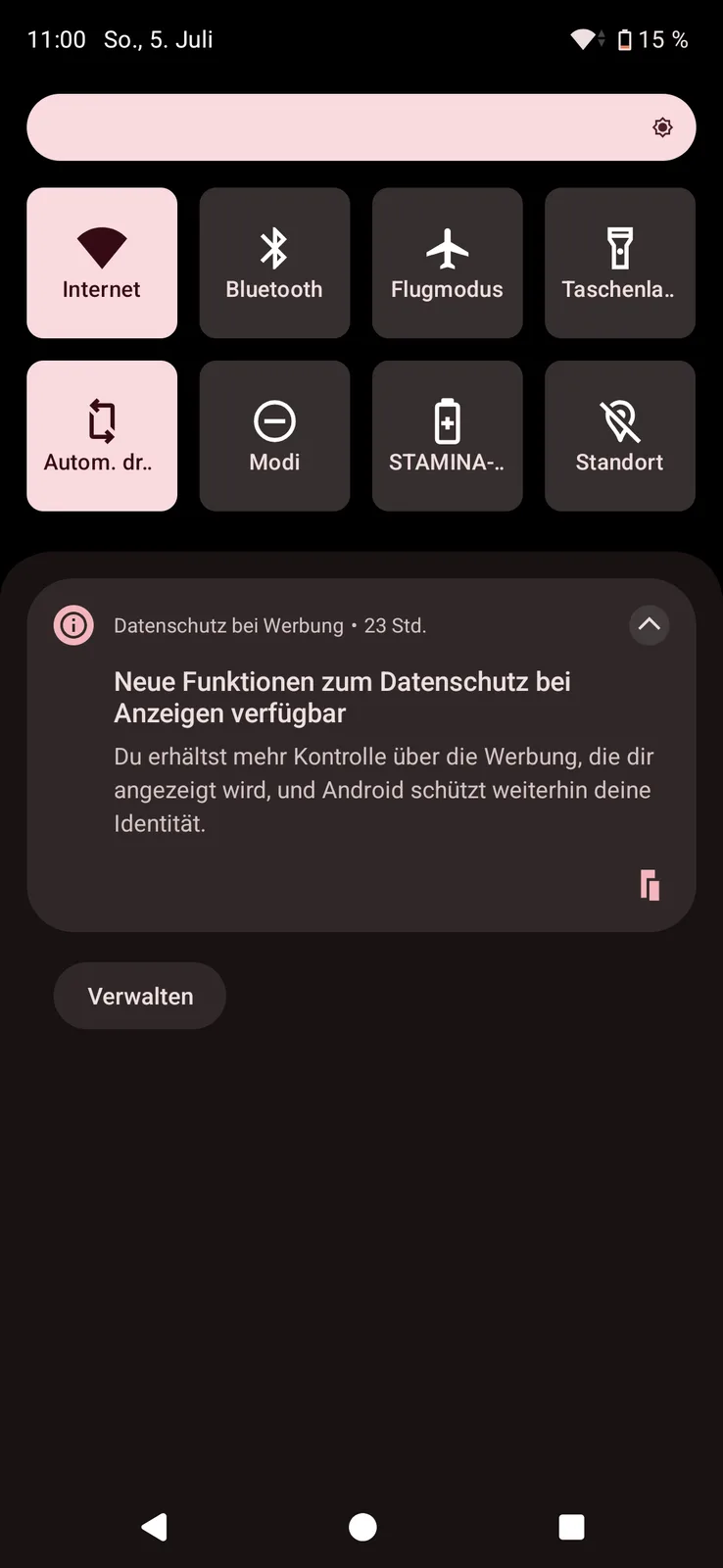
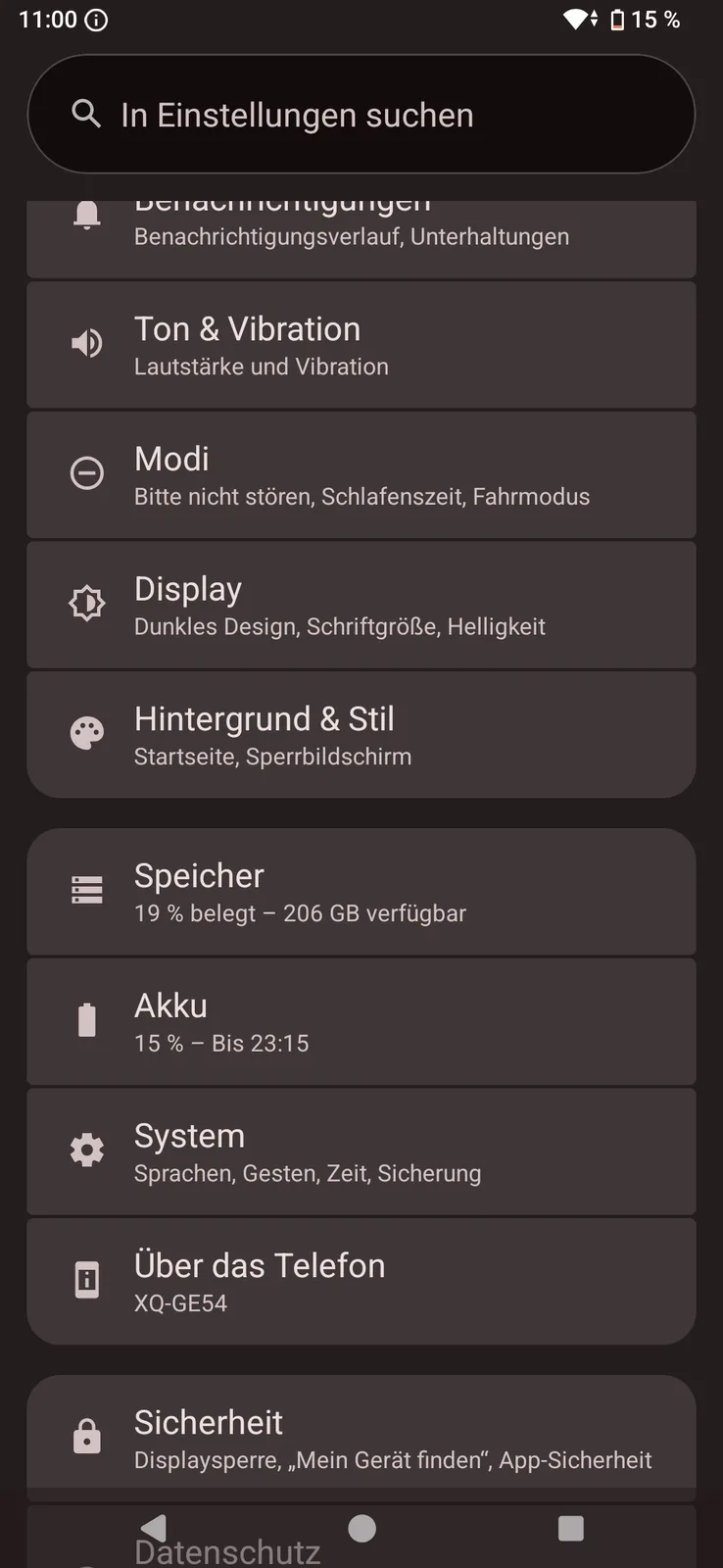
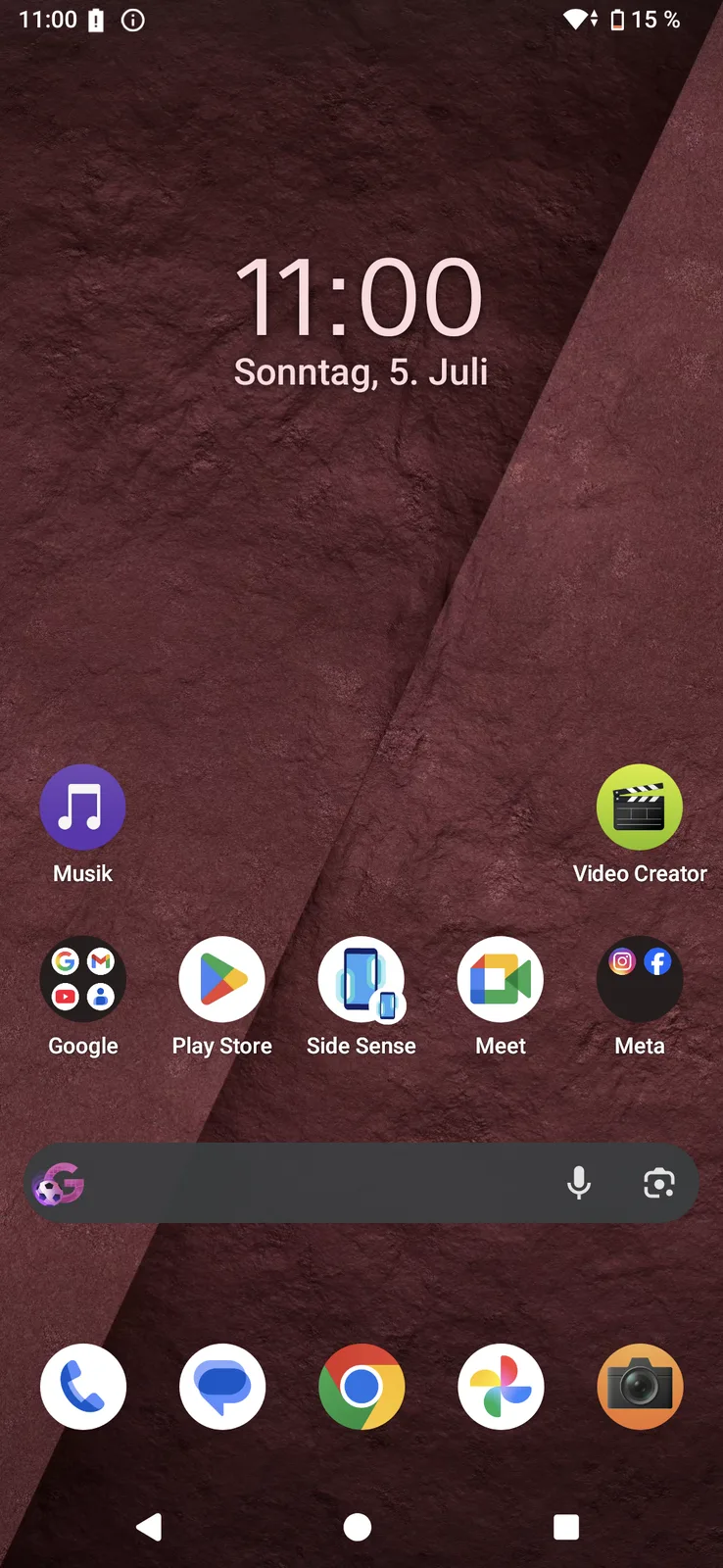
The Xperia 1 VIII ships with Android 16. The manufacturer overlays the Android system interface with its Sony UI, supplemented by a long-term update promise—though this doesn't quite measure up to the competition from Samsung or Google . In terms of software support, Sony promises four major Android versions as well as six years of security updates.
Sustainability
The Sony flagship model comes in the familiar plastic-free packaging made from bamboo, sugarcane, and FSC-certified recycled paper. Paper tape is used for the shipping box.
We couldn't find any specific information on the product's environmental footprint or recycling rate. According to the EPREL database, repairability and spare parts are limited (Class D).
Communications and GNSS - Android Phone with Wi-Fi 7 and 5G
The Xperia 1 VIII supports a wide range of 5G and 4G frequencies, as well as the latest Bluetooth 6.0 and Wi-Fi 7. When paired with our Asus reference router, our tests showed very high peak data transfer rates of nearly 4,000 Mbit/s.
| Networking | |
| Sony Xperia 1 VIII | |
| iperf3 receive Wi-Fi6/7 RT-BE96U | |
| iperf3 transmit Wi-Fi6/7 RT-BE96U | |
| Samsung Galaxy S26 Ultra | |
| iperf3 transmit AXE11000 | |
| iperf3 receive AXE11000 | |
| iperf3 transmit AXE11000 6GHz | |
| iperf3 receive AXE11000 6GHz | |
| iperf3 receive Wi-Fi6/7 RT-BE96U | |
| iperf3 transmit Wi-Fi6/7 RT-BE96U | |
| Oppo Find X9 Ultra | |
| iperf3 receive Wi-Fi6/7 RT-BE96U | |
| iperf3 transmit Wi-Fi6/7 RT-BE96U | |
| Xiaomi 17 Ultra | |
| iperf3 transmit AXE11000 | |
| iperf3 receive AXE11000 | |
| iperf3 transmit AXE11000 6GHz | |
| iperf3 receive AXE11000 6GHz | |
| Average 802.11 a/b/g/n/ac/ax/be | |
| iperf3 transmit AXE11000 | |
| iperf3 receive AXE11000 | |
| iperf3 transmit AXE11000 6GHz | |
| iperf3 receive AXE11000 6GHz | |
| iperf3 receive Wi-Fi6/7 RT-BE96U | |
| iperf3 transmit Wi-Fi6/7 RT-BE96U | |
| Average of class Smartphone | |
| iperf3 transmit AXE11000 | |
| iperf3 receive AXE11000 | |
| iperf3 transmit AXE11000 6GHz | |
| iperf3 receive AXE11000 6GHz | |
| iperf3 receive Wi-Fi6/7 RT-BE96U | |
| iperf3 transmit Wi-Fi6/7 RT-BE96U | |
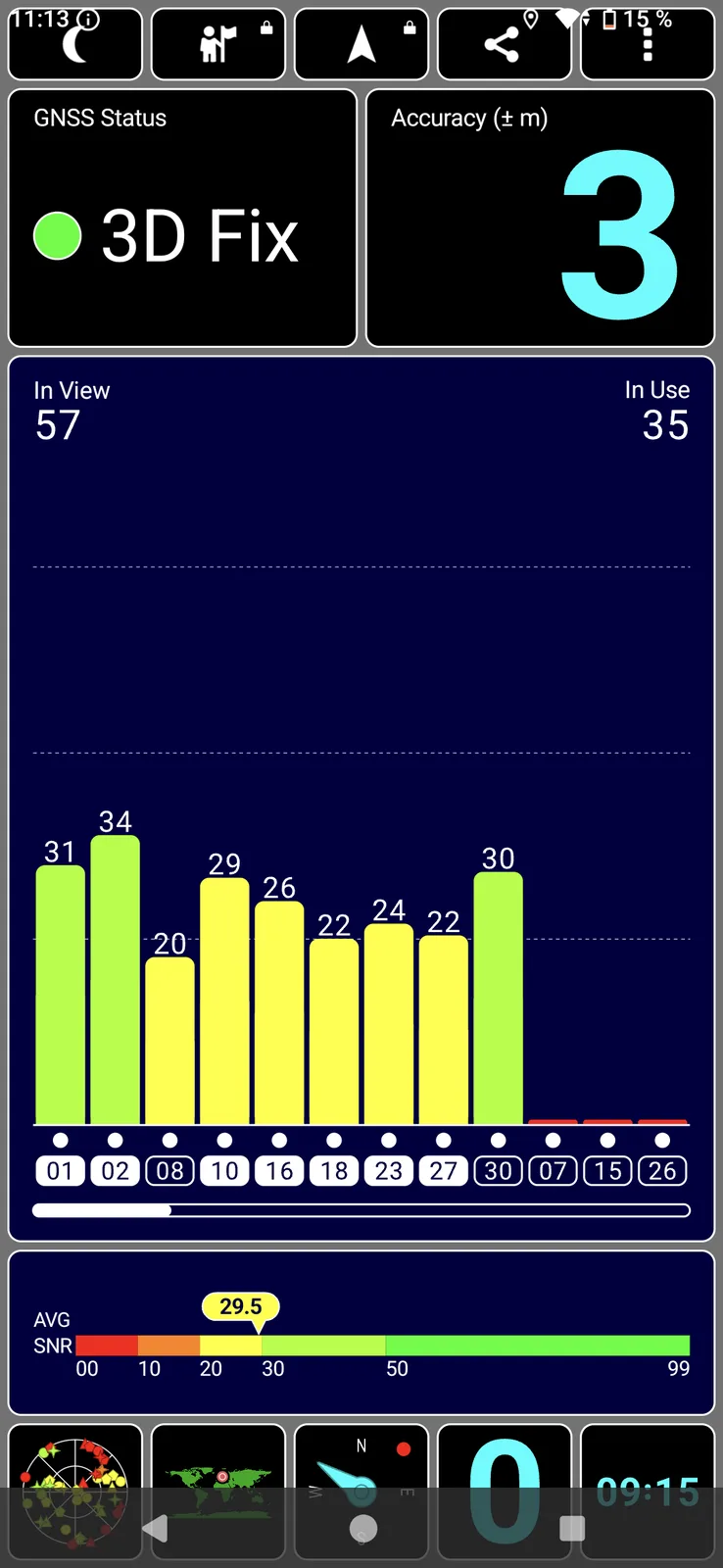
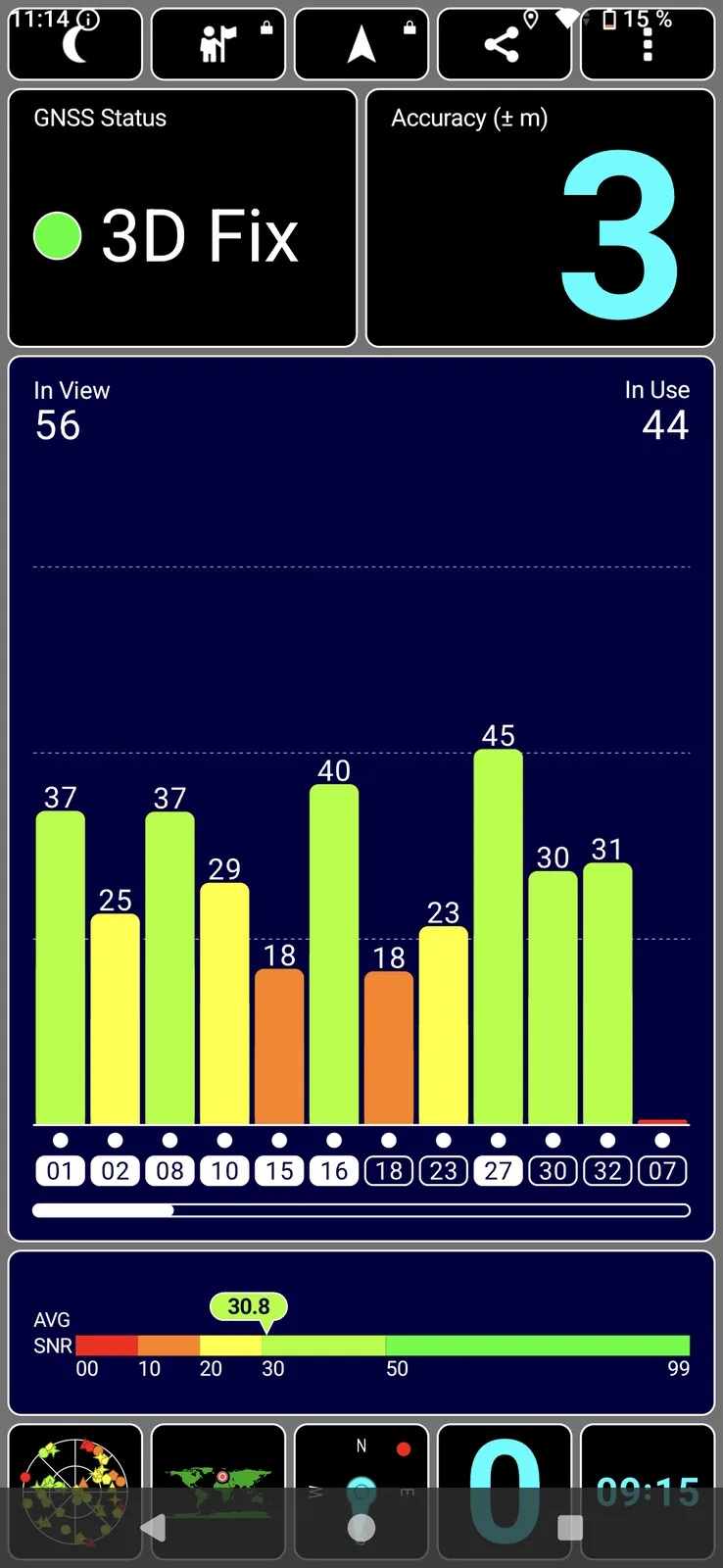
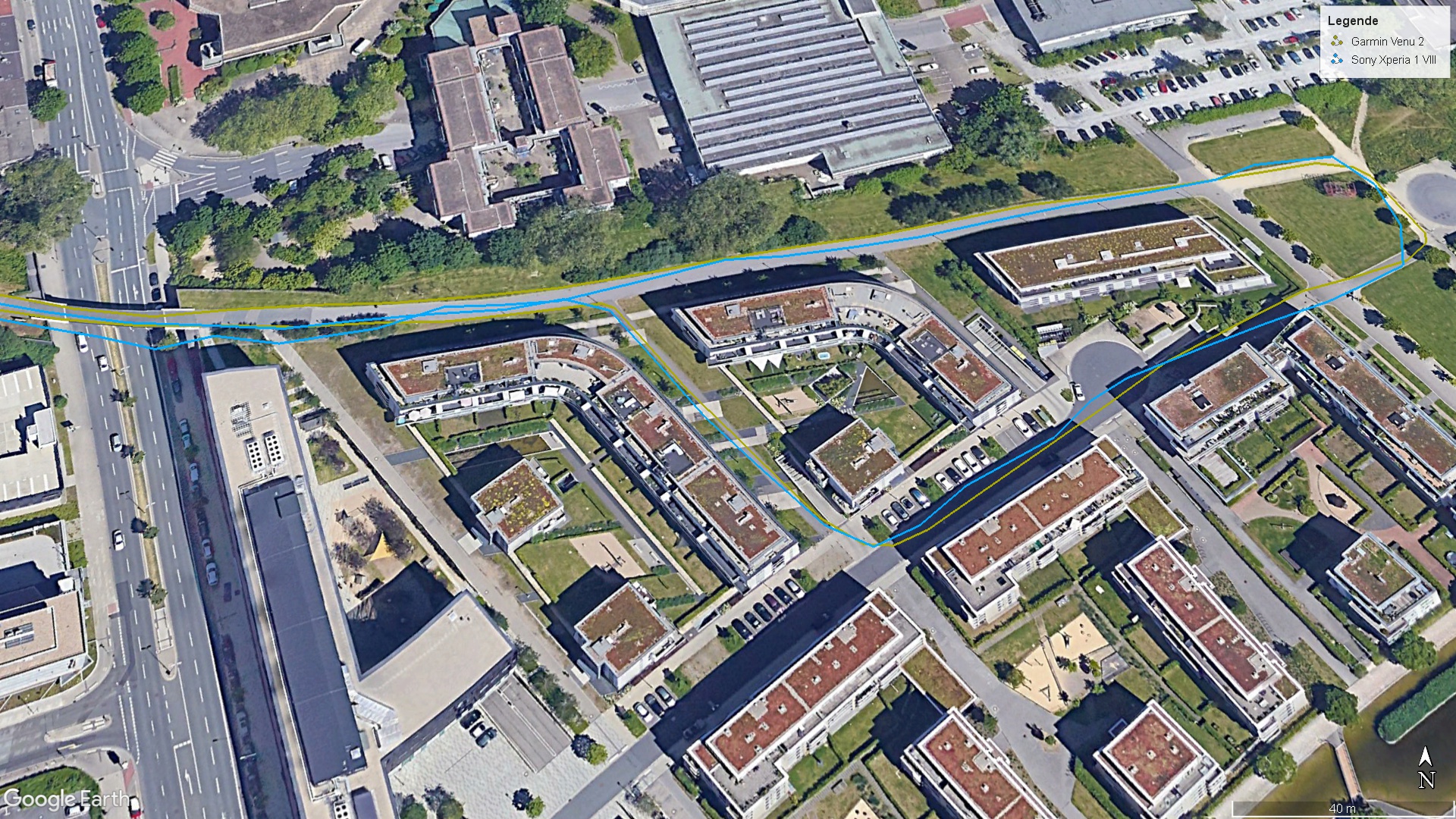
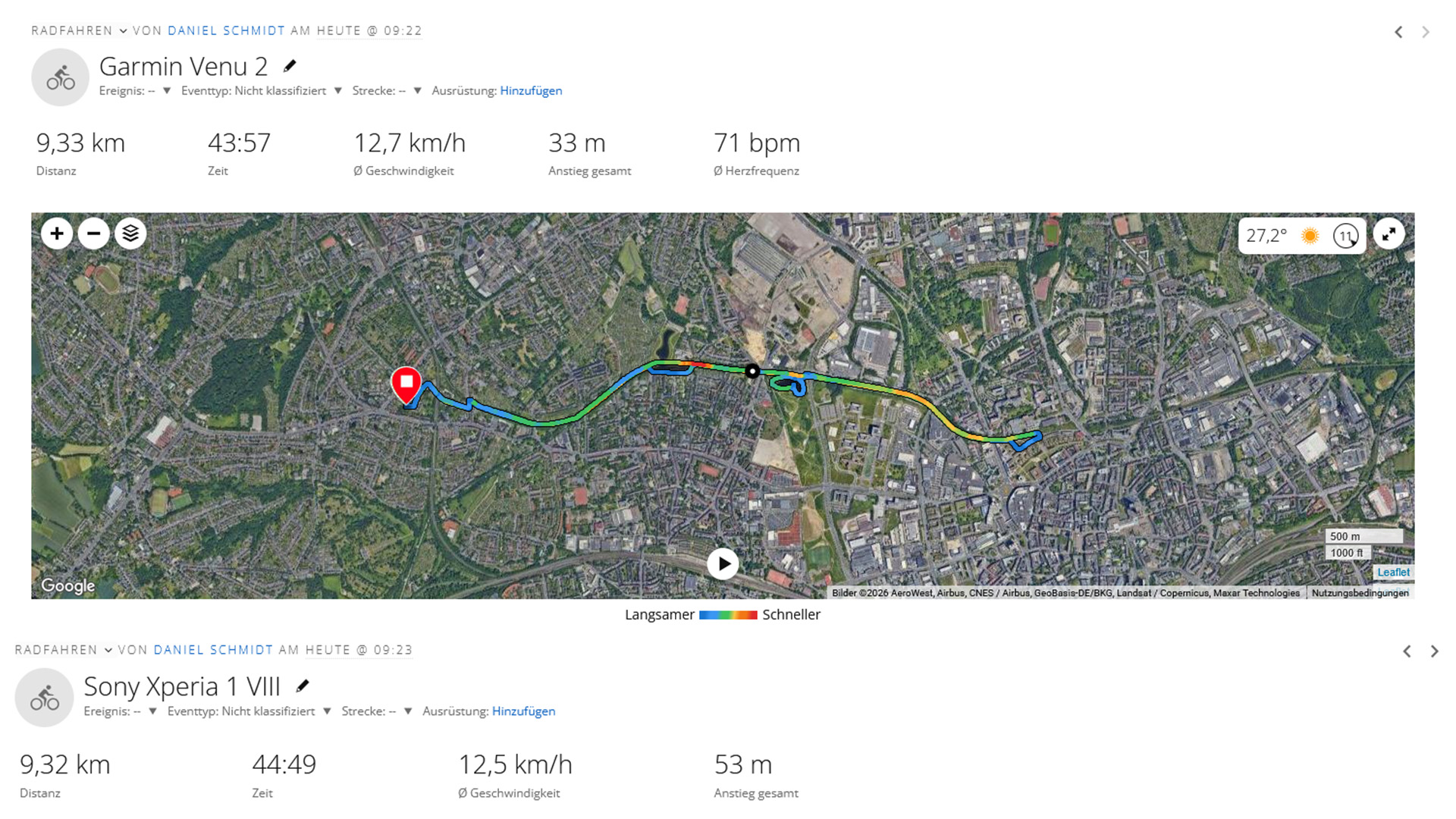
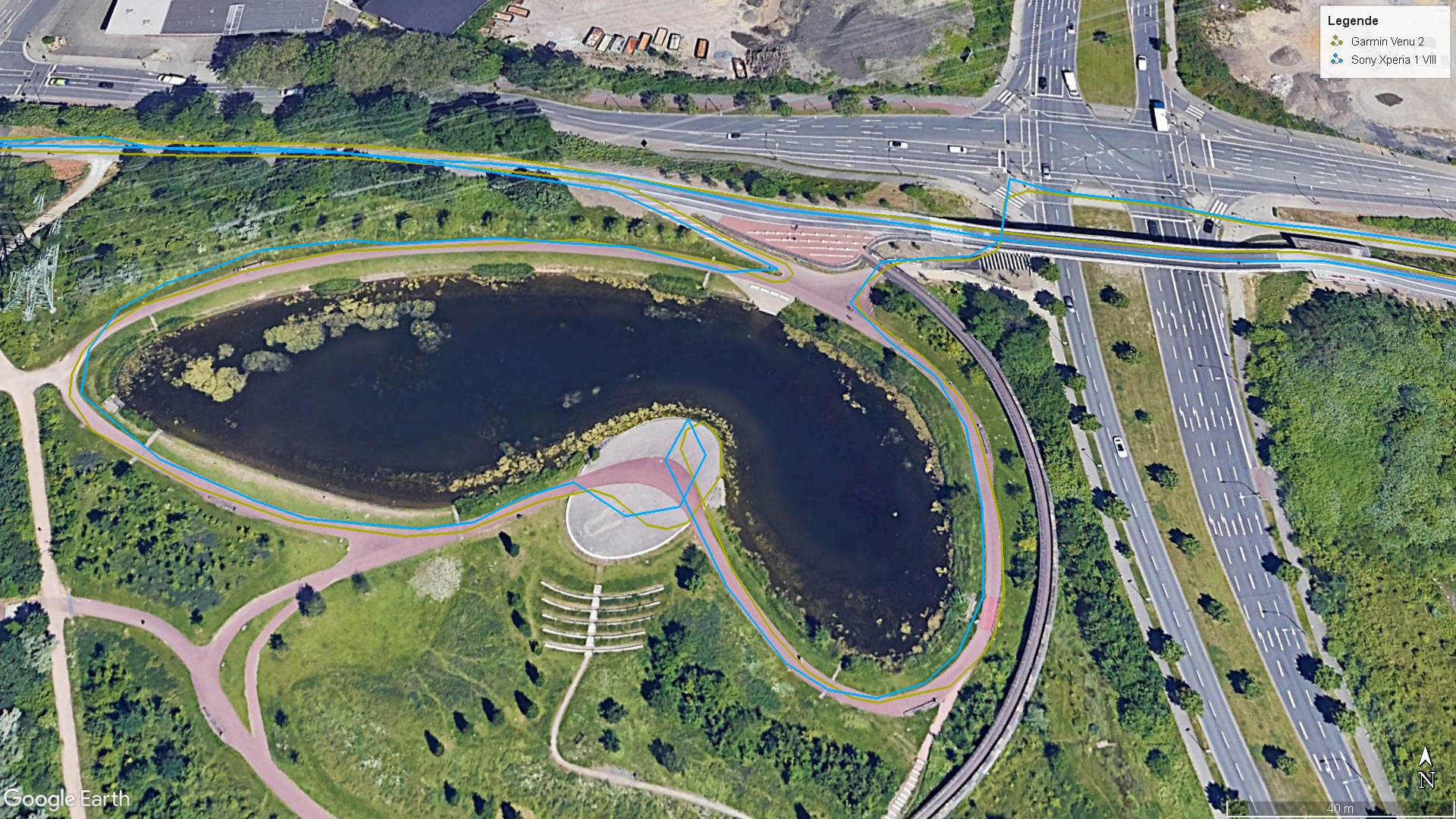
The Xperia 1 VIII uses all global satellite networks for location tracking, though in our test it operated only in single-band mode. During a bike ride, we noticed minor inaccuracies in route tracking compared to a Garmin Venu 2. Nevertheless, the Sony phone is still perfectly suited for everyday navigation tasks.
Phone Features and Call Quality - Sony Xperia 1 VIII with eSIM
The Xperia VIII offers dual-SIM support, allowing users to choose between using a nano-SIM card and two eSIMs, or a combination of both. Voice quality during calls is excellent; the other party is easy to understand, and voices are reproduced naturally.
Cameras - Flagship Phone with a Small Sensor Compared to the Xiaomi 17 Ultra

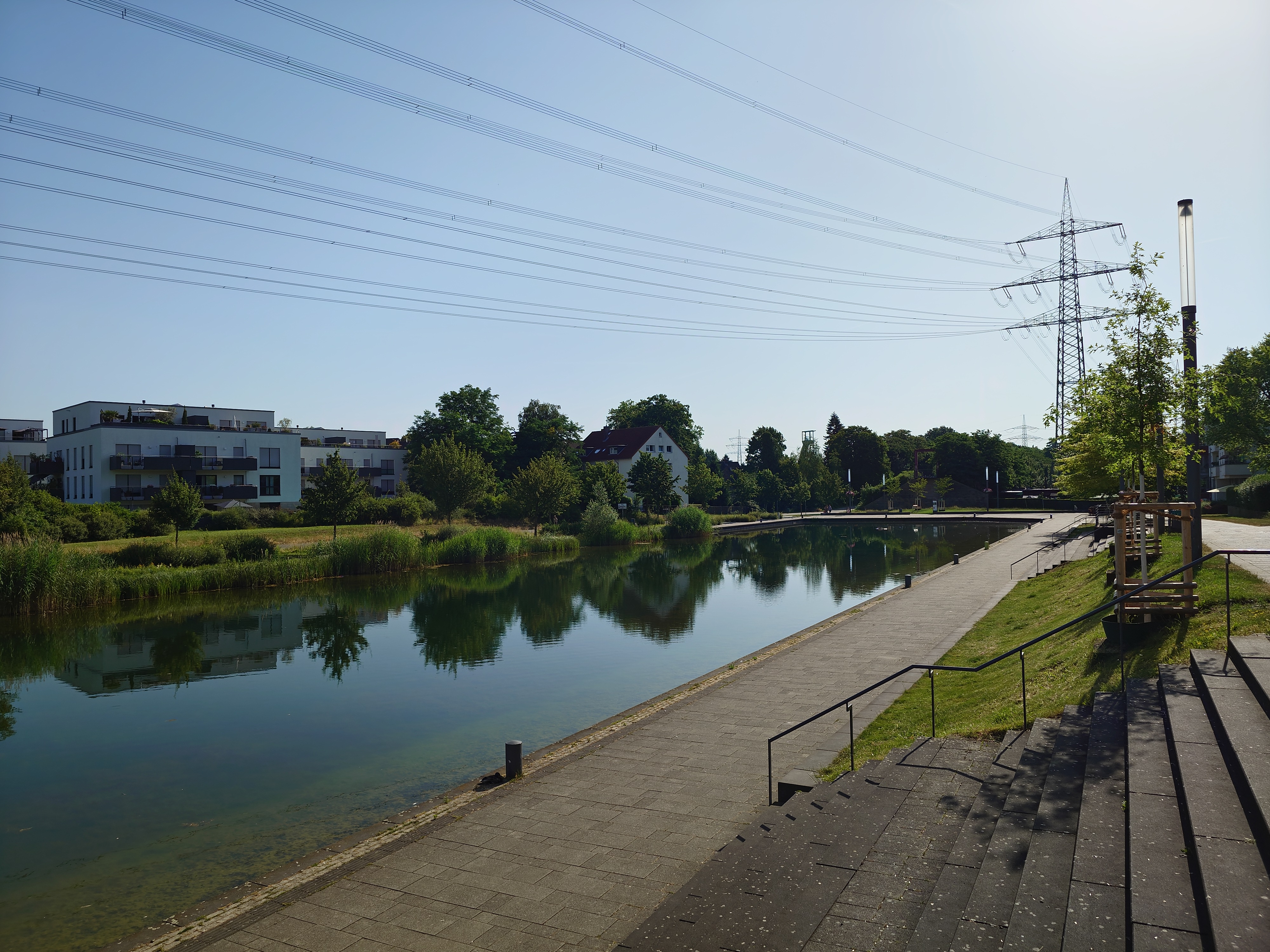
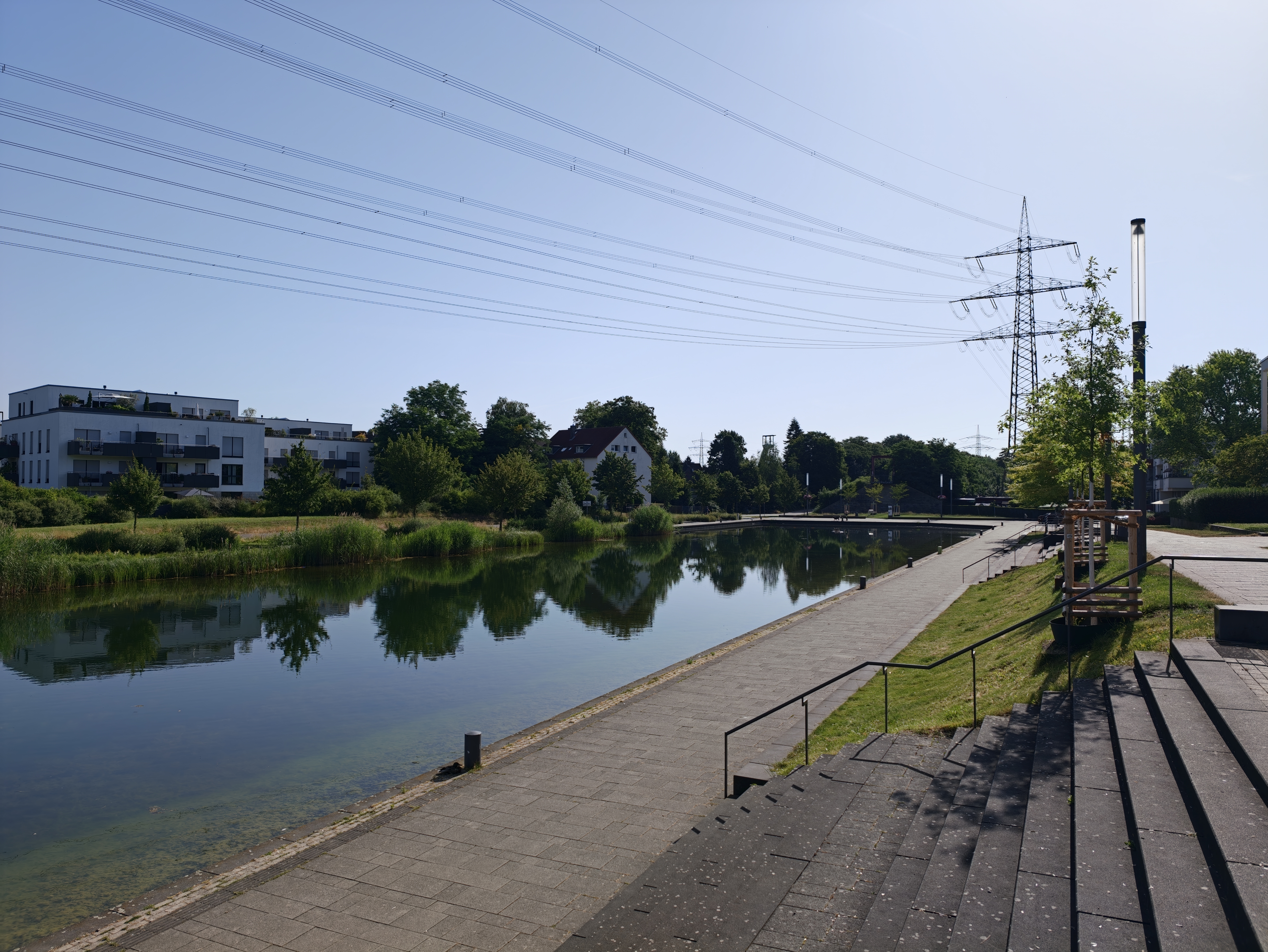
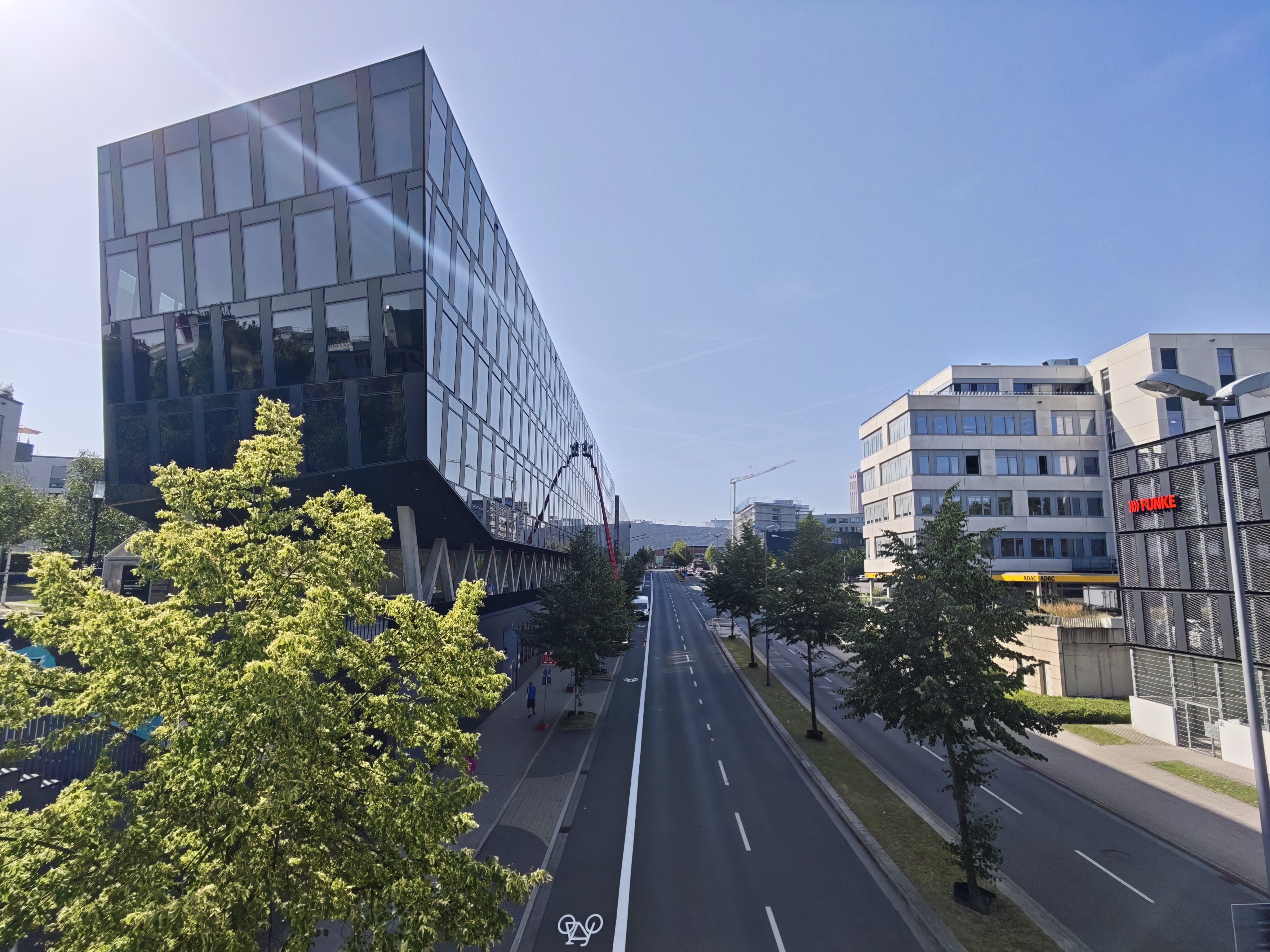
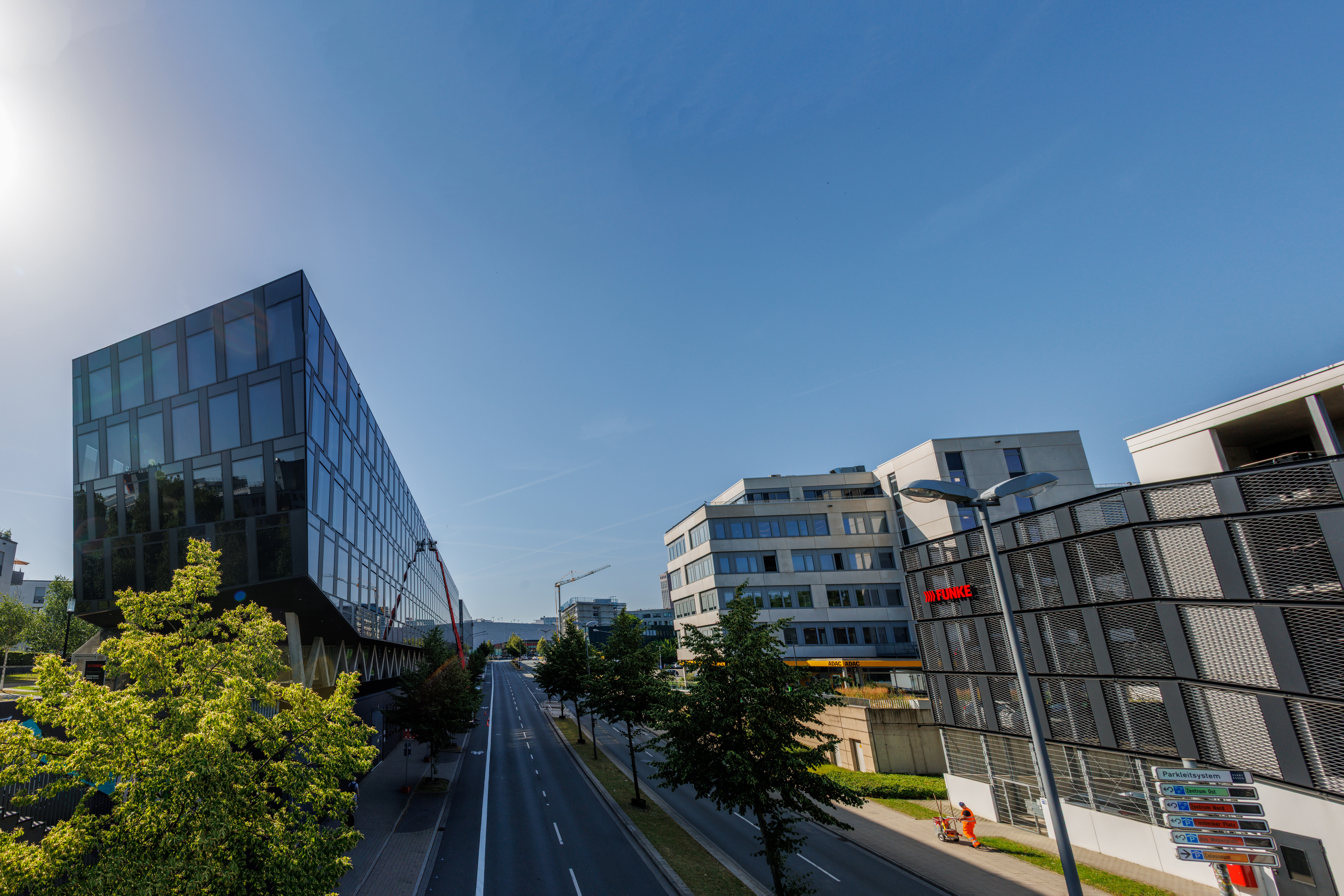
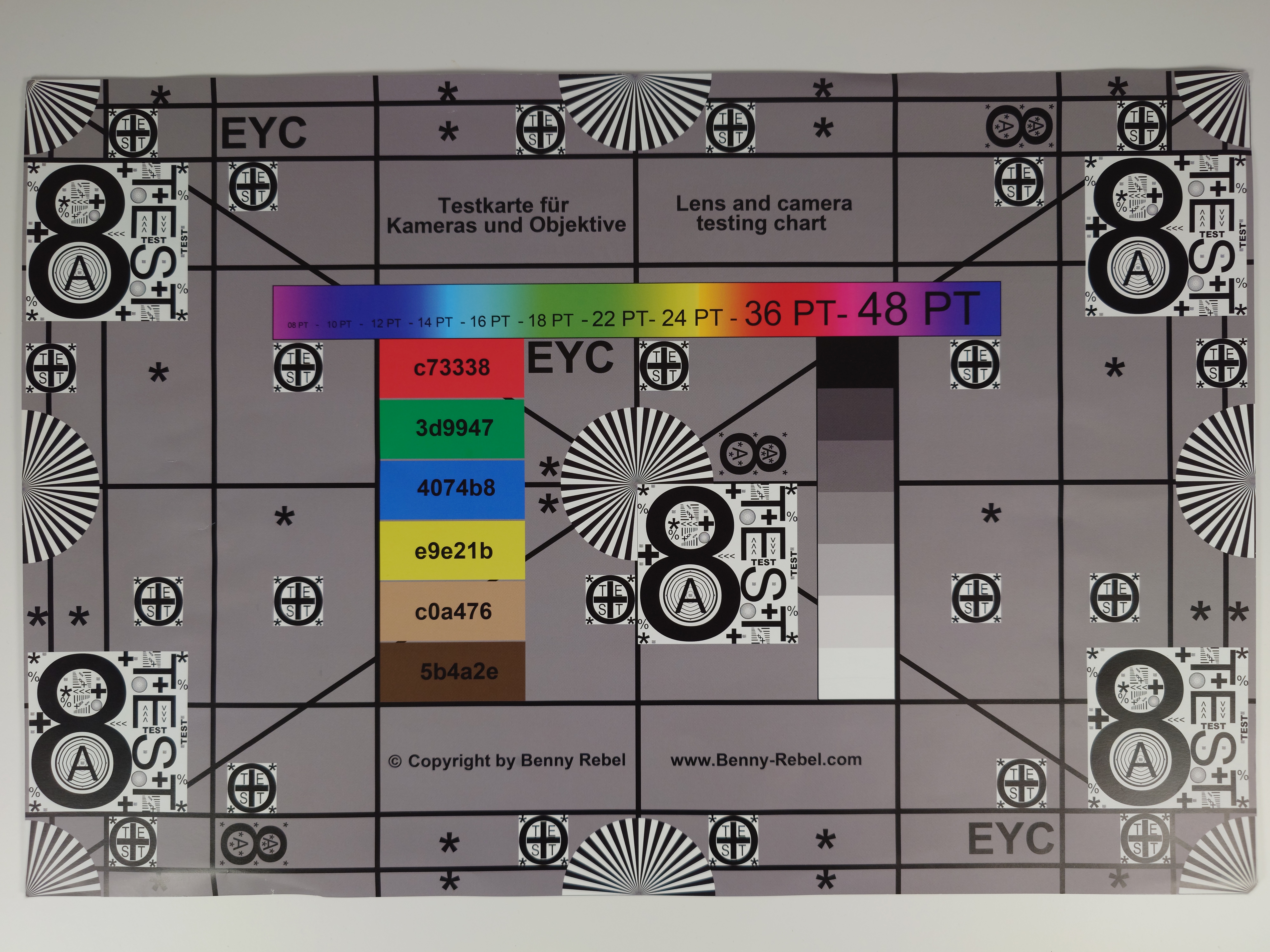
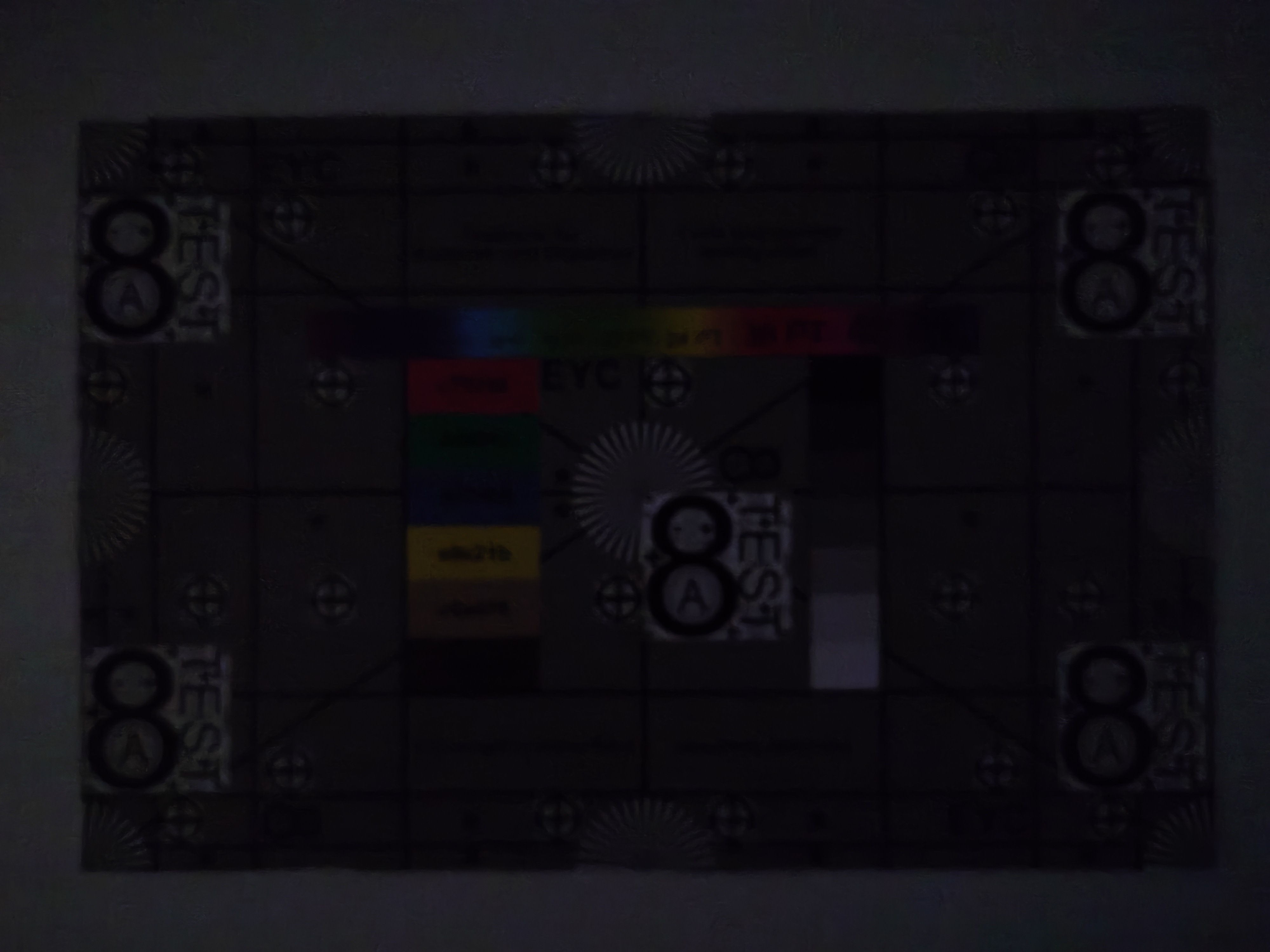
Sony once again positions its current Xperia 1 as a camera flagship, though its camera hardware often falls short of the top tier. While competing flagship models sometimes feature significantly larger sensors, the Sony phone once again relies on a 1/1.35-inch sensor for its main camera. That said, the photo quality in everyday use is still very good. Especially in low light, the level of sharpness is almost surprising. However, the RAW multi-frame processing for better dynamic range isn’t as effective. Shutter speeds are also comparatively slow.
We see plenty of room for improvement in this price range with the new 48-MP telephoto lens, which, while now featuring a 1/1.56-inch sensor, doesn’t impress anyone in the high-end league with its 3x optical zoom. Even at 5x magnification, the Xperia 1 VIII loses a lot of detail and appears soft.
On the other hand, we really like the ultra-wide-angle lens—Sony is right at the forefront here. The 1/1.56-inch sensor offers good sharpness and natural color reproduction.
Image comparison
Choose a scene and navigate within the first image. One click changes the position on touchscreens. One click on the zoomed-in image opens the original in a new window. The first image shows the scaled photograph of the test device.
Main cameraMain cameraLow LightZoom 5xUltra-wide-angle
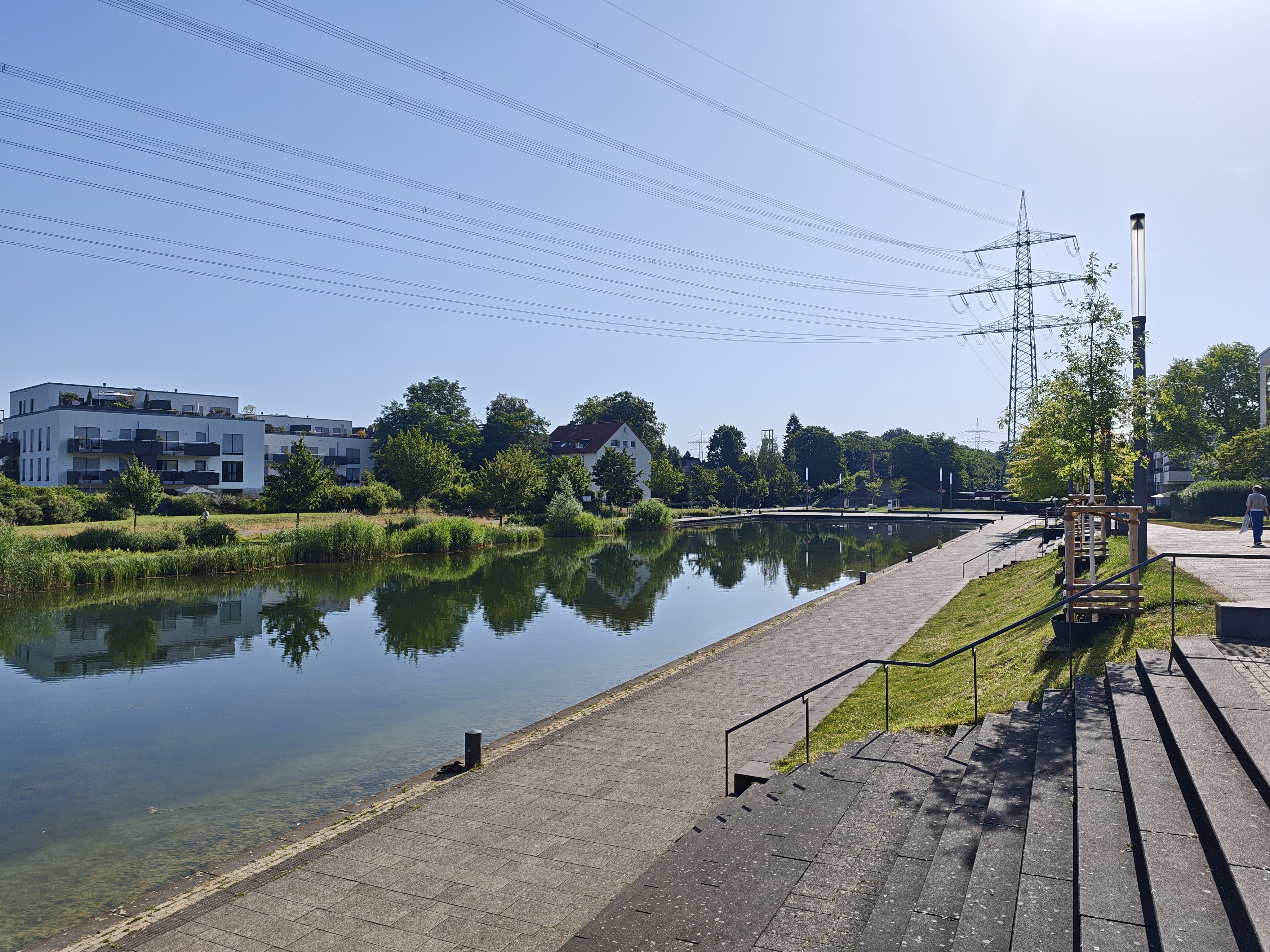
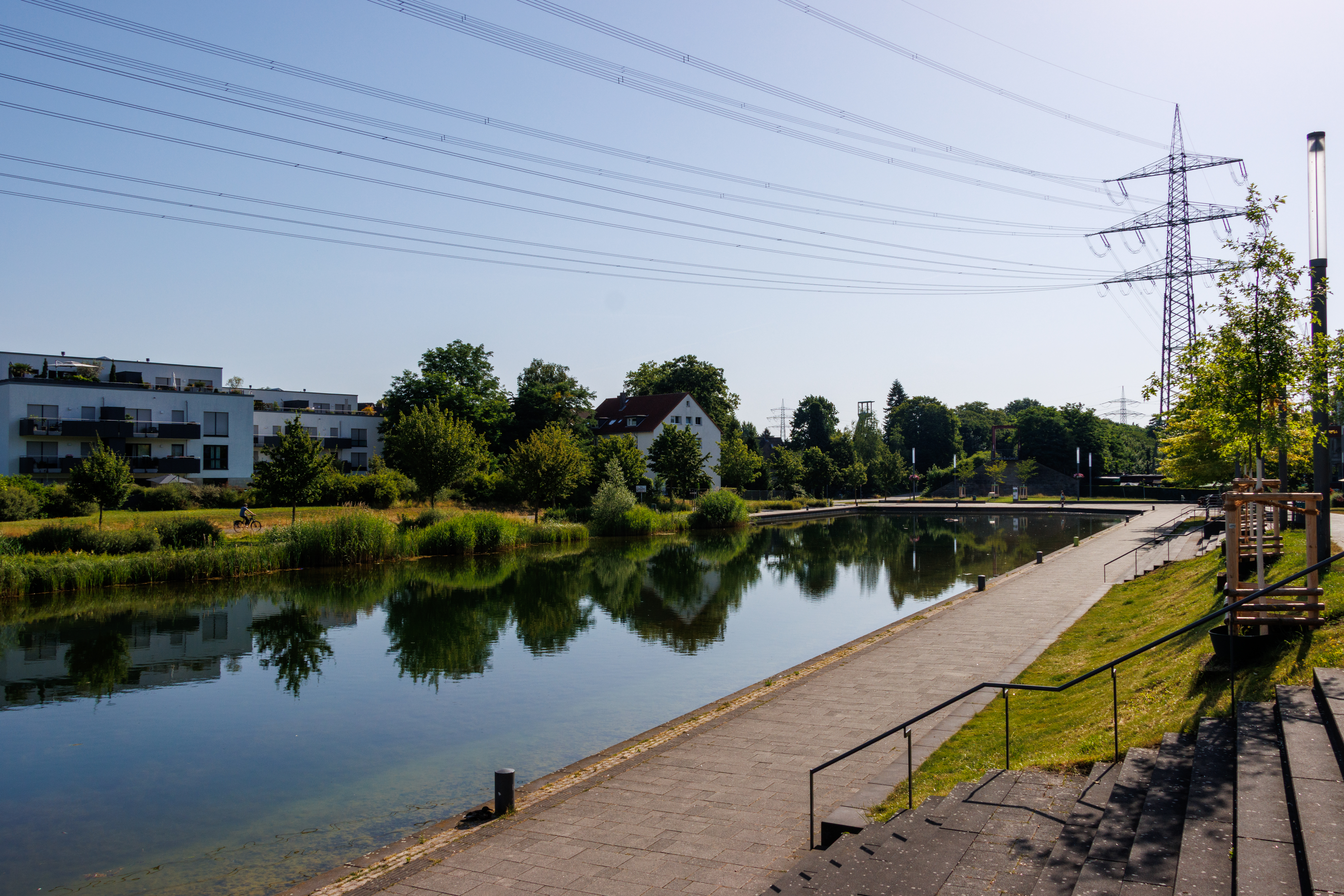












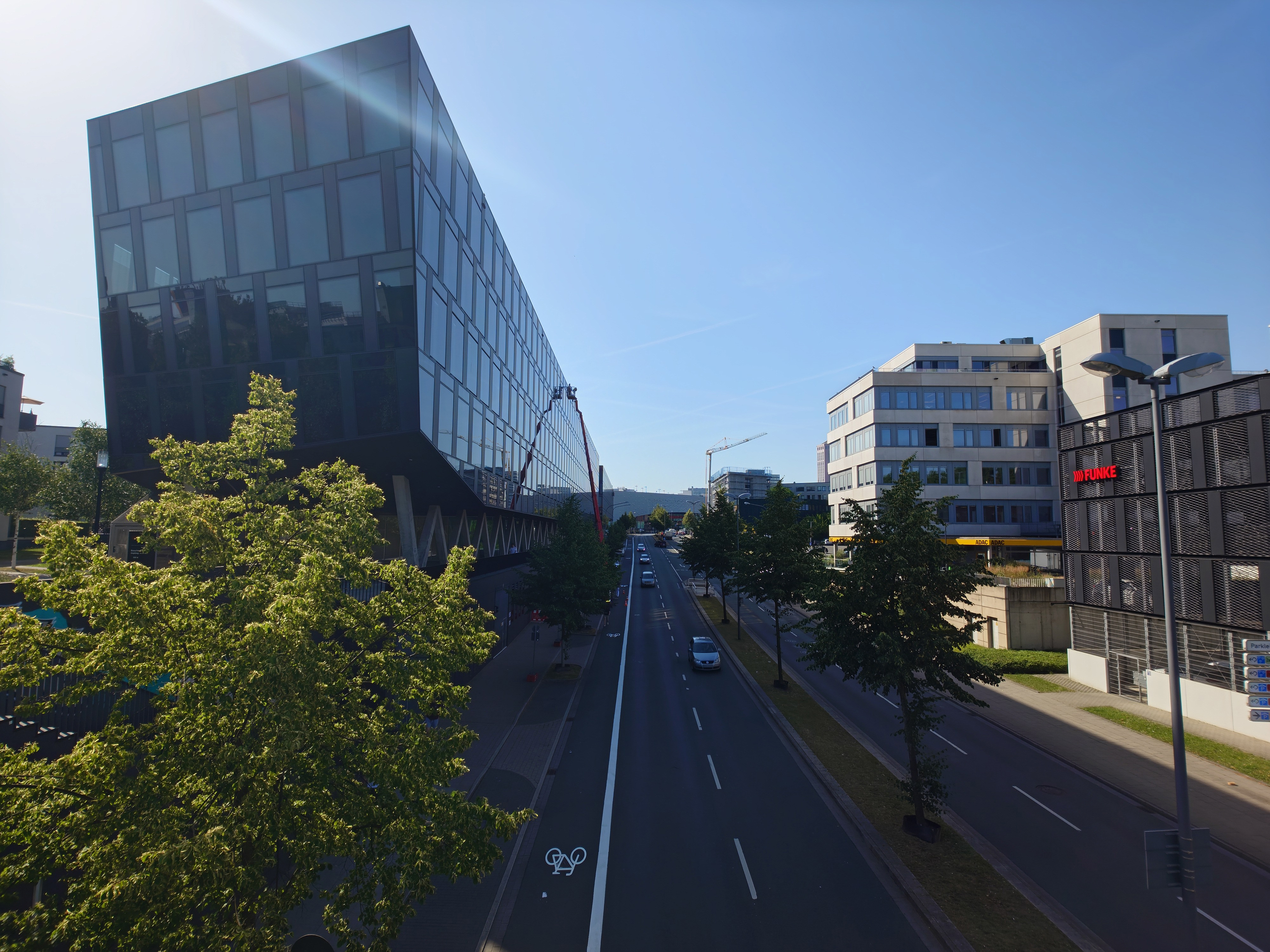
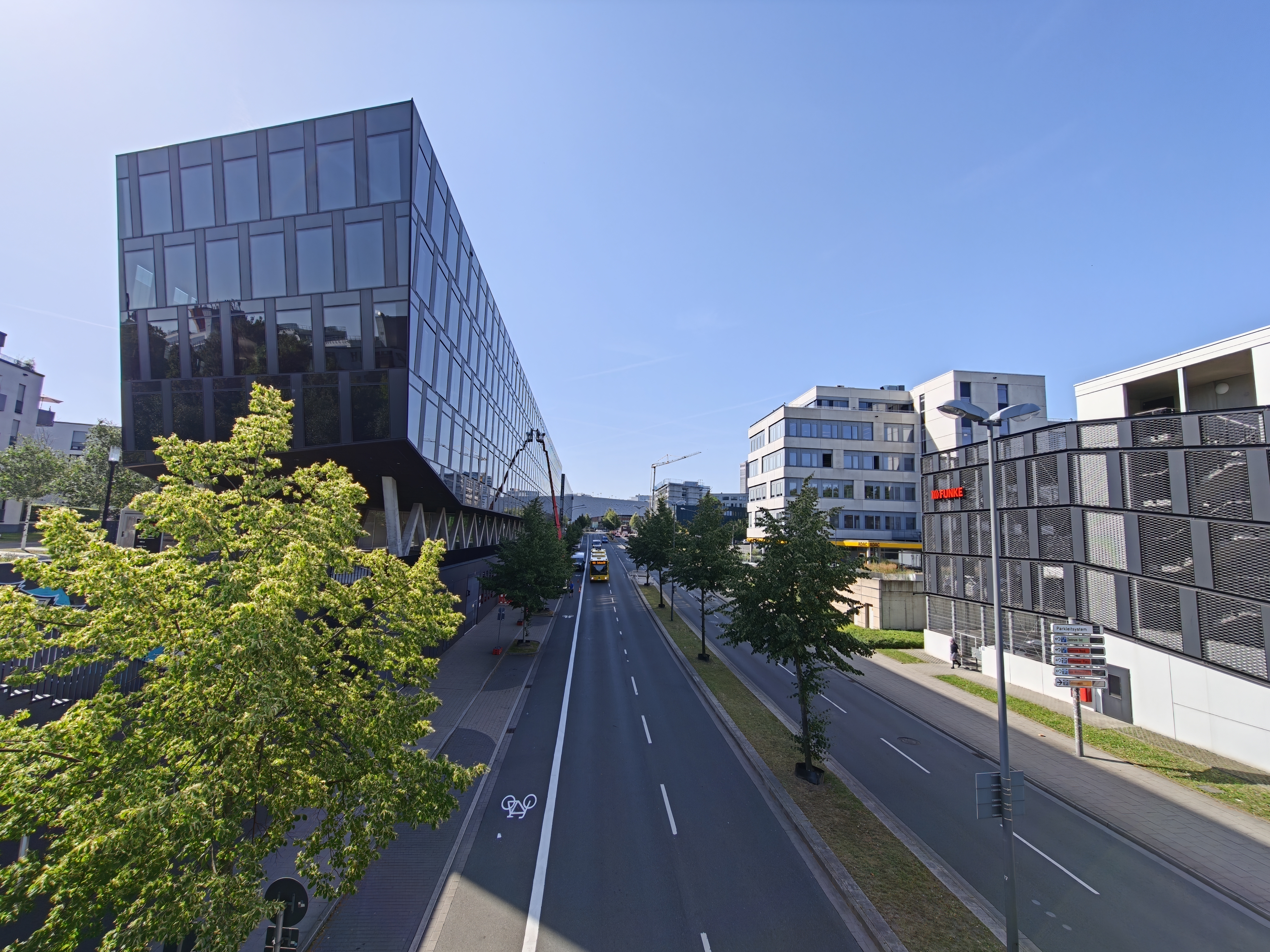



Accessories and Warranty - Sony Cell Phone Without Power Adapter
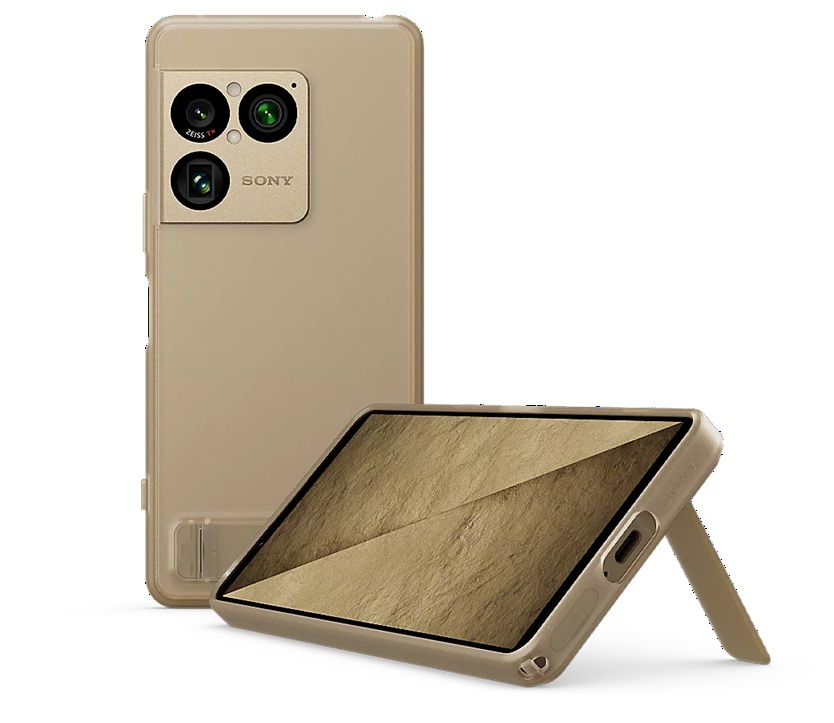
Sony ships its flagship model with only informational materials. A screen protector is not pre-installed at the factory. The manufacturer also offers optional cases made of translucent materials with a built-in stand.
The warranty is valid for 24 months in Germany and can be extended through Sony’s in-house insurance package, “Sony Care" when purchased from the company’s online store.
Input Devices and Operation - Android Phone Without an Ultrasonic Sensor & Face Unlock
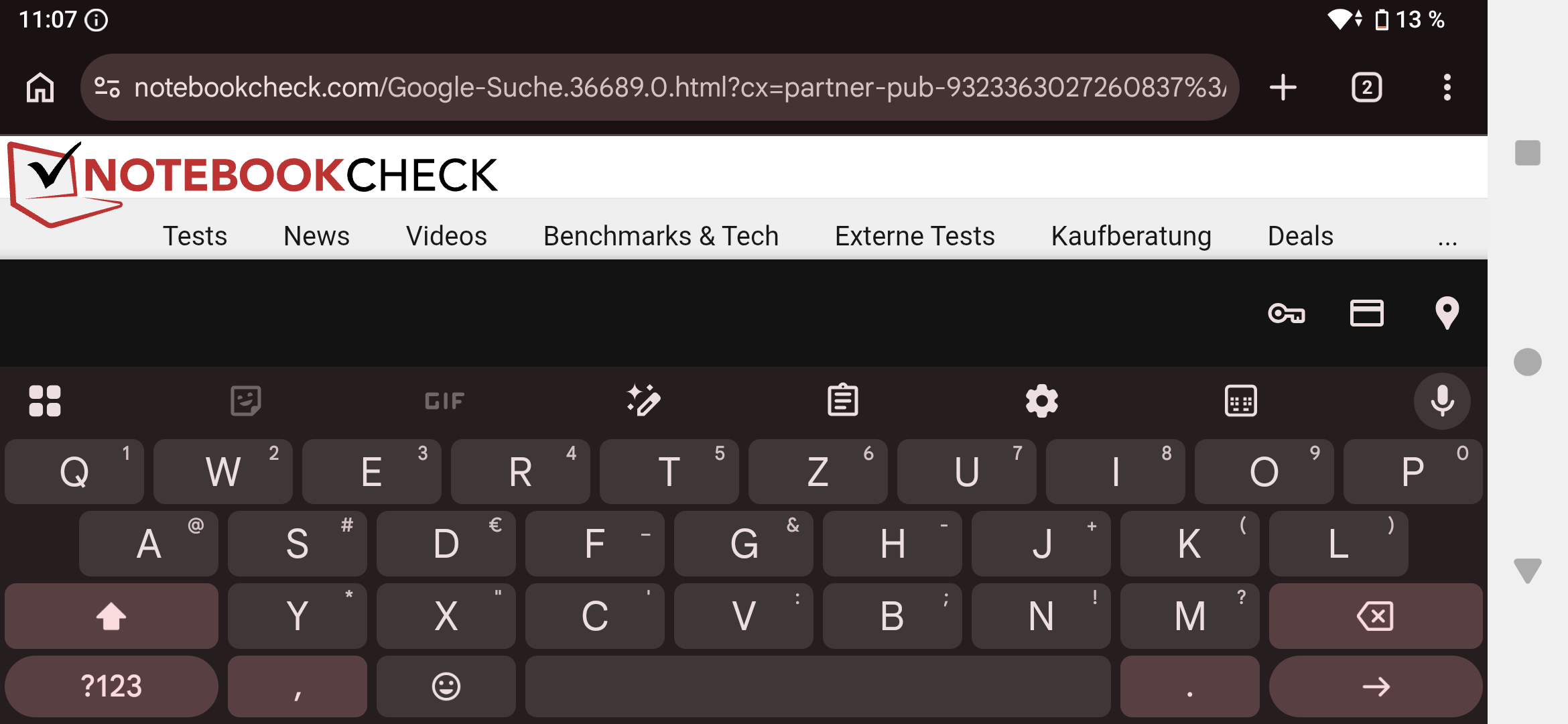
Inputs on the 6.5-inch OLED display are accurately registered. The fingerprint sensor is located in the power button and therefore does not use the ultrasonic technology found in flagship competitors. The Xperia 1 VIII can still be unlocked quickly, though our fingers aren’t always recognized on the first try. The built-in linear vibration motor provides very pleasant haptic feedback.


Display - Premium smartphone from Sony with fewer pixels than Samsung or Oppo
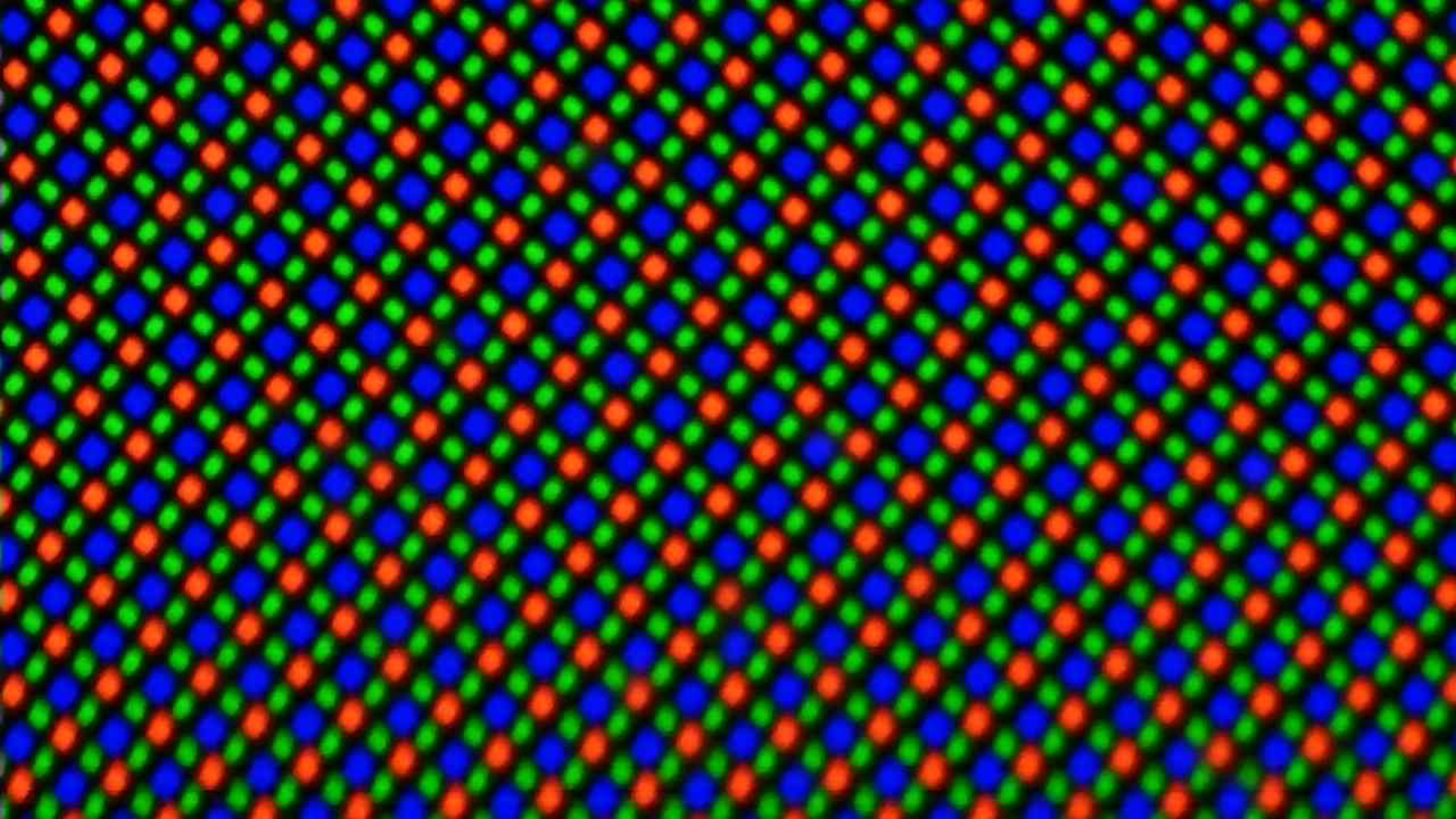
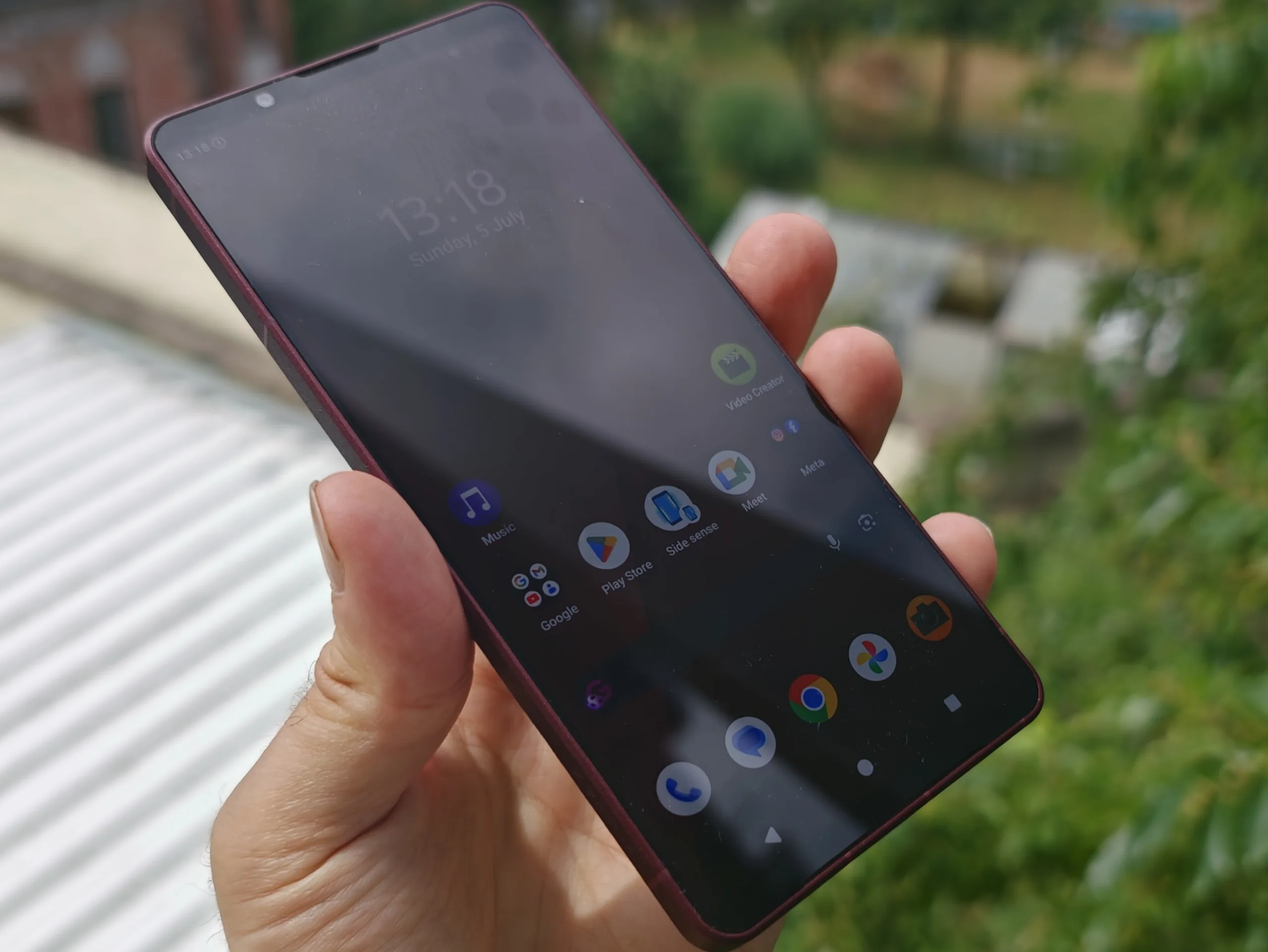
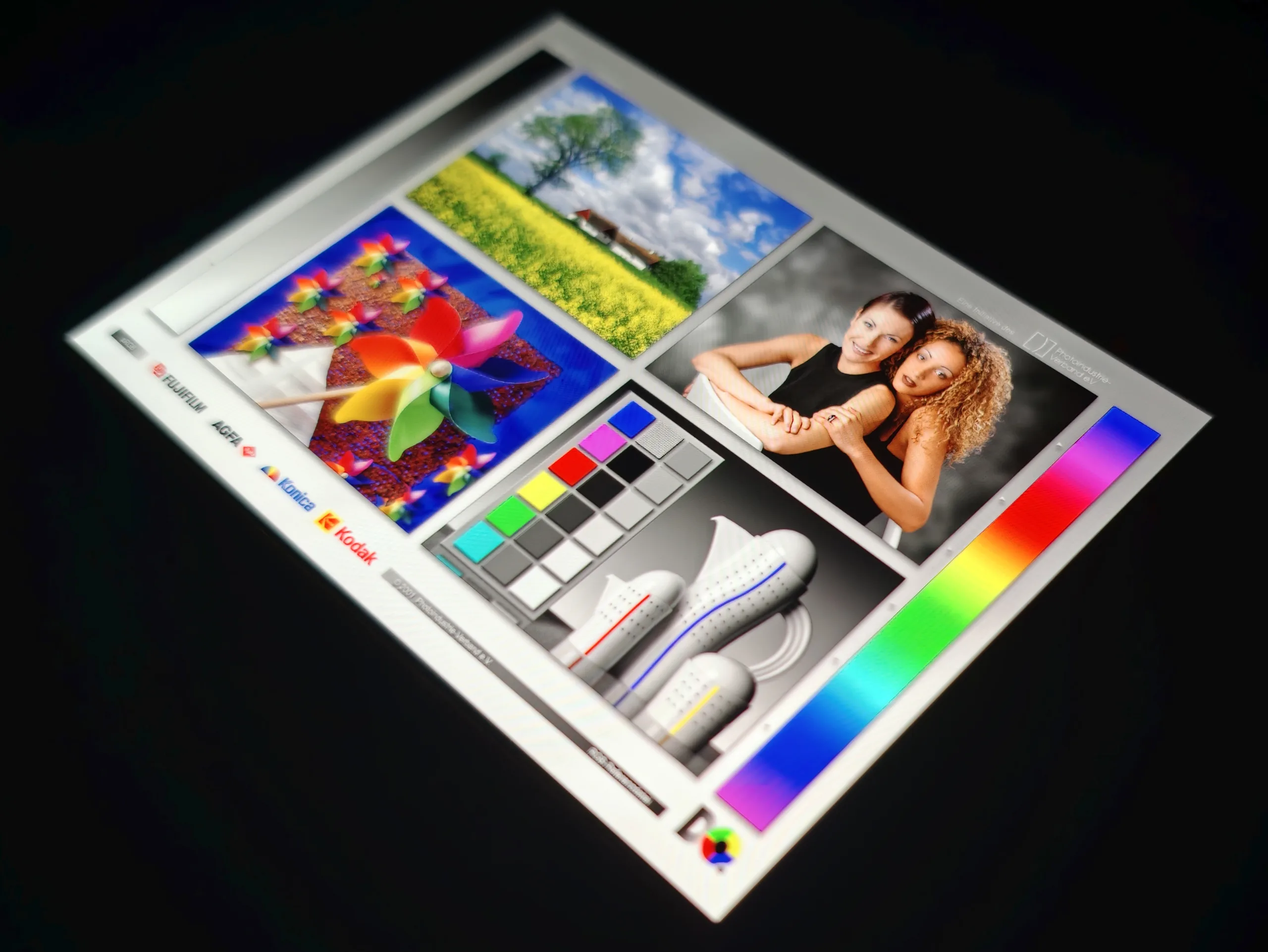
As early as its predecessor, Sony had already moved away from its 21:9 design and is sticking with a 19.5:9 aspect ratio for the Xperia 1 VIII as well. At 6.5 inches, the 120-Hz OLED panel is noticeably smaller than that of the competition, though the 1,080p resolution is also significantly lower than that of a Samsung Galaxy S26 Ultra or Oppo Find X9 Ultra.
In our tests, the Xperia 1 VIII doesn’t reach extremely high brightness levels—with over 2,000 cd/m² in the realistic APL18 test—but the Sony phone doesn’t perform particularly poorly with HDR content either. A PWM frequency of around 240 Hz is used to control the display brightness. Sony likely also relies on a PWM dimming method for its low-frequency OLED panel, though no specific details are provided.
| |||||||||||||||||||||||||
Brightness Distribution: 97 %
Center on Battery: 1407 cd/m²
Contrast: ∞:1 (Black: 0 cd/m²)
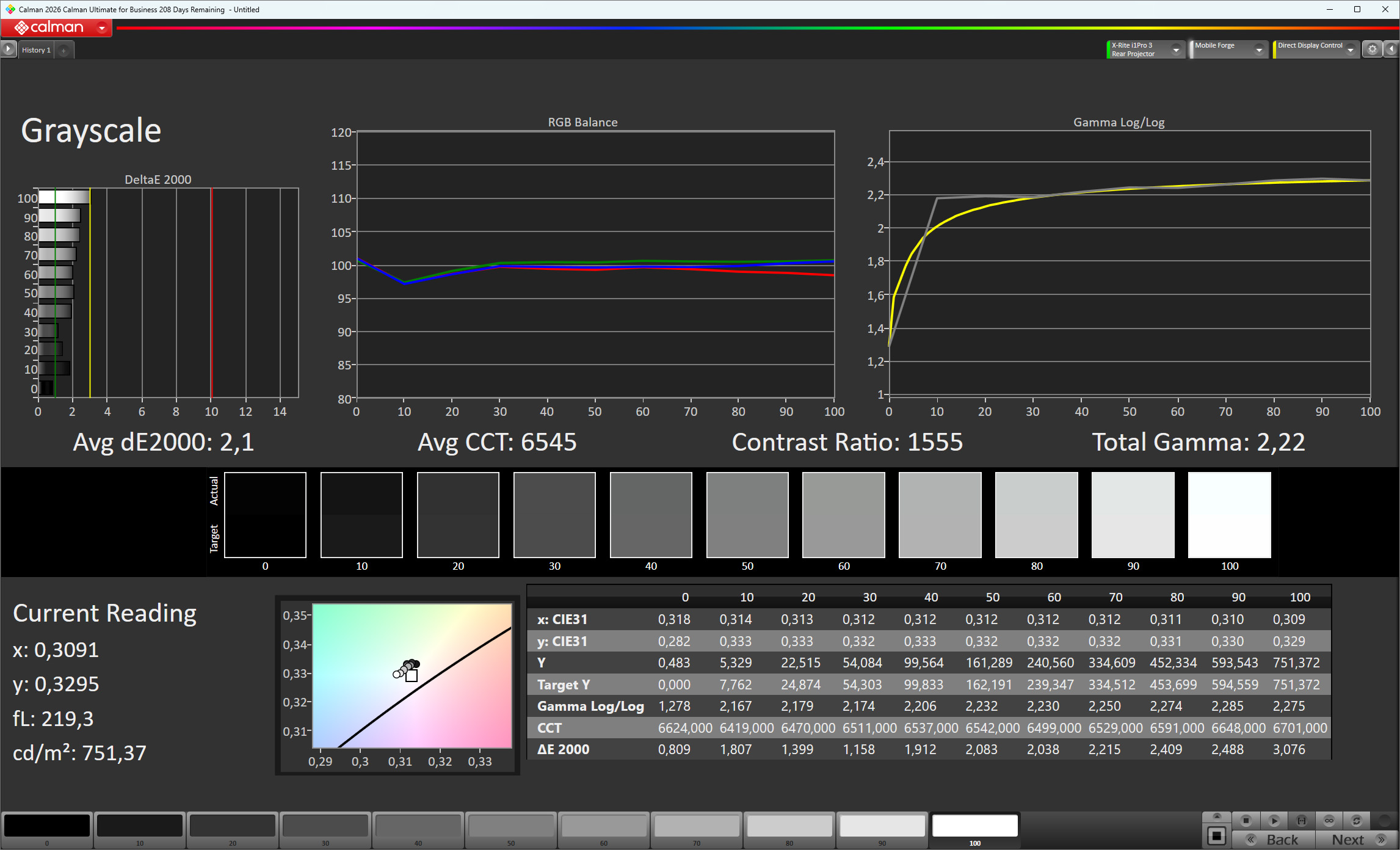
ΔE ColorChecker Calman: 1.1 | ∀{0.5-29.43 Ø4.7}
ΔE Greyscale Calman: 2.1 | ∀{0.09-98 Ø4.95}
97.5% sRGB (Calman 2D)
Gamma: 2.22
CCT: 6545 K
| Sony Xperia 1 VIII OLED, 2340x1080, 6.5" | Samsung Galaxy S26 Ultra Dynamic AMOLED 2X, 3120x1440, 6.9" | Oppo Find X9 Ultra AMOLED, 3168x1440, 6.8" | Xiaomi 17 Ultra AMOLED, 2608x1200, 6.9" | |
|---|---|---|---|---|
| Display | 29% | -20% | 63% | |
| APL18 Peak Brightness (cd/m²) | 2195 | 2713 24% | 1807 -18% | 3528 61% |
| HDR Peak Brightness (cd/m²) | 2215 | 2975 34% | 1746 -21% | 3648 65% |
| Response Times | 5% | -2% | -27% | |
| Response Time Grey 50% / Grey 80% * (ms) | 1.19 ? | 0.84 ? 29% | 1.4 ? -18% | 1.7 ? -43% |
| Response Time Black / White * (ms) | 1.01 ? | 1.25 ? -24% | 0.89 ? 12% | 1.3 ? -29% |
| PWM Frequency (Hz) | 240 | 240 | 90 | 121 |
| PWM Amplitude * (%) | 15.63 | 13.99 10% | 15.51 1% | 17 -9% |
| Screen | -24% | 2% | 5% | |
| Brightness middle (cd/m²) | 1407 | 1339 -5% | 1143 -19% | 1303 -7% |
| Brightness (cd/m²) | 1410 | 1381 -2% | 1150 -18% | 1300 -8% |
| Brightness Distribution (%) | 97 | 94 -3% | 98 1% | 98 1% |
| Black Level * (cd/m²) | ||||
| Colorchecker dE 2000 * | 1.1 | 2.5 -127% | 1.2 -9% | 1.12 -2% |
| Colorchecker dE 2000 max. * | 3 | 3.8 -27% | 1.9 37% | 2.25 25% |
| Greyscale dE 2000 * | 2.1 | 1.7 19% | 1.7 19% | 1.7 19% |
| Gamma | 2.22 99% | 2.05 107% | 2.28 96% | 2.242 98% |
| CCT | 6545 99% | 6498 100% | 6717 97% | 6404 101% |
| Total Average (Program / Settings) | 3% /
-7% | -7% /
-3% | 14% /
7% |
* ... smaller is better
| Display / APL18 Peak Brightness | |
| Xiaomi 17 Ultra | |
| Samsung Galaxy S26 Ultra | |
| Sony Xperia 1 VIII | |
| Oppo Find X9 Ultra | |
| Display / HDR Peak Brightness | |
| Xiaomi 17 Ultra | |
| Samsung Galaxy S26 Ultra | |
| Sony Xperia 1 VIII | |
| Oppo Find X9 Ultra | |
Screen Flickering / PWM (Pulse-Width Modulation)
| Screen flickering / PWM detected | 240 Hz Amplitude: 15.63 % | 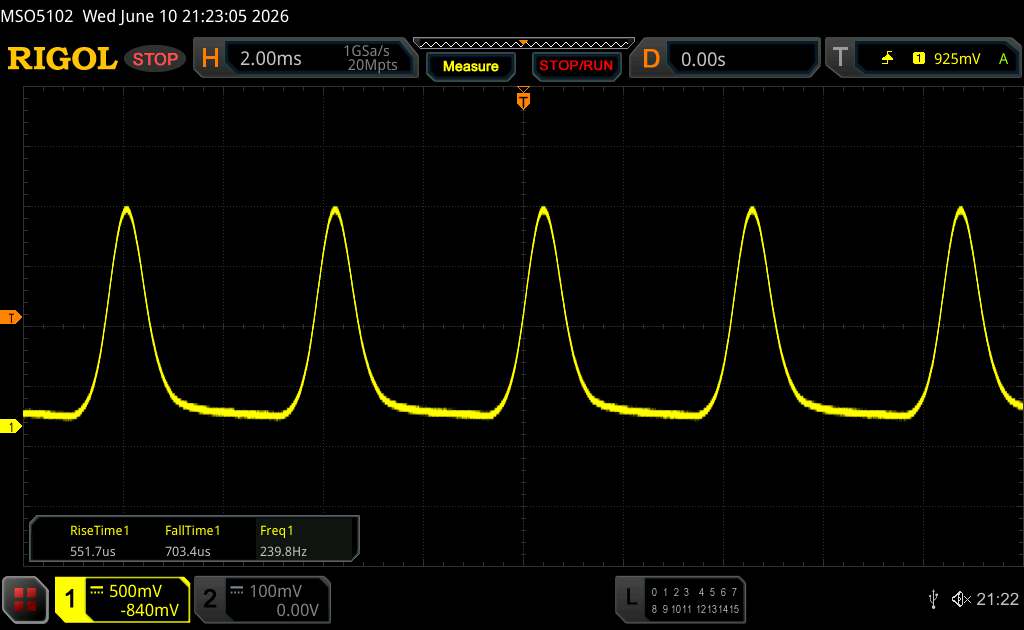 | |
The display backlight flickers at 240 Hz (worst case, e.g., utilizing PWM) . The frequency of 240 Hz is relatively low, so sensitive users will likely notice flickering and experience eyestrain at the stated brightness setting and below. In comparison: 52 % of all tested devices do not use PWM to dim the display. If PWM was detected, an average of 7662 (minimum: 5 - maximum: 343500) Hz was measured. | |||
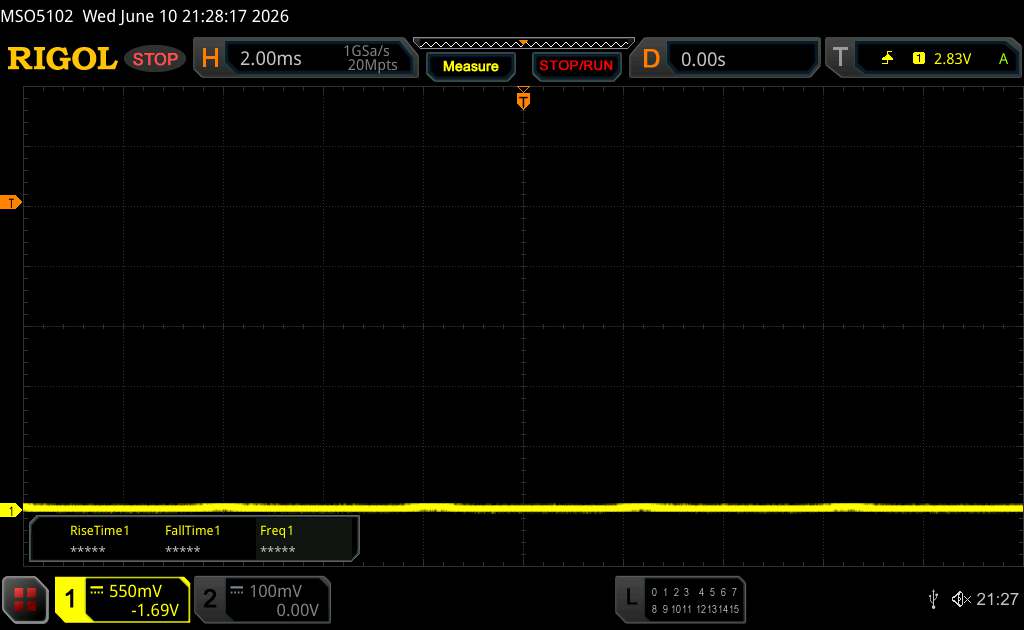
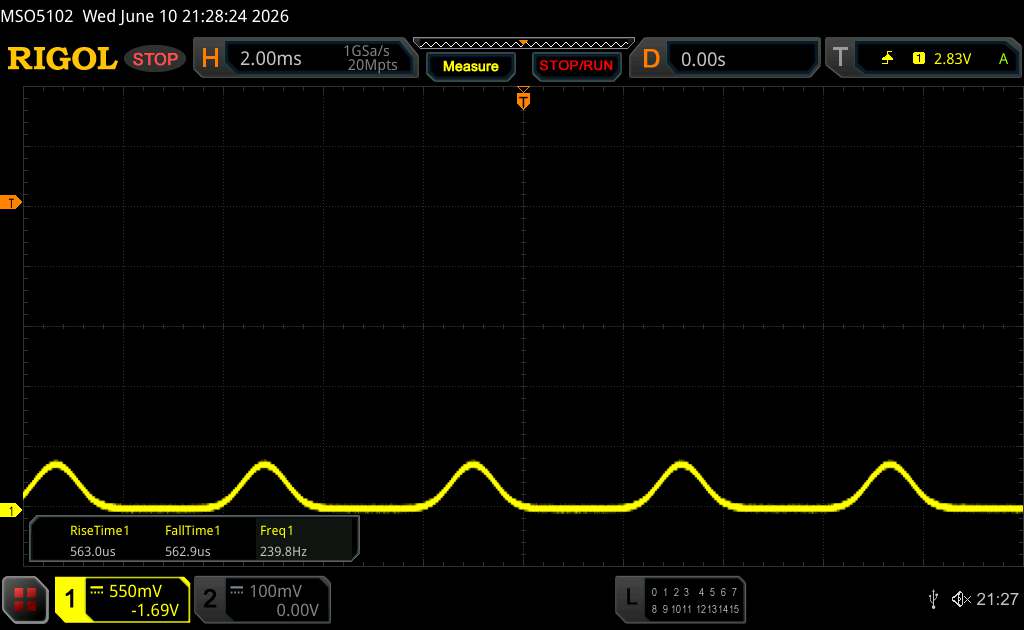
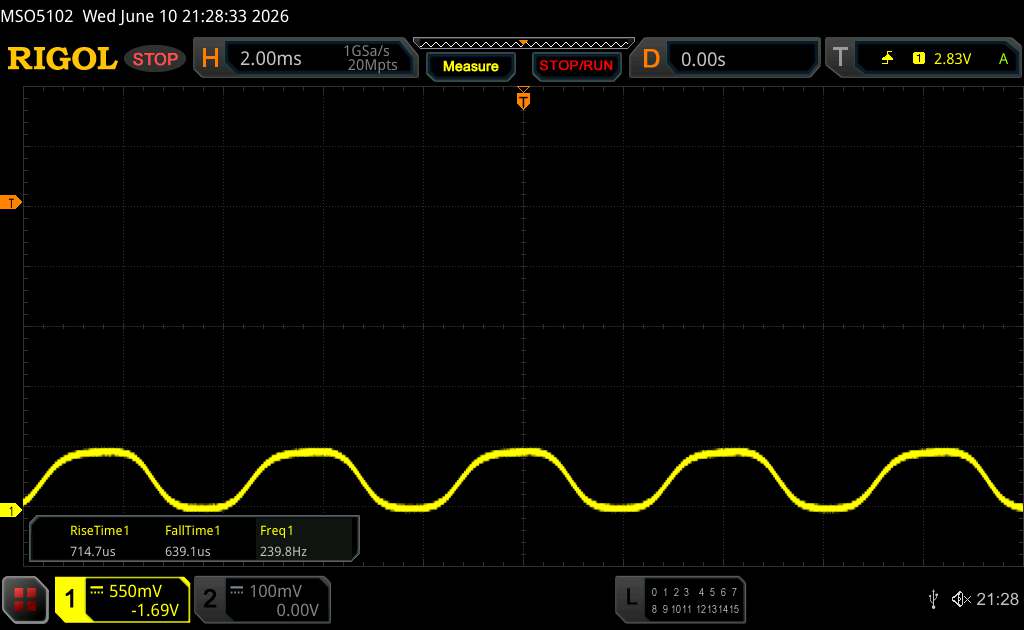
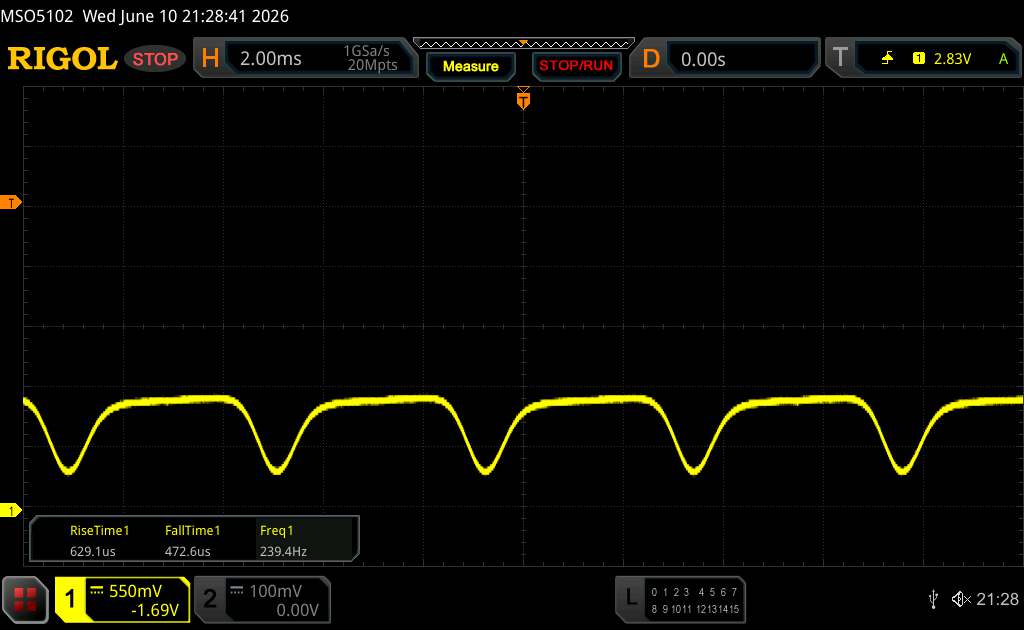
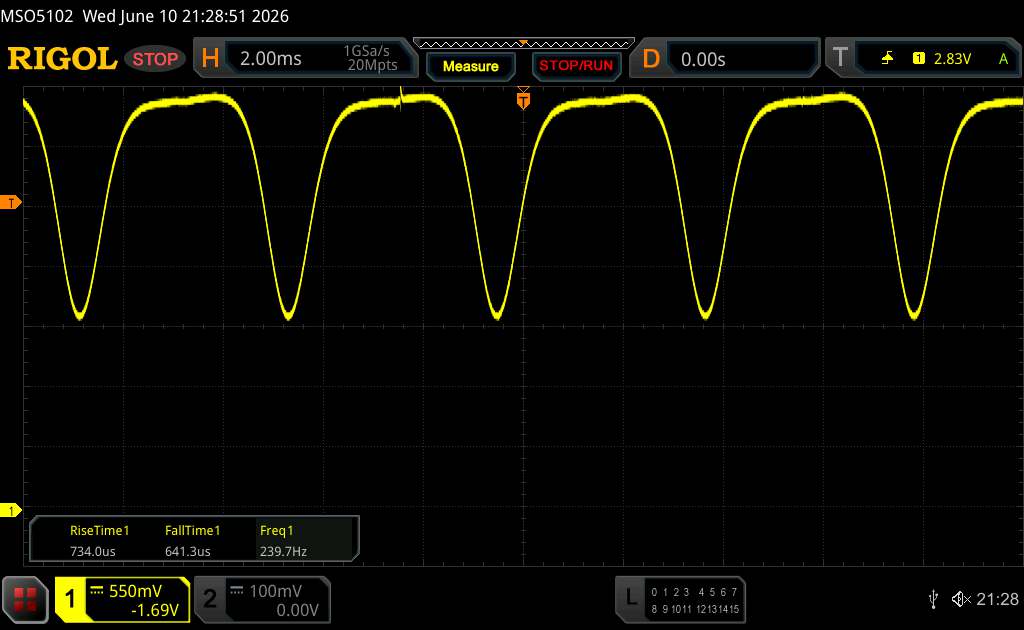
Series of measurements with a fixed zoom level and different brightness settings (Although the amplitude curve at minimum brightness appears flat, this is due to the scaling. The info box shows a magnified version of the amplitude at minimum brightness.)
We check the color reproduction using a photo spectrometer and the CalMAN analysis software. We get the best results in "Creator" color mode. This results in very low deviations in color and grayscale reproduction.


Display Response Times
| ↔ Response Time Black to White | ||
|---|---|---|
| 1.01 ms ... rise ↗ and fall ↘ combined | ↗ 0.4785 ms rise | 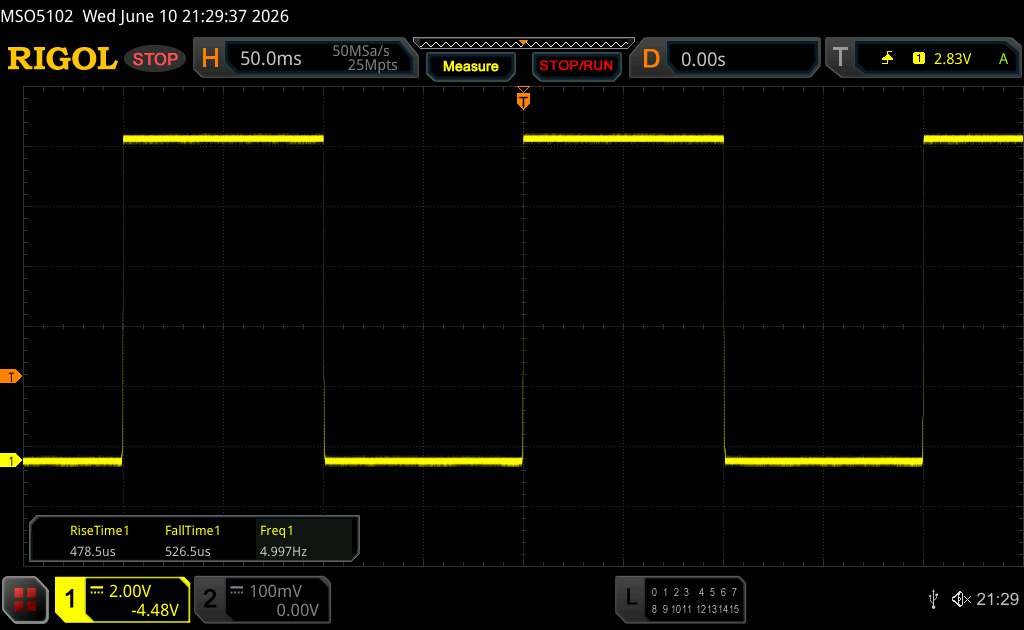 |
| ↘ 0.5265 ms fall | ||
| The screen shows very fast response rates in our tests and should be very well suited for fast-paced gaming. In comparison, all tested devices range from 0.1 (minimum) to 240 (maximum) ms. » 4 % of all devices are better. This means that the measured response time is better than the average of all tested devices (19.7 ms). | ||
| ↔ Response Time 50% Grey to 80% Grey | ||
| 1.19 ms ... rise ↗ and fall ↘ combined | ↗ 0.542 ms rise | 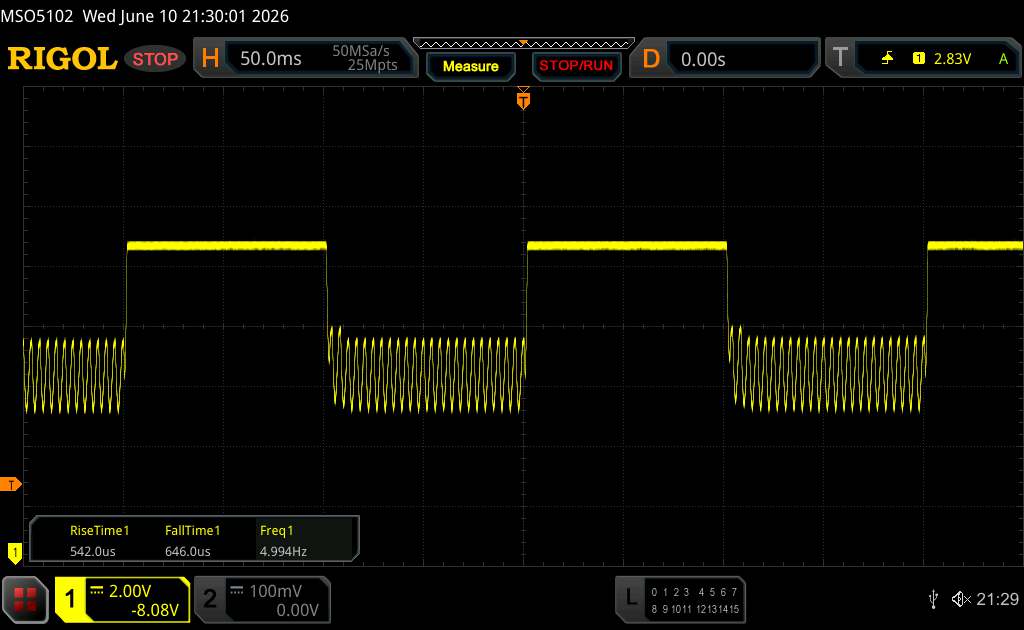 |
| ↘ 0.646 ms fall | ||
| The screen shows very fast response rates in our tests and should be very well suited for fast-paced gaming. In comparison, all tested devices range from 0.13 (minimum) to 636 (maximum) ms. » 6 % of all devices are better. This means that the measured response time is better than the average of all tested devices (30.8 ms). | ||
Performance - Sony Xperia 1 VIII with Qualcomm's Best Chipset
The Xperia 1 VIII gets its processing power from a Snapdragon 8 Elite Gen 5. The chipset is really fast in this Sony phone as well, though the Geekbench multi-core test comes out a bit weak.
| UL Procyon AI Inference for Android - Overall Score NNAPI | |
| Samsung Galaxy S26 Ultra | |
| Sony Xperia 1 VIII | |
| Xiaomi 17 Ultra | |
| Average Qualcomm Snapdragon 8 Elite Gen 5 (10671 - 24487, n=12) | |
| Average of class Smartphone (2895 - 78695, n=97, last 2 years) | |
| Oppo Find X9 Ultra | |
The Adreno 840 helps the Xperia 1 VIII achieve very high scores in graphics benchmarks, but even here, the Sony phone falls slightly short of expectations. “Thanks” to the low 1080p resolution, however, the on-screen scores in GFXBench’s high-tier test are very good.
GFXBench (DX / GLBenchmark) 2.7: T-Rex Onscreen | 1920x1080 T-Rex Offscreen
GFXBench 3.0: on screen Manhattan Onscreen OGL | 1920x1080 1080p Manhattan Offscreen
GFXBench 3.1: on screen Manhattan ES 3.1 Onscreen | 1920x1080 Manhattan ES 3.1 Offscreen
GFXBench: on screen Car Chase Onscreen | 1920x1080 Car Chase Offscreen | on screen Aztec Ruins High Tier Onscreen | 2560x1440 Aztec Ruins High Tier Offscreen | on screen Aztec Ruins Normal Tier Onscreen | 1920x1080 Aztec Ruins Normal Tier Offscreen | 3840x2160 4K Aztec Ruins High Tier Offscreen
| 3DMark / Wild Life Extreme Unlimited | |
| Samsung Galaxy S26 Ultra | |
| Oppo Find X9 Ultra | |
| Xiaomi 17 Ultra | |
| Sony Xperia 1 VIII | |
| 3DMark / Wild Life Extreme | |
| Samsung Galaxy S26 Ultra | |
| Oppo Find X9 Ultra | |
| Xiaomi 17 Ultra | |
| Sony Xperia 1 VIII | |
| 3DMark / Wild Life Unlimited Score | |
| Samsung Galaxy S26 Ultra | |
| Xiaomi 17 Ultra | |
| Oppo Find X9 Ultra | |
| Sony Xperia 1 VIII | |
| 3DMark / Solar Bay Score | |
| Samsung Galaxy S26 Ultra | |
| Oppo Find X9 Ultra | |
| Xiaomi 17 Ultra | |
| Sony Xperia 1 VIII | |
| 3DMark / Solar Bay Unlimited Score | |
| Oppo Find X9 Ultra | |
| Samsung Galaxy S26 Ultra | |
| Xiaomi 17 Ultra | |
| Sony Xperia 1 VIII | |
| 3DMark / Steel Nomad Light Unlimited Score | |
| Samsung Galaxy S26 Ultra | |
| Oppo Find X9 Ultra | |
| Xiaomi 17 Ultra | |
| Sony Xperia 1 VIII | |
| 3DMark / Steel Nomad Light Score | |
| Samsung Galaxy S26 Ultra | |
| Oppo Find X9 Ultra | |
| Xiaomi 17 Ultra | |
| Sony Xperia 1 VIII | |
| GFXBench (DX / GLBenchmark) 2.7 / T-Rex Onscreen | |
| Samsung Galaxy S26 Ultra | |
| Xiaomi 17 Ultra | |
| Sony Xperia 1 VIII | |
| Oppo Find X9 Ultra | |
| GFXBench (DX / GLBenchmark) 2.7 / T-Rex Offscreen | |
| Oppo Find X9 Ultra | |
| Samsung Galaxy S26 Ultra | |
| Sony Xperia 1 VIII | |
| Xiaomi 17 Ultra | |
| GFXBench 3.0 / Manhattan Onscreen OGL | |
| Samsung Galaxy S26 Ultra | |
| Xiaomi 17 Ultra | |
| Sony Xperia 1 VIII | |
| Oppo Find X9 Ultra | |
| GFXBench 3.0 / 1080p Manhattan Offscreen | |
| Samsung Galaxy S26 Ultra | |
| Oppo Find X9 Ultra | |
| Xiaomi 17 Ultra | |
| Sony Xperia 1 VIII | |
| GFXBench 3.1 / Manhattan ES 3.1 Onscreen | |
| Samsung Galaxy S26 Ultra | |
| Xiaomi 17 Ultra | |
| Sony Xperia 1 VIII | |
| Oppo Find X9 Ultra | |
| GFXBench 3.1 / Manhattan ES 3.1 Offscreen | |
| Samsung Galaxy S26 Ultra | |
| Oppo Find X9 Ultra | |
| Sony Xperia 1 VIII | |
| Xiaomi 17 Ultra | |
| GFXBench / Car Chase Onscreen | |
| Xiaomi 17 Ultra | |
| Sony Xperia 1 VIII | |
| Samsung Galaxy S26 Ultra | |
| Oppo Find X9 Ultra | |
| GFXBench / Car Chase Offscreen | |
| Oppo Find X9 Ultra | |
| Samsung Galaxy S26 Ultra | |
| Xiaomi 17 Ultra | |
| Sony Xperia 1 VIII | |
| GFXBench / Aztec Ruins High Tier Onscreen | |
| Xiaomi 17 Ultra | |
| Sony Xperia 1 VIII | |
| Samsung Galaxy S26 Ultra | |
| Oppo Find X9 Ultra | |
| GFXBench / Aztec Ruins High Tier Offscreen | |
| Oppo Find X9 Ultra | |
| Samsung Galaxy S26 Ultra | |
| Xiaomi 17 Ultra | |
| Sony Xperia 1 VIII | |
| GFXBench / Aztec Ruins Normal Tier Onscreen | |
| Samsung Galaxy S26 Ultra | |
| Xiaomi 17 Ultra | |
| Sony Xperia 1 VIII | |
| Oppo Find X9 Ultra | |
| GFXBench / Aztec Ruins Normal Tier Offscreen | |
| Samsung Galaxy S26 Ultra | |
| Oppo Find X9 Ultra | |
| Xiaomi 17 Ultra | |
| Sony Xperia 1 VIII | |
| GFXBench / 4K Aztec Ruins High Tier Offscreen | |
| Samsung Galaxy S26 Ultra | |
| Oppo Find X9 Ultra | |
| Xiaomi 17 Ultra | |
| Sony Xperia 1 VIII | |
| Jetstream 2 - 2.2 Total | |
| Samsung Galaxy S26 Ultra (Chrome 146) | |
| Xiaomi 17 Ultra (Chrome 143) | |
| Sony Xperia 1 VIII (Chrome 149) | |
| Average Qualcomm Snapdragon 8 Elite Gen 5 (2 - 480, n=16) | |
| Oppo Find X9 Ultra (Chrome 148) | |
| Average of class Smartphone (2 - 480, n=95, last 2 years) | |
| Octane V2 - Total Score | |
| Xiaomi 17 Ultra (Chrome 143) | |
| Samsung Galaxy S26 Ultra (Chrome 146) | |
| Sony Xperia 1 VIII (Chrome 149) | |
| Average Qualcomm Snapdragon 8 Elite Gen 5 (47984 - 126661, n=15) | |
| Oppo Find X9 Ultra (Chrome 148) | |
| Average of class Smartphone (6015 - 126661, n=135, last 2 years) | |
| Mozilla Kraken 1.1 - Total | |
| Average of class Smartphone (281 - 2718, n=118, last 2 years) | |
| Oppo Find X9 Ultra (Chrome 148) | |
| Average Qualcomm Snapdragon 8 Elite Gen 5 (284 - 799, n=19) | |
| Sony Xperia 1 VIII (Chrome 149) | |
| Xiaomi 17 Ultra (Chrome 143) | |
| Samsung Galaxy S26 Ultra (Chrome 146) | |
| WebXPRT 5 - Overall | |
| Sony Xperia 1 VIII | |
| Average Qualcomm Snapdragon 8 Elite Gen 5 (67 - 104, n=4) | |
| Oppo Find X9 Ultra (Chrome 148) | |
| Average of class Smartphone (23 - 104, n=19, last 2 years) | |
* ... smaller is better
| Sony Xperia 1 VIII | Samsung Galaxy S26 Ultra | Oppo Find X9 Ultra | Xiaomi 17 Ultra | Average 256 GB UFS 4.1 Flash | Average of class Smartphone | |
|---|---|---|---|---|---|---|
| AndroBench 3-5 | -30% | 17% | 4% | -4% | -39% | |
| Sequential Read 256KB (MB/s) | 3375.84 | 3626.09 7% | 4121.89 22% | 3987.92 18% | 3537 ? 5% | 2292 ? -32% |
| Sequential Write 256KB (MB/s) | 3756.12 | 1658.91 -56% | 4098.07 9% | 3974.23 6% | 3223 ? -14% | 1972 ? -47% |
| Random Read 4KB (MB/s) | 579.58 | 513.44 -11% | 578.32 0% | 547.56 -6% | 432 ? -25% | 316 ? -45% |
| Random Write 4KB (MB/s) | 526.99 | 207.16 -61% | 723.61 37% | 524.05 -1% | 614 ? 17% | 362 ? -31% |
Emissions - Android Phone with Throttling and High Heat Dissipation
Temperature
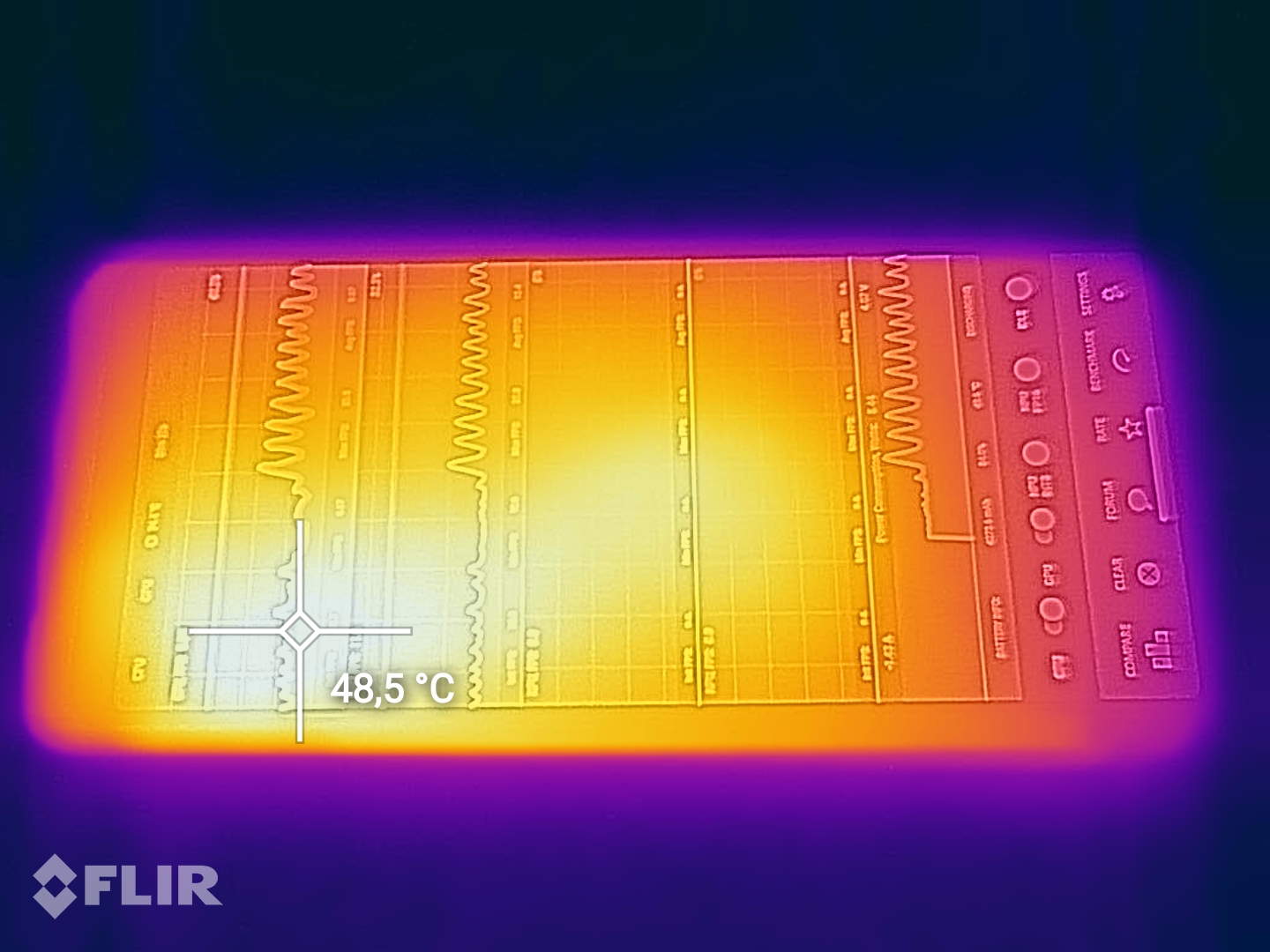
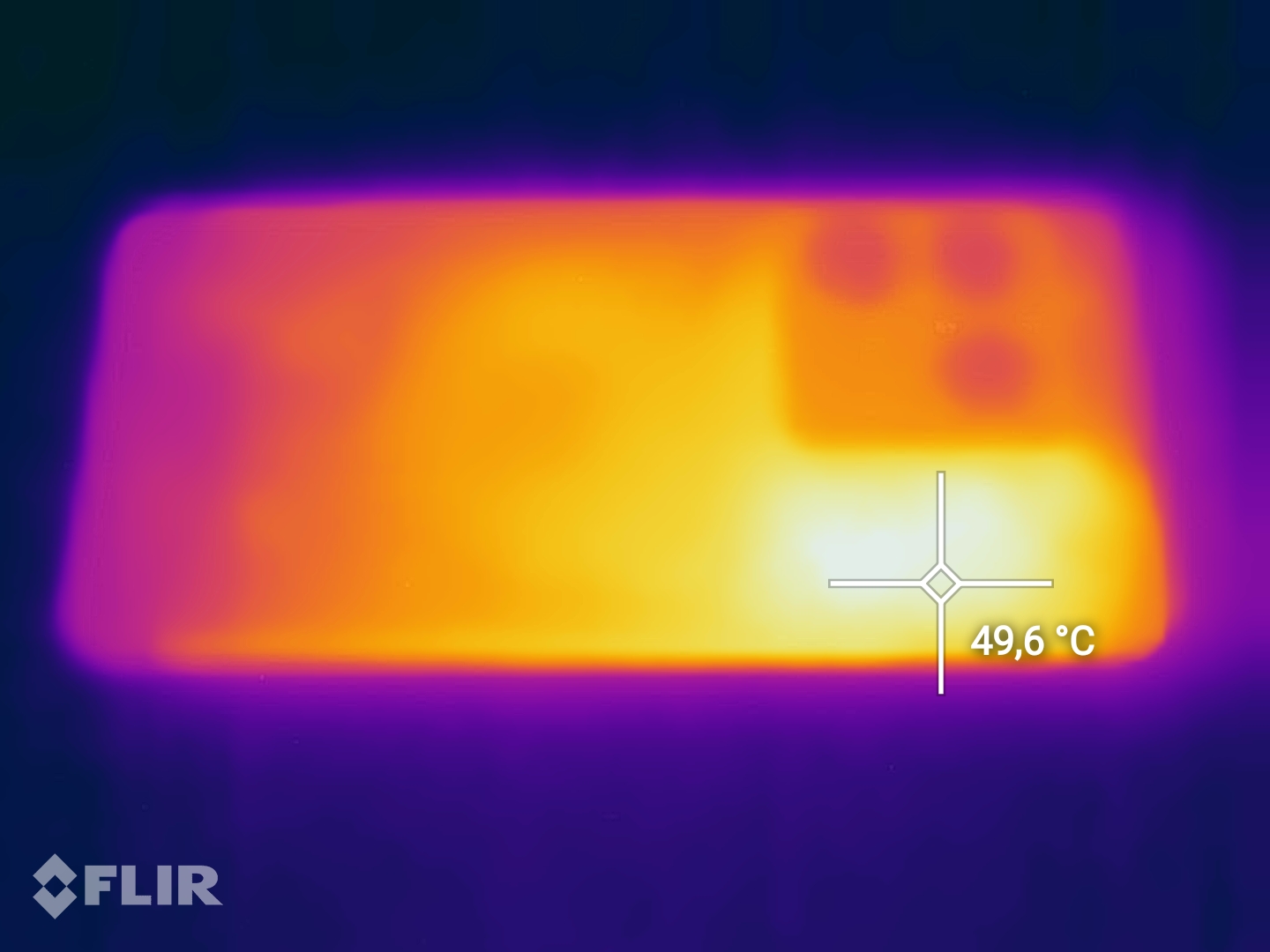
Even under our load scenario, with hotspots reaching about 49 °C (120.2 °F), the surface temperatures remain at a tolerable level. However, the Sony phone loses about 40 to 50 percent of its maximum performance during the 3DMark stress tests.
(-) The maximum temperature on the upper side is 48.4 °C / 119 F, compared to the average of 35.3 °C / 96 F, ranging from 21.9 to 247 °C for the class Smartphone.
(-) The bottom heats up to a maximum of 49.4 °C / 121 F, compared to the average of 34.1 °C / 93 F
(+) In idle usage, the average temperature for the upper side is 29.7 °C / 85 F, compared to the device average of 33 °C / 91 F.
3DMark Stress Tests
| 3DMark | |
| Wild Life Stress Test Stability | |
| Xiaomi 17 Ultra | |
| Oppo Find X9 Ultra | |
| Sony Xperia 1 VIII | |
| Samsung Galaxy S26 Ultra | |
| Wild Life Extreme Stress Test | |
| Xiaomi 17 Ultra | |
| Oppo Find X9 Ultra | |
| Sony Xperia 1 VIII | |
| Samsung Galaxy S26 Ultra | |
| Solar Bay Stress Test Stability | |
| Xiaomi 17 Ultra | |
| Sony Xperia 1 VIII | |
| Samsung Galaxy S26 Ultra | |
| Oppo Find X9 Ultra | |
| Steel Nomad Light Stress Test Stability | |
| Xiaomi 17 Ultra | |
| Sony Xperia 1 VIII | |
| Samsung Galaxy S26 Ultra | |
| Oppo Find X9 Ultra | |
Speaker
The Xperia 1 VIII features a dual-speaker system with mild bass and well-defined mids and highs. For a top-tier smartphone, the sound quality is very good overall.
Perhaps even more important for audio enthusiasts is the inclusion of a 3.5-mm headphone jack with a very clean, low-noise signal (SNR: 100.7 dBFS), as well as support for high-resolution audio codecs via Bluetooth.
Sony Xperia 1 VIII audio analysis
(+) | speakers can play relatively loud (89 dB)
Bass 100 - 315 Hz
(-) | nearly no bass - on average 15.9% lower than median
(±) | linearity of bass is average (7.4% delta to prev. frequency)
Mids 400 - 2000 Hz
(±) | higher mids - on average 6.1% higher than median
(+) | mids are linear (5.5% delta to prev. frequency)
Highs 2 - 16 kHz
(+) | balanced highs - only 4.4% away from median
(+) | highs are linear (4.3% delta to prev. frequency)
Overall 100 - 16.000 Hz
(+) | overall sound is linear (14.4% difference to median)
Compared to same class
» 1% of all tested devices in this class were better, 2% similar, 97% worse
» The best had a delta of 11%, average was 34%, worst was 136%
Compared to all devices tested
» 18% of all tested devices were better, 4% similar, 78% worse
» The best had a delta of 4%, average was 23%, worst was 136%
Xiaomi 17 Ultra audio analysis
(+) | speakers can play relatively loud (84.7 dB)
Bass 100 - 315 Hz
(-) | nearly no bass - on average 15% lower than median
(±) | linearity of bass is average (8.4% delta to prev. frequency)
Mids 400 - 2000 Hz
(+) | balanced mids - only 4.7% away from median
(+) | mids are linear (5.1% delta to prev. frequency)
Highs 2 - 16 kHz
(+) | balanced highs - only 3.1% away from median
(+) | highs are linear (6.5% delta to prev. frequency)
Overall 100 - 16.000 Hz
(+) | overall sound is linear (12.1% difference to median)
Compared to same class
» 0% of all tested devices in this class were better, 0% similar, 100% worse
» The best had a delta of 11%, average was 34%, worst was 136%
Compared to all devices tested
» 10% of all tested devices were better, 2% similar, 88% worse
» The best had a delta of 4%, average was 23%, worst was 136%
Battery Life - The Sony Xperia 1 VIII Doesn't Charge Quickly, but It Does Support Wireless Charging
Energy Intake
When it comes to the battery and its capacity, Sony is treading water. The same goes for charging speed. The 5,000-mAh battery supports wired charging at only 30 watts. The Sony phone can be charged wirelessly at a maximum of 15 watts.
Power consumption is very efficient, especially when the phone is idle.
| Off / Standby |   0.12 / 0.2 Watt 0.12 / 0.2 Watt |
| Idle |  0.52 / 0.85 / 0.94 Watt 0.52 / 0.85 / 0.94 Watt |
| Load |
6.9 / 6.97 Watt |
    
| |
Key:
min: ,
med: ,
max: Metrahit Energy | |
| Sony Xperia 1 VIII 5000 mAh | Samsung Galaxy S26 Ultra 5000 mAh | Oppo Find X9 Ultra 7050 mAh | Xiaomi 17 Ultra 6800 mAh | Average Qualcomm Snapdragon 8 Elite Gen 5 | Average of class Smartphone | |
|---|---|---|---|---|---|---|
| Power Consumption | -68% | -64% | -44% | -51% | -55% | |
| Idle Minimum * (Watt) | 0.52 | 0.56 -8% | 1.1 -112% | 0.8 -54% | 0.865 ? -66% | 0.877 ? -69% |
| Idle Average * (Watt) | 0.85 | 1.18 -39% | 1.27 -49% | 1.1 -29% | 1.319 ? -55% | 1.462 ? -72% |
| Idle Maximum * (Watt) | 0.94 | 1.33 -41% | 1.3 -38% | 1.2 -28% | 1.542 ? -64% | 1.652 ? -76% |
| Load Average * (Watt) | 6.9 | 14.91 -116% | 10.74 -56% | 6.1 12% | 7.71 ? -12% | 6.85 ? 1% |
| Load Maximum * (Watt) | 6.97 | 16.58 -138% | 11.33 -63% | 15.3 -120% | 11.1 ? -59% | 11.2 ? -61% |
* ... smaller is better
Power consumption: Geekbench (150 cd/m²)
Power consumption: GFXbench (150 cd/m²)
Battery life
| Battery runtime - WiFi v1.3 | |
| Sony Xperia 1 VIII | |
| Samsung Galaxy S26 Ultra | |
| Oppo Find X9 Ultra | |
| Xiaomi 17 Ultra | |
Notebookcheck Overall Rating
The Xperia 1 VIII is certainly an interesting option among flagship phones for Sony fans. Otherwise, its unique selling points (headphone jack, SD card support, no punch hole) will likely be considered almost niche by 2026 and won’t be a deciding factor for the general public when it comes to value for money.

Sony Xperia 1 VIII
- 07/10/2026 v8
Marcus Herbrich
 Total Sustainability Score:
 A Comparison of Possible Alternatives
Image | Model / Review | Price | Weight | Drive | Display |
|---|---|---|---|---|---|
1. 88.3%  | Sony Xperia 1 VIII Qualcomm Snapdragon 8 Elite Gen 5 ⎘ Qualcomm Adreno 840 ⎘ 12 GB Memory, 256 GB UFS 4.x | List Price: 1499€ | 200 g | 256 GB UFS 4.1 Flash | 6.50" 2340x1080 396 PPI OLED |
2. 89.8%  | Samsung Galaxy S26 Ultra Qualcomm Snapdragon 8 Elite Gen 5 for Galaxy ⎘ Qualcomm Adreno 840 ⎘ 12 GB Memory, 256 GB UFS 4.x | List Price: 1449€ | 214 g | 256 GB UFS 4.0 Flash | 6.90" 3120x1440 498 PPI Dynamic AMOLED 2X |
3. 88.9%  | Oppo Find X9 Ultra Qualcomm Snapdragon 8 Elite Gen 5 ⎘ Qualcomm Adreno 840 ⎘ 12 GB Memory, 512 GB UFS 4.x | List Price: 1699€ | 236 g | 512 GB UFS 4.1 Flash | 6.82" 3168x1440 510 PPI AMOLED |
4. 90.4%  | Xiaomi 17 Ultra Qualcomm Snapdragon 8 Elite Gen 5 ⎘ Qualcomm Adreno 840 ⎘ 16 GB Memory, 512 GB UFS 4.x | Amazon: 1. $1,429.50 XIAOMI 17 Ultra Ai 5G (Compa... 2. $1,429.50 XIAOMI 17 Ultra Ai 5G (Compa... 3. $1,209.90 XIAOMI 17 Ultra Ai 5G (Compa... List Price: 950€ | 224 g | 512 GB UFS 4.1 Flash | 6.90" 2608x1200 416 PPI AMOLED |
Transparency
The selection of devices to be reviewed is made by our editorial team. The test sample was provided to the author as a loan by the manufacturer or retailer for the purpose of this review. The lender had no influence on this review, nor did the manufacturer receive a copy of this review before publication. There was no obligation to publish this review. As an independent media company, Notebookcheck is not subjected to the authority of manufacturers, retailers or publishers.
This is how Notebookcheck is testing
Every year, Notebookcheck independently reviews hundreds of laptops and smartphones using standardized procedures to ensure that all results are comparable. We have continuously developed our test methods for around 20 years and set industry standards in the process. In our test labs, high-quality measuring equipment is utilized by experienced technicians and editors. These tests involve a multi-stage validation process. Our complex rating system is based on hundreds of well-founded measurements and benchmarks, which maintains objectivity. Further information on our test methods can be found here.
 Add as a preferred source on Google


