





Verdict on the Motorola Moto G37
The Motorola Moto G37 is a very attractive phone that, thanks to its price, is suitable for people on a tight budget or as a secondary phone. You don’t have to sacrifice 5G; you get stable and sufficiently fast Wi-Fi data speeds as well as a reasonably bright screen.
The camera image quality is sufficient for basic needs, the fingerprint sensor works quite reliably, and the battery life is roughly on par with the competition.
However, there are also significant cost-cutting measures compared to its predecessor, the Moto G35—likely due to the sharp rise in memory prices: The wide-angle camera has been removed, the screen has a significantly lower resolution, there’s no protective case included in the box, the storage is noticeably slower, and eSIM support has also been removed.
The current generation of budget smartphones is characterized by cost-cutting measures. At the same time, older generations usually receive security updates for only a short time—if at all. If you can wait, you should hold off on buying a new phone model for another year or two until the situation on the memory market has eased up again.
If you absolutely have to buy one now, the Moto G37 is a solid, reasonably priced smartphone—though it lags behind the competition.
Pros
Cons
Price and Availability

Motorola is asking just under US$ 300 for the Moto G37, e.g. at amazon.com.

Table of Contents
- Verdict on the Motorola Moto G37
- Specifications
- Case and Features – Stylish colors, but limited storage
- Communication and Operation – Reliable touchscreen
- Software and Sustainability – Motorola with a short update cycle
- Cameras – Just two lenses
- Display – Saving on resolution
- Performance, Emissions, and Battery Life – Low power, decent battery
- Notebookcheck Overall Rating
- Comparison of Possible Alternatives
Specifications
Case and Features – Stylish colors, but limited storage
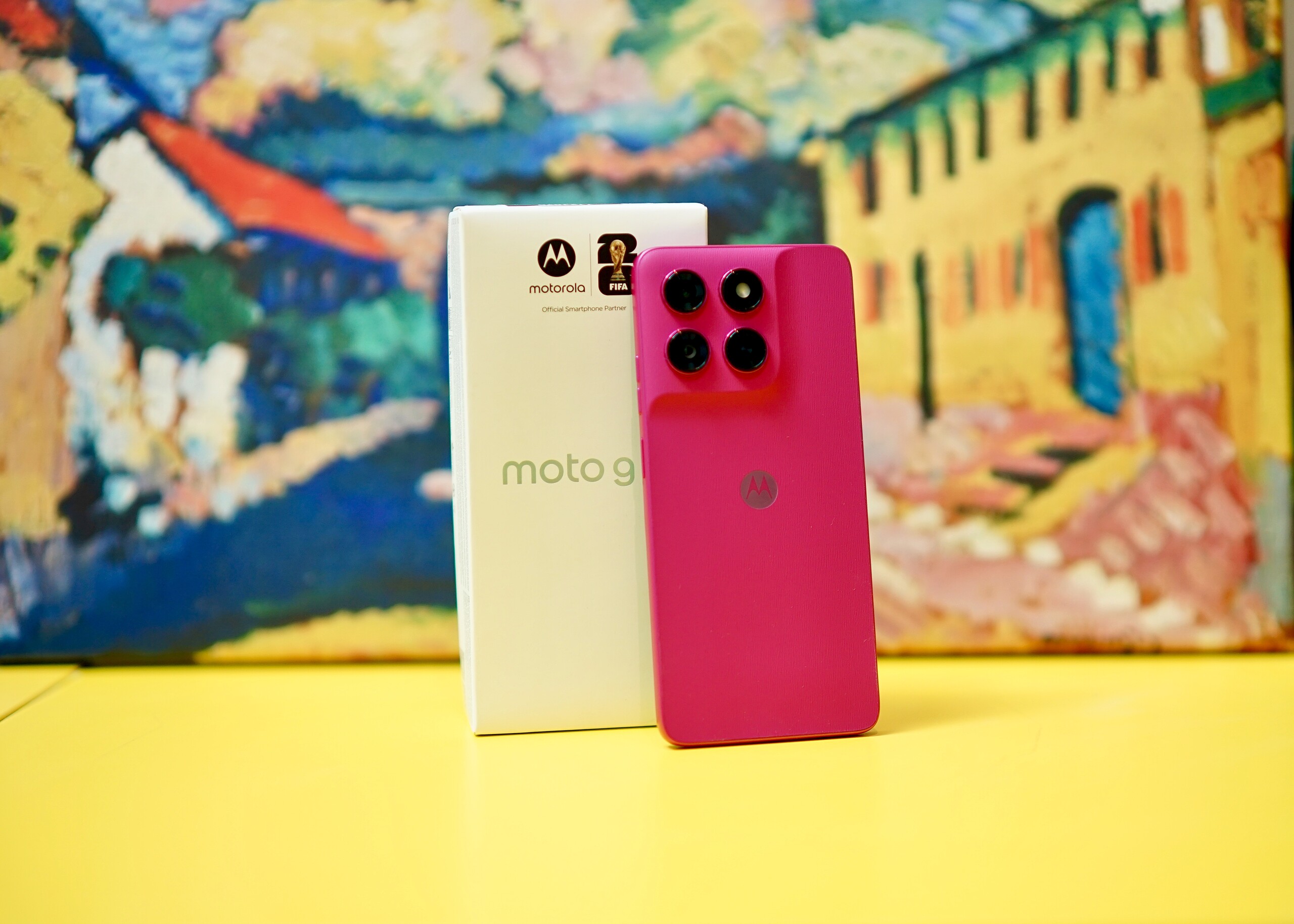
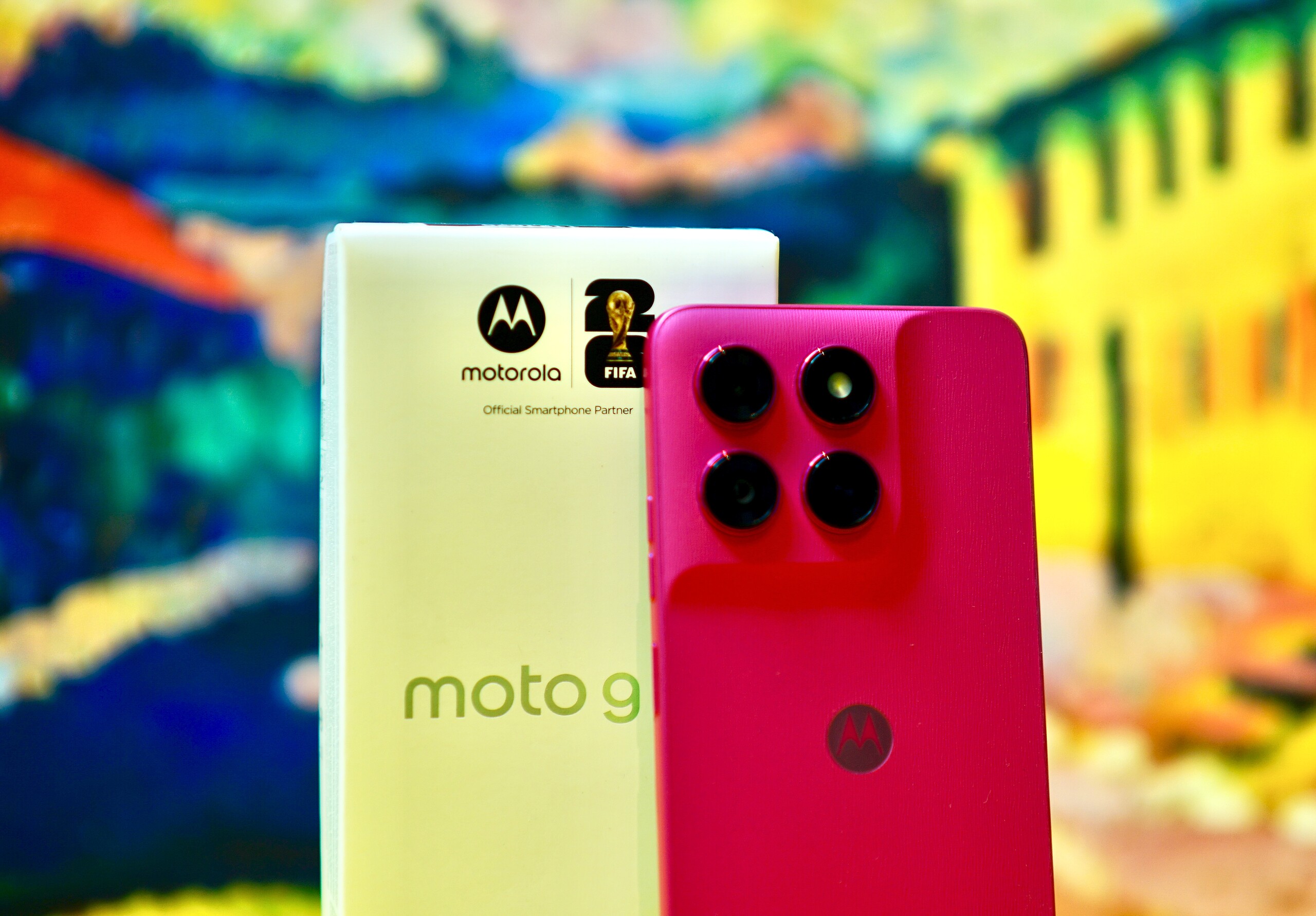
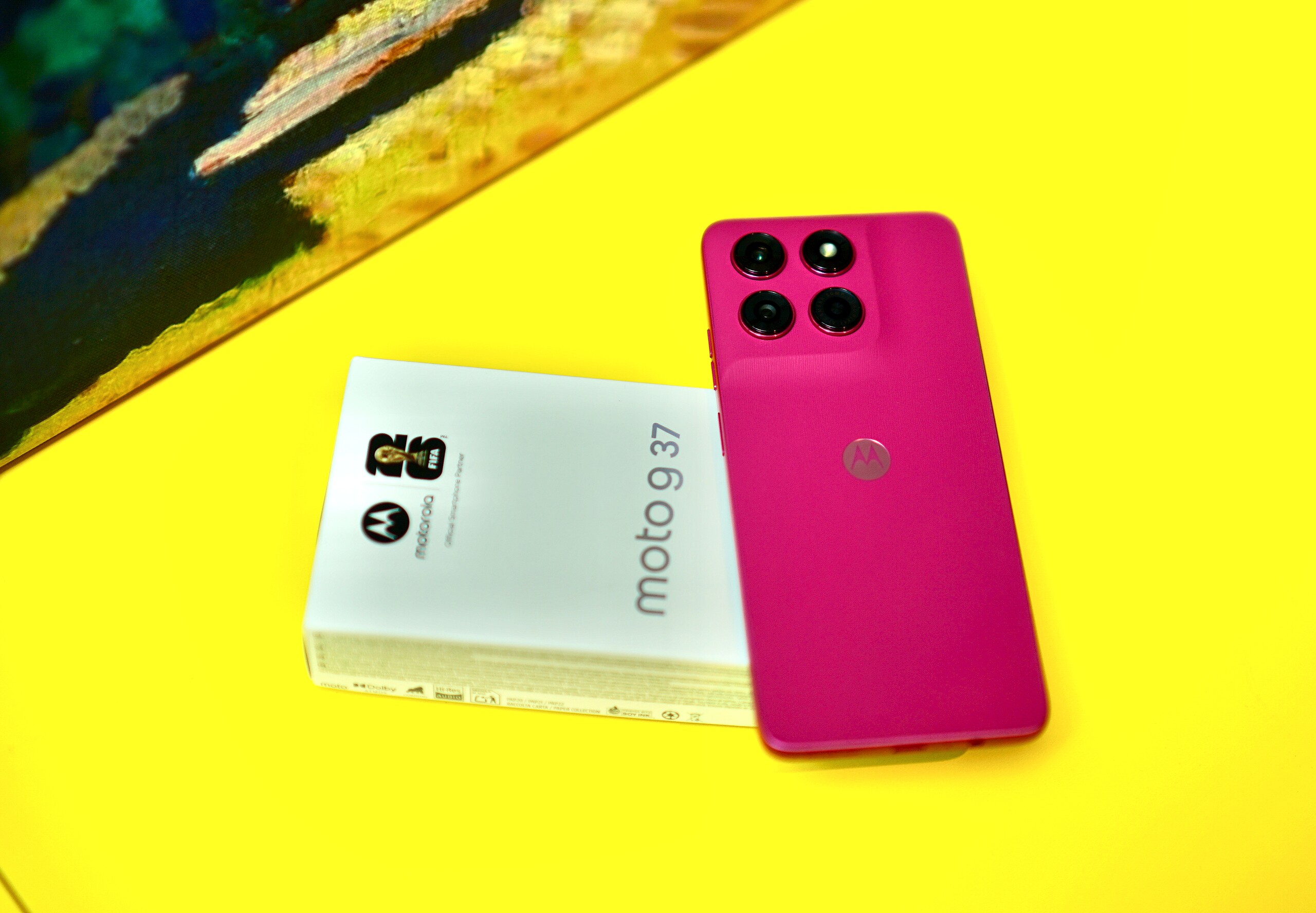
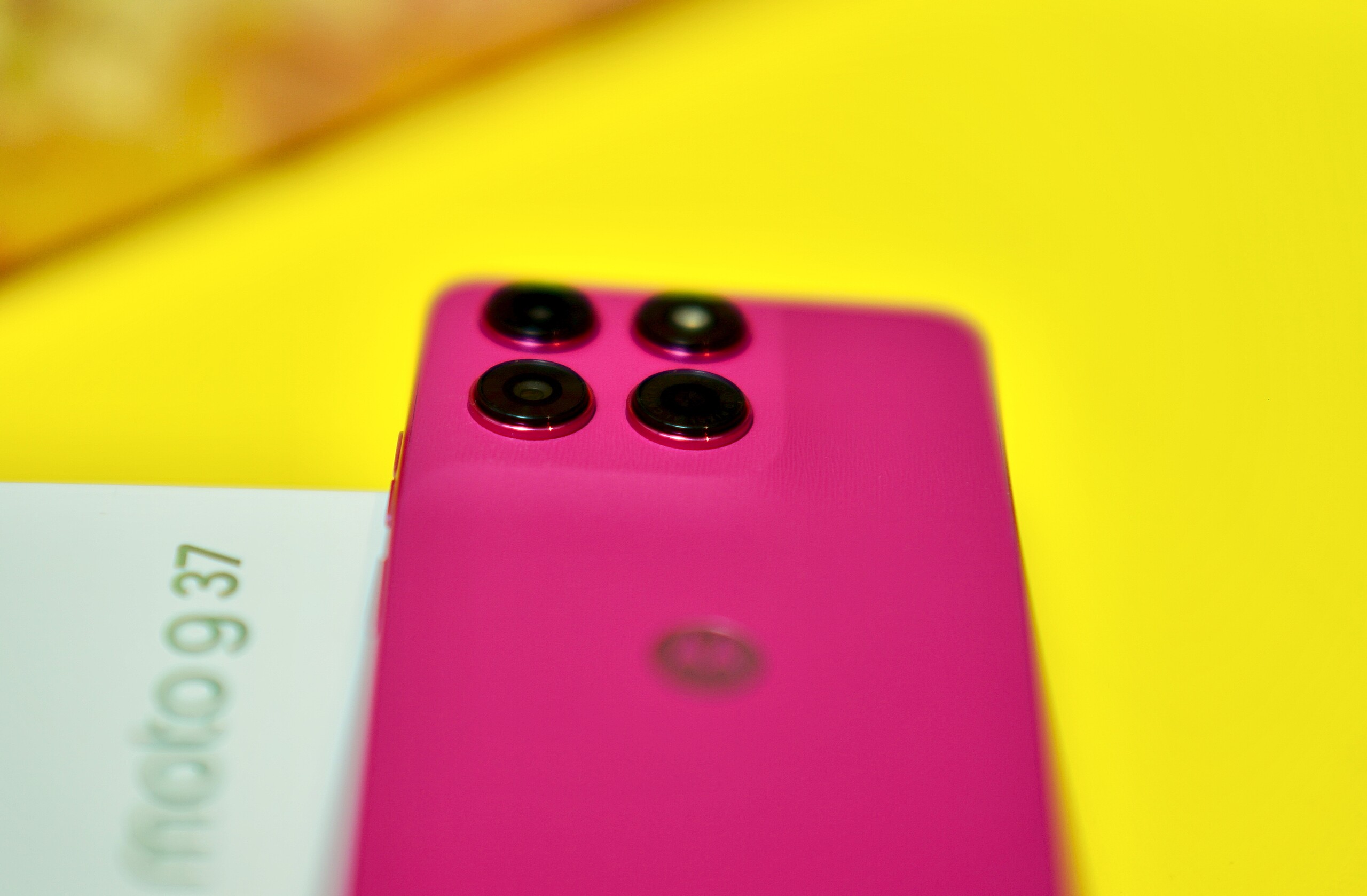
Motorola has adapted the Moto G37 to its current design line. That means three stylish Pantone colors (fuchsia, blue, and gray); internationally, a turquoise version is also available. In addition, the back is made of a soft plastic material and features a stylishly integrated camera module.
The transitions between the materials and the frame aren’t quite as seamless as on the manufacturer’s more expensive models, but the phone is solidly built and doesn’t bend.
It has IP64 certification, which means the phone can withstand dust and dirt well, though you shouldn’t submerge it in water.
It comes with 128 GB of storage and 4 GB of RAM; internationally, there are even versions with only 64 GB of storage. And we thought that kind of storage capacity was a thing of the past, even for budget phones...
Storage can be expanded using microSD cards, and the card reader performed quite quickly in our test.
| SD Card Reader - average JPG Copy Test (av. of 3 runs) | |
| Motorola Moto G37 (Angelbird V60) | |
| Motorola Moto G35 (Angelbird V60) | |
| Average of class Smartphone (5.72 - 58.9, n=53, last 2 years) | |
| Xiaomi Redmi Note 15 5G (Angelbird AV Pro V60) | |
| CMF Phone 2 Pro (Angelbird AV Pro V60) | |
Cross-Platform Disk Test (CPDT)
Communication and Operation – Reliable touchscreen
Wi-Fi 5 is top-of-the-line, so the Moto G37 delivers expected speeds of around 260–330 Mbit/s. That’s not particularly fast, but for those who don’t have gigabit internet at home anyway and don’t plan to use the phone on a fast home network, it’s sufficient.
Some international cellular frequencies are missing, so before traveling abroad, you should check whether you can use the Moto G37 for mobile internet in your destination country. Reception proved to be solid in our test. In challenging situations, such as between tall buildings, however, the signal can occasionally drop out.
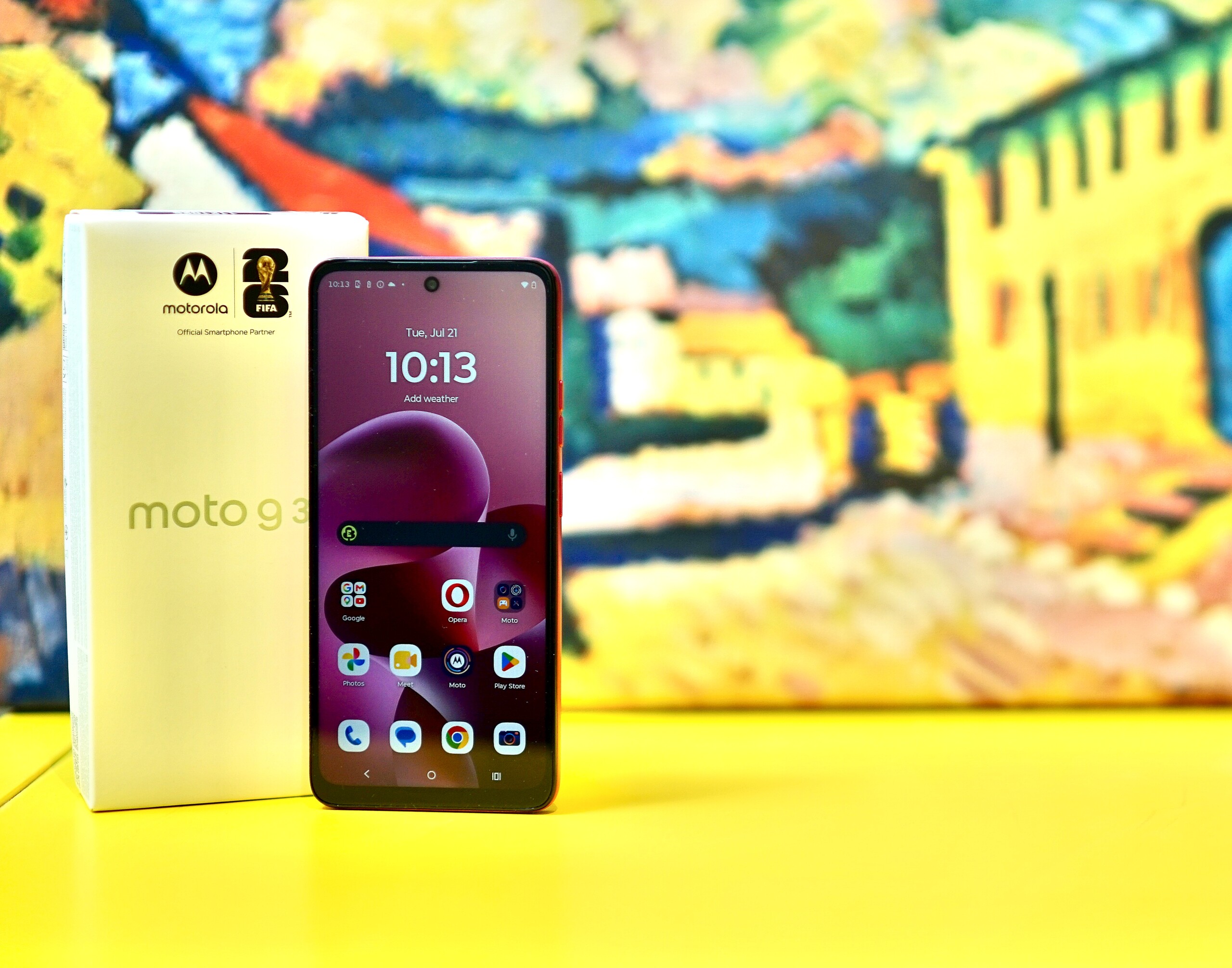
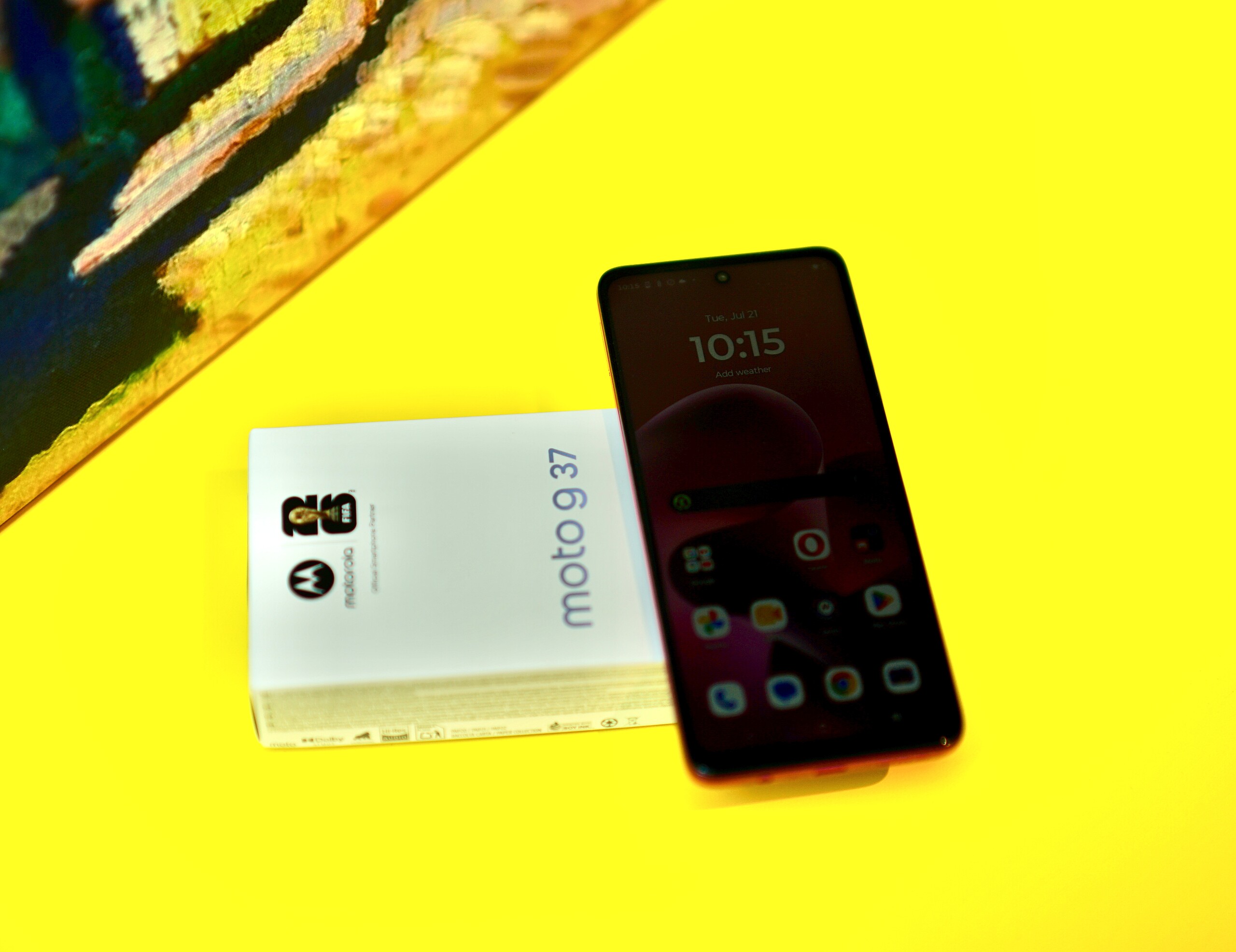
The display can render up to 120 frames per second, and the touchscreen is precise and reasonably responsive. A fingerprint sensor is built into the standby button on the right, which unlocks the phone reliably and quickly.
| Networking | |
| Motorola Moto G37 | |
| iperf3 transmit Wi-Fi6/7 RT-BE96U | |
| iperf3 receive Wi-Fi6/7 RT-BE96U | |
| Motorola Moto G35 | |
| iperf3 transmit AXE11000 | |
| iperf3 receive AXE11000 | |
| Xiaomi Redmi Note 15 5G | |
| iperf3 transmit AXE11000 | |
| iperf3 receive AXE11000 | |
| Samsung Galaxy A37 5G | |
| iperf3 transmit Wi-Fi6/7 RT-BE96U | |
| iperf3 receive Wi-Fi6/7 RT-BE96U | |
| CMF Phone 2 Pro | |
| iperf3 transmit AXE11000 | |
| iperf3 receive AXE11000 | |
| Average 802.11 a/b/g/n/ac | |
| iperf3 transmit AXE11000 | |
| iperf3 receive AXE11000 | |
| iperf3 transmit Wi-Fi6/7 RT-BE96U | |
| iperf3 receive Wi-Fi6/7 RT-BE96U | |
| Average of class Smartphone | |
| iperf3 transmit AXE11000 | |
| iperf3 receive AXE11000 | |
| iperf3 transmit Wi-Fi6/7 RT-BE96U | |
| iperf3 receive Wi-Fi6/7 RT-BE96U | |
Software and Sustainability – Motorola with a short update cycle
Android 16 comes preinstalled, overlaid with MotoUI, which makes only minor changes to the original Android and tends to offload advanced features into its own apps.
New security updates are scheduled to be released through April 2029—which isn’t really long.
The packaging is plastic-free, but no further information on the phone’s sustainability is provided.
Cameras – Just two lenses

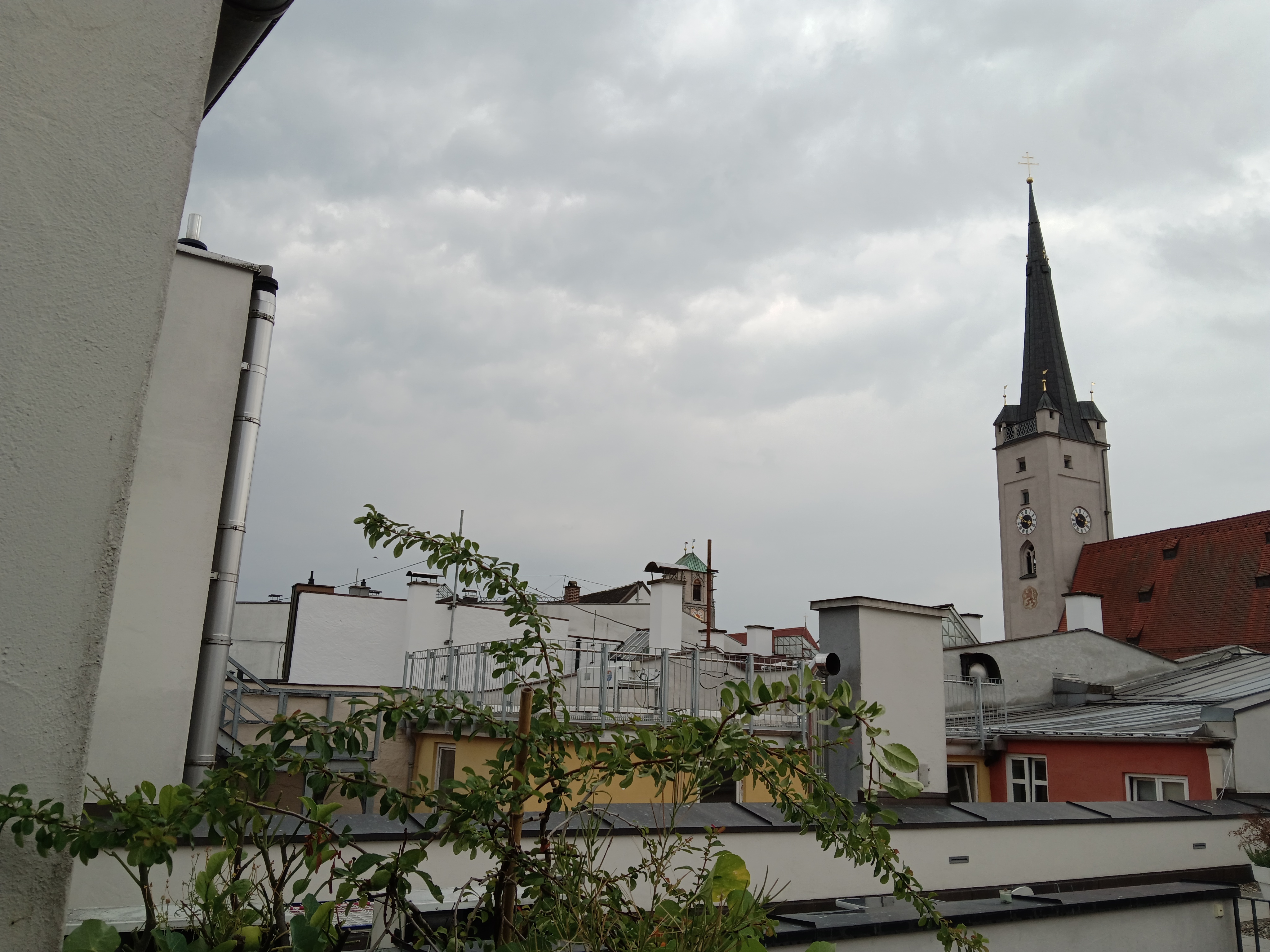
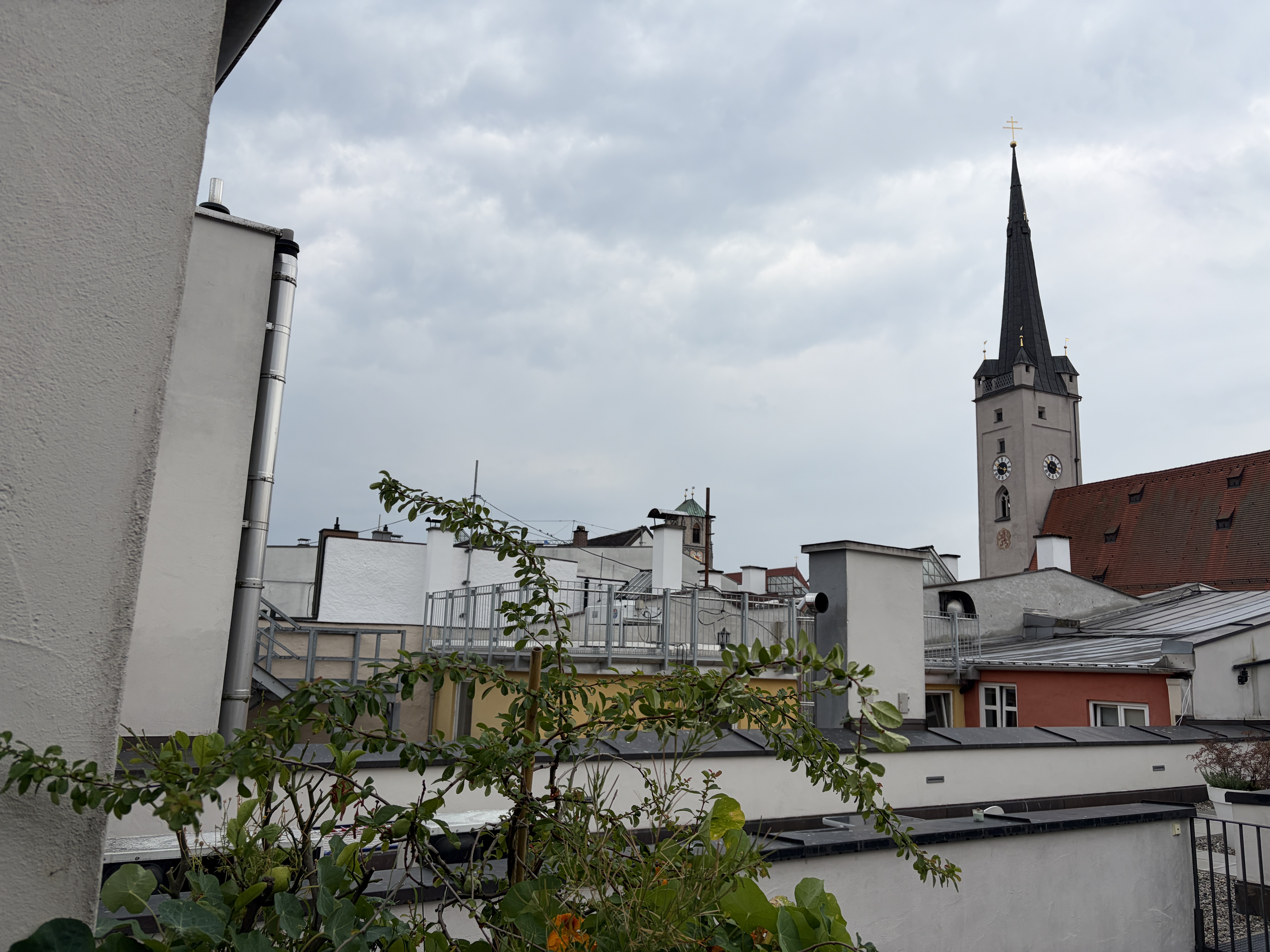
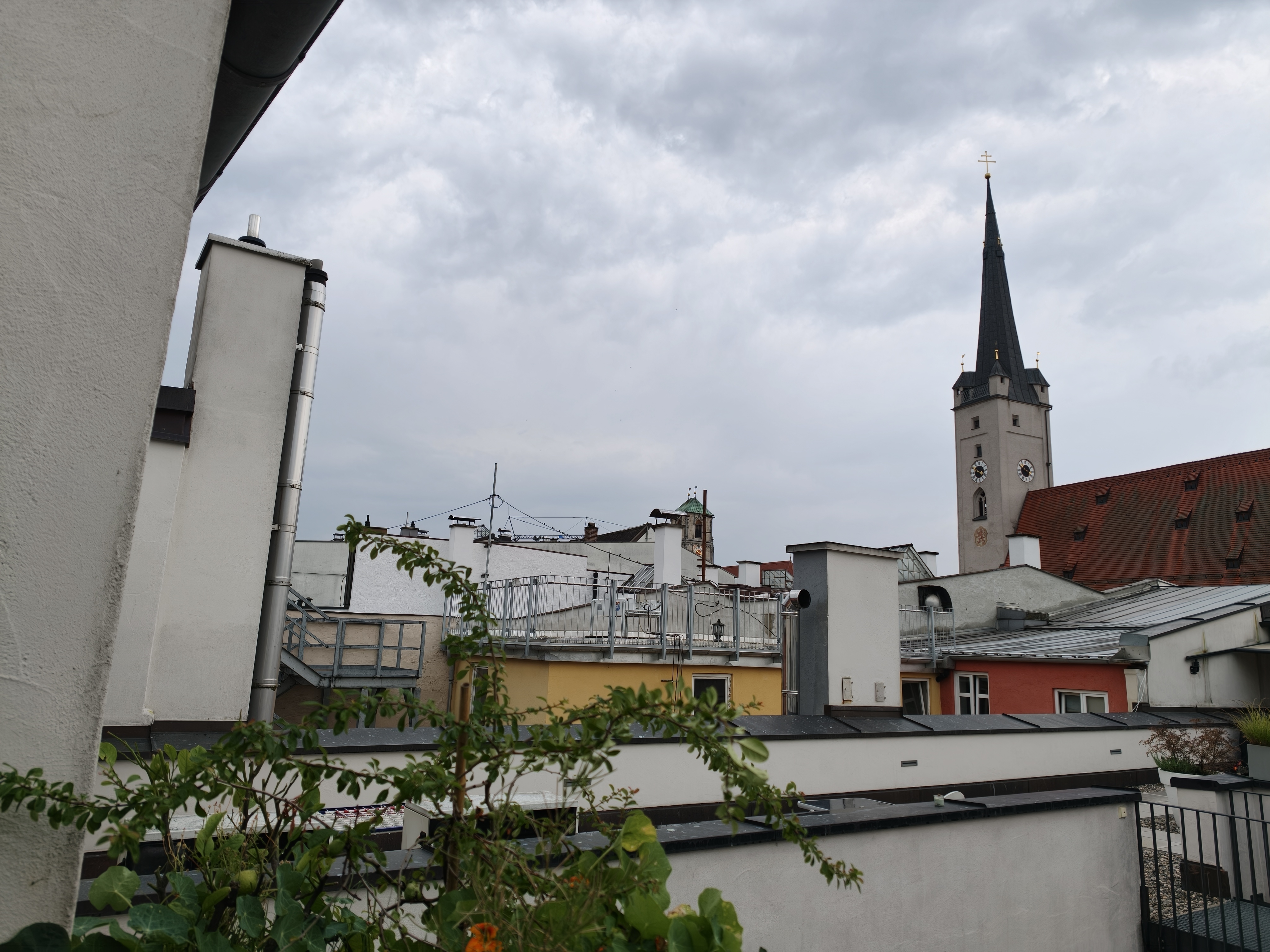
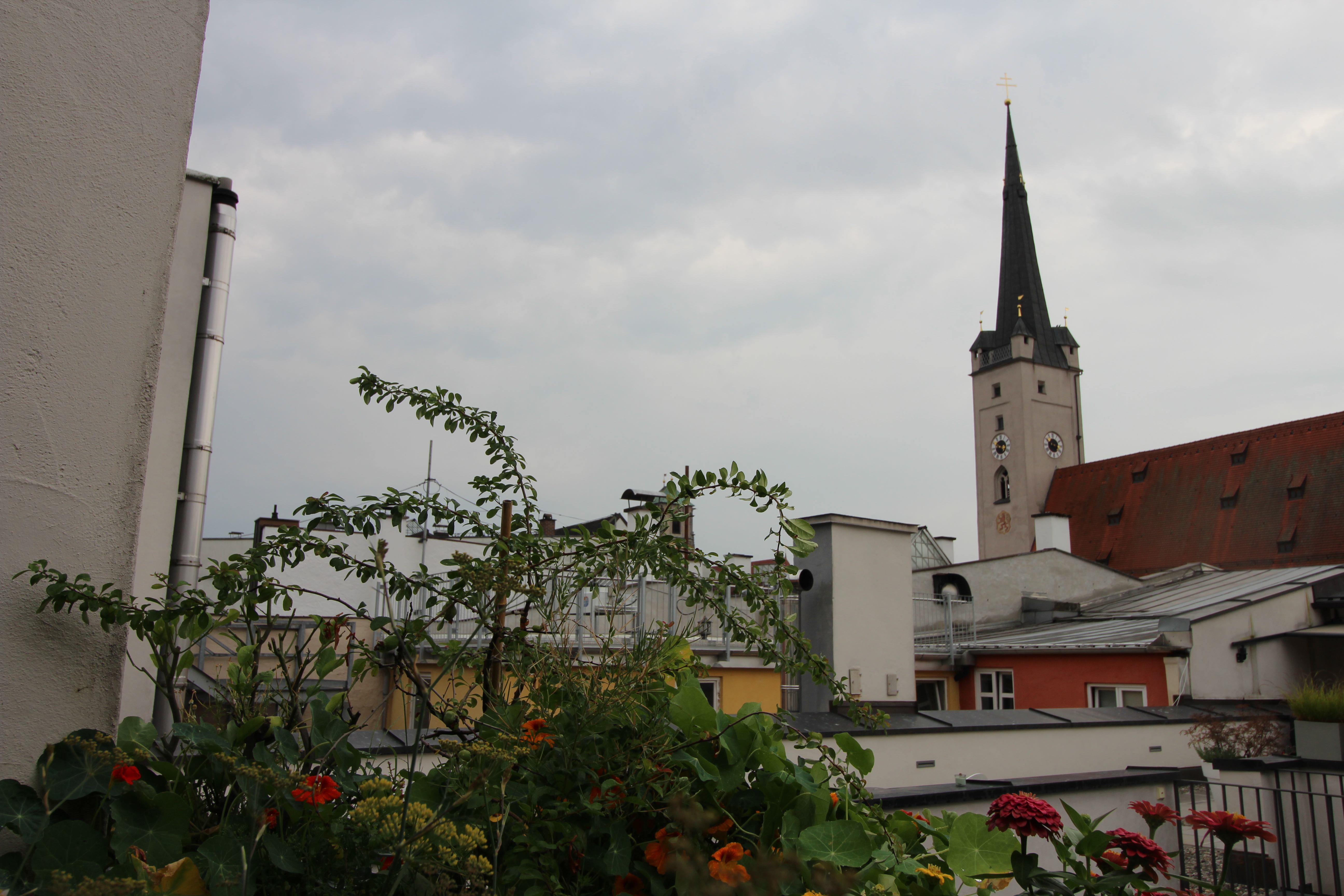
Although there are four camera cutouts on the back, only one is actually equipped with an image sensor: a 50-megapixel camera serves as the main camera.
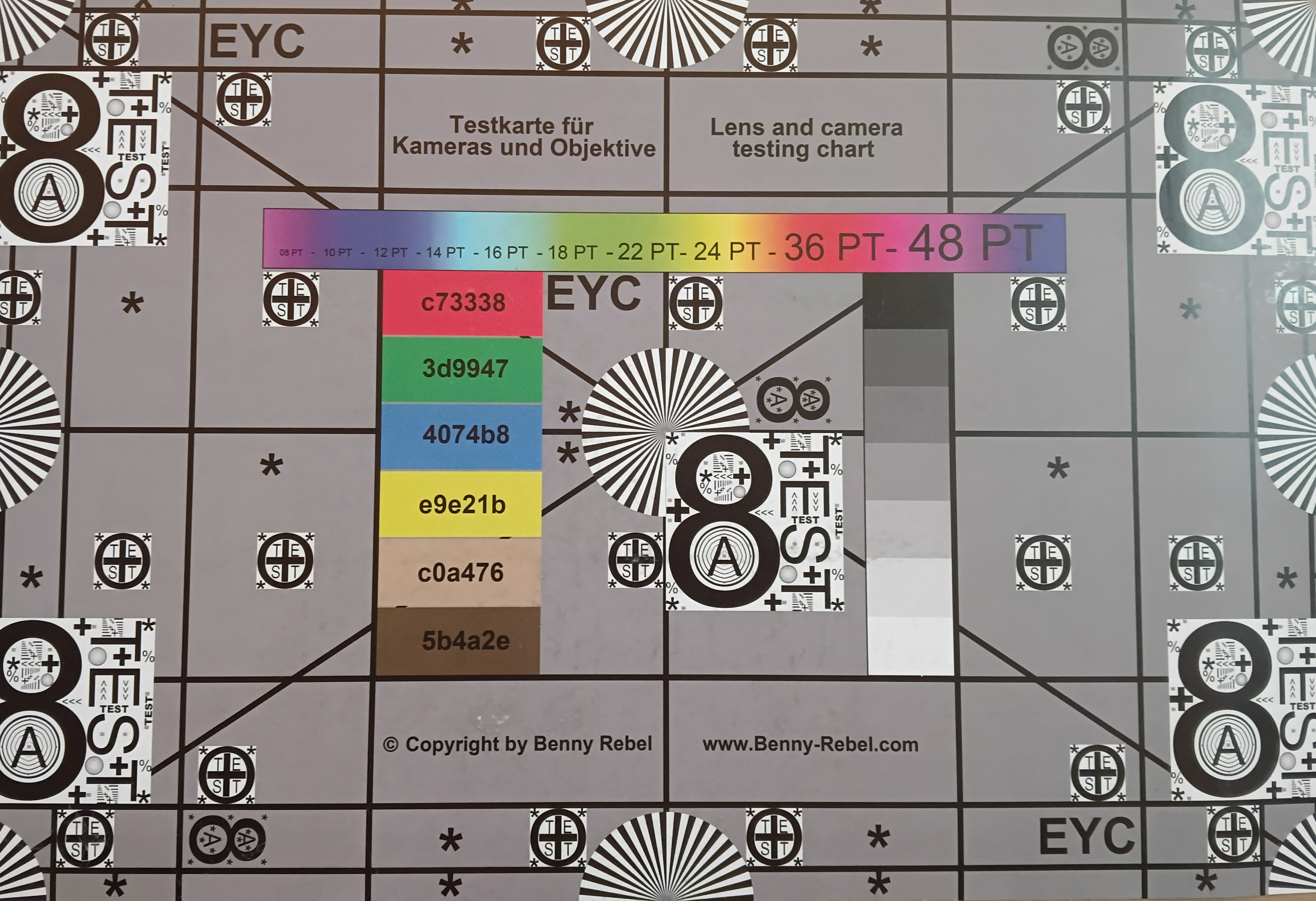
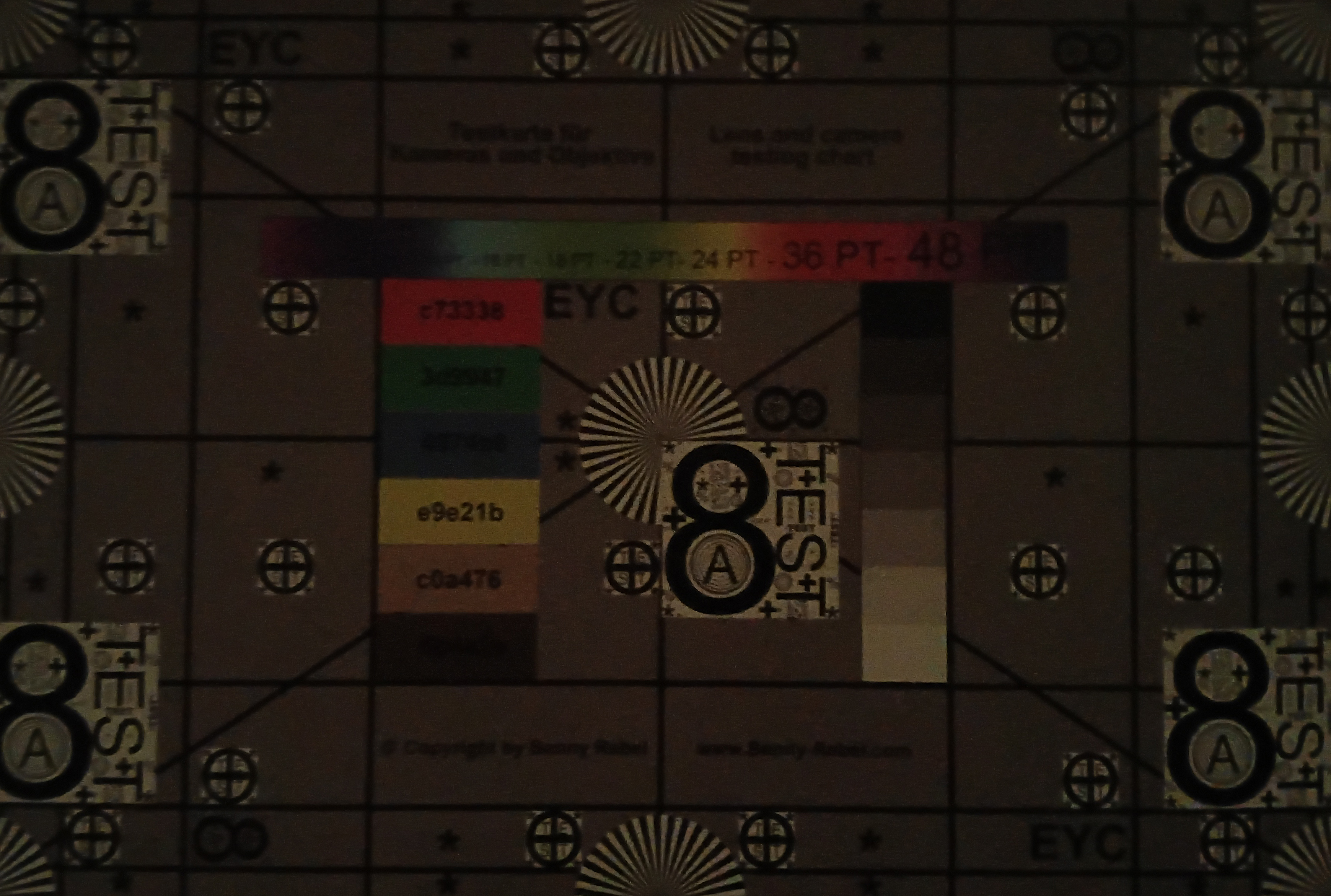
It offers similar specifications to the Moto G35, but can no longer record 4K videos. The image quality is solid for this price range, and it handles low-light conditions quite well. However, the sharpness is only average.
The front camera takes decent photos, but you shouldn’t zoom in too much on them.
Image comparison
Choose a scene and navigate within the first image. One click changes the position on touchscreens. One click on the zoomed-in image opens the original in a new window. The first image shows the scaled photograph of the test device.
PlantSurroundingLow Light












Display – Saving on resolution
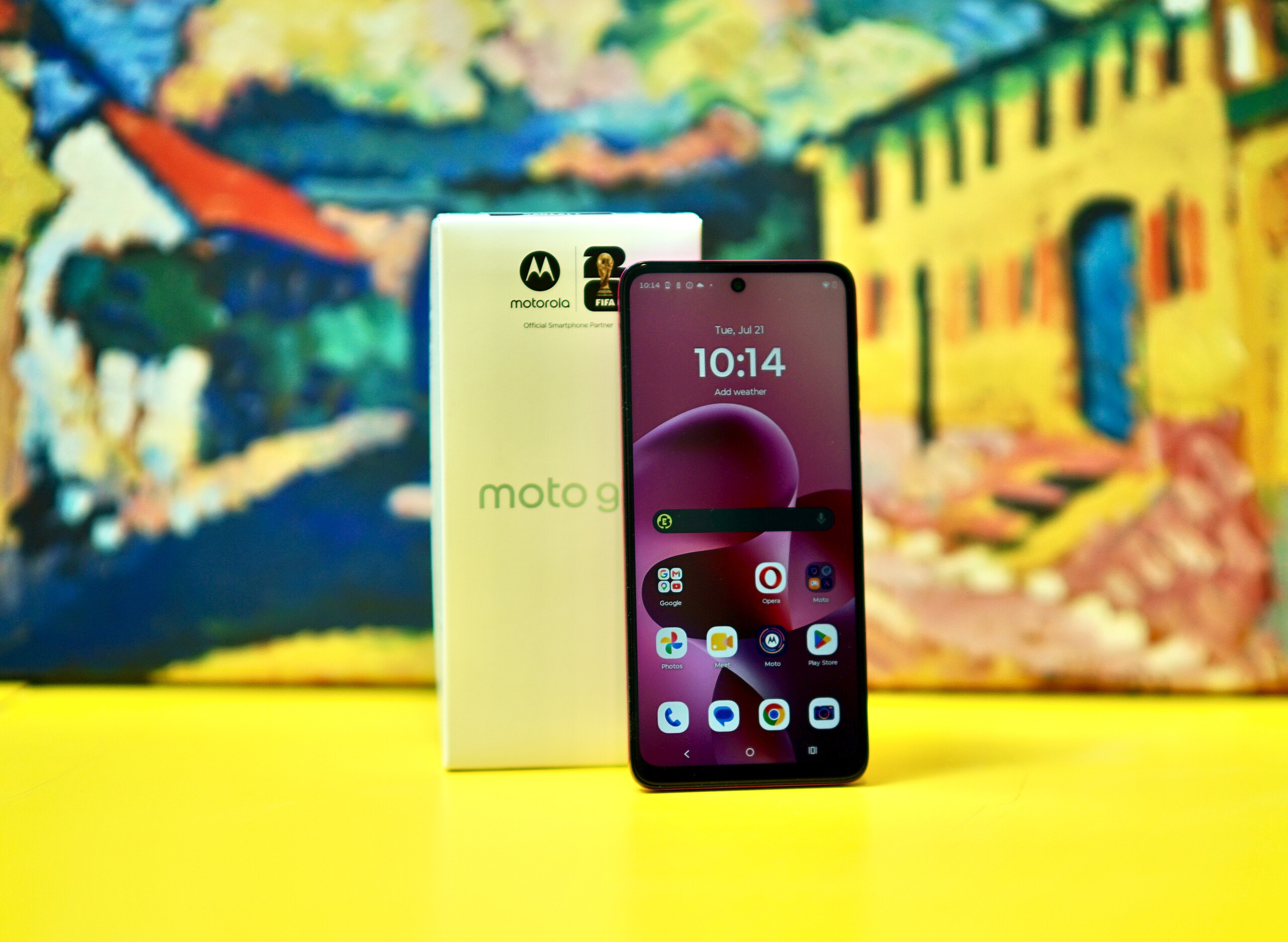
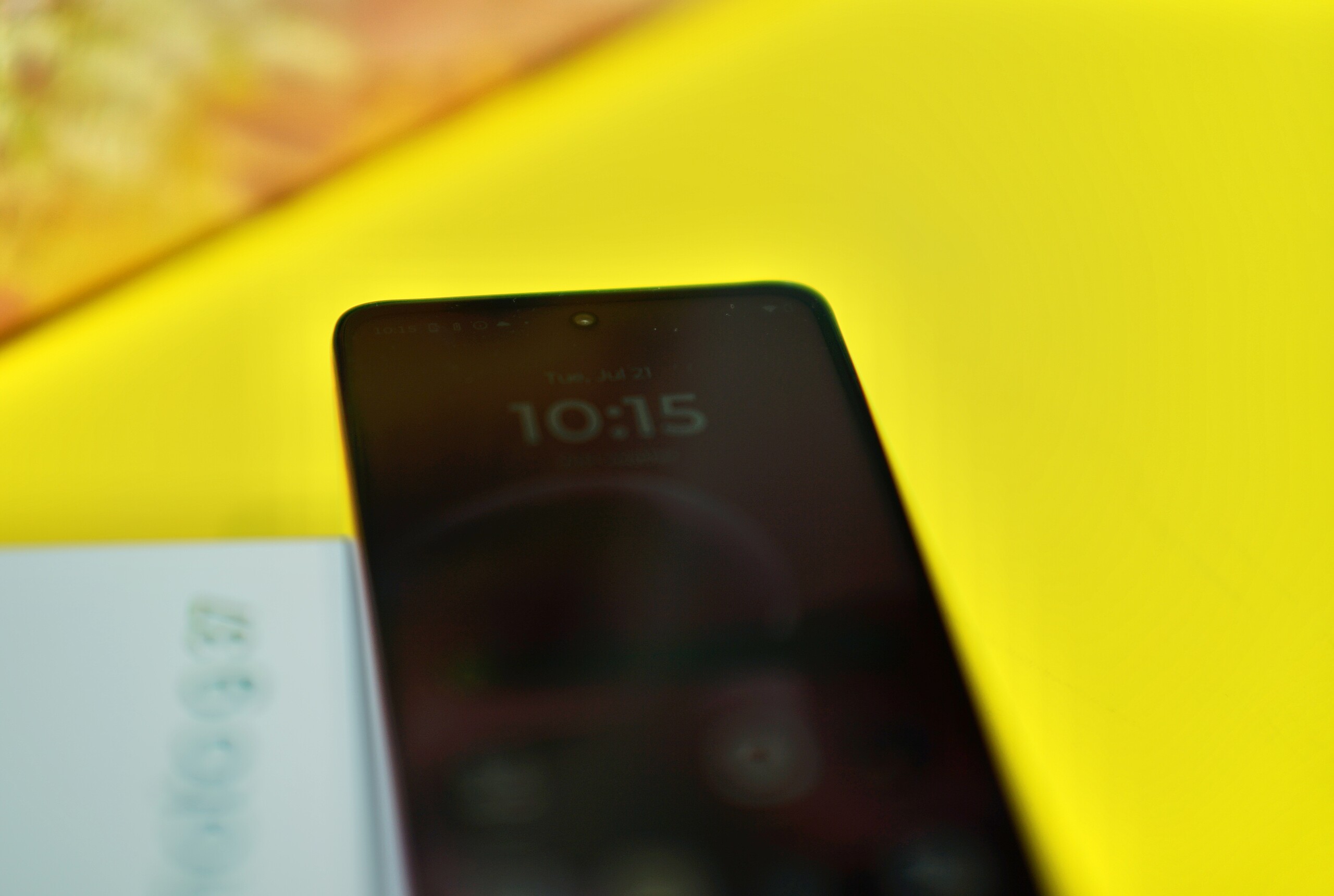
Cost-cutting measures are also evident in the IPS display: the resolution drops to 1,604x720 pixels.
This puts the phone behind similarly priced competitors, especially since those often feature significantly brighter OLED displays.
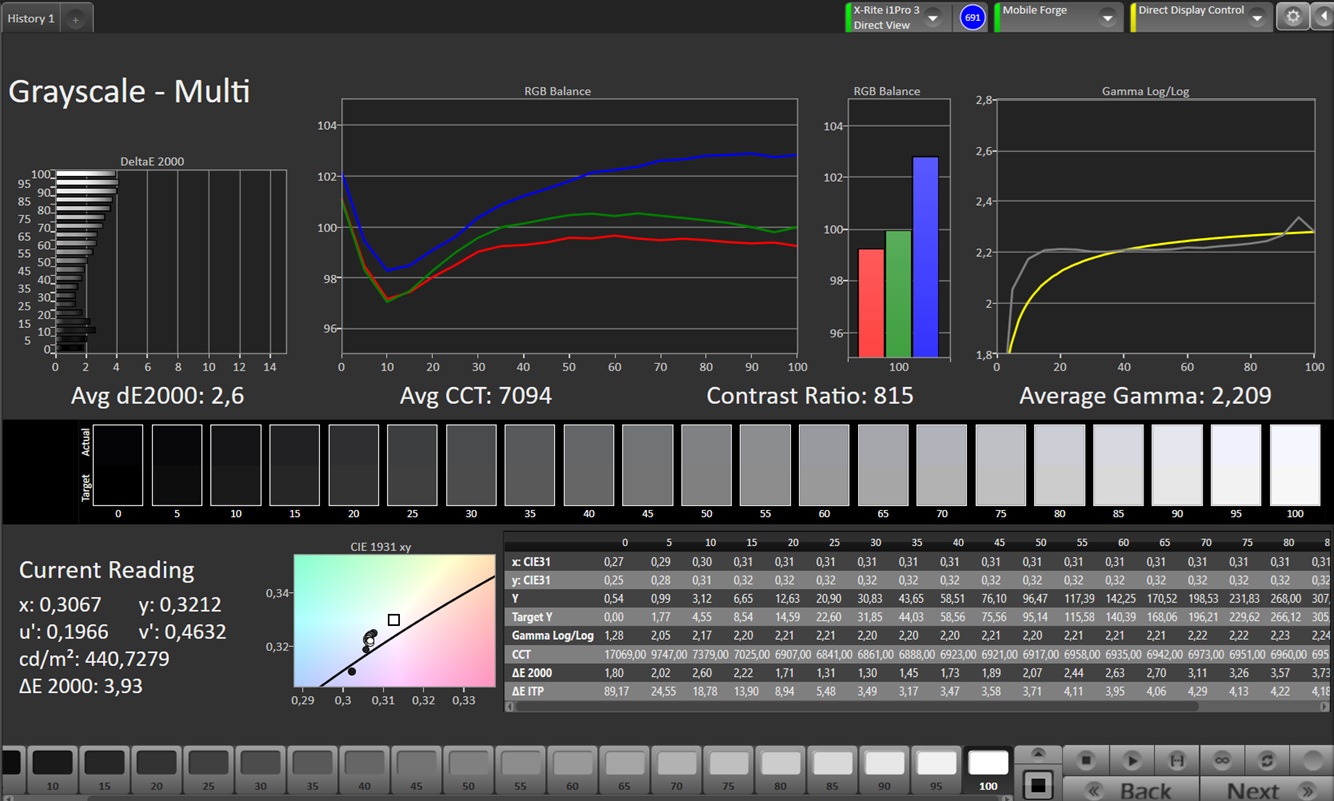
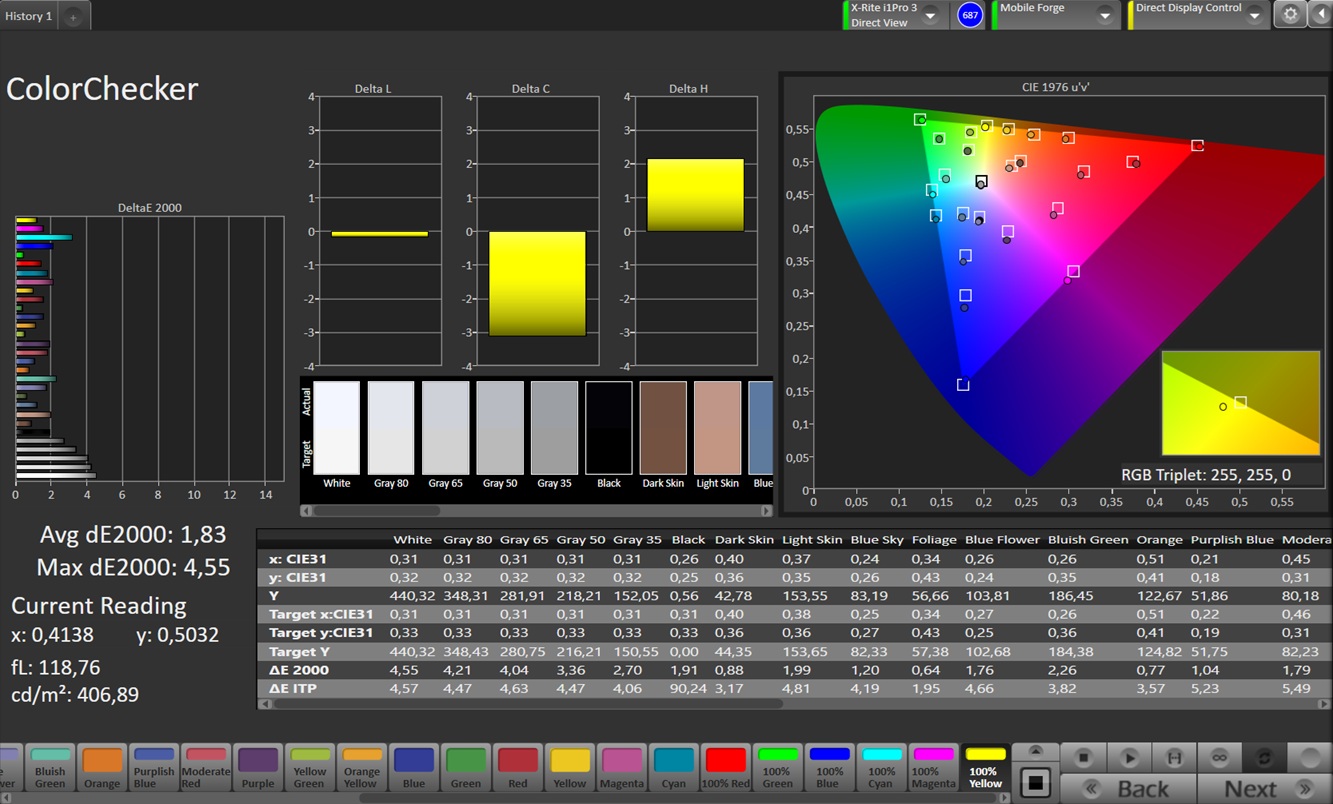
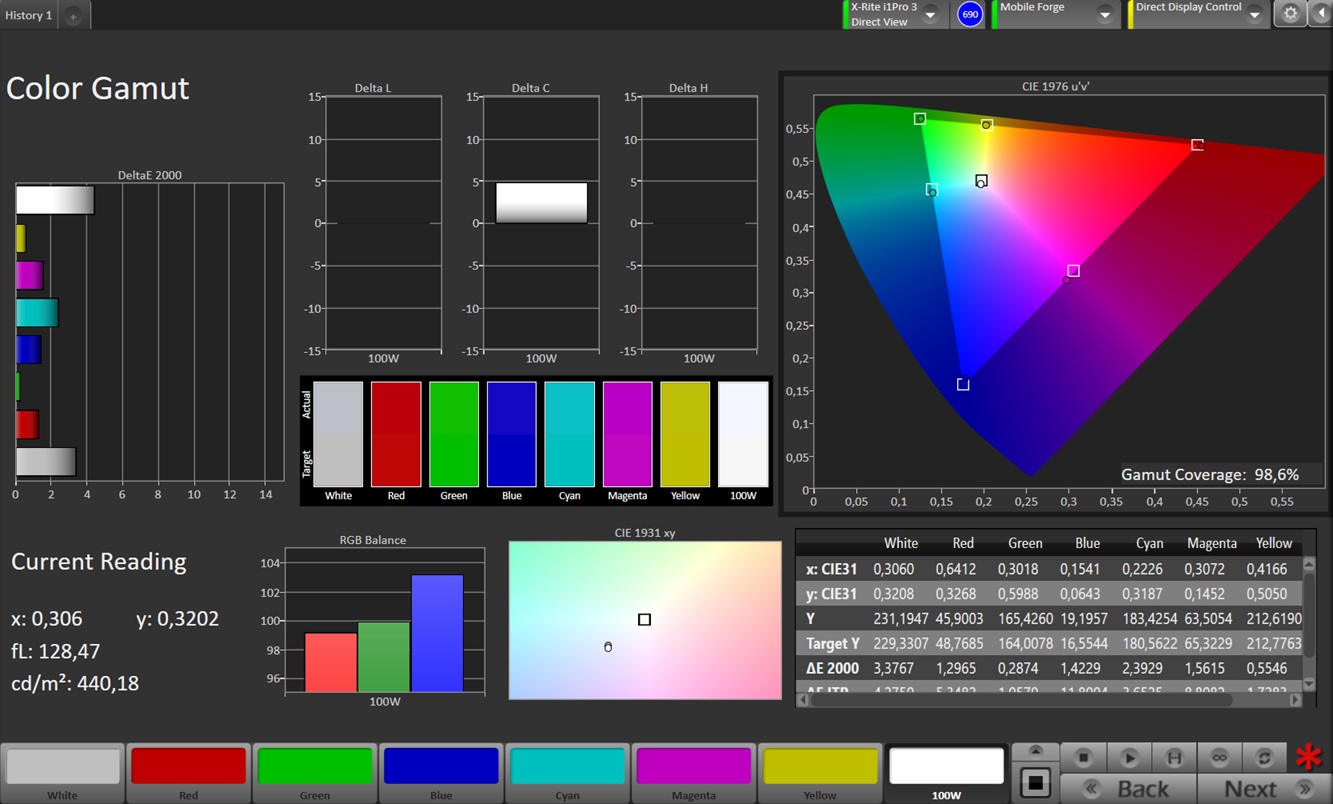
Color reproduction is quite accurate, but here, too, the competition is ahead.
| |||||||||||||||||||||||||
Center on Battery: 876 cd/m²
Contrast: 1653:1 (Black: 0.53 cd/m²)
ΔE ColorChecker Calman: 1.83 | ∀{0.5-29.43 Ø4.7}
ΔE Greyscale Calman: 2.6 | ∀{0.09-98 Ø4.95}
98.6% sRGB (Calman 2D)
Gamma: 2.209
CCT: 7094 K
| Motorola Moto G37 IPS, 1604x720, 6.7" | Motorola Moto G35 IPS, 2400x1080, 6.7" | Xiaomi Redmi Note 15 5G AMOLED, 2392x1080, 6.8" | Samsung Galaxy A37 5G Super AMOLED, 2340x1080, 6.7" | CMF Phone 2 Pro AMOLED, 2400x1080, 6.8" | |
|---|---|---|---|---|---|
| Display | 274% | 92% | 29% | ||
| APL18 Peak Brightness (cd/m²) | 943 | 3430 264% | 1839 95% | 1215 29% | |
| HDR Peak Brightness (cd/m²) | 933 | 3582 284% | 1752 88% | 1198 28% | |
| Response Times | -80% | 94% | 92% | 96% | |
| Response Time Grey 50% / Grey 80% * (ms) | 16.3 ? | 39.2 ? -140% | 0.99 ? 94% | 1.57 ? 90% | 0.54 ? 97% |
| Response Time Black / White * (ms) | 19.6 ? | 23.6 ? -20% | 1.13 ? 94% | 1.39 ? 93% | 0.93 ? 95% |
| PWM Frequency (Hz) | 60 | 240 | 90 | ||
| PWM Amplitude * (%) | 13.61 | 16.58 | 13.04 | ||
| Screen | -26% | 31% | -18% | 28% | |
| Brightness middle (cd/m²) | 876 | 1069 22% | 979 12% | 1127 29% | 1280 46% |
| Black Level * (cd/m²) | 0.53 | 0.7 -32% | |||
| Contrast (:1) | 1653 | 1527 -8% | |||
| Colorchecker dE 2000 * | 1.83 | 3.32 -81% | 1.3 29% | 2.6 -42% | 1.3 29% |
| Colorchecker dE 2000 max. * | 4.55 | 5.48 -20% | 2.6 43% | 5.3 -16% | 3.9 14% |
| Greyscale dE 2000 * | 2.6 | 3.6 -38% | 1.6 38% | 3.7 -42% | 2 23% |
| Gamma | 2.209 100% | 2.167 102% | 2.23 99% | 2.06 107% | 2.14 103% |
| CCT | 7094 92% | 6141 106% | 6688 97% | 6496 100% | 6776 96% |
| Brightness (cd/m²) | 976 | 969 | 1277 | ||
| Brightness Distribution (%) | 88 | 95 | 97 | ||
| Total Average (Program / Settings) | -53% /
-40% | 133% /
107% | 55% /
37% | 51% /
45% |
* ... smaller is better
Screen Flickering / PWM (Pulse-Width Modulation)
| Screen flickering / PWM not detected | 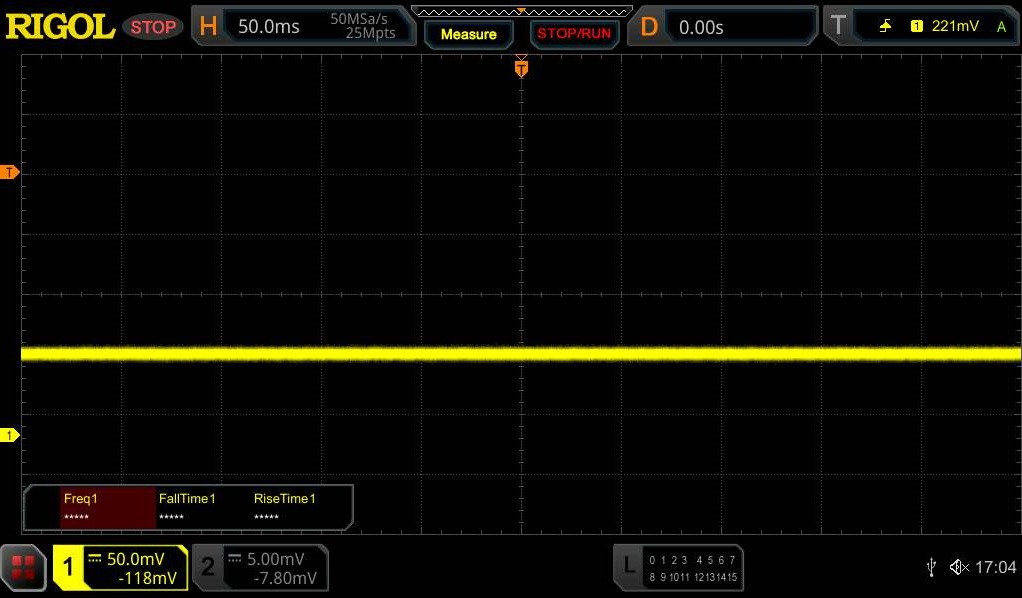 | ||
In comparison: 52 % of all tested devices do not use PWM to dim the display. If PWM was detected, an average of 7659 (minimum: 5 - maximum: 343500) Hz was measured. | |||
Display Response Times
| ↔ Response Time Black to White | ||
|---|---|---|
| 19.6 ms ... rise ↗ and fall ↘ combined | ↗ 14.6 ms rise | 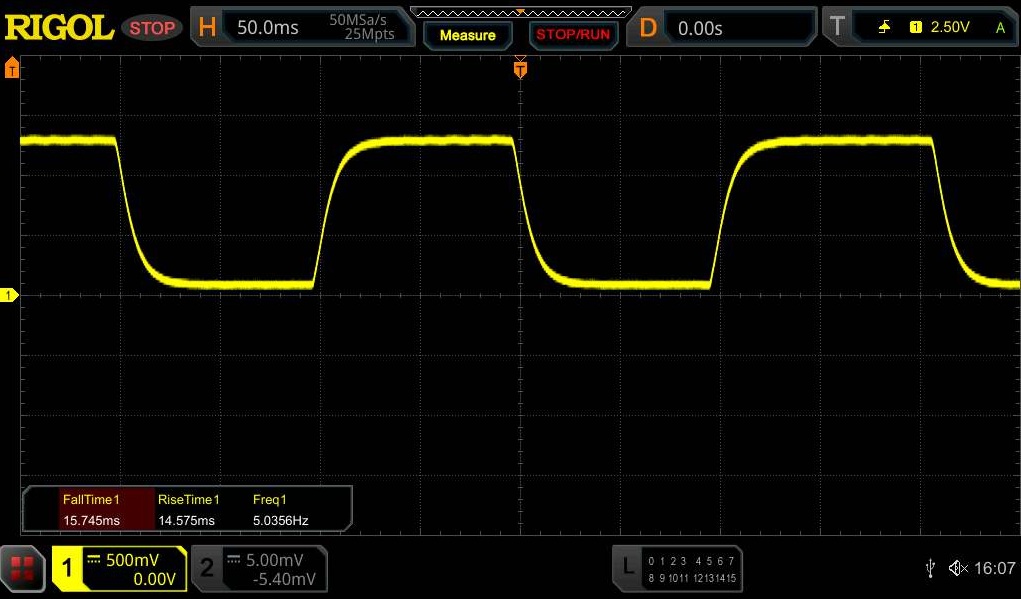 |
| ↘ 5 ms fall | ||
| The screen shows good response rates in our tests, but may be too slow for competitive gamers. In comparison, all tested devices range from 0.1 (minimum) to 240 (maximum) ms. » 44 % of all devices are better. This means that the measured response time is similar to the average of all tested devices (19.7 ms). | ||
| ↔ Response Time 50% Grey to 80% Grey | ||
| 16.3 ms ... rise ↗ and fall ↘ combined | ↗ 11.3 ms rise | 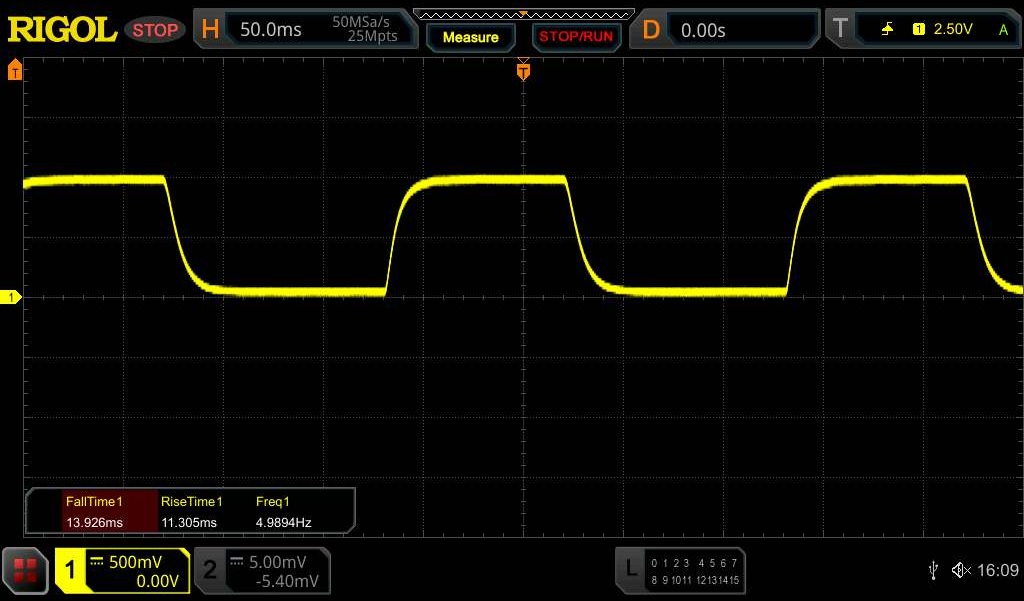 |
| ↘ 5 ms fall | ||
| The screen shows good response rates in our tests, but may be too slow for competitive gamers. In comparison, all tested devices range from 0.13 (minimum) to 636 (maximum) ms. » 31 % of all devices are better. This means that the measured response time is better than the average of all tested devices (30.8 ms). | ||
Performance, Emissions, and Battery Life – Low power, decent battery
The Moto G37, with its MediaTek Dimensity 6300, doesn’t really offer any more power than its predecessor. Its performance also lags significantly behind similarly priced competitors, and it doesn’t always run completely smoothly in everyday use.
At least the maximum temperature of the chassis under load is acceptable, and even after prolonged use, only minimal performance losses are noticeable.
The small speaker on the bottom edge is supplemented by the earpiece. Nevertheless, the sound profile is very treble-heavy, which isn’t particularly impressive. If you connect speakers or headphones via USB or Bluetooth, you’ll get clean sound. The selection of wireless codecs for audio transmission covers the most important options.
The battery has been designed with a slightly higher capacity of 5,200 mAh and offers about an hour more runtime in our Wi-Fi test. However, the competition is already ahead in this area as well. The phone can be charged at up to 20 watts; a full charge takes over 2 hours.
| Motorola Moto G37 | Motorola Moto G35 | Xiaomi Redmi Note 15 5G | Samsung Galaxy A37 5G | CMF Phone 2 Pro | Average 128 GB eMMC Flash | Average of class Smartphone | |
|---|---|---|---|---|---|---|---|
| AndroBench 3-5 | 219% | 192% | 336% | 219% | -18% | 421% | |
| Sequential Read 256KB (MB/s) | 355.5 | 989.3 178% | 911.87 157% | 1986.3 459% | 986.43 177% | 300 ? -16% | 2283 ? 542% |
| Sequential Write 256KB (MB/s) | 331.3 | 860.3 160% | 867.34 162% | 1732.34 423% | 524.58 58% | 196.6 ? -41% | 1965 ? 493% |
| Random Read 4KB (MB/s) | 68.5 | 272.1 297% | 222.77 225% | 368.9 439% | 294.62 330% | 85.7 ? 25% | 316 ? 361% |
| Random Write 4KB (MB/s) | 93.8 | 318.9 240% | 302.72 223% | 115.25 23% | 385.68 311% | 58.5 ? -38% | 362 ? 286% |
(±) The maximum temperature on the upper side is 40.9 °C / 106 F, compared to the average of 35.3 °C / 96 F, ranging from 21.9 to 247 °C for the class Smartphone.
(±) The bottom heats up to a maximum of 41.3 °C / 106 F, compared to the average of 34.1 °C / 93 F
3DMark Stress Tests
| 3DMark | |
| Wild Life Stress Test Stability | |
| Xiaomi Redmi Note 15 5G | |
| Samsung Galaxy A37 5G | |
| Motorola Moto G37 | |
| CMF Phone 2 Pro | |
| Motorola Moto G35 | |
| Wild Life Extreme Stress Test | |
| Xiaomi Redmi Note 15 5G | |
| Motorola Moto G37 | |
| Samsung Galaxy A37 5G | |
| Motorola Moto G35 | |
| Steel Nomad Light Stress Test Stability | |
| Xiaomi Redmi Note 15 5G | |
| Samsung Galaxy A37 5G | |
Motorola Moto G37 audio analysis
(+) | speakers can play relatively loud (89.8 dB)
Bass 100 - 315 Hz
(-) | nearly no bass - on average 34.1% lower than median
(±) | linearity of bass is average (13.9% delta to prev. frequency)
Mids 400 - 2000 Hz
(±) | higher mids - on average 10.6% higher than median
(±) | linearity of mids is average (8.8% delta to prev. frequency)
Highs 2 - 16 kHz
(±) | higher highs - on average 5.9% higher than median
(±) | linearity of highs is average (7.5% delta to prev. frequency)
Overall 100 - 16.000 Hz
(±) | linearity of overall sound is average (27.8% difference to median)
Compared to same class
» 73% of all tested devices in this class were better, 5% similar, 23% worse
» The best had a delta of 11%, average was 34%, worst was 136%
Compared to all devices tested
» 85% of all tested devices were better, 3% similar, 13% worse
» The best had a delta of 4%, average was 23%, worst was 136%
Xiaomi Redmi Note 15 5G audio analysis
(+) | speakers can play relatively loud (88.7 dB)
Bass 100 - 315 Hz
(-) | nearly no bass - on average 28.4% lower than median
(±) | linearity of bass is average (9.7% delta to prev. frequency)
Mids 400 - 2000 Hz
(±) | reduced mids - on average 10% lower than median
(±) | linearity of mids is average (7.4% delta to prev. frequency)
Highs 2 - 16 kHz
(+) | balanced highs - only 4.7% away from median
(+) | highs are linear (6.5% delta to prev. frequency)
Overall 100 - 16.000 Hz
(±) | linearity of overall sound is average (22.1% difference to median)
Compared to same class
» 47% of all tested devices in this class were better, 7% similar, 46% worse
» The best had a delta of 11%, average was 34%, worst was 136%
Compared to all devices tested
» 64% of all tested devices were better, 6% similar, 30% worse
» The best had a delta of 4%, average was 23%, worst was 136%
| Off / Standby |   0.1 / 0.2 Watt 0.1 / 0.2 Watt |
| Idle |  0.9 / 1.2 / 1.4 Watt 0.9 / 1.2 / 1.4 Watt |
    
| |
Key:
min: ,
med: ,
max: Metrahit Energy | |
| Motorola Moto G37 5200 mAh | Motorola Moto G35 5000 mAh | Xiaomi Redmi Note 15 5G 5520 mAh | Samsung Galaxy A37 5G 5000 mAh | CMF Phone 2 Pro 5000 mAh | Average Mediatek Dimensity 6300 | Average of class Smartphone | |
|---|---|---|---|---|---|---|---|
| Power Consumption | -9% | -29% | -24% | -30% | -13% | ||
| Idle Minimum * (Watt) | 0.9 | 1.04 -16% | 0.85 6% | 1.04 -16% | 1.086 ? -21% | 0.878 ? 2% | |
| Idle Average * (Watt) | 1.2 | 1.33 -11% | 1.86 -55% | 1.63 -36% | 1.616 ? -35% | 1.46 ? -22% | |
| Idle Maximum * (Watt) | 1.4 | 1.38 1% | 1.94 -39% | 1.69 -21% | 1.884 ? -35% | 1.655 ? -18% | |
| Load Average * (Watt) | 4.05 | 5.55 ? | 6.85 ? | ||||
| Load Maximum * (Watt) | 8.98 | 7.75 ? | 11.2 ? |
* ... smaller is better
| Motorola Moto G37 5200 mAh | Motorola Moto G35 5000 mAh | Xiaomi Redmi Note 15 5G 5520 mAh | Samsung Galaxy A37 5G 5000 mAh | CMF Phone 2 Pro 5000 mAh | |
|---|---|---|---|---|---|
| Battery runtime | -6% | 5% | 5% | 3% | |
| Reader / Idle (h) | 34.9 | 36.6 5% | |||
| WiFi v1.3 (h) | 17.7 | 16.7 -6% | 19 7% | 18.6 5% | 18.3 3% |
| Load (h) | 4.1 | 4.2 2% | |||
| H.264 (h) | 21.1 |
Notebookcheck Overall Rating
If it weren’t for the brief security updates, you’d almost have to go back to the previous model—that’s how much Motorola has cut corners with the Moto G37.
There are still alternatives from other manufacturers, so we can only recommend our test unit to people who absolutely love its design and can snag it at a very affordable price.
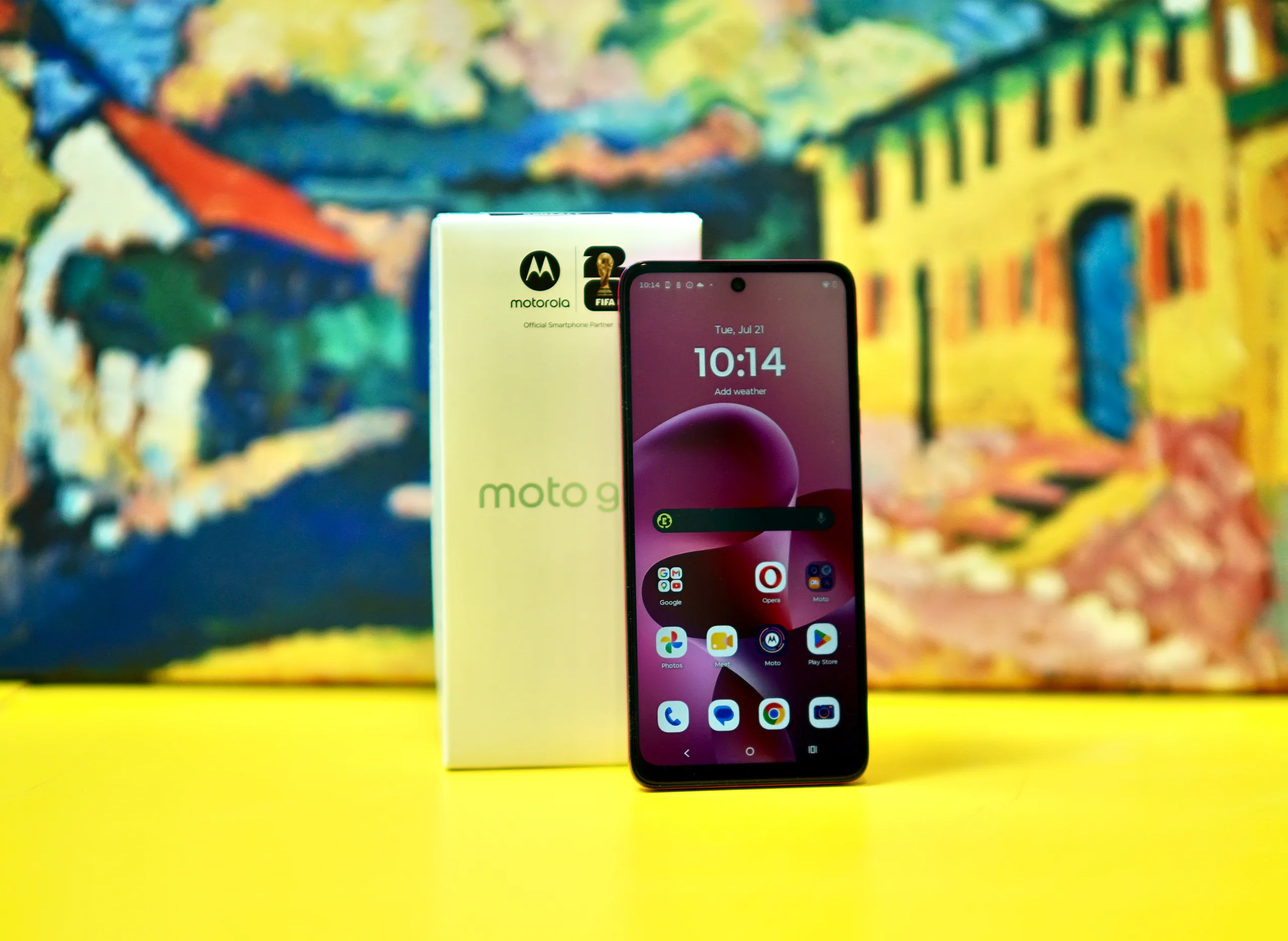
Motorola Moto G37
- 07/30/2026 v8
Florian Schmitt
 Total Sustainability Score:
 Comparison of Possible Alternatives
Image | Model / Review | Price | Weight | Drive | Display |
|---|---|---|---|---|---|
1. 72.7%  | Motorola Moto G37 Mediatek Dimensity 6300 ⎘ ARM Mali-G57 MP2 ⎘ 4 GB Memory, 128 GB eMMC | List Price: 250€ | 191 g | 128 GB eMMC Flash | 6.72" 1604x720 262 PPI IPS |
2. 72.3%  | Motorola Moto G35 Unisoc T8100 (T760) ⎘ ARM Mali-G57 MP4 ⎘ 4 GB Memory, 128 GB UFS 2.2 | List Price: 179€ | 188 g | 128 GB UFS 2.2 Flash | 6.72" 2400x1080 392 PPI IPS |
3. 76.5%  | Xiaomi Redmi Note 15 5G Qualcomm Snapdragon 6 Gen 3 ⎘ Qualcomm Adreno 710 ⎘ 8 GB Memory, 256 GB UFS 2.2 | Amazon: $279.50 List Price: 300€ | 178 g | 256 GB UFS 2.2 Flash | 6.77" 2392x1080 388 PPI AMOLED |
4. 79%  | Samsung Galaxy A37 5G Samsung Exynos 1480 ⎘ Samsung Xclipse 530 ⎘ 8 GB Memory, 256 GB UFS 3.1 | List Price: 519€ | 196 g | 256 GB UFS 3.1 Flash | 6.70" 2340x1080 385 PPI Super AMOLED |
5. 76.9%  | CMF Phone 2 Pro MediaTek Dimensity 7300 ⎘ ARM Mali-G615 MP2 ⎘ 8 GB Memory, 256 GB UFS 2.2 | List Price: 279€ | 185 g | 256 GB UFS 2.2 Flash | 6.77" 2400x1080 389 PPI AMOLED |
Transparency
The selection of devices to be reviewed is made by our editorial team. The test sample was provided to the author as a loan by the manufacturer or retailer for the purpose of this review. The lender had no influence on this review, nor did the manufacturer receive a copy of this review before publication. There was no obligation to publish this review. As an independent media company, Notebookcheck is not subjected to the authority of manufacturers, retailers or publishers.
This is how Notebookcheck is testing
Every year, Notebookcheck independently reviews hundreds of laptops and smartphones using standardized procedures to ensure that all results are comparable. We have continuously developed our test methods for around 20 years and set industry standards in the process. In our test labs, high-quality measuring equipment is utilized by experienced technicians and editors. These tests involve a multi-stage validation process. Our complex rating system is based on hundreds of well-founded measurements and benchmarks, which maintains objectivity. Further information on our test methods can be found here.
 Add as a preferred source on Google


