




Samsung does it much better: This Motorola phone falls short when it comes to the display
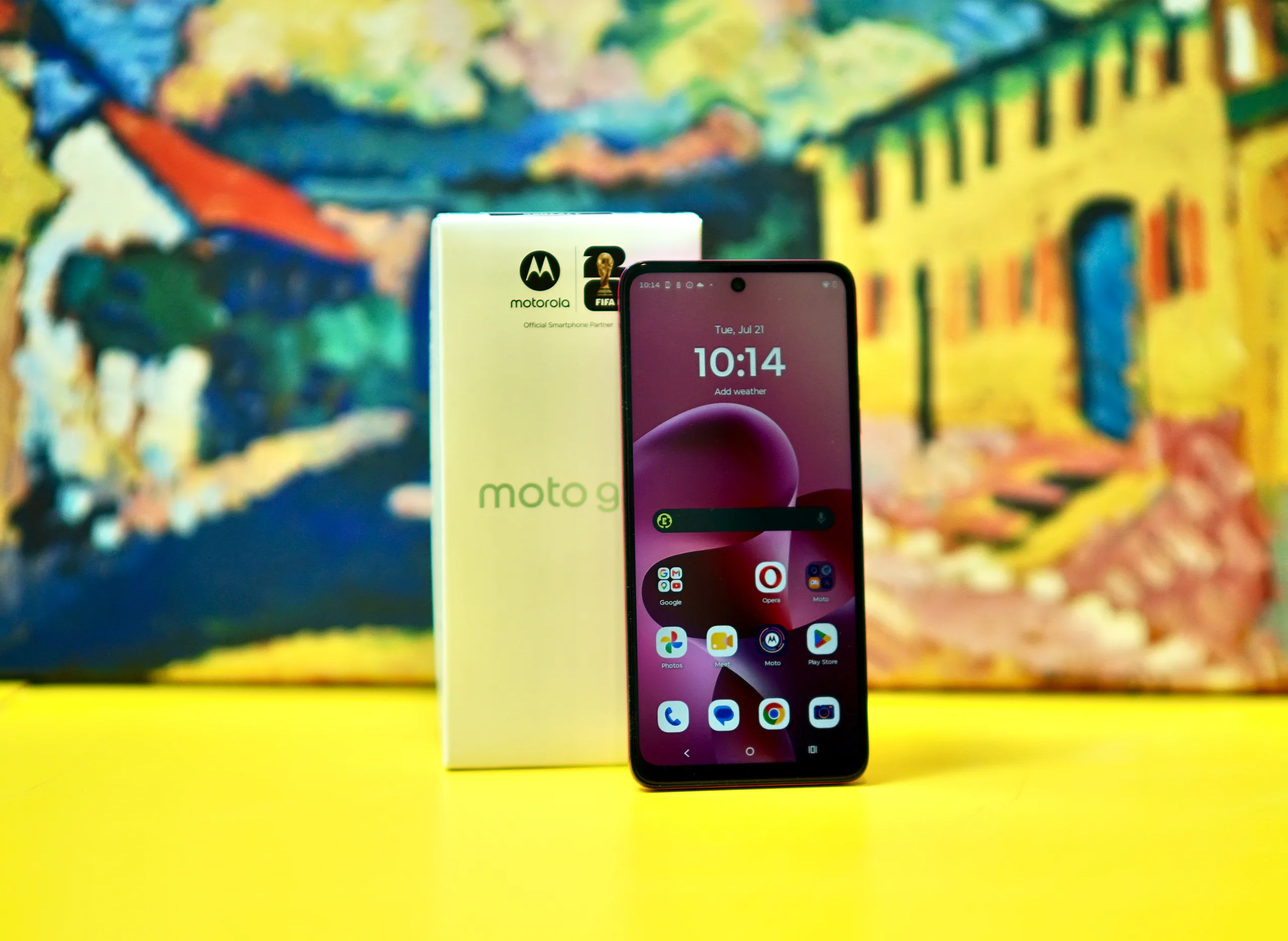
Motorola’s new entry-level smartphone, the Moto G37 (available at amazon.com), features a refresh rate of up to 120 frames per second to ensure smooth operation. The touchscreen responds precisely and reasonably quickly to input.
However, the test reveals that the display resolution has dropped significantly compared to the predecessor model, the Moto G35: it’s now only 1,604 x 720 pixels. As a result, the pixel density no longer reaches a competitive level.
Resolution is lower than on the G35
In a direct comparison with the Moto G35, the decrease in pixel count is clearly evident: text and fine details are rendered less sharply. In everyday use, this is particularly noticeable during longer reading sessions or when viewing detailed graphics.
Many users will only notice the difference when comparing pages side by side. However, anyone who regularly reads e-books or consumes small-format web content will definitely notice the reduced sharpness.
High refresh rate ensures a smooth experience
Despite the reduced resolution, Motorola manages to create a smooth user experience thanks to 120-Hz technology. Apps open quickly, and menu navigation feels responsive.
For occasional gaming or video playback, the experience remains satisfactory, even if the level of detail in the displayed content remains limited.
Fingerprint sensor in the power button
One practical detail is the placement of the biometric sensor, which is not located behind the screen: the integrated fingerprint sensor is located on the right side of the standby button, unlocking the phone reliably and quickly. This placement speeds up the unlocking process. In everyday use, this solution proves to be robust and convenient.
In summary, the Moto G37’s display presents a mixed picture: high refresh rates partially compensate for the lower resolution.
Our detailed review, with its precise display measurements, allows buyers to fully understand these trade-offs and weigh them carefully.
Source(s)
 Add as a preferred source on Google


