




Smart inverter ban may wreak havoc on emergency home backup and off-grid living
While the proposed ban on Chinese robotic vacuums and lawnmowers garnered all the attention, the FCC has also added foreign-made power inverters to its Covered List of connected devices facing import restrictions.
Citing national security concerns around remote firmware access and potential surveillance risk, the FCC's Public Safety and Homeland Security Bureau has effectively blocked new equipment authorizations for imported inverters, the components responsible for converting stored DC battery power into usable AC electricity for home usage.
Since portable power stations and home battery systems are built around inverters, and since the vast majority of that hardware is manufactured in China, the practical effect is that any new model seeking U.S. certification going forward would face a real challenge unless it qualifies for a conditional approval or comes from a compliant supply chain that uses domestic components.
Granted, the inclusion is framed around grid-scale solar and utility infrastructure, but the ripple effects could hit a lot closer to home backup systems in cases of emergencies or to those intent on off-grid living for various reasons. Anyone with a portable power station in the garage for outages or with a home battery backup system intended for use in peak hours to save on costs might be affected by the inclusion of connected inverters in the FCC's Covered List.
Nothing that they already have or that is authorized and in the stores right now will stop working, but the pipeline of new products coming to market, particularly Bluetooth- and Wi-Fi-connected units, would be affected. Unfortunately, these days this means basically every modern power station worth buying.
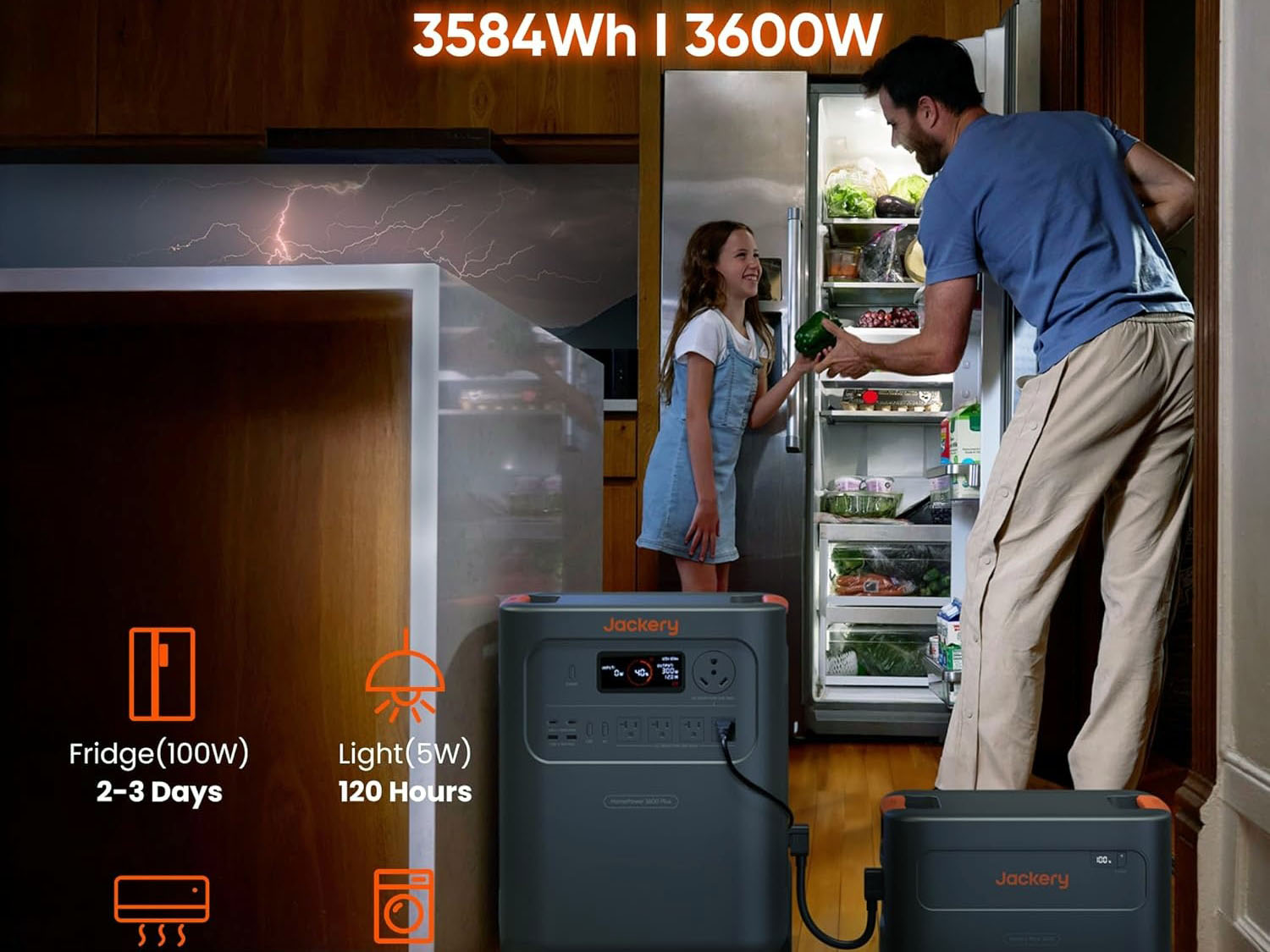
Portable power stations and home storage batteries like the Jackery HomePower 3600 have become a go-to solution for hurricane season, planned utility outages during wildfire season, or grid overload failures. Every new model released by, let's face it, mostly Chinese companies, is getting cheaper, safer, and more connected. If the new generation of power stations and smart inverters can't get certified, hence sold in the US, customers will face a dearth of choices and higher prices for existing equipment, at least until certified local supply chains catch up, if ever.
Source(s)
 Add as a preferred source on Google


