




Shigeru Miyamoto: GameCube was “only purchased by gamers”, sending Nintendo back to the drawing board
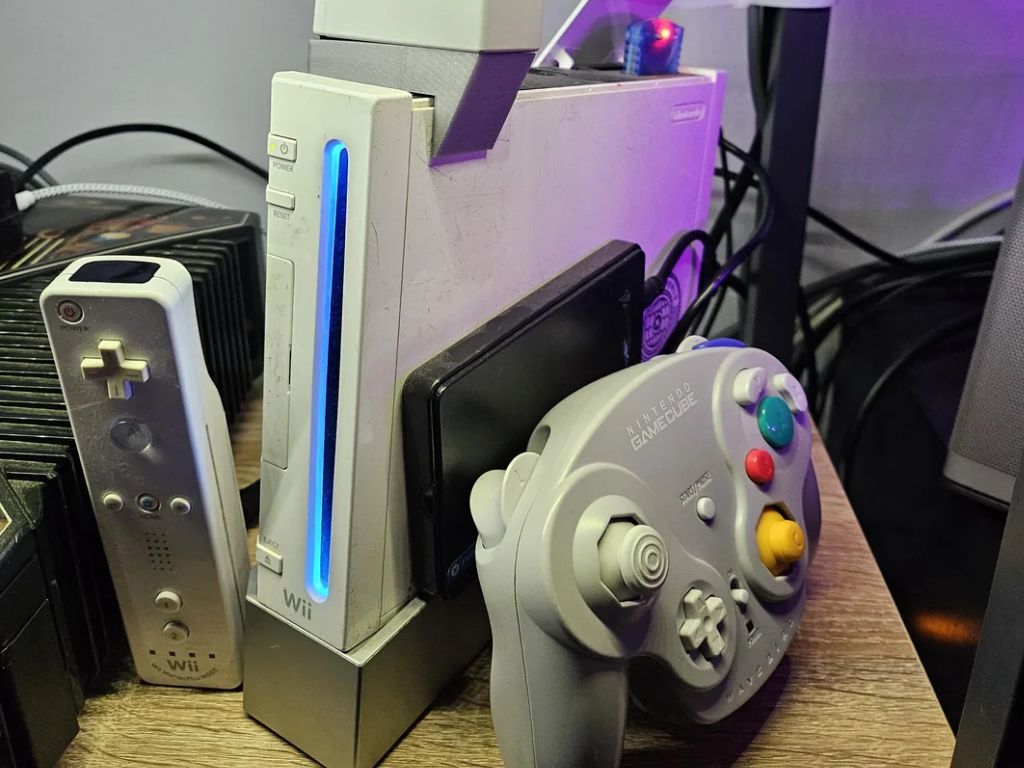
Shigeru Miyamoto, the legendary Nintendo executive and one of the most influential creators shaping the video game industry through mascots and characters such as Mario, Zelda, Donkey Kong, Star Fox, and more, discussed the reason why the Nintendo DS and Nintendo Wii became Nintendo’s next consoles for the seventh generation. According to Miyamoto, the decision was largely driven by the underwhelming performance of the Nintendo GameCube, which trailed behind the Nintendo 64’s nearly 33 million lifetime sales.
He spoke candidly in a wide-ranging interview with Japanese outlet Famitsu, where the longtime Nintendo executive and designer explained that, at the time, Nintendo’s then-president, Satoru Iwata, believed the GameCube’s poor performance in the home console market was rooted in a simple idea: most of the world still did not see gaming as a normal, approachable everyday hobby the way it’s seen today. Based on that core problem, Nintendo felt it was difficult to persuade customers to buy and play a GameCube if they had never played on a console before.
Beaten by a more capable PlayStation 2 with a DVD drive to boot
Miyamoto admitted that the GameCube missed the mark by a long shot and said the console, possibly because of its name and proprietary GameCube Game Discs, was “only purchased by gamers.” Meanwhile, its sleeker Sony rival, the PlayStation 2, sold more than 160 million units because it came equipped with a DVD drive, which appealed to mainstream customers who wanted to watch movies and shows in addition to playing games.
Miyamoto and Iwata thought carefully about the reason for the GameCube’s poor performance and concluded that gaming itself had not yet become the norm for the average consumer. As Miyamoto put it, people never used to separate the world into “people who read books and people who don’t.” Still, playing video games was treated as a niche activity rather than another way to wind down and enjoy an evening.
The GameCube sold 21.7 million units before it was discontinued in 2007, marking a steep decline from the Nintendo 64’s sales and representing only a fraction of what the PlayStation 2 achieved in its lifetime. Part of that came down to a simple difference in disc drives: the PlayStation 2 supported DVDs, while the GameCube only supported Nintendo’s proprietary mini-discs.
Catering to a much larger audience
After returning to the drawing board and rethinking their strategy for Nintendo’s seventh-generation home console and its counterpart handheld, Nintendo found major success. The Nintendo DS became a milestone in the company’s history by selling 154.02 million units, while the Nintendo Wii secured its own place among the best-selling home consoles by shipping 101.63 million units.
The reason was that Nintendo began marketing its seventh-generation home console to non-gamers, older consumers, and women, encouraging them to get up and move around in their living rooms through Wii Sports and other motion-control games. The Wii ultimately brought families, social groups, and even retirement homes together.
Miyamoto leaned back even further and reminisced about how home consoles were once treated as an afterthought next to the “serious” nature of computers. That began to change with the Nintendo Wii and DS, which showed that anyone could use a Wiimote or stylus to play games and start from the same point as the average gamer.
Source(s)
 Add as a preferred source on Google


