




Shigeru Miyamoto: Nintendo’s “eternal rival” was never Sony or Sega but the Rubik’s Cube
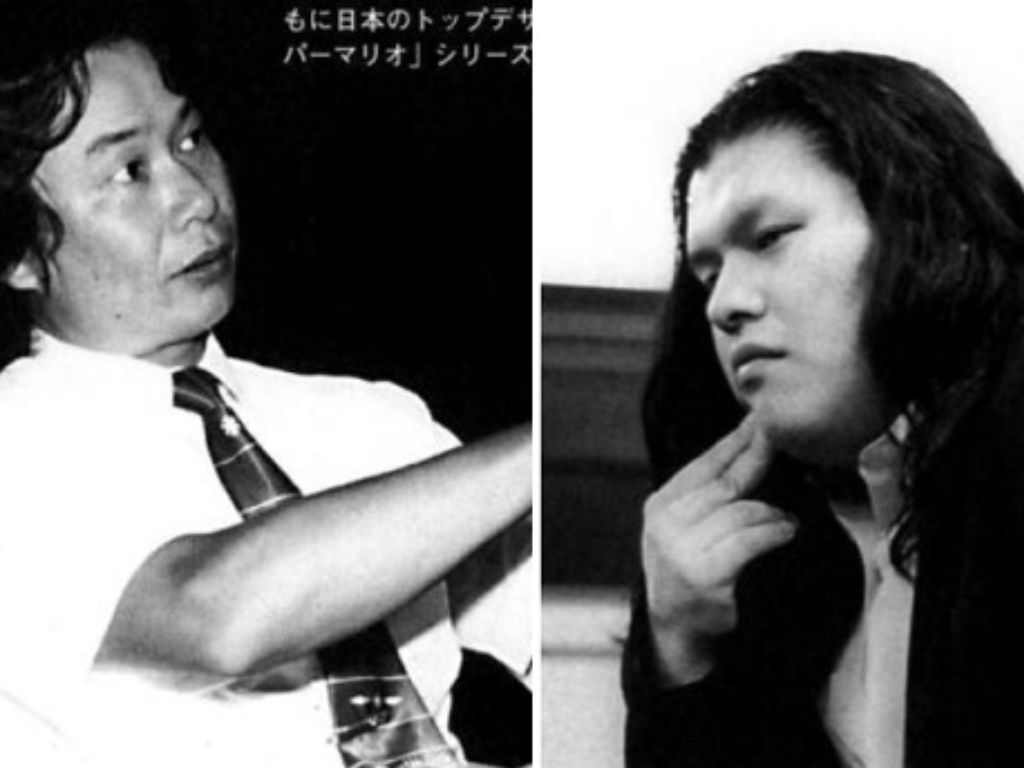
Legendary Nintendo game designer Shigeru Miyamoto, who created Mario, Zelda, Donkey Kong, and Star Fox, has fielded endless questions since his rise to fame. One recurring question was who exactly Nintendo was racing against in the console wars, or in the video game industry more broadly.
Back in 1996, with the N64 competing with the PlayStation and the Sega Saturn, Sony and Sega were the obvious answers. However, Miyamoto’s eternal rival isn’t a developer or a home console manufacturer.
Twice on the record, three years apart, Miyamoto named neither Sega nor Sony. In an English translation published by Shmuplations of a 1996 conversation between Shigeru Miyamoto and developer Kenji Eno on July 15, 2026, Miyamoto declared his eternal rival was the Rubik’s Cube.
Appealing to the masses versus an already established gaming audience?
The reason was simple, and it builds on his acknowledgment of Nintendo's failure to appeal to a broader audience with the GameCube. Miyamoto said his rivalry with the Rubik’s Cube stems from his industrial design background. He told Eno he measured Nintendo’s work against products that would make non-gamers exclaim “Wow, computer games can do that…?” instead of titles created for an existing community of fans.
Miyamoto reiterated the same point nearly word-for-word in a 1999 conversation with Sega’s Toshihiro Nagoshi, translated by Shmuplations in 2023, making this revelation a repeated touchstone rather than an unearthed discovery.
The details come from a July 1996 conversation between Kenji Eno and Miyamoto at Nintendo’s Kyoto offices, the first of what Eno described as “cross-talk” interviews, later compiled in a Game Hihyou special edition titled The Book of Kenji Eno. Shmuplations, which is a fan-run archive of untranslated Japanese developer interviews funded via Patreon, published the English version in July 2026.
In the interview, while explaining why Nintendo keeps aiming to attract new players rather than appease veteran fans, Miyamoto traced his instincts back to his own training. Miyamoto said:
“Since my background is originally in industrial design, I view the Rubik’s Cube as my eternal rival. There’s a kind of product that’s very important to me. It’s not stuff made by veteran craftsmen who have spent years building computer games specifically for gamers, but rather things that make people realize, ‘Wow, computer games can do that…?!’ Making products that surprise non-gamers, that is our big challenge.”
Miyamoto’s statements also sit awkwardly next to remarks he made later in the same 1996 exchange when questioned about Nintendo’s product mix. He said that “when people point out that we do nothing but make sequels, they’re entirely right.”
Despite Miyamoto’s views, Nintendo’s actual scoreboard was N64 units shipped against the PlayStation and Sega Saturn, not the Rubik’s Cube, which has, somewhat obviously, never filed a quarterly report. That may be one reason Miyamoto kept bringing it up.
 Add as a preferred source on Google


