




Seiko launches four new Astron Nexter watches with solar power and automatic GPS time sync
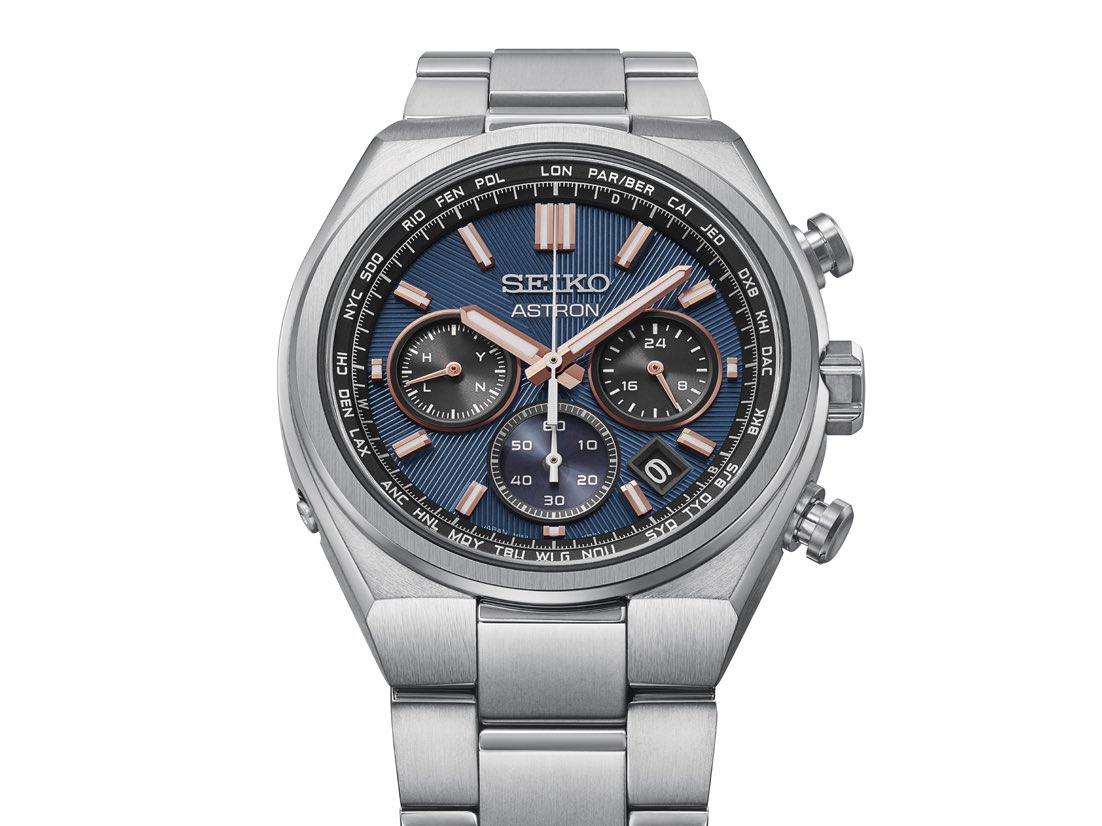
Seiko has launched four new GPS solar watches under its Astron Nexter lineup. The new HAC001, HAC002, HAD001, and HAD002 feature deep blue dials with chapter rings and what Seiko calls Pure Titanium cases with DiaShield coating. All four models are solar-powered and can automatically set the time and timezone by connecting to multiple satellites, while also offering radio wave correction across major global regions.
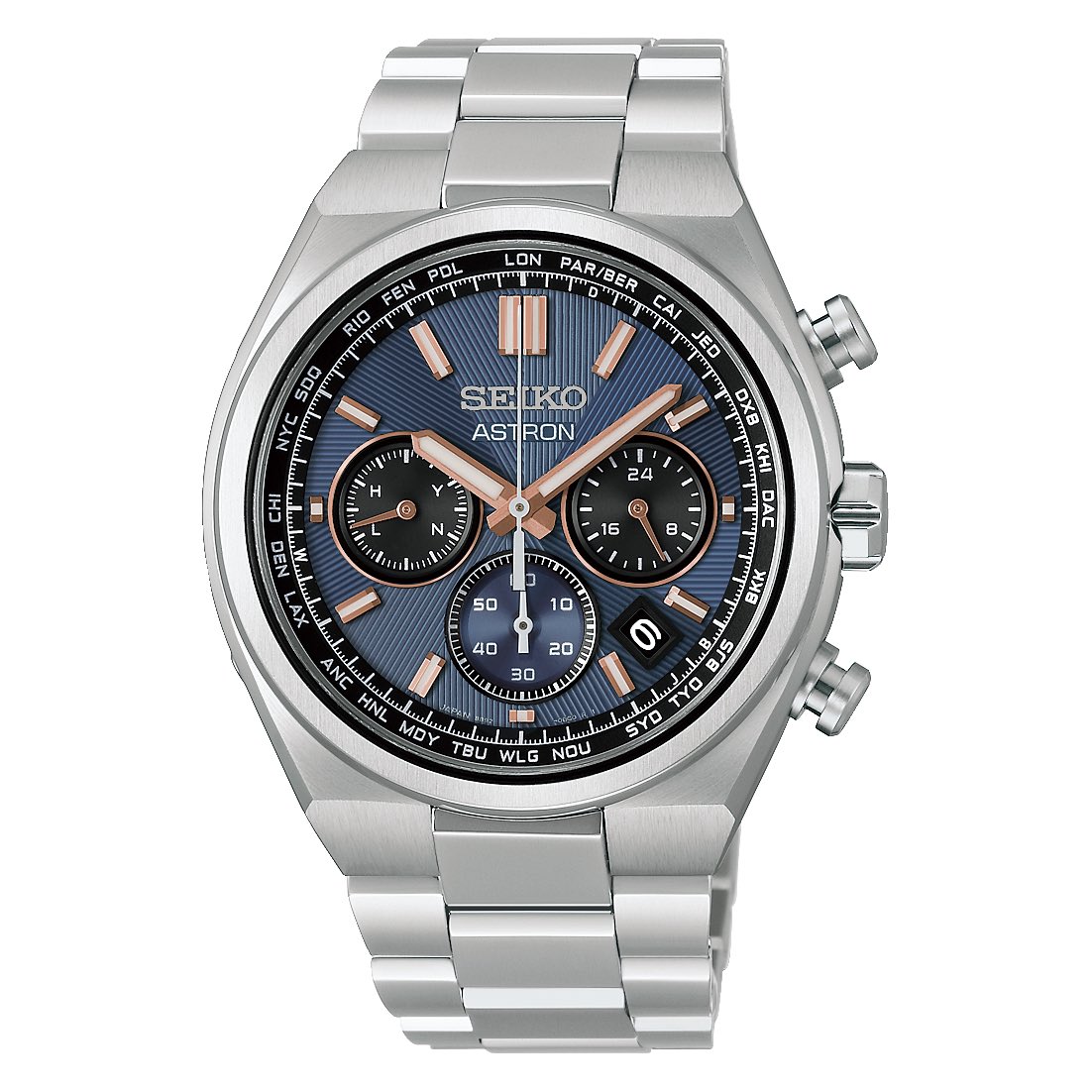
The HAD001 looks the busiest among the four models. It features a classic three-register chronograph-style layout paired with an outer chapter ring that lets you see world time for 25 cities at a glance. Powered by the Caliber 8B92, it supports a 1/5-second stopwatch, a 24-hour hand, and a fully automatic calendar through 2099. Despite its complexity, the watch remains relatively slim at 10.6mm thick and weighs just 90g, thanks to its titanium construction. You also get a sapphire crystal with Super Clear Coating, LumiBrite on the hands and indices, and 10ATM water resistance.
The HAD002 opts for a slightly more restrained layout with two sub-dials: a 24-hour subdial for tracking a second time zone and a retrograde day-of-the-week indicator. It uses the Caliber 8B63 and adds a dual-time display alongside a date window at 3 o’clock. The HAD002 also features a chapter ring, but it displays UTC offsets rather than city codes. It also supports radio signal reception in the US, UK, Japan, China, and Germany. It’s marginally heavier at 93g but retains the same titanium build, sapphire glass, and 10ATM (100 meters) water resistance rating.
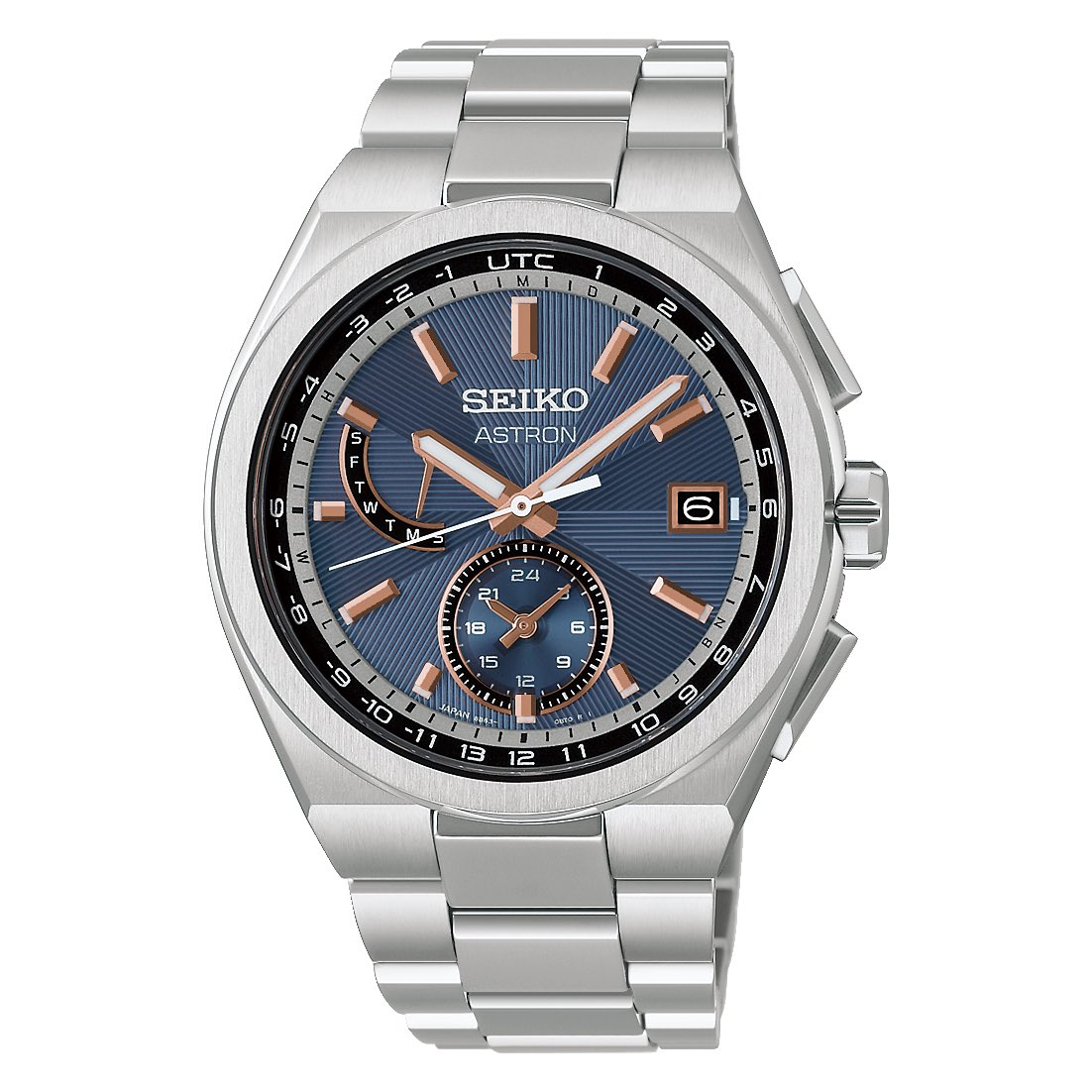
In case you're wondering what that black inner bezel with lettered markers is for, it's part of the watch's GPS/radio-controlled timekeeping system. When the watch syncs with GPS satellites or atomic clock signals, the second hand temporarily jumps to these markers to indicate reception status and signal strength.
HAC001 and HAC002 take a cleaner, more minimal approach
While the HAD models lean into functionality, the HAC001 and HAC002 go for a cleaner, more minimalist approach. Both run on the Caliber 7B62 and strip things back to time and date, while still offering automatic time correction via radio signals and a perpetual calendar.
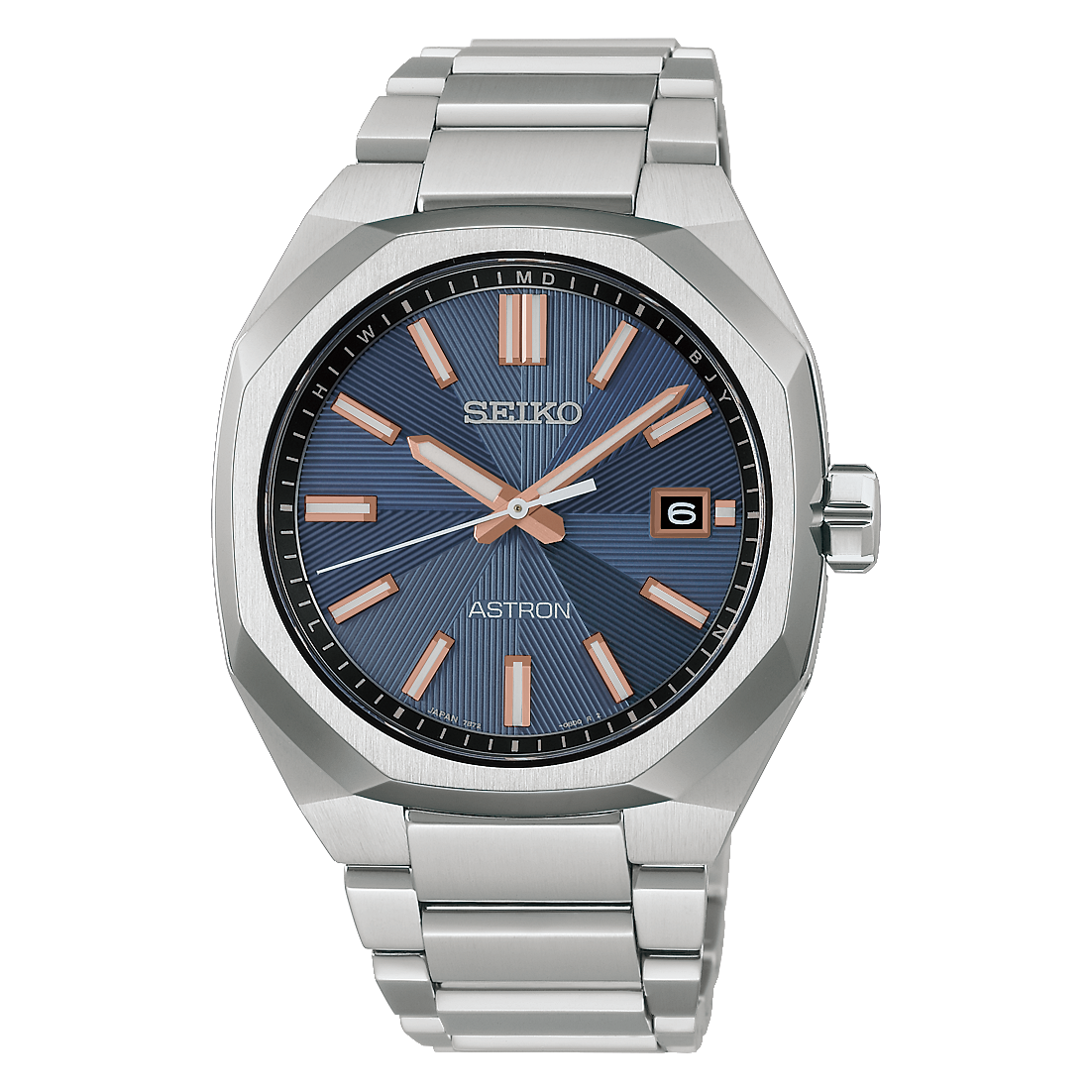
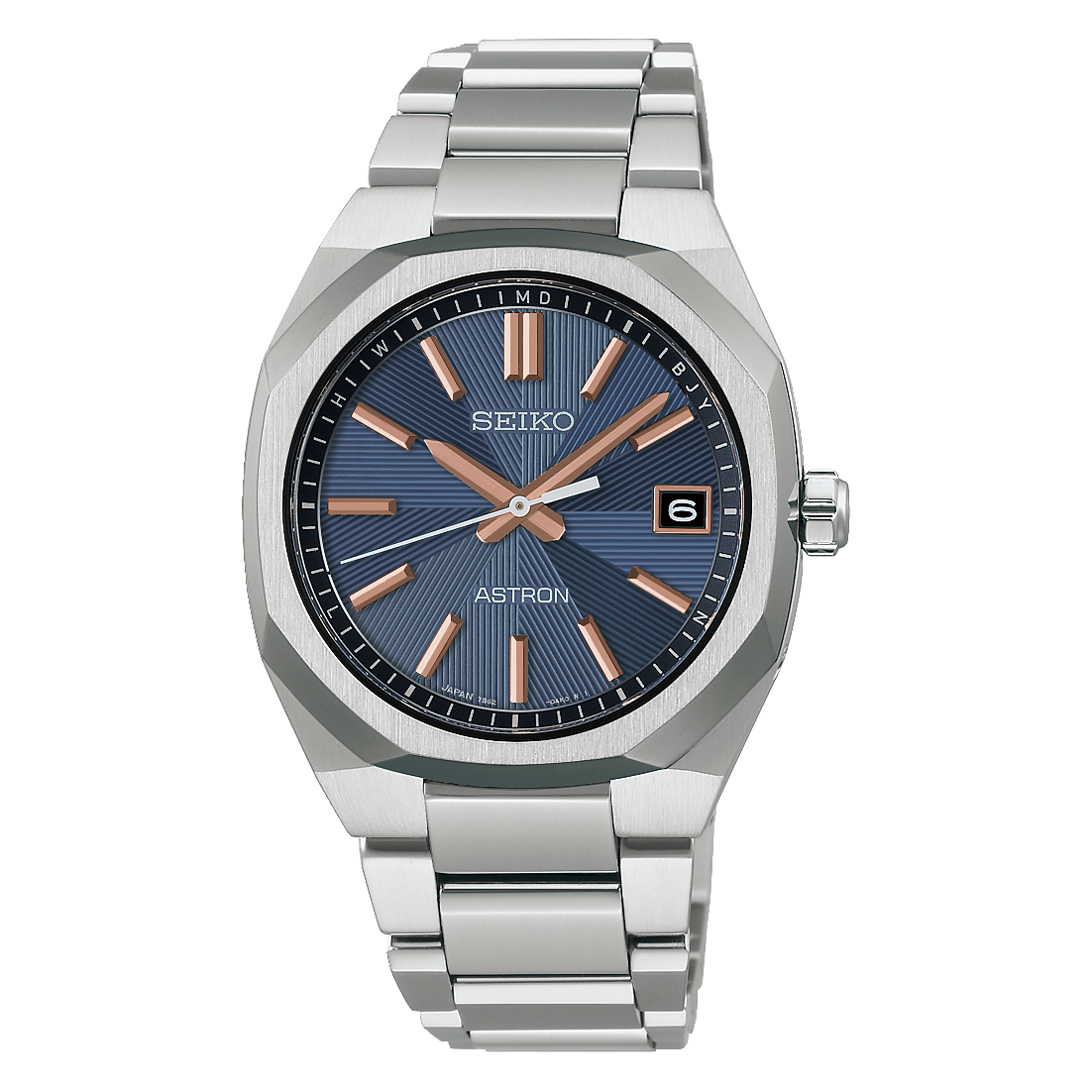
Both feature an octagonal case, with the HAC001 featuring a larger 39.6mm-wide case (45.4mm lug-to-lug), while the HAC002 comes in at a more compact 36mm width. Like the HAD models, they also feature an inner bezel with lettered markings that form part of the radio-controlled timekeeping system.
As mentioned earlier, all four watches are solar-powered. Seiko claims they last up to 9 months on a full charge when stored in the dark or up to 2 years in power-saving mode.
Pricing & Availiability
All four models are set to go on sale in Japan in April. The pricing starts at 176,000 yen (~$1,107) for the HAD001, while the HAD002, HAC001, and HAC002 will set you back 165, 000 yen (~$1,038). The company has yet to reveal global availability or pricing, but we expect to hear more soon.
 Add as a preferred source on Google


