




Samsung develops new sensor technology to eliminate distortion in smartphone action photography
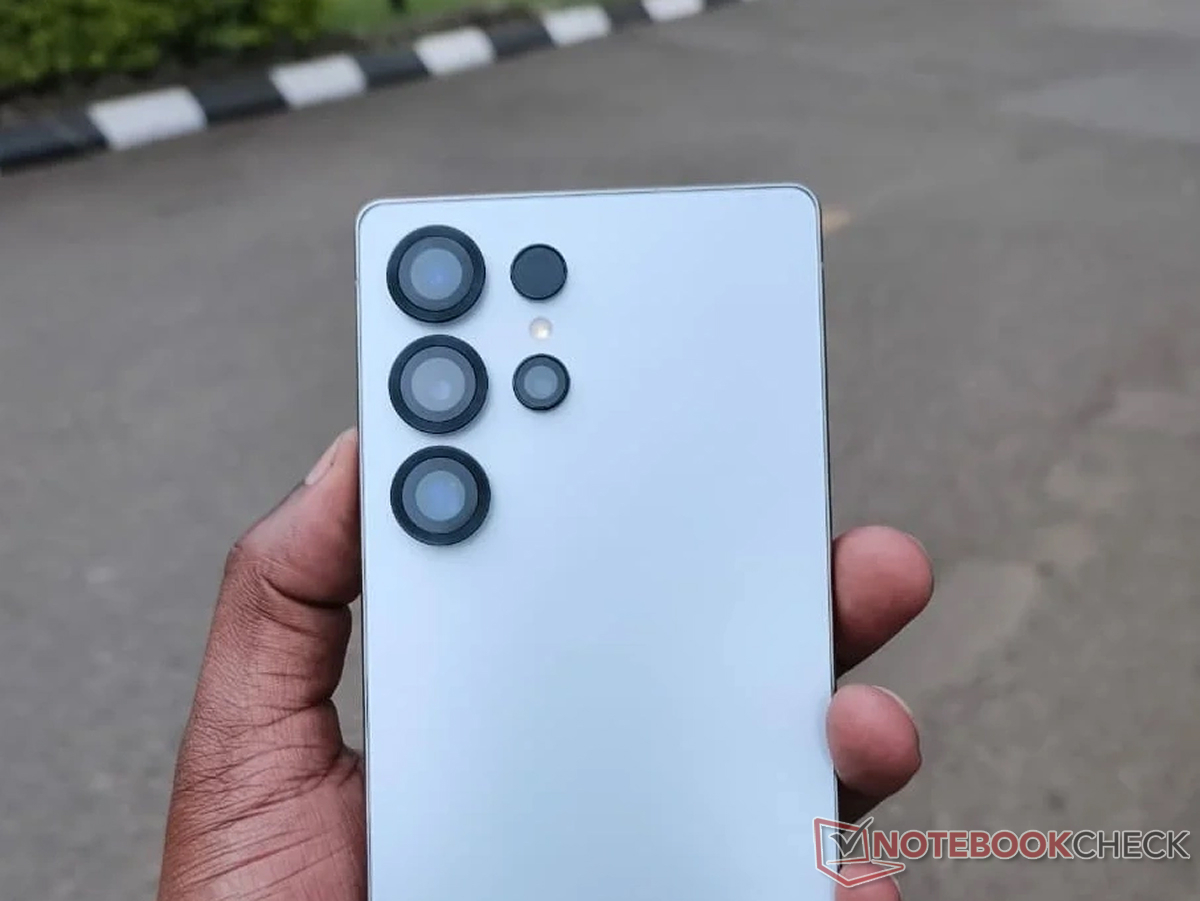
Action photography on smartphones has long suffered from image warping, where fast-moving subjects appear slanted or distorted due to the sequential nature of standard capture methods. Well, according to a new report from Sisa Journal, Samsung may have finally solved this issue by developing a high-resolution global shutter sensor. While virtually all smartphone cameras currently use a rolling shutter that exposes lines of pixels sequentially, this new technology reportedly achieves global shutter-level capabilities, allowing scenes to be frozen instantly.
However, the single biggest advantage of this technology is that it could finally make high-power Xenon flashes viable on smartphones again. Current mobile devices rely on weaker LED flashes because standard rolling shutter sensors are too slow to synchronize with the instantaneous, high-intensity burst of a Xenon strobe without creating dark bands across the photo. By exposing every pixel simultaneously, a global shutter sensor can perfectly capture that split-second flash of light, which would allow users to freeze motion in complete darkness and use professional studio lighting techniques with their phones.
Samsung manages to bypass the low-resolution limitations of traditional global shutters by using a modified rolling shutter mechanism that mimics global performance through a redesigned pixel structure. The outlet explains that an analog-to-digital converter is now embedded directly into the pixels to significantly accelerate the conversion of analog signals to digital data.
A source from Samsung Electronics told Sisa Journal that four pixels share a single converter, which allows the sensor to process information with exceptional speed while an optical flow algorithm mathematically compensates for motion. This sensor features a 12MP resolution and 1.5-micron pixels, which suggests it will likely be an ultrawide or telephoto lens rather than the primary lens on future Galaxy flagships.
Source(s)
 Add as a preferred source on Google


