




Poco X8 Pro Max: Barely faster than the Poco X8 Pro?
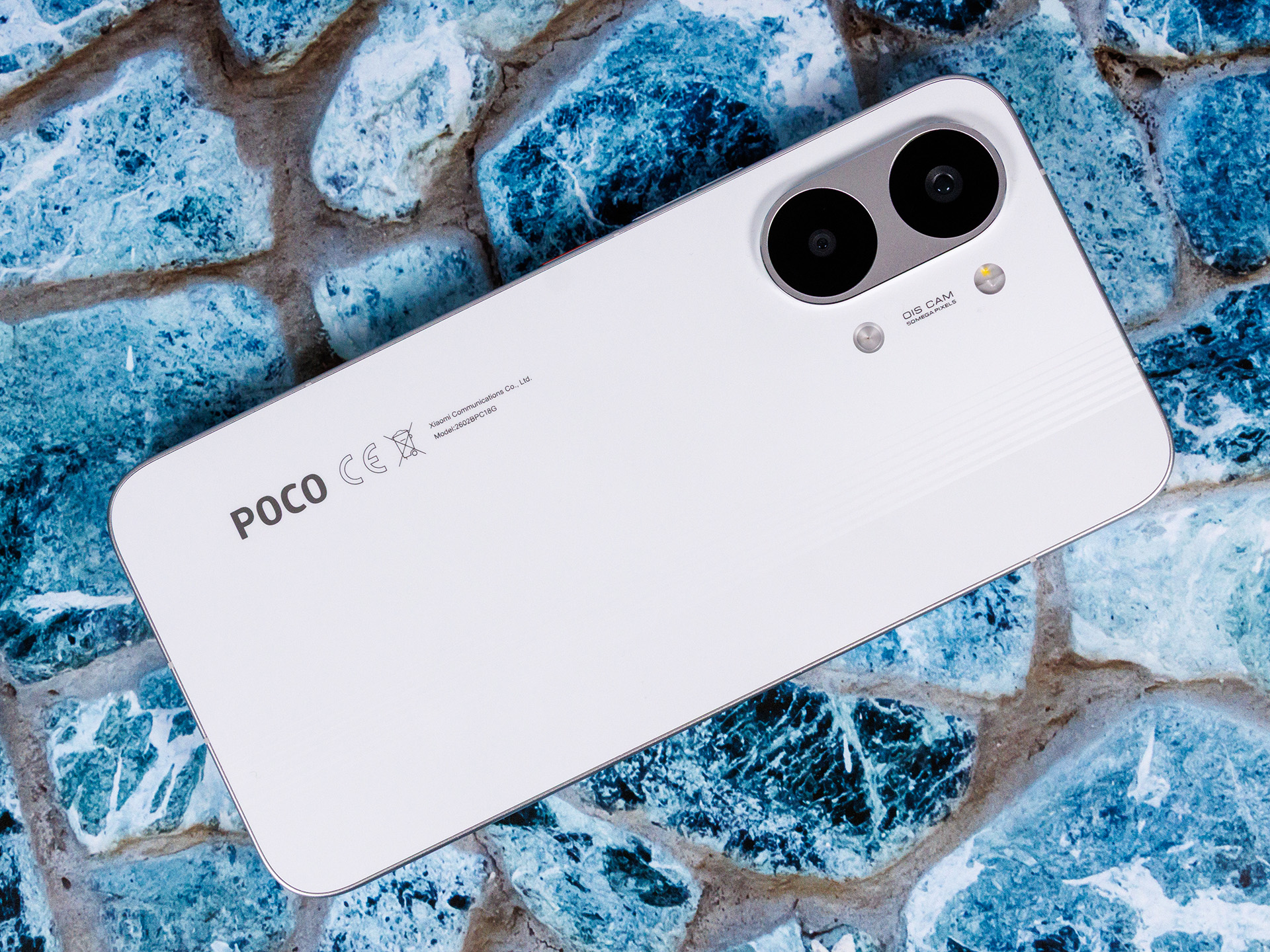
In a direct comparison, the Poco X8 Pro Max clearly distinguishes itself from the Poco X8 Pro, positioning itself as a significantly more powerful variant within the X series. While both devices share the same software foundation (HyperOS 3.0 based on Android 16) and utilize modern memory standards, differences emerge regarding the SoC, graphics performance, and thermal behavior.
The X8 Pro Max uses the MediaTek Dimensity 9500s, which delivers noticeably higher peak performance, especially in CPU-intensive scenarios, than the weaker, lower-performance Dimensity 8500 used in the X8 Pro. The Max model benefits from a significantly more powerful NPU and higher clock speed headroom, especially during multi-core workloads and AI tasks.
GPU performance is also clearly superior in the X8 Pro Max: the Immortalis-G925 MC11 enables higher frame rates in demanding 3D games and supports ray tracing, whereas the X8 Pro reaches its limits more quickly in graphics-intensive scenes. However, this advantage is somewhat tempered by significant thermal throttling in the Max model; under sustained load, performance drops sharply, leaving it only marginally faster in terms of frame rates.
The storage situation presents a mixed picture: while both devices utilize UFS 4.x technology, the X8 Pro Max apparently suffers from reduced storage bandwidth, meaning its theoretical advantages are rarely fully realized in everyday use. The X8 Pro often feels more consistent in this regard, albeit slower.
In practice, this means the X8 Pro Max (buy here on Amazon) offers clearly superior peak performance and is better suited for gaming and computationally intensive applications. The X8 Pro, on the other hand, delivers a more stable, but overall significantly lower performance base without the same thermal dips.
While the performance gap between the SoCs may narrow during some gaming scenarios, the Max clearly takes the lead at high detail settings, especially given its support for ray tracing. Thanks to its higher peak performance across the board, it holds a distinct advantage, particularly over extended periods of use.
 Add as a preferred source on Google


