




Pixel 11 series quietly gets an exclusive haptic feature
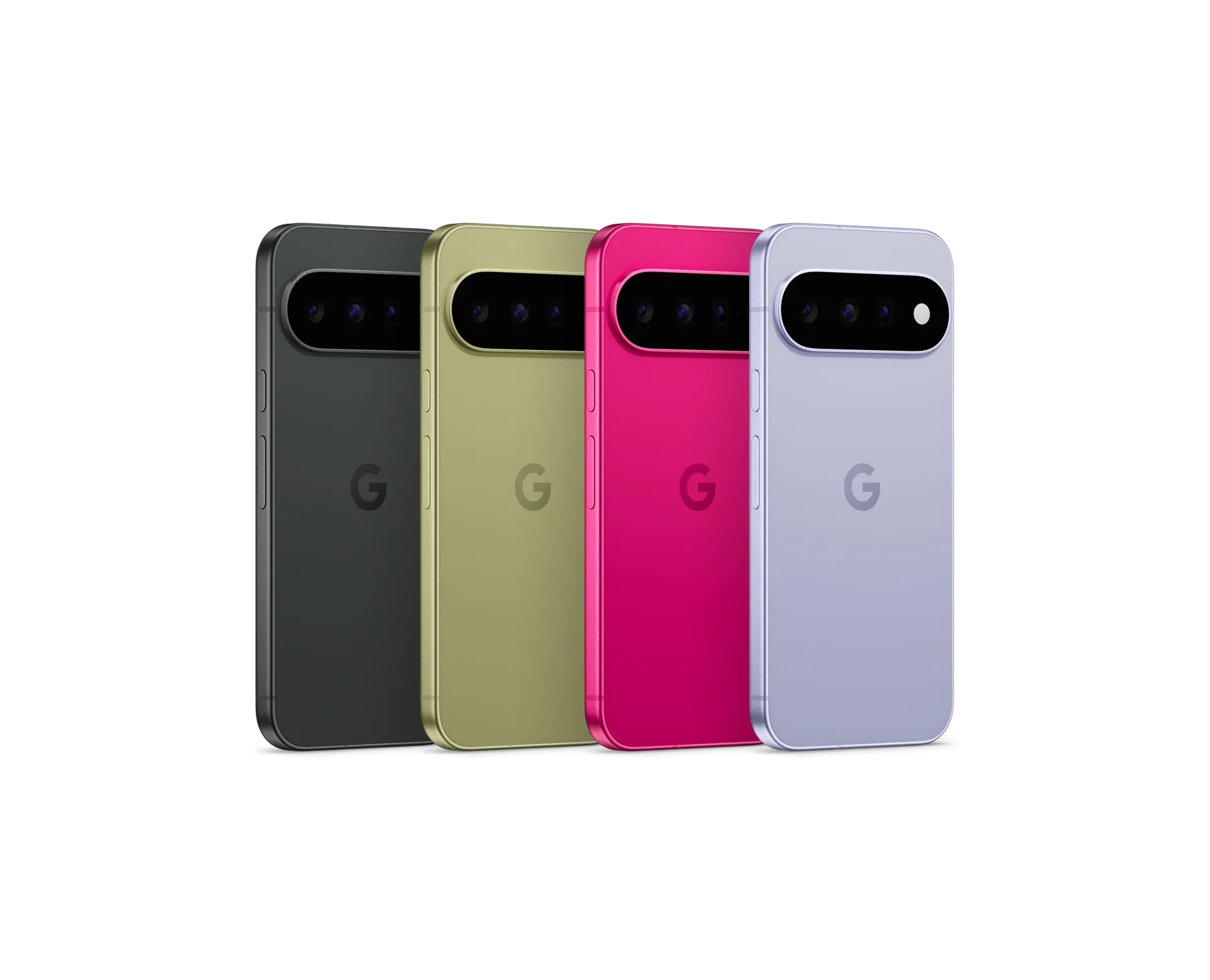
Google has quietly shipped one of the more useful small features on the Pixel 11 series, and it did so without a word in the launch materials. Pixel 11 owners can now choose the vibration pattern their phone uses for calls and notifications and assign a different pattern to individual contacts.
The feature is not new in the sense of being unknown. Android Authority first spotted it early last year in an APK teardown of the Google Sounds app, where an unreleased build showed Google building separate vibration controls for ringtones and notifications. The per contact version turned up later, in September, inside code for Google Contacts. Both have now shipped on the Pixel 11.
Ringtone vibrations sit under Settings, then Sound and vibration, then Ringtone, then Vibration. Google suggests a pattern based on whichever ringtone is selected, so the pairing works out of the box, but the pattern can be swapped for any other in the list. Options include Classic Long Vibration, Heartbeat and Gears, among others, and the vibration can also be adjusted while browsing ringtones in the Sound Collection menu.
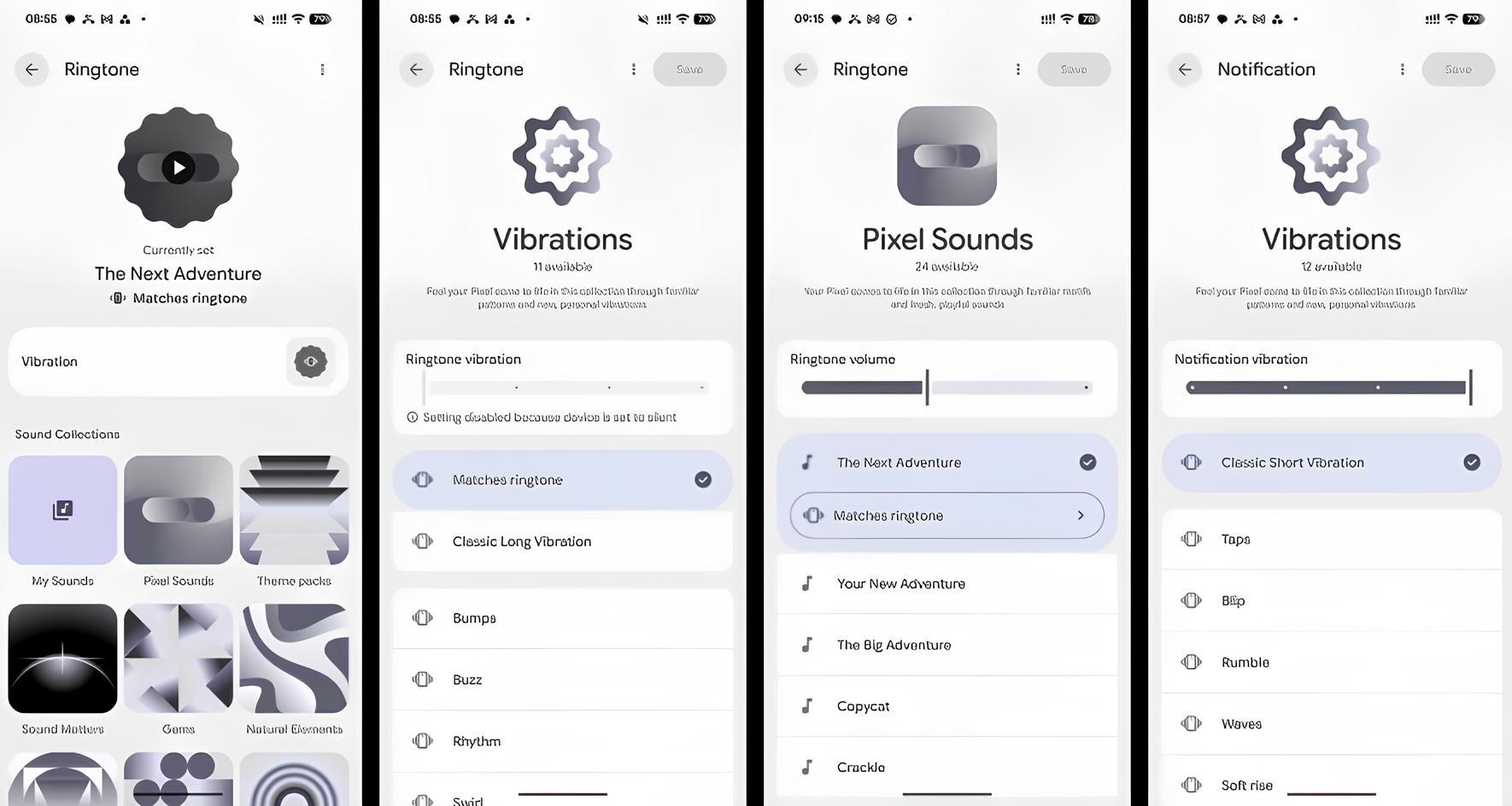
Notifications get their own separate set under Settings, then Sound and Vibration, then Notification, then Vibration, with patterns including Classic Short Vibration, Rattlesnake and Pulse. The patterns differ in character rather than just length. Some are short sharp taps and others run longer, more elaborate sequences, and the names are descriptive enough to guess the feel before trying one.
The contact level control is the part worth the setup time. Open the Contacts app, pick a contact, then tap Contact ringtone followed by Vibration, and the same pattern collection appears. Assign one pattern to a family member and another to a colleague, and the phone becomes readable from a pocket. That is a genuine accessibility win for anyone who keeps a phone on silent, works somewhere loud, or cannot easily glance at a screen.
Google is, however, late to this particular party. Apple has offered custom vibration patterns per contact since iOS 5, and several Android skins have shipped their own versions over the years. What Google has added is a cleaner implementation tied to the Pixel's haptic hardware, which has been among the better motors on Android for several generations.
For now, the feature is exclusive to the Pixel 11 lineup. Google has not said whether it will reach older Pixels in a future Pixel Drop, and there is no obvious hardware reason it could not, since the phones sharing the software also share broadly similar haptic engines. Until Google says otherwise, it stays a Pixel 11 selling point.
Source(s)
 Add as a preferred source on Google


