




Nintendo releasing Switch 2 with easier battery replacement to meet EU repair regulations
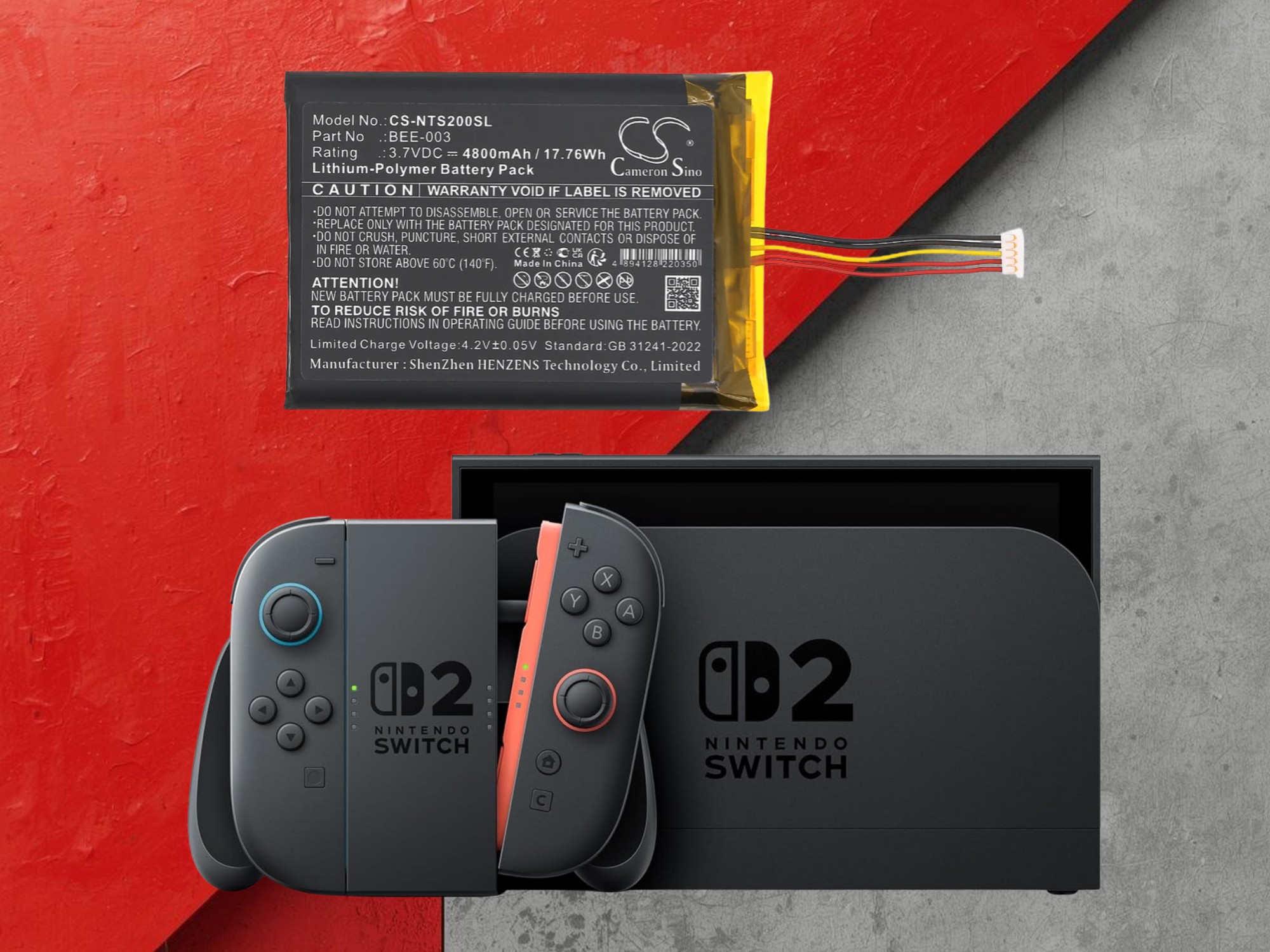
iFixit declared that the Switch 2 is overly difficult to repair, even compared to the original handheld. A reduced capacity or damaged battery is one of the most common service requests made to Nintendo Support. At least in one region, the manufacturer plans to change the Switch 2 specs to make swapping the component more practical.
Nikkei in Japan reports that Nintendo is acting to satisfy EU legislation. Passed in 2024, the Right to Repair directive will become law in July 2026. At the moment, Nintendo only plans to redesign the Switch 2 for the European region. However, in the future, it could make changes that improve repairability in Japan and North America.
Although stick drift is the more pressing concern with the Joy-Con 2, the company also plans to revise the controllers. The accessories along the console contain rechargeable lithium-ion batteries that degrade over time.
In recent years, the EU has adopted other battery-specific regulations. The measures give consumers more repair options with devices like smartphones, tablets, and gaming handhelds. Spare parts should become more available, leading to lower-cost service in homes or local shops. Another motivation for the law is to reduce e-waste when electronics become too challenging or costly to fix.
How problematic is the Switch 2 battery?
Only on the market since June 2025, the reliability and longevity of the Switch 2 battery are largely unknown. So far, reports of often dangerous swelling have been isolated. Still, teardowns have shown that if it fails, many gamers will struggle to repair it. Even after disassembling the handheld, the part is difficult to access and secured with a strong adhesive.
With the memory shortage already a factor, Nintendo’s tweaks to the Switch 2 specs could increase manufacturing costs. In some cases, it’s more affordable for a company to revise a product’s design globally. It’s also unclear if the gaming giant will adjust its warranty policy after complying with the EU regulations.
Source(s)
 Add as a preferred source on Google


