




Lenovo reveals ThinkBook 14+ and 16+ with powerful 8-core AMD Gorgon Point APU and TGX graphics interface

Lenovo has introduced a new variant of the ThinkBook 14+ and 16+ laptops in China, equipped with a high-end AMD Gorgon Point APU. The rest of the system appears to remain unchanged, continuing to boast premium specifications with high-speed eGPU support.
ThinkBook 14+/16+ gets AMD Gorgon Point APU with Zen 5 DNA
The new APU on offer happens to be the AMD Ryzen AI 7 H 450 chip, featuring 4 Zen 5 and 4 Zen 5c cores for a total of 8 cores and 16 threads. Essentially, this chip is a repackaged variant of the outgoing Ryzen AI 7 350 with a 100 MHz higher clock speed and support for faster memory. In leaked Geekbench 6 results, as of this writing, the APU appears to be able to outpace the Apple M4 SoC by a few points.
There is no on-board GPU, forcing the Radeon 860M iGPU to do all the heavy lifting. In intensive workloads where the aging iGPU won't suffice, the ThinkBook 14+/16+ sports a TGX slot for extremely fast eGPU setups similar to OCuLink in terms of overall performance (around 64 Gbps).
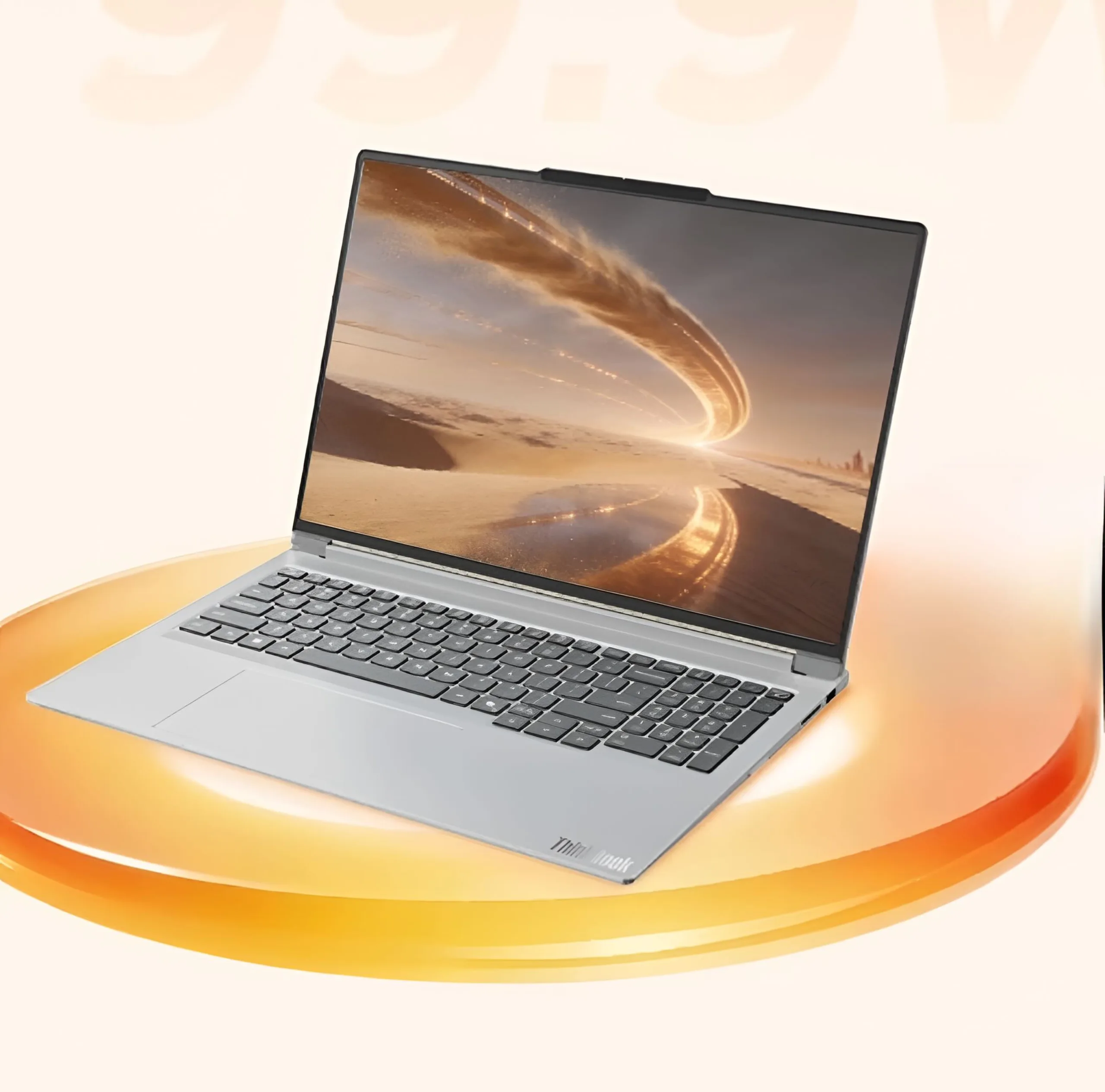
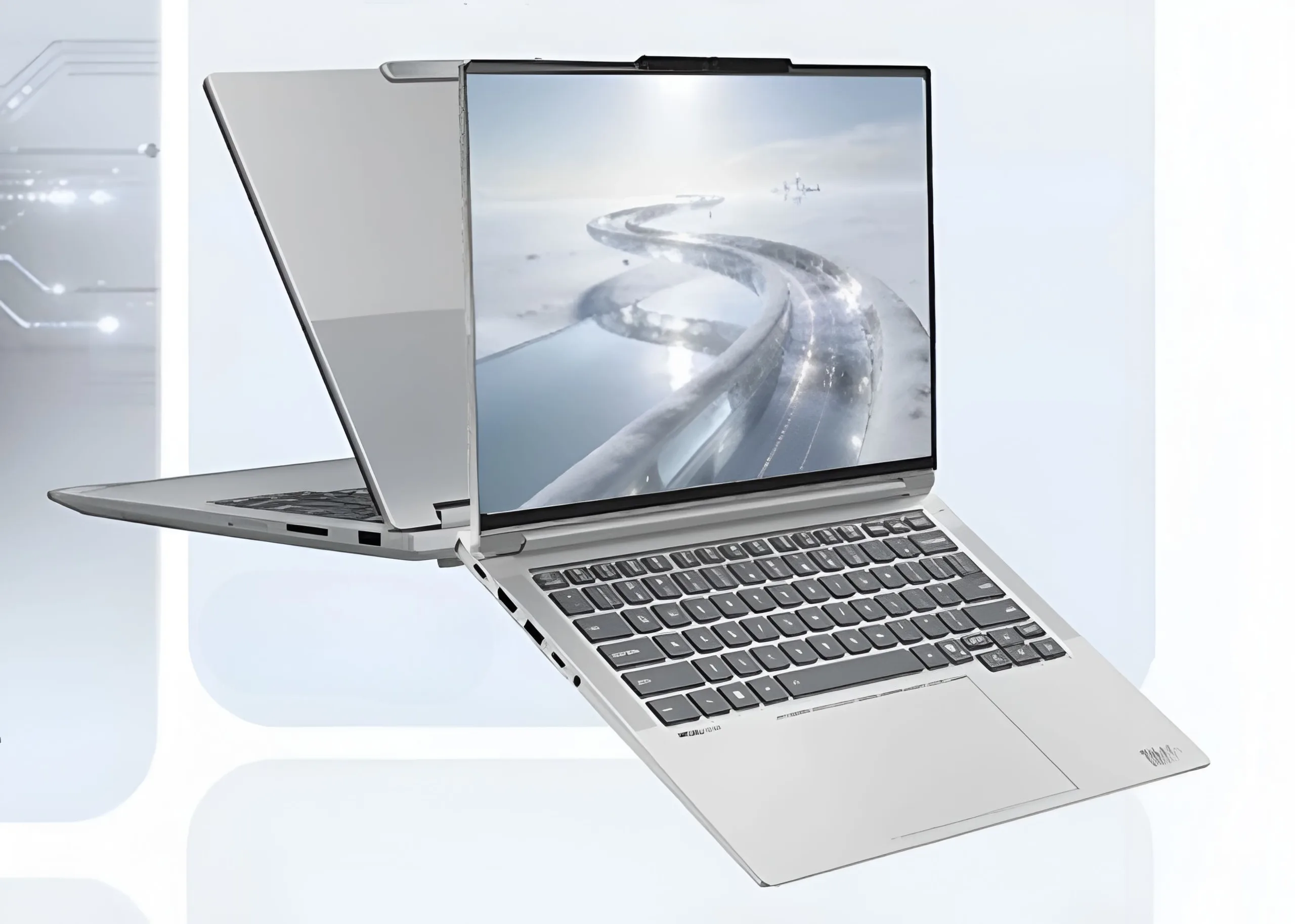
Lenovo's latest 14.5-inch ThinkBook will feature a beautiful 3072 x 1920 120 Hz display with a claimed 100% coverage of the DCI-P3 color gamut, while its larger sibling will boast a 3200 x 2000 display with an ever faster 165 Hz refresh rate. The I/O on offer is pretty solid as well, packing the following ports:
- Dual USB4 Type-C, dual USB 3.2 Gen 1 Type-A
- HDMI 2.1
- Ethernet
- TGX graphics interface
- 3.5 mm audio jack
- SD card slot
Memory and storage requirements are handled by dual-channel LPDDR5X-8533 and dual M.2 2280 slots respectively. Other notable features include an IR camera with Windows Hello support, physical camera shutter, four-speaker audio system, 99.9 Wh battery, WiFi 7, and support for MagicBay accessories.
China-only for the time being
The Lenovo ThinkBook 14+ and 16+ laptops equipped with 32 GB memory and 512 GB storage are already on sale in China, priced at 6,999 Yuan on JD.com, or roughly $1,008. A global launch is not in sight for now, and is rather unlikely.
Source(s)
 Add as a preferred source on Google


