




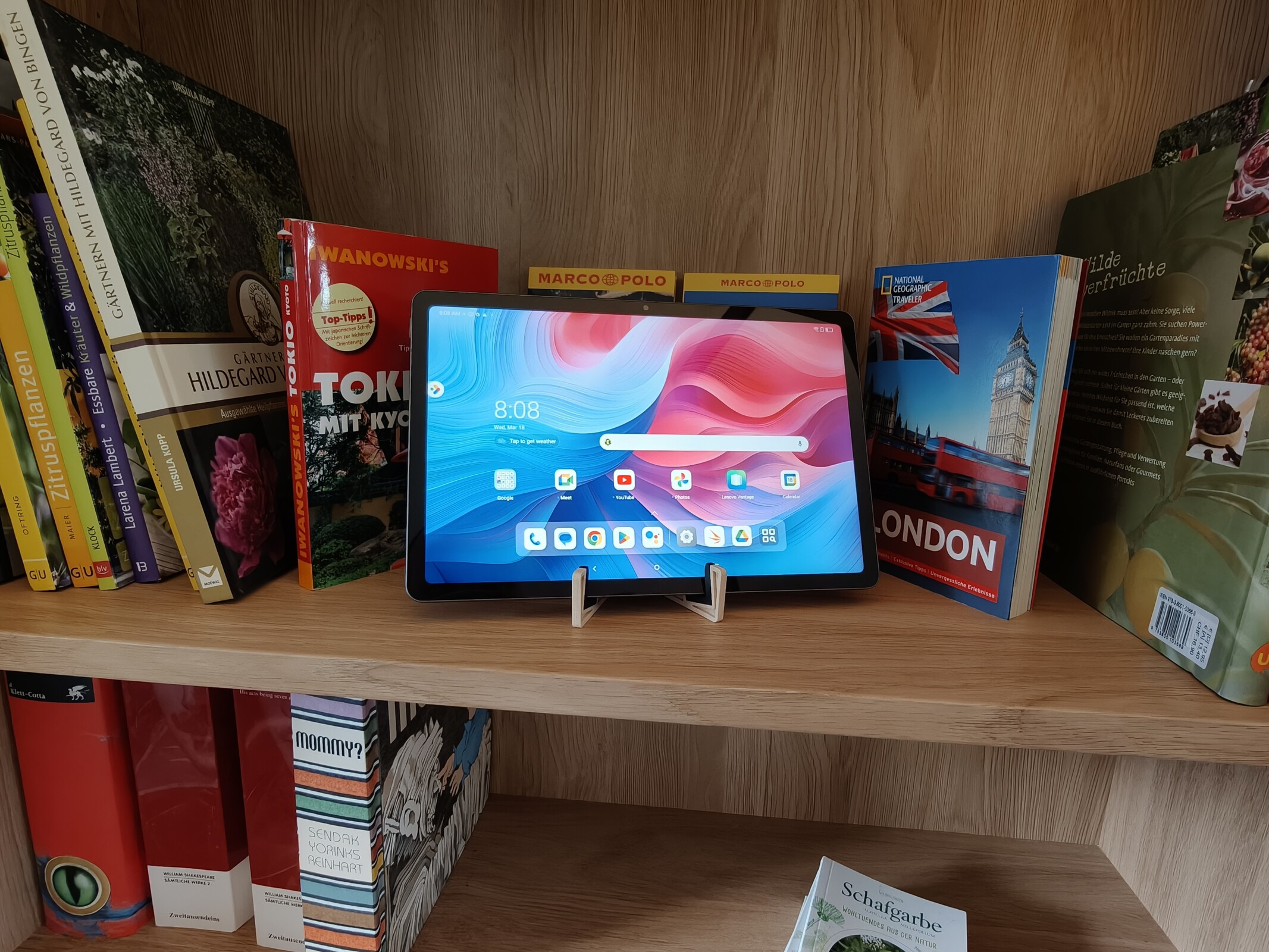
Verdict on the Lenovo Tab K11 Gen 2
The Lenovo Tab K11 Gen 2 is the sister model of the Lenovo Idea Tab but is aimed at a professionals and thus comes with a charger and somewhat slimmed-down software. However, you will have to make do with just a one-year warranty.
Lenovo has improved the cameras somewhat by giving the Tab K11 Gen 2 a 13 MP main camera. It is not a highlight feature for photography fans but is sufficient for undemanding snapshots in everyday life, documenting situations, and scanning documents.
You should check whether the Lenovo Tab Pen is included in your region as it was not included with our review sample. Further investment may therefore be necessary for a stylus.
Two Android OS upgrades and security patches until 2029 are not unusual for the mid-range segment, and business customers may be able to negotiate a longer period directly with the manufacturer. However, according to EU law, Lenovo would actually be obliged to provide significantly longer updates.
The speakers are loud, but sound quite thin. Availability of GPS and 5G are a clear plus. The performance is sufficient, but the battery run times are rather below average.
The Lenovo Tab K11 Gen 2 is an interesting mid-range tablet, but you should compare it with the almost identical Idea Tab to get the best deal.
Pros
Cons
Price and availability
The Lenovo Tab K11 Gen 2 costs around €240 for the higher storage variant directly from Lenovo DE, but may be priced slightly higher at other retailers.
A 128 GB variant of the tablet is currently available from Amazon US for $242.50.

Table of Contents
- Verdict on the Lenovo Tab K11 Gen 2
- Specifications
- Build and features: Tab K11 Gen 2 with metal unibody
- Communication and operation: 5G and satellite positioning available
- Software and sustainability: Updates until 2029
- Cameras: Major upgrades, now with a 13 MP shooter
- Display: Fine display without PWM
- Performance, emissions, and battery life: Mid-range tablet with enough power
- Notebookcheck's overall impressions of the Lenovo Tab K11 Gen 2
- Potential alternatives in comparison
Specifications
Build and features: Tab K11 Gen 2 with metal unibody
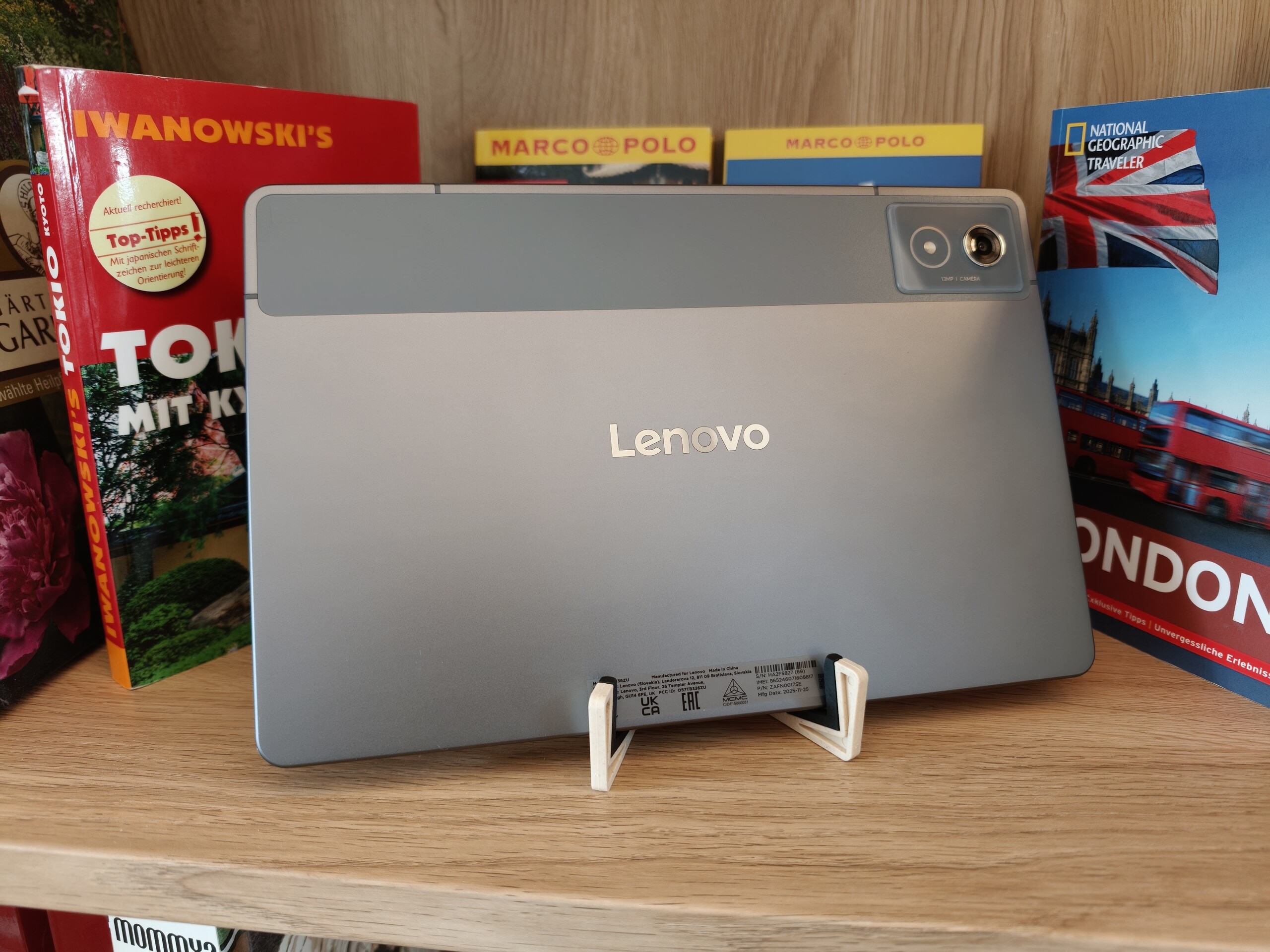
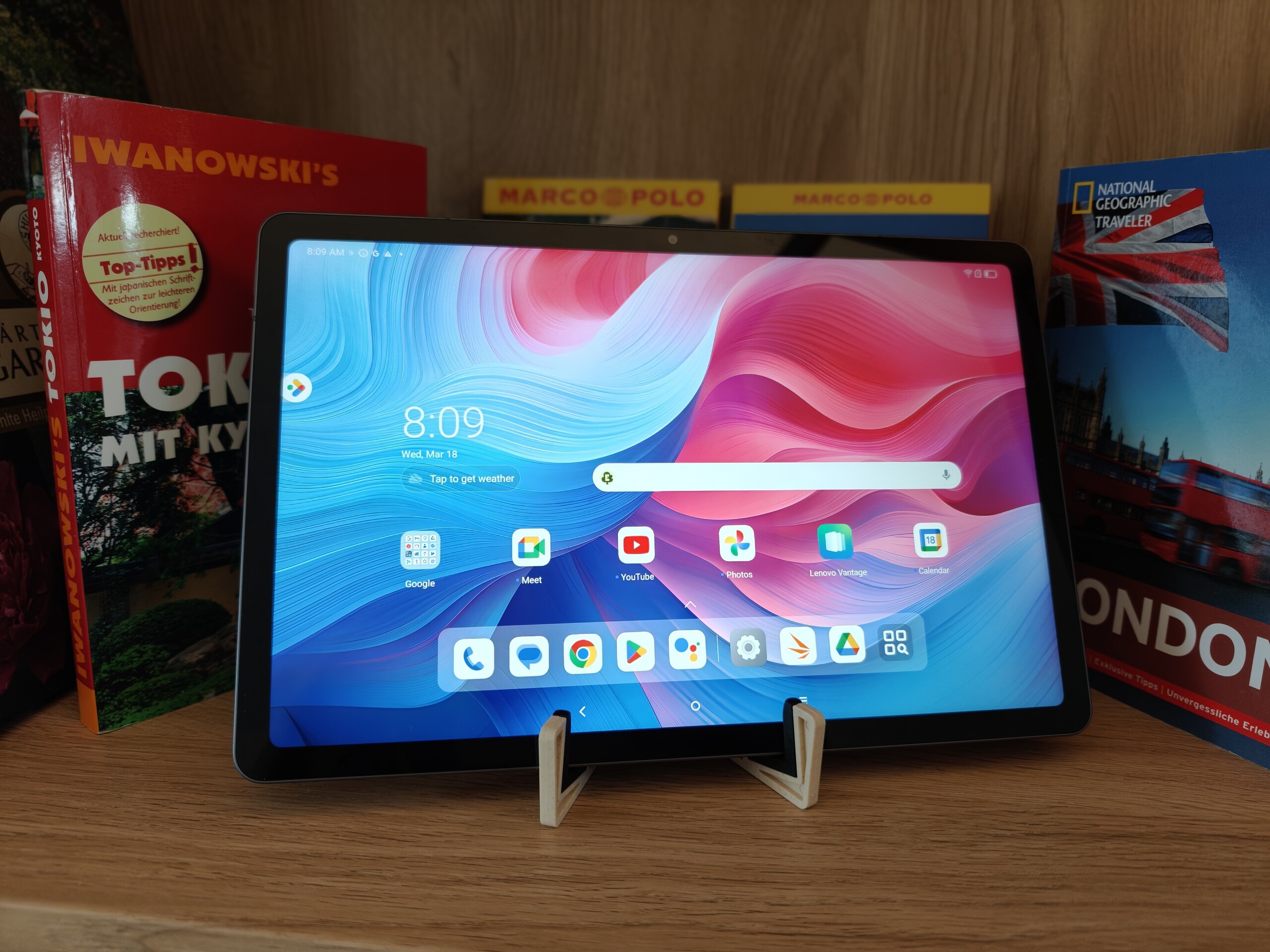
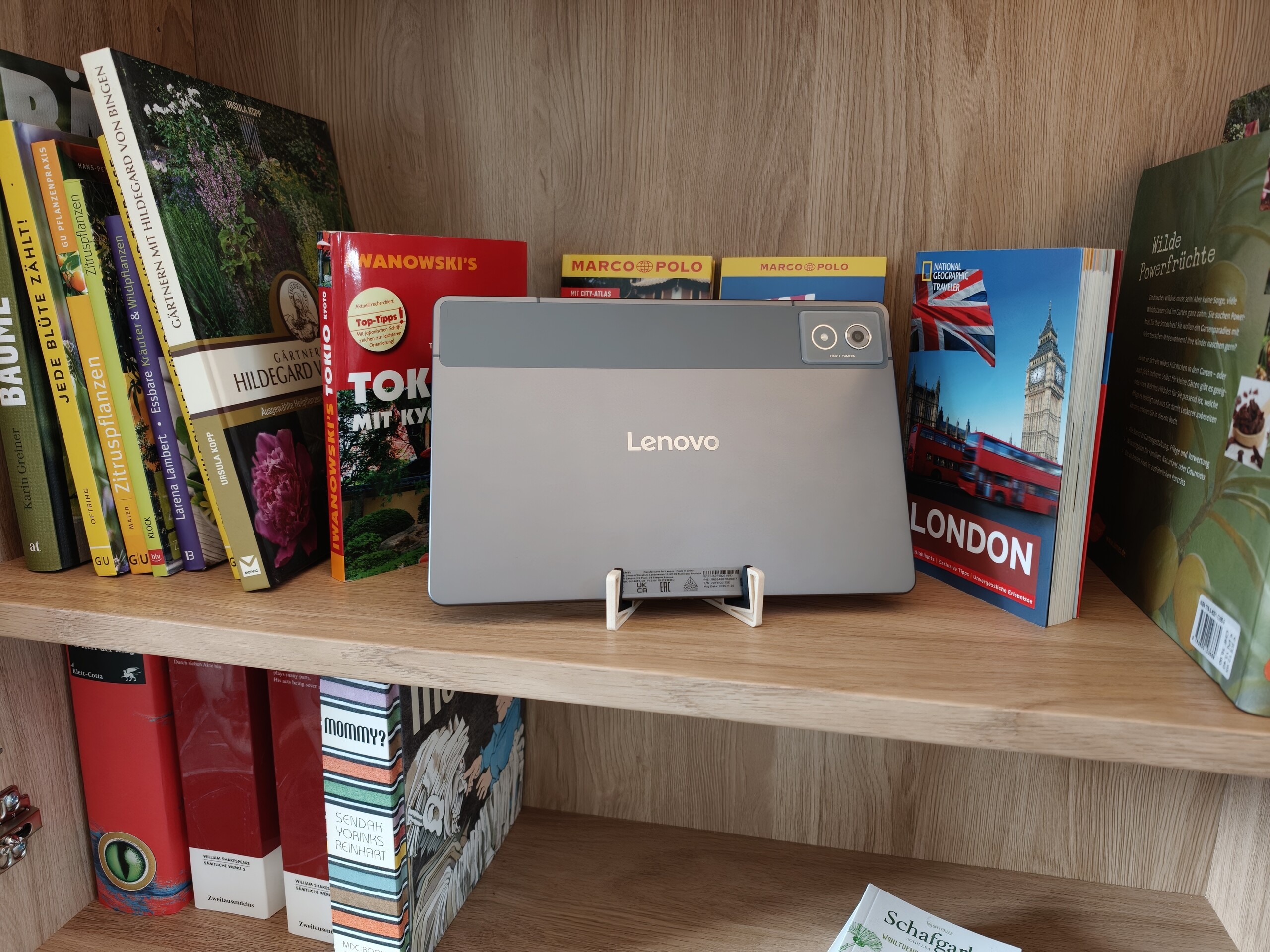
The Lenovo Tab K11 Gen 2 looks very similar to the Lenovo Idea Tab, with the only difference being the camera module. The Tab K11 Gen 2 also sports a metal unibody build, which looks very stylish and high-quality. The stability is good, but slight creaking can be felt when twisted deliberately.
It looks as if the antennas have been elaborately printed on the tablet. However, these are probably only decorative as there is a wide plastic strip across the back for better reception.
There is also supposed to be a version with a matte display, but we were unable to find this online in Central Europe.
The tablet is also available in a 128 GB variant but is mainly sold with 256 GB storage; 8 GB RAM always comes standard. The storage can be expanded via a microSD slot, but it is not very fast.


| SD Card Reader - average JPG Copy Test (av. of 3 runs) | |
| Average of class Tablet (10.2 - 79.2, n=43, last 2 years) | |
| Xiaomi Redmi Pad 2 4G (Angelbird AV Pro V60) | |
| Lenovo Tab K11 Gen 2 (Angelbird V60) | |
| Lenovo Idea Tab (Angelbird V60) | |
Cross Platform Disk Test (CPDT)
Communication and operation: 5G and satellite positioning available
Wi-Fi 5 ensures transfer rates of around 300 Mbps. This is typical for the class and should be sufficient for most applications. However, if you want to make full use of your Gigabit internet connection, you will have to look elsewhere.
The tablet comes with 5G mobile connectivity and can be located via satellite.
The touchscreen responds quickly. The tablet is also compatible with active styluses, but none were included with our test sample.
There is no fingerprint sensor, but 2D facial recognition can be set up via the front camera. This works quite reliably and quickly but is not quite as secure.
| Networking | |
| Lenovo Tab K11 Gen 2 | |
| iperf3 transmit AXE11000 | |
| iperf3 receive AXE11000 | |
| Lenovo Idea Tab | |
| iperf3 transmit AXE11000 | |
| iperf3 receive AXE11000 | |
| Xiaomi Redmi Pad 2 4G | |
| iperf3 transmit AXE11000 | |
| iperf3 receive AXE11000 | |
| Huawei MatePad SE 11 | |
| iperf3 transmit AXE11000 | |
| iperf3 receive AXE11000 | |
| Average 802.11 a/b/g/n/ac | |
| iperf3 transmit AXE11000 | |
| iperf3 receive AXE11000 | |
| Average of class Tablet | |
| iperf3 transmit AXE11000 | |
| iperf3 receive AXE11000 | |
Software and sustainability: Updates until 2029
Android 15 comes preinstalled, and Lenovo promises Android 16 and 17 as well as security updates until 2029. The Tab K11 Gen 2 also has large business customers in mind and therefore comes with more management features and less bloatware, but Lenovo has not completely removed third-party apps used for advertising.
The packaging is plastic-free, and the tablet is certified as easy to repair according to the EU's EPREL database.
Cameras: Major upgrades, now with a 13 MP shooter
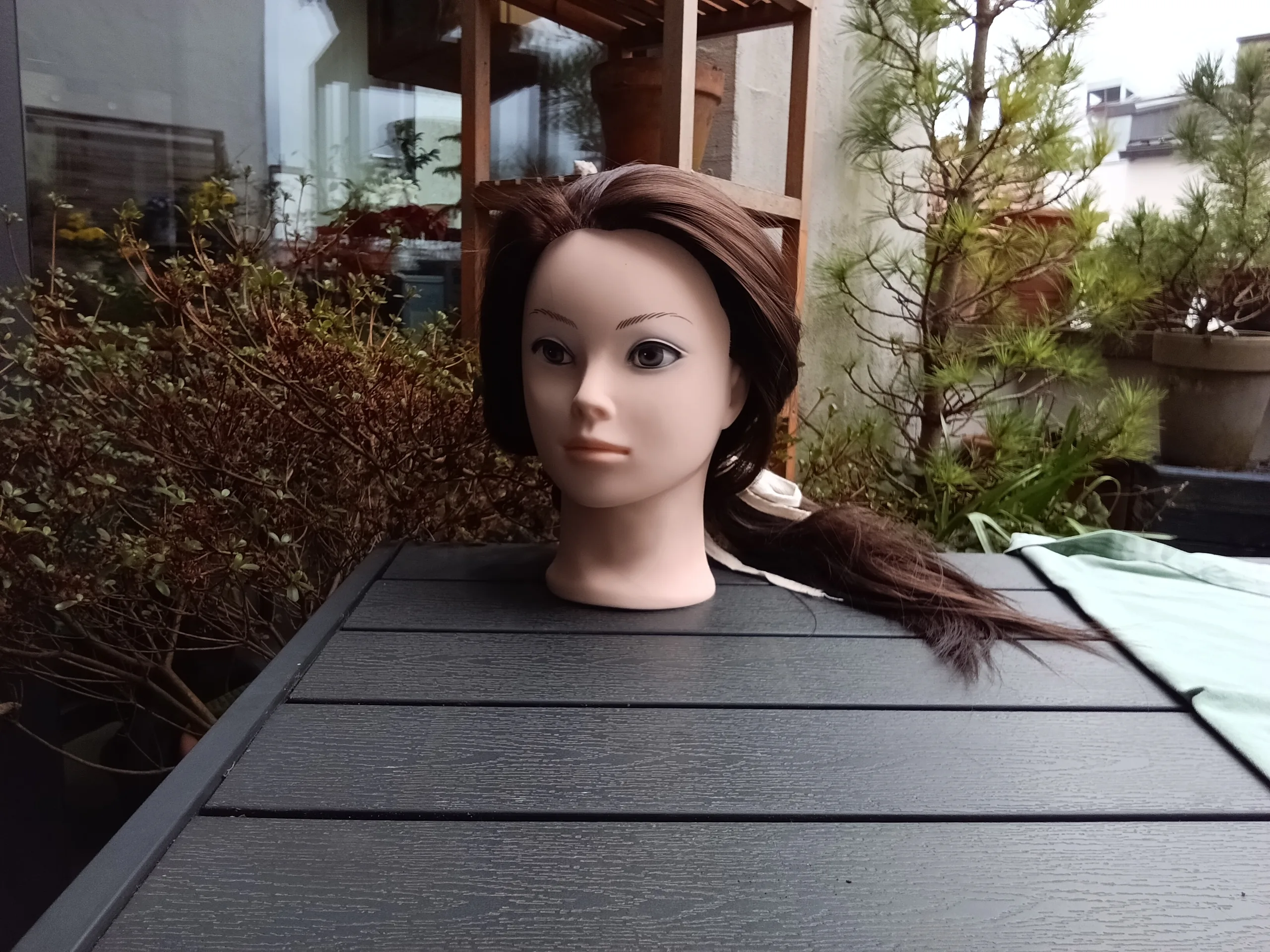
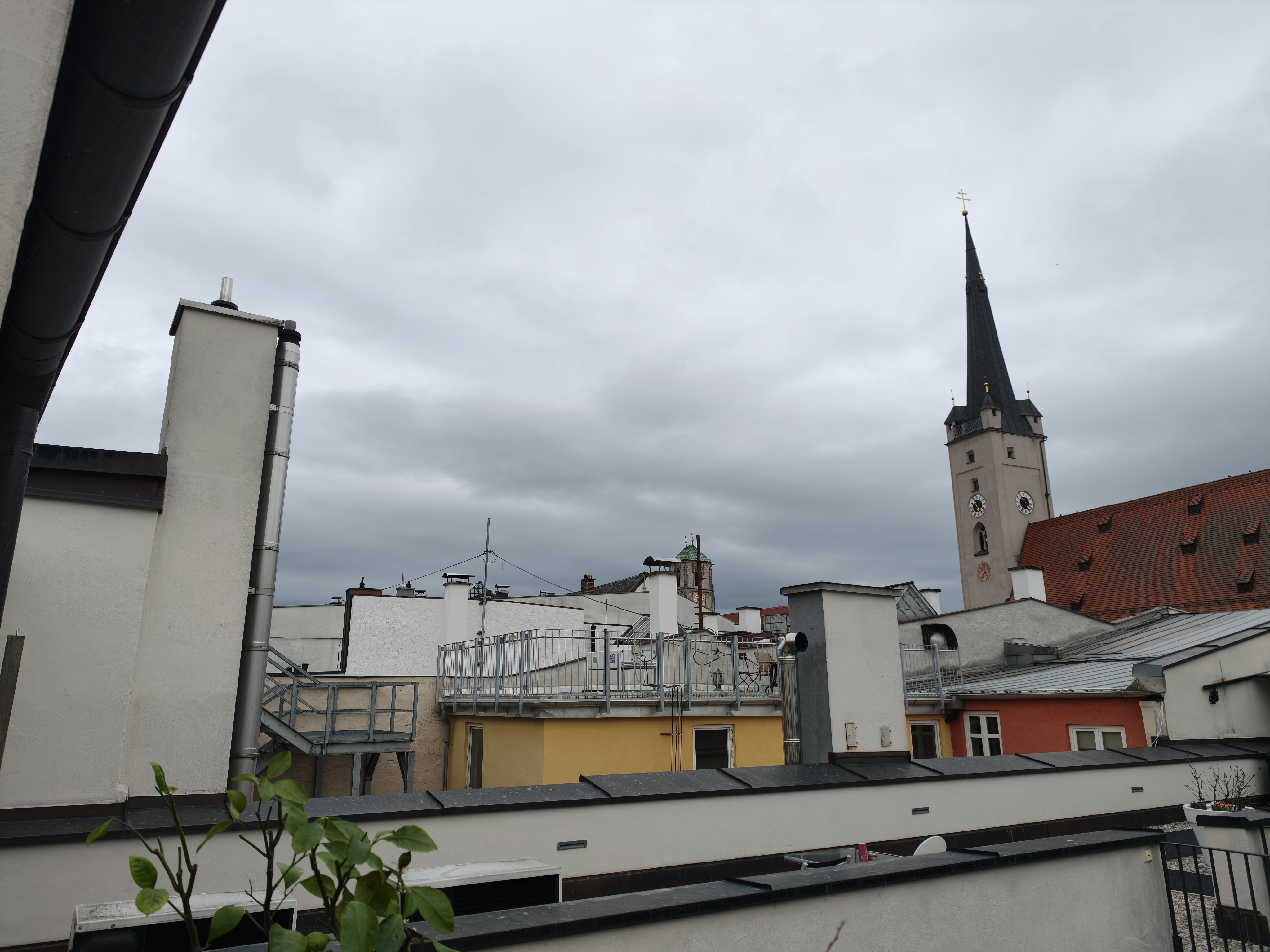
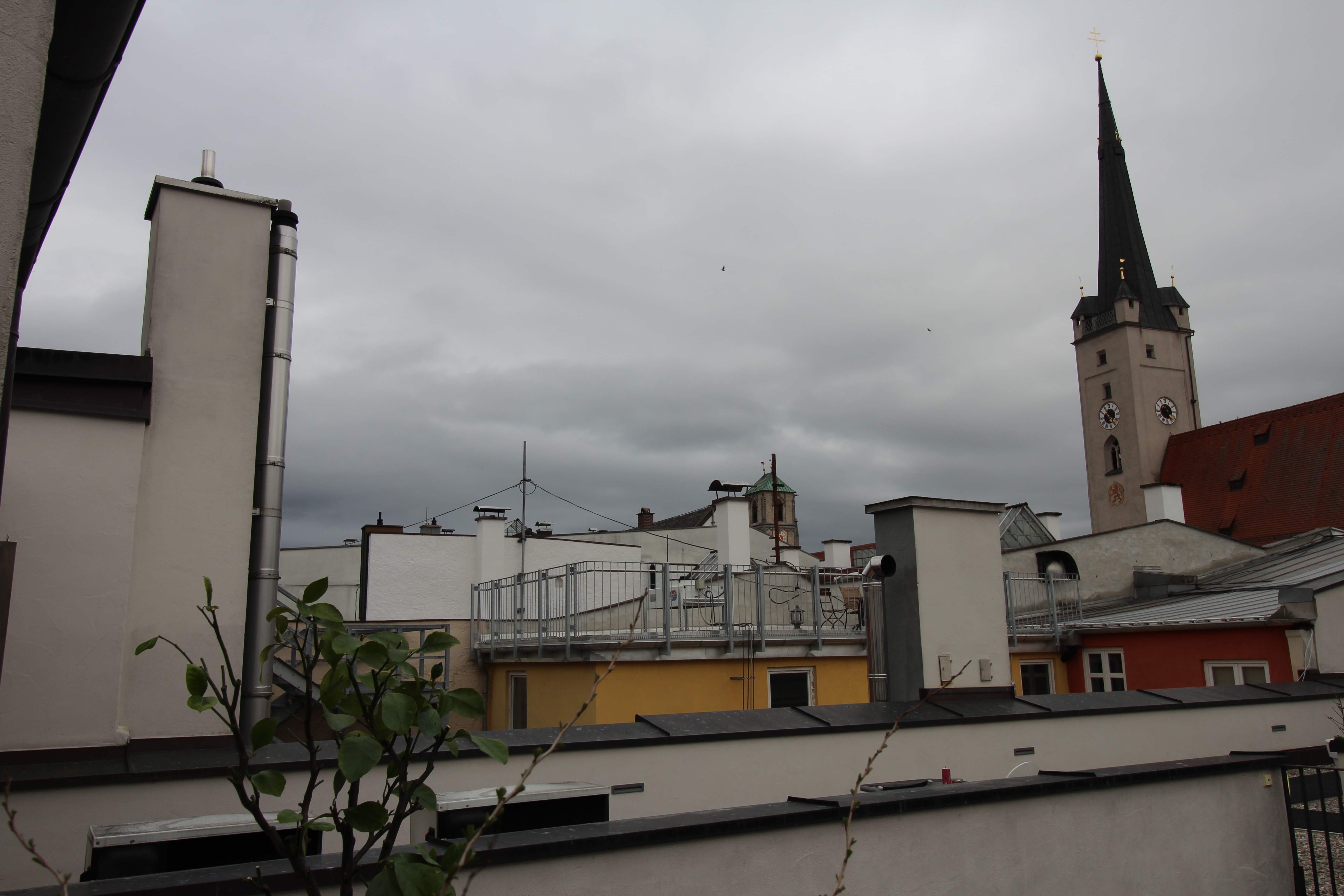
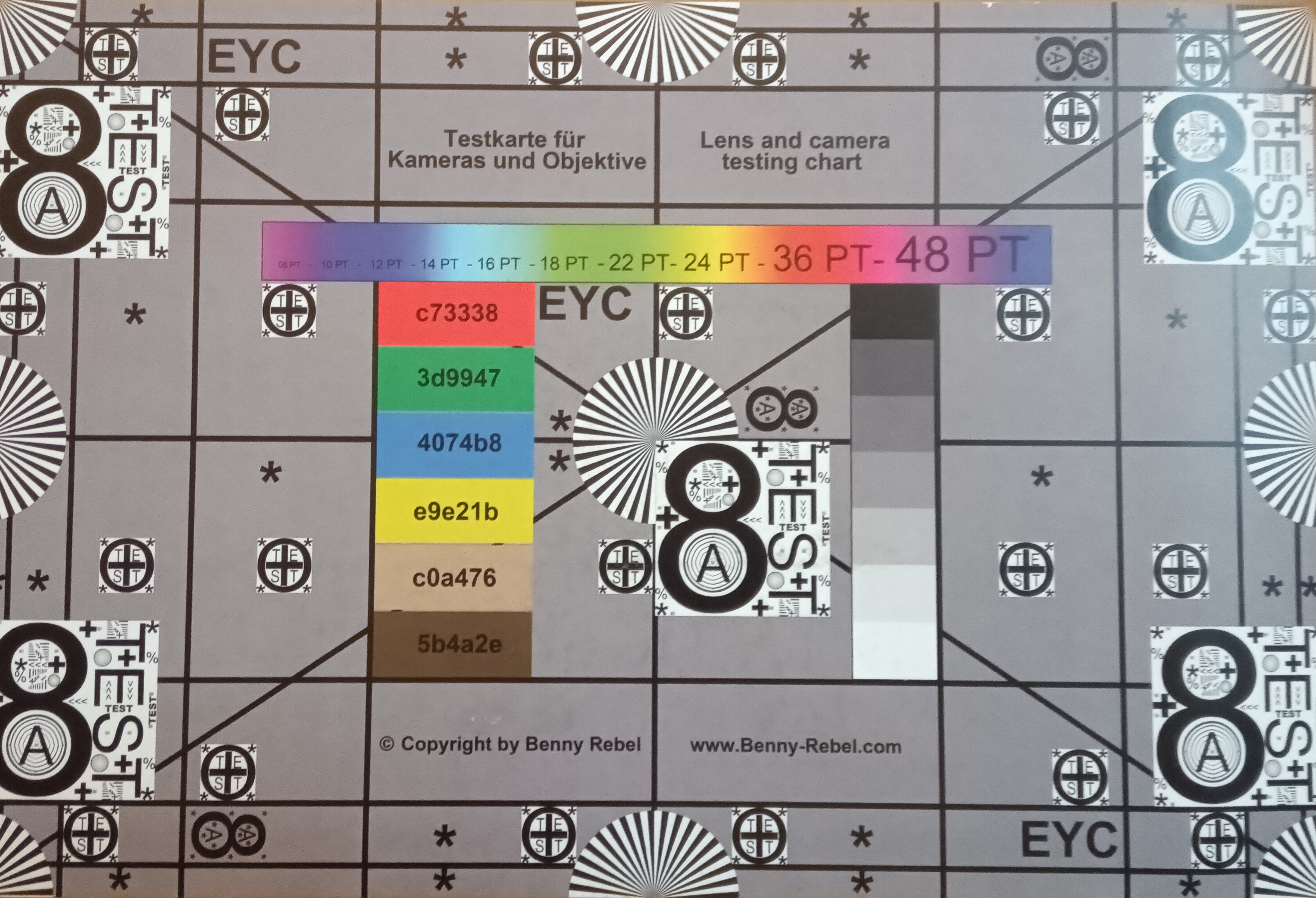
Compared to the Lenovo Idea Tab, the biggest change to the Tab K11 Gen 2 has been made to the camera module. An LED flash is now installed on the back, and the resolution of the main camera is now increased to 13 MP.
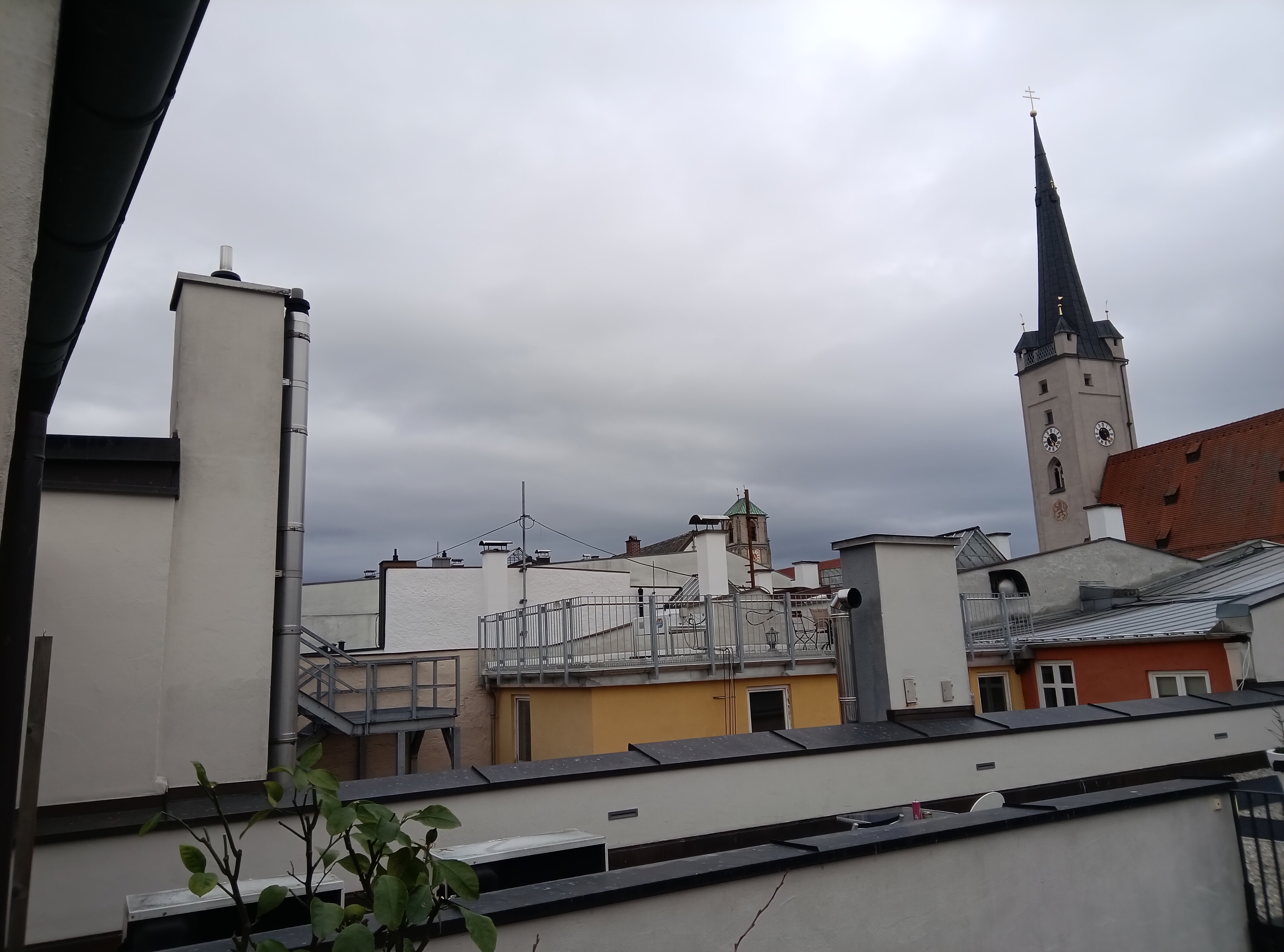
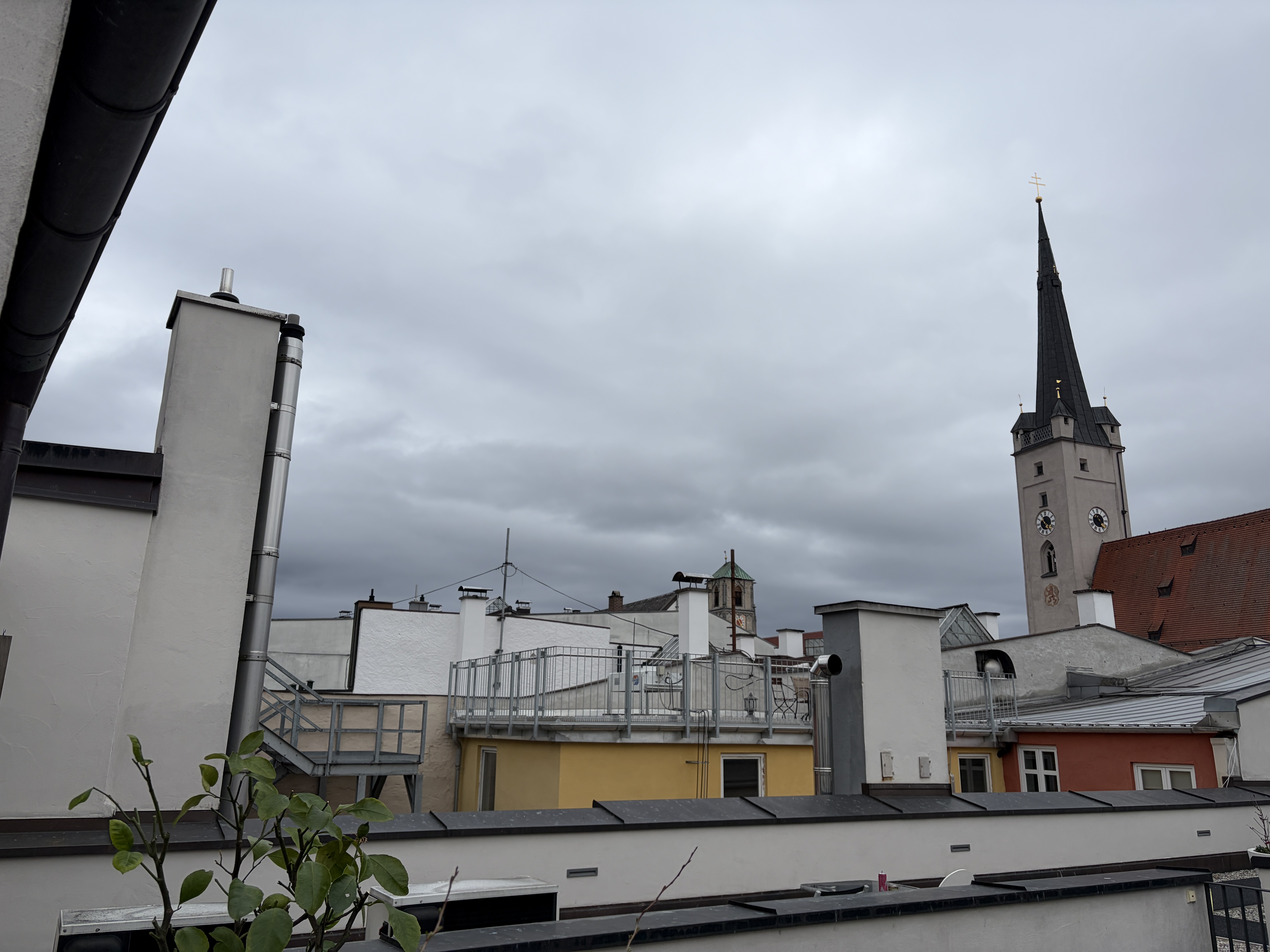
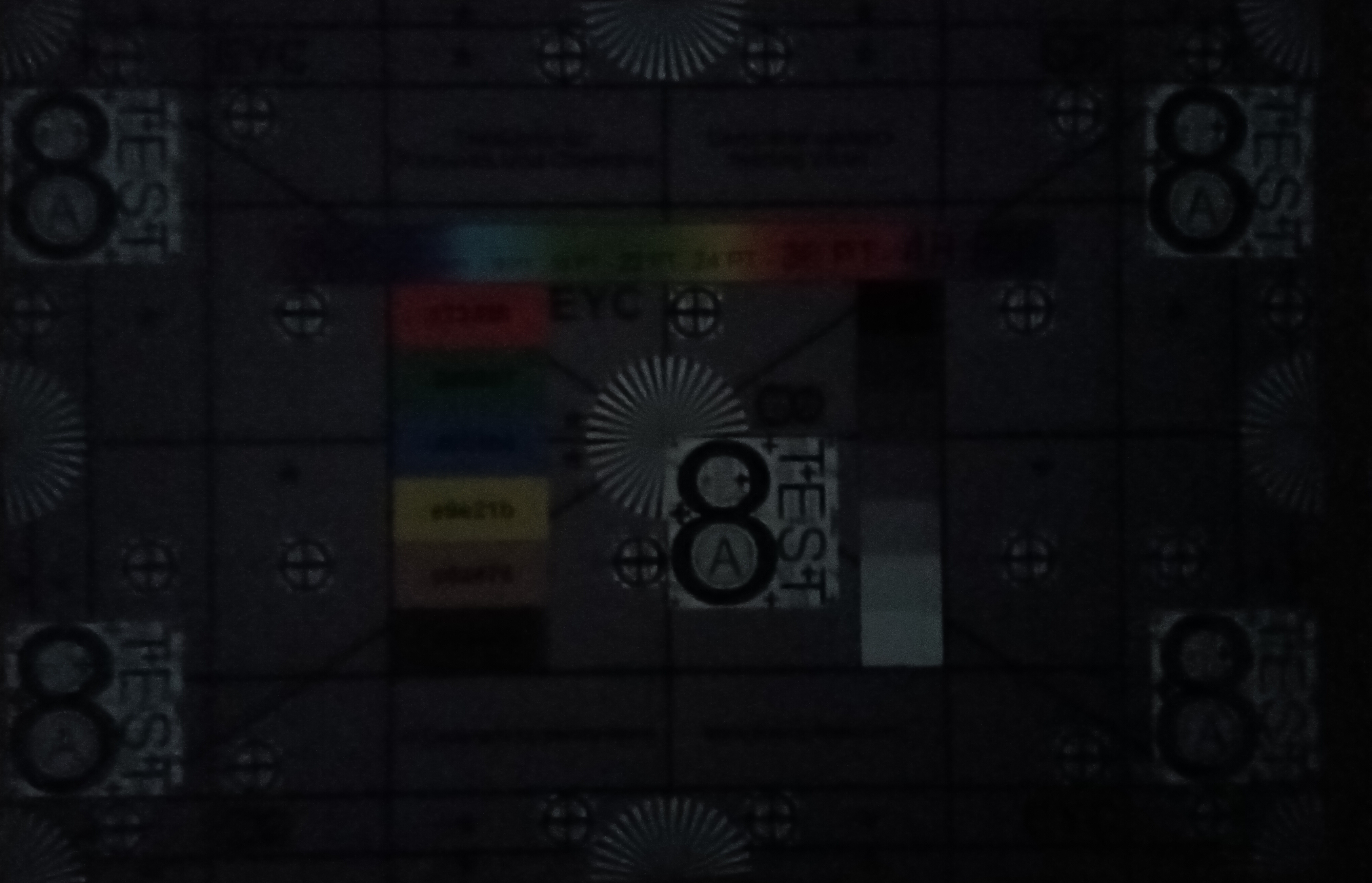
These are nice upgrades and the image quality is sufficient for snapshots in bright ambient light. However, there is little tolerance for darker environments, where the level of detail and sharpness drops quickly.
Also, the front camera now has an 8 MP resolution. The resulting selfies are decent, and the camera is sufficient for video conferencing. However, you should also ensure good lighting here.
Image comparison
Choose a scene and navigate within the first image. One click changes the position on touchscreens. One click on the zoomed-in image opens the original in a new window. The first image shows the scaled photograph of the test device.
Hauptkamera PflanzeHauptkamera UmgebungHauptkamera Low Light












Display: Fine display without PWM
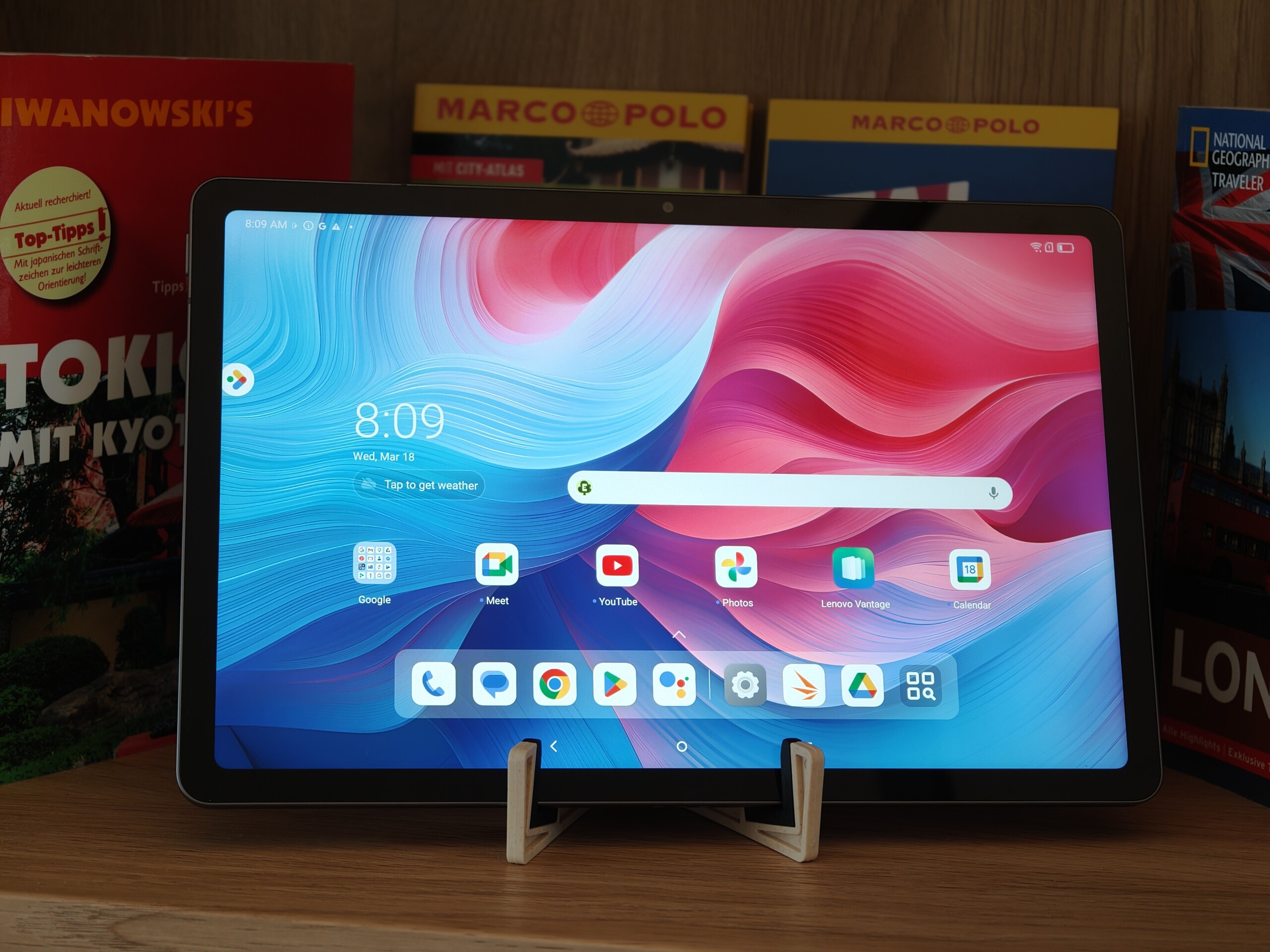
The IPS screen has an average illumination of nearly 400 cd/m². This is sufficient for indoors, but reflections quickly get out of hand outdoors.
We like the high pixel density, which ensures an accurate display.
Lenovo does not use PWM flickering on the screen, so even sensitive users can use the tablet without any issues.
| |||||||||||||||||||||||||
Brightness Distribution: 93 %
Center on Battery: 406 cd/m²
Contrast: 967:1 (Black: 0.42 cd/m²)
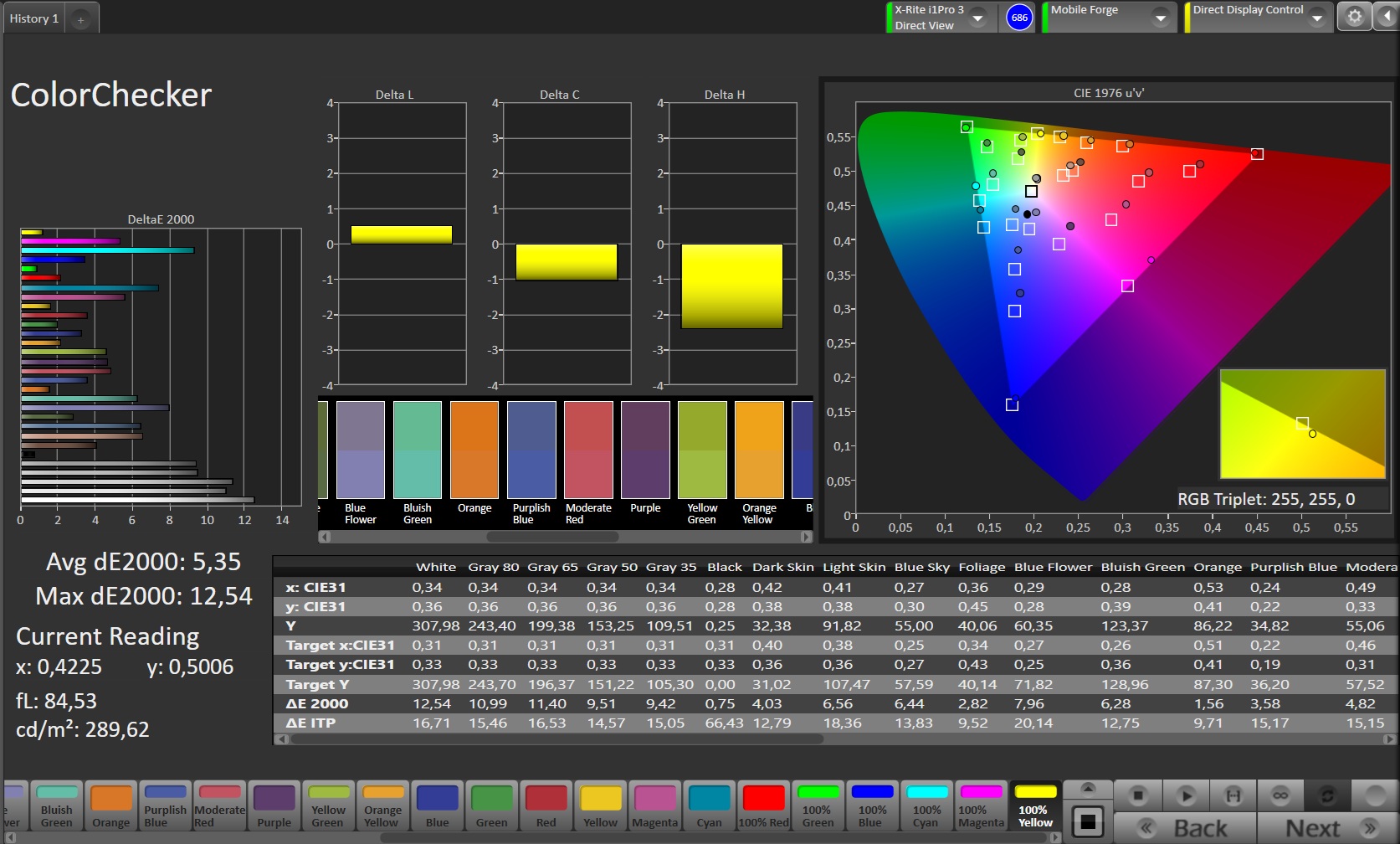
ΔE ColorChecker Calman: 5.35 | ∀{0.5-29.43 Ø4.7}
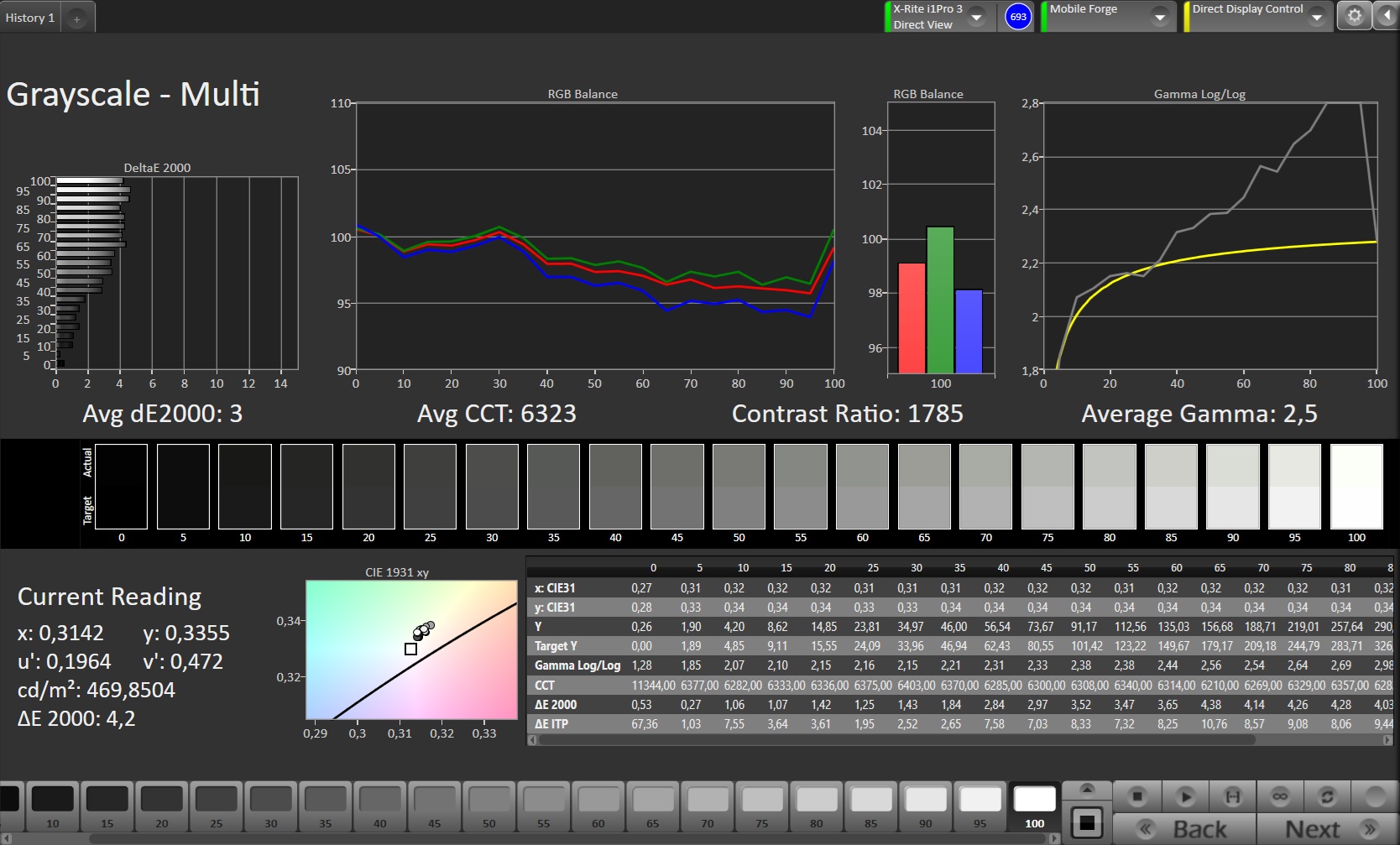
ΔE Greyscale Calman: 3 | ∀{0.09-98 Ø4.95}
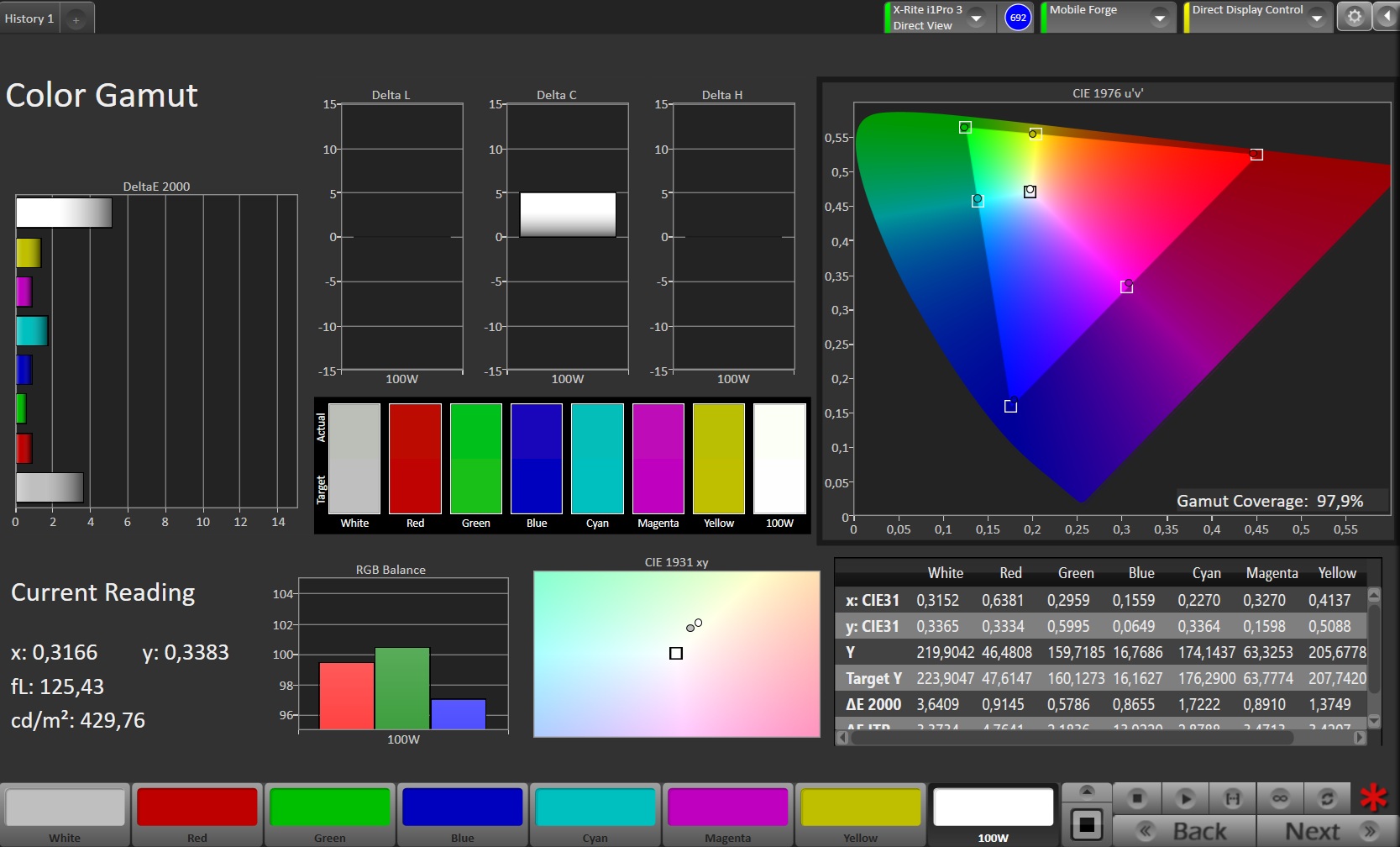
97.9% sRGB (Calman 2D)
Gamma: 2.5
CCT: 6323 K
| Lenovo Tab K11 Gen 2 IPS LCD, 2560x1600, 11" | Lenovo Idea Tab LCD IPS, 2560x1600, 11" | Xiaomi Redmi Pad 2 4G TFT-LCD, 2560x1600, 11" | Huawei MatePad SE 11 LCD, 1900x1200, 11" | |
|---|---|---|---|---|
| Screen | 28% | 24% | 26% | |
| Brightness middle (cd/m²) | 406 | 411 1% | 398 -2% | 461 14% |
| Brightness (cd/m²) | 393 | 392 0% | 354 -10% | 451 15% |
| Brightness Distribution (%) | 93 | 91 -2% | 84 -10% | 87 -6% |
| Black Level * (cd/m²) | 0.42 | 0.39 7% | 0.28 33% | 0.3 29% |
| Contrast (:1) | 967 | 1054 9% | 1421 47% | 1537 59% |
| Colorchecker dE 2000 * | 5.35 | 1.06 80% | 1.6 70% | 2.48 54% |
| Colorchecker dE 2000 max. * | 12.54 | 3.92 69% | 3.2 74% | 4.9 61% |
| Greyscale dE 2000 * | 3 | 1.3 57% | 3.2 -7% | 3.5 -17% |
| Gamma | 2.5 88% | 2.232 99% | 2.67 82% | 2.183 101% |
| CCT | 6323 103% | 6249 104% | 6542 99% | 7471 87% |
* ... smaller is better
| Display / APL18 Peak Brightness | |
| Lenovo Tab K11 Gen 2 | |
| Xiaomi Redmi Pad 2 4G | |
| Display / HDR Peak Brightness | |
| Lenovo Tab K11 Gen 2 | |
| Xiaomi Redmi Pad 2 4G | |
Screen Flickering / PWM (Pulse-Width Modulation)
| Screen flickering / PWM not detected | 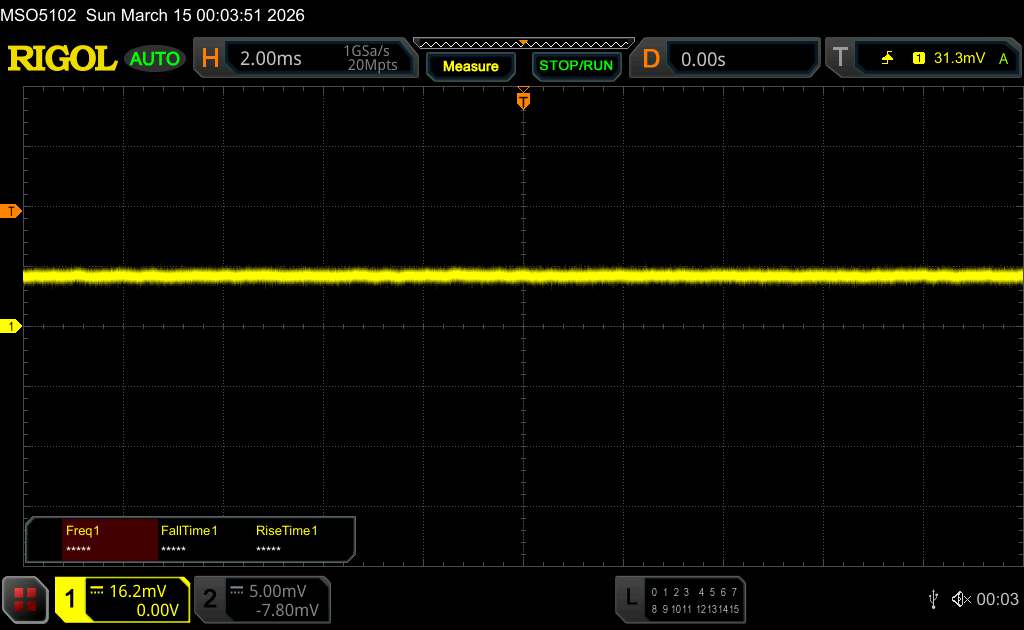 | ||
In comparison: 52 % of all tested devices do not use PWM to dim the display. If PWM was detected, an average of 7656 (minimum: 5 - maximum: 343500) Hz was measured. | |||
Display Response Times
| ↔ Response Time Black to White | ||
|---|---|---|
| 18.8 ms ... rise ↗ and fall ↘ combined | ↗ 12.4 ms rise | 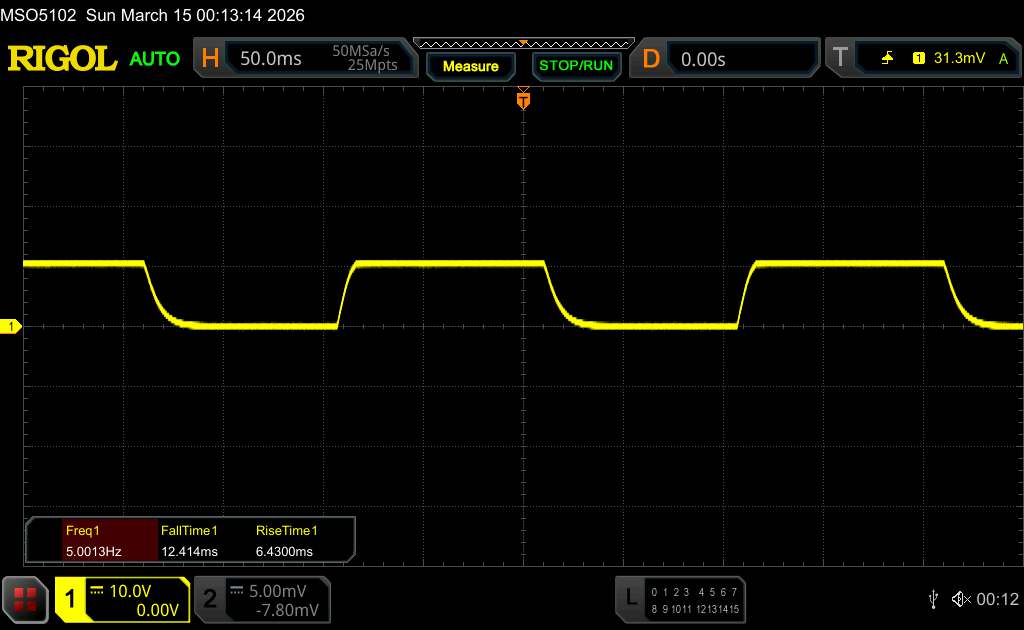 |
| ↘ 6.4 ms fall | ||
| The screen shows good response rates in our tests, but may be too slow for competitive gamers. In comparison, all tested devices range from 0.1 (minimum) to 240 (maximum) ms. » 42 % of all devices are better. This means that the measured response time is similar to the average of all tested devices (19.7 ms). | ||
| ↔ Response Time 50% Grey to 80% Grey | ||
| 38.4 ms ... rise ↗ and fall ↘ combined | ↗ 24 ms rise | 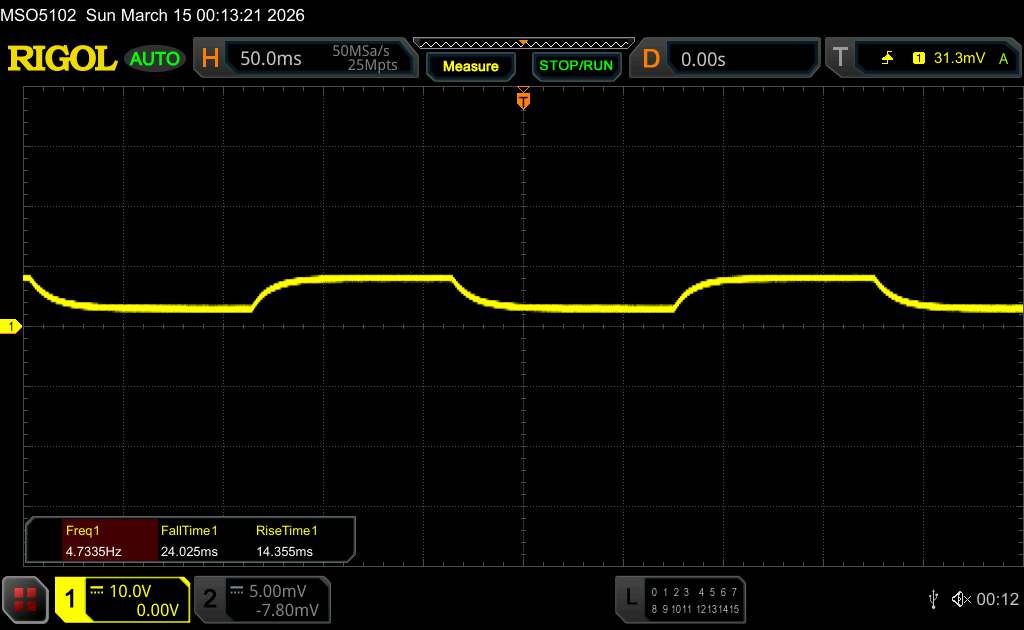 |
| ↘ 14.4 ms fall | ||
| The screen shows slow response rates in our tests and will be unsatisfactory for gamers. In comparison, all tested devices range from 0.13 (minimum) to 636 (maximum) ms. » 58 % of all devices are better. This means that the measured response time is worse than the average of all tested devices (30.8 ms). | ||
Performance, emissions, and battery life: Mid-range tablet with enough power
The MediaTek Dimensity 6300 usually manages smooth operation but offers only limited headroom for very demanding tasks. The tablet is not a gaming ace either, as our test of the near-identical Idea Tab shows.
Faster storage is definitely possible in this price range, but the transfer rates are OK for everyday use.
We did not notice any unpleasant warming of the casing under load, and the tablet's performance remains at a similar level even after several benchmarks.
Lenovo has installed four loudspeakers, which are also much more powerful than in the Idea Tab. Unfortunately, the sound quality has not improved — highs still sound very thin and lows are barely perceptible.
Many audio codecs are supported for playback via Bluetooth. There is also a 3.5 mm audio jack connection, though this is located in the bottom right-hand corner and is quite hidden.
The Tab K11 Gen 2 achieves a battery life of 12:21 hours in our WLAN test. That's usable in everyday use, but other manufacturers offer significantly more. You should also allow for 2 hours of charging time.
| Jetstream 2 - 2.0 Total | |
| Average of class Tablet (48 - 420, n=54, last 2 years) | |
| Average Mediatek Dimensity 6300 (86.7 - 97.2, n=3) | |
| Xiaomi Redmi Pad 2 4G | |
| Huawei MatePad SE 11 | |
| Lenovo Tab K11 Gen 2 | Lenovo Idea Tab | Xiaomi Redmi Pad 2 4G | Huawei MatePad SE 11 | Average 256 GB UFS 2.2 Flash | Average of class Tablet | |
|---|---|---|---|---|---|---|
| AndroBench 3-5 | -2% | 39% | -39% | 30% | 150% | |
| Sequential Read 256KB (MB/s) | 542.3 | 534.11 -2% | 975.3 80% | 528.79 -2% | 902 ? 66% | 2121 ? 291% |
| Sequential Write 256KB (MB/s) | 501.2 | 489.67 -2% | 913.33 82% | 103.41 -79% | 734 ? 46% | 1715 ? 242% |
| Random Read 4KB (MB/s) | 232.1 | 226.81 -2% | 214.81 -7% | 166.24 -28% | 225 ? -3% | 280 ? 21% |
| Random Write 4KB (MB/s) | 229.1 | 227.97 0% | 228.14 0% | 119.02 -48% | 250 ? 9% | 331 ? 44% |
(+) The maximum temperature on the upper side is 35.6 °C / 96 F, compared to the average of 33.7 °C / 93 F, ranging from 20.7 to 53.2 °C for the class Tablet.
(+) The bottom heats up to a maximum of 37.3 °C / 99 F, compared to the average of 33.2 °C / 92 F
(+) In idle usage, the average temperature for the upper side is 25.3 °C / 78 F, compared to the device average of 30 °C / 86 F.
3DMark Stress Tests
| 3DMark | |
| Wild Life Stress Test Stability | |
| Lenovo Tab K11 Gen 2 | |
| Lenovo Idea Tab | |
| Huawei MatePad SE 11 | |
| Xiaomi Redmi Pad 2 4G | |
| Wild Life Extreme Stress Test | |
| Lenovo Tab K11 Gen 2 | |
| Lenovo Idea Tab | |
| Huawei MatePad SE 11 | |
| Steel Nomad Light Stress Test Stability | |
| Lenovo Idea Tab | |
| Xiaomi Redmi Pad 2 4G | |
| Lenovo Tab K11 Gen 2 | |
Lenovo Tab K11 Gen 2 audio analysis
(+) | speakers can play relatively loud (92.5 dB)
Bass 100 - 315 Hz
(-) | nearly no bass - on average 16.2% lower than median
(±) | linearity of bass is average (8.2% delta to prev. frequency)
Mids 400 - 2000 Hz
(±) | higher mids - on average 6.4% higher than median
(±) | linearity of mids is average (8.7% delta to prev. frequency)
Highs 2 - 16 kHz
(+) | balanced highs - only 2.3% away from median
(+) | highs are linear (4.6% delta to prev. frequency)
Overall 100 - 16.000 Hz
(±) | linearity of overall sound is average (18.2% difference to median)
Compared to same class
» 47% of all tested devices in this class were better, 6% similar, 47% worse
» The best had a delta of 7%, average was 21%, worst was 130%
Compared to all devices tested
» 40% of all tested devices were better, 8% similar, 53% worse
» The best had a delta of 4%, average was 23%, worst was 136%
Lenovo Idea Tab audio analysis
(+) | speakers can play relatively loud (83.7 dB)
Bass 100 - 315 Hz
(-) | nearly no bass - on average 22.4% lower than median
(±) | linearity of bass is average (9.9% delta to prev. frequency)
Mids 400 - 2000 Hz
(±) | higher mids - on average 6.8% higher than median
(±) | linearity of mids is average (7.3% delta to prev. frequency)
Highs 2 - 16 kHz
(±) | higher highs - on average 5.6% higher than median
(±) | linearity of highs is average (12.6% delta to prev. frequency)
Overall 100 - 16.000 Hz
(±) | linearity of overall sound is average (20.2% difference to median)
Compared to same class
» 57% of all tested devices in this class were better, 8% similar, 35% worse
» The best had a delta of 7%, average was 21%, worst was 130%
Compared to all devices tested
» 53% of all tested devices were better, 8% similar, 39% worse
» The best had a delta of 4%, average was 23%, worst was 136%
| Lenovo Tab K11 Gen 2 7040 mAh | Lenovo Idea Tab 7040 mAh | Xiaomi Redmi Pad 2 4G 9000 mAh | Huawei MatePad SE 11 7700 mAh | |
|---|---|---|---|---|
| Battery runtime | 2% | 30% | 13% | |
| Reader / Idle (h) | 28 | 28.4 1% | 33.2 19% | |
| WiFi v1.3 (h) | 12.4 | 12.3 -1% | 16.1 30% | 15.5 25% |
| Load (h) | 4.4 | 4.6 5% | 4.2 -5% | |
| H.264 (h) | 13.3 | 15.9 |
Notebookcheck's overall impressions of the Lenovo Tab K11 Gen 2
The Lenovo Tab K11 Gen 2 offers a fine display, 5G, and GPS as well as pen input. You should compare offers for the Lenovo Idea Tab, as the two tablets are very similar.

Lenovo Tab K11 Gen 2
- 03/18/2026 v8
Florian Schmitt
 Total Sustainability Score:
 Potential alternatives in comparison
Image | Model / Review | Price | Weight | Drive | Display |
|---|---|---|---|---|---|
1. 77.9%  | Lenovo Tab K11 Gen 2 Mediatek Dimensity 6300 ⎘ ARM Mali-G57 MP2 ⎘ 8 GB Memory, 256 GB UFS 2.2 | Amazon: $812.90 List Price: 270€ | 480 g | 256 GB UFS 2.2 Flash | 11.00" 2560x1600 274 PPI IPS LCD |
2. 78%  | Lenovo Idea Tab Mediatek Dimensity 6300 ⎘ ARM Mali-G57 MP2 ⎘ 8 GB Memory, 128 GB UFS 2.2 | List Price: 200€ | 480 g | 128 GB UFS 2.2 Flash | 11.00" 2560x1600 274 PPI LCD IPS |
3. 77.6% 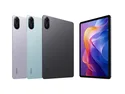 | Xiaomi Redmi Pad 2 4G Mediatek Helio G100 ⎘ ARM Mali-G57 MP2 ⎘ 8 GB Memory, 256 GB UFS 2.2 | Amazon: | 519 g | 256 GB UFS 2.2 Flash | 11.00" 2560x1600 274 PPI TFT-LCD |
4. 76.2%  | Huawei MatePad SE 11 HiSilicon Kirin 710A ⎘ ARM Mali-G51 MP4 ⎘ 6 GB Memory, 128 GB UFS 2.0 | List Price: 219€ | 475 g | 128 GB UFS 2.0 Flash | 11.00" 1900x1200 204 PPI LCD |
Transparency
The selection of devices to be reviewed is made by our editorial team. The test sample was freely purchased by the author at his/her own expense. The lender had no influence on this review, nor did the manufacturer receive a copy of this review before publication. There was no obligation to publish this review. As an independent media company, Notebookcheck is not subjected to the authority of manufacturers, retailers or publishers.
This is how Notebookcheck is testing
Every year, Notebookcheck independently reviews hundreds of laptops and smartphones using standardized procedures to ensure that all results are comparable. We have continuously developed our test methods for around 20 years and set industry standards in the process. In our test labs, high-quality measuring equipment is utilized by experienced technicians and editors. These tests involve a multi-stage validation process. Our complex rating system is based on hundreds of well-founded measurements and benchmarks, which maintains objectivity. Further information on our test methods can be found here.
 Add as a preferred source on Google


