




HP ZBook 8 G1i 14 – A 14-inch creator workstation with seven display options to choose from
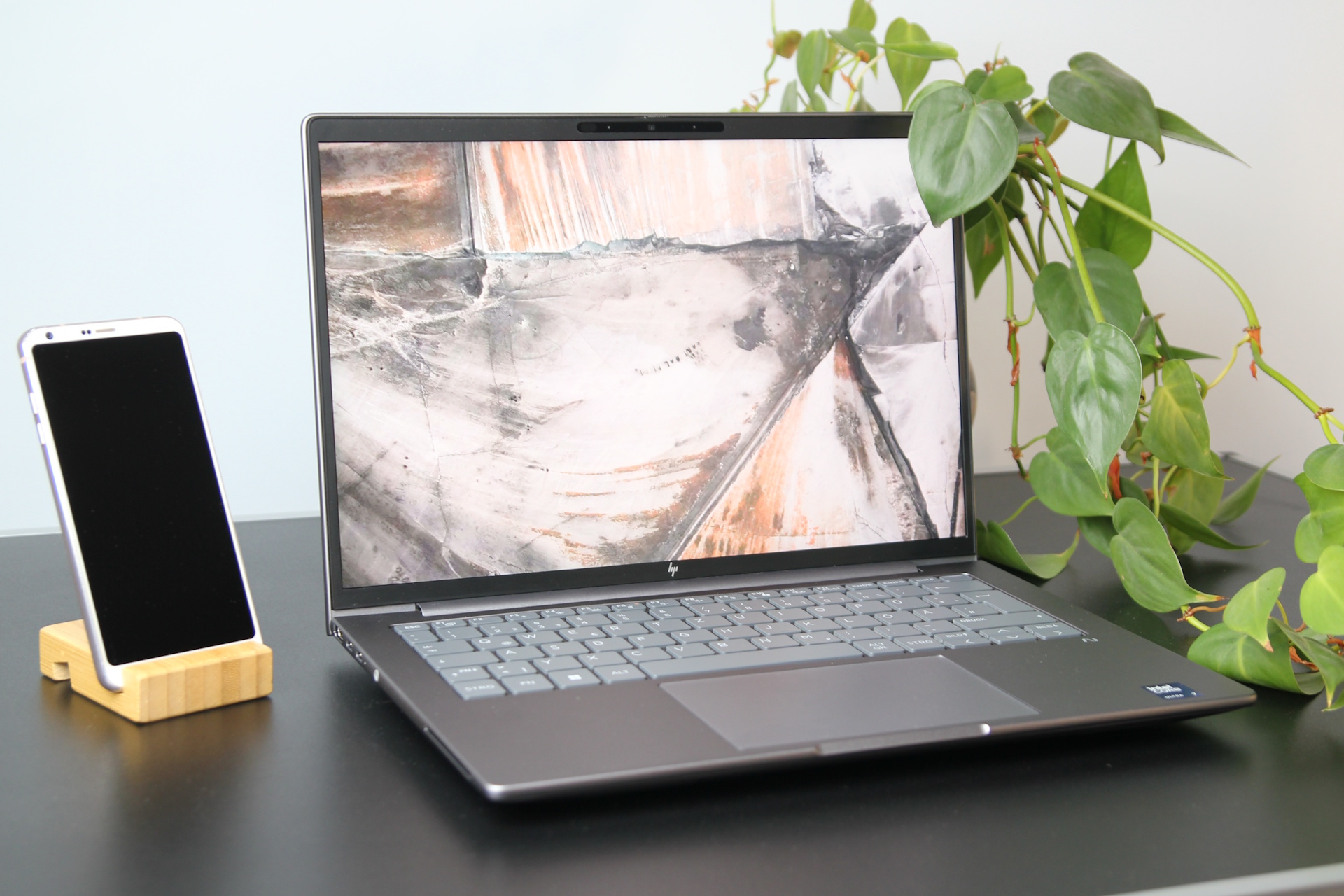
At least the display in our review unit makes a strong impression. The matte 2,560 × 1,600 IPS panel runs at 120 Hz, reaches around 429 nits, and covers tons of color space — a real win for content creators, especially paired with the RTX 500 GPU.
Digging deeper into HP’s lineup, buyers will find a surprising amount of variation among the screens. Besides the panel we tested, there are at least six other options. Our 1600p, 400-nit display seems to be one of the higher-end choices, though it doesn’t offer touch support.
There are actually two 1600p versions in total, the only difference being brightness: 400 nits or 500 nits. Neither includes touch. If you want a touchscreen, you’ll need to drop down to one of the 1200p variants — but not all of those are touch-enabled either.
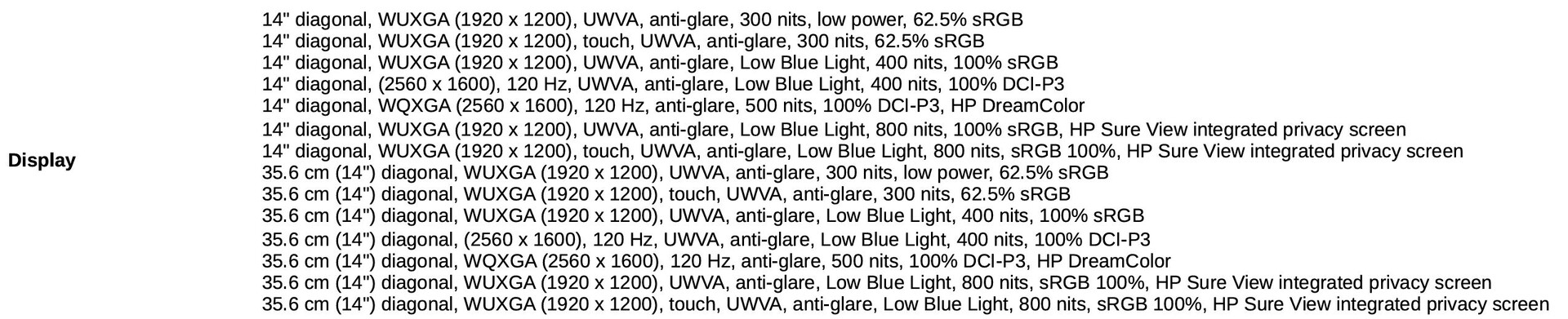
The top-tier 1200p model hits an impressive 800 nits and comes in both touch and non-touch flavors. It’s brighter than our test display, but only covers 100% of sRGB. Our 1600p panel, on the other hand, nails full sRGB and DCI-P3, and nearly full AdobeRGB coverage — clearly the better pick for color-sensitive work. HP also lists 1200p options with 400 or 300 nits of brightness, with the dimmer one supporting touch.
Of course, we can only vouch for the quality of the 1600p, 429-nit panel in our test unit. To see how the rest of the ZBook 8 G1i 14 holds up, check out our full review.

 Add as a preferred source on Google


