




BYD officially unveils AI robot Xiao Di: Tesla Optimus faces new rival as the U.S. blocks it
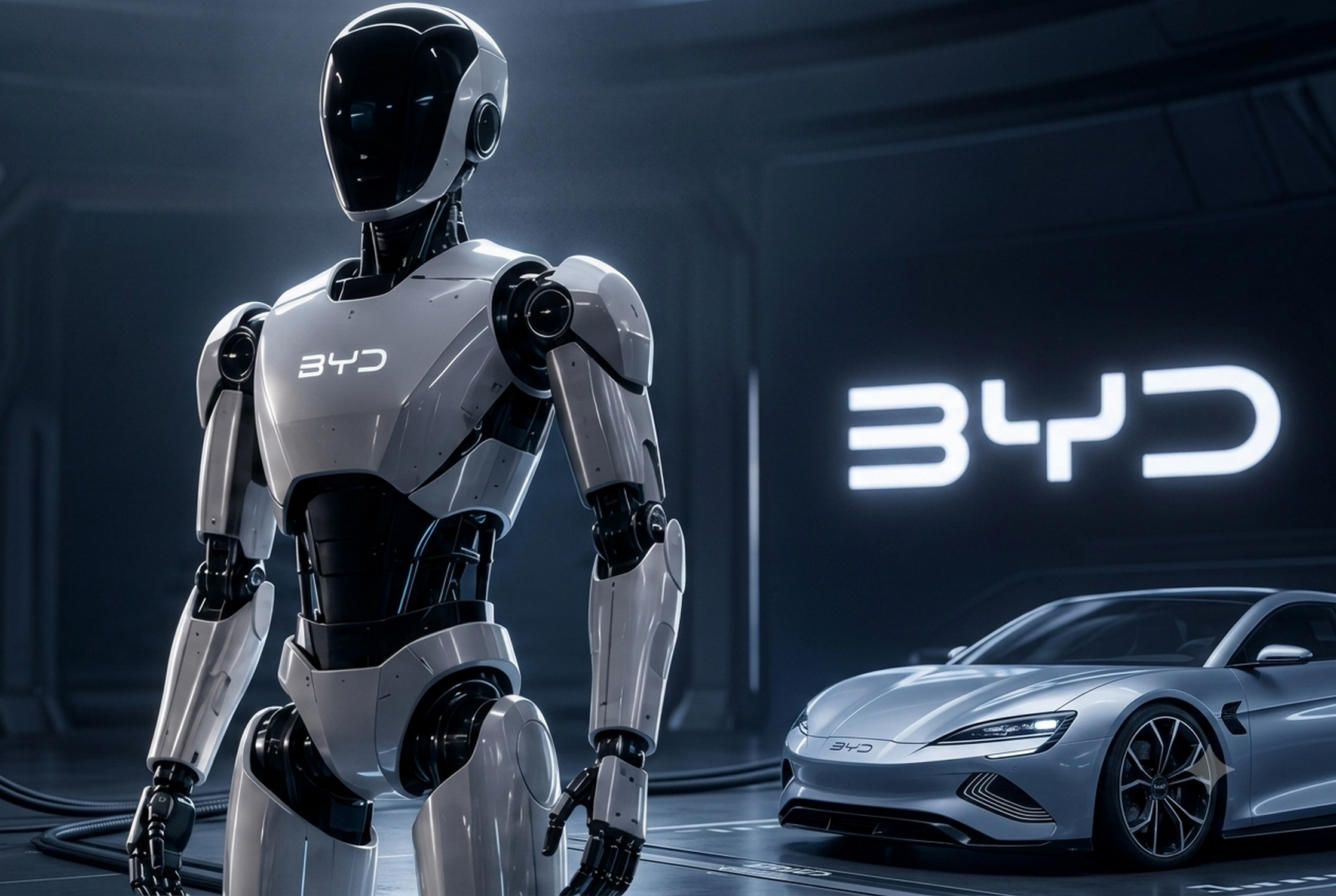
What initially emerged at the end of July only through a deleted social media post and reports from Chinese online networks is now official. BYD has confirmed to several Chinese business outlets, including the South China Morning Post and Cailian Press, that it will unveil its first humanoid AI robot, Xiao Di, in early August 2026.
At almost the same time, however, the United States is intensifying its technology conflict with China. The FCC is imposing new import restrictions on Chinese AI robots, citing cybersecurity and espionage risks as the reason for the move. The BYD android is set to be presented at the company’s own Di Space experience center in Zhengzhou.
An official teaser announces the premiere with the words: “At the beginning of August, a new friend wants to meet you.” Following the confirmation, BYD’s stock price in Hong Kong temporarily rose by more than two percent. BYD also made clear that Xiao Di is not merely a concept, but a fully functional prototype. With this move, BYD is also reinforcing the strategy outlined by Executive Vice President Stella Li, which we previously reported on ahead of the announcement. In the future, two to three humanoid robots are planned for deployment in each BYD store.
Xiao Di will welcome visitors, explain electric vehicles, and handle product demonstrations. The specifications revealed through earlier leaks, including a height of 1.61 meters, a weight of 58.5 kilograms, and particularly smooth movements, are expected to be confirmed at the official presentation. BYD views the androids as intelligent support for customer interaction rather than replacements for human sales staff.
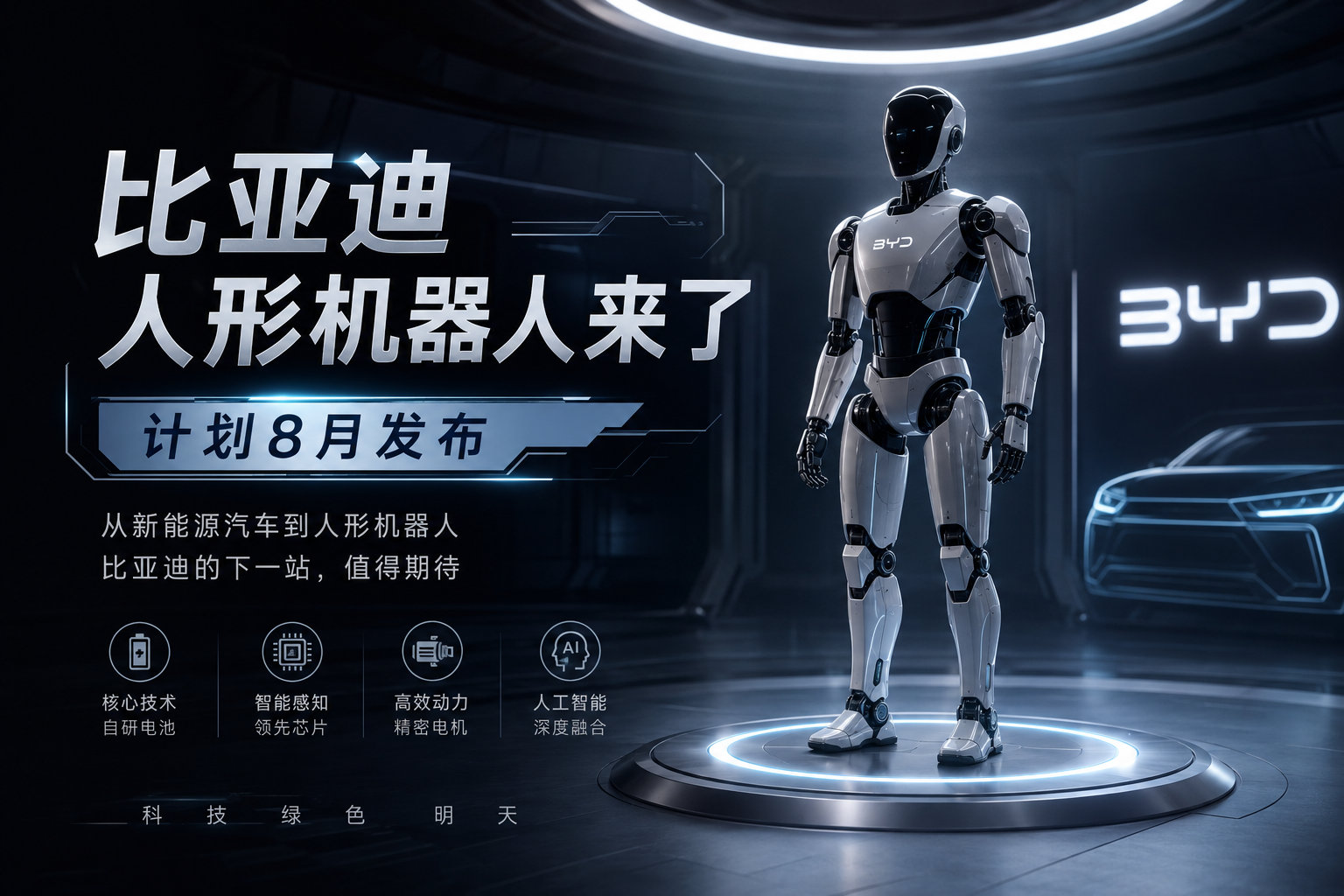
The company’s entry into humanoid robotics is considered a logical expansion of BYD’s business model. As one of the world’s largest manufacturers of batteries, electric motors, and power electronics, the company can reuse numerous key components from its own vehicle production, allowing development and manufacturing to be scaled cost-effectively.
Industry observers see a similar advantage to that of Tesla’s Optimus project. At the same time, competition within China’s automotive industry is accelerating rapidly. In addition to Tesla, manufacturers including Xpeng with Iron, Chery with Aimoga, and other companies are now developing their own humanoid robots for industrial and service applications.
While BYD prepares the official launch of its robotics program, the geopolitical conflict surrounding AI technologies is also intensifying. On July 28, 2026, the US Federal Communications Commission (FCC) approved strict import restrictions on newly developed humanoid robots from China as well as connected inverters. Established market leaders such as Chinese robotics specialist Unitree, which had already attracted attention from US authorities, are particularly affected by the new rules.
The US regulator justifies the move on the grounds of national security, protecting the domestic AI industry, and preventing potential espionage as well as cyber risks to critical infrastructure. Since the new rules specifically target new models that have not previously been approved for the US market, upcoming androids such as BYD’s Xiao Di and the wider Chinese competition are affected equally.
For these manufacturers, the US market is effectively closed off for the time being, meaning Tesla Optimus faces little direct competition there. In China and numerous other international markets, however, the race for humanoid AI robots is accelerating without signs of slowing down.
Source(s)
 Add as a preferred source on Google


