




EVs overtake ICE cars: Tesla and BYD dominate
European registration data for the first half of 2026 reveals a significant milestone. For the first time, car buyers chose plug-in vehicles more often than gasoline- or diesel-only models. BEVs alone captured 20.7% of the EU market during the first six months of the year. Adding the 9.8% share held by plug-in hybrids (PHEVs) means that nearly one in three new cars in the EU now has a charging port. By contrast, the combined market share of gasoline- and diesel-only vehicles fell from 37.8% a year earlier to 29.7%.
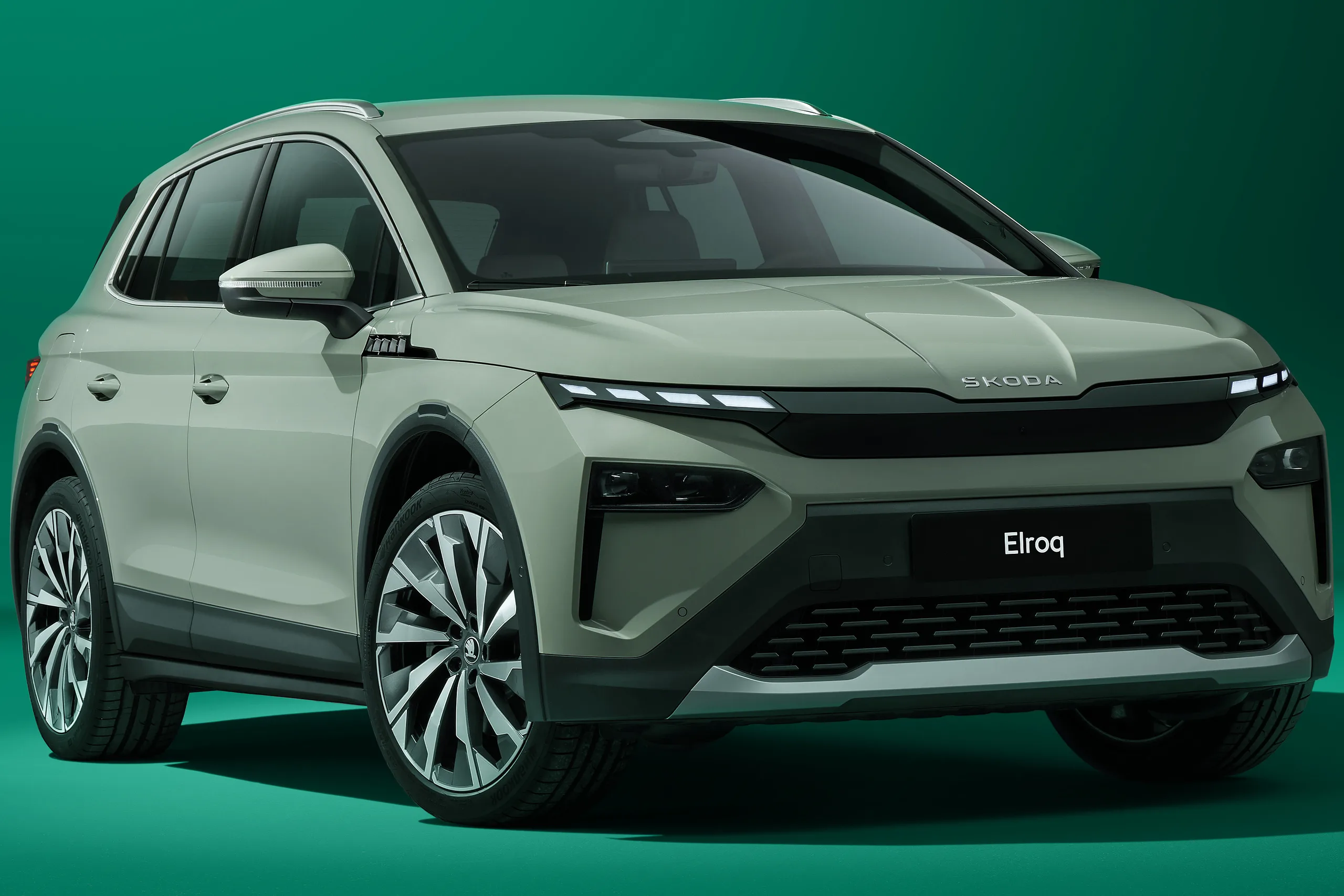
International automakers have benefited the most from this shift. US EV pioneer Tesla and Chinese brands such as BYD, Leapmotor, and Chery are capitalizing on rising EV demand and government incentives, while established European manufacturers are falling significantly behind. Western European registration figures for June illustrate the pressure on the region's auto industry. The Tesla Model Y led the rankings by a wide margin with 23,664 registrations, nearly four times as many as Volkswagen's VW ID.3. The Tesla Model 3 secured second place with 9,380 units. The new Skoda Elroq also surpassed the VW ID.3, recording 6,859 registrations compared with 6,140.
Top EVs in Western Europe* in June 2026 (ACEA/EY data):
- Tesla Model Y: 23,664
- Tesla Model 3: 9,380
- Skoda Elroq: 6,859
- Renault R5: 6,831
- Skoda Enyaq: 6,321
- VW ID.3: 6,140
*New registrations based on figures from Austria, Denmark, Finland, France, Germany, Ireland, Italy, the Netherlands, Norway, Spain, Sweden, and Switzerland.

At the same time, Chinese automakers are rapidly expanding across the European market. Their share of the EU market rose from 6% to 10% in June alone, meaning Chinese manufacturers now account for one in every ten new passenger car registrations in the bloc. Leapmotor up 496%, Chery up 271%, BYD up 199%, and Tesla up 72%, were among the biggest winners in the EU market in June. German automakers, meanwhile, saw their market share shrink to 37.3%.
However, industry experts such as EY's Constantin Gall warn that it is too early to celebrate. The strong growth has come at a high cost and remains heavily dependent on government subsidies. Once purchase incentives expire, the EV market could suffer a sharp decline. Europe is also deeply divided: While EVs reached a 67% market share in Scandinavia in June, they accounted for just 8% in Eastern European countries.
Source(s)
ACEA | EY
 Add as a preferred source on Google


